
Home & Haven
How to Build a Multi-Sensory Relaxation Room at Home
There's a difference between a room you collapse in at the end of the day and a room that actually restores you. Most of us have the first. Very few have the second. A multi-sensory relaxation room – a dedicated space that engages your sight, sound, smell, touch, and sometimes taste in ways that calm your nervous system – can become one of the most quietly powerful parts of your home. And it doesn't require a renovation or a large budget to build one.
What Are the Must-Have Features of a Wellness-Focused Home?
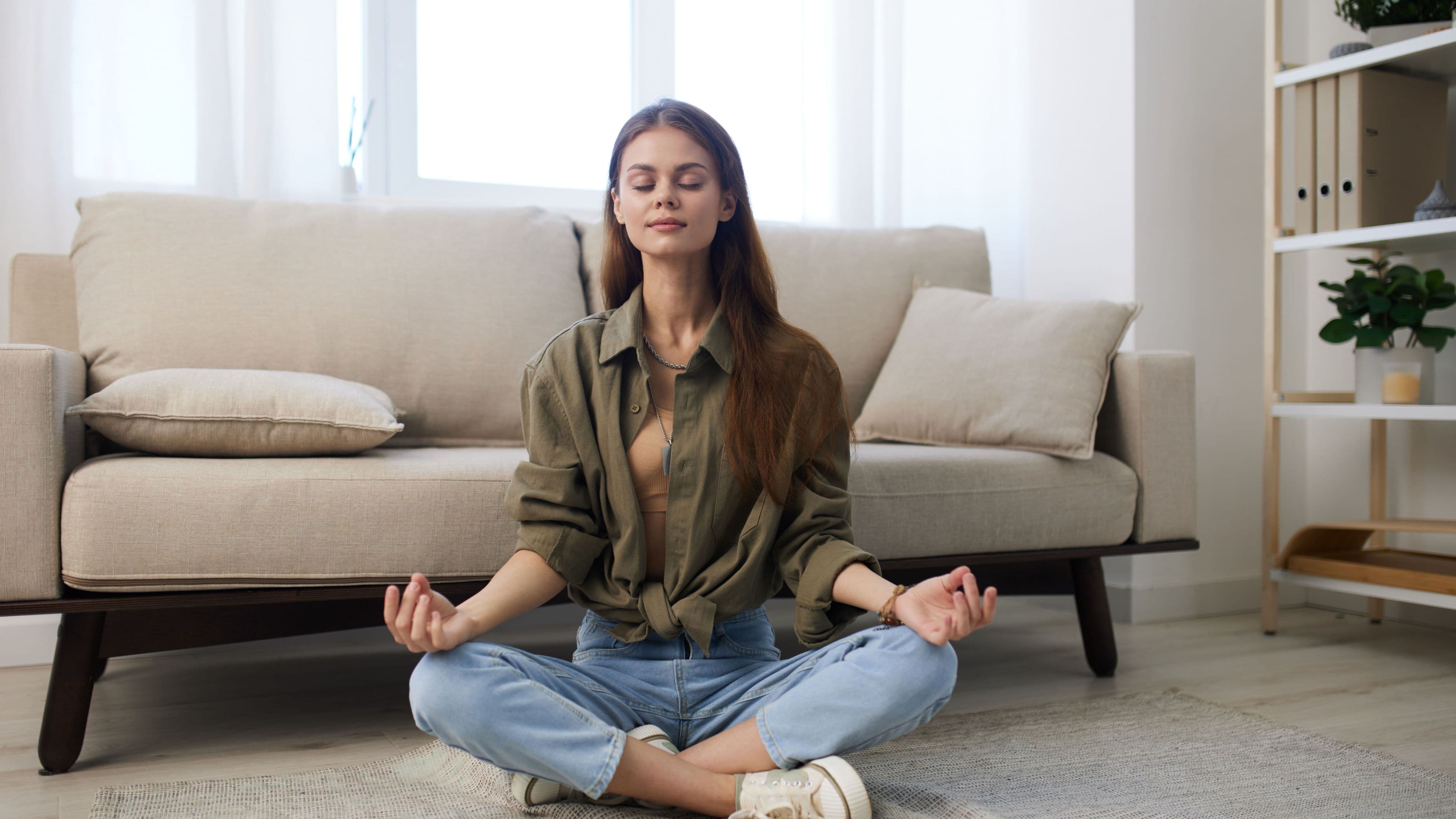
Your home affects you more than you probably give it credit for. The quality of the air you breathe, the light that greets you in the morning, the amount of noise that filters in from outside, the surfaces your eyes rest on when you're trying to unwind – all of it shapes how you feel, how you sleep, and how well you recover from the demands of daily life. A wellness-focused home isn't about a particular aesthetic or a list of expensive upgrades. It's about making deliberate choices so that your environment actively supports your health rather than quietly working against it.

How to Declutter Your Home: Steps to a Simplified Life
A cluttered home doesn’t just overwhelm your space—it quietly drains your energy. More than ever, people are turning to minimalist living and intentional design to bring calm and order into their daily lives. Decluttering isn’t about getting rid of everything; it’s about keeping what matters and creating a space that supports your lifestyle. We spoke with interior stylist Elena Ward, who says, “A well-organized home not only looks beautiful—it functions better. The goal is to design with purpose, not just decoration.”

10 Smart Home Upgrades That Actually Improve Daily Comfort
Some home upgrades look impressive on paper but don't change how your day actually feels.

7 Hidden Home Distractions That Are Affecting Your Focus
You've closed the unnecessary tabs. You've silenced your phone. You've made your coffee and sat down ready to work – and yet something still feels off. Your thoughts drift, you re-read the same paragraph three times, and an hour slips by with very little to show for it.

8 Smart Home Features That Save Time Every Day
Time is one of those things that feels most precious when it's already gone. The morning slips by in a blur of small decisions and forgotten tasks. The evening dissolves into the friction of winding down a day that never quite settled. And somewhere in the middle, the home – which is supposed to be your sanctuary – becomes another thing demanding your attention.

8 Ways to Improve Air Quality Without Expensive Systems
The air inside your home is probably worse than the air outside. That's not a scare tactic — it's a well-documented finding from the EPA, which reports that indoor air can be two to five times more polluted than outdoor air, even in cities. Dust, mold spores, VOCs from cleaning products, pet dander, and off-gassing from furniture all accumulate in enclosed spaces that don't breathe as much as we think they do.
9 Small Home Changes That Instantly Improve Your Mood
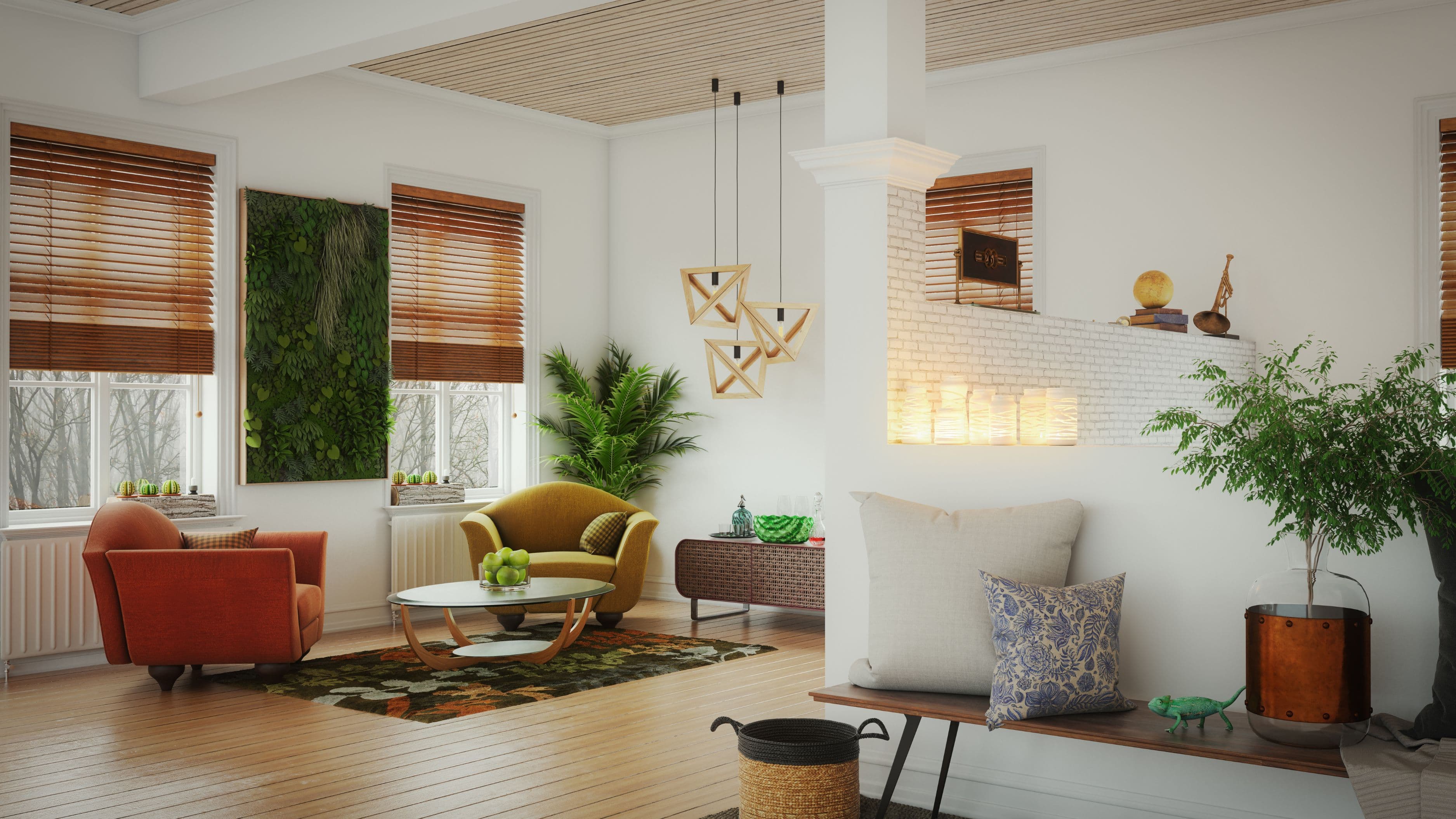
Your home has more influence over how you feel than you probably give it credit for. Not in a dramatic way – more like background music. When the environment is working with you, you barely notice it. When it's working against you, there's a low-level friction to everything: a restlessness you can't quite name, a tiredness that settles in before the day has really started.

Air Purifier Vs Humidifier: Which Do You Really Need at Home?
They sit side by side in most home goods stores. They both promise to make your air feel better. And if you've ever stood there trying to figure out which one to actually bring home, you're not alone.

Are Smart Gardens Worth It for Indoor Living Spaces?
There's something quietly grounding about growing things indoors. A small plant on a windowsill, fresh herbs on the kitchen counter, a bit of green in an otherwise neutral room – these small touches have a way of making a space feel more alive and more like home. Smart gardens take that idea and make it almost effortless, promising fresh herbs and greens year-round without the guesswork that trips up most indoor gardening attempts.

Are Smart Home Systems Worth It for Everyday Living?
Smart home technology has gone from a luxury feature in design magazines to something you can set up on a Sunday afternoon with a few devices and a phone app. But with so many options, price points, and opinions floating around, it's hard to know if any of it actually makes your life better - or if it just adds one more thing to manage. If you've been curious but cautious, that's a reasonable place to be.
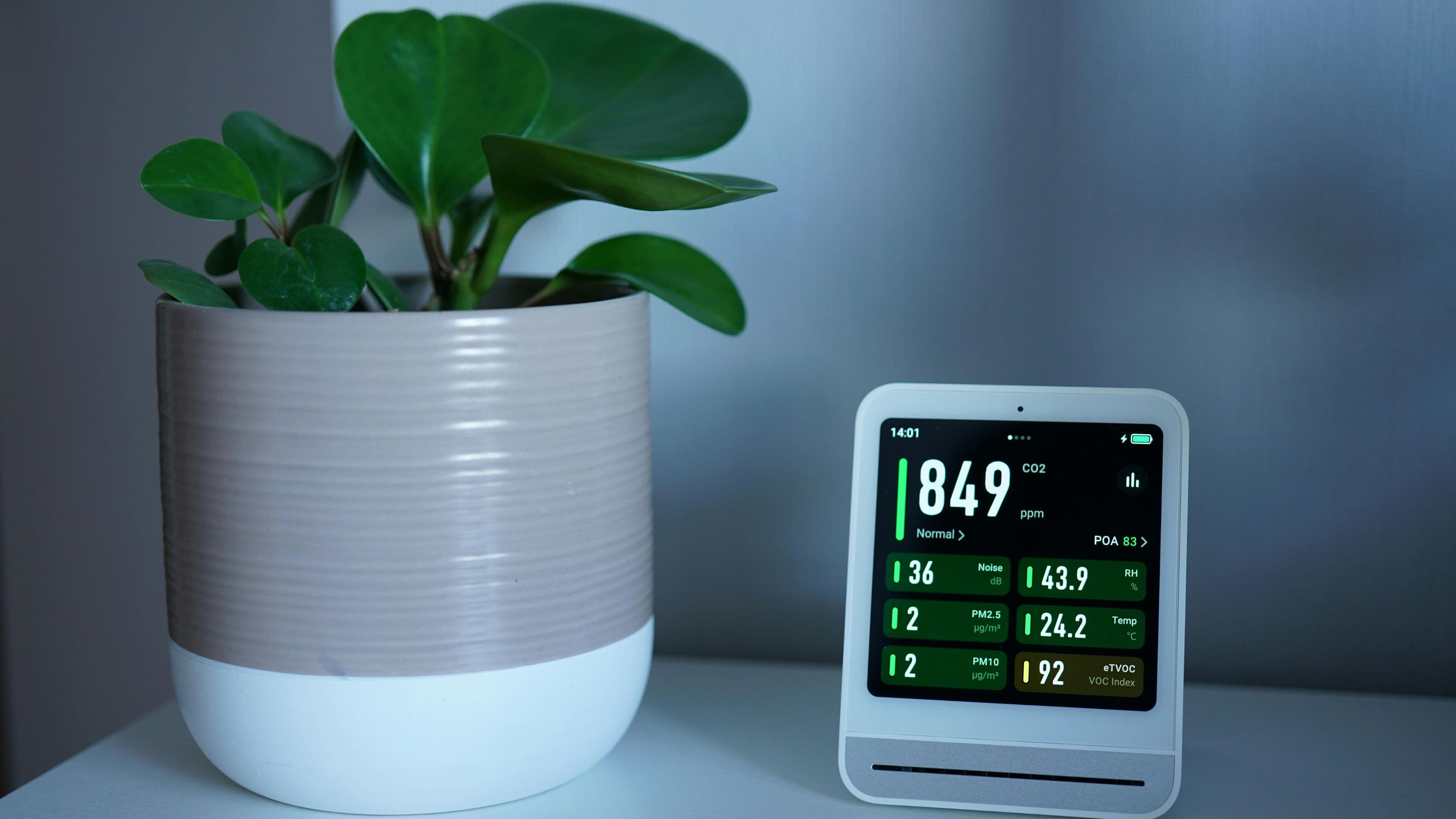
Best Devices to Monitor and Improve Indoor Air Quality
Most of us spend around 90 percent of our time indoors, yet the air inside our homes rarely gets the same attention as the food we eat or the water we drink. Indoor air can carry pollutants – dust, mold spores, volatile organic compounds from furniture and cleaning products, carbon dioxide from breathing in a closed room – at levels that affect your sleep, your focus, and how you feel day to day without you ever connecting the dots.

Best Home Fragrance Systems for a Calm and Inviting Space
Scent is one of the most underestimated tools for shaping how a space feels. You can arrange furniture perfectly, choose the right lighting, and invest in beautiful textiles – but the moment someone walks through your door, it's often the smell of your home that creates the first and most lasting impression. More than that, the right fragrance in your living space can genuinely shift your mood, lower your stress response, and signal to your nervous system that it's time to slow down.
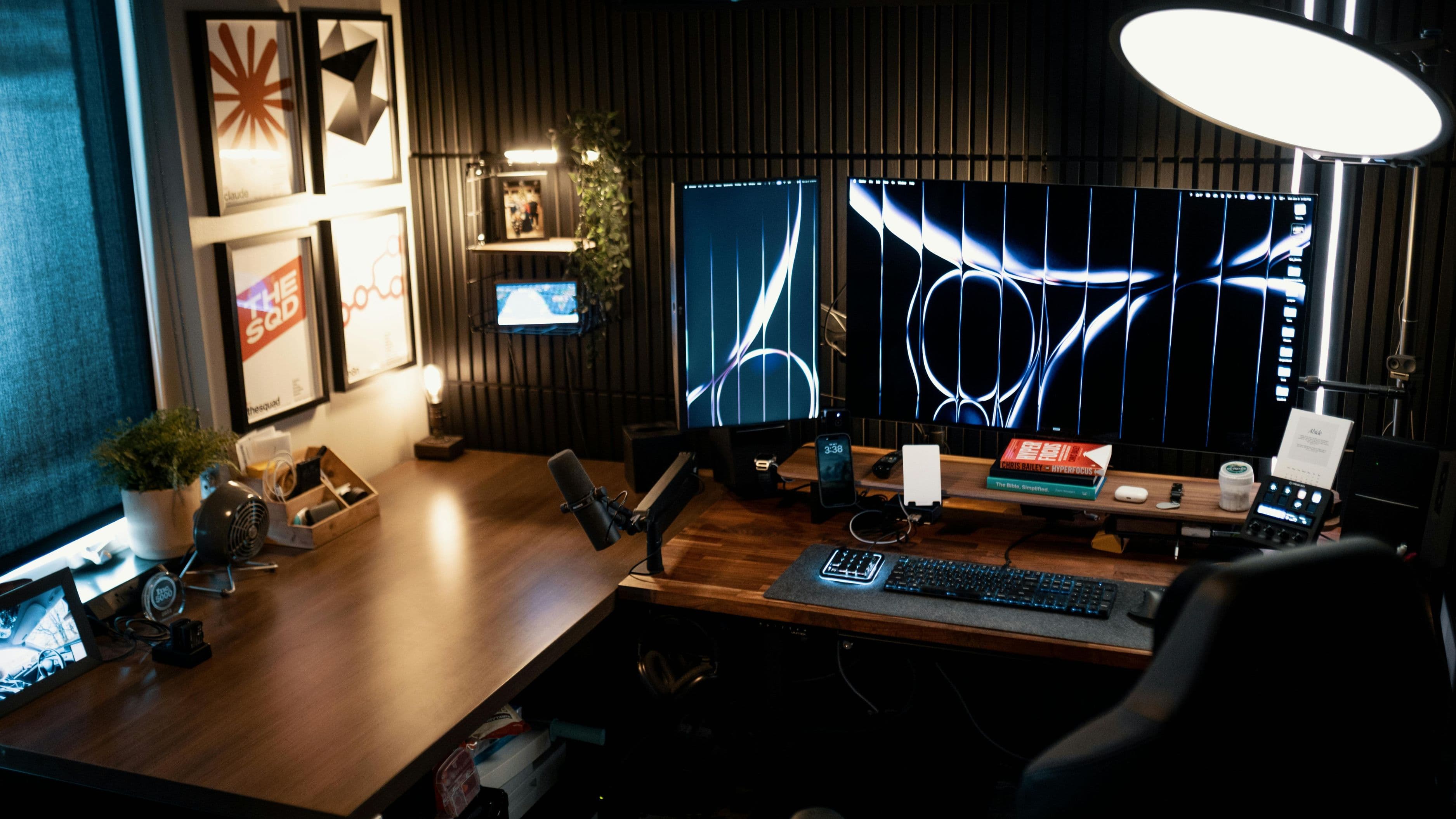
Best Soundproofing Solutions for a Quiet and Peaceful Home
There's a particular kind of exhaustion that comes from never quite getting silence. The neighbor's TV bleeding through the wall, traffic humming outside your bedroom window, footsteps from the floor above interrupting your focus - noise has a way of accumulating quietly until your home stops feeling like a refuge. If you've been craving more quiet, you're not imagining the toll it takes.
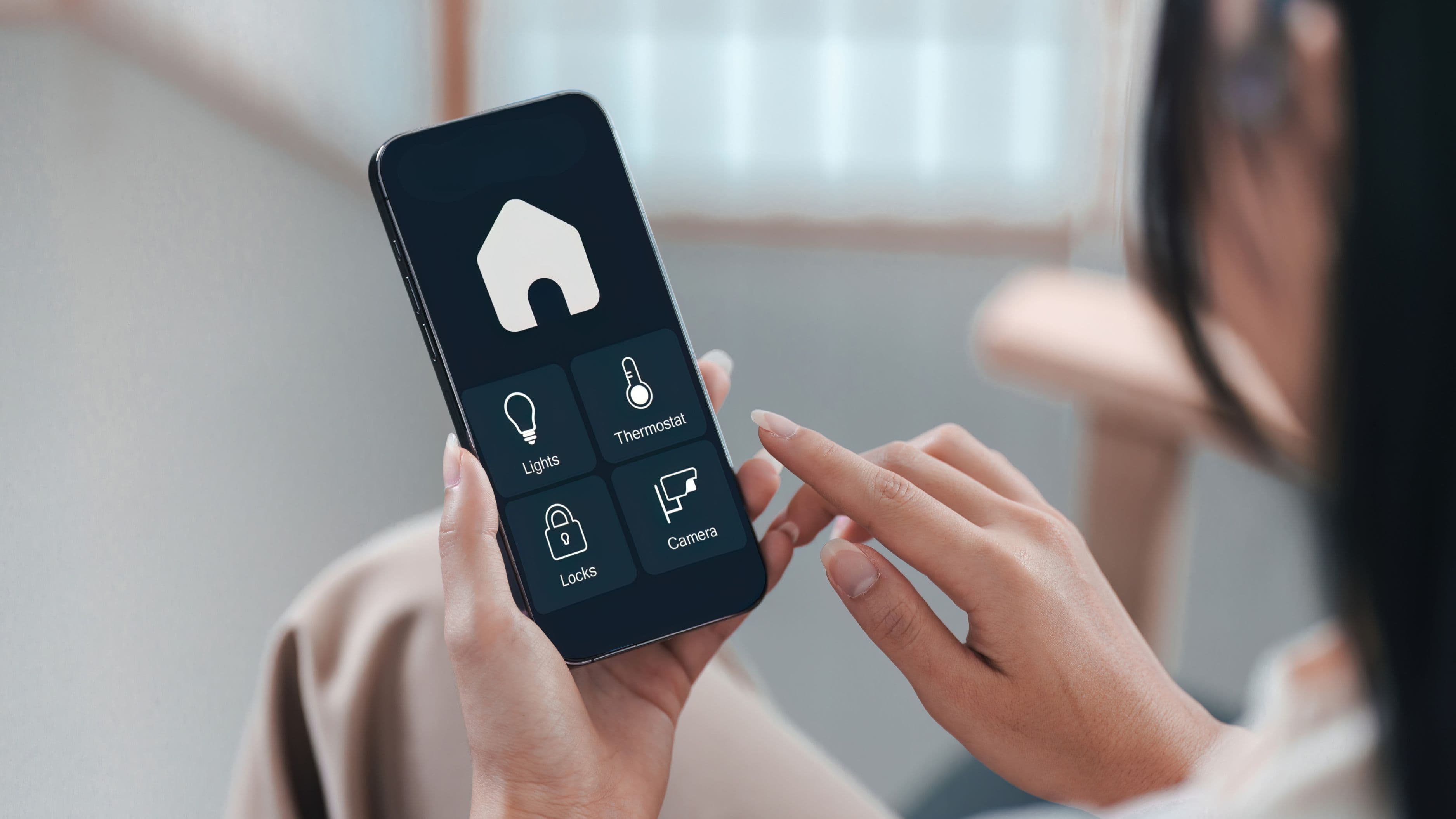
How to Create Invisible Tech Integration in Your Living Space
There's a certain kind of relief that comes from walking into a room that feels calm – no blinking device lights, no tangled cables, no screens demanding your attention. But chances are, that same room still has a thermostat, a speaker, maybe even a smart lock. You just don't notice them. That's invisible tech integration: technology that supports your life without cluttering your mind or your space.

How to Create a Distraction-Free Workspace at Home
There's a version of your home office that works with you - and a version that quietly fights you all day long. The difference usually isn't the desk or the chair. It's whether your environment has been set up with intention or just assembled by default.
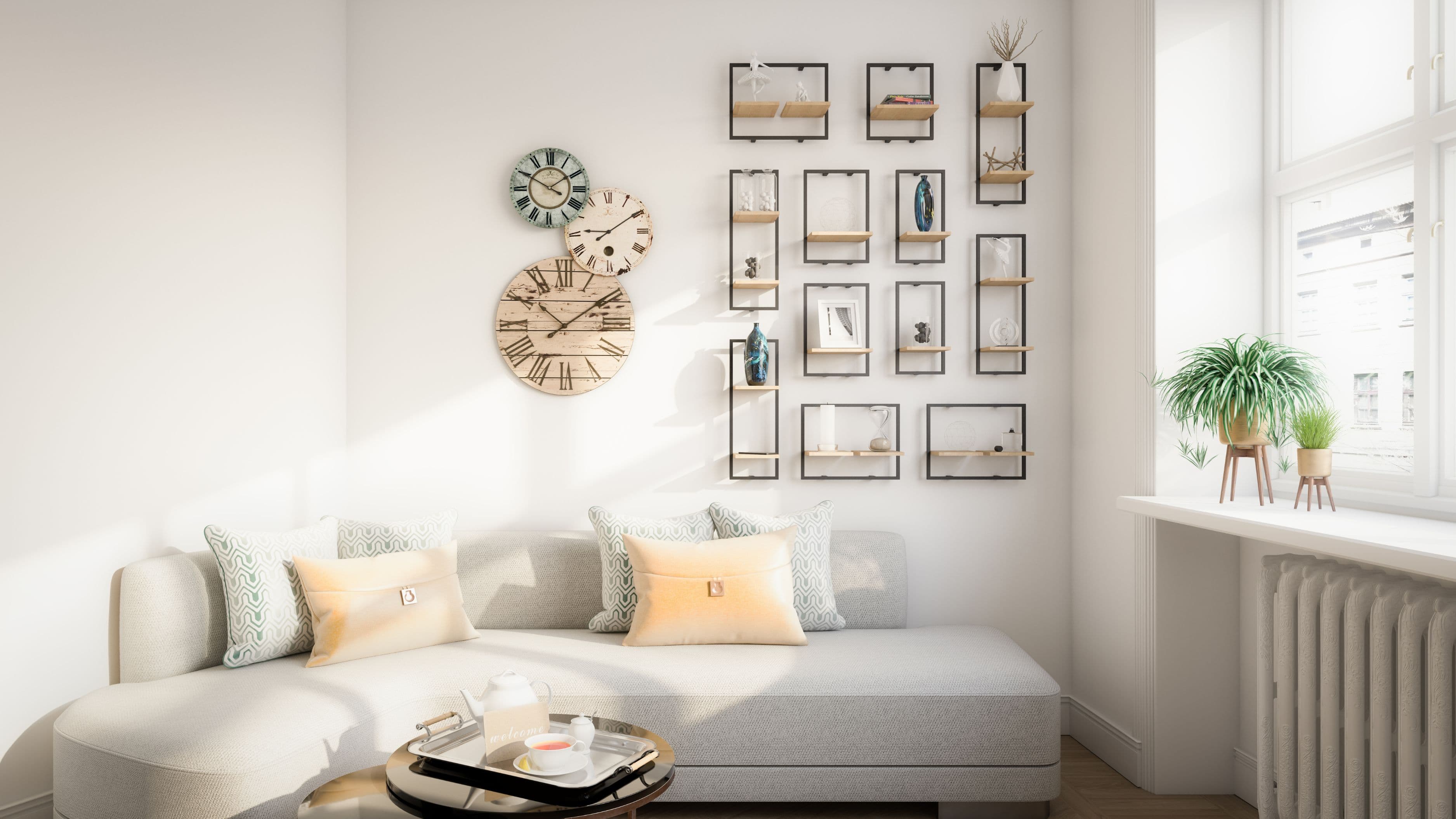
How to Create a Home That Supports Mental Clarity and Focus
There's a version of your home that works against you. Surfaces stacked with things you'll deal with later, notifications pulling at your attention from every corner, light that's either too harsh or too dim, rooms that feel like they hold the residue of a dozen unfinished tasks. It's easy to underestimate how much your physical environment shapes your inner state – until you step into a space that genuinely feels calm, and notice the difference in how you think and breathe.
How to Design a Calming Home Environment That Reduces Stress
Your home should feel like a place you want to come back to - not another source of tension.
How to Design a Home That Feels Cozy Without Clutter
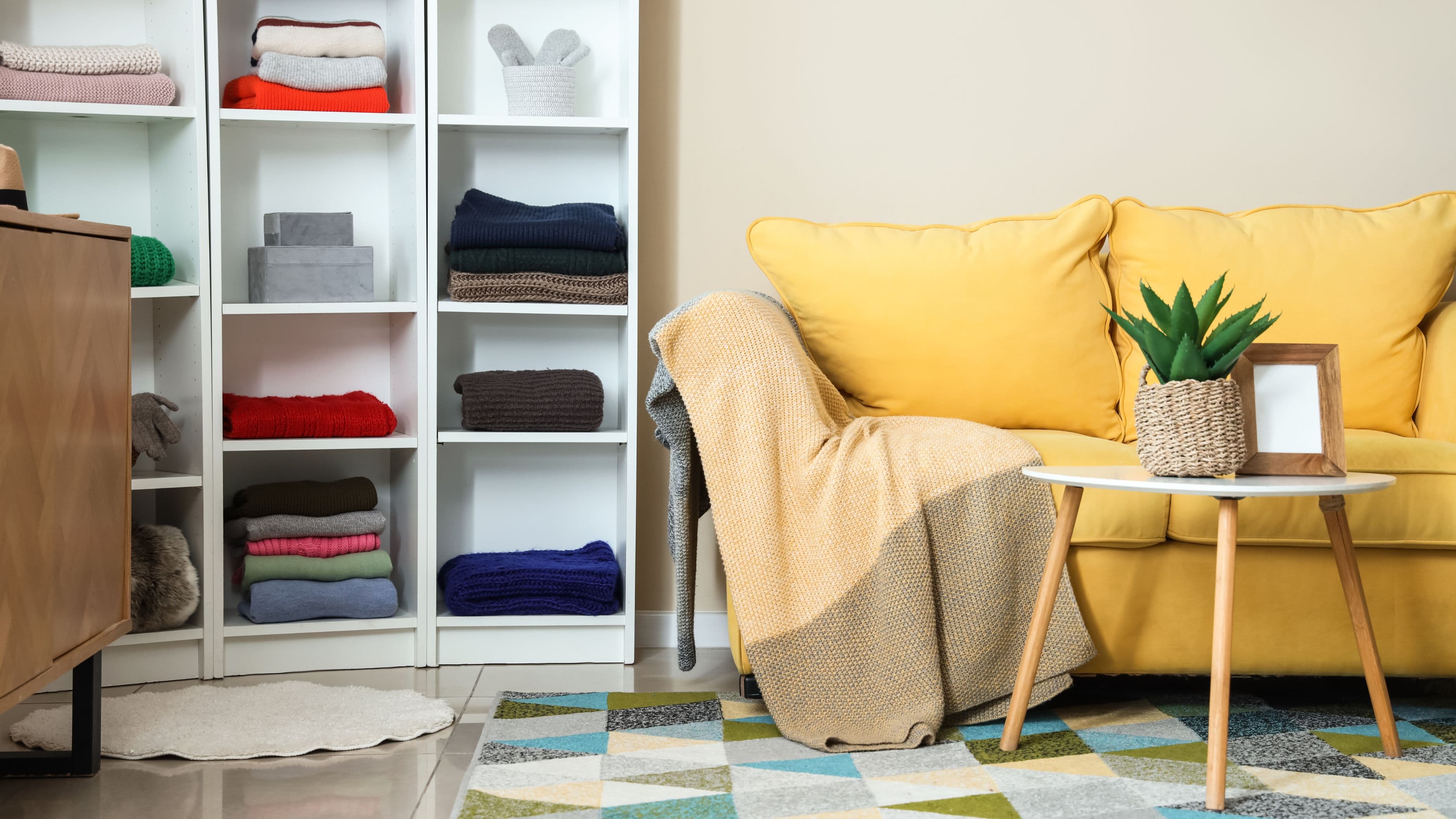
There's a version of cozy that most of us recognize instinctively – a room that feels warm and lived-in, where you want to settle in and stay a while. And then there's the other version: a room so stuffed with things that it feels heavy, where you can't quite relax because your eyes keep catching on stuff that needs sorting, moving, or dealing with. The line between the two can feel thin, but it's not mysterious. It comes down to intention.

How to Optimize Your Home for Better Sleep Quality
Sleep is rarely just about willpower or winding down faster. For most people, the real issue is the environment they're trying to sleep in – and without realizing it, their bedroom is working against them every single night. Light leaking through curtains, a room that's slightly too warm, a mattress that's been quietly failing them for years – these things accumulate in a way that makes restful sleep feel elusive even when you're genuinely tired.
How to Set Up a Smart Bedroom for Better Rest and Recovery
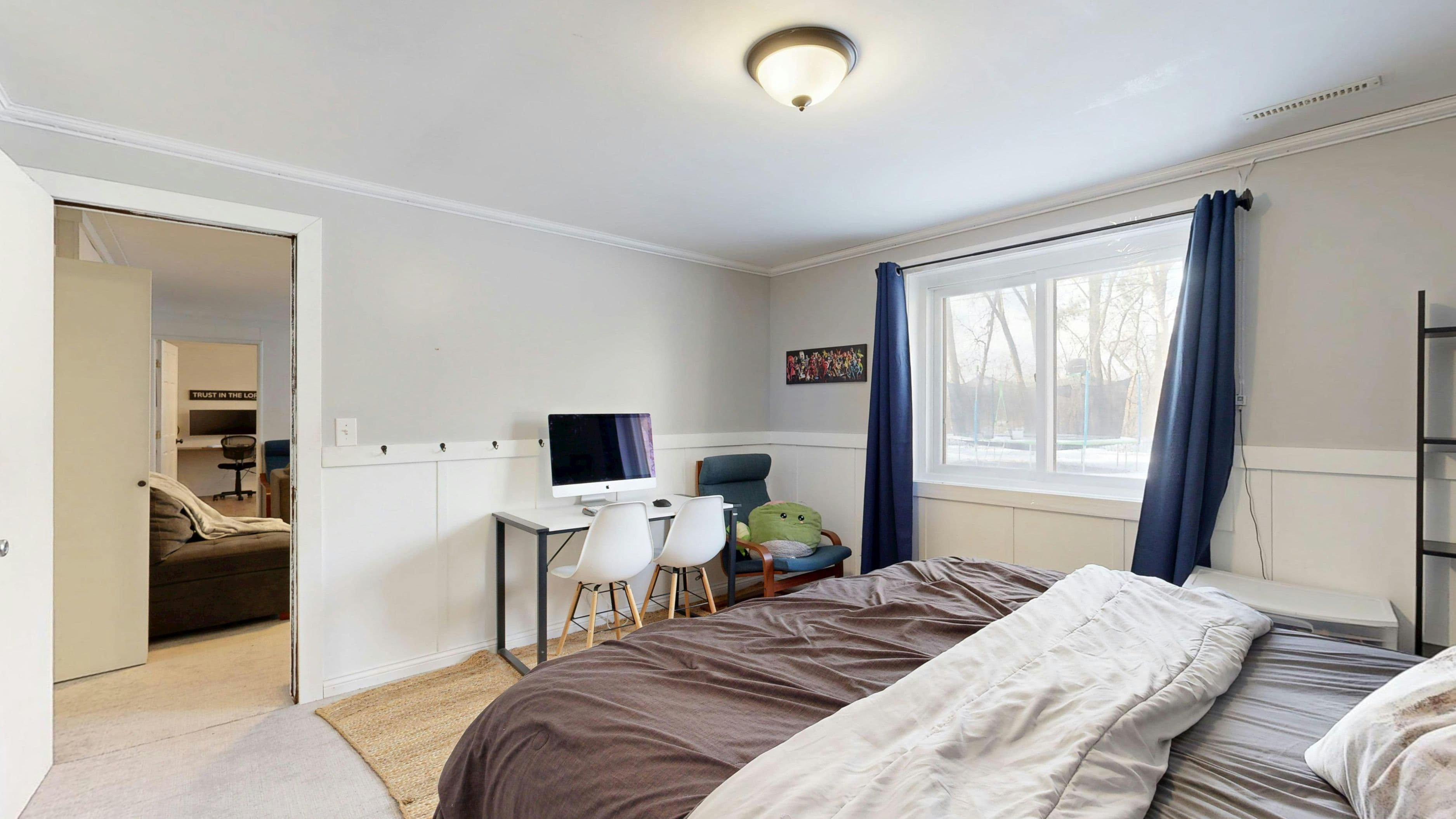
Sleep is the one thing most people know they need more of and the one thing they consistently sacrifice first. Late screens, bright overhead lights, a room that's too warm, a mind that won't quiet down – the modern bedroom is often working against rest rather than supporting it. The good news is that small, intentional changes to your sleep environment can make a meaningful difference, and you don't need to overhaul everything at once to feel the shift.

Is a Whole-Home Water Filtration System Worth It?
The water coming out of your tap might look clean, but what's actually in it is a different conversation. For a lot of people, that question has moved from background curiosity to a genuine concern – especially as more research connects water quality to everyday health, skin condition, sleep, and overall home environment. If you've been wondering whether a whole-home water filtration system is worth the investment, you're not alone, and the answer is more nuanced than a simple yes or no.
Smart Lighting Vs Natural Light: What’s Better for Your Wellbeing?
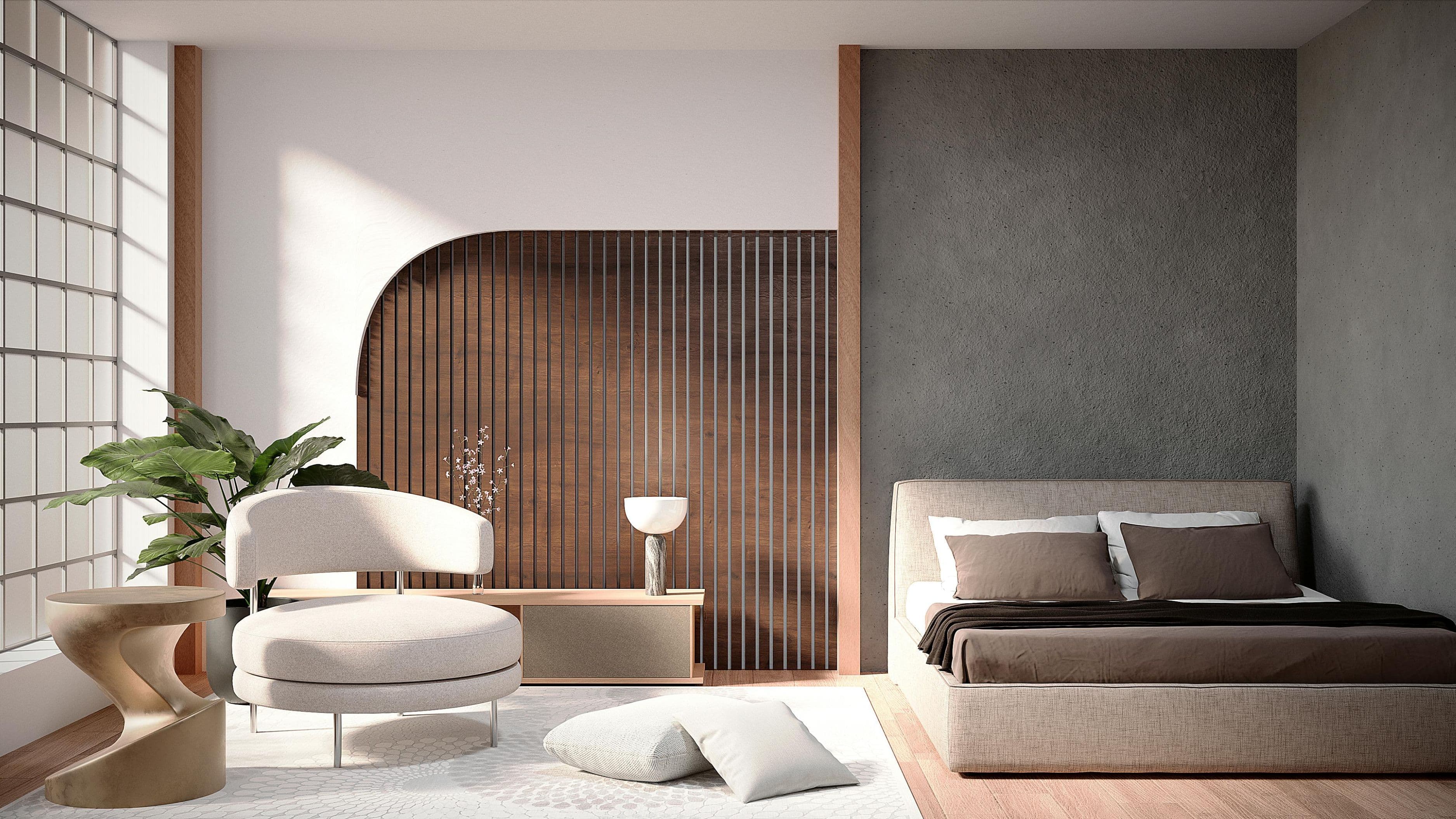
There's something unmistakable about the quality of light on a clear morning – the way it gradually fills a room, shifts in color as the hours pass, and feels almost like a kind of companionship. It's hard to replicate, and yet most of us spend the majority of our waking hours under artificial light, often without giving it much thought.

Smart Locks Vs Traditional Locks: Which Is Better for Home Security?
Feeling safe at home is one of the most fundamental forms of wellbeing. It's hard to rest, recharge, or be fully present when there's a low-level worry humming in the background about whether your home is as secure as it could be. For a lot of people, that question eventually leads to the front door – specifically, to what's actually keeping it shut.

What Are the Best Ways to Automate Your Home for Comfort?
There's a certain kind of relief that comes from walking into a home that feels like it was waiting for you. The lights are soft, the temperature is just right, and the space feels calm before you've even set your bag down. That feeling isn't accidental – and increasingly, it doesn't have to be effortful either.
What Is a Smart Energy Dashboard and Do You Need One?
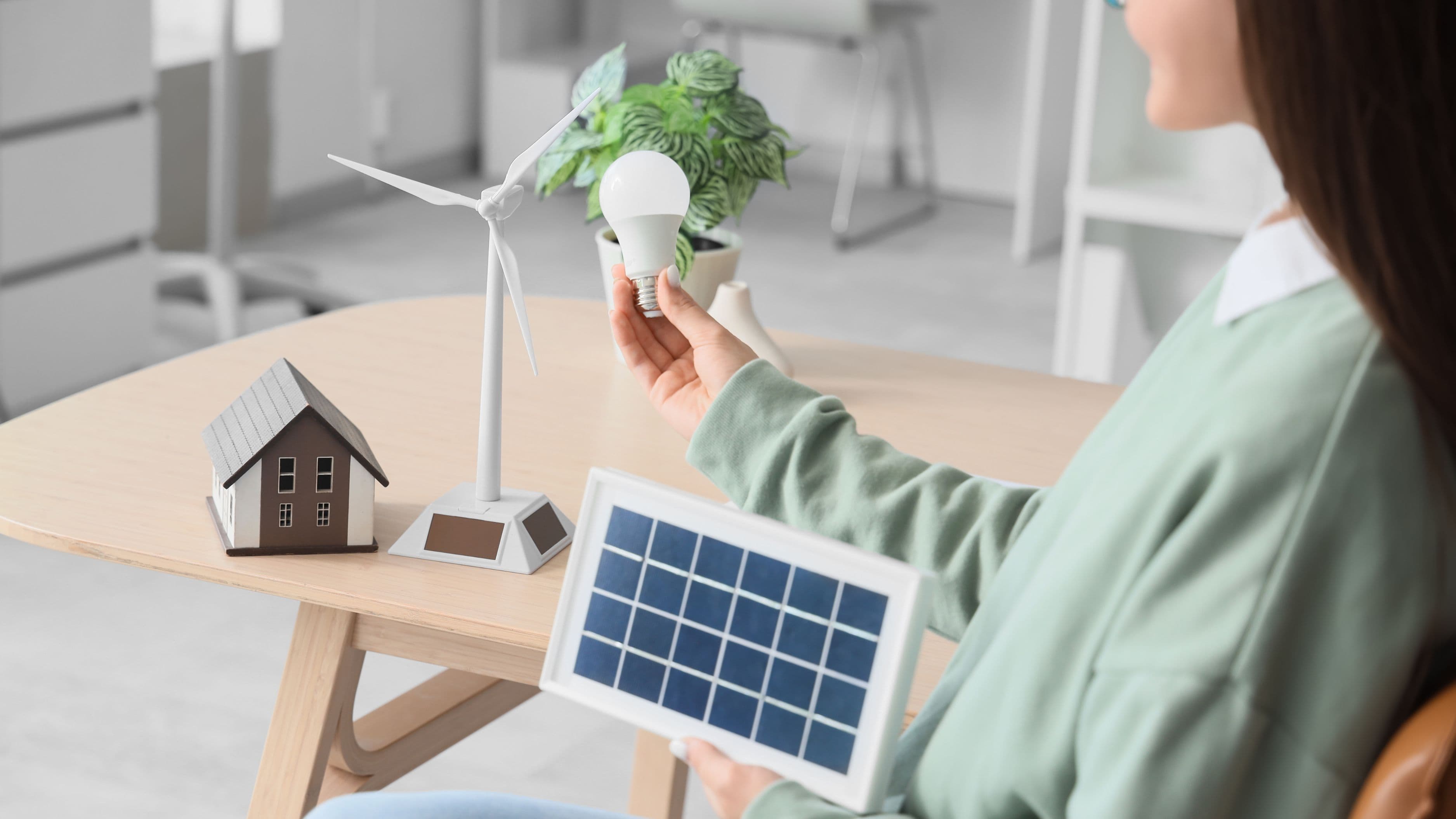
There's a particular kind of low-grade stress that comes from not knowing where your money is going – and for many households, energy costs are a major part of that uncertainty. You pay the bill every month, but the number feels arbitrary, disconnected from anything you can actually point to or change. A smart energy dashboard is one of the more practical tools for dissolving that specific kind of stress, because it replaces the vague anxiety of "why is this bill so high?" with actual, usable information.

What Is the Best Lighting Setup for a Relaxing Home?
Your lighting is doing more to your nervous system than you probably realize. The wrong light at the wrong time keeps you wired when you want to wind down, or leaves you foggy when you're trying to focus. Getting it right doesn't take a renovation - it just takes a little intention.
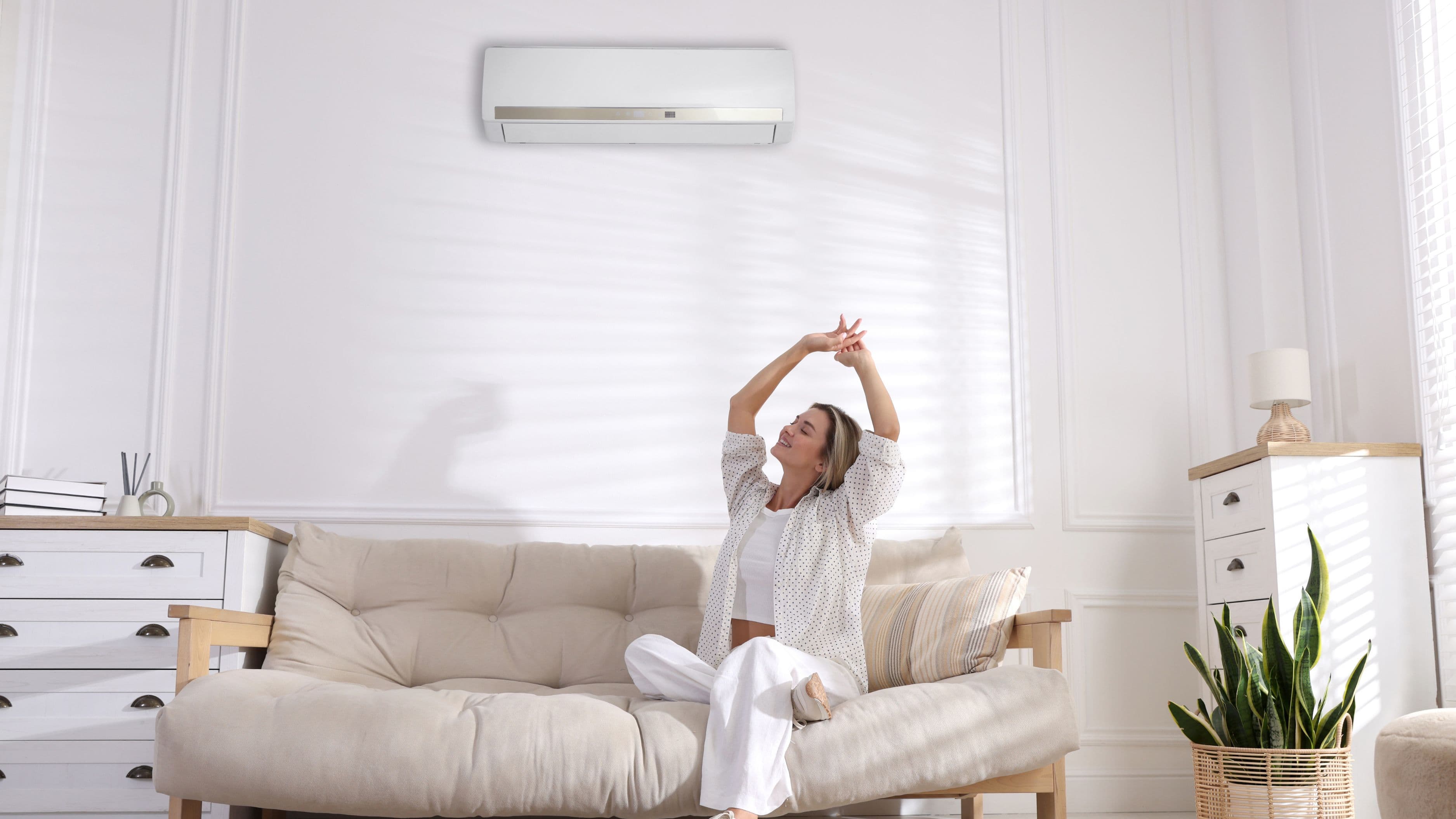
What Is the Ideal Temperature for a Comfortable Home Year-Round?
Temperature is one of those things you only really notice when it's wrong. Too warm and you feel sluggish, restless, and vaguely irritable. Too cold and you can't settle, your body tenses up, and everything takes more effort than it should. When your home's temperature is just right, it becomes something you stop thinking about entirely – and that quiet comfort does more for your wellbeing than most people realize.

What Makes a Home Feel Truly Comfortable and Balanced?
You've probably walked into someone else's home and felt immediately at ease – without being able to explain why. The light was soft, the air felt clean, nothing competed for your attention. It didn't have to be expensive or perfectly decorated. It just felt right. That feeling isn't accidental, and it's not out of reach.
Explore other categories
Same editorial standard, different decisions.

Family & Relationships
Browse Family & Relationships
Financial Wellness
Browse Financial Wellness
Growth
Practical growth frameworks for ambitious professionals — deep work, habit design, decision-making and boundary-setting systems that compound.
Browse Growth
Lifestyle
Intentional lifestyle design for modern professionals — sleep hygiene, minimalist spaces, screen balance and routines that make calm the default.
Browse Lifestyle
Mindful Learning
Browse Mindful Learning
Mindful Living
Browse Mindful Living
Mindful Shopping
Browse Mindful Shopping
Wellness
Evidence-based wellness strategies for professionals — mindfulness, breathwork, cortisol regulation and nervous-system recovery you can apply today.
Browse Wellness