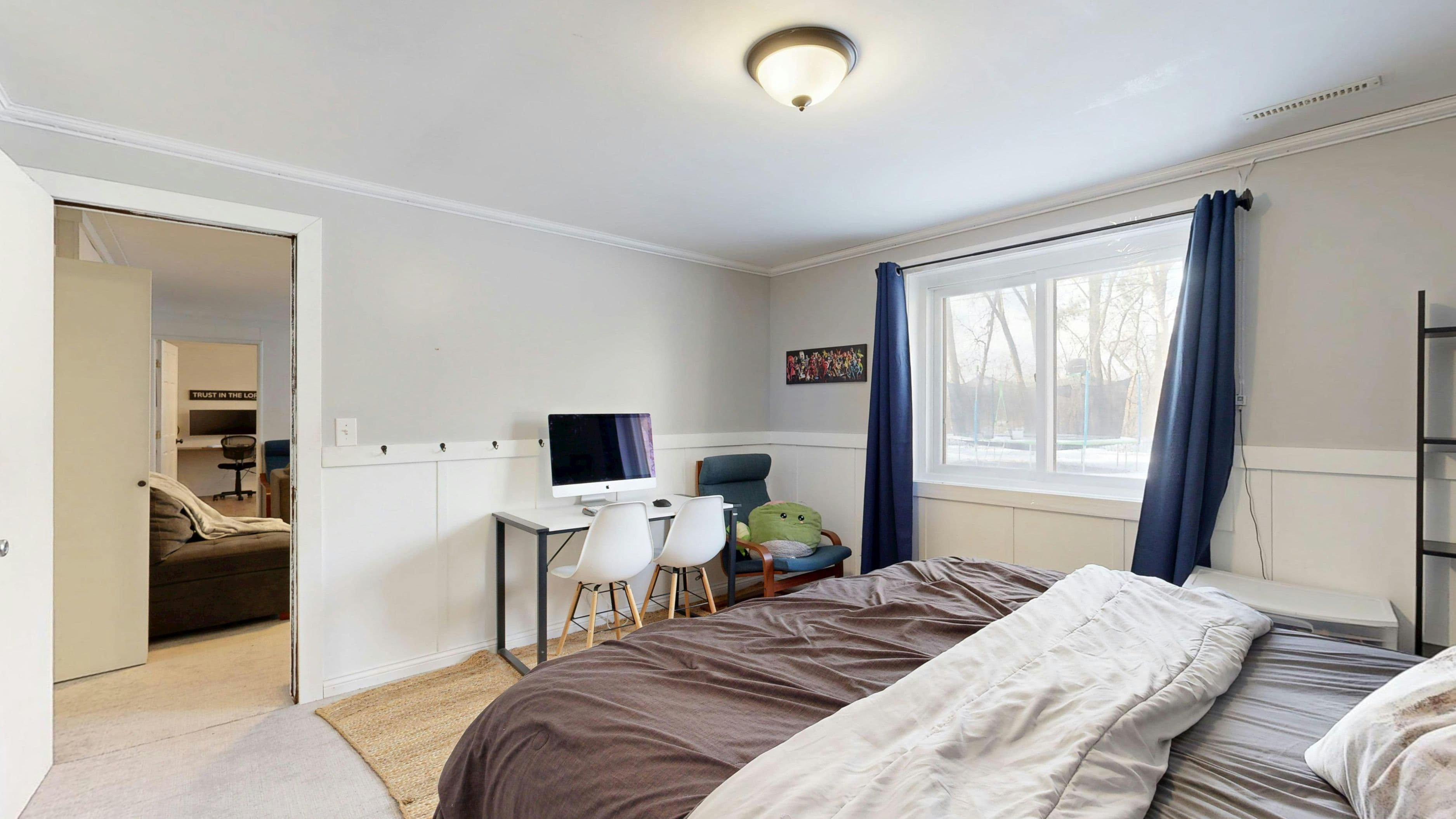
Most home workspaces weren't designed. They evolved. A laptop on the kitchen table. A monitor squeezed into the corner of a bedroom. A chair that was always meant to be temporary. And then life layered on top - deliveries arriving, family moving through, phones lighting up, dishes sitting in view.
This guide walks you through how to actually build a workspace that supports focus, calm, and real productivity - not by turning your home into an office, but by being thoughtful about what you let into your working environment.
Before you start: understand what "distraction-free" really means for you
There's no universal setup. What pulls one person out of focus is background noise. For someone else, it's visual clutter. For another, it's digital notifications or an uncomfortable chair that sends them wandering for snacks every 40 minutes.
Before you move anything or buy anything, spend one honest work session paying attention to what actually interrupts you. Write it down. The interruptions that happen most often, the ones that take longest to recover from, and the moments when you feel genuinely settled and focused. That self-knowledge shapes everything that follows.
Step 1: Choose and protect your space
The first and most important thing is location. You don't need a dedicated room - but you do need a location that has at least some psychological separation from the rest of your home life.
A corner of a room with your back to the rest of the space can be enough. A fold-out desk in a hallway nook. A table that's used exclusively for work and cleared at the end of the day. What matters is that your brain starts to associate that spot with focused effort.
If you share your home with other people, the boundary matters even more. A simple conversation about what "door closed" or "headphones on" means goes further than any furniture arrangement. Boundaries communicated clearly once are far more effective than trying to hide yourself away.
If you genuinely have no dedicated spot, consider using visual cues to signal the start and end of work - a specific lamp you turn on only during work hours, or a particular desk mat you put away when you're done. These seem small, but they train your nervous system to shift gears.
Step 2: Clear the visual field
Your eyes register everything in their field of view, even when you think you're ignoring it. A pile of laundry in the corner, dishes on the desk, paperwork from last week - all of it creates low-grade mental noise that accumulates across a workday.
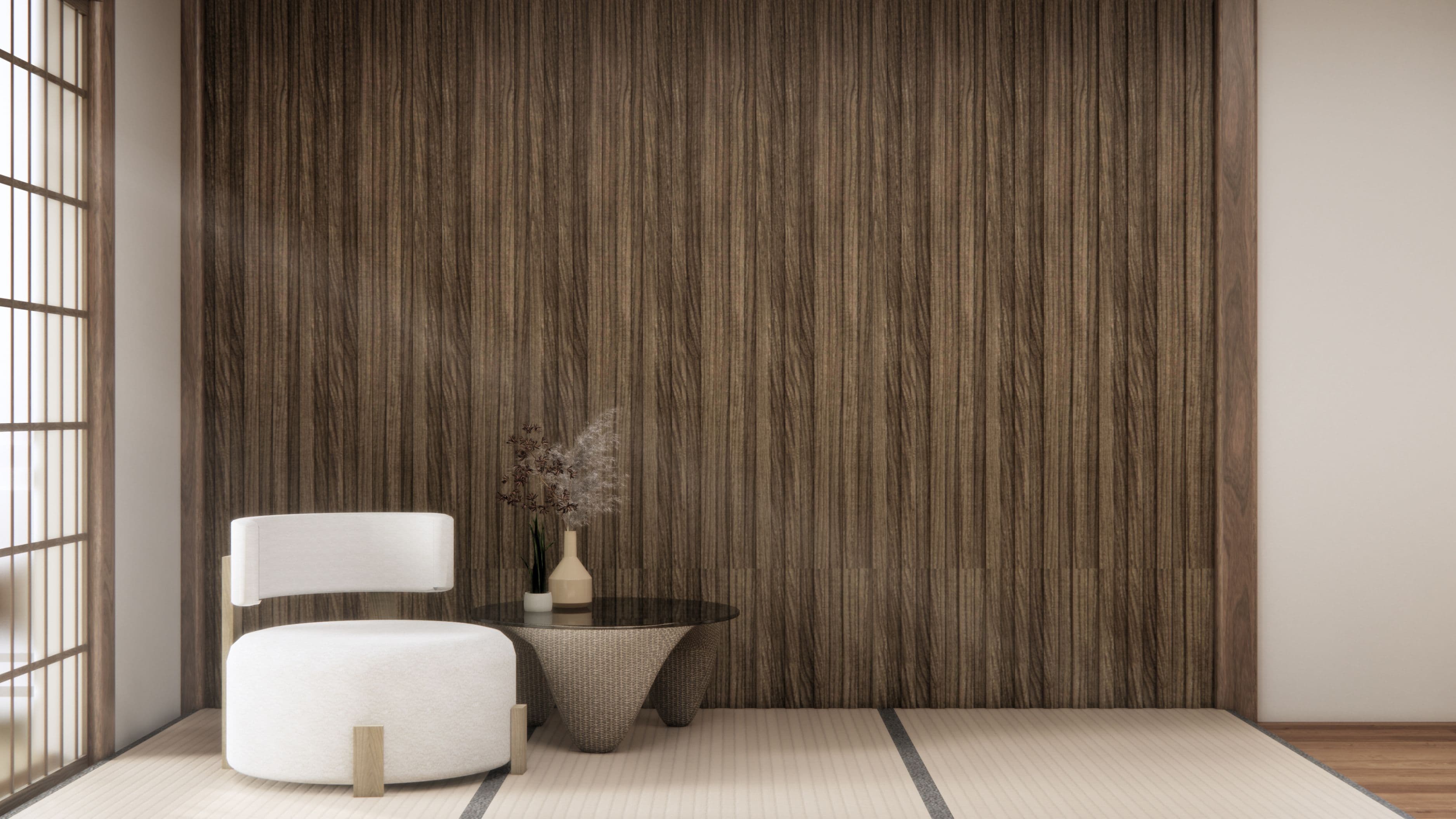
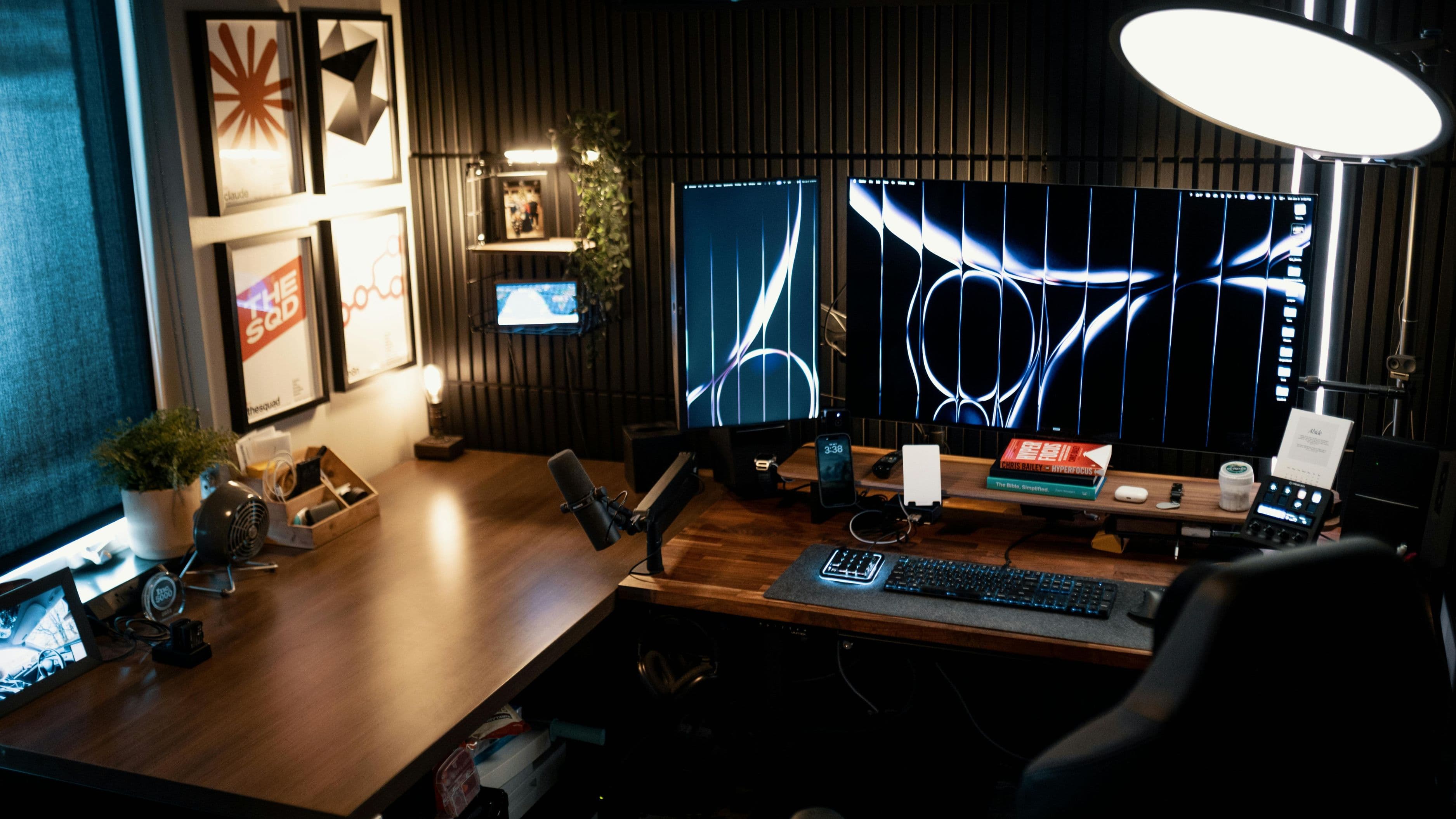
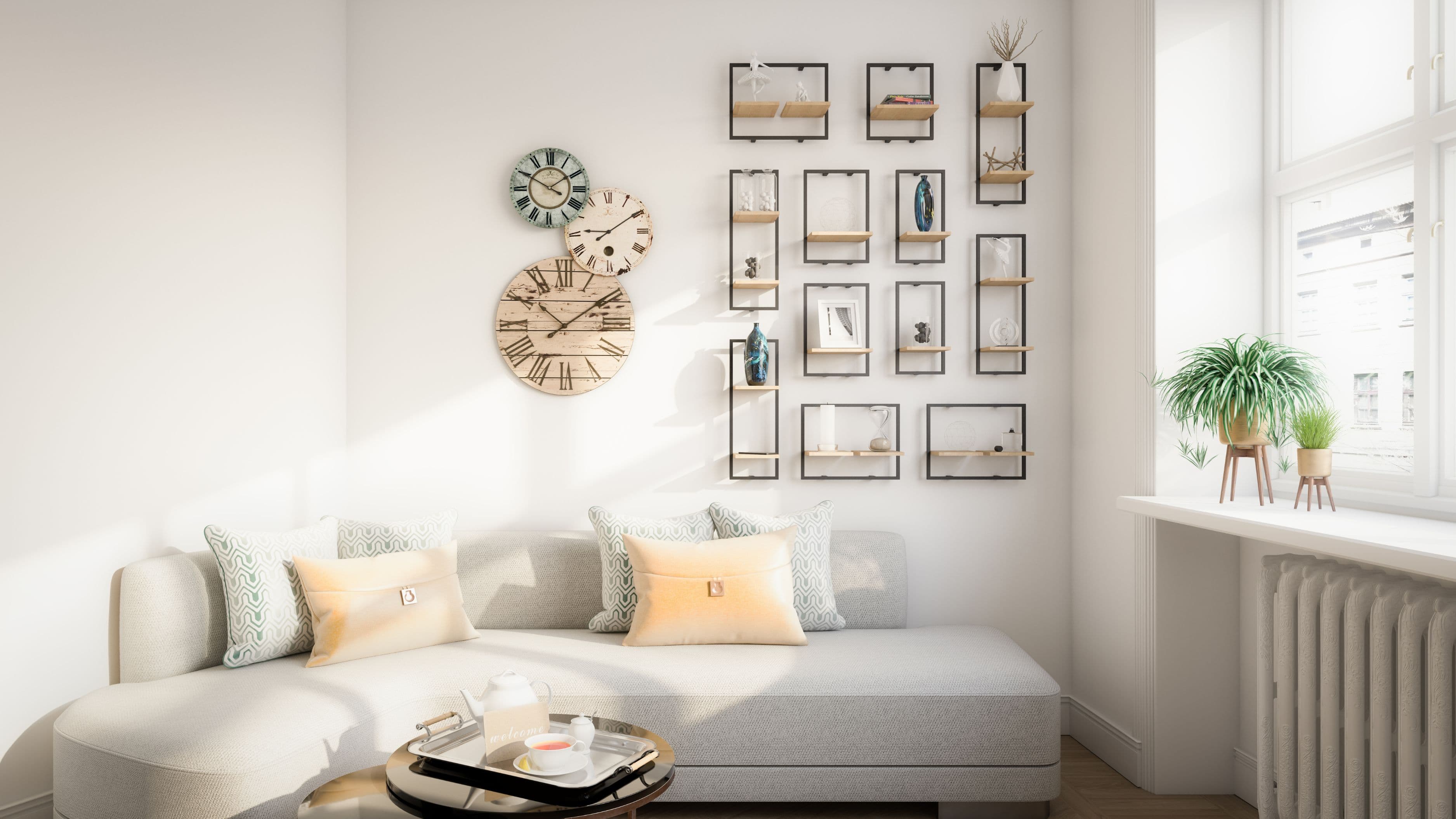
This doesn't mean you need a sterile, empty room. It means being intentional about what sits within your direct line of sight while you work. A clean surface in front of you. Objects that are either actively useful or genuinely calming. Nothing that carries a task or obligation you haven't completed yet.
A simple practice: at the start of each work session, take 60 seconds to clear your immediate visual space. That's not tidying the whole room - just what's within arm's reach and in your sightline. It takes less than a minute and the effect on how settled you feel is real.
Research on environmental psychology consistently shows that cluttered environments increase cortisol levels and reduce the ability to sustain attention. You're not being precious about tidiness - you're managing your cognitive load.
Step 3: Address the sound environment
Sound is one of the most underestimated workspace factors. Open-plan homes especially tend to carry noise from every direction - the TV in the living room, a partner on a call, a delivery at the door, the rhythm of a neighbor's music.
You have a few options here, and the right one depends on your sensitivity and budget.
Noise-cancelling headphones are the most immediate and versatile solution. They don't require any changes to your space and work just about anywhere. A quality pair creates a reliable bubble of quiet that's yours to carry room to room.
If you want to address the space itself, soft furnishings absorb sound more than hard surfaces do. Rugs, curtains, a bookshelf filled with books - these aren't acoustic treatments, but they do meaningfully reduce echo and ambient noise bleed in a typical home room.
Background sound - specifically steady, non-lyrical sound like brown noise, rain, or lo-fi instrumental music - can also mask unpredictable interruptions more effectively than silence. The predictable hum gives your brain a consistent sonic environment to rest against, rather than being startled by sudden sounds.
Step 4: Set up your digital environment
Your physical space can be perfectly calm while your screen is a chaos of open tabs, pinging notifications, and inbox anxiety. The digital layer matters just as much.
Start with notifications. On both your phone and computer, turn off everything non-essential during your working blocks. Not silence - off. Each notification, even one you don't act on, costs you an average of 23 minutes of recovery time to return to deep focus, according to research from the University of California Irvine.
Then look at your browser and desktop. Bookmark bars full of social platforms, a desktop covered in files, or a home screen arranged for entertainment rather than work - these all pull at your attention even when you're not consciously choosing them.
Consider using a separate browser profile for work, keeping only work-relevant tabs and tools there. This creates a clean separation between your working digital environment and your personal one, the same way a dedicated desk separates your working physical space.
Step 5: Build a start ritual
The physical setup matters a lot. But there's one thing that often gets left out of workspace advice: the transition.
Most people sit down at their desk while still mentally carrying the last conversation they had, the thing they saw on their phone five minutes ago, or the vague background anxiety of a day that hasn't found its shape yet. And they wonder why focus feels slow to arrive.
A short, consistent start ritual helps your mind shift gears. It doesn't need to be elaborate. Make a cup of tea or coffee before you sit down. Write three things you intend to finish today. Do five minutes of silence or slow breathing before opening your first window. The ritual itself matters less than its consistency - you're training a pattern of arrival.
Tips for staying consistent
The easiest way to maintain a calm workspace is to treat the end of the workday as seriously as the beginning. A five-minute end-of-day reset - clearing the desk, closing browser tabs, writing tomorrow's first task - means you start fresh the next morning rather than walking into yesterday's chaos.
Also, don't try to change everything at once. Pick one layer from the framework above - space, visual, sound, or digital - and stabilize it before adding another. A workspace that improves gradually and stays improved is worth far more than a perfect setup that collapses after a week.
Common mistakes to avoid
One of the most common pitfalls is building a workspace that looks focused but doesn't feel it. A beautiful, minimal desk with your phone face-up, notifications on, and the TV visible in the background isn't actually distraction-free - it just photographs well.
Another is trying to use willpower to override a bad environment. If your workspace is set up in a way that invites distraction, you'll spend your day fighting it. Your environment should be doing some of the work for you, not the other way around.
Finally, don't assume the setup is ever "done." Your work changes, your life changes, your household shifts. Check in every few months on what's working and what isn't. A distraction-free workspace is less a project to complete and more a habit to maintain.
Realistic expectations
You'll still have days where focus doesn't come easily, regardless of how well your space is set up. That's not a failure of your environment - it's just part of being human. What a good workspace does is lower the friction. It doesn't manufacture concentration from nothing, but it removes the unnecessary obstacles that make it harder than it needs to be.
If you get even two or three more hours of genuinely focused work per week from these changes, that compounds quickly over months and years. Progress over perfection, every time.
FAQ
What if I don't have a separate room to use as an office? You don't need one. A consistent corner of a room, a specific chair you only use for work, or even a particular spot at the kitchen table that you clear and set up the same way each day can create enough psychological separation to make a real difference.
How do I handle distractions from other people in my home? A direct, kind conversation once is more effective than any physical arrangement. Agree on signals - a closed door, headphones on, a flag or light - that mean "I'm in a focus block, please don't interrupt unless urgent." Most people will respect this when it's clearly communicated.
Should I use white noise or silence for focus? It depends on your brain. Some people focus better in complete quiet, others find unpredictable silence harder to work in than a soft, consistent background sound. Experiment with brown noise, rainfall sounds, or instrumental music without lyrics, and notice how your concentration holds across a session.
Can plants or decor help with focus? Research from the University of Exeter found that enriched office environments with plants increased productivity by 15%. A few plants within your sightline, or a small object that brings you a feeling of calm, can contribute to a more settled workspace - just avoid anything that competes for attention.
How long does it take to feel the difference? Most people notice a shift within two to three days of consistently working in a properly set-up environment. The brain adapts quickly to environmental cues once they're reinforced regularly.