
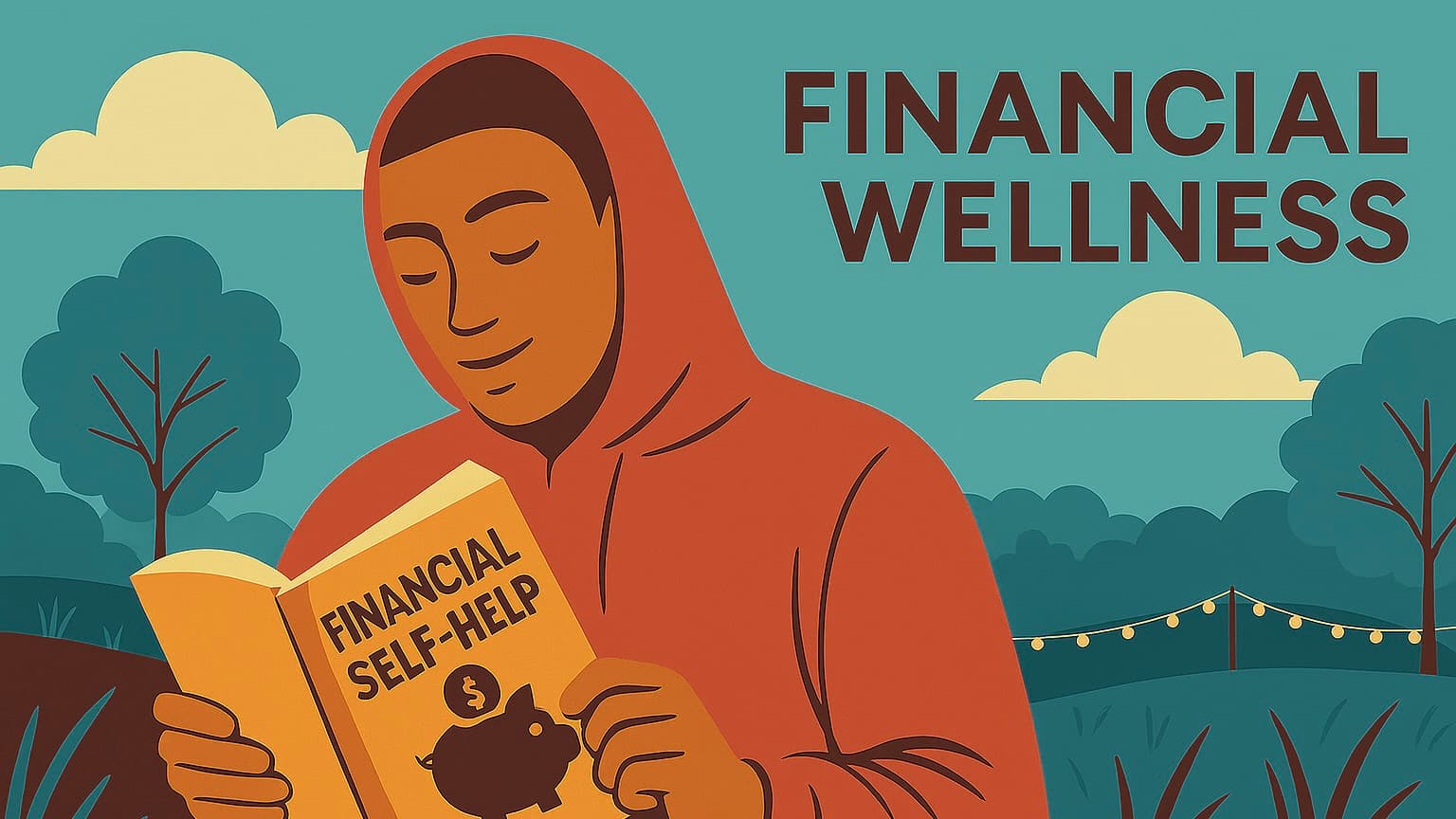
Financial Wellness

How to Cut Household Expenses Without Sacrificing Quality of Life
You've been told that living well costs more—that quality always comes with a price tag. But what if the best things in your life aren't actually the ones draining your bank account?

How to Negotiate Bills and Lower Your Monthly Expenses
Remember that scene in The Dark Knight where Harvey Dent says, "You either die a hero or you live long enough to see yourself become the villain"? Nobody plans to become the person who spends forty-five minutes on hold with their internet provider, armed with a competitor's quote and a very specific kind of quiet fury. And yet, here we are. Welcome to adulthood — where the boldest thing you'll do this week might be calling your cable company and asking them to do better.

How to Save Money on Back-To-School Shopping Every Year
Every August, millions of families feel it — that familiar knot of dread forming somewhere between the supply list and the checkout line. Back-to-school shopping has quietly become one of the most financially draining seasons of the year, second only to the winter holidays. But here's what most people don't realize: the chaos isn't inevitable. With a little intention and a few smart shifts in how you approach the season, you can move through it calmly, purposefully, and with money still in your pocket. This isn't about couponing for hours or sacrificing quality — it's about shopping with clarity instead of panic.

How to Start an Emergency Fund with a Tight Budget
If money were a character in a TV show, your emergency fund would be the dependable best friend who never gets enough screen time—while impulse purchases keep stealing every scene. We know the friend we should be calling. We just keep forgetting to pick up the phone. The truth is, starting an emergency fund when money is already stretched thin feels about as realistic as finding extra closet space in a New York City studio. But here's the thing: it's less about how much you have and more about the habit you build. Think of it like starting a meditation practice—you don't need an hour and a Himalayan salt lamp. You just need to start.

How to Talk to Your Kids About Money Without Stress
You've been told to wait until your kids are "old enough" to understand money — but that advice might be costing them more than you realize.

How to Teach Teenagers the Value of Saving Money
Did you know that only 22% of American teenagers say they feel "very prepared" to manage their own finances as adults — yet most will face a major financial decision within two years of leaving high school? That gap between readiness and reality is where so many young people stumble, not because they're irresponsible, but because no one ever handed them a real map.

How to Use Coupons and Cashback Apps Effectively
What if you discovered you've been quietly leaving hundreds — possibly thousands — of dollars on the table every single year, not through bad investments or overspending, but simply through not knowing where to look? According to a 2022 report by Inmar Intelligence, over $3 billion in digital coupons go unredeemed annually in the United States alone. That's not abstract money floating in a corporate vault somewhere — that's your grocery bill, your household staples, your wellness purchases, quietly costing more than they need to.

What Are the Best Investment Options for First-Time Investors?
You've been told to "hustle harder, save every penny, and let your money work for you" — but that advice might be keeping you broke, anxious, and paralyzed at the starting line. For a generation navigating economic uncertainty, sky-high costs of living, and information overload, the traditional road map to building wealth can feel less like a guide and more like a guilt trip.

What Is Lifestyle Creep and How Do You Avoid It?
Remember that episode of Friends where Ross gets a taste of a fancy leather couch and suddenly his entire apartment needs an upgrade? Or the moment you landed your first real raise and somehow — somehow — you ended up with a $14 matcha latte habit, a gym membership you use as a very expensive coat rack, and a skincare routine that costs more than your first car payment? That, dear reader, is lifestyle creep in its natural habitat: quiet, convincing, and wearing a very nice pair of shoes it definitely didn't need.

What Is Passive Income and How Can Families Benefit From It?
It was a Tuesday evening, and Maya was doing what she did every Tuesday evening — sitting at the kitchen table after dinner, staring at a spreadsheet that never seemed to add up the way she needed it to. Her two kids were doing homework a few feet away. Her husband was washing dishes. It looked like a peaceful scene, but inside, Maya felt the familiar low hum of financial dread. One income covering the mortgage, the groceries, the school supplies, the car repairs. She wasn't failing, but she wasn't breathing either. Then, almost by accident, she stumbled across a small royalty check in her email — $47 from a short e-book she'd published two years ago and completely forgotten about. Forty-seven dollars. It wasn't life-changing. But it felt like a message: money doesn't have to cost you your peace.

What Is Zero-Based Budgeting and Is It Right for Your Family?
It was a Tuesday in October when I sat down at the kitchen table after the kids went to bed, coffee going cold beside me, staring at a bank statement that made absolutely no sense. We weren't living extravagantly. We weren't buying designer clothes or booking fancy vacations. And yet, somehow, $600 had vanished from our checking account with nothing to show for it. No memory of where it went. Just… gone. That night, I discovered zero-based budgeting—and it changed the way our family thought about money entirely.

What Is a High-Yield Savings Account and Should You Open One?
Money stress doesn't just drain your bank account—it drains your energy, your peace, your ability to be present. When you're constantly worried about finances, mindfulness becomes a luxury you can't afford, and intentional living feels like a joke. But what if growing your savings didn't require hustle culture or financial wizardry? What if it could happen while you sleep, meditate, or simply breathe?

What Is the 50/30/20 Rule and How Does It Work for Families?
Most budgeting systems fail families not because they're too complicated — but because they demand perfection from people who are already running on empty.

What Is the Best Way to Save for Your Child's Future Education?
You've been told that saving for your child's education means opening a 529 plan, setting up automatic transfers, and calling it done — but that advice might be leaving significant money, flexibility, and peace of mind on the table. The "just open a college savings account" script is not wrong exactly, but it is dangerously incomplete. It assumes a linear future in a world where the cost of college is rising faster than most investments can keep pace with, where a four-year university is no longer the only credible path to a meaningful career, and where the "right" savings vehicle depends entirely on factors most financial checklists never ask about.

Budgeting Basics for Families: How to Create a Family Budget That Works
Let’s be honest—family finances can feel like a juggling act. Between rent or mortgage, groceries, school supplies, daycare, sports fees, and maybe a little something fun on the weekends (because you deserve it!), keeping track of where your money actually goes can be tricky. The good news? Budgeting doesn’t have to be complicated or scary—and it definitely doesn’t mean cutting out all the fun. With the right plan, you can create a budget that keeps your household running smoothly, helps you save for the future, and still leaves room for movie nights and ice cream runs.

Credit Scores Unveiled: What Parents and Students Should Know
When it comes to building a strong financial future, few numbers are as important—or as misunderstood—as your credit score. Whether you're a college student applying for your first credit card or a parent planning to co-sign a loan, understanding credit scores is key to making smart money moves. The good news? Learning the basics is easier than you might think—and even small steps can lead to big improvements over time. Here’s what every parent and student needs to know about credit scores, why they matter, and how to make them work in your favor.

Financial Aid: a Complete Guide for Parents and Students
Paying for college can feel overwhelming, but understanding the financial aid process can make higher education far more accessible and affordable. Financial aid comes in several forms—grants, scholarships, work-study, and student loans—all designed to help students and their families manage the cost of tuition, fees, and living expenses. With rising college costs, applying for financial aid has become an essential part of the college planning process. According to the National Center for Education Statistics, nearly 86% of full-time undergraduate students receive some type of financial aid. This guide breaks down the key steps for families to navigate the process effectively and make the most of available resources.

Financial Literacy for Students: Managing Money in Today’s World
In today’s fast-paced and complex financial landscape, understanding how to manage money is an essential life skill—yet it’s one that many young adults are not formally taught. Financial literacy for students is more important than ever, as early knowledge of budgeting, saving, and investing can set the stage for long-term financial stability and success. With rising education costs, student loans, and the increasing use of digital payment systems, young people need the tools and confidence to make smart financial decisions.

Saving for College: Tips for Parents on How to Start Early
Discover 10 practical college savings tips for parents who want to start early and reduce financial stress while maintaining life balance.

Smart Shopping for Families: How to Save Money on Everyday Expenses
With the rising cost of groceries, household goods, and daily necessities, many families are looking for effective ways to stretch their budgets and save money on everyday expenses. According to the U.S. Bureau of Labor Statistics, the average American household spent over $8,289 on food at home and dining out in 2023, with grocery prices increasing due to ongoing inflation and supply chain issues [1]. For families managing childcare, school supplies, and healthcare costs on top of daily expenses, learning smart shopping strategies can lead to meaningful savings. Fortunately, today’s technology—from discount apps to loyalty programs—makes it easier than ever to shop smarter, not harder.

Smart Spending for College Students: 6 Essential Tips for Living on a Budget
College life is an exciting time—but it’s also easy to overspend. Between tuition, rent, groceries, textbooks, and social events, your budget can vanish before midterms. The good news? Learning how to manage your money early can help you avoid financial stress and even save for the future. Here’s how college students can live well on a budget without missing out on the fun.

Teaching Kids About Money: Age-appropriate Financial Lessons
Financial literacy is one of the most important life skills parents can teach their children, yet it’s often overlooked until adulthood. Starting financial education early helps children build healthy money habits, confidence in managing finances, and a deeper understanding of saving, spending, and investing. Teaching these lessons in an age-appropriate way allows kids to grasp key concepts gradually, preparing them for smarter financial choices as they grow. Today, with digital banking tools, family-friendly budgeting apps, and kid-oriented investment platforms available, parents have more resources than ever to make money lessons engaging and effective.

The Importance Of Emergency Funds: Why Every Family Needs One
Life is unpredictable, and unexpected expenses can happen to any family—whether it’s a sudden medical bill, car repair, job loss, or home emergency. Without a financial safety net, these surprise costs can cause significant stress and even long-term financial setbacks. That’s why having an emergency fund is one of the most important pillars of financial stability for families. An emergency fund provides peace of mind and financial flexibility, ensuring that you can handle life’s curveballs without going into debt or draining your long-term savings.

How to Avoid Common Money Mistakes Young Families Make
The early years of building a family are full – full of love, full of change, and honestly, full of financial decisions that arrive faster than you're prepared for. A new baby, a bigger home, a car that finally needs replacing, daycare costs that somehow weren't fully factored in – it all tends to land at once, during the same years when careers are still developing and savings are still relatively thin. It's a vulnerable window, and the money mistakes made in it have a way of echoing for longer than expected.

How to Build Financial Confidence When You Were Never Taught About Money
If opening a banking app still gives you a small flicker of anxiety, or you've avoided checking your credit score for longer than you'd like to admit, you're far from alone. Most people never received any real financial education growing up, and the shame that often comes with that gap keeps people avoiding the very information that would help them feel more in control. Building financial confidence isn't about becoming an expert overnight; it's about closing that gap gently, one small piece at a time.

How to Build a Budget-Friendly Summer for Your Entire Family
Summer often arrives with a quiet pressure attached to it, the sense that a good summer needs to look a certain way, filled with trips, camps, and activities that add up quickly on a credit card statement. It's worth pausing on that assumption, because some of the most memorable family summers come from intention rather than spending. A calmer, more affordable summer is entirely possible without your family feeling like they're missing out.

How to Create a Debt Snowball Plan That Actually Works
Debt has a way of sitting quietly in the back of your mind, showing up as tension you can't quite name until you check your balance. If you're carrying multiple debts and feeling overwhelmed by where to even start, the debt snowball method offers something valuable beyond the math – a clear, structured path that builds momentum and confidence as you go.

How to Create a Family Financial Plan From Scratch
Money conversations inside a family can feel surprisingly hard to start. There's often a mix of different habits, different anxieties, and different ideas about what financial security even looks like. Some people grew up in households where money was never discussed. Others grew up watching it cause tension. Either way, most families find themselves managing their finances reactively – responding to bills, surprises, and shortfalls – rather than working from any kind of shared plan.

How to Financially Prepare for a New Baby
A new baby changes everything – including your relationship with money. The joy is enormous. So is the to-do list. And somewhere in the middle of choosing names and assembling cribs, the financial side of having a child deserves its own quiet, honest conversation.

How to Have Honest Money Conversations with Your Partner
Money conversations rarely fall apart because of the numbers themselves. They fall apart because of what the numbers represent – control, safety, trust, old family patterns, unspoken fears about the future. If talking about finances with your partner tends to leave you both a little tense or avoidant, you're far from alone. It's one of the most common sources of quiet friction in relationships, precisely because it touches so many things beyond the dollar amount.

How to Make the Most of a Tax Refund As a Family
A tax refund lands in your account and for a brief moment, it feels like found money. Before the excitement fades – or before it quietly disappears into everyday spending – it's worth pausing and asking one simple question: what would actually serve our family most right now?

How to Save Money on Healthcare Costs As a Family
Healthcare is one of those expenses that feels mostly out of your control. The bills arrive, the premiums go up, and it can seem like the only option is to absorb the cost and move on. But there's more flexibility in how families spend on healthcare than most people realize – and finding it doesn't require skipping care or sacrificing your family's wellbeing. It requires knowing the system well enough to make it work for you.

How to Use Sinking Funds to Plan for Big Family Expenses
There's a specific kind of stress that comes from a big expense arriving all at once, even when you sort of knew it was coming. The holidays every December, a child's braces, a family vacation you've been meaning to take, a car that will eventually need replacing. Sinking funds offer a calmer, more intentional way to prepare for these moments, turning a sudden financial jolt into something you've already gently absorbed over time.

How to Use a Side Hustle to Boost Your Family's Income
Financial pressure has a way of seeping into everything – your sleep, your patience, the quiet tension at the dinner table when an unexpected bill shows up. If you've been feeling that weight lately, you're far from alone. More families are turning to side hustles not out of ambition or hustle culture, but out of a genuine need for a little more breathing room. The good news is that earning extra income doesn't have to mean sacrificing the time and presence your family needs most. With the right approach, a side hustle can support your family's wellbeing rather than strain it.

What Are the Best High-Interest Savings Accounts Available Right Now?
Money stress has a way of showing up in places you don't expect – tight shoulders while checking your balance, restless nights before a bill is due, a quiet hum of worry in the background of an otherwise good day. Part of building a calmer relationship with money is making sure the money you do have is actually working for you, instead of sitting somewhere earning close to nothing. That's the quiet value of a high-interest savings account.

What Are the Smartest Ways to Use a Windfall of Money?
A sudden windfall, whether it's an inheritance, a bonus, a tax refund, or the sale of something meaningful, can bring an unexpected mix of relief and pressure. There's often an urge to do something with the money right away, as if sitting with it for even a few days means wasting an opportunity. But some of the calmest, most financially sound decisions come from slowing down first, not rushing toward the next purchase or investment.
What Is Bio-Inspired Computing and Can It Outperform Silicon?
Your brain runs on roughly 20 watts of power – about the same as a dim light bulb. Meanwhile, some of the most powerful computing systems on the planet consume megawatts of electricity to do tasks that your neurons handle effortlessly: recognizing a face, understanding context in a conversation, navigating an unfamiliar room. That gap between biological efficiency and silicon performance is one of the most intriguing puzzles in modern computing, and a whole field of research has grown up around it. It's called bio-inspired computing, and it might represent one of the most significant shifts in how we think about machines since the transistor.

What Is Compound Interest and How Does It Work in Your Favor?
There's a quiet kind of financial peace that comes from knowing your money is working even when you're not thinking about it. Not because you made risky moves or found a secret shortcut – but because you understood one simple concept and gave it time to do its thing. That concept is compound interest, and it's one of the most genuinely calming ideas in personal finance once you understand how it actually works.

What Is Dollar-Cost Averaging and How Does It Work?
There's a particular kind of anxiety that comes with wanting to invest but not knowing when to start. You watch the market go up, then down, then sideways, and the more you watch, the more impossible it feels to find the "right" moment. So you wait. And the waiting becomes its own kind of stress.

What Is Net Worth and How Do You Calculate Yours?
There's something quietly powerful about knowing exactly where you stand financially. Not in an obsessive way – but in the same way that knowing where you are on a map helps you feel less lost. Net worth is that map. It gives you a clear, honest picture of your financial life without judgment, without pressure, and without needing to be perfect. Understanding yours is one of the most grounding things you can do for your financial wellness.

What Is a 529 Plan and Is It the Best Way to Save for College?
Money stress and family wellbeing are more connected than most of us like to admit. When college costs sit in the back of your mind as a vague, looming worry, it's hard to feel settled in the present. One of the most grounding things you can do for your family's financial peace isn't a specific dollar amount saved – it's simply understanding your options clearly enough to stop guessing.

What Is a Roth Ira and Should You Open One for Your Child?
There's a particular kind of peace that comes from knowing you've done something today that your future self – or your child's future self – will be deeply grateful for. Opening a Roth IRA for a child is that kind of decision. It's quiet, unglamorous, and doesn't feel significant in the moment. But the math behind it is quietly extraordinary.

What Is the Best Way to Get Out of Debt Faster?
Debt has a way of sitting in the back of your mind even when you're not actively thinking about it. It shows up as a low hum of stress when you check your bank balance, a slight tightening when a bill arrives, a quiet background anxiety that colors how you feel about your financial life. Getting out of debt isn't just about numbers – it's about reclaiming a sense of peace and control that debt quietly takes from you. And the good news is that with a clear, honest approach, you can move faster than you think.

What Is the Best Way to Manage Money During a Career Transition?
A career transition, whether it's chosen or unexpected, brings a particular kind of financial uncertainty that can sit heavily even when the change itself feels right. Income becomes unpredictable, timelines feel uncertain, and it's easy for the financial stress to overshadow what might otherwise be an exciting new chapter. There isn't one perfect formula here, but there are steadier, more grounded ways to navigate the money side of a transition without it consuming all your energy.

What Is the Best Way to Split Finances in a New Marriage?
The phrase "work-life balance" can feel almost mocking when you're a working mother trying to hold down a job, raise kids, and still have some version of yourself left at the end of the day. There's rarely a clean line between the two halves of your life; they blend together constantly, and the goal isn't a perfect 50-50 split. It's finding a rhythm that lets both parts of your life get enough of you, without either one quietly draining everything you have.

What Is the Difference Between a Financial Advisor and a Financial Planner?
When money feels like a source of stress rather than a tool for the life you want, it's natural to want guidance. But reaching out for help comes with its own set of confusing questions – starting with what kind of help you actually need. Financial advisor. Financial planner. The terms get used interchangeably everywhere, yet they mean different things, carry different qualifications, and serve different needs.
Explore other categories
Same editorial standard, different decisions.

Family & Relationships
Browse Family & Relationships
Growth
Practical growth frameworks for ambitious professionals — deep work, habit design, decision-making and boundary-setting systems that compound.
Browse Growth
Home & Haven
Browse Home & Haven
Lifestyle
Intentional lifestyle design for modern professionals — sleep hygiene, minimalist spaces, screen balance and routines that make calm the default.
Browse Lifestyle
Mindful Learning
Browse Mindful Learning
Mindful Living
Browse Mindful Living
Mindful Shopping
Browse Mindful Shopping
Wellness
Evidence-based wellness strategies for professionals — mindfulness, breathwork, cortisol regulation and nervous-system recovery you can apply today.
Browse Wellness