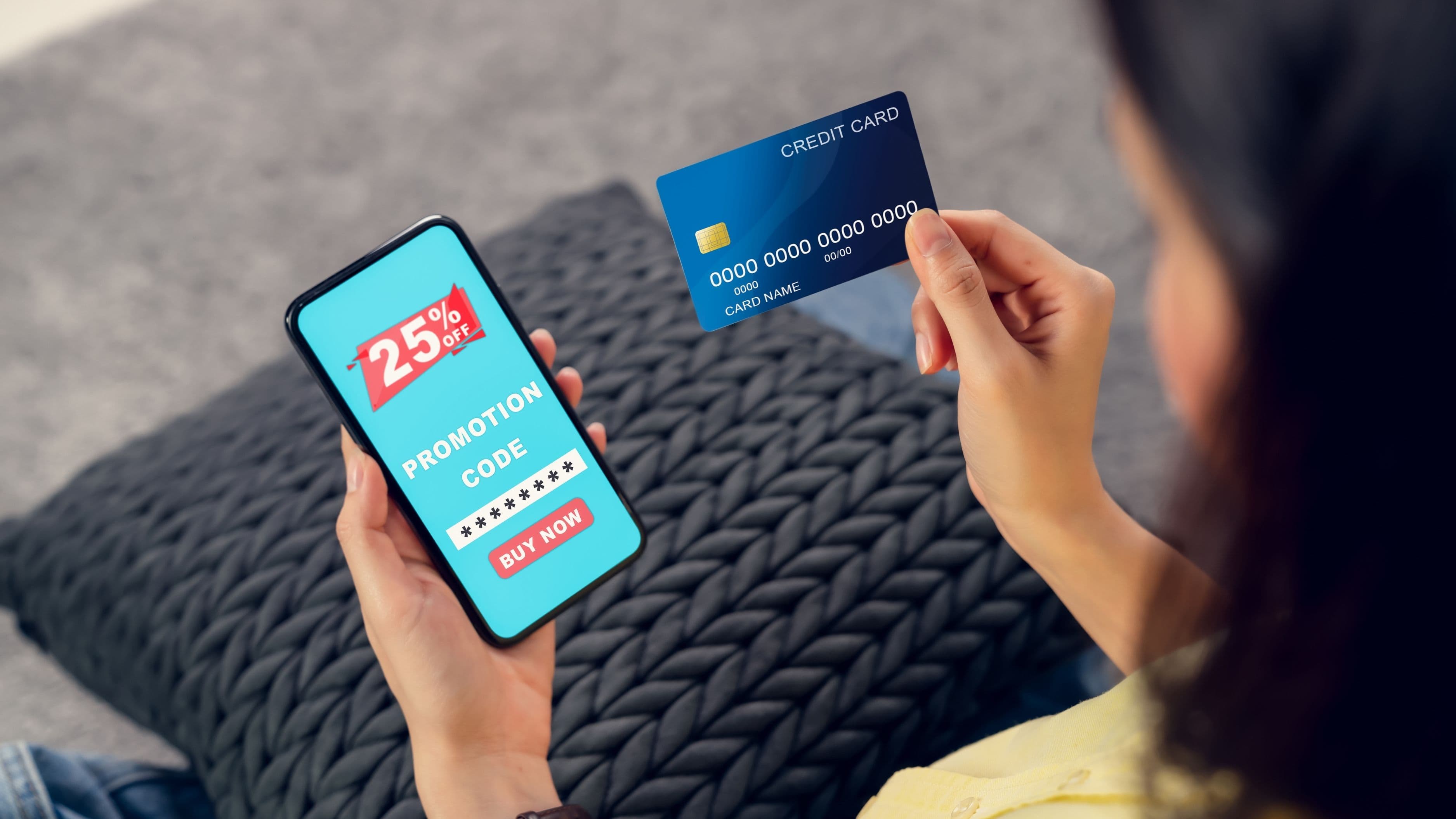
The truth is, most of us are bleeding money on things that don't genuinely enhance our daily experience. We confuse comfort with consumption, thinking that cutting back means giving up the life we've built. Meanwhile, we're stressed about bills, anxious about savings, and ironically spending money trying to feel better about our financial situation.
Here's what nobody tells you: reducing expenses isn't about deprivation. It's about conscious alignment—making sure your money flows toward what truly nourishes you, not what advertisers convinced you to want. When you strip away the myth that spending equals happiness, you discover something remarkable: the life you're craving might actually cost less than the one you're living.
Let's dismantle the myths keeping you stuck in expensive patterns that aren't serving your wellbeing or your wallet.
Myth: You Need Premium Everything → Truth: You Need the Right Things
Walk into your kitchen right now. How many gadgets are collecting dust? That bread maker you used twice, the fancy juicer that's too annoying to clean, the matching cookware set when you actually use two pans?
We've internalized the belief that quality means premium pricing across the board. But intentional living asks a different question: does this item genuinely improve my daily life, or does it just look good on a shelf?
A $15 cast iron skillet from a restaurant supply store will outlive a $200 designer pan and cook just as well. Generic ibuprofen contains identical active ingredients to brand names at a fraction of the cost. Your morning coffee tastes better from a $20 French press you'll use for years than from pods that cost you $50 monthly.
The shift isn't about buying cheap—it's about buying smart. Invest in the few things you use constantly, and stop upgrading things that already work fine.
Myth: Meal Planning Is Time-Consuming → Truth: Winging It Costs You Double
You know that 4 p.m. panic when you realize you have no dinner plan? That moment costs you an average of $15-30 in takeout or last-minute grocery runs for ingredients you'll only half-use.
According to research published in the American Journal of Preventive Medicine, households that engage in meal planning spend approximately 28% less on food than those who don't plan ahead. But here's what matters more than the savings: the mental freedom.
When you dedicate 20 minutes on Sunday to sketch out five dinners, you eliminate daily decision fatigue. You stop scrolling delivery apps when you're already hungry and vulnerable to overpriced impulse orders. You use what you buy instead of discovering forgotten vegetables decomposing in your crisper drawer.
Start absurdly simple: three rotating dinner formulas you can make with your eyes closed. Sheet pan meals, grain bowls, stir-fries. Buy only those ingredients. Watch your grocery bill shrink while your weeknight stress evaporates.
Myth: Entertainment Requires Subscriptions → Truth: You're Paying for Options You Ignore
Here's an uncomfortable question: when did you last watch that streaming service you're paying $17 monthly for? Not the one you use constantly—the other three.
The average American household maintains 4-5 streaming subscriptions, according to a Deloitte Digital Media Trends survey. That's easily $60-80 monthly for content you could rotate through by subscribing for one month, binge-watching what you want, then canceling until new content arrives.
But the real waste isn't just redundant subscriptions—it's the illusion that having access to everything means you're getting value from anything. You're not watching more shows because you have more platforms; you're spending more time scrolling options and feeling vaguely unsatisfied.
Apply this audit to your entire subscription ecosystem: apps, meal kits, online publications, gym memberships you haven't used since February. Cancel everything for 30 days. Reinstate only what you genuinely miss—not what you think you should use. Most people rediscover reading library books, taking actual walks outside, and having conversations that don't cost $9.99 monthly.
Myth: DIY Always Saves Money → Truth: Your Time Has Value Too
Pinterest culture sold us the fantasy that homemade everything equals frugal living. But making your own laundry detergent when you could be freelancing, resting, or connecting with loved ones isn't always the wise financial choice.
Calculate what your time is actually worth. If spending two hours crafting homemade cleaning products saves you $8, but you could use those hours for a side project earning $30, you've lost money by "saving."
The intentional approach asks: what do I genuinely enjoy making, and what tasks do I resent? Baking your own bread because the process calms you is different from baking bread because you read it's cheaper. One nourishes your soul; the other becomes another should draining your energy.
Buy the tasks you hate if they're reasonably priced. Invest your energy in creating what brings you alive. Life's too short to DIY everything out of obligation rather than joy.
Myth: You Need a Car Payment → Truth: Reliable Transportation Doesn't Require Debt
The average monthly car payment in America hovers around $700-750, according to Experian's State of the Automotive Finance Market report. That's $8,400-9,000 annually disappearing into a depreciating asset.
Sure, you need reliable transportation. But "reliable" doesn't mean brand new, and it definitely doesn't mean keeping up with your neighbor's lease. A well-maintained used car from a reliable brand gives you the same outcome—getting where you need to go—without the financial hemorrhaging.
If you're currently in a car payment, commit to this: once it's paid off, keep driving it while banking that monthly payment into savings. When the car eventually needs replacing, pay cash from that fund. Break the cycle of perpetual debt for a metal box that loses value the moment you drive it away.
Better yet, honestly assess whether you even need a car. If you live somewhere with decent public transit, the occasional rideshare or car rental for weekend trips costs far less than insurance, maintenance, parking, and payments combined.
Myth: Brand Names Mean Better Quality → Truth: You're Often Paying for Marketing
Walk down the pharmacy aisle with your reading glasses on. Look at the active ingredient lists on brand-name versus generic medications. Notice something? They're chemically identical, regulated by the same FDA standards, and often manufactured in the same facilities.
Yet we'll spend triple the price because a logo feels trustworthy. This psychological tax extends far beyond medicine—to cleaning products, pantry staples, personal care items, and electronics accessories.
A study in the Journal of Consumer Research found that brand perception significantly influences perceived quality, even when objective quality measures are identical. Translation: we're literally paying extra to feel better about purchases that perform the same.
Switch to generic versions of anything that doesn't genuinely taste or perform differently. Your body can't tell whether the aspirin came in fancy packaging. Your clothes get just as clean with unbranded detergent. Your phone charges identically with the $12 cable instead of the $39 "official" one.
Save brand loyalty for the rare items where the quality difference is tangible and meaningful to you. Everything else is marketing convincing you that spending more equals caring more about yourself.
Myth: You Need It Now → Truth: Waiting Eliminates Half Your Purchases
That surge of wanting something right this minute—the feeling that compels you to click "buy now" or swing by the store on your way home—is usually just a dopamine-seeking impulse, not actual need.
Institute a 48-hour rule for any non-essential purchase over $50. Add it to a list, wait two days, then reassess. You'll be astonished how many things you completely forget about or realize you don't actually need once the initial impulse fades.
This isn't deprivation—it's discernment. You're not saying "never"; you're saying "let me check if this aligns with what I actually value." Sometimes after waiting, you'll still want it and you'll buy it consciously rather than reactively. Often, you'll realize you wanted the feeling of buying something more than the thing itself.
The space between wanting and purchasing is where financial freedom lives. It's also where you discover what you genuinely care about versus what you were using to fill a temporary emotional gap.
Myth: Bulk Buying Always Saves → Truth: It Saves Only If You'll Actually Use It
Wholesale clubs seduce us with the promise of savings through volume. And yes, buying toilet paper or shelf-stable items in bulk makes sense. But that giant container of spinach you couldn't possibly eat before it wilts? That's not savings; that's waste with a membership fee attached.
Before buying in bulk, ask yourself: will I definitely use this entire quantity before it expires, or am I buying it because the per-unit price feels like a deal? Food waste alone costs the average American household $1,800 annually, according to research from the Natural Resources Defense Council.
Instead of bulk-buying everything, identify the 10-15 non-perishables you genuinely use consistently. Buy those in volume. For everything else, buy what you'll consume in the immediate future. Your freezer isn't a graveyard for good intentions—stop treating it like one.
Myth: Frugality Means Saying No to Joy → Truth: It Means Saying Yes to What Matters
Here's where most frugality advice goes wrong: it treats every expense as equal. But spending $200 monthly on concert tickets that fill your soul isn't the same as spending $200 monthly on clothes you barely wear.
Conscious spending isn't about minimizing everything—it's about maximizing alignment. Pour money into experiences and items that genuinely enhance your wellbeing. Ruthlessly cut spending that's habitual, mindless, or driven by someone else's definition of success.
Maybe you care deeply about live music but don't care about fancy restaurants. Maybe travel lights you up but designer fashion leaves you cold. Maybe you'd rather invest in therapy or art classes than premium cable packages.
The goal isn't to spend less on everything; it's to spend intentionally on the right things. When you eliminate expenses that don't serve you, you create space—financially and mentally—for what does.
Let Go of the Guilt and the Comparison
If you've internalized messages that spending less means you're somehow failing at adulthood, or that frugality signals poverty rather than wisdom, it's time to release that programming.
Living below your means while pursuing what genuinely matters isn't deprivation—it's liberation. It's refusing to let advertisers define your worth. It's choosing financial breathing room over keeping up appearances.
The people judging your used car or home-cooked meals aren't paying your bills or lying awake worrying about your savings account. Their opinions cost you nothing unless you buy them.
Start where you are. Pick one myth from this list and challenge it this month. Notice what happens when you stop equating spending with caring, when you distinguish between quality of life and quantity of stuff.
Your most abundant life probably costs less than you think. And the peace that comes from aligning your spending with your values? That's the kind of wealth no shopping spree can buy.
📚 Sources
American Journal of Preventive Medicine, "The Association Between Meal Planning and Dietary Quality and Obesity: A Cross-Sectional Study Among U.S. Adults"
Deloitte, Digital Media Trends Survey: 15th Edition, examining subscription streaming service adoption and usage patterns
Experian, State of the Automotive Finance Market Report, quarterly analysis of automotive loan and lease trends
Journal of Consumer Research, "Brands as Signals: A Cross-Country Validation Study of the Psychological Benefits of Brands"
Natural Resources Defense Council, Wasted: How America Is Losing Up to 40 Percent of Its Food from Farm to Fork to Landfill, research on household food waste
🔍 Explore Related Topics
• Minimalist living for beginners
• How to create a realistic monthly budget
• Best apps for tracking household expenses
• Mindful consumption and intentional spending
• How to break free from consumerism culture
• Simple meal planning strategies for busy families
• Financial wellness and mental health connection
• Zero-waste living on a budget
• Building an emergency fund from scratch
• Sustainable living without overspending