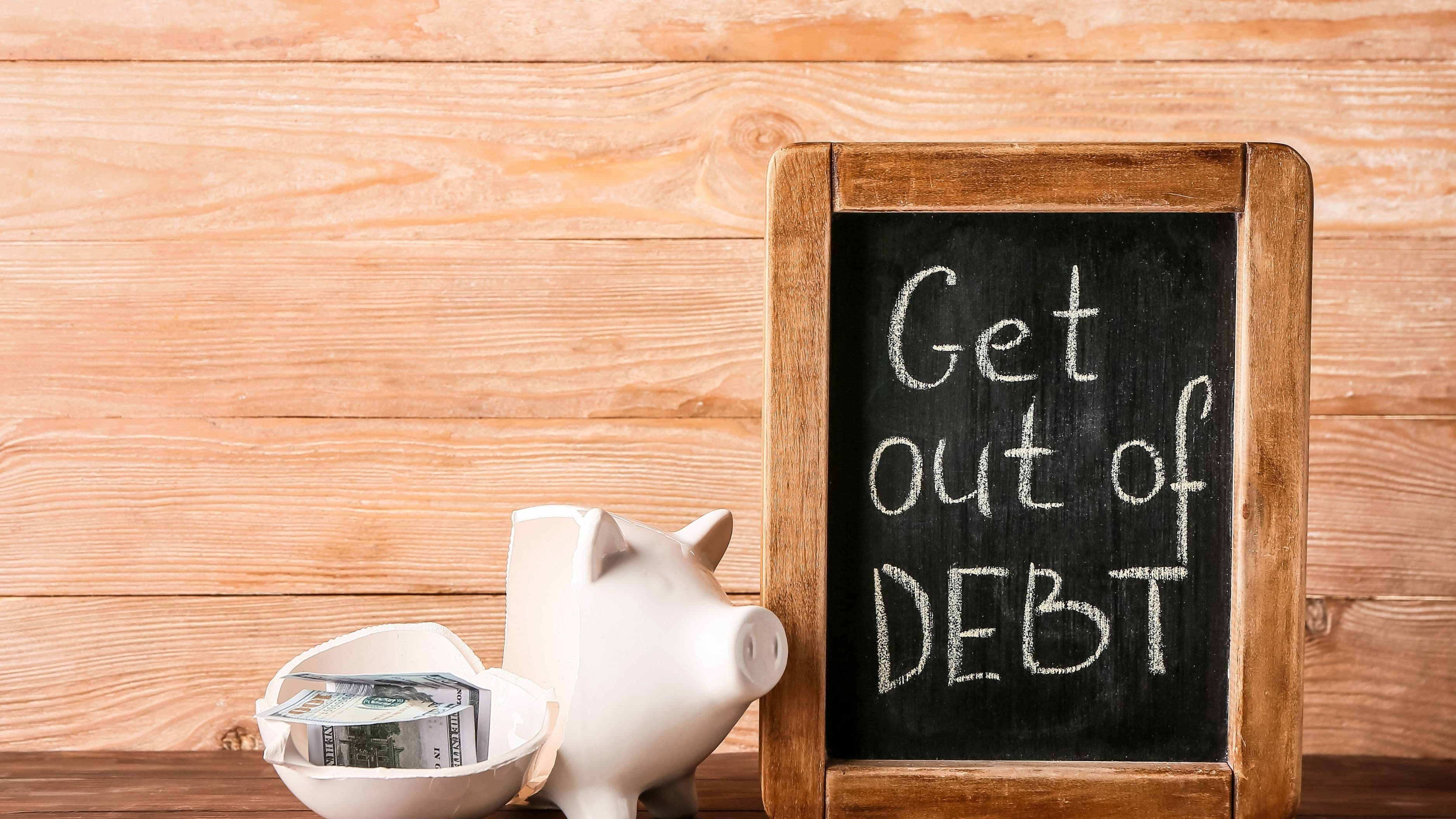
A high-yield savings account is one of those rare tools that aligns with conscious living: it works quietly in the background while you focus on what matters. No complex strategies, no constant monitoring, just a smarter place to park your money. Let's break down what it is, how it works, and whether opening one fits your journey toward financial peace.
The Basics: What Actually Is It?
A high-yield savings account is a savings account that pays significantly more interest than traditional savings accounts. While your regular bank might offer 0.01% interest (basically nothing), high-yield accounts typically offer 4% to 5% or more. That difference compounds over time, turning stagnant money into growing money without any extra effort from you.
These accounts are usually offered by online banks rather than brick-and-mortar institutions. Without the overhead costs of physical branches, these banks pass the savings directly to you through higher interest rates. Your money remains FDIC-insured up to $250,000, meaning it's just as safe as any traditional bank—actually, it's federally protected.
Think of it as your money doing yoga while you're doing yoga. It's stretching, growing stronger, becoming more flexible—all while you're focused on your practice.
How It Actually Helps You
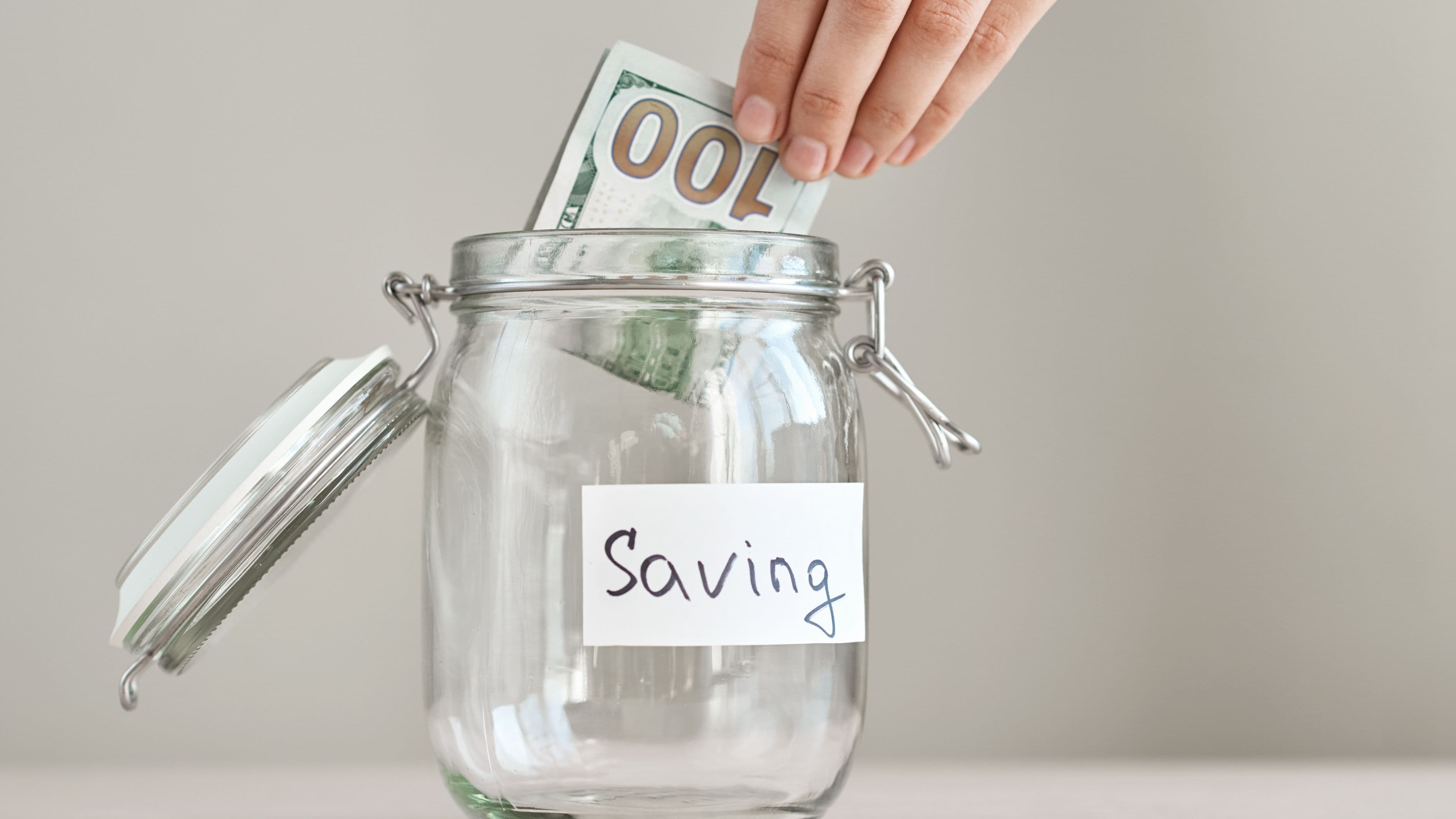
You earn money while living your life. Every dollar you deposit starts working immediately, accumulating interest daily. Whether you're journaling, meditating, or sleeping, your savings are growing. That's passive income in its purest form—no side hustle required.
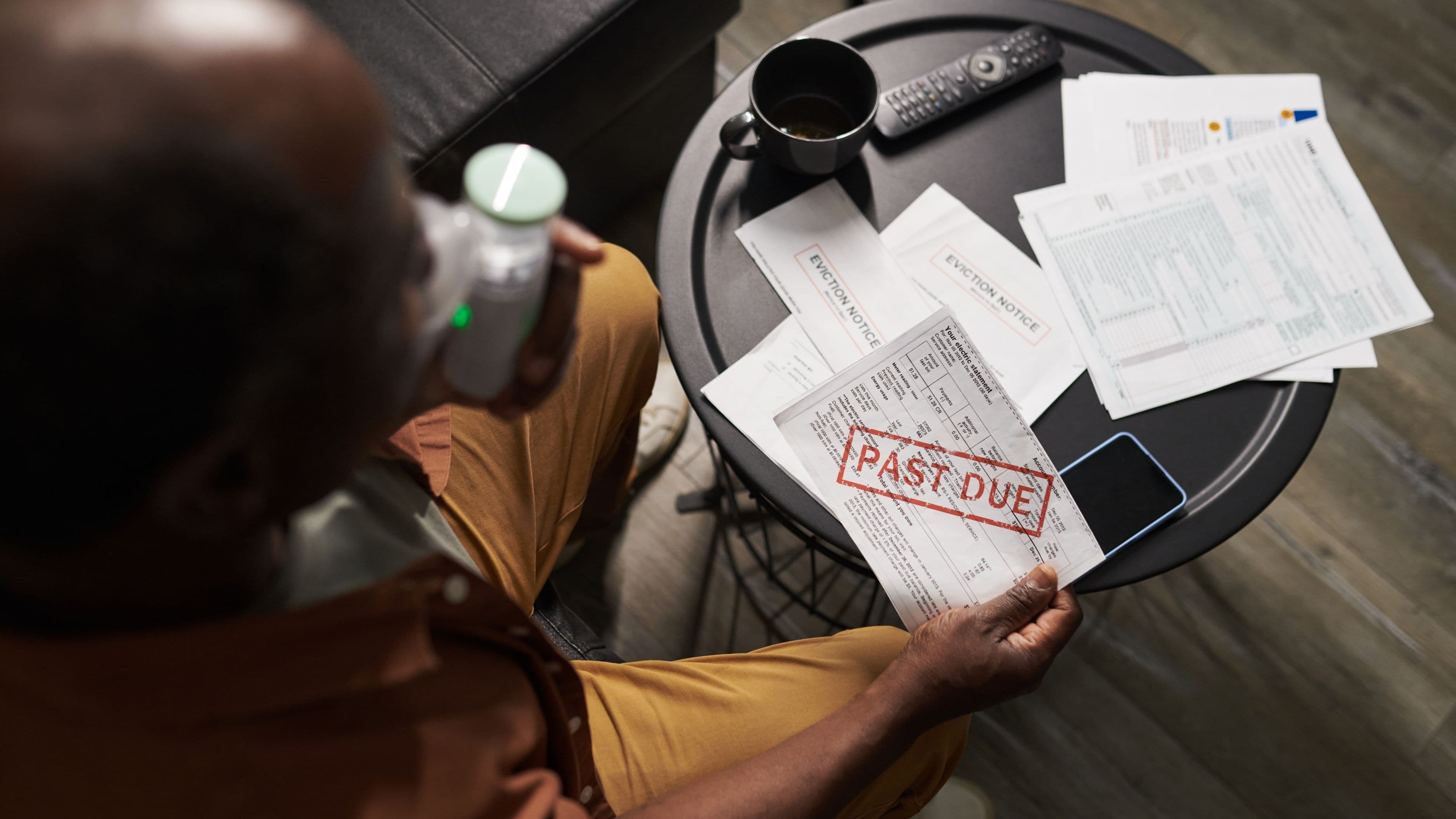
It creates a buffer against financial anxiety. According to a 2023 Bankrate survey, 57% of Americans can't afford a $1,000 emergency expense from savings. A high-yield account helps you build that cushion faster, reducing the background hum of money worry that disrupts your peace.
It rewards intentional spending. When you see your savings actively growing, you become more conscious about where money goes. That mindless purchase feels different when you realize it cost you not just today's dollars but tomorrow's growth too.
The Real Numbers: What Growth Looks Like
Let's get concrete. Say you deposit $5,000 into a traditional savings account earning 0.01% interest. After one year, you'd have $5,000.50—literally fifty cents. That's not even enough for a decent kombucha.
Now put that same $5,000 into a high-yield account earning 4.5% APY (annual percentage yield). After one year, you'd have $5,225. That's an extra $225 for doing absolutely nothing differently. Over five years, you'd earn over $1,200 in interest compared to just $2.50 in a traditional account.
The gap widens dramatically if you're regularly adding to your savings. Contributing just $200 monthly to a high-yield account at 4.5% APY would give you over $12,600 after five years—with more than $600 coming purely from interest. That's money manifested through intention, not exhaustion.
Who Should Open One (Spoiler: Probably You)
If you have money sitting in checking or low-interest savings. Every day your money earns nothing is a day you're losing potential growth to inflation. Moving it takes maybe 20 minutes of setup, then it runs on autopilot.
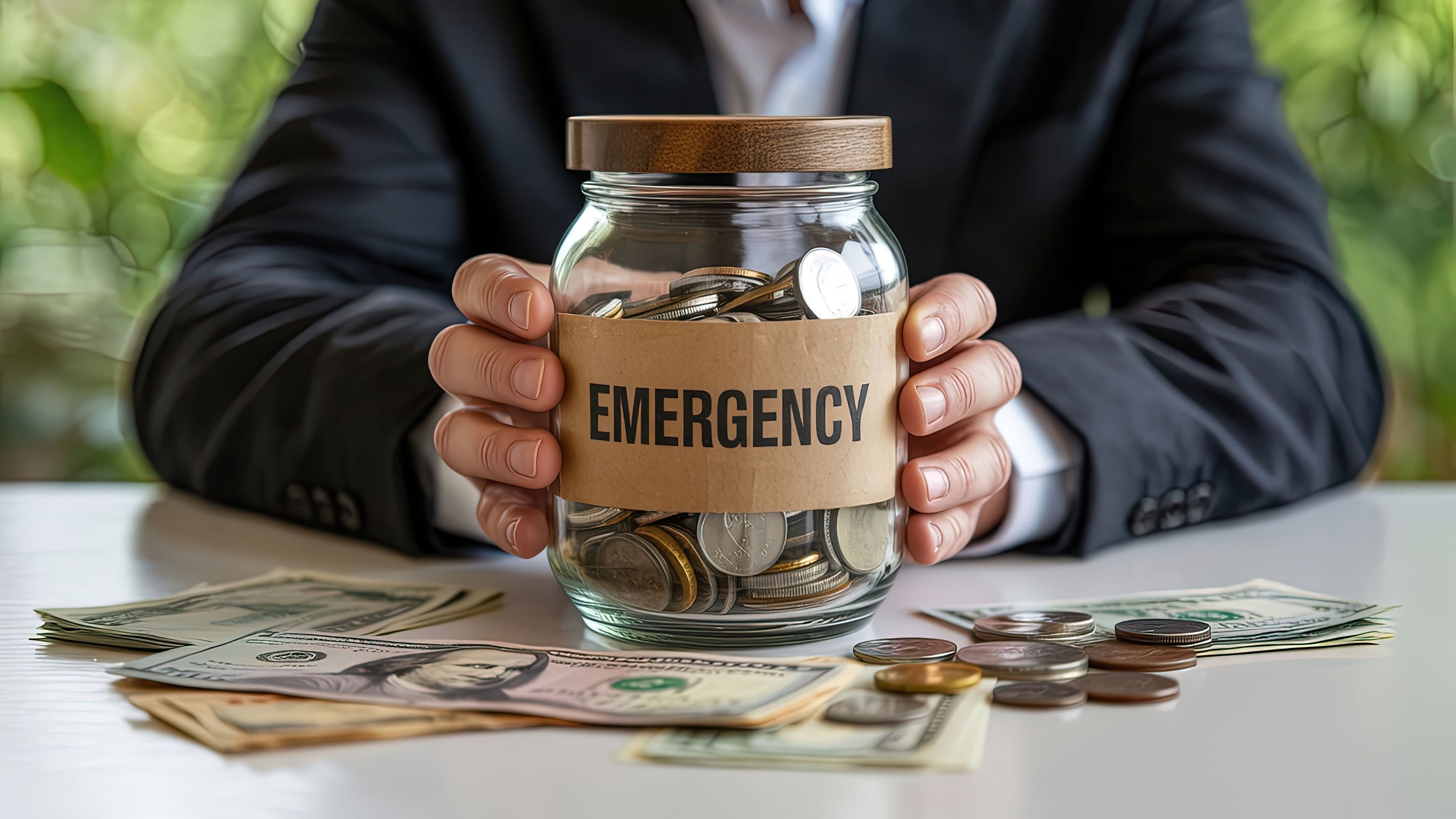
If you're building an emergency fund. Financial advisors typically recommend 3-6 months of expenses saved. A high-yield account ensures that safety net grows while it waits patiently in the wings. You're not just storing security—you're growing it.
If you're saving for specific goals within 1-5 years. Planning a retreat? Saving for a course or certification? Need a down payment? High-yield savings accounts give you better returns than regular savings without the risk of market investments. Your money stays liquid and accessible while earning meaningful interest.
What Makes These Accounts Different
The interest compounds. Most high-yield accounts compound daily, meaning you earn interest on your interest. It's the financial version of how small mindfulness practices compound into major life shifts—tiny daily gains that accumulate into transformation.
They're liquid and accessible. Unlike CDs or investment accounts with penalties for early withdrawal, high-yield savings accounts let you access your money when you need it. Usually you can make up to six withdrawals per month, which is plenty for emergency access while still encouraging you to leave the money alone to grow.
No monthly fees (usually). Most reputable high-yield accounts have zero monthly maintenance fees and no minimum balance requirements. The money you deposit is the money that earns interest—nothing gets skimmed off the top.
The Potential Drawbacks: Let's Be Honest
Limited transactions. Federal regulations historically limited savings accounts to six convenient withdrawals per month (though some banks have relaxed this). This isn't terrible—it actually encourages the savings to stay saved—but it means you can't use it like checking for daily expenses.
No physical branches. Since most high-yield accounts are online-only, you can't walk into a bank and talk to someone face-to-face. For some people, this feels uncomfortable. For others, it's liberating—no pressure, no judgment, just your money and a clean interface.
Variable interest rates. The APY on high-yield accounts fluctuates with the broader economy and Federal Reserve decisions. When rates drop, your earnings drop too. But even during low-rate periods, online banks still typically offer better rates than traditional institutions.
How To Choose The Right Account
Compare APYs across multiple banks. Don't settle for the first one you find. Websites like Bankrate and NerdWallet compile current rates so you can see who's offering the most competitive returns. Even a 0.5% difference matters over time.
Check for fees and minimums. Some accounts require minimum deposits to open or maintain minimum balances to avoid fees. Look for accounts with no monthly fees and low or zero minimums so your money works for you, not for the bank.
Read the fine print on accessibility. Understand how transfers work, how long they take, and whether there are any restrictions. Most high-yield accounts link to your existing checking account, making transfers simple—usually 1-3 business days.
Opening One: The Actual Process
It takes about 15 minutes. You'll need your Social Security number, driver's license or state ID, and your existing bank account information for linking. The application happens entirely online through a secure portal.
You link your current checking account. This creates a bridge between your existing bank and your new high-yield account. Once linked (which takes 1-2 business days for verification), you can transfer money back and forth as needed.
You make your first deposit and watch it grow. Most banks don't require a minimum, but you'll want to transfer enough to make the interest meaningful. Even starting with $500 or $1,000 creates momentum you can feel.
Common Concerns Addressed
"Is my money really safe?" Yes. FDIC insurance protects up to $250,000 per depositor, per bank, in the unlikely event the bank fails. This is the same protection traditional banks offer—your money is backed by the federal government.
"What if I need the money quickly?" Transfers typically take 1-3 business days, so it's not instant like an ATM. For true emergencies, keep a small buffer in checking. But for most "emergencies," a couple days' wait is totally manageable.
"Will this mess up my taxes?" You'll receive a 1099-INT form if you earn more than $10 in interest annually, which you'll report as income. Your tax burden increases slightly, but you're still netting significant gains. It's the good kind of tax problem to have.
Beyond Just Saving: The Mindset Shift
Opening a high-yield savings account isn't just about money—it's about aligning your financial choices with intentional living. When you make a conscious decision to let your money work for you instead of against you, you're practicing a form of financial mindfulness.
You're saying: I value future peace as much as present comfort. You're acknowledging that small, consistent actions compound into meaningful change. You're trusting that you don't have to grind yourself into dust to build security.
This is radical in a culture that glorifies busyness and side hustles. Your money can grow while you rest, create, connect, and simply exist. That's not lazy—that's wise.
Maximizing Your High-Yield Account
Automate regular deposits. Set up automatic transfers from checking to savings on payday, even if it's just $50 or $100. You won't miss what you don't see, and the consistency builds wealth faster than sporadic large deposits.
Let windfalls accelerate growth. Tax refund? Birthday money? Bonus at work? Funnel unexpected income directly into your high-yield account and watch compound interest do its magic on the lump sum.
Review rates annually. Banks compete for deposits, so rates change. Once a year, check if your current bank is still competitive or if switching would earn you more. Your loyalty should go to your financial wellbeing, not to any particular institution.
When It Might Not Be Right
If you need immediate, daily access. High-yield savings accounts aren't meant for money you're constantly spending. If every dollar is already allocated to bills and groceries, build a small checking buffer first.
If you're investing for 10+ years. For long-term wealth building, investment accounts typically offer higher returns than savings accounts (though with more risk). High-yield savings shine for short- to medium-term goals and emergency funds.
If you're drowning in high-interest debt. Credit card debt at 20% APR is costing you way more than a savings account at 4.5% is earning you. Tackle the debt first, then build savings. It's about stopping the bleeding before bandaging the wound.
The Spiritual Side Of Financial Peace
There's something deeply grounding about knowing your money is handled. When you're not constantly anxious about finances, you have more mental and emotional bandwidth for growth, creativity, and connection. You can be present in meditation instead of mentally calculating expenses.
Financial wellness isn't separate from emotional or spiritual wellness—it's interwoven. A high-yield savings account is a tool that supports the whole picture. It's practical mindfulness in action.
You're not chasing wealth for wealth's sake. You're creating a foundation of security that lets you live more aligned with your values. That's using money as a tool for freedom, not as a source of suffering.
Take Action Today
Pick one thing from this article and do it right now. Research three high-yield savings accounts and compare their rates. Calculate how much interest you'd earn on your current savings if you moved it. Or simply decide that today is the day you prioritize financial peace alongside every other form of wellness you're cultivating.
Momentum starts small. One intentional choice creates the next one. Your future self—the one meditating peacefully without money anxiety humming in the background—will thank you for taking this step.
📚 Sources
Bankrate. (2023). Emergency savings report: Nearly 6 in 10 Americans lack funds for a $1,000 expense. Bankrate Financial Security Index Survey.
Federal Deposit Insurance Corporation. (2024). Deposit insurance summary: Coverage and limits for FDIC-insured accounts. FDIC.gov.
Board of Governors of the Federal Reserve System. (2023). National rates and rate caps: Monthly national averages of deposit account interest rates. Federal Reserve Statistical Release.
🔍 Explore Related Topics
• Best online banks for high-yield savings accounts
• How compound interest works for beginners
• Emergency fund calculator and guidelines
• FDIC insurance limits explained simply
• High-yield savings vs money market accounts
• Automating savings for financial wellness
• How inflation affects savings account value
• Tax implications of savings account interest