This isn't a guide about maximizing returns or chasing the "perfect" financial move. It's about approaching a windfall in a way that reduces stress instead of adding to it, so the money actually improves your life rather than becoming one more thing to manage anxiously.
1. Give Yourself a Waiting Period Before Deciding Anything
The single most protective habit with any windfall is simply waiting before making decisions, even a low-stakes purchase. A common guideline among financial counselors is to wait 30 days before spending or investing a significant sum, letting the initial emotional charge settle before logic takes over.
In practice, this might mean moving the money into a separate savings account the same week it arrives, then intentionally not touching it while you think things through. The relief of having options tends to feel just as good in the short term as spending does, without the risk of a decision made in a rush.
2. Get Clear on Any Existing High-Interest Debt
Before dreaming about how a windfall could be used for something exciting, it's worth taking an honest look at whether high-interest debt is quietly draining your peace of mind in the background. Credit card balances or other high-interest loans often carry rates that outpace almost any investment return you could realistically expect elsewhere.
Paying down this kind of debt isn't the most exciting use of a windfall, but it tends to bring a disproportionate amount of emotional relief compared to its dollar value. Many people describe a genuine lightness after clearing a balance that had been weighing on them for months or years, which is its own form of well-being.
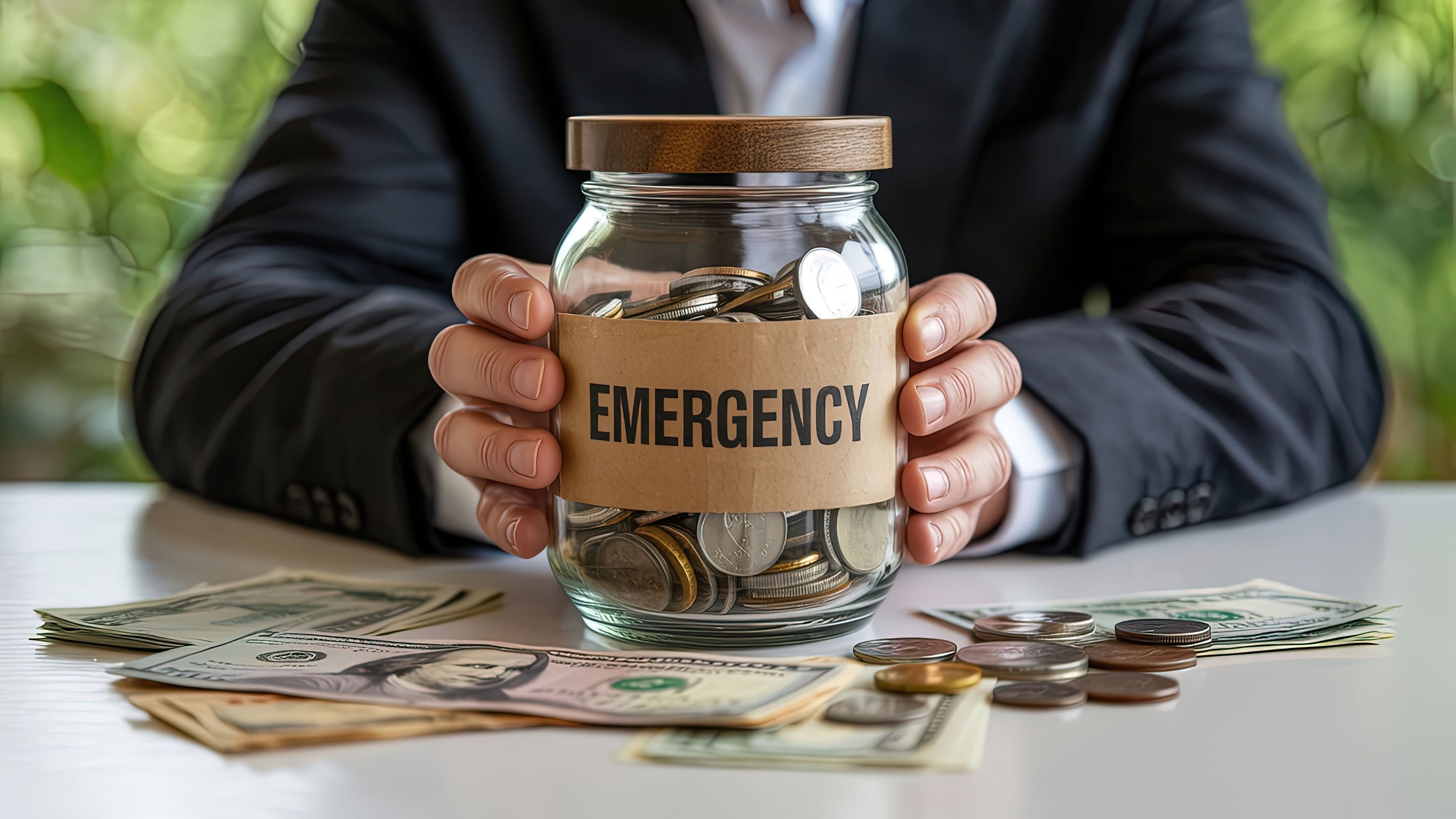
3. Build or Strengthen an Emergency Fund
A windfall is a natural opportunity to create a buffer between you and financial stress, even if that buffer isn't glamorous. Financial wellness experts commonly recommend three to six months of essential expenses set aside in an accessible account, a target that can feel out of reach through regular saving alone but suddenly possible with a lump sum.
This step matters just as much for emotional security as financial security. Knowing that a car repair or unexpected medical bill wouldn't derail your entire month tends to reduce a low, constant hum of anxiety that many people carry without fully realizing it.
4. Invest With a Long-Term, Unhurried Mindset
Once debt is addressed and a safety net exists, a portion of a windfall can reasonably go toward long-term investing, whether that's a retirement account, an index fund, or another diversified option suited to your situation. The key word here is unhurried. Chasing a specific hot investment because it feels exciting rarely serves the same purpose as a steady, diversified approach aligned with your actual timeline and goals.
If investing feels unfamiliar or overwhelming, this is a reasonable place to bring in a licensed financial advisor rather than making a large decision alone. There's no shame in wanting a second, informed perspective before committing a meaningful sum to any one option.
5. Set Aside Money for Something That Genuinely Brings You Joy
It's easy to feel like every dollar of a windfall needs to be optimized, saved, or invested, leaving no room for anything that simply feels good. Setting aside a modest, intentional portion, often suggested as somewhere between 5 and 10 percent, for something meaningful to you can actually support long-term financial discipline rather than undermine it.
This might be a trip you've wanted to take, a piece of furniture that makes your home feel calmer, or simply a dinner out without any guilt attached. Denying yourself any enjoyment from the money at all can sometimes lead to resentment or impulsive spending later, so building in intentional joy from the start tends to hold up better over time.
6. Consider How the Money Affects Your Relationships
Windfalls, especially larger ones, can shift dynamics with family, friends, or a partner in ways that aren't always anticipated. Sudden generosity requests, subtle shifts in how people treat you, or disagreements about how shared money should be used are common enough that it helps to think through boundaries ahead of time rather than reactively.
If you share finances with a partner, a calm, honest conversation about expectations before any major decision tends to prevent tension later. Even something as simple as agreeing on a shared savings goal versus individual discretionary amounts can prevent a windfall from becoming a source of conflict instead of relief.
7. Revisit Your Values Before Assigning the Money a Purpose
A windfall is also a natural moment to check in with what actually matters to you right now, since priorities shift over time in ways we don't always notice day to day. Someone who felt financially secure a year ago might now be craving more flexibility, more time, or more stability, and the way a windfall gets used should reflect that current reality rather than an old assumption about what "smart" looks like.
This doesn't require a dramatic life overhaul or a rigid five-year plan. Even a quiet afternoon reflecting on what would genuinely reduce stress or add meaning to your life can shape a much more satisfying use of the money than defaulting to whatever feels most conventional.
What to Avoid
Making an irreversible decision within the first few days, especially a large purchase or investment, is one of the more common regrets people describe after receiving a windfall. Similarly, feeling pressured to share the details of the amount with everyone in your life can create unnecessary stress and expectations that outlast the money itself.
It's also worth being cautious of anyone who suddenly shows renewed interest in a "can't miss" investment opportunity once they learn about your windfall. Genuine opportunities rarely require urgency, and a little skepticism here protects both your money and your peace of mind.
A Gentle Takeaway
There's no single "correct" way to use a windfall, only ways that align with your actual circumstances, values, and emotional state at the time. Giving yourself permission to move slowly, address what's been weighing on you financially, and leave room for genuine enjoyment tends to create far more lasting peace than optimizing for the theoretically perfect outcome.
FAQ
How long should I really wait before making any decisions? Many financial counselors suggest at least 30 days for smaller windfalls and even longer, sometimes several months, for larger sums like an inheritance, simply to let the emotional weight settle before deciding anything significant.
Is it selfish to spend some of a windfall on myself? No. Setting aside a modest, intentional portion for something meaningful to you is a normal part of a balanced approach, and it often supports better decision-making with the rest of the money rather than working against it.
Do I need a financial advisor for a windfall, even a smaller one? It depends on the amount and complexity of your situation, but for larger sums or unfamiliar decisions like investing, a licensed financial advisor can offer guidance tailored to your circumstances in a way general information can't fully replace.
📚 Sources
Consumer Financial Protection Bureau, "Managing Someone Else's Money" and Windfall Guidance – https://www.consumerfinance.gov/consumer-tools/educator-tools/your-money-your-goals/
FINRA, "Managing a Windfall" – https://www.finra.org/investors/insights/managing-windfall
National Endowment for Financial Education (NEFE), "Smart About Money" – https://www.smartaboutmoney.org/