What if you discovered you've been quietly leaving hundreds — possibly thousands — of dollars on the table every single year, not through bad investments or overspending, but simply through not knowing where to look? According to a 2022 report by Inmar Intelligence, over $3 billion in digital coupons go unredeemed annually in the United States alone. That's not abstract money floating in a corporate vault somewhere — that's your grocery bill, your household staples, your wellness purchases, quietly costing more than they need to.
Here at Harmony Hub, we talk a lot about intentional living: using your resources — your time, your energy, your attention — with purpose. Money is one of those resources. And while no one here is suggesting you spend your Sunday afternoons clipping paper coupons like it's 1987, the modern landscape of digital coupons and cashback apps has quietly become one of the most frictionless ways to stretch your spending, reduce financial stress, and redirect money toward the things that actually matter to you. Less anxiety at checkout. More room in your budget for the retreat, the class, the experience you keep putting off.
This guide is practical, no-nonsense, and built for real life — not for extreme couponers who buy 47 boxes of cereal. Let's walk through how to make these tools work for you, rather than turning savings into a second job.
1. Know the Landscape First
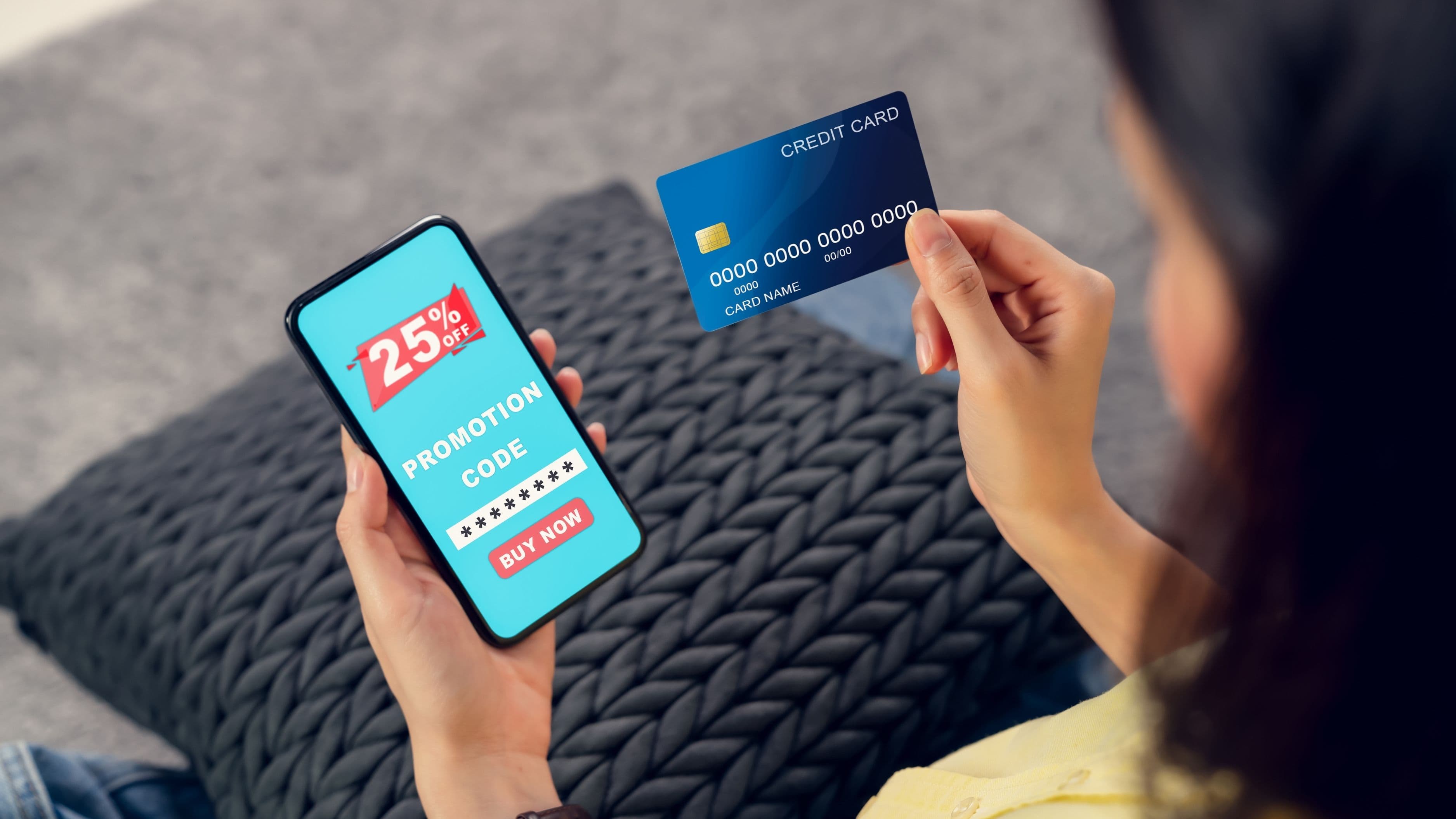
Before you download every app you've heard of and create seventeen accounts, take a breath and understand what you're actually working with. The savings ecosystem breaks down into three main categories: digital coupons (percentage or dollar-off codes applied at checkout), cashback apps (tools that return a percentage of what you spend after the fact), and browser extensions (automatic code-finders that work in the background while you shop online). Each serves a different moment in your shopping journey, and knowing which does what prevents the overwhelm that causes most people to give up before they see results.
Digital coupons live on retailer apps, manufacturer websites, and dedicated platforms like Coupons.com or the grocery store's own loyalty program. Cashback apps like Rakuten, Ibotta, Fetch Rewards, and Honey work slightly differently — Rakuten gives you a percentage back on online purchases through their portal, Ibotta focuses on groceries and in-store receipts, and Fetch turns literally any receipt into points redeemable for gift cards. Browser extensions like Honey (now part of PayPal) and Capital One Shopping silently scan for coupon codes when you're checking out online, doing the searching so you don't have to. Once you understand these lanes, you can choose the two or three tools that fit your actual shopping patterns rather than collecting apps like digital clutter.
2. Stack, Don't Scatter
The real magic of modern savings tools isn't any single app — it's the art of stacking, combining multiple discounts on the same purchase so the savings compound. A common beginner mistake is treating coupons and cashback as an either/or choice, when in most cases you can use both simultaneously without any conflict. Think of it like layering: a store sale on top of a manufacturer coupon on top of a cashback offer equals a purchase that costs a fraction of its original price.
Here's a real-world example of how this looks in practice. Your grocery store has chicken breast on sale for 20% off. You clip a digital manufacturer's coupon for an additional $1.50 off in the store app. You've also activated an Ibotta offer for $0.75 cashback on that same brand. You pay the reduced price at checkout, submit your receipt in Ibotta, and the $0.75 lands in your account within 24 hours. Three layers, one purchase, near-effortless execution. For online shopping, the same principle applies: activate your Rakuten cashback portal before navigating to the retailer's site, then let your Honey extension check for additional coupon codes at checkout. The habit takes about 90 seconds to build into your routine and can save you $20–$50 on a single order.
3. Grocery Savings, Unlocked
The grocery store is where most people feel the sharpest pinch — and where the most accessible savings live, if you know how to find them. Start with your store's own loyalty app: Kroger, Target, Safeway, Publix, and most major chains now have digital coupon ecosystems built directly into their apps, personalized based on what you actually buy. These aren't generic offers — they're pulled from your purchase history, which means you're frequently offered discounts on things already on your list. Activating them takes thirty seconds before you shop, and the savings apply automatically at checkout.
Layer onto that the power of Ibotta, which has quietly become one of the most genuinely useful cashback tools for grocery shoppers. Before your trip, open the app, search for items you're already planning to buy, and "unlock" the offers. After shopping, snap a photo of your receipt (or link your loyalty card for automatic matching), and your cashback is credited within a day. Ibotta's welcome bonus alone — typically $10–$20 for new users who complete a handful of offers — is essentially free money for a shopping trip you were making anyway. Over a year of consistent use, regular Ibotta users report saving an average of $150–$300, according to the company's internal data — not a life-changing sum, but enough to cover a month of wellness supplements, a yoga class package, or a contribution to a travel fund.
4. Online Shopping, Reimagined
Online shopping is where cashback apps truly shine, because the infrastructure for stacking savings is almost entirely automated once you've set it up. The single most important habit to build: always start your online shopping session through your cashback portal. Rakuten, for example, partners with over 3,500 retailers — from Amazon to Sephora to Nike to Etsy — and simply clicking through their portal before landing on a retailer's site activates cashback rates ranging from 1% to 15% or more. That 1–15% on purchases you were already making costs you nothing and changes nothing about your shopping experience except where your browser tab originates.
Install the Honey or Capital One Shopping browser extension as your second layer. These tools monitor your checkout process and, when you hit the payment page, automatically test available coupon codes in a matter of seconds — displaying the one that saves you the most. Honey's Droplist feature is particularly useful for non-urgent purchases: add an item you want but aren't sure about, and the app notifies you when the price drops. This single feature gently interrupts impulse buying by introducing time and information between desire and purchase — a small act of mindful friction that aligns beautifully with intentional spending practices.
5. The Loyalty Program Ecosystem
Loyalty programs are the long game of the savings world — less flashy than a 40%-off coupon, but quietly powerful when you stay consistent. Most people are enrolled in loyalty programs they barely use, which means they're generating data for retailers without receiving proportional value in return. The intentional approach is to consolidate: shop at fewer stores more consistently, concentrate your loyalty points, and actually redeem what you earn before it expires into the void.
Target Circle and Amazon Prime are two ecosystems worth understanding deeply if you already shop at those retailers regularly. Target Circle offers rotating 5–10% cashback on specific categories, birthday rewards, and community giving options — and links directly to in-store offers scannable at checkout. Amazon Prime's value is well-documented, but lesser-known features like Prime Member Promotions (additional percentage-off deals exclusive to members on rotating products) and the Amazon Visa card's 5% back on all Amazon purchases stack meaningfully over time. The key insight: loyalty programs reward concentration. Spreading thin across twelve stores means shallow rewards everywhere. Focusing deeply at two or three retailers you already love means the rewards compound into something genuinely useful.
6. Pharmacy and Health Savings
Here's a category most wellness-minded people completely overlook: pharmacy and health cashback programs. If you regularly purchase vitamins, supplements, personal care products, or over-the-counter health items, you're sitting on an untapped savings opportunity that aligns directly with your lifestyle. CVS's ExtraCare program and Walgreens' myWalgreens both offer cashback structures on health and wellness purchases that can dramatically reduce the real cost of your supplement routine.
GoodRx deserves a special mention for anyone paying out-of-pocket for prescription medications. It's technically a discount program rather than a cashback app, but it functions similarly — showing you the lowest price for any prescription at pharmacies near you, with discounts that often exceed what even insured customers pay. The app is free, requires no membership, and has saved American consumers an estimated $60 billion since its launch, according to the company's own reporting. For something as unglamorous as a pharmacy run, that's a remarkable amount of money staying in people's pockets. Check it every time before filling a prescription, even if you have insurance — the GoodRx price is sometimes lower than your copay.
7. Travel and Experience Savings
Intentional living doesn't mean staying home. Experiences — travel, concerts, wellness retreats, cultural events — are where many Harmony Hub readers most want to spend, and where cashback tools are least utilized. Rakuten covers major travel booking platforms including Expedia, Hotels.com, and Priceline at cashback rates that can reach 5–8%, which on a $500 hotel stay represents real money. Hopper and Google Flights' price-tracking features function like Honey's Droplist for travel — monitoring your target routes and alerting you when fares drop.
For local experiences, Groupon and ClassPass deserve a second look beyond their reputation as deal aggregators. Groupon's wellness category is genuinely rich with discounts on massage, acupuncture, float therapy, and fitness classes — often at 30–50% off for first-time visits to local practitioners. ClassPass's credit-based model lets you sample meditation studios, yoga classes, and fitness experiences at a fraction of individual drop-in rates, making it an excellent tool for someone building a new wellness practice without committing to a single studio. Pairing any of these platforms with a Rakuten clickthrough or a cashback credit card activates yet another savings layer with minimal extra effort.
8. The Cashback Credit Card Multiplier
No guide to effective cashback would be complete without addressing the elephant in the room: cashback credit cards. Used responsibly — meaning paid in full every month, every time — a well-chosen cashback card effectively gives you a permanent, automatic discount on every purchase you make. The Citi Double Cash returns 2% on everything. The Chase Freedom Flex offers 5% on rotating quarterly categories. The Blue Cash Preferred from American Express gives 6% back at U.S. supermarkets. When layered on top of app-based cashback and store coupons, a cashback card is the foundational layer of a complete savings stack.
The critical caveat — and it matters deeply — is that carrying a balance eliminates every penny of savings and then some. A 2% cashback rate is economically meaningless against a 20%+ APR. This tip is exclusively for those who already pay their balance in full monthly and are looking to optimize the spending they're doing anyway. If you're building toward that financial foundation, start there first: the cashback benefits will wait, and they'll be far more satisfying when they're genuine gains rather than psychological offsets against growing debt.
9. Build a System, Not a Habit
Here's the distinction that separates people who save consistently from those who occasionally remember to check an app: systems beat willpower every time. Rather than relying on remembering to activate cashback before each purchase, build a frictionless setup that makes saving the default, not the exception. This takes about 20 minutes to configure and essentially runs itself afterward.
Set up your browser with Honey or Capital One Shopping installed — done once, works forever. Link your grocery store loyalty cards to Ibotta for automatic receipt matching. Bookmark your Rakuten portal as your default starting page for any online shopping. Set a monthly calendar reminder to check for expiring rewards balances across your apps. Choose one cashback credit card and make it your default payment method everywhere it's accepted. With this five-part infrastructure in place, you're capturing savings across grocery, online, health, and general spending simultaneously — without any ongoing mental overhead. The calm that comes from knowing your financial life is quietly working for you, even when your attention is elsewhere, is its own form of peace.
10. The Mindful Spending Check
This one is less tactical and more essential. The most common pitfall of the coupon-and-cashback world is a phenomenon personal finance educators call "discount-driven spending": buying things you didn't need because the deal made them feel irresistible. A 50%-off notification from an app you barely use is not savings — it's a $30 purchase disguised as a $15 savings. Saving money on things you were already going to buy is a genuine win. Spending money you wouldn't have spent because a discount made it feel "worth it" is lifestyle creep in a cashback costume.
Before activating any offer, ask one grounding question: Would I buy this at full price? If the honest answer is no, the coupon isn't saving you money — it's costing you money at a discount. This single filter, applied with consistency and gentleness rather than rigidity, transforms these tools from potential spending triggers into genuine financial allies. Feel the difference between a purchase made from clarity versus one made from urgency. That distinction — practiced over time — is where intentional living and intentional spending become the same thing.
The Bigger Picture
Saving money, at its best, isn't really about money. It's about reclaiming something: freedom from financial anxiety, space in your life for what actually matters, the quiet satisfaction of knowing your resources are working with intention rather than leaking away unnoticed. The tools in this guide won't change your life overnight. But used consistently, with discernment and a light touch, they can quietly return hundreds of dollars a year to you — dollars you can redirect toward rest, growth, connection, or simply a more comfortable cushion between you and the unpredictability of modern life.
The question worth sitting with isn't "How much can I save?" It's "What would I do with the freedom that comes when money stops being a source of stress?" That answer — whatever it looks like for you — is worth building toward, one intentional purchase at a time.
📚 Sources
1. Inmar Intelligence. (2022). Digital Coupon Trends & Consumer Behavior Report. https://www.inmar.com/insights/research
2. Ibotta, Inc. (2023). Consumer Savings Data & Annual Report Summary. https://home.ibotta.com
3. GoodRx Health. (2023). GoodRx Impact Report: Savings for American Consumers. https://www.goodrx.com/about
4. Thaler, R. H., & Sunstein, C. R. (2008). Nudge: Improving Decisions About Health, Wealth, and Happiness. Yale University Press.
5. Federal Reserve Bank of New York. (2023). Consumer Credit and Spending Behavior Report. https://www.newyorkfed.org/research/consumer-credit