What a Sinking Fund Actually Is
A sinking fund is simply a dedicated pool of money you set aside gradually, in small amounts over time, for a specific future expense you know is coming, even if you don't know the exact date or amount yet. Unlike a general emergency fund, which covers unexpected events, a sinking fund is for expenses you can see coming on the horizon: predictable, even if not urgent yet.
The idea is straightforward but genuinely reframes how these expenses feel. Instead of experiencing a $1,200 holiday season as one overwhelming hit in December, you've been setting aside $100 a month since January, and by the time the expense arrives, the money is simply already there, waiting calmly rather than causing a scramble.
Identifying What Deserves Its Own Fund
Start by making a gentle, honest list of the recurring or foreseeable big expenses that tend to catch your household off guard. Common ones for families include holiday spending, back-to-school costs, car maintenance or replacement, annual insurance premiums, family vacations, and irregular medical or dental expenses like orthodontics.
You don't need a separate fund for every single line item right away. It's usually more sustainable to start with the one or two expenses that have caused the most financial stress in the past, and build additional funds gradually as the habit becomes more natural.
Setting Up the Actual System
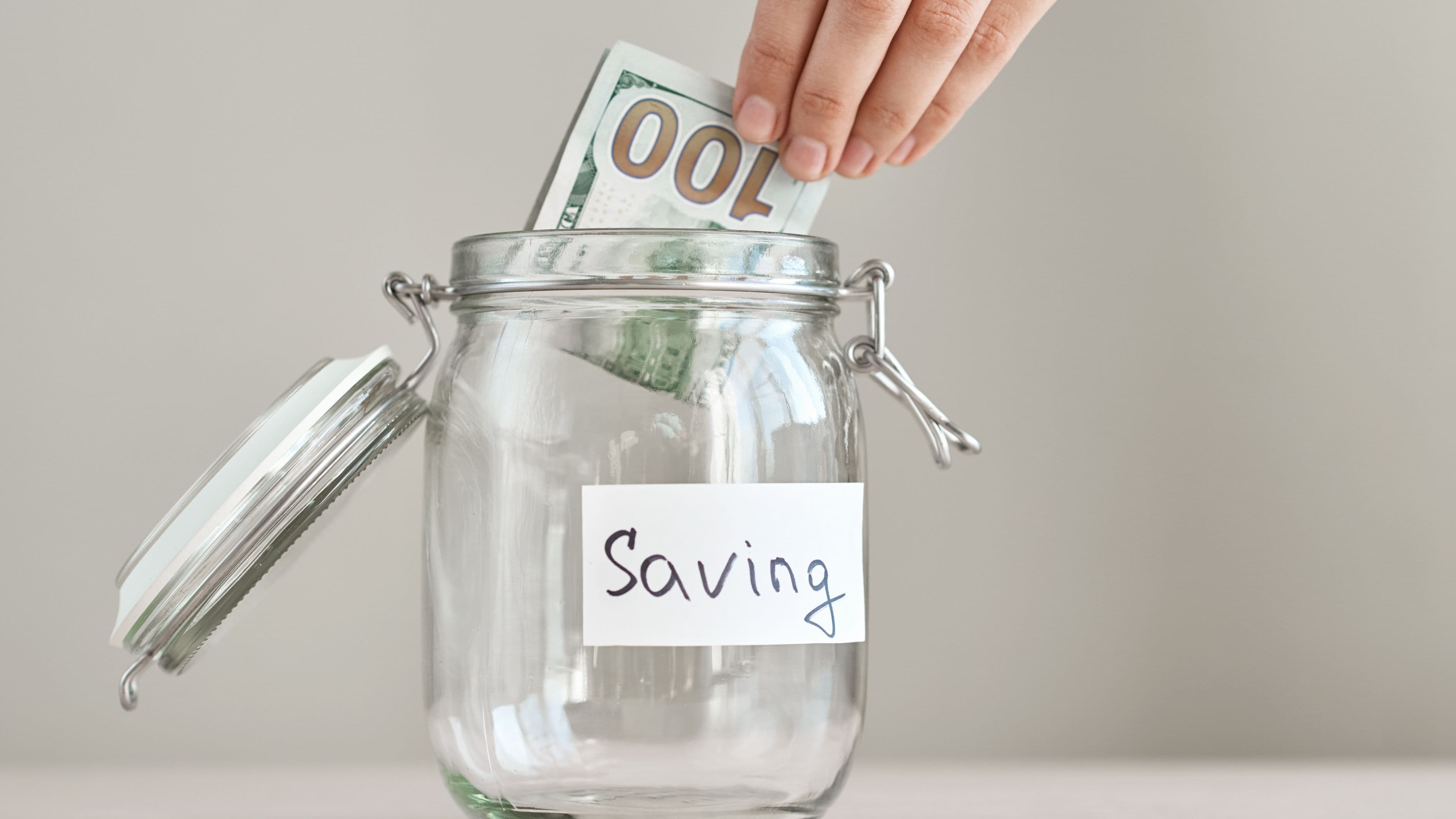
Many families find it easiest to open a few small, separate savings accounts (many banks now allow you to create sub-accounts or "buckets" within a single savings account) and label each one clearly: Holiday Fund, Car Fund, Vacation Fund. Seeing the label attached to a specific, meaningful goal tends to make consistent saving feel more purposeful than watching numbers grow in one undifferentiated account.
From there, work backward from the expense. If you know the holidays will cost roughly $1,200 and you have ten months before December, that's $120 a month. If a vacation you're planning will cost $2,400 and you have a year to save, that's $200 a month. Breaking a large number into a smaller, monthly figure makes the goal feel achievable rather than intimidating.
Adjusting the Rhythm to Fit Your Reality
Not every month will allow for the full planned contribution, and that's a normal, expected part of the process rather than a failure of the system. If a particular month is tighter than usual, it's alright to contribute less, or even skip a month, and adjust the remaining timeline slightly. The goal is steady, sustainable progress, not rigid perfection that creates its own source of stress.
It can also help to revisit your sinking funds every few months as a family, checking in on progress together rather than one person carrying the mental load of tracking it alone. This turns saving into a shared, ongoing rhythm rather than a solitary responsibility.
Where the Calm Actually Comes From
The real benefit of a sinking fund isn't just the money itself, it's the shift in how these expenses feel emotionally. Knowing that December is already financially handled, months in advance, removes a layer of dread that otherwise builds every year around the same predictable time. The same applies to a car that's aging or a vacation you've been wanting to take; having a dedicated fund already growing quietly in the background turns a source of anxiety into something you can look forward to without the accompanying financial tension.
What to Avoid
Try to avoid dipping into a sinking fund for unrelated expenses, even when it's tempting mid-month. If the fund is labeled "Vacation" and gets quietly drained for smaller unrelated purchases, it defeats the purpose and often leads to the same last-minute scramble the fund was meant to prevent. It's also worth avoiding overly ambitious contribution amounts that aren't realistic for your current budget; a smaller, sustainable monthly amount you can actually maintain will serve you better than an aggressive number you abandon after two months.
Realistic Expectations
Sinking funds work best as a gradual habit, not an instant fix. It typically takes a few cycles, sometimes a full year, before the system feels fully natural and before you've built funds substantial enough to meaningfully soften the big expenses they're meant for. Be patient with the process, and notice the emotional relief building even before the funds are fully where you want them to be.
FAQ
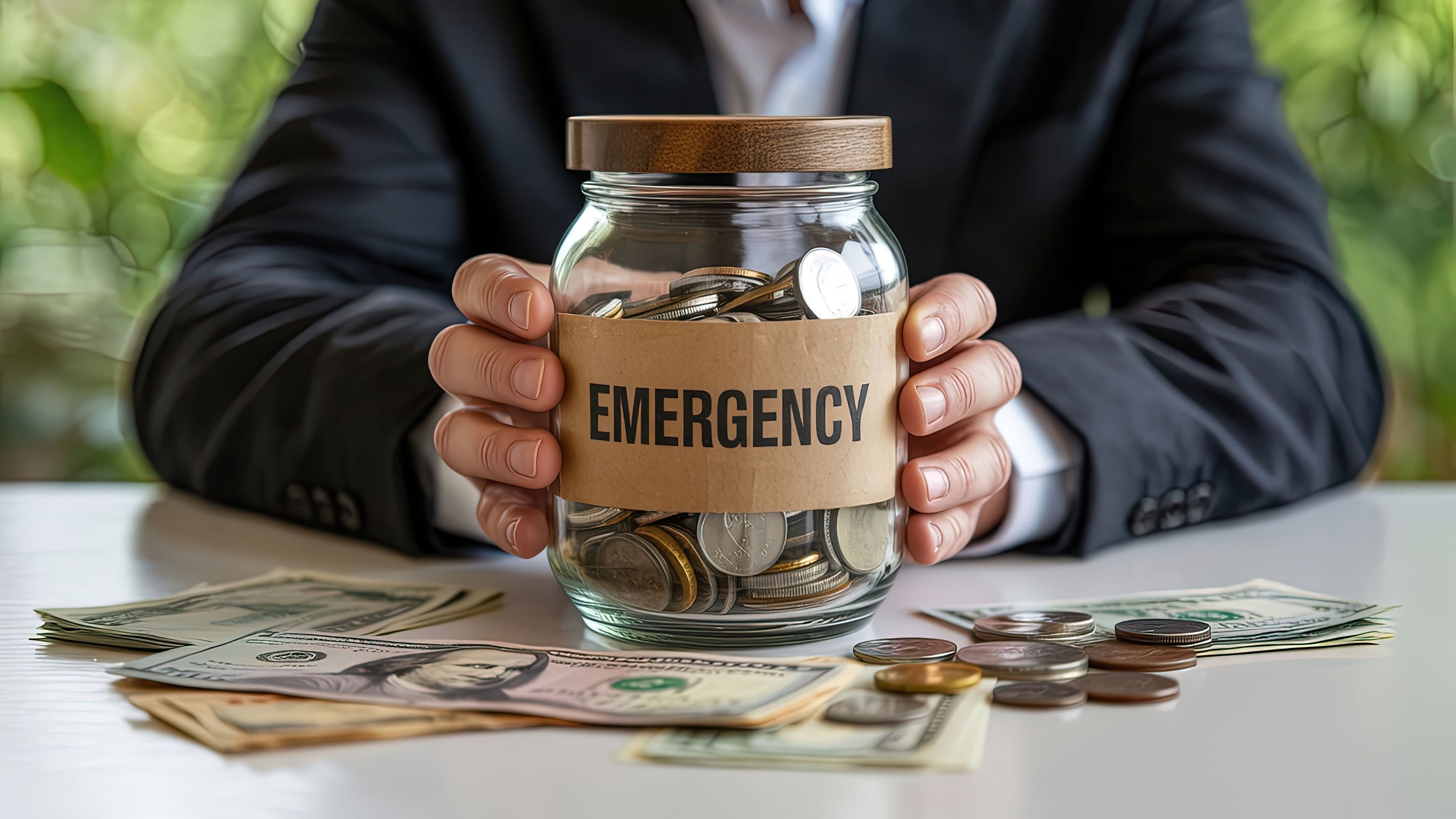
How is a sinking fund different from an emergency fund? An emergency fund covers unexpected events, like a job loss or medical emergency. A sinking fund covers expenses you already know are coming, just not necessarily the exact amount or date.
Should sinking funds be kept in a separate account from everyday savings? It's generally recommended, since keeping them separate reduces the temptation to spend the money on something unrelated and makes tracking progress toward each specific goal easier.
What if I need to use the money before the fund is fully built? That's alright. Even a partially funded sinking fund softens the financial impact of the expense compared to having saved nothing at all.
📚 Sources
Consumer Financial Protection Bureau – Saving for Large Purchases: https://www.consumerfinance.gov/
National Endowment for Financial Education – Budgeting for Irregular Expenses: https://www.nefe.org/
🔍 Explore Related Topics
How to save for a family vacation gradually