Start with Clarity, Not Shame
Before you can build a plan, you need a clear picture of what you're actually dealing with. This sounds obvious, but many people carry a vague, distorted sense of their debt – they know it's "a lot" or "manageable," but they haven't looked at the actual numbers in one place for months or even years. Avoidance feels protective, but it keeps you stuck.
Take one hour and write down every debt you have: the creditor, the balance, the interest rate, and the minimum monthly payment. Use a notepad, a spreadsheet, or even the back of an envelope. The goal isn't to judge yourself or calculate how long it will take to pay everything off. The goal is simply to see the full picture clearly, perhaps for the first time. Most people find this exercise more relieving than distressing – the specific, real number is almost always easier to sit with than the shapeless dread of not knowing.
Choose a Repayment Strategy and Stick to It
There are two well-established approaches to paying off multiple debts, and both work. The key is picking one and following it consistently rather than switching approaches every few months.
The Debt Avalanche focuses on paying off debts in order of interest rate, from highest to lowest. You make minimum payments on everything, then direct any extra money toward the highest-rate debt first. Mathematically, this is the most efficient method – you'll pay less total interest over time. It's the approach that makes the most sense on paper.
The Debt Snowball, popularized by financial educator Dave Ramsey, takes a different angle. You pay off debts from smallest balance to largest, regardless of interest rate. As each small debt disappears, you roll its payment into the next one, building momentum. The psychological wins of eliminating individual debts entirely keep motivation high, which matters enormously when repayment stretches over months or years.
Neither approach is universally better. If you're someone who finds motivation in seeing concrete progress and visible wins, the Snowball is often more sustainable. If you're analytical, patient, and want to minimize total cost, the Avalanche serves you better. The method you'll actually follow consistently is the right one for you.
Find Extra Money Without Upending Your Life
Paying off debt faster requires directing more money toward it than the minimums. That extra money has to come from somewhere, and it doesn't need to be dramatic. Small, consistent additions compound significantly over time.
Start by reviewing your recurring expenses with fresh eyes. Most people find at least one or two subscriptions they'd forgotten about, a service they no longer use, or a habit spend that's become automatic rather than intentional. Redirecting even $50–$100 per month toward your highest-priority debt can shorten your repayment timeline by months.
It's also worth looking at one-time opportunities to make a meaningful payment. A tax refund, a work bonus, a gift, or proceeds from selling unused items around the house can all serve as a lump-sum contribution that genuinely moves the needle. Applying windfalls to debt rather than absorbing them into everyday spending is one of the highest-impact habits you can build.
If your income has any flexibility – freelance work, part-time hours, selling skills or items – even a short-term effort to earn more can significantly accelerate your timeline. You don't need to do this indefinitely. A focused three-to-six month push can take years off a debt repayment plan.
Consider Whether Consolidation or Refinancing Makes Sense
If you're carrying high-interest debt – particularly credit card balances at 20%+ APR – it's worth exploring whether consolidation can reduce what you're paying in interest each month. A balance transfer to a card with a 0% introductory period, or a personal loan at a lower rate, can redirect money that would have gone to interest toward actually reducing the principal.
The important thing is to use consolidation as a tool for faster repayment, not as a way to extend the timeline comfortably. Consolidating debt and then continuing to carry a credit card balance defeats the purpose entirely. If you go this route, treat the consolidated amount with the same intensity you'd bring to any other repayment strategy – and ideally cut or pause the use of any credit that could accumulate new balances during the process.
Not everyone will qualify for favorable terms, and that's okay. Consolidation is useful when it genuinely reduces your interest load. When it doesn't, the avalanche or snowball approach gets you to the same place without the risk of extending what you owe.
Build a Small Buffer So You Don't Slide Backward
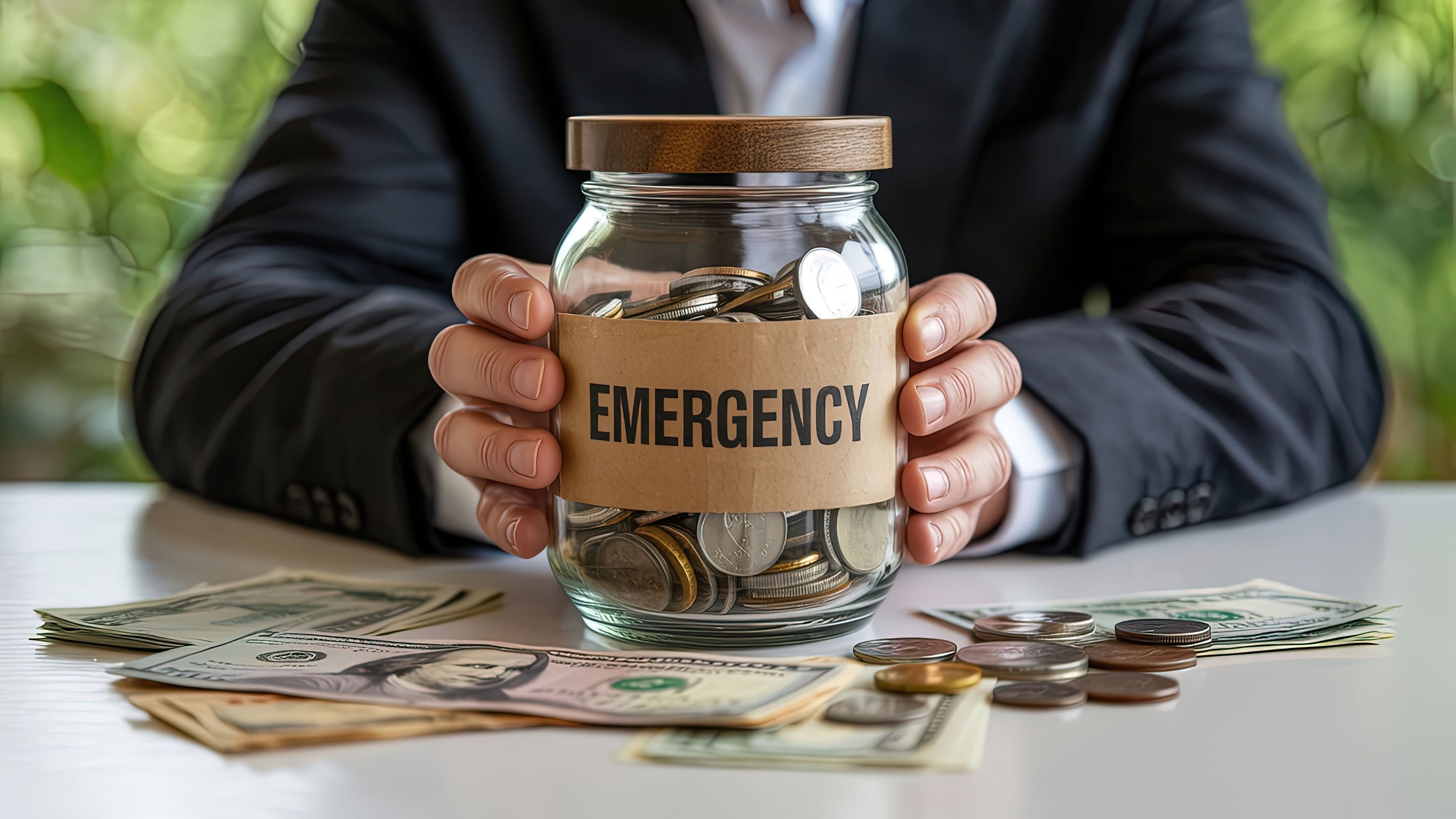
One of the most common patterns in debt repayment is making strong progress, then hitting an unexpected expense – a car repair, a medical bill, a home emergency – and putting it on credit, which undoes months of work. Breaking this cycle requires having a small financial cushion that sits between you and life's unpredictability.
This doesn't need to be a full emergency fund before you start paying off debt. Even $500–$1,000 set aside in a separate account creates enough buffer to handle most minor emergencies without adding to your balance. Build this first, even if it means slightly slower progress in month one. The stability it provides over the following months more than compensates for the temporary pause.
Reshape Your Relationship with Money Along the Way
Debt repayment is as much a mindset shift as a financial one. The habits and thought patterns that contributed to debt in the first place – impulse spending, avoidance, treating credit as an extension of income – tend to persist unless you consciously address them. This isn't about blame or self-criticism. It's about building a new, more intentional relationship with money over time.
Spending a few minutes each week reviewing your finances – what came in, what went out, where you stand on your repayment plan – turns financial awareness into a regular practice rather than an occasional stressful event. Over time, this kind of mindful engagement with money becomes almost comfortable. You stop dreading the numbers and start feeling a quiet confidence in knowing exactly where you stand.
It also helps to connect your debt repayment to something meaningful. Paying off debt for its own sake can feel punishing. But paying it off so you can save for a home, take a real vacation, build a business, or simply stop losing sleep about money – those reasons carry emotional weight that sustains motivation through the harder months.
Pitfalls to Gently Avoid
The most common stumbling block is trying to change everything at once. Cutting every discretionary expense to zero, committing to aggressive extra payments, and starting a side income simultaneously is a recipe for burnout within a few weeks. A slower, sustainable approach that you can actually maintain will always outperform an intense one that collapses.
Avoid comparing your progress to others. Debt timelines are deeply personal – they depend on income, family circumstances, the type of debt, and dozens of other factors. Someone paying off $5,000 in six months and someone paying off $40,000 in three years may be working equally hard. Measure your progress against your own starting point.
Finally, be patient with setbacks. A month where you can't make an extra payment, or where an unexpected cost takes money you'd planned to put toward debt, is not a failure. It's just a month. The trajectory matters more than any single point on it.
FAQ
Is it better to save or pay off debt first?
It depends on the interest rate. If your debt carries high interest (generally above 6–7%), paying it down usually takes priority over building savings beyond a small emergency buffer – the guaranteed "return" of eliminating interest often exceeds what savings accounts earn. For low-interest debt like some student loans or mortgages, contributing to savings and retirement alongside repayment can make sense. A financial advisor or free nonprofit credit counselor can help you think through your specific situation.
How do I stay motivated when repayment takes years?
Break the timeline into smaller milestones. Celebrating when you pay off a single account, cross a round-number balance, or hit a six-month mark keeps the process feeling alive and forward-moving. Visual tracking – a simple chart or even a row of checkboxes – also helps make progress tangible in a way that a declining number on a statement sometimes doesn't.
Should I stop using credit cards entirely while paying off debt?
Not necessarily, but it depends on whether you can use them without adding to your balance. If credit card use is what created the debt in the first place and you haven't yet built new spending habits, pausing card use while you repay removes the temptation and the risk. If you use cards intentionally and pay the balance in full each month, continuing to do so while directing extra money toward older balances is perfectly fine.
What if I can barely afford the minimums?
This is the right time to call your creditors directly. Many lenders have hardship programs that temporarily reduce interest rates or lower minimum payments for people going through difficult periods. Non-profit credit counseling agencies (like those affiliated with the NFCC) can also help you negotiate and set up a debt management plan at no or low cost. There are legitimate paths forward even from a very tight position.
How much of a difference does one extra payment a year make?
More than most people expect. On a $10,000 balance at 20% APR with minimum payments, making just one extra payment equal to your minimum each year can shave a year or more off the repayment timeline and save hundreds in interest. The math on extra payments is almost always more encouraging than it seems at first glance.
A Final Thought
Getting out of debt is one of the most concrete, meaningful things you can do for your overall sense of wellbeing. The freedom that comes from owing less – the lighter feeling of seeing a balance reach zero, the mental quiet of knowing your finances are moving in the right direction – is real and worth working toward. You don't have to do it perfectly. You just have to keep going.
📚 Sources
Consumer Financial Protection Bureau – Strategies for paying off debt: https://www.consumerfinance.gov/consumer-tools/debt-collection/
National Foundation for Credit Counseling (NFCC) – Debt management resources: https://www.nfcc.org/resources/
Ramsey Solutions – The Debt Snowball Method explained: https://www.ramseysolutions.com/debt/how-the-debt-snowball-method-works
Investopedia – Debt Avalanche vs. Debt Snowball: https://www.investopedia.com/articles/personal-finance/080716/debt-avalanche-vs-debt-snowball-which-best-you.asp
Federal Trade Commission – Coping with debt: https://consumer.ftc.gov/articles/coping-debt
NerdWallet – Balance transfer credit cards guide: https://www.nerdwallet.com/best/credit-cards/balance-transfer
CFPB – What is a debt management plan?: https://www.consumerfinance.gov/ask-cfpb/what-is-a-debt-management-plan-en-1449/