Start With What You Already Have
Before a single dollar leaves your wallet, do a full inventory of what survived last year. Dig out backpacks from closets, check pencil cases, flip through notebooks that are only half-used. You'll be surprised how much is still perfectly functional — and how much money you were about to spend replacing things that didn't need replacing. This one step alone can cut your list by 20–30% before you've even opened a browser tab.
Make the List Non-Negotiable
Once you know what you actually need, write it down and treat it like a boundary. A written list keeps you anchored when the store's seasonal display starts whispering that your kid absolutely needs a $45 holographic binder. Impulse purchases account for a significant portion of back-to-school overspending — having a physical list in hand is one of the simplest psychological tools you can use against in-store marketing. Shop the list, leave the rest.
Timing Is Everything
Shop in waves, not all at once. Retailers drop prices in cycles — early July for electronics, late August for supplies when they're trying to move inventory before fall. Spread your shopping out strategically rather than cramming it into one overwhelming weekend trip.
Wait on clothing. Unless your child has dramatically outgrown everything, hold off on buying a full wardrobe until late September. Stores slash prices on summer and transitional items to make room for winter stock, and you'll find better deals with less competition.
Watch for tax-free weekends. Many U.S. states offer annual sales tax holidays specifically timed around back-to-school season. Depending on your state, this can save you 5–10% across the board on clothing, shoes, and supplies — without any coupons or membership required.
Check Amazon price history tools. Browser extensions like CamelCamelCamel let you see whether a "sale" price is actually a deal or just a repackaged regular price. Knowledge is leverage.
The 72-Hour Rule for Big Purchases
For anything over $50 — a new laptop, a quality backpack, a graphing calculator — enforce a 72-hour waiting period before buying. This isn't about being restrictive; it's about giving your nervous system time to separate genuine need from shopping-induced adrenaline. More often than not, the urgency dissolves and you either find a better deal, realize you don't need it yet, or discover a secondhand option you hadn't considered. Intentional pauses are a form of financial self-care.
Secondhand Is Underrated (and Underused)
Facebook Marketplace and OfferUp are goldmines for gently used backpacks, calculators, and art supplies — often sold by parents whose kids upgraded or graduated.
ThredUp and Poshmark are excellent for school clothing, especially uniforms or basics. A $40 pair of jeans for $9 in near-perfect condition is a quiet victory.
Your local Buy Nothing group might surprise you. These community-based groups are full of people giving away exactly what you need, from notebooks to lunchboxes, at absolutely no cost.
School supply swaps are becoming more common — check with your school's parent organization to see if one exists or if you can help organize one.
Buy Generic Without Guilt
Most branded school supplies — folders, scissors, glue sticks, notebook paper — perform identically to their store-brand counterparts. The name on the label is marketing, not quality. Walmart's and Target's house brands on basic supplies consistently match name-brand performance at 30–50% less. Reserve your brand loyalty for things where quality genuinely matters, like a durable backpack or a reliable calculator, and let go of the rest.
Stack Your Savings Like a Pro
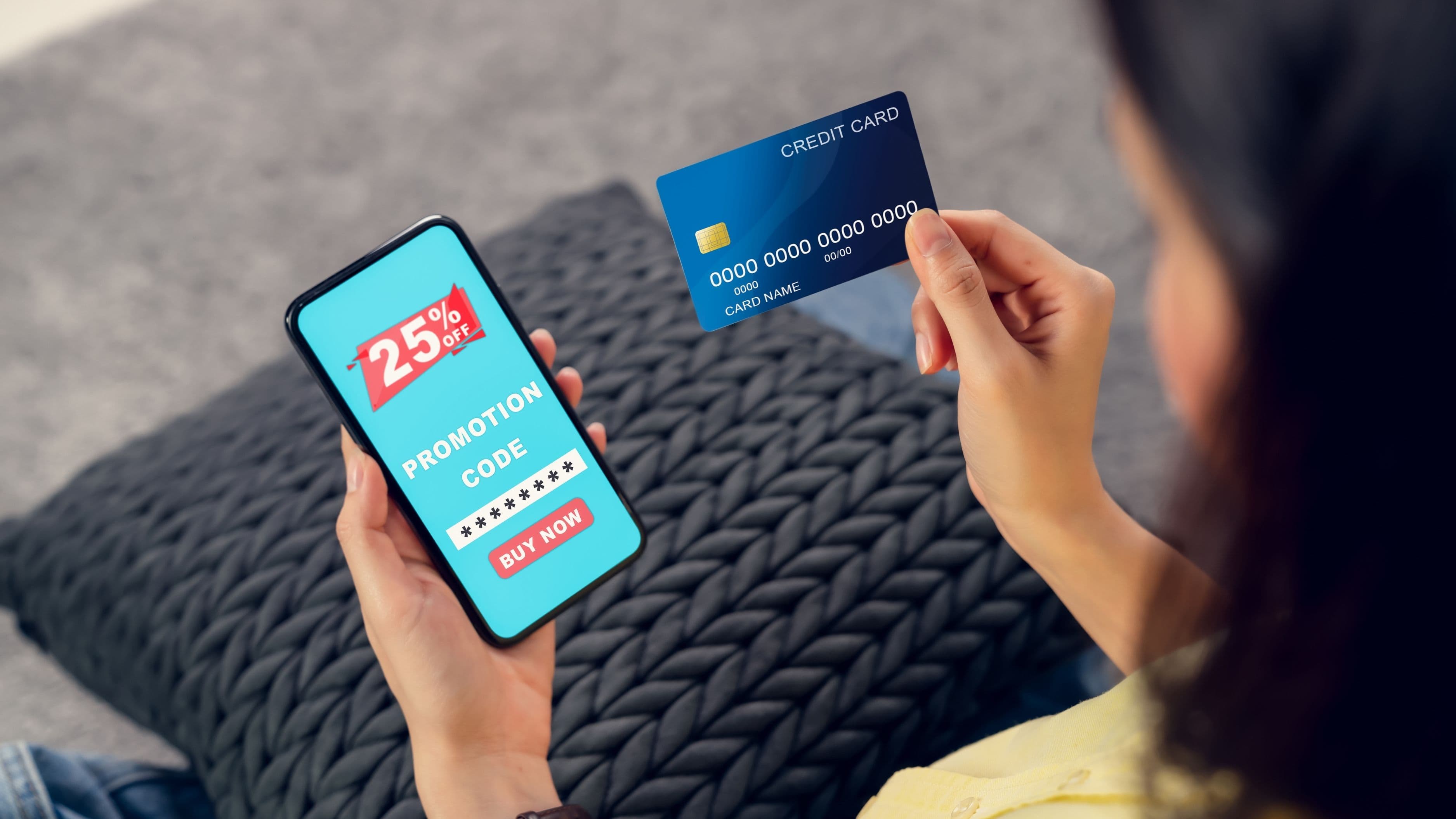
You don't have to choose between a coupon, a sale, and cashback — use all three simultaneously. Here's the layering method:
Find the sale price first through weekly store ads or apps like Flipp.
Apply a coupon or promo code on top (RetailMeNot, Honey, or the store's own app).
Pay through a cashback portal like Rakuten or use a credit card that offers bonus cashback on retail purchases.
Submit for rebates if available through apps like Ibotta.
Each layer shaves off a percentage that compounds across your total cart. It sounds like effort, but once the tabs are open and the accounts are set up, it takes less than five extra minutes per purchase.
Rethink the "New Year, New Everything" Mindset
There's a cultural script around back-to-school that quietly insists everything must be fresh and new — new shoes, new clothes, new supplies, new bag. That script is expensive, and more importantly, it's borrowed. Ask yourself honestly: is your child asking for new everything, or are they picking up on the anxiety that's in the air every August? Kids are often more adaptable than we give them credit for. A backpack that's clean, functional, and still structurally sound doesn't need to be replaced just because a new school year started. Letting go of the "reset" narrative can be genuinely liberating — for your mindset and your bank account.
Set a Hard Budget Before You Shop
This sounds obvious, but most families don't do it. Before any shopping starts — before you open Amazon, before you walk into Target — decide on a total number and write it down. According to the National Retail Federation, American families with school-age children spent an average of $890 on back-to-school items in 2023. That number climbs every year, largely because there's no ceiling in place. When you name a number first, every decision becomes filtered through it. You stop asking "do I want this?" and start asking "does this fit?" — a far more powerful question.
Get the Kids Involved
Give older kids a budget and let them allocate it. When a teenager knows they have $60 for clothing and they choose how to spend it, they become far more thoughtful about what they actually want versus what they just grabbed off a rack.
Make it a game for younger kids. Turn supply shopping into a scavenger hunt with a "spending limit score" — kids who stay under budget win a small reward. It teaches financial literacy while reducing the drama of "but I want the sparkly one."
Let them feel ownership over the process. When children have a voice in back-to-school shopping, they're more likely to take care of what they get — which means less replacing next year.
Plan for Next Year — Right Now
The best time to save on next year's back-to-school shopping is the week after this one ends. Supplies, folders, and notebooks hit clearance prices of 70–90% off in late August and September. Buy a reasonable stock of basics while the season clears — pencils, paper, folders, pens — and store them. By next July, when supply anxiety starts creeping back in, you'll already have a head start and a calmer shopping experience waiting for you.
The Deeper Win
Back-to-school season doesn't have to feel like a financial ambush. When you approach it with intention — with a list, a budget, and a willingness to question the default script — it becomes something manageable, even peaceful. The calm that comes from feeling financially prepared isn't just practical; it ripples into how you show up for the new school year, how your kids feel going into it, and how much mental space you have for the things that actually matter. Saving money here isn't just about dollars. It's about protecting your energy for the season ahead.
Pick one tip from this list and act on it today — even if it's just doing a five-minute supply inventory in your closet. Momentum starts small, and that one small move is the beginning of a very different kind of September.
📚 Sources
National Retail Federation. (2023). Back-to-School and Back-to-College Spending Survey. https://nrf.com/research-insights/holiday-data-and-trends/back-school
CamelCamelCamel Amazon Price Tracker. https://camelcamelcamel.com
Rakuten Cashback Shopping. https://www.rakuten.com
Federation of Tax Administrators. State Sales Tax Holidays. https://taxadmin.org/state-tax-holidays
Ibotta Performance Network. (2023). Consumer Savings Behavior Report. https://home.ibotta.com