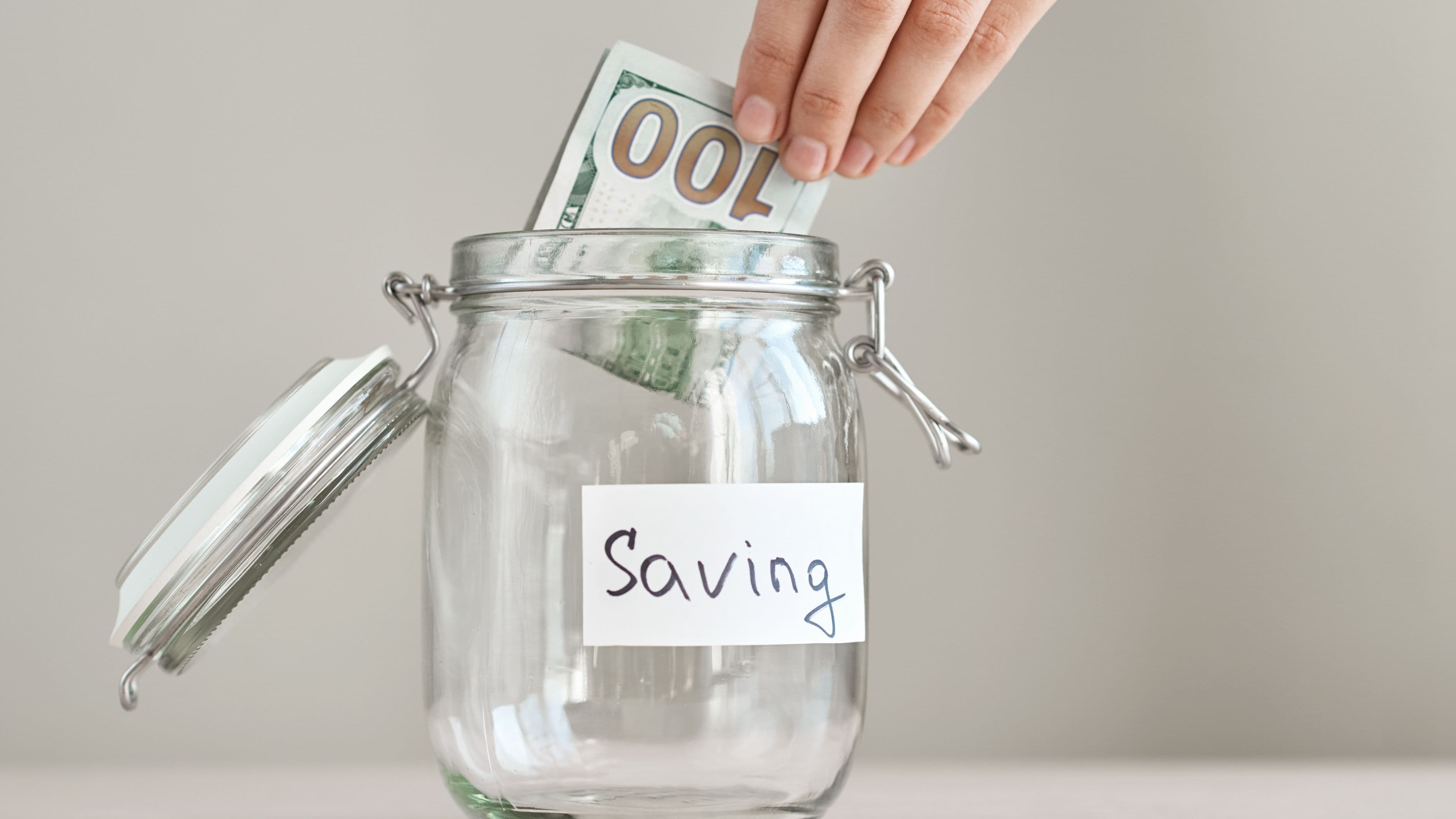
This isn't about deprivation or a summer of saying no to everything fun. It's about approaching the season with a plan that protects your peace of mind and your budget at the same time, so the months ahead feel spacious instead of stressful.
Start With a Real Conversation About What Matters Most
Before any planning happens, it helps to sit down as a family, even briefly, and talk about what actually made past summers feel good. Was it a specific trip, or was it more about slow mornings, time outdoors, or simply less rushing around? This conversation often reveals that the moments people remember fondly weren't the expensive ones, which can take real pressure off the planning process.
Kids, even young ones, tend to have clearer answers here than adults expect. A child might genuinely care more about weekly ice cream at the same spot than a single big trip, which opens up a much more budget-friendly picture of what a meaningful summer could look like for your family specifically.
Set a Realistic Summer Budget Early
Once you have a sense of what matters, setting a total summer budget upfront, even a rough one, gives the rest of the season a clear container to work within. This might mean looking honestly at what childcare, activities, food, and any travel typically cost, then deciding what feels sustainable without leaning on credit or dipping into savings meant for something else.
Breaking that total into a rough weekly or monthly amount can also make it feel more manageable than one large number. A family managing $150 a week for summer activities and outings tends to feel more in control than one vaguely hoping things will work out by August.
Build the Season Around Free and Low-Cost Local Resources
Most communities have more free summer resources available than families realize, from public library summer reading programs to free outdoor movie nights, splash pads, and community center activities. A quick look at your local library's website or your city's parks and recreation calendar at the start of summer can reveal weeks worth of activities that cost nothing beyond a bit of planning.
National and state parks also tend to offer free or low-cost entry days throughout the summer, which can make an outdoor day trip feel special without the price tag of a larger vacation. Building a simple running list of these free options at the start of the season means you're not scrambling to fill an empty Tuesday afternoon with an impulsive, more expensive outing.
Rotate Responsibility for Planning Fun Days
If there are multiple kids or even multiple adults in the household, letting different family members take turns planning a "free day" can spread out both the mental load and the excitement. One week, a child might plan a backyard scavenger hunt, and another week, a parent might organize a simple picnic at a nearby park.
This approach does double duty. It reduces the pressure on one person to constantly generate ideas, while also giving kids a sense of ownership over the summer that often matters more to them than the activity itself. A child-planned "adventure," even a modest one, tends to be remembered more fondly than a passive, expensive outing they had no hand in creating.
Get Intentional About Food Costs
Summer often brings extra food costs that sneak up quietly, more snacks, more meals at home during the day, and the temptation of eating out more often when routines feel looser. Planning a simple, repeatable weekly meal structure, like "taco Tuesday" or a rotating list of five easy lunches, can reduce the daily decision fatigue that often leads to last-minute takeout.
Involving kids in simple meal prep, even something as basic as assembling their own sandwiches or a fruit skewer, can also turn a cost-saving habit into a shared, calming activity rather than a chore. This tends to work especially well for younger kids who enjoy the sense of independence that comes with "making" their own food.
Choose One Meaningful Splurge Instead of Many Small Ones
Rather than spreading a limited budget across many small purchases and outings that fade quickly from memory, many families find more satisfaction in choosing one or two meaningful splurges for the entire summer. This might be a single overnight trip, a season pass to a local pool, or tickets to something the family has been looking forward to.
Concentrating spending this way tends to create a stronger sense of anticipation and a clearer memory afterward than a summer of scattered smaller expenses that blur together. It also makes the budget easier to track, since there's one larger, planned expense rather than dozens of small, easy-to-lose-track-of ones.
Build in Unstructured, Free Time on Purpose
It's easy to feel like every day of summer needs an activity attached to it, but unstructured time at home costs nothing and often ends up being some of the most restorative time for both kids and parents. Protecting a few slower, plan-free days each week can reduce the exhaustion that comes from constant scheduling, while also giving kids space to be creative on their own terms.
This kind of built-in downtime also protects your budget indirectly, since a packed schedule of outings naturally leads to more spending on gas, food, and entrance fees. A summer with intentional breathing room tends to feel calmer for the whole family, not just lighter on the wallet.
What to Avoid
Comparing your family's summer to what you see on social media is one of the fastest ways to feel like a budget-friendly summer is somehow lacking, when in reality most families are curating a highlight reel rather than showing the full picture. It also helps to avoid overcommitting to camps, classes, or programs out of guilt or comparison, since a packed schedule often creates more financial and emotional strain than it's worth.
Be mindful of small daily purchases that add up quietly, like frequent stops for ice cream or convenience store snacks during outings. These rarely feel like a big decision in the moment, but they can meaningfully affect a summer budget by the time August arrives.
A Gentle Takeaway
A good summer isn't measured by how much was spent or how many places were visited, but by how connected and unhurried it felt for your family. Approaching the season with a clear budget, a few intentional splurges, and plenty of room for simple, low-cost moments tends to create the kind of summer people actually remember fondly, without the financial stress that often follows an unplanned one.
FAQ
How do I keep kids engaged without spending much money? Rotating responsibility for planning activities, using free community resources, and protecting unstructured playtime all tend to keep kids genuinely engaged without requiring a steady stream of paid outings.
What if my family has very different ideas about what a good summer looks like? A shared conversation early in the season, along with a rotating planning system so everyone gets input, usually helps balance different preferences without one person's vision dominating the whole summer.
Is it okay to just have one big trip and nothing else planned? Yes. Many families find that one meaningful, well-planned experience combined with relaxed, low-cost time at home creates more satisfaction than a summer packed with smaller, scattered activities.
📚 Sources
National Recreation and Park Association, "Summer Programs and Community Resources" – https://www.nrpa.org/our-work/Three-Pillars/health-wellness/
American Library Association, "Summer Reading Programs" – https://www.ala.org/tools/programming/summerlearning
National Park Service, "Fee-Free Days" – https://www.nps.gov/planyourvisit/fee-free-parks.htm