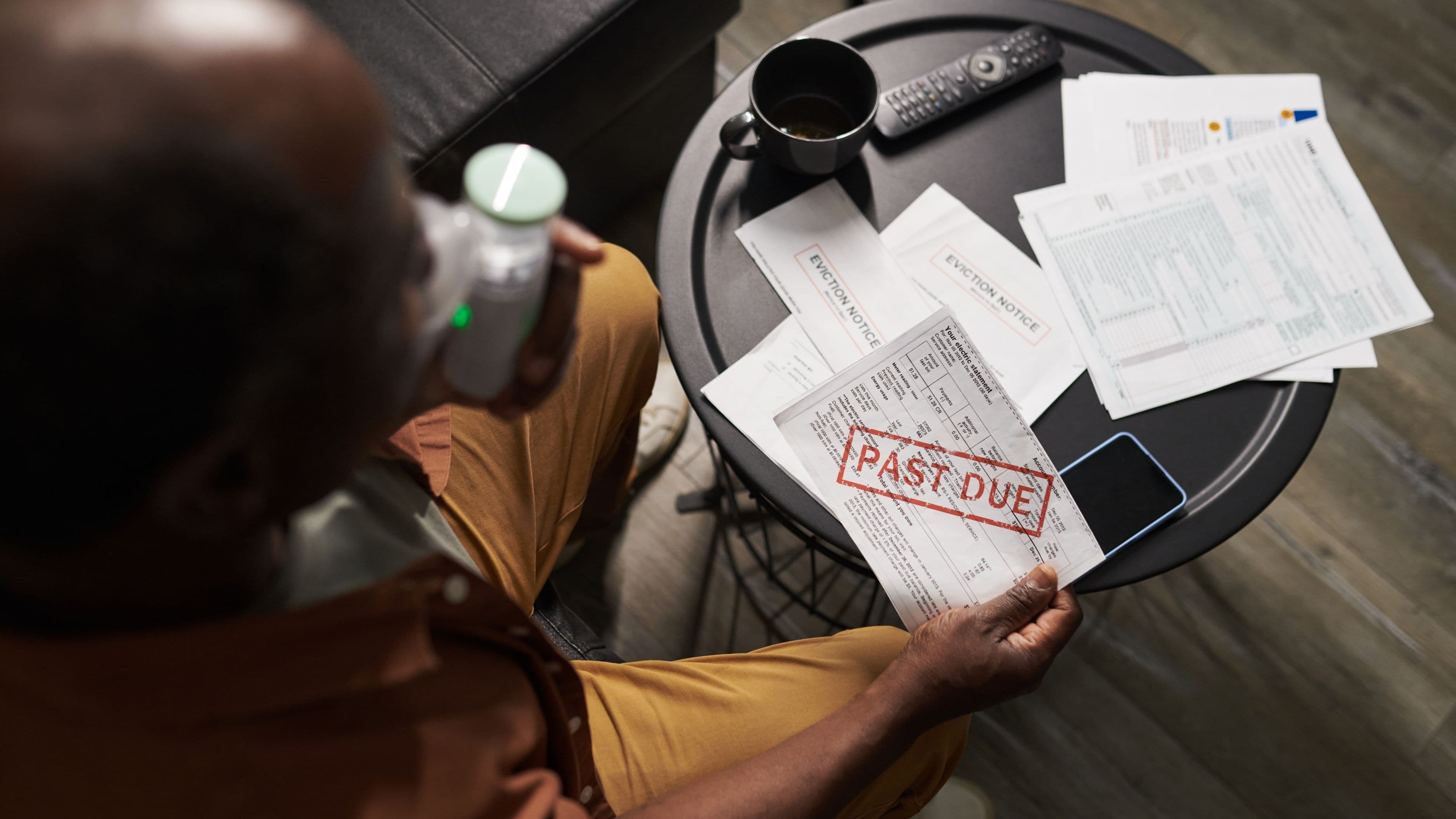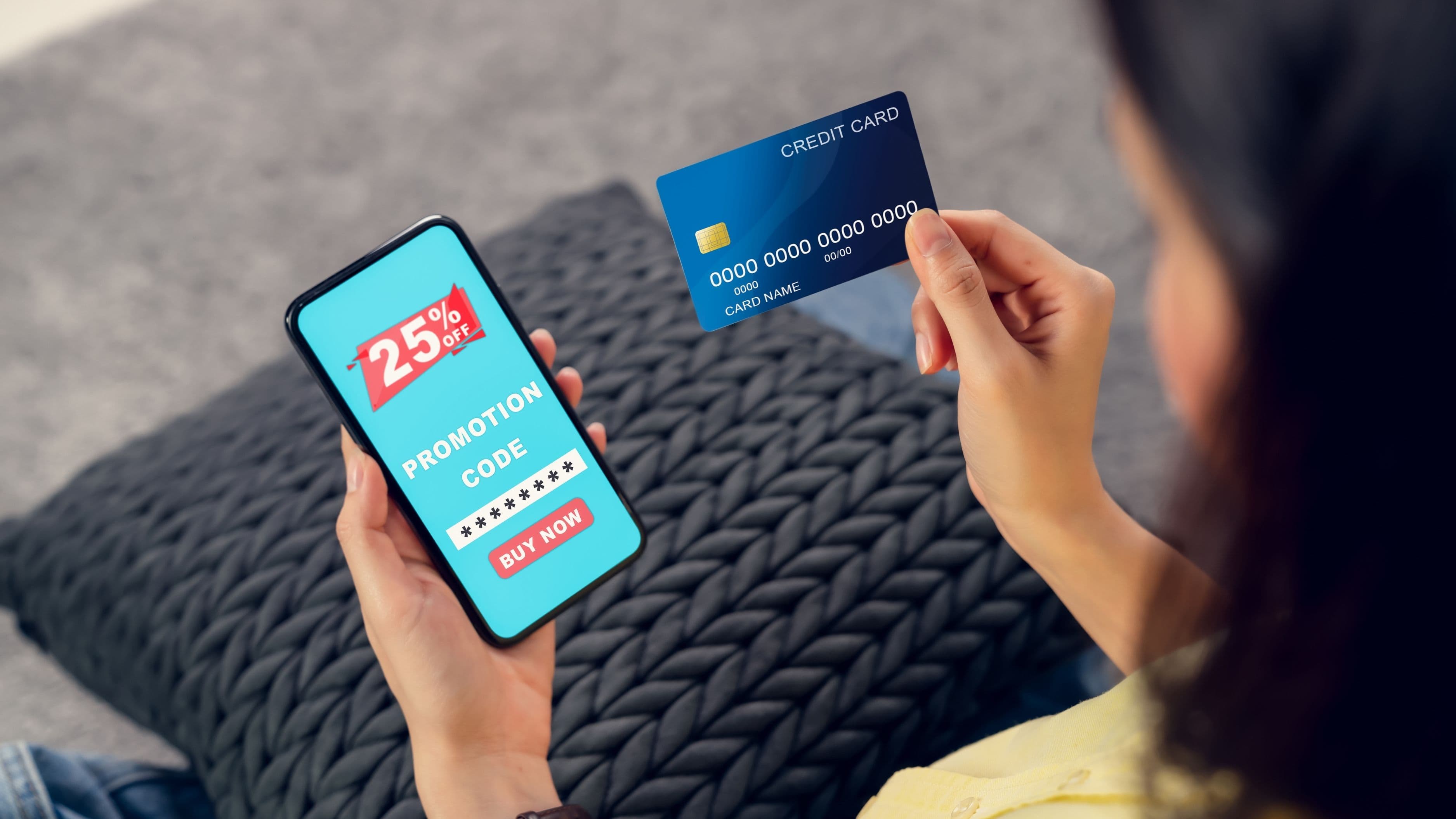
Lifestyle creep — also called "lifestyle inflation" — is the phenomenon where your spending expands to fill whatever income you earn, no matter how much that income grows. It's not dramatic. It doesn't announce itself. It just silently upgrades your "needs" until yesterday's luxury becomes today's baseline, and you find yourself wondering why you still feel financially stressed despite making more money than ever. If Marie Kondo decluttered your habits, lifestyle creep is exactly what she'd throw out — because it sparks zero joy and takes up enormous space in your life.
This article is your gentle, slightly humorous, genuinely useful guide to recognizing lifestyle creep, understanding why it happens, and — most importantly — building a life that feels rich without requiring you to spend like you're auditioning for a reality TV show about people who own too many throw pillows.
The Sneaky Science Behind It
Before we dive into the list, let's talk about why lifestyle creep happens — because it's not a character flaw. It's biology, culture, and a dash of social media all conspiring against your savings account. Humans are wired for something called hedonic adaptation: the psychological tendency to return to a stable baseline of happiness regardless of what happens to us — good or bad. That new car smell fades. The excitement of the bigger apartment dulls within weeks. The promotion high evaporates faster than you expected.
A landmark study published in Psychological Science found that people dramatically overestimate how long positive events will make them feel happy — a concept psychologist Daniel Gilbert calls the "impact bias." In plain terms: you think the upgrade will feel amazing forever. It won't. But your wallet will feel the weight of it long after the joy has faded. Add to this the relentless scroll of social media showing you everyone else's highlight reel of beautiful kitchens and international vacations, and lifestyle creep becomes almost inevitable — unless you get intentional about it.
1. The Invisible Upgrade Fairy
One of lifestyle creep's most devious tricks is that it never shows up all at once. It doesn't ring your doorbell and announce, "Hello, I'm here to slowly hollow out your financial future." Instead, it works in increments so small they feel completely rational in the moment. You upgrade your streaming subscription because the premium tier is "only $4 more." You switch to name-brand groceries because you "deserve better." You start tipping at the coffee counter because the screen rotates toward you with a mildly accusatory look.
Each individual decision is defensible. But zoom out six months, and you've added $200–$400 in monthly expenses without a single meaningful improvement to your actual happiness or wellbeing. The antidote? Develop what personal finance writer Ramit Sethi calls a "conscious spending plan" — not a restrictive budget, but an intentional design of where your money goes before the upgrade fairy visits. When you know what your money is for, the small upgrades lose their magnetic pull.
2. The "I Deserve This" Trap
Here's the tricky one — and the one that targets wellness-minded people especially hard. After a hard week, a stressful project, or a particularly grim Monday, the voice inside your head whispers: You worked hard. You deserve this. And suddenly you're $180 deep in a crystal-infused water bottle, a weighted eye mask, and a meditation app you already own on a different platform. The self-care industrial complex is real, and it has your credit card number memorized.
This isn't an argument against self-care — rest, nourishment, and comfort are genuinely important. But there's a meaningful difference between spending that restores you and spending that performs restoration while actually creating financial anxiety. True self-care sometimes looks like a free walk in the park, a home-cooked meal, or ten minutes of actual silence — not a $60 bath bomb. The question to ask yourself in the moment: Is this purchase creating peace, or is it cosplaying as peace?
3. The Subscription Hydra
You cancel one, two more appear. Streaming services, meal kit deliveries, premium newsletters, app subscriptions, cloud storage upgrades, online fitness platforms, "curated" product boxes — the modern subscription economy is a masterclass in making ongoing costs feel like one-time decisions. The average American spends over $200 per month on subscription services, according to a 2023 report by C+R Research, but estimates that they spend only half that amount when surveyed. In other words: we are shockingly bad at tracking what we've signed up for.
The Subscription Hydra is particularly sneaky because each individual service feels small, and canceling any one of them feels like deprivation. But the collective weight of twelve $9.99/month services is nearly $1,500/year — enough for a meaningful travel experience, an emergency fund contribution, or a truly luxurious thing you've been putting off. Do a subscription audit right now: pull up your bank statement, highlight every recurring charge, and ask whether each one is delivering value proportional to its cost. You may be genuinely surprised by what's been quietly billing you for months.
4. The Comparison Spiral
Social comparison is as old as humanity, but Instagram gave it steroids and a ring light. When your feed is full of beautifully staged homes, aspirational wardrobes, and friends seemingly traveling every other weekend, your own perfectly comfortable life can start to feel inadequate by contrast. This is the emotional engine of lifestyle creep: not genuine need or even genuine desire, but the ambient anxiety of feeling like you're falling behind some invisible standard everyone else is magically meeting.
Psychologist Leon Festinger's social comparison theory explains this with uncomfortable precision — we instinctively measure our lives against those around us, and in the age of curated digital personas, "those around us" includes people with wildly unrepresentative lifestyles. The practical move is a deliberate information diet. Unfollow accounts that trigger spending impulses dressed as inspiration. Follow instead the voices, communities, and content that make you feel genuinely nourished — like the Harmony Hub community you're already part of. Your nervous system will thank you before your bank account does.
5. The "New Normal" Creep
This is lifestyle creep's long game. It's not about any individual purchase — it's about the gradual ratcheting-up of your baseline expectations until there's no going back without it feeling like punishment. The first time you flew business class on a work trip, coach felt fine on the way back. But after three business class flights? Coach starts to feel genuinely unpleasant — even though it's objectively the same experience you had always accepted before. This is hedonic adaptation in full effect, and it's quietly recalibrating your sense of "normal" upward in dozens of areas simultaneously.
The antidote here is deliberate practice of what some Buddhist traditions call "beginner's mind" and what modern behavioral scientists call savoring: the intentional act of slowing down and noticing pleasure in ordinary things. Research by Fred Bryant at Loyola University Chicago found that people who regularly practiced savoring reported significantly higher levels of wellbeing and life satisfaction — not from having more, but from experiencing what they already had more fully. Feel the warmth of your morning coffee before reaching for the artisan pour-over upgrade. Notice the comfort of your current home before mentally renovating it into a Pinterest board.
6. The "Treat Yourself" Frequency Creep
"Treat yourself" was once a philosophy reserved for special occasions — a birthday dinner, an anniversary trip, a reward for surviving something genuinely difficult. Somewhere along the way, it became a daily affirmation. Tuesday? Treat yourself. Made it through a conference call? Treat yourself. It's raining? Honestly, treat yourself. The treats are no longer treats — they're just spending, wearing a tiara and calling itself self-love.
The problem isn't indulgence. It's frequency. When the extraordinary becomes ordinary, it stops delivering the emotional reward it once did, and you have to spend more to get the same hit. This is the hedonic treadmill in action — running faster just to stay in place. The beautiful paradox is that actually limiting treats can make them more enjoyable, not less. A study in Psychological Science found that people who took short "breaks" from their favorite music actually enjoyed it more when it returned — a principle that applies equally well to fancy dinners, spa days, and yes, that $14 matcha latte.
7. The Income-Identity Merge
Here's the one nobody talks about at the dinner party. As our income grows, many of us unconsciously begin to define our identity through our spending. The neighborhood you live in, the car you drive, the restaurant you suggest for dinner — these choices quietly become signals of who you are and where you belong. And once spending becomes identity, cutting back doesn't feel like saving money. It feels like a threat to your sense of self. That's a genuinely uncomfortable place to be, and it's where lifestyle creep does its deepest damage — not in your bank account, but in your relationship with yourself.
Intentional living — the kind Harmony Hub is built on — asks a different question: Who am I when nothing around me is performing on my behalf? Your worth isn't a function of your zip code or your wardrobe or the size of your TV. The people in your life who matter most aren't calculating your net worth from your kitchen cabinets. Investing time in practices like journaling, meditation, and intentional community helps anchor your identity in something far more durable than your purchasing power — and far more satisfying, too.
8. The "Efficiency" Justification Engine
This one is particularly beloved by high-achievers and productivity obsessives. You don't want a fancier coffee machine — you need it because the time you save making coffee at home versus going to a café will compound into more productive hours, which will generate more income, which justifies the purchase entirely. You don't want the premium task manager app — you need it because organization is an investment in your future self. Every purchase comes with a fully-formed ROI argument that, strangely, always concludes in favor of buying the thing.
The "efficiency justification" is the intellectual's version of impulse buying — dressed up in spreadsheets and opportunity cost language, but ultimately driven by the same emotional want. A useful reality check: actually track whether the "efficiency" materializes. Keep a simple note for 30 days after a productivity-justified purchase and honestly assess whether it delivered the promised return. Most of the time, the answer is humbling enough to make the next "efficiency purchase" feel a lot less necessary.
So, What Do You Actually Do?
Avoiding lifestyle creep isn't about living small or punishing yourself for wanting nice things. It's about living deliberately — knowing the difference between spending that genuinely enriches your life and spending that just quietly expands your overhead. A few practices that actually work, drawn from behavioral research and intentional living philosophy:
Run the 72-hour rule. For any non-essential purchase over $50, wait 72 hours. The urgency almost always fades, and what remains is either genuine desire or the satisfying realization that you didn't need it at all. Automate your savings first. Before lifestyle creep has a chance to absorb your raise, direct a percentage of any income increase straight to savings or investments before it touches your checking account. What you don't see, you won't spend. Design your environment. Unsubscribe from retail marketing emails, mute spending-trigger accounts, and make your savings goals visually prominent — behavioral science consistently shows that our environment shapes our habits more powerfully than willpower ever will.
Most powerfully: get clear on what your "rich life" actually looks like. Not a culturally programmed version, not a curated Instagram version — your version. When you know what you're building toward, every spending decision gets filtered through a lens that makes the answer remarkably clear. Feel the clarity settle in like a long exhale. That's intentional living. That's what lifestyle creep can't touch.
The Bottom Line
Your life doesn't need to be perfect — just less chaotic and more you. Lifestyle creep isn't a moral failing. It's a very human response to a culture that measures worth in consumption and uses dopamine-engineered technology to keep you reaching for the next upgrade. Recognizing it is already most of the battle. And the beautiful thing about reclaiming your spending intentionality is that it rarely feels like deprivation — it feels like relief. Like setting down a bag you didn't realize you were carrying.
You don't need more to live well. You need more clarity about what well actually means to you. Start there. The matcha latte can wait.
📚 Sources
1. Gilbert, D. T., & Wilson, T. D. (2000). Miswanting: Some problems in the forecasting of future affective states. In J. Forgas (Ed.), Feeling and Thinking: The Role of Affect in Social Cognition. Cambridge University Press.
2. Festinger, L. (1954). A theory of social comparison processes. Human Relations, 7(2), 117–140. https://doi.org/10.1177/001872675400700202
3. Bryant, F. B., & Veroff, J. (2007). Savoring: A New Model of Positive Experience. Lawrence Erlbaum Associates.
4. Quoidbach, J., Dunn, E. W., Petrides, K. V., & Mikolajczak, M. (2010). Money giveth, money taketh away: The dual effect of wealth on happiness. Psychological Science, 21(6), 759–763.
5. C+R Research. (2023). Subscription Service Statistics & Consumer Spending Report. https://www.crresearch.com/blog/subscription-services-statistics
6. Sethi, R. (2009). I Will Teach You to Be Rich. Workman Publishing.