Smart home features, when chosen thoughtfully, don't just add convenience. They quietly give back the small pockets of time that tend to get absorbed by routine without you ever noticing. Not in dramatic, life-changing ways – but in the steady, cumulative way that genuinely changes how a day feels to live through.
Here are eight smart home features worth considering for that reason.
1 – Automated Lighting Schedules
Turning lights on and off is such a small action that it barely registers as an effort. But multiply it across every room, several times a day, across an entire year – and you begin to appreciate what it means to have it handled for you.
Smart lighting schedules do exactly that. You set them once, and your home's lights respond to the time of day, your routines, and even the natural light outside without any further input from you. Lights come on in the kitchen before you reach it in the morning. They dim in the living room as evening deepens. The bedroom settles into warm, low light at the time you've decided you want to begin winding down. These adjustments happen in the background, shaping the feeling of each room without requiring a single decision from you after the initial setup.
Beyond the time saved, there's something quietly valuable about a home that anticipates your needs. It removes a layer of low-level mental management – the small, constant awareness of what needs adjusting – and replaces it with an environment that simply works in rhythm with your day.
2 – Smart Locks and Keyless Entry
The amount of time most people spend searching for keys over the course of a year is genuinely surprising when you add it up. And that's before accounting for the locked-out moments, the spare key arrangements, and the mental overhead of wondering whether you remembered to lock the door after you left.
A smart lock replaces the key with a code, a fingerprint, a phone tap, or a proximity sensor – and often eliminates the "did I lock the door?" anxiety entirely through an app that tells you the current status in seconds. Many smart locks also offer auto-lock features that secure the door a set time after closing, so the question stops arising at all. For households with children, regular visitors, or service providers who need occasional access, the ability to grant and revoke temporary codes is a meaningful convenience on top of the time savings.
The transition to a smart lock is one of the lower-effort smart home changes available – most models fit existing deadbolt hardware without significant installation complexity – and it's one of the ones people tend to notice most in daily life, precisely because keys and doors are such a constant interaction.
3 – Robotic Vacuums and Mop Robots
Vacuuming is one of those household tasks that has to happen regularly enough to be genuinely time-consuming across a month, but rarely enough that it gets postponed more than it should. A robotic vacuum doesn't solve every cleaning need, but it handles the baseline floor maintenance that would otherwise require your active time and attention two or three times a week.
Modern robotic vacuums – from brands like Roborock, iRobot, and Dreame – can be scheduled to run while you're out, mapped to clean specific rooms in a specific order, and docked automatically to empty their own dustbins in many models. The floors stay consistently cleaner with virtually no effort on your part, and the deep clean becomes something you do occasionally rather than something you need to stay on top of constantly. For households with pets or children, the return is even more noticeable.
The honest caveat is that robotic vacuums work best on open floor plans with minimal clutter on the ground. They're not a complete replacement for occasional manual cleaning, but as a daily or every-other-day maintenance tool, they free up a meaningful amount of time without requiring any scheduling adjustments to your routine.
4 – Voice-Controlled Timers and Reminders
This one sounds small, and it is – but small frictions repeated throughout the day are exactly where time and mental energy tend to quietly drain. Setting a timer on your phone requires unlocking it, navigating to the clock app, entering the time, and putting it back down. Asking a voice assistant to set a ten-minute timer takes three seconds and doesn't interrupt what you're doing.
Over the course of a day spent cooking, working, exercising, or managing a household, the difference compounds. Voice-controlled reminders mean you can offload a thought the moment it occurs to you – "remind me to call the dentist at 3 p.m." – without stopping what you're doing or trusting that you'll remember to handle it later. The mental relief of not holding small tasks in active memory is genuinely underappreciated as a form of daily time and energy saving.
A smart speaker in the kitchen, the home office, or wherever you spend the most time handles this role without requiring you to carry your phone with you constantly. It becomes a low-effort extension of your memory, clearing cognitive space for what actually matters.
5 – Smart Appliances with Scheduling Features
Dishwashers, washing machines, dryers, and ovens increasingly come with connectivity features that let you start, monitor, and schedule them remotely. The practical value here is being able to fit appliance cycles into the gaps of your day rather than organizing your day around the appliances.
Starting the dishwasher on your way to bed, scheduling the washing machine to finish just before you wake up, or preheating the oven on your commute home – these are small logistical wins that add up to a surprising amount of time over the course of a week. They also tend to reduce the cognitive load of household management, which is often more exhausting than the tasks themselves. The less you have to hold in your head, the more present and rested you feel at home.
If you're not ready to replace existing appliances, smart plugs can give limited scheduling functionality to some devices – particularly coffee makers, kettles, and certain countertop appliances – at a fraction of the cost of new equipment.
6 – Smart Doorbells and Intercoms
Answering the door is a minor interruption most of the time, but at the wrong moment – mid-meeting, mid-meditation, or simply when you're not home – it becomes a source of friction or missed opportunity. A smart doorbell with a camera and two-way audio lets you see, speak to, and manage whoever is at your door from wherever you are, without the interruption of physically answering it.
For deliveries, this means being able to direct a courier to a safe drop location rather than missing a package and spending time on redelivery arrangements. For unexpected visitors, it means deciding whether to answer without disrupting what you're doing. For households with children or elderly family members, it adds a layer of safety and awareness that requires no active effort after setup.
Brands like Ring, Nest Hello, and Eufy offer well-regarded options across a range of price points. Most require a straightforward wired or wireless installation and connect directly to a smartphone app. The privacy consideration worth noting is that video data is typically stored in the cloud – checking the retention and data policies of whichever brand you choose is a sensible step.
7 – Automated Grocery and Household Reordering
Running out of things – coffee, dish soap, laundry detergent – is one of those small but surprisingly disruptive household events. It means an unplanned trip, a workaround, or a reminder that lingers in the back of your mind until it's resolved. Building a system that keeps the essentials consistently stocked removes that disruption almost entirely.
Smart home platforms including Amazon's Dash Replenishment and subscription services on platforms like Instacart allow you to set up automatic reordering of household staples when quantities run low. Some smart appliances – certain washing machines and printers among them – can detect usage and trigger reorders automatically. For everything else, maintaining a recurring order of your most-used household supplies through a grocery delivery service and adjusting quantities monthly is a simple manual system that removes most of the mental overhead of household inventory management.
The time saved isn't just in the shopping itself – it's in the accumulated micro-decisions and reminder-setting that household restocking otherwise generates across a week.
8 – A Unified Smart Home Hub or App
One of the genuine friction points of building up smart home features over time is managing them. Multiple apps for multiple devices, inconsistent interfaces, and the effort of remembering which app does what – these complications can easily cancel out the time savings the devices themselves were supposed to provide.
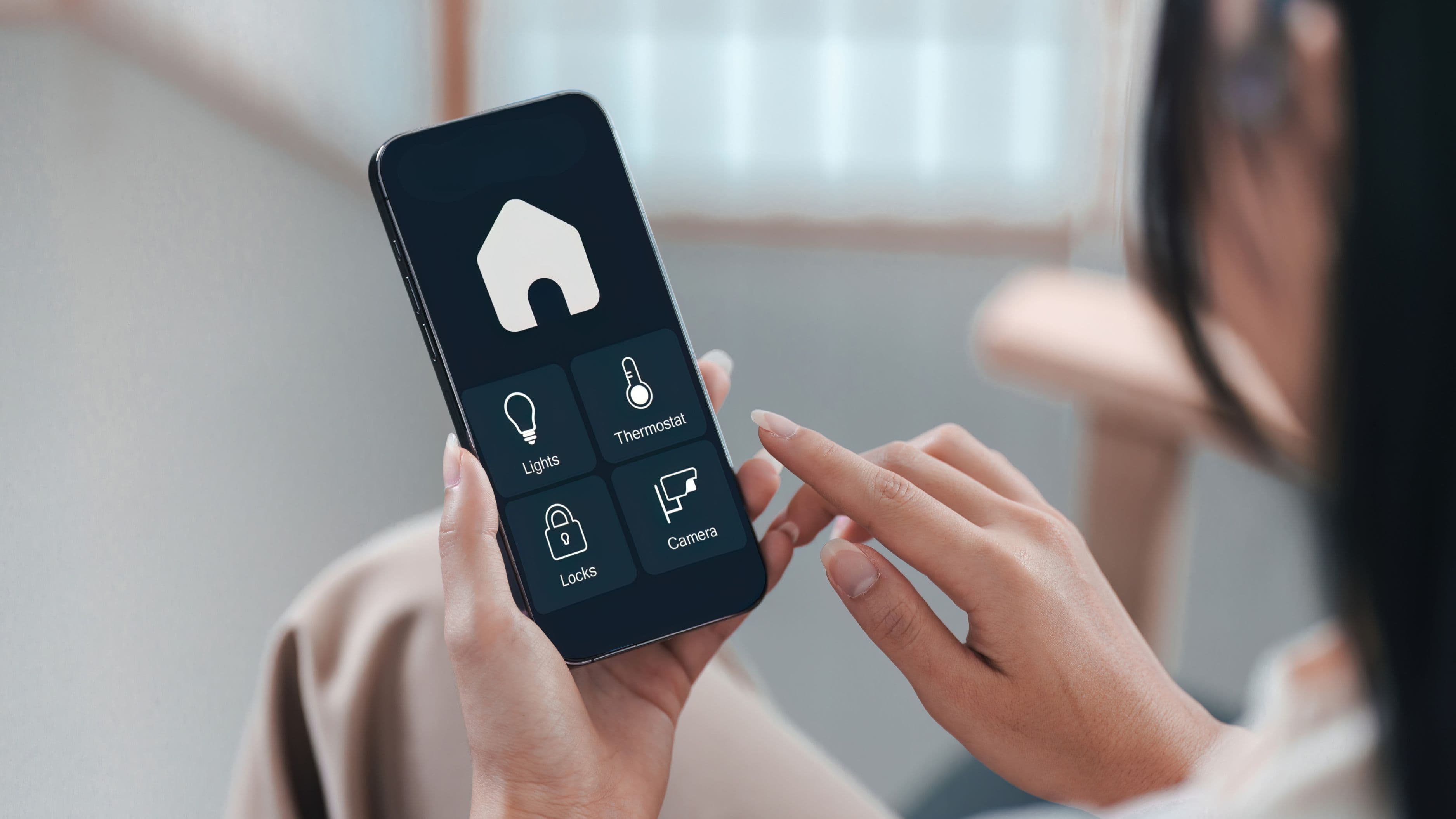
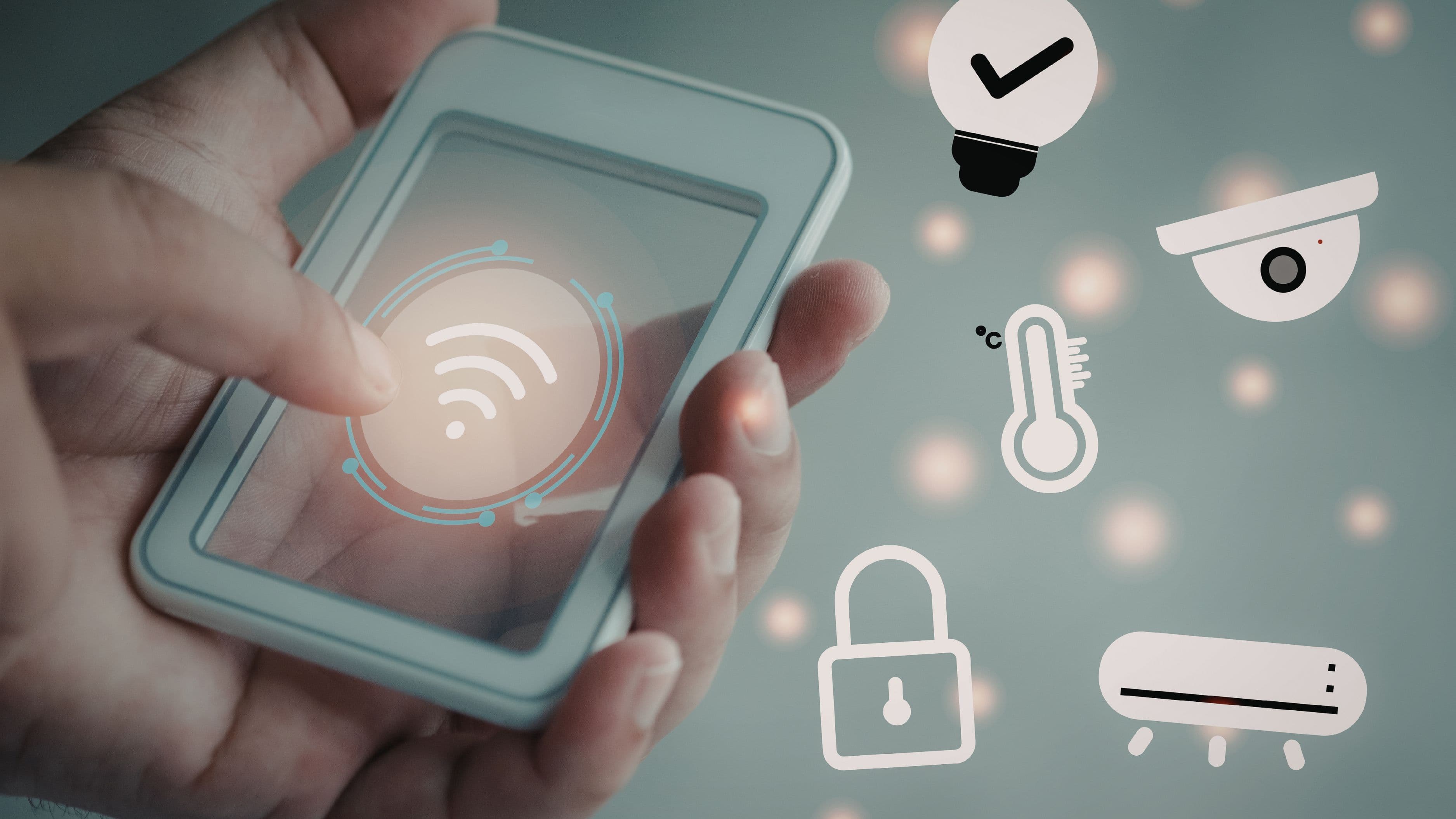
A unified smart home hub – whether that's Apple HomeKit, Google Home, Amazon Alexa, or a platform like Home Assistant – brings your devices under one interface and allows them to work together in ways they can't independently. Lights, locks, thermostats, appliances, and speakers can be coordinated into routines that trigger from a single command or a single schedule rather than having to be adjusted individually. A "leaving home" routine, for example, might lock the door, turn off all lights, lower the thermostat, and start the robotic vacuum in one action.
The investment here is largely time upfront – choosing a compatible ecosystem and setting up your devices within it – but the long-term return is a home that operates more cohesively and requires less daily management. If you're building a smart home gradually, choosing devices compatible with one primary platform from the start makes this eventual consolidation much easier.
A Note on Starting Thoughtfully
It's worth saying again that the goal of smart home features isn't to fill your home with technology for its own sake. Each feature you introduce should earn its place by genuinely reducing effort or returning time you'd otherwise spend. If something requires more management than it saves, it's worth reconsidering.
The features listed here are chosen because they address recurring daily frictions – the small tasks and decisions that show up reliably, every day, and quietly consume more of your time and energy than they appear to. Addressing even two or three of them thoughtfully tends to create a home that feels less demanding and more like the restorative place it's meant to be.
Start with the friction point that shows up most consistently in your own day. Solve that one well. Notice what it gives back. Then decide what, if anything, deserves your attention next.
FAQ
Do all of these features require a large upfront investment? Not at all. Smart plugs, voice assistants, and basic smart bulbs can be added for well under $50 each and deliver genuine daily value. Robotic vacuums and smart locks sit in the mid-range. The most important thing is choosing features that address your actual daily frictions rather than buying comprehensively from the start.
Can these features work together, or do they stay separate? Many smart home devices are designed to integrate with common platforms like Google Home, Amazon Alexa, or Apple HomeKit. When devices share a platform, they can be grouped into routines and automations that make them significantly more useful than when they operate independently. Choosing compatible devices matters more than buying from a single brand.
Is it difficult to set up smart home devices? Most modern smart home devices are designed for straightforward self-installation. Smart bulbs replace standard bulbs in seconds. Smart plugs require no installation at all. Smart locks and doorbells involve slightly more setup but are generally well within the reach of someone comfortable following instructions. Where complexity increases, the product documentation and support resources tend to be correspondingly thorough.
What if I'm renting and can't make permanent changes? The majority of the features here – smart bulbs, smart plugs, robotic vacuums, voice assistants, and smart speakers – require no permanent changes and can move with you. Smart doorbells and some smart locks may require landlord permission, though battery-operated and renter-friendly versions of both now exist.
How do I avoid ending up with too many apps and devices to manage? Choose one smart home platform early – Google Home, Amazon Alexa, or Apple HomeKit – and prioritize devices compatible with it. This single decision prevents most of the fragmentation that makes smart home setups feel more complicated than they're worth.
📚 Sources
Consumer Reports – "Smart Home Devices Worth Buying": https://www.consumerreports.org/smart-home/smart-home-devices-worth-buying/
Wirecutter – "The Best Robot Vacuums": https://www.nytimes.com/wirecutter/reviews/best-robot-vacuums/
Wirecutter – "The Best Smart Locks": https://www.nytimes.com/wirecutter/reviews/best-smart-locks/
Sleep Foundation – "How Light Affects Sleep": https://www.sleepfoundation.org/bedroom-environment/light-and-sleep
Google – "Getting Started with Google Home": https://home.google.com/intl/en_us/get-started/
Apple – "Home App and HomeKit Overview": https://www.apple.com/home-app/