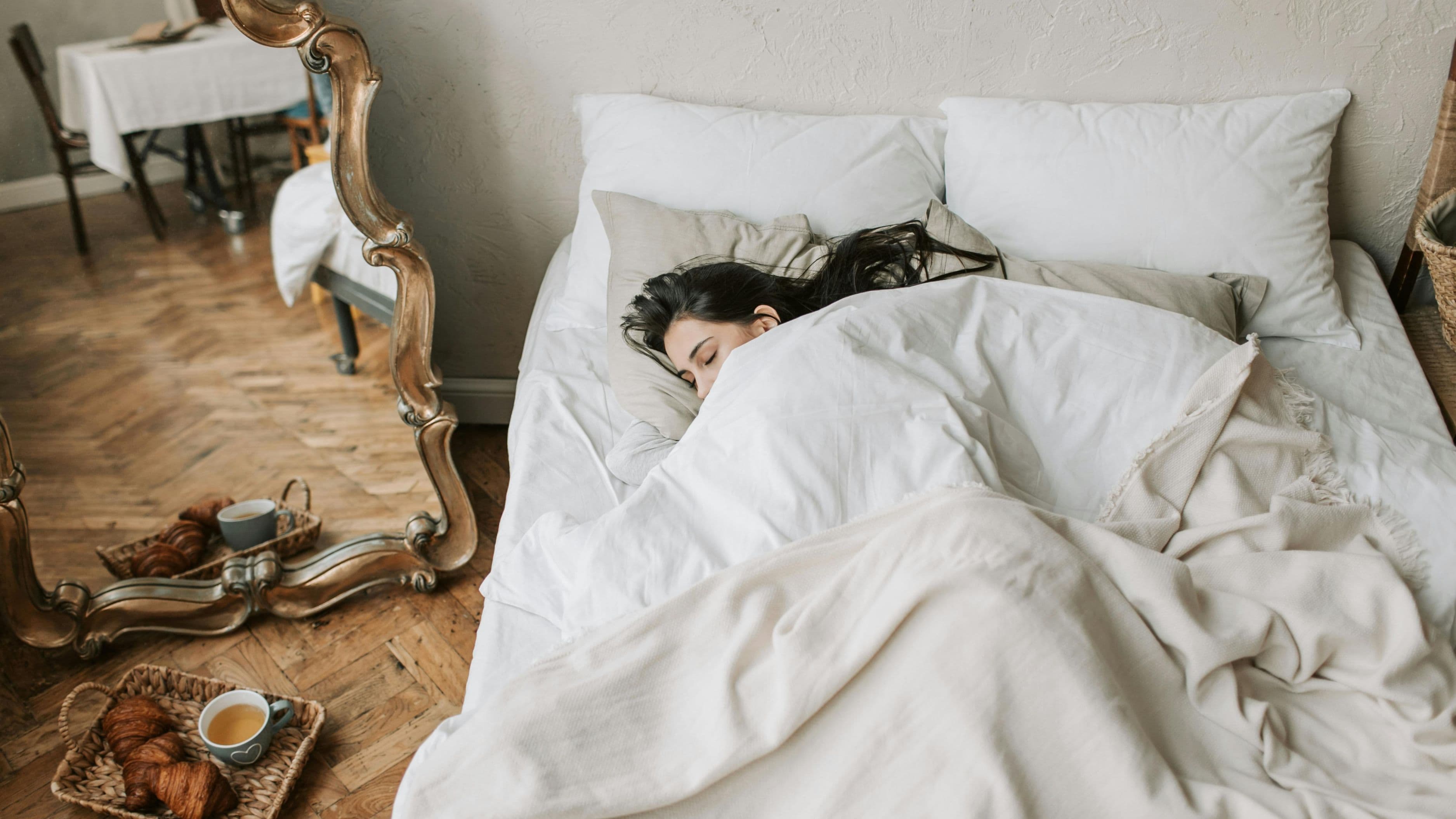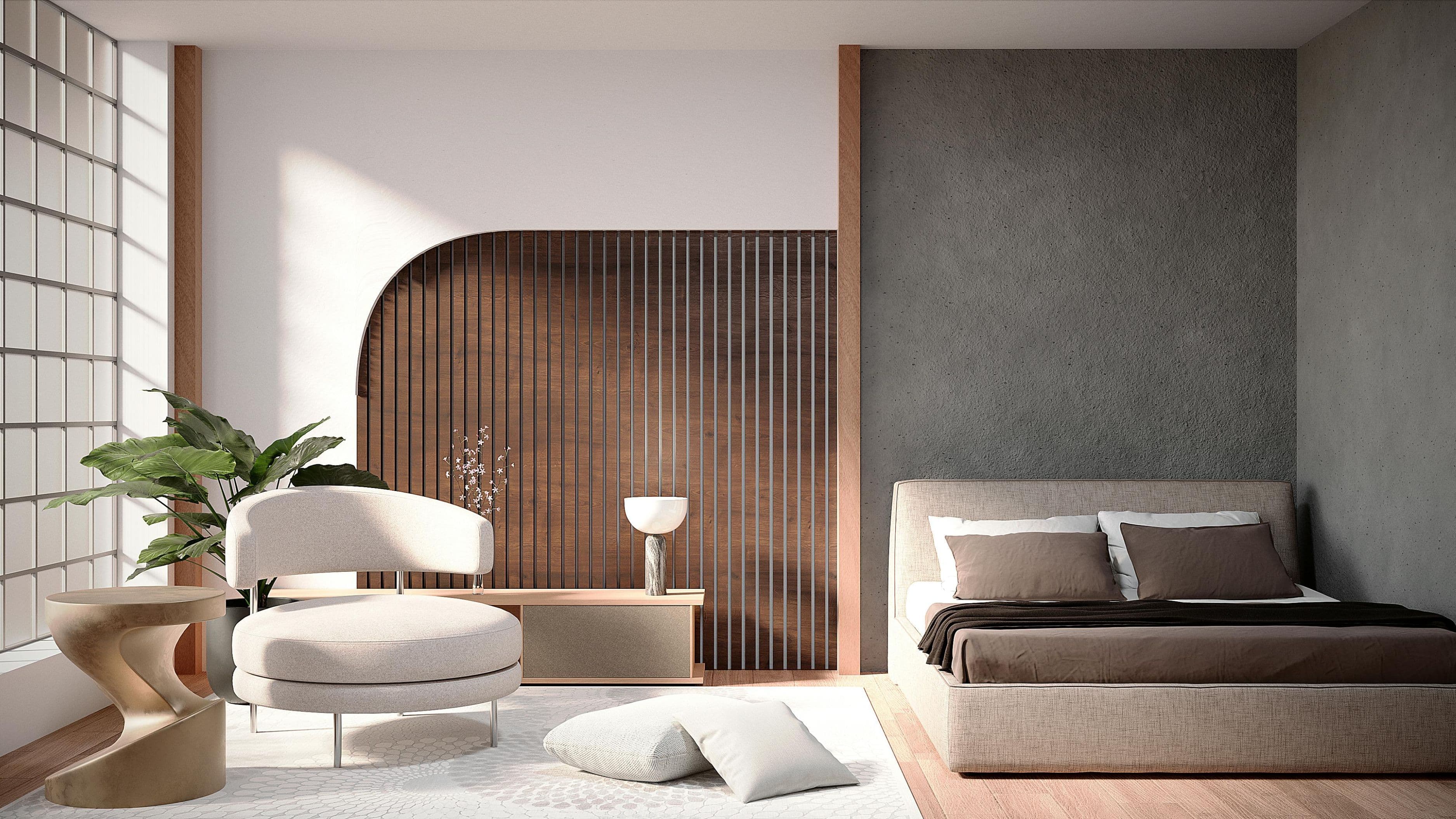
A smart bedroom isn't about filling a room with gadgets. It's about removing the friction between you and genuine rest – creating conditions where sleep comes more easily, goes deeper, and leaves you feeling like your body actually recovered overnight. This guide walks through how to do that thoughtfully and practically, one layer at a time.
Start With the Foundation: Your Sleep Environment
Before any technology enters the conversation, it's worth understanding what conditions the body actually needs for quality sleep. Sleep science consistently points to the same core factors: darkness, cool temperature, quiet, and a sense of safety and calm. These aren't luxuries – they're the biological conditions your nervous system is looking for before it allows you to move into deep, restorative sleep.
A smart bedroom setup works best when it's built around these fundamentals rather than layered on top of a space that's still fighting against them. If your room has streetlight flooding through thin curtains, an ambient temperature that stays warm all night, and a phone charging on your nightstand, no amount of technology will compensate for those gaps. The sequence matters: environment first, then enhancements.
Lighting: The Single Most Impactful Change You Can Make
Light is the most powerful signal your body uses to regulate its internal clock. Bright white or blue-toned light tells your brain it's daytime and suppresses melatonin – the hormone that makes you sleepy. Warm, dim light does the opposite. Getting this right in the hours before bed is one of the highest-leverage changes you can make to your sleep quality.
Blackout the room
True darkness during sleep supports deeper, more restorative rest. Even small amounts of ambient light – from streetlights, phone screens, or standby LEDs – can disrupt sleep architecture without you being fully aware of it. Blackout curtains or blinds are the simplest and most impactful investment in this area. Look for lined options that block light completely rather than just dimming it. If light creeps in around the edges of your curtains, a draught excluder strip along the top of the window frame solves it neatly.
Switch to warm, dimmable lighting
The overhead ceiling light in most bedrooms – bright, cool-toned, switched on at full intensity regardless of the time – is one of the more disruptive elements in a sleep-friendly space. Replacing it with a warm-toned bulb (2700K or lower) and adding a bedside lamp you can use in the evening instead makes an immediate difference to how your body winds down. Smart bulbs from brands like Philips Hue or LIFX allow you to program gradual dimming and colour temperature shifts in the evening, automating the transition from alert to sleepy without you having to think about it.
A simple routine where lights begin dimming and warming at a set time – say, 9pm – works almost like a signal to your nervous system that the day is winding down. It's a small ritual that compounds over time into a genuine sleep cue.
Use a wake-up light instead of a jarring alarm
Being wrenched out of sleep by a loud alarm activates your stress response before the day has even begun. A wake-up light – sometimes called a sunrise alarm clock – gradually fills the room with warm, brightening light over 20–30 minutes before your wake time, allowing you to surface from sleep more naturally. Brands like Philips Hue Go and Lumie Bodyclock have both earned consistent praise for this. It won't transform sleep quality directly, but the gentler start to the morning carries a calm that tends to persist into the rest of the day.
Temperature: The Underestimated Sleep Factor
Your core body temperature naturally drops slightly as you move toward sleep, and your bedroom environment plays a supporting role in that process. A room that's too warm interferes with this drop and makes it harder to fall asleep, stay asleep, and reach the deeper stages of sleep where physical recovery happens.
Most sleep researchers suggest a bedroom temperature between 16–19°C (60–67°F) as the optimal range for sleep – cooler than most people keep their homes during the day. If you have control over your thermostat or air conditioning, programming a cooler temperature for the bedroom from around 30 minutes before your sleep time is a practical change that delivers noticeable results.
For those who run warm or share a bed with a partner who has a different temperature preference, a mattress cooling pad (brands like Eight Sleep or BedJet offer these) can regulate temperature at the individual level. These are higher-cost investments, but for people whose sleep is genuinely disrupted by temperature, the improvement can be significant. Cooling the room itself costs nothing if you have a programmable thermostat – that's the obvious starting point.
Sound: Protecting the Quiet
A bedroom that's quiet isn't always something you can engineer directly, especially in a city. Traffic, neighbours, and ambient urban noise are real factors for many people. The goal here is to either reduce intrusive sound or to mask it with something more consistent and less disruptive to sleep.
White noise machines – or simply a fan, which produces a similar effect – create a steady acoustic backdrop that reduces the contrast between silence and sudden noise. It's the sudden sounds that tend to pull you out of sleep, not consistent low-level background sound.
Apps like Calm or dedicated white noise devices (LectroFan is a well-regarded option) offer more controlled versions of this. Brown noise and pink noise are variations that some people find more pleasant than traditional white noise – worth experimenting with to find what feels most natural to you.
If you share your sleep space with someone who snores, or if your environment is particularly loud, good quality earplugs or sleep headphones (soft headbands with embedded speakers, designed to be comfortable when lying down) are worth considering. Sleep headphones open up the option of listening to sleep meditations, body scan practices, or calming audio without the discomfort of standard earbuds.
Reducing Stimulation: The Screens Question
This one rarely surprises anyone, but it's worth addressing practically rather than prescriptively. The advice to "stop using screens an hour before bed" is well-intentioned but often disconnected from how people actually live. A more realistic approach is to manage how you use screens in the evening rather than eliminating them entirely.
Night mode settings on phones and tablets shift the display toward warmer tones from a set time, which reduces the melatonin-suppressing effect of screen light. This isn't a perfect solution – the mental stimulation of scrolling or responding to messages is its own issue – but it removes at least part of the biological impact. Using your phone on lower brightness in the evening, keeping it across the room rather than on the nightstand, and charging it outside the bedroom if possible are all small shifts that gradually reduce the bedroom's association with stimulation and alertness.
A charging station in the hallway or another room entirely is a low-cost way to structurally separate your sleep space from your phone without requiring willpower. Out of arm's reach is meaningfully different from on the nightstand when you're half-asleep at 2am.
Air Quality: The Often Overlooked Layer
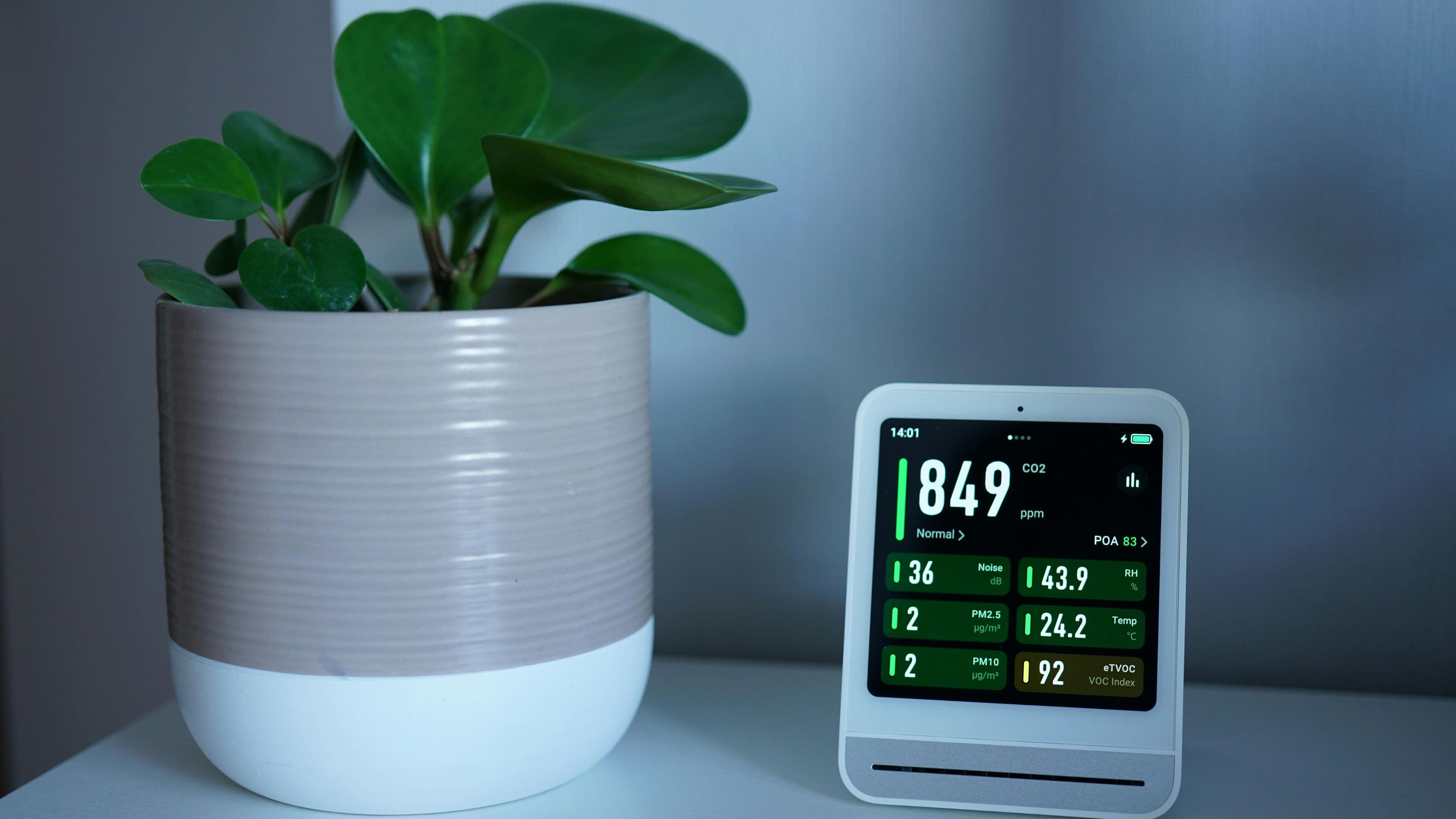
The air you breathe while sleeping affects both sleep quality and how you feel when you wake up. Dry air can irritate airways and disrupt breathing; stale or polluted air – particularly relevant in cities or during high pollen seasons – can affect the depth of sleep without you being consciously aware of it.
A bedroom air purifier with a HEPA filter removes dust, allergens, and airborne particles that can contribute to disturbed breathing overnight. Brands like Dyson, Coway, and Blueair have well-reviewed bedroom units. Many also function as quiet white noise sources, which doubles their value. In dry climates or during central-heated winters, a cool-mist humidifier (targeting 40–60% relative humidity) keeps the air from becoming overly dry and supports clearer, easier breathing through the night.
Neither of these is essential for everyone, but if you wake up with a dry throat, stuffy nose, or a sense of having slept in stale air, they're worth investigating.
Smart Trackers: Useful Data, Not an Obsession
Sleep trackers – wearables like the Oura Ring or Whoop, or bedside devices like the Withings Sleep Mat – can provide genuinely useful feedback about your sleep patterns: how long you're spending in deep sleep, whether your resting heart rate is elevated (a sign of stress or early illness), and how consistently you're going to bed and waking up. Seeing your own patterns over time can surface things you wouldn't otherwise notice, like that your sleep quality drops reliably after a late dinner or a glass of wine.
That said, it's worth holding this data lightly. Some people find sleep tracking quietly energising – a useful feedback loop that motivates better habits. Others find it creates a kind of performance anxiety around sleep, where the pressure to achieve a "good score" becomes its own source of stress. If you find yourself anxious about your sleep data rather than informed by it, the tracker is working against you. Use it for patterns and tendencies, not as a nightly report card.
Putting It Together: A Realistic Setup
You don't need to do all of this at once. The most effective approach is to pick the one change that addresses your biggest sleep challenge and start there. If falling asleep is the problem, lighting and screen management are the highest-leverage changes. If staying asleep is the issue, temperature and sound are worth addressing first. If you wake up tired despite seemingly enough sleep, air quality and a sleep tracker to understand your actual sleep architecture might be the more useful starting point.
A reasonable progression might look like this: start with blackout curtains and a warm bedside lamp in week one. Add a consistent wind-down lighting routine in week two. Adjust the room temperature and move the phone charger out of the room in week three. Each change is small enough to feel manageable and significant enough to feel real.
What to Avoid
It's easy for a "smart bedroom" to drift into an over-engineered space where the accumulation of devices creates its own kind of clutter and mental noise. More gadgets don't equal more rest. A room with a sleep tracker, an air purifier, a smart speaker, a sunrise alarm, a mattress pad, and a humidifier can start to feel like a medical facility rather than a place of genuine calm. Choose the tools that address your specific friction points and leave the rest.
Also avoid treating your bedroom as a multi-purpose room if you can help it. Working from bed, watching television in bed, or eating in the bedroom gradually erodes the mental association between the space and sleep. The more your brain connects the bedroom with rest and nothing else, the more easily it transitions into sleep mode when you enter it.
FAQ
Do I need smart technology for a better sleep environment? Not necessarily. Blackout curtains, a cooler room temperature, and moving your phone out of arm's reach cost very little and can significantly improve sleep quality on their own. Smart technology adds convenience and automation, but the fundamentals don't require it.
What's the most important change for someone who struggles to fall asleep? Lighting in the hour before bed is the single most impactful change for most people. Dimming lights and shifting toward warm tones in the evening dramatically supports the natural melatonin rise that makes you sleepy.
Are sleep trackers worth buying? For people who are curious about their patterns and can hold the data lightly, yes. For people prone to health anxiety or who already feel stressed about their sleep, they can make things worse. Know your own tendencies before investing.
What temperature should my bedroom be? Most sleep research points to 16–19°C (60–67°F) as the optimal range. If that feels too cool, erring toward the cooler end of your comfort zone is still beneficial compared to a warm room.
Can a smart bedroom setup help with stress-related sleep issues? It can support better sleep conditions, which reduces the physiological barrier to sleep. It won't resolve underlying stress or anxiety directly – those benefit from practices like meditation, breathwork, or therapy alongside a good sleep environment. The environment is the container; what you bring into it still matters.
📚 Sources
Sleep Foundation – Bedroom Environment and Sleep Quality: https://www.sleepfoundation.org/bedroom-environment
Harvard Medical School – Blue Light Has a Dark Side: https://www.health.harvard.edu/staying-healthy/blue-light-has-a-dark-side
National Sleep Foundation – The Best Temperature for Sleep: https://www.thensf.org/sleep-faqs/what-temperature-should-my-bedroom-be/
Journal of Clinical Sleep Medicine – The Effect of White Noise on Sleep: https://jcsm.aasm.org/doi/10.5664/jcsm.1200
Philips – SmartSleep Wake-Up Light Research: https://www.philips.co.uk/c-e/so/better-sleep-program/sleep-better/wake-up-light.html
Withings – Sleep Tracking Technology Overview: https://www.withings.com/uk/en/sleep
EPA – Indoor Air Quality and Health: https://www.epa.gov/indoor-air-quality-iaq/introduction-indoor-air-quality
Matthew Walker – Why We Sleep (key findings summary via UC Berkeley): https://www.berkeley.edu/news/media/releases/2017/10/why-we-sleep.shtml