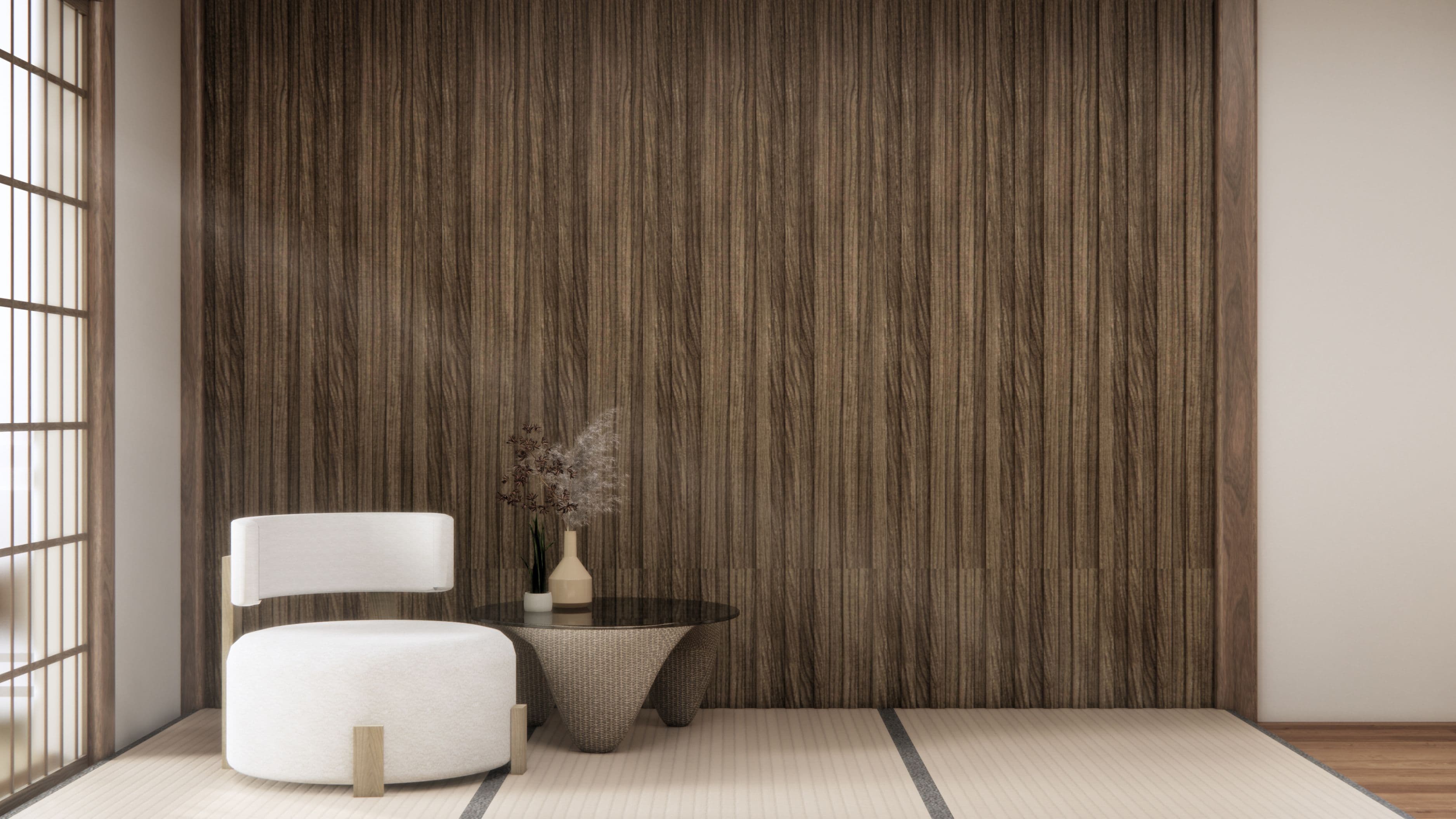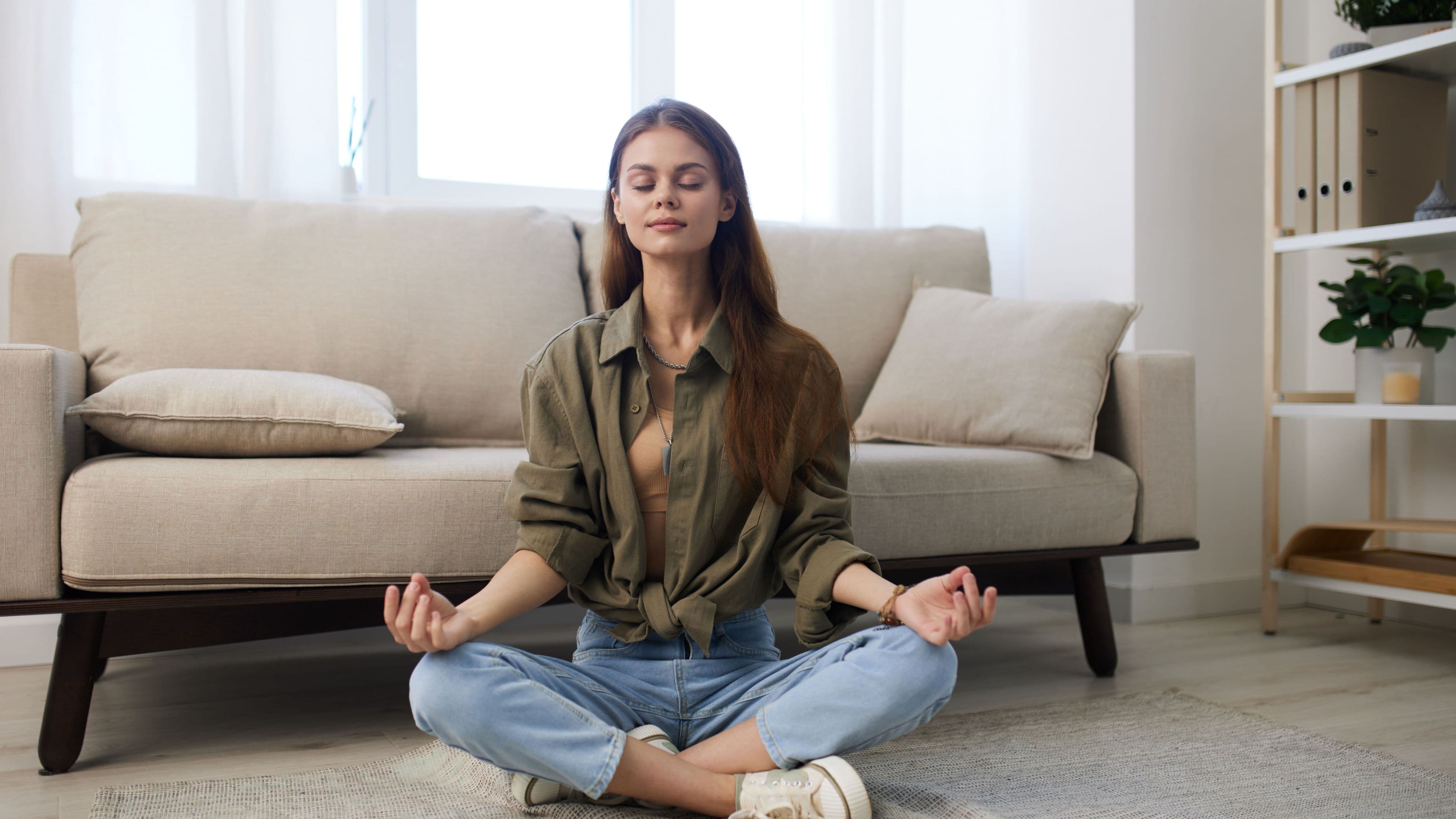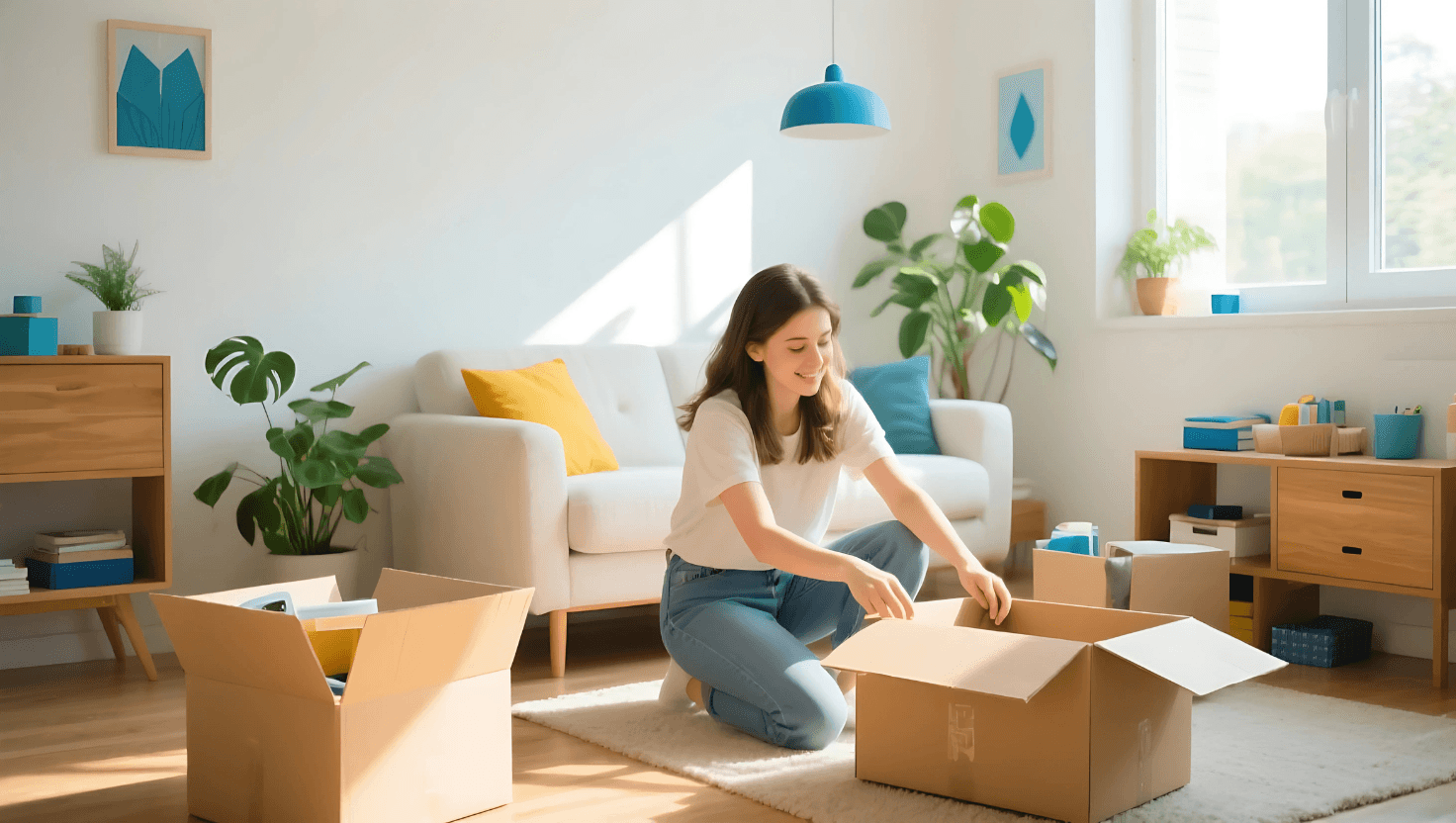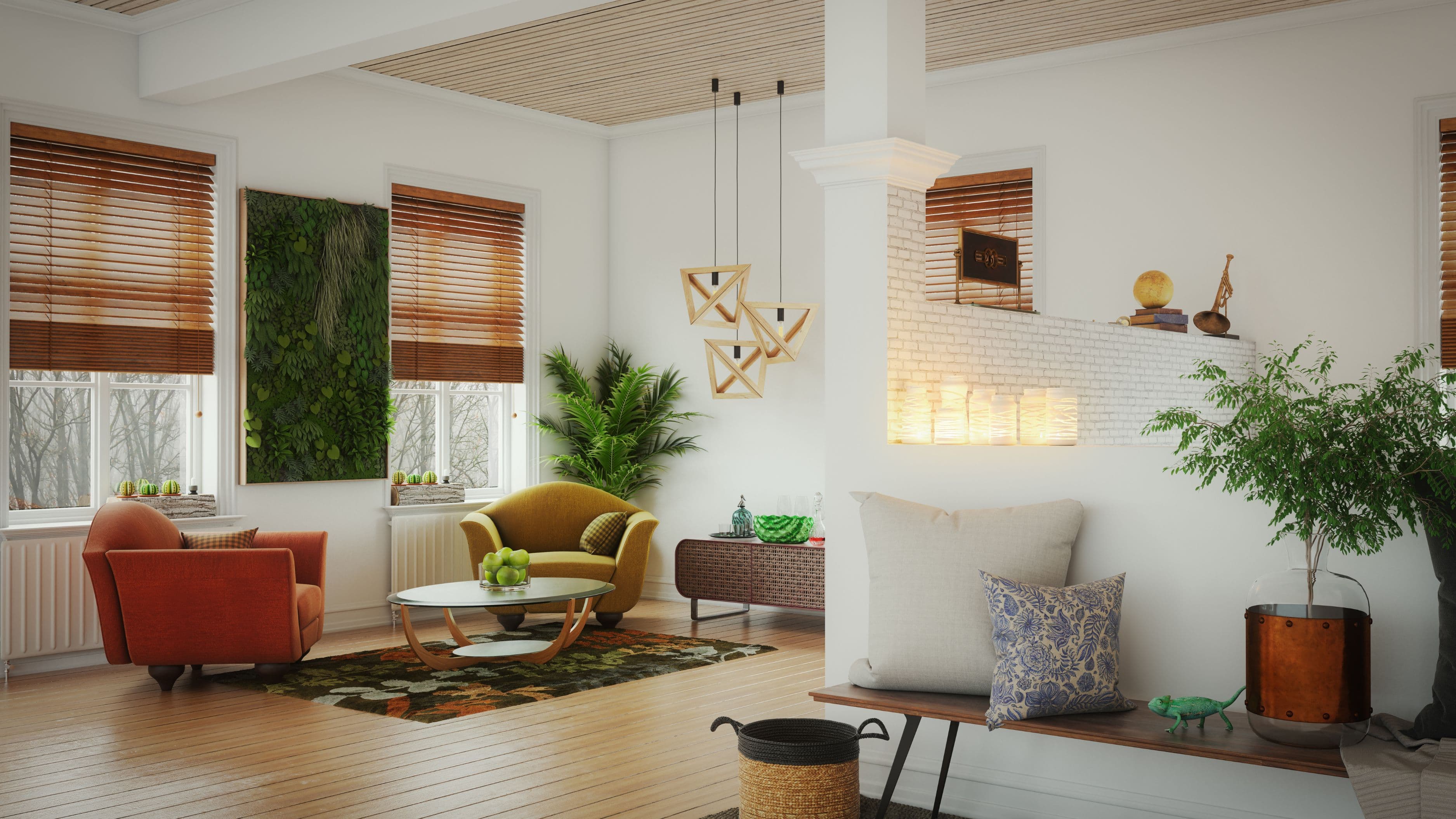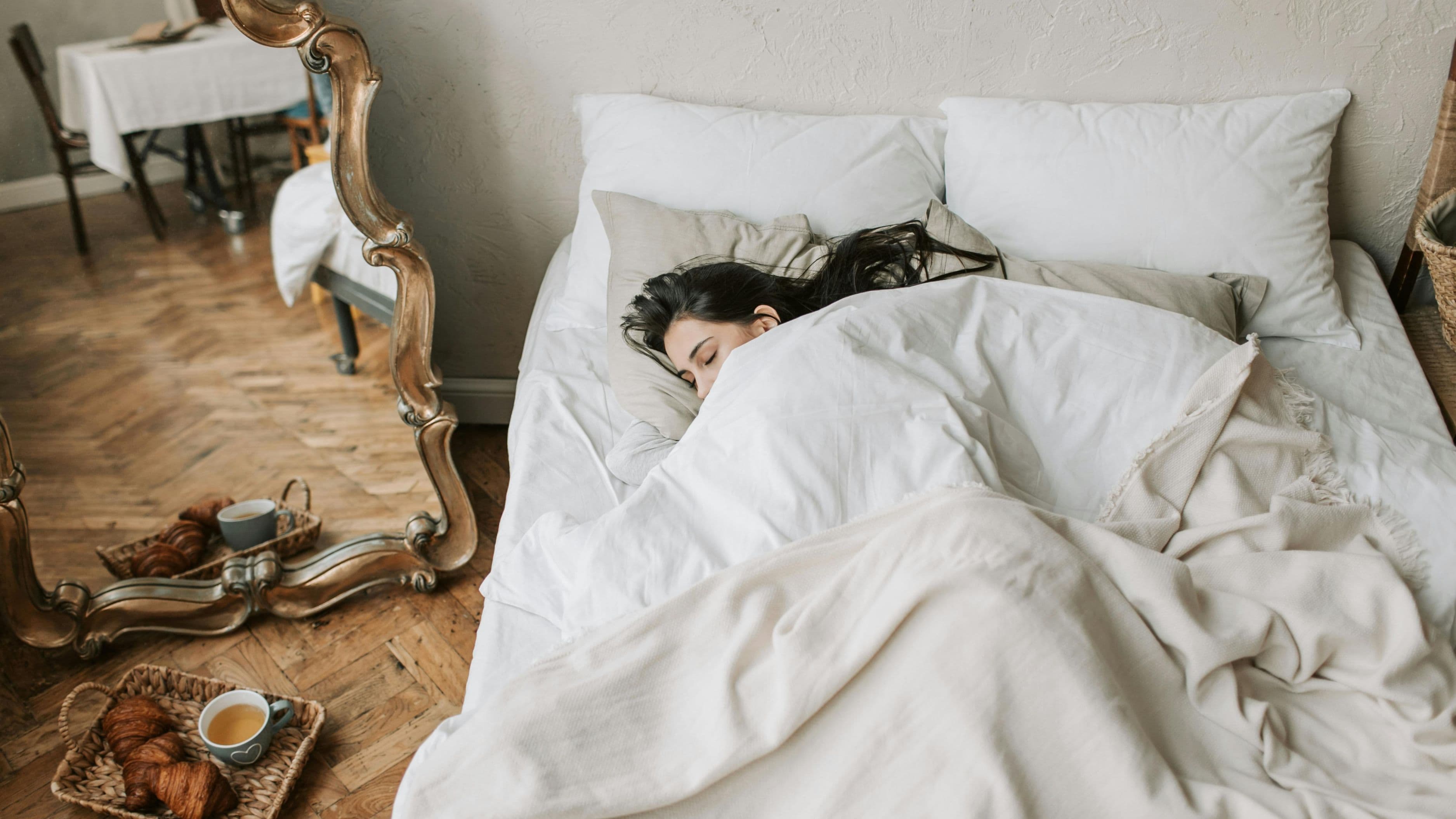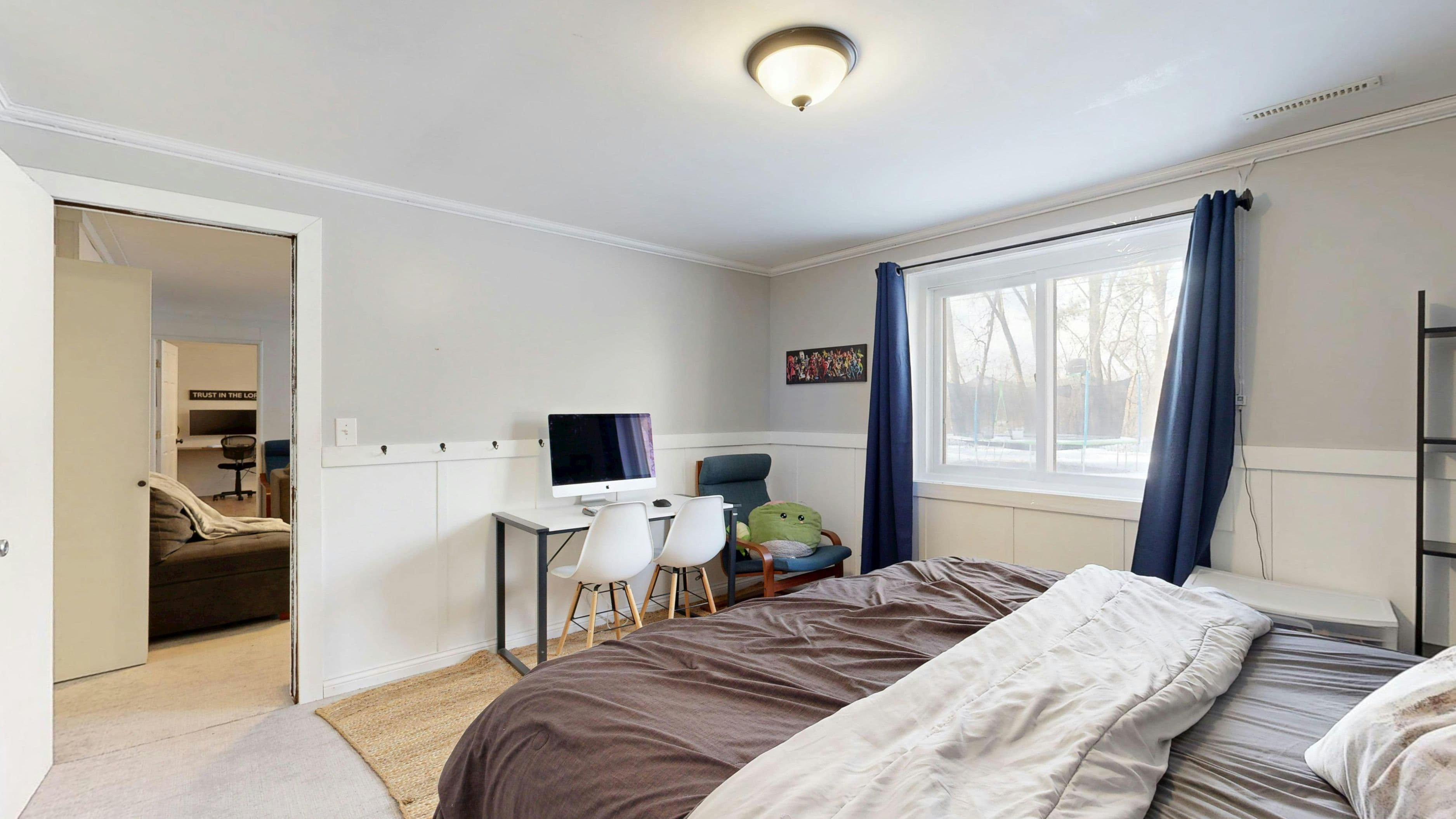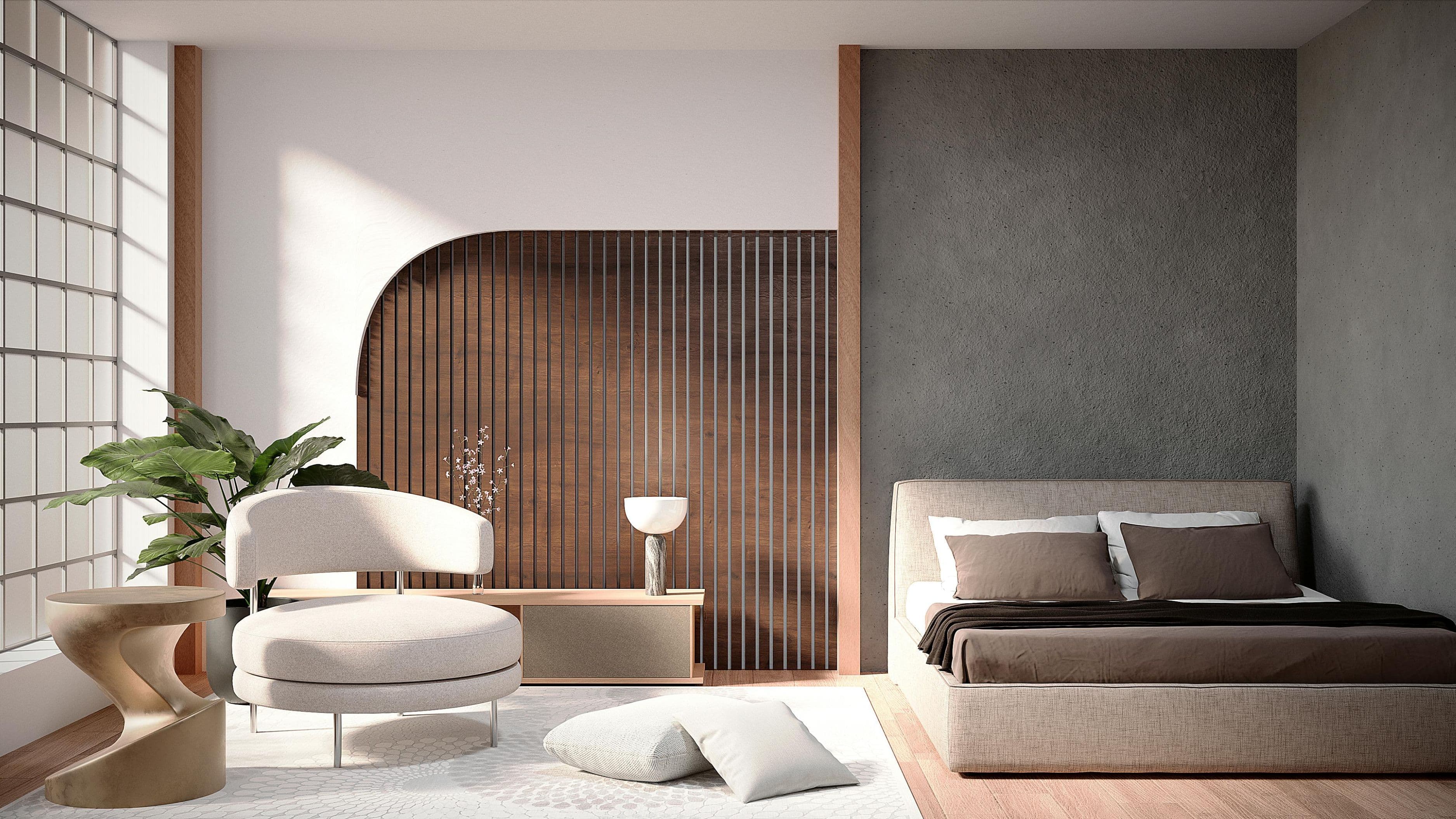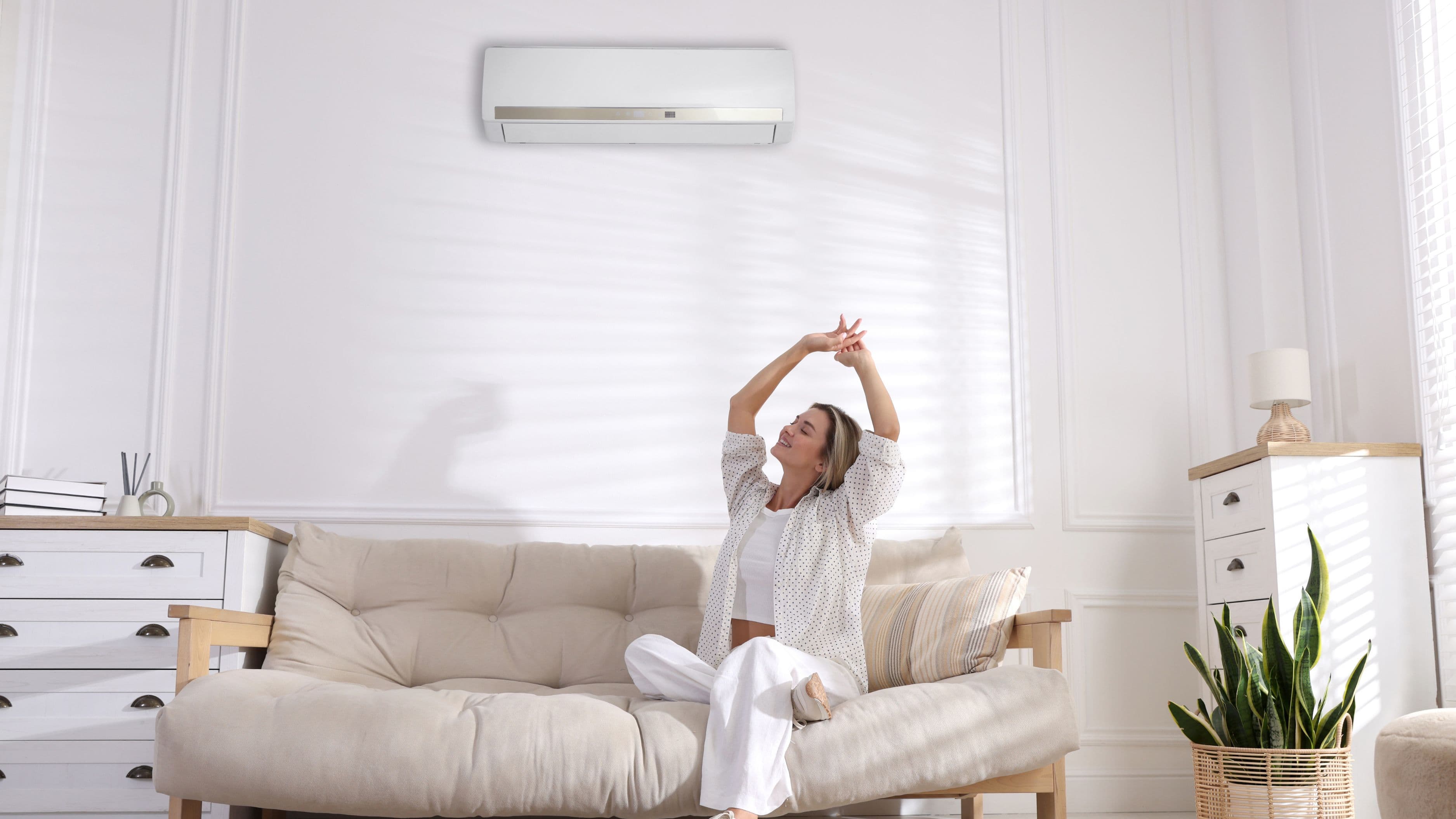
A truly comfortable and balanced home isn't about having the right furniture or following a design trend. It's about the cumulative effect of small, intentional choices – the kind that quietly support how you feel without calling attention to themselves.
Comfort Isn't Just Physical
When most people think about making a home more comfortable, they think cushions, temperature, and soft textures. Those things matter, but they're only one layer. Real comfort in a home is also emotional and sensory – it's the absence of low-grade tension, the feeling that the space is working with you rather than against you.
Research in environmental psychology consistently shows that our surroundings have a significant effect on our mood, stress levels, and ability to recover from difficult days. A space that feels cluttered or poorly lit keeps your nervous system in a subtle state of alert even when you're trying to rest. A space that feels ordered and calm sends the opposite signal. This is why two rooms with the same furniture can feel completely different depending on how they're arranged and maintained.
Understanding this helps you move past surface-level fixes. You're not just decorating – you're designing an environment that supports the version of yourself you want to be at home.
Light Sets the Emotional Tone of a Room
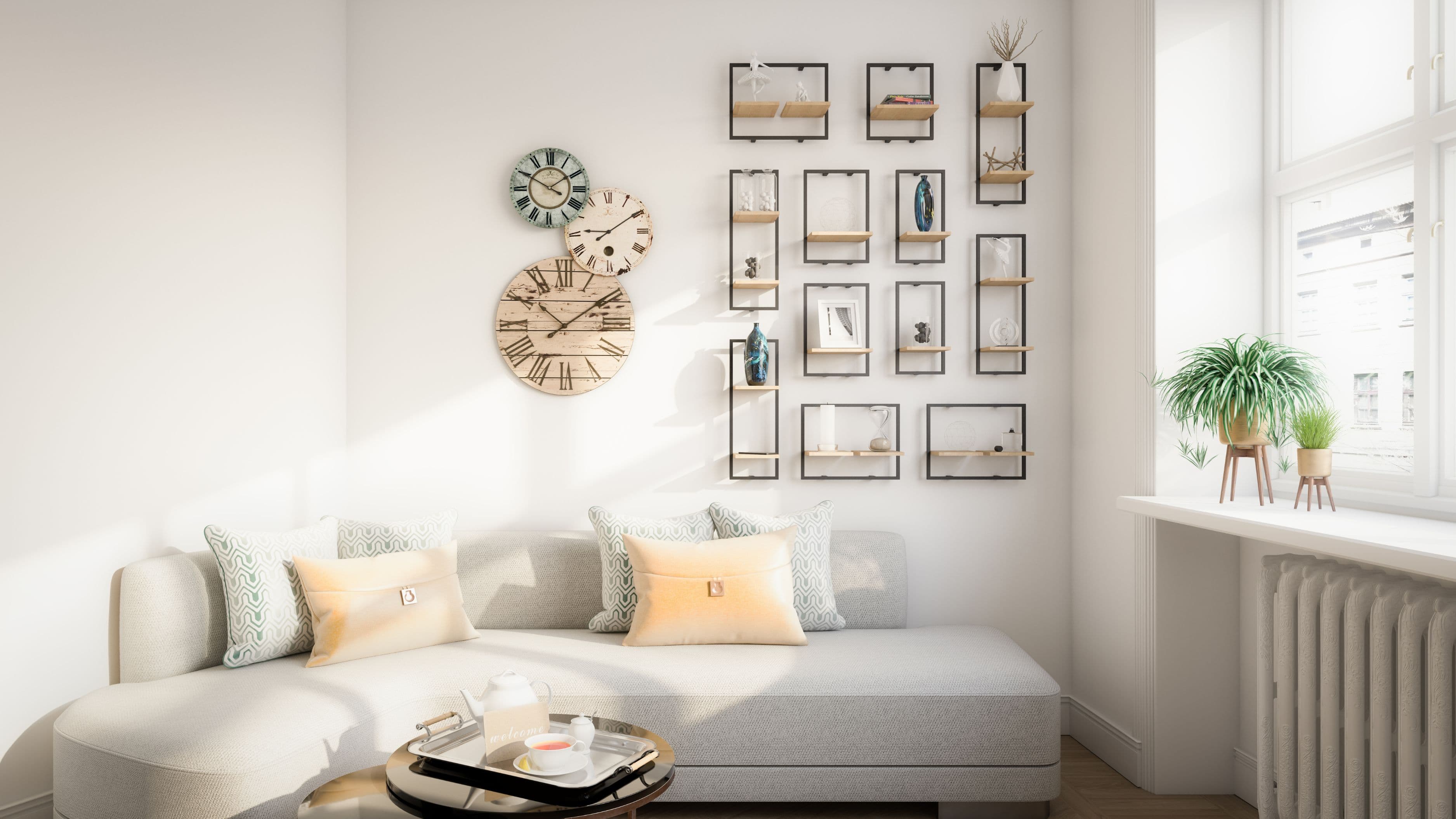
Of all the elements that shape how a home feels, light has the most immediate and consistent effect. Natural light is irreplaceable – it elevates mood, supports your circadian rhythm, and makes even modest spaces feel more alive. If your home gets good natural light, let it in as fully as you can. Swap heavy drapes for lighter ones, keep windowsills clear, and arrange seating to benefit from it rather than face away from it.
In the evenings, the quality of your artificial light matters more than most people realize. Bright overhead lighting with a cool or neutral tone keeps your brain in daytime mode, making it harder to wind down. Shifting to warmer, softer light sources – lamps positioned at mid-height, dimmer switches if possible – creates a visual and physiological shift that helps you transition out of the day. It's one of the simplest changes you can make, and one of the most consistently effective.
If you're curious about the science, studies on light and cortisol consistently find that bright light exposure in the evening elevates alertness and delays the onset of sleepiness. That's useful to know before you sit under a bright ceiling light for three hours and then wonder why you can't fall asleep.
Air Quality Is the Invisible Layer Most People Overlook
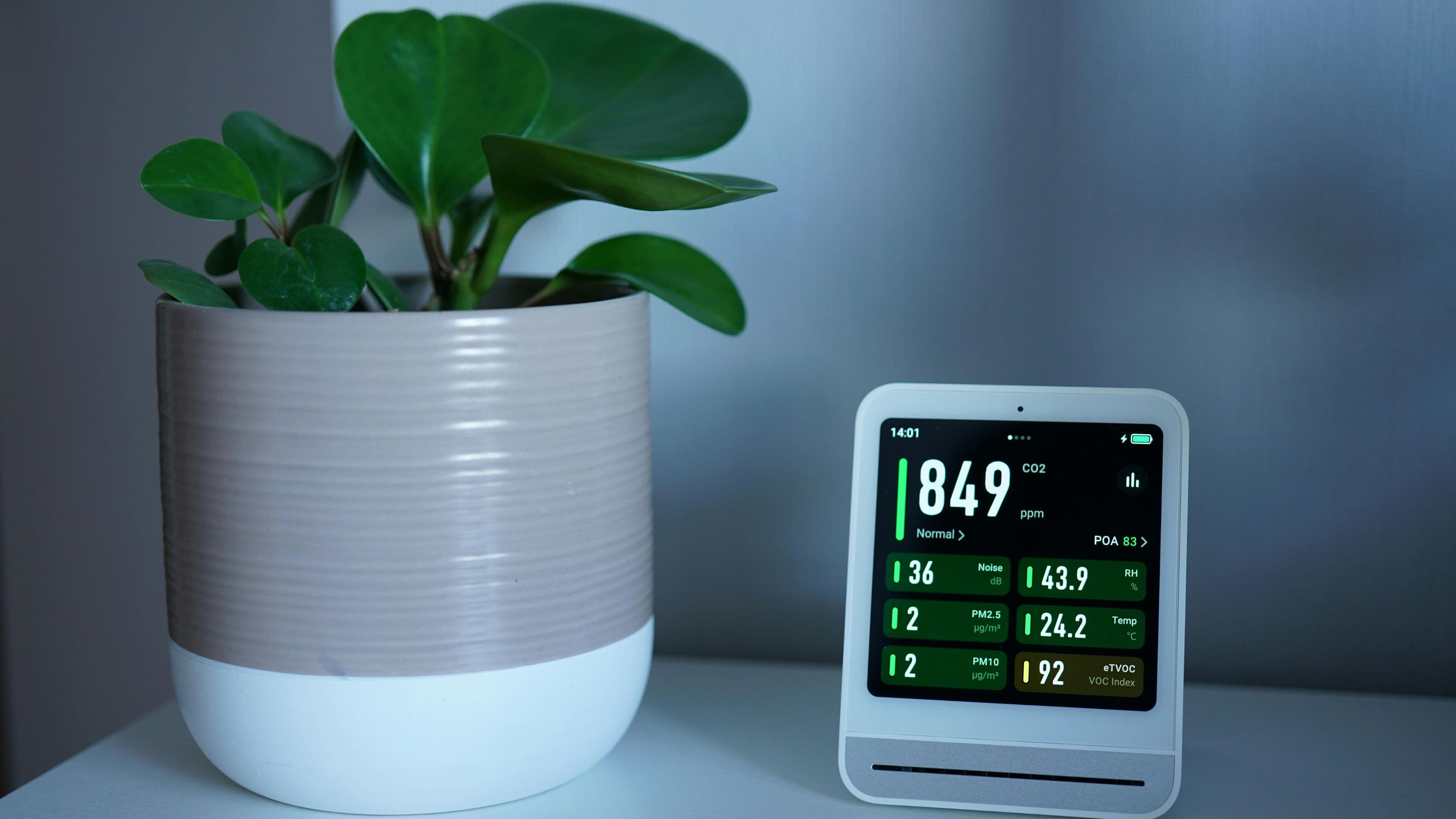
A room can look beautiful and still feel subtly off if the air quality is poor. Stale air, excess humidity, or low-level pollutants from furniture, cleaning products, or dust accumulation can contribute to headaches, low energy, and a general sense of feeling "off" at home without a clear cause.
Opening windows regularly – even for just ten to fifteen minutes a day – makes a meaningful difference. Cross-ventilation, when you can create it, moves air through the space more effectively than a single open window. If your home is tightly insulated or you live somewhere where outdoor air quality is a concern, a simple HEPA air purifier in your main living area or bedroom can reduce particulate matter and allergens noticeably.
Houseplants contribute to air quality in a modest way, though their bigger value might be psychological. There's solid evidence that having living greenery in a space reduces perceived stress and improves mood – which is a good enough reason to keep a few around, regardless of what they do to the air.
Order and Visual Calm Are Not the Same as Minimalism
A balanced home doesn't have to be sparse. It doesn't require a neutral palette or empty surfaces. What it does require is a sense of order – meaning everything you keep has a home, and things are generally returned to that home rather than left wherever they were last used.
Visual clutter creates cognitive load. When your eyes move across a surface covered in unrelated objects, your brain processes each one briefly, checking whether it needs attention. Over time, that adds up to a kind of low-level fatigue that's hard to place. The solution isn't to own less (though that can help) – it's to make sure that what you do own has a clear place so it doesn't pile up in visible limbo.
One practical approach is to focus on "landing zones" – the surfaces that things naturally accumulate on. Entryways, kitchen counters, and coffee tables tend to collect whatever hasn't been put away yet. Managing these zones intentionally, whether through small baskets, drawer organizers, or simply a regular ten-minute tidy, reduces the ambient disorder that makes a home feel draining rather than restorative.
Temperature and Texture Create Physical Safety
Physical comfort is foundational – it's just not the whole picture. Temperature is deeply personal, and a room that's consistently too cool or too warm creates a constant low-level discomfort that affects your ability to relax. If you share your home with others, this can be a source of ongoing tension that's worth taking seriously rather than tolerating.
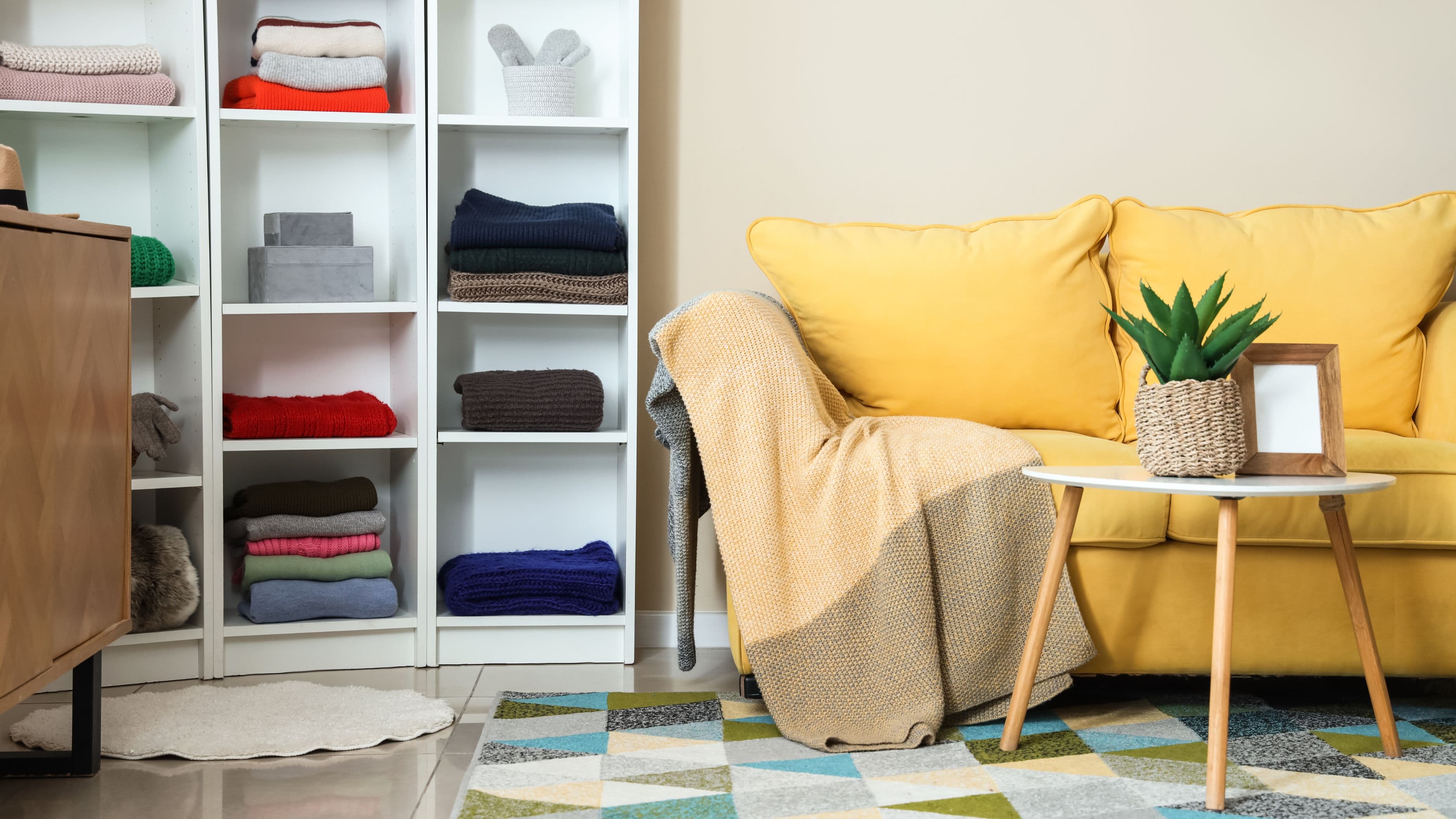
Layering textures in your furnishings – a soft throw on a firm sofa, a rug that adds warmth to a hard floor, cushions that make a chair genuinely inviting – gives your body options and creates the kind of sensory richness that signals comfort. This isn't about aesthetics alone. Soft textures activate a sense of physical safety that has real psychological roots, and it's worth leaning into that rather than defaulting to a look that photographs well but doesn't actually feel good to inhabit.
Sound matters here too. Hard surfaces in a room – tile, bare walls, uncovered floors – create acoustic echo that makes a space feel less settled. Soft furnishings, curtains, and rugs absorb sound and create the kind of quiet that feels warm rather than empty.
Scent Is a Shortcut to Emotional Association
Your sense of smell is more directly connected to the parts of your brain that process memory and emotion than any other sense. This is why certain scents can shift your mood almost instantly – and why it's worth being intentional about how your home smells, not just how it looks.
This doesn't mean you need an elaborate collection of candles or diffusers. It's more about removing unpleasant ambient smells first – stale air, moisture, strong cleaning product residue – and then introducing something gentle and consistent if you want to. Lavender, cedarwood, and eucalyptus are well-researched for their calming effects. Citrus scents tend to elevate alertness and energy. These can be useful tools when used lightly, but they become background noise when overused.
The principle is the same as with light and order: subtlety serves you better than intensity. A home that smells faintly of something pleasant is far more relaxing than one where the scent is competing for your attention.
How You Move Through Your Home Matters
The layout of your space and where things are placed shapes your daily habits in ways you may not consciously notice. If your most used items require effort to access, you'll subtly resist using them. If the path through your home creates friction – awkward furniture placement, doorways that feel cramped, a kitchen where workflow doesn't make sense – that friction accumulates into background stress.
Walking through your home with the sole purpose of noticing what feels smooth and what doesn't is a surprisingly useful exercise. Where do you consistently pile things? Where do you avoid sitting? Which rooms do you enter with ease and which feel like an afterthought? These patterns reveal a lot about what your space is and isn't supporting.
Small adjustments – rotating a chair, clearing a pathway, moving a lamp to where it's actually needed rather than where it looks balanced – often have a disproportionately large effect on how a space feels to live in every day.
The Rooms That Support Rest Deserve the Most Attention
If you had to choose where to invest your energy first, prioritize the spaces where you rest and recover. The bedroom above all others, but also wherever you tend to decompress – a reading corner, a quiet spot in the living room, a bathroom that feels genuinely restorative rather than purely functional.
These spaces benefit most from the principles above: good lighting control, clean air, soft textures, low visual clutter, and a sense of order. They also benefit from the intentional removal of things that carry stress or stimulation – screens, work materials, anything that reminds your nervous system it should still be alert.
Rest is how your body and mind recover from everything the day demanded of them. A home that genuinely supports rest is not a luxury – it's a foundation for how you show up everywhere else.
Common Pitfalls to Avoid
One of the most common mistakes people make when trying to improve how their home feels is trying to fix everything at once. Buying new furniture, repainting walls, and reorganizing every room in the same month creates its own kind of overwhelm and rarely produces the settled feeling you're looking for. Small, deliberate changes made one at a time are more sustainable and often more effective.
Another pitfall is optimizing for appearance rather than experience. A room that photographs beautifully but feels cold and uncomfortable to actually sit in hasn't solved the problem – it's just shifted it. Always ask how a space feels to be in, not just how it looks from the doorway.
Finally, don't underestimate the effect of maintenance. A beautiful, well-designed home that's rarely cleaned or tidied gradually loses the sense of calm it once had. Comfort isn't a one-time achievement – it's something you maintain through small, consistent habits over time.
FAQ
Does a balanced home require a complete redesign? Not at all. Most of the changes that have the biggest effect on how a home feels are small: adjusting lighting, improving airflow, reducing clutter on key surfaces, adding soft textures. A redesign can be meaningful, but it's rarely necessary to create a genuinely comfortable space.
How do I make a small home feel more balanced? Small homes benefit most from good light, minimal visual clutter, and smart storage that keeps surfaces clear. Mirrors used thoughtfully can expand the perceived size of a room. Keeping furniture scaled to the space rather than oversizing it makes a significant difference. And maintaining clear pathways so the space feels easy to move through reduces the sense of being hemmed in.
What if I share my home with people who have different preferences? Shared spaces are most comfortable when they feel neutral enough to belong to everyone – which usually means avoiding strong personal statements in common areas and saving those for private spaces. Having honest, low-stakes conversations about what each person finds comfortable (temperature, light levels, noise, tidiness) makes it easier to find practical middle ground.
Is there an ideal number of houseplants for a home? There's no magic number. The right amount is whatever you can realistically maintain without the plants becoming a source of neglect and guilt. One well-tended plant does more for a space than five struggling ones.
The Home You Feel, Not Just the One You See
A truly comfortable and balanced home isn't something you achieve and then leave alone – it's something you tend to, adjust, and return to with attention. It reflects what you actually need to recover, think clearly, and feel like yourself. That's a worthwhile thing to care about.
You don't need a bigger space, a larger budget, or a perfect aesthetic vision to get there. You need honest attention to how your current space feels and the willingness to make small, thoughtful changes in the direction of something better. That's always within reach.
📚 Sources
Gifford, R. (2014). Environmental psychology matters. Annual Review of Psychology – https://www.annualreviews.org/doi/10.1146/annurev-psych-010213-115048
Leproult, R., & Van Cauter, E. (2010). Role of sleep and sleep loss in hormonal release and metabolism. Endocrine Development – https://www.ncbi.nlm.nih.gov/pmc/articles/PMC3065172/
Cajochen, C. et al. (2011). Evidence that the lunar cycle influences human sleep. Current Biology – https://www.cell.com/current-biology/fulltext/S0960-9822(13)00754-9
Ulrich, R. S. (1984). View through a window may influence recovery from surgery. Science – https://www.science.org/doi/10.1126/science.6143402
EPA. Indoor Air Quality – Introduction to Indoor Air Quality. US Environmental Protection Agency – https://www.epa.gov/indoor-air-quality-iaq/introduction-indoor-air-quality
Seppänen, O., & Fisk, W. J. (2006). Some quantitative relations between indoor environmental quality and work performance or health. HVAC&R Research – https://www.tandfonline.com/doi/abs/10.1080/10789669.2006.10391446
Herz, R. S. (2009). Aromatherapy facts and fictions: A scientific analysis of olfactory effects on mood, physiology and behavior. International Journal of Neuroscience – https://www.tandfonline.com/doi/abs/10.1080/00207450802379664