Smart locks have become increasingly visible in the home technology space, and the question of whether to switch from a traditional deadbolt isn't purely a technical one. It touches on how you want to move through your home, how much you value simplicity versus control, and what "feeling secure" actually means to you. This comparison is designed to help you think it through clearly, without pressure in either direction.
What We're Actually Comparing
Before diving into the differences, it helps to be clear about what each option is.
A traditional lock – typically a deadbolt combined with a knob or lever lock – is a mechanical system. A physical key turns a cylinder, which moves a bolt. That's the whole mechanism. It's been refined over more than a century, and while no lock is impenetrable, a quality deadbolt from a reputable brand is a genuinely reliable barrier.
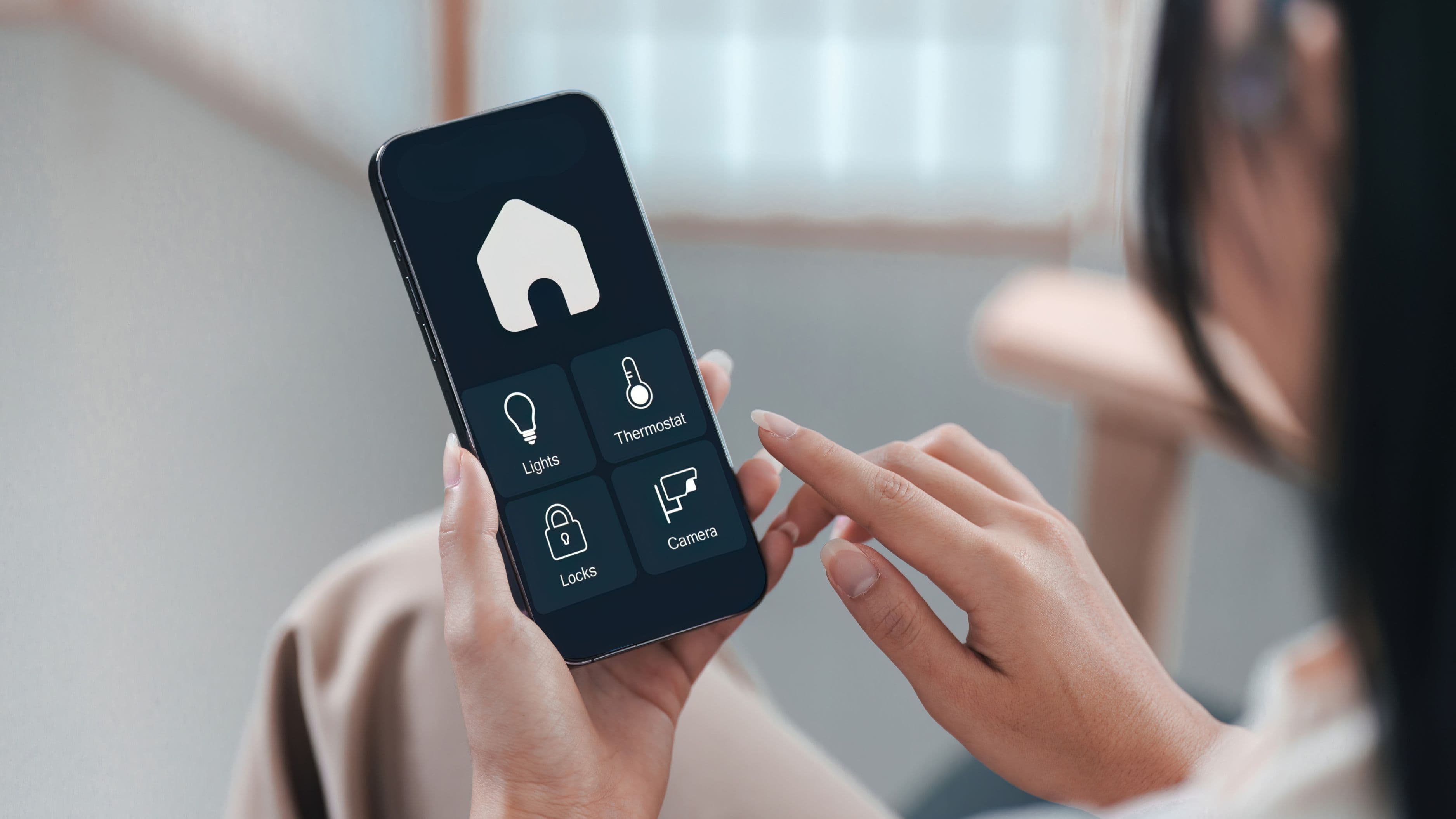
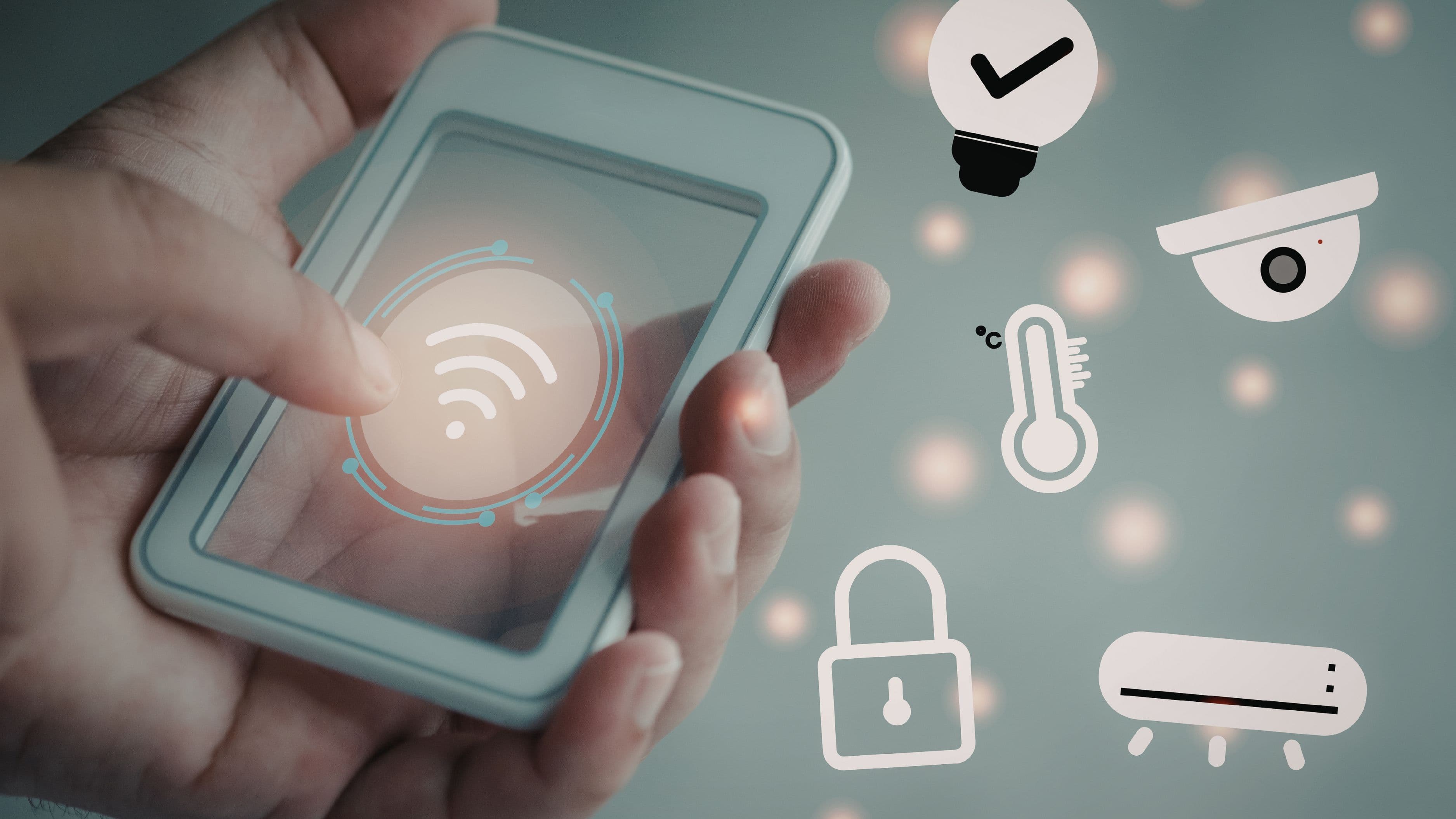
A smart lock replaces or augments the traditional key-and-cylinder system with an electronic mechanism. Depending on the model, it can be opened via a PIN code on a keypad, a smartphone app, a fingerprint reader, a key fob, or even proximity sensing (meaning it unlocks as you approach). Many smart locks retain a physical key override as a backup. Some replace only the interior portion of your deadbolt, keeping the exterior cylinder intact, while others replace the entire unit.
Both types serve the same fundamental purpose – controlling access to your home – but they do it in meaningfully different ways, with different trade-offs.
The Case for Traditional Locks
There's a reason the traditional deadbolt has lasted as long as it has. Simplicity is not a weakness.
A quality mechanical lock has no battery to die, no software to update, no Wi-Fi signal to depend on, and no app to malfunction at an inconvenient moment. When you turn the key, it either works or it doesn't – and if it doesn't, the problem is usually visible and solvable. For many people, this predictability is genuinely comforting. There's no learning curve, no pairing process, and no concern about what happens to your lock access if your phone breaks or your smart home hub loses power.
Traditional locks are also significantly more affordable upfront. A high-quality deadbolt from a trusted brand like Schlage or Medeco typically runs between $30 and $150, compared to $150 to $300 or more for a well-reviewed smart lock. Installation is straightforward for anyone with basic DIY confidence, and there are no ongoing subscription fees or connectivity requirements.
From a security standpoint, a traditional lock's vulnerabilities are primarily physical – picking, bumping, or forced entry. These risks are real but well understood, and they can be meaningfully reduced by choosing a lock with a higher ANSI grade rating (Grade 1 being the most secure), installing a reinforced strike plate, and ensuring the door frame itself is solid. Physical security is mechanical security, and for a well-installed, high-grade deadbolt, that's nothing to dismiss.
One quiet advantage that often goes unmentioned: traditional locks give away nothing to a potential attacker who is technically sophisticated. There's no digital signal to intercept, no cloud account to compromise, no firmware vulnerability to exploit. In an era of increasing digital threat surfaces, the simplicity of a mechanical lock carries its own kind of security logic.
The Case for Smart Locks
Smart locks solve problems that traditional locks genuinely can't – and for households with specific needs, that difference matters.
The most immediately practical benefit is keyless entry. If you regularly carry groceries, a stroller, a bike, or a bag that makes fumbling for keys a genuine daily frustration, a PIN pad or proximity-sensing lock removes that friction entirely. For families with children old enough to come home independently but too young to reliably keep track of a key, a code-based smart lock is a practical solution that traditional locks simply can't offer.
Access management is another area where smart locks pull ahead. With a traditional lock, giving someone temporary access means making a copy of your key – which they then have indefinitely. With a smart lock, you can issue a temporary code that expires after a set number of uses or a specific time window, then revoke it without changing anything else. This is genuinely useful for short-term rentals, housekeepers, dog walkers, contractors, or guests who are visiting while you're away.
The activity log feature, available on most smart lock apps, lets you see a record of when the door was locked and unlocked and by which credential. For parents monitoring a teenager's comings and goings, or for anyone who wants to confirm they locked up after leaving in a rush, this kind of visibility reduces a specific kind of low-grade anxiety that traditional locks can't address.
Remote access is a feature that divides opinion but genuinely helps certain households. The ability to lock or unlock your door from your phone – useful if a trusted person arrives and you're not home, or if you realize mid-commute that you forgot to lock up – requires a smart lock with Wi-Fi or hub connectivity. For households that travel frequently or have variable schedules, this kind of flexibility can meaningfully reduce stress.
Where Smart Locks Fall Short
It would be incomplete to present smart locks without being honest about their real limitations.
Battery dependence is the most common practical concern. Smart locks typically run on AA or AAA batteries with a lifespan of six to twelve months depending on usage and temperature. Most models give low-battery warnings well in advance, and the better ones allow entry via a physical key or a backup power source (a 9V battery held to a terminal on the exterior) even when the internal battery is dead. But if you're not someone who tends to notice battery warnings, getting locked out due to a dead smart lock is a genuinely possible scenario in a way that traditional locks don't present.
Cybersecurity is a legitimate consideration, though often overstated in casual conversation. Smart locks connected to a home network or cloud service have a digital attack surface that traditional locks don't. Reputable manufacturers invest significantly in encryption and security protocols, and real-world smart lock hacking incidents are rare compared to physical break-ins. Still, keeping your lock's firmware updated, using a strong and unique password for any associated accounts, and choosing a brand with a transparent security track record are sensible practices rather than optional extras.
Complexity and dependency are worth thinking about honestly. Smart locks rely on companion apps, which rely on software updates, which occasionally change interfaces or introduce bugs. If you're someone who finds technology frustrating or who values not having to manage another digital system, the ongoing maintenance of a smart lock – updates, troubleshooting, the occasional connectivity issue – may outweigh its conveniences.
Cost is straightforward: smart locks are more expensive upfront and may involve subscription fees for some advanced features. That's a real factor in the decision, particularly if you're securing multiple entry points.
How to Think About Which Is Right for You
Rather than declaring one option objectively better, it's worth sitting with a few questions that are specific to your life and home.
Who needs access, and how often does it change? If it's just you and a partner and access is stable and predictable, a traditional lock may serve you perfectly. If you have a rotating cast of people who need occasional or time-limited access, a smart lock makes management significantly easier.
How do you feel about technology in your home? Some people find smart home systems genuinely freeing – less to carry, more to track, more control. Others find them one more thing to maintain and worry about. Neither response is wrong, and the lock that feels right to you is the one you're more likely to use correctly and consistently.
What's your current security baseline? A smart lock on a hollow-core door with a weak strike plate is less secure than a Grade 1 deadbolt on a solid-core door with a reinforced frame. The lock is only one part of the equation. If you haven't assessed the quality of your door, frame, and hinges, that's worth doing before spending money on a lock upgrade of any kind.
Do you value backup options? A smart lock that includes a physical key cylinder gives you the convenience of smart features with the reliability of a traditional key as a fallback. This hybrid approach is worth prioritizing if you're not ready to fully commit to keyless entry.
A Middle Path Worth Considering
For many households, the most balanced approach is a smart lock that retains a physical key option – models like the Schlage Encode Plus or Yale Assure Lock 2 offer full smart functionality while keeping a keyed cylinder as a backup. This gives you the best of both: remote access and code management when you want them, and a traditional key when you don't.
Pairing any lock choice with a reinforced strike plate, a solid-core door, good exterior lighting, and a door viewer or video doorbell creates a layered security approach that is meaningfully more effective than the lock alone. Security, like most things that support a calm home life, works better as a system than as a single point solution.
What to Avoid
Avoid buying a smart lock primarily because it feels modern or impressive. The best lock for your home is the one that fits how you actually live, not the one with the most features on the spec sheet. Feature-rich locks you don't fully use – or that frustrate you into propping the door instead of dealing with them – aren't serving you.
On the other side, avoid dismissing smart locks as gimmicks without genuinely considering whether the access management, activity logging, or keyless convenience would address a real friction point in your daily routine. For some households, those features aren't extras – they're genuinely practical solutions to real problems.
And wherever you land on this decision, avoid treating the lock as the whole of your home security. A great lock is a meaningful contribution to safety, but it works in concert with good lighting, solid door construction, neighbourhood awareness, and a home that feels lived-in and attended to.
FAQ
Can smart locks be hacked? In theory, yes – any connected device has a digital attack surface. In practice, physical break-ins are overwhelmingly more common than smart lock hacking. Choosing a lock from a reputable manufacturer, keeping the firmware updated, and using strong account passwords significantly reduces any digital risk. The threat is real but should be kept in proportion.
What happens to a smart lock when the power goes out? Most smart locks run on batteries, not mains power, so a home power outage doesn't affect them. The connectivity features (app access, remote locking) may go offline if your router loses power, but local functions – keypad entry, fingerprint, physical key – typically continue to work.
Are smart locks harder to install than traditional locks? Not significantly, for most models. Many smart locks are designed to replace only the interior portion of an existing deadbolt, making installation a 20–30 minute process with a screwdriver. Full-replacement models take a little longer but are still manageable for someone comfortable with basic home tasks.
Do smart locks work during a Wi-Fi outage? Local functions – PIN entry, fingerprint, physical key – generally work without Wi-Fi. Remote access via smartphone app and cloud-based features require an internet connection. If Wi-Fi reliability is a concern in your home, prioritize a smart lock with robust offline functionality.
Is a smart lock significantly more secure than a traditional deadbolt? Not inherently – both can be high-security options when well chosen and properly installed. The security difference between them is less about the technology type and more about the quality of the lock, the installation, and the overall door and frame setup. A premium traditional deadbolt can be just as secure as a premium smart lock.
Can I use both a smart lock and a traditional deadbolt together? Yes, and some households do exactly this – a smart lock on one deadbolt position and a traditional keyed deadbolt above or below it. This adds a layer of physical redundancy. The practical trade-off is that you need to manage two separate locking mechanisms rather than one.
A Closing Thought
The front door is more than a barrier – it's the boundary between your private world and everything outside it. Choosing the right lock for it is a small but meaningful act of care for yourself and for the people who share your home with you.
There's no universally right answer here. What matters is making the choice thoughtfully, with a clear sense of what you actually need rather than what sounds most impressive. A calm, secure home starts with decisions that fit your real life – and that's true whether the key is made of metal or lives in your phone.
📚 Sources
Home security and door reinforcement best practices – FBI Crime Data Explorer: https://cde.ucr.cjis.gov/LATEST/webapp/#/pages/home
Smart lock buying guide and features overview – Wirecutter/NYT: https://www.nytimes.com/wirecutter/reviews/the-best-smart-lock/