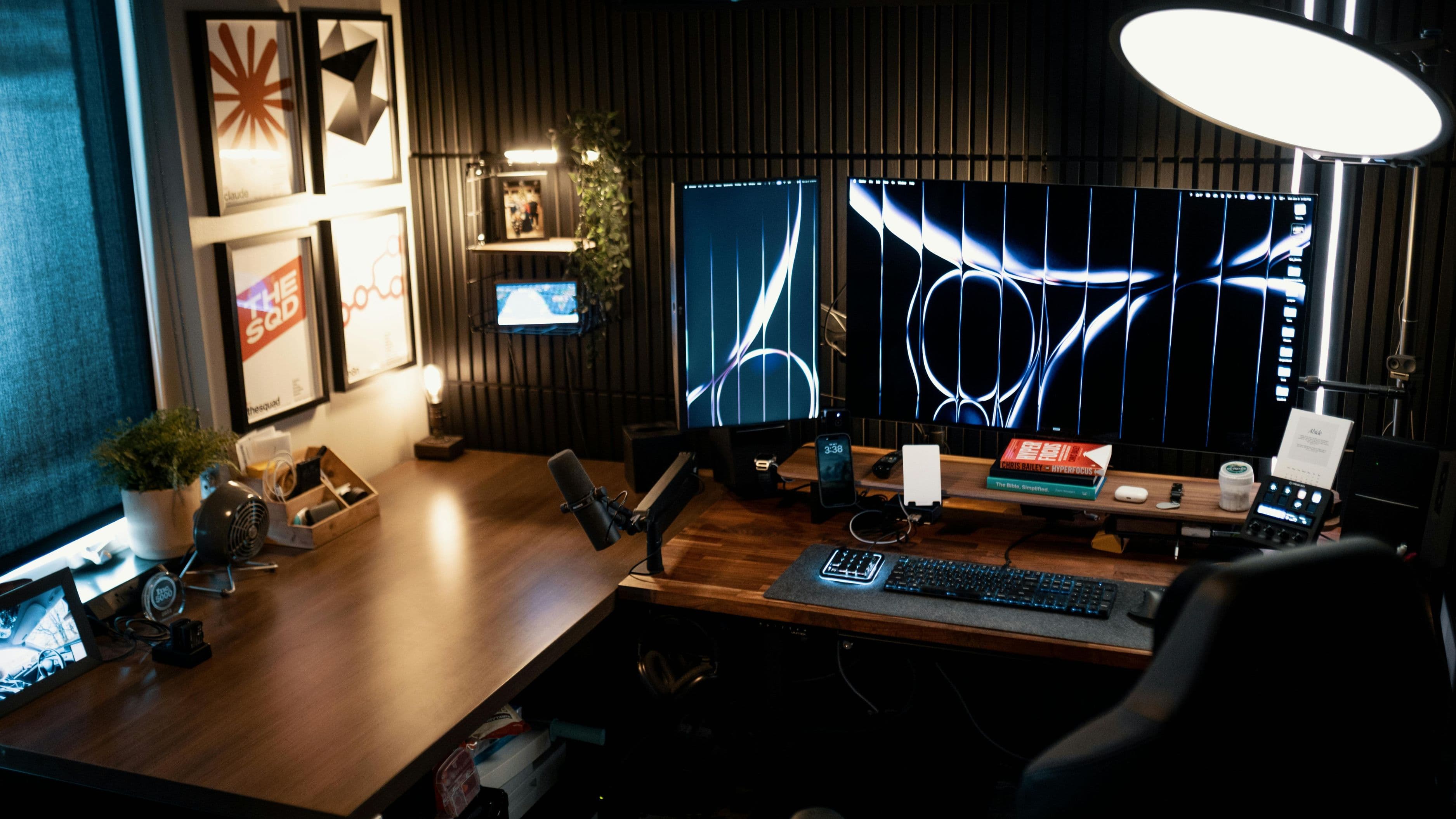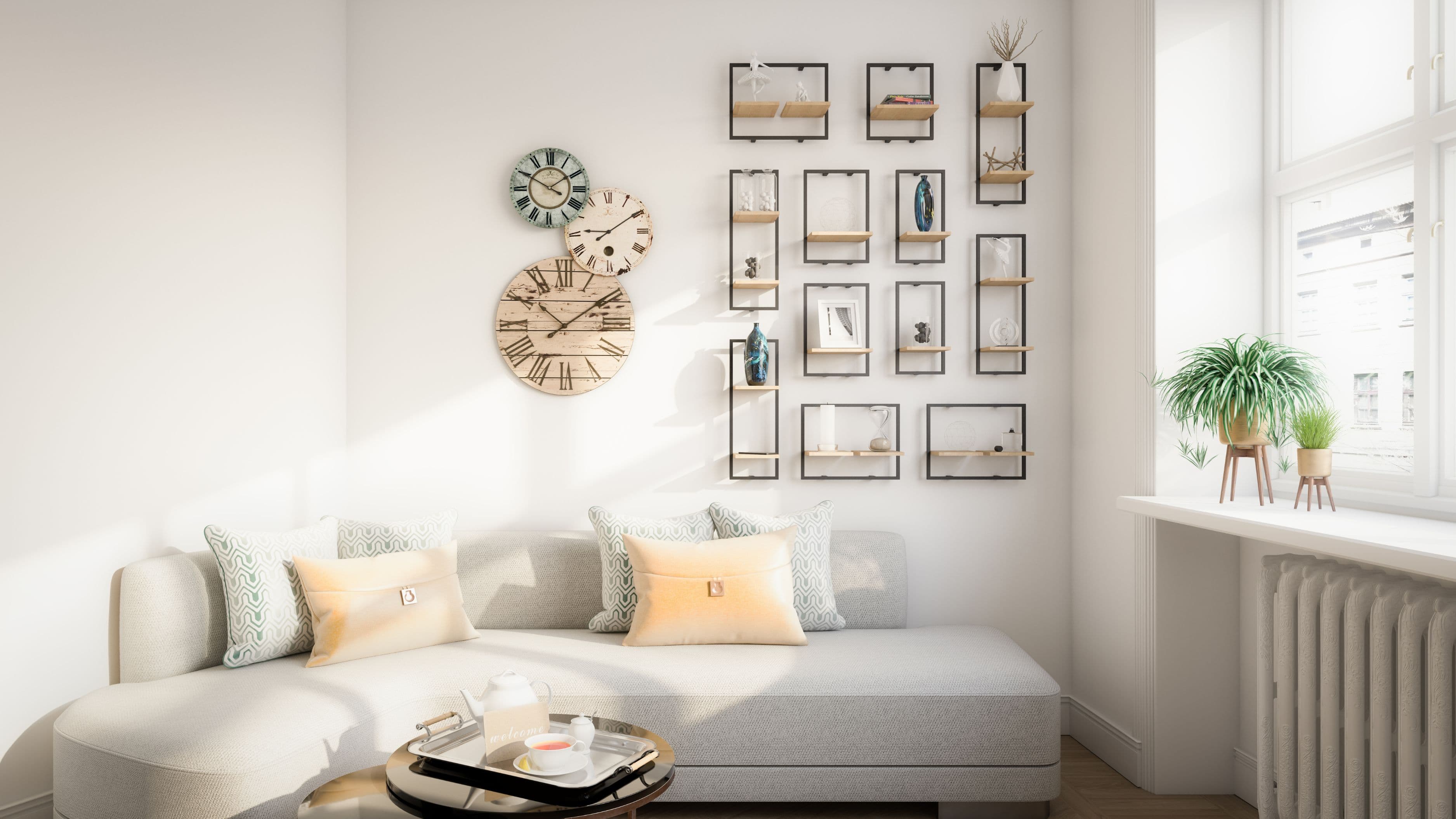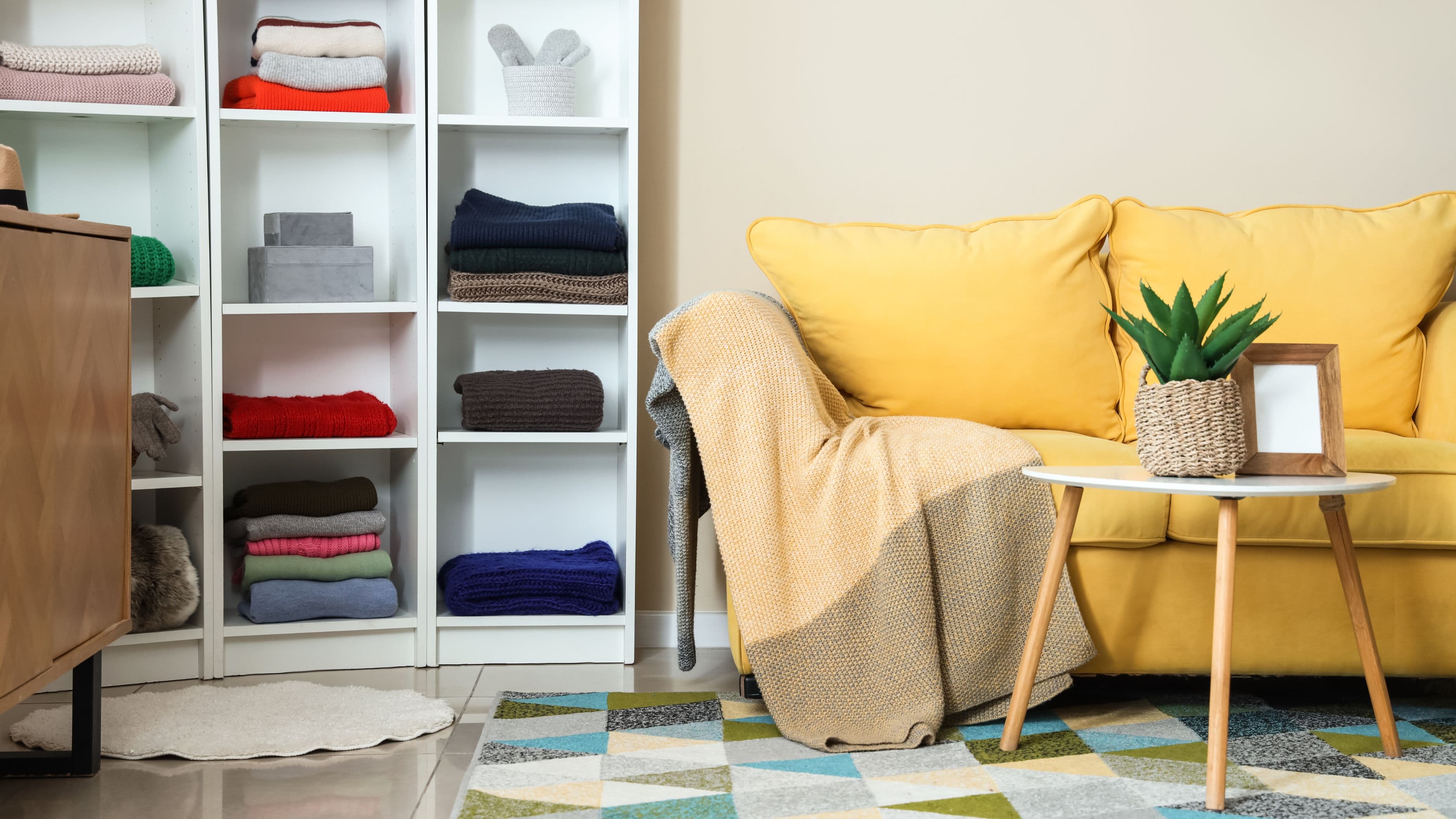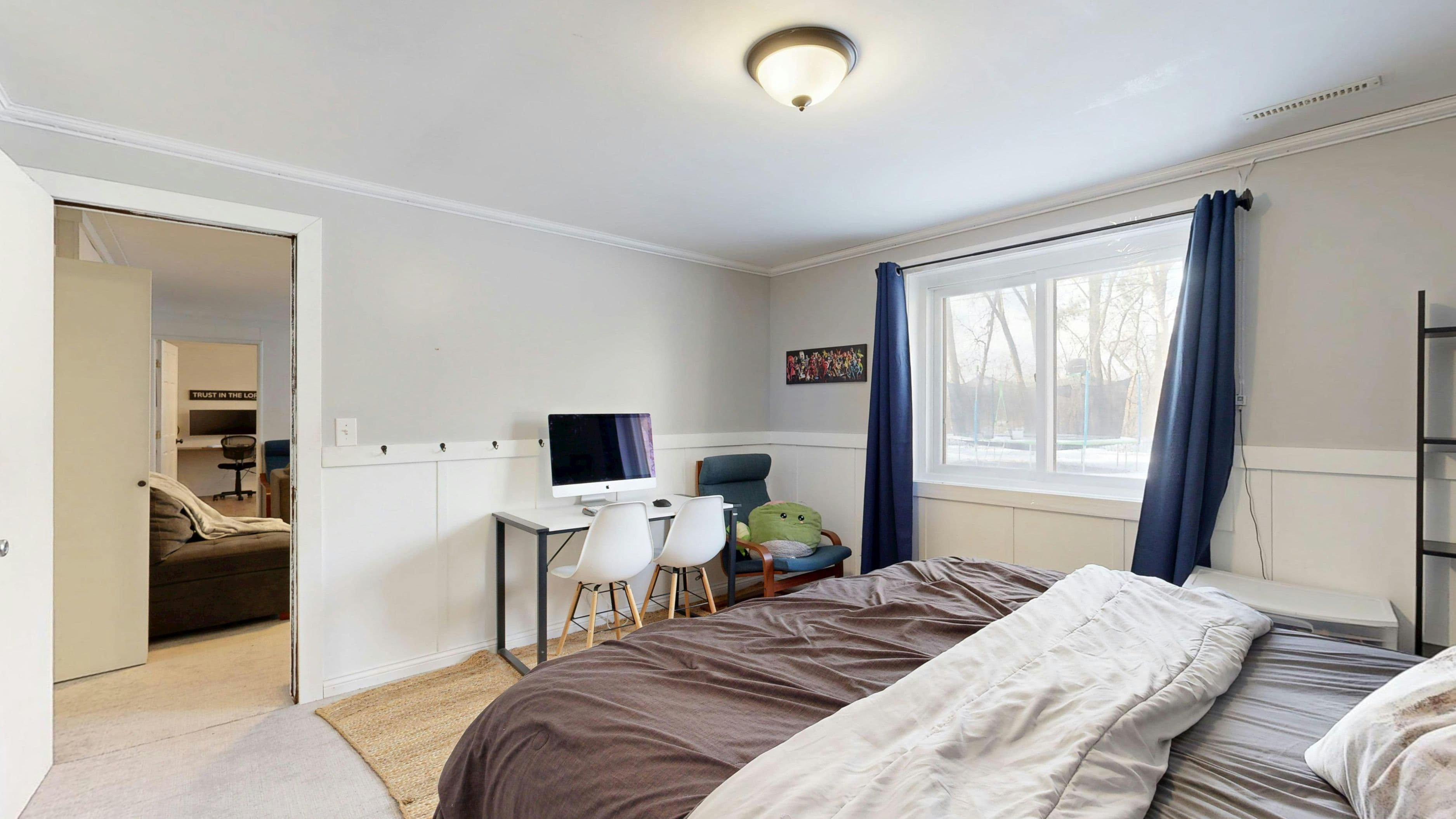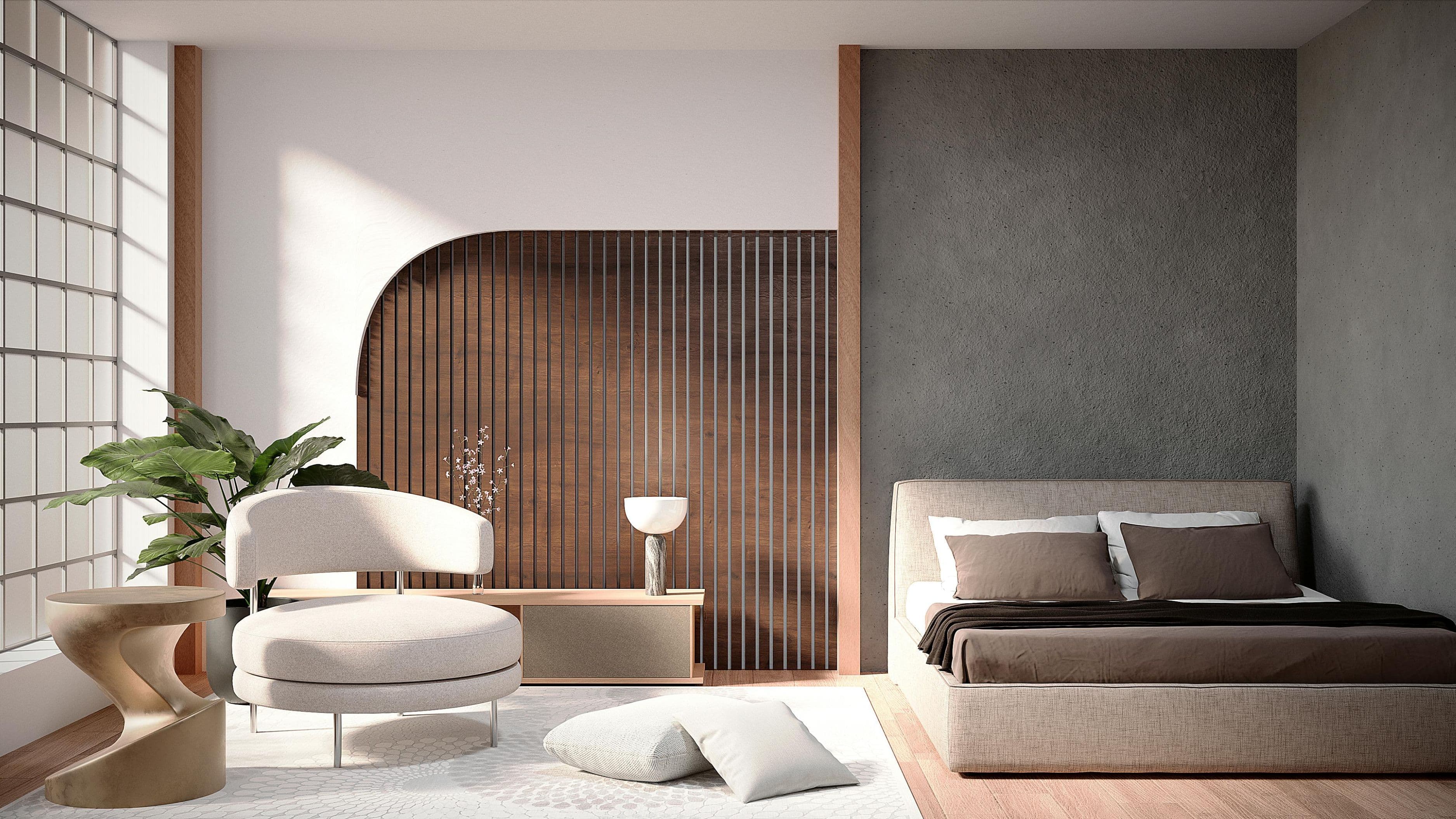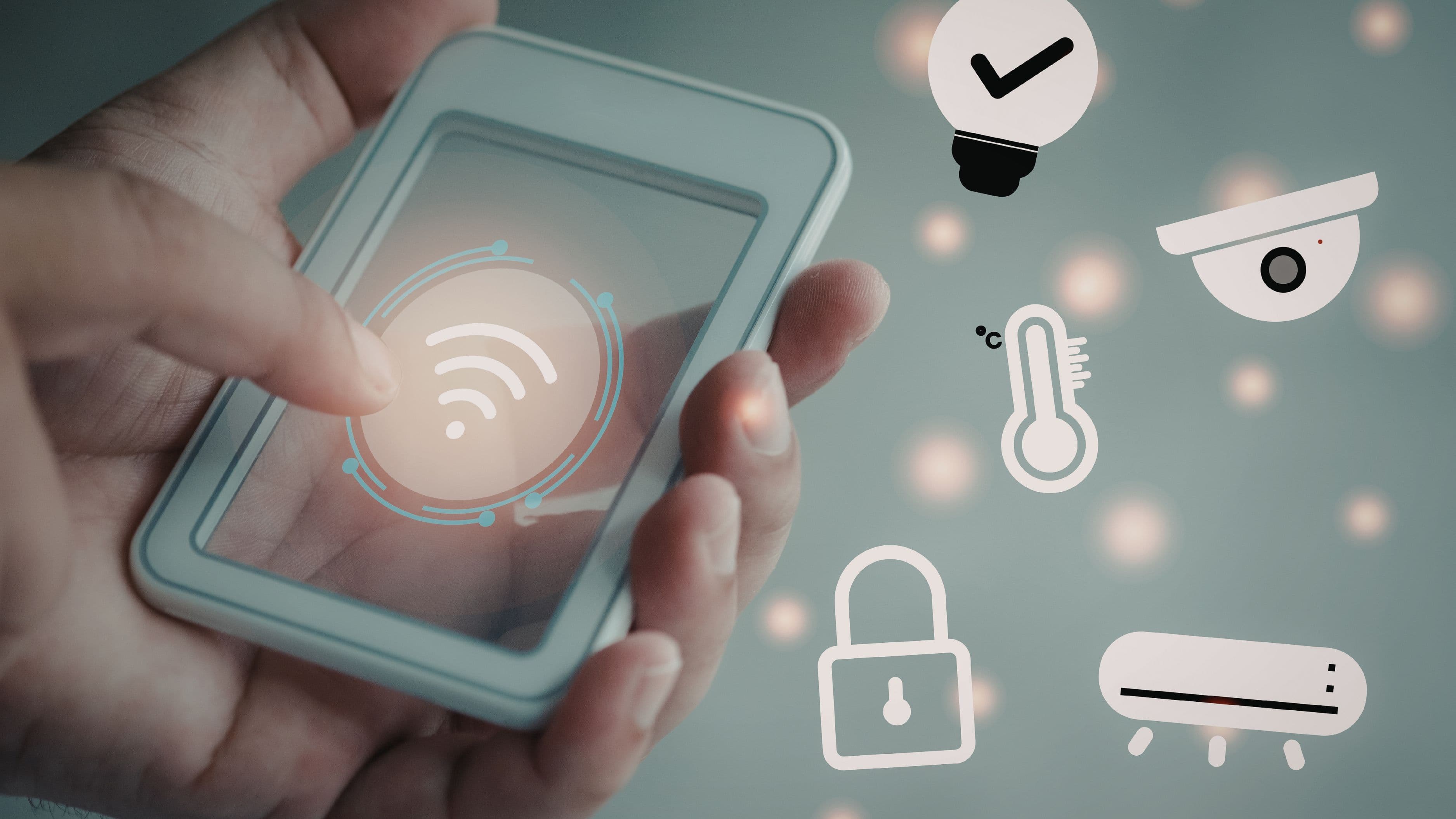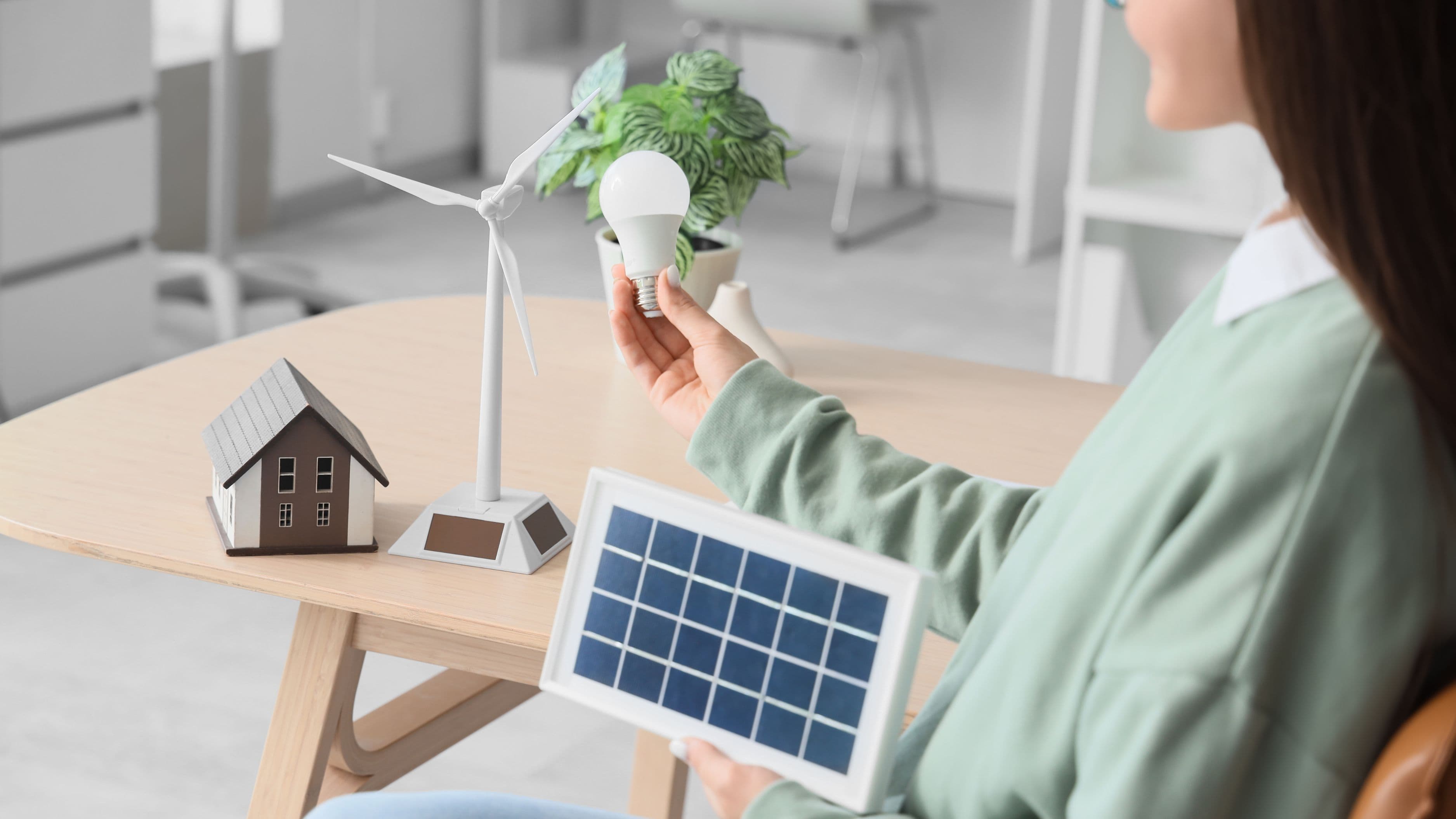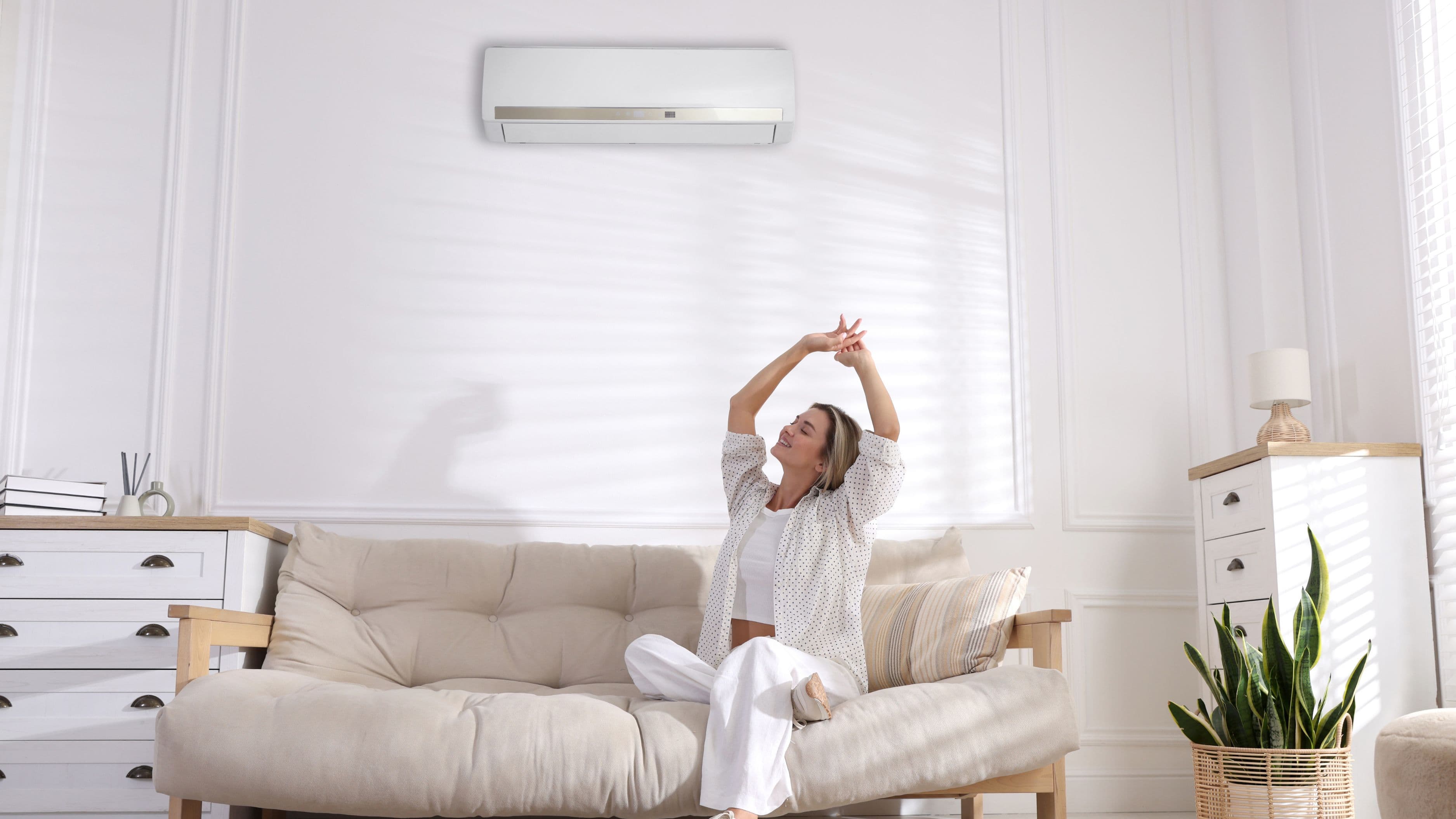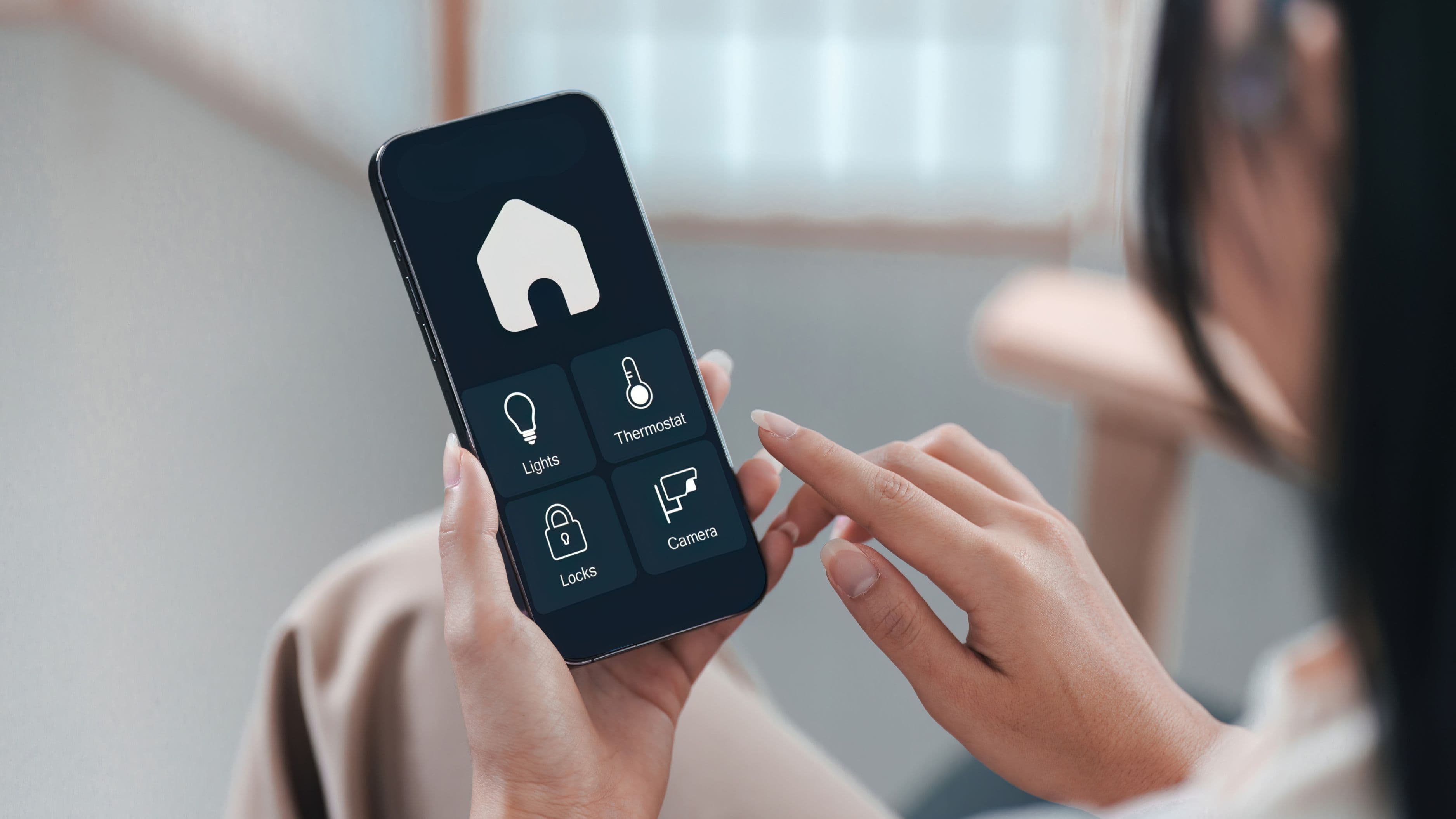
Getting there isn't about spending more or owning the latest gadgets. It's about being intentional with how technology lives alongside you, rather than in front of you.
Why "Invisible" Tech Actually Matters for Your Well-Being
Most people don't realize how much their environment affects their mental state. Research on attention residue – the way your brain lingers on unfinished tasks – extends to physical clutter too. Visible technology keeps your nervous system in a low-grade state of alert. You see a router with five blinking lights and part of your brain registers it as noise, even if you're not consciously aware of it.
When your devices blend into the background, your home stops feeling like a command center and starts feeling like a sanctuary. That's not just an aesthetic preference – it has real, measurable effects on your ability to rest, focus, and feel at home in your own space.
Start With an Honest Tech Audit
Before you rearrange or buy anything, spend twenty minutes walking through your living space with fresh eyes. Look at what's visible: charging cables draped across surfaces, a router sitting in the middle of a bookshelf, a TV remote left on the coffee table, smart devices with logos facing outward. Make a simple list – not to judge yourself, but to see what you're actually working with.
Notice which devices you use daily versus which ones you've just gotten used to seeing. Sometimes the most disruptive pieces of tech are ones you rarely even touch. The goal of this audit isn't to eliminate technology – it's to identify what's earning its place in your space and what's just occupying visual real estate.
Choose Devices That Earn Their Aesthetic
Not all smart home devices are created equal when it comes to how they sit in a room. Some are designed with visual neutrality in mind; others are built for the tech shelf, not the living room. When you're adding something new, ask yourself: does this blend in, or does it demand attention?
Smart speakers like the Amazon Echo and Google Nest have evolved significantly in this regard – many now come in fabric finishes and neutral tones designed to sit on a bookshelf without looking out of place. Smart plugs and switches that blend into wall color are increasingly available from brands like Lutron and IKEA. Even smart thermostats like the Ecobee or newer Nest models are designed to look more like minimalist art than utility hardware.
The principle here is simple: the more a device looks like it belongs, the less mental energy you spend registering its presence. That's a small but real contribution to a calmer home environment.
Manage Cables Like They're Part of Your Design
Cables are one of the biggest visual offenders in any living space, and they're often the easiest to address. The key is treating cable management not as an afterthought but as part of your room's design from the start.
Cable raceways – slim channels that mount along baseboards or walls – are inexpensive and dramatically reduce visible wire clutter. For desks and nightstands, cable boxes provide a simple way to hide power strips and excess cord length. Furniture with built-in cable management, like certain IKEA and West Elm desk lines, builds this thinking into the piece itself.
One underrated approach is to power devices with shorter cables that don't need to be hidden because they barely reach from outlet to device. It sounds obvious, but most people just use whatever cable came in the box, regardless of how much unnecessary slack it creates.
Use Furniture and Architecture to Your Advantage
Some of the most elegant tech integrations happen when devices live inside furniture rather than on top of it. Recessed TV installations, built-in shelving that houses a router or modem behind a decorative panel, and media consoles with ventilated back panels for hiding cable boxes all follow this logic.
If you're renting or don't want to make structural changes, consider floating shelves positioned at eye-level in intentional arrangements where a speaker or small screen feels like part of a curated display rather than a random addition. Baskets, boxes, and closed-door cabinetry are underused solutions that immediately reduce visual noise – a charging station inside a drawer, a hub tucked behind a cabinet door.
The goal isn't to pretend you don't own technology. It's to give everything a home so it doesn't just exist wherever it was last used.
Control Lighting to Set the Tone, Not to Show Off the Tech
Smart lighting is one of the most powerful tools for shaping the feel of a room – and one of the easiest to integrate invisibly. Bulbs like Philips Hue or LIFX fit standard sockets and transform what's already there. Lutron Caséta dimmers replace your existing switches and work with most bulbs, making the upgrade nearly invisible from a hardware standpoint.
The key is to program your lights around how you actually live, not just because you can. Warm, dimmed light in the evening supports your body's natural wind-down process, which has a measurable impact on sleep quality. Bright, cooler light in the morning aligns with your circadian rhythm. When your lighting shifts with your day automatically, it starts to feel less like a gadget and more like the room responding to you.
Avoid the temptation to use colored or dynamic lighting throughout your main living areas – it draws attention to itself. Save expressive lighting for areas where you want ambiance, not calm.
Automate Thoughtfully, Not Excessively
Automation is where invisible tech integration either becomes seamless or becomes its own source of friction. The goal is to reduce decisions and interruptions, not to create a home that requires constant app management or troubleshooting.
Start with the things that have the highest daily impact and the lowest complexity: a thermostat that adjusts when you leave and arrive, lights that turn off automatically when a room is empty, a smart plug on a lamp set to a simple timer. These automations require almost no ongoing attention once they're set up, and they create genuine breathing room in your day.
Where people tend to go wrong is building elaborate systems that require perfect conditions to work – multiple apps, complex trigger sequences, devices from different ecosystems that don't reliably communicate. That kind of setup often ends up creating more friction than it removes. The best automations are the ones you forget are happening because they just quietly do their job.
Consider What Technology Doesn't Need to Be in the Room at All
One of the most powerful forms of invisible tech integration is simply deciding that some devices don't belong in certain spaces. The bedroom is the most impactful place to apply this thinking. Removing the TV, charging your phone outside the room, and choosing a traditional alarm clock over a phone removes a significant amount of ambient stimulation that can interfere with rest – not because the devices are bad, but because they carry psychological weight even when they're off.
The living room benefits from the same consideration. If your sofa is positioned facing a TV by default, ask whether that's truly how you want to spend most of your time in that space. Creating a seating arrangement that doesn't default to screen-forward changes the energy of the entire room without touching a single cable.
This isn't about rejecting technology. It's about making conscious choices about which rooms it belongs in and what role it plays there.
Common Pitfalls to Avoid
The biggest mistake people make when trying to create a calmer, tech-integrated home is buying more things to solve the problem. A new organizer, a new smart device, another cable management kit – these can add clutter rather than reduce it if the underlying intention isn't clear. Start by removing and simplifying before you add anything.
Another common pitfall is optimizing for what looks impressive rather than what feels right. A full smart home system with touchscreen panels and custom lighting scenes might look sleek in a showroom, but if it requires your constant attention to maintain or troubleshoot, it's doing the opposite of what you need. Simplicity scales better than complexity in a home environment.
Finally, don't underestimate the effect of device notifications and sounds on the ambient feeling of a room. Even a device you can't see will disrupt the energy of a space if it's constantly buzzing or chiming. Managing notification settings is part of invisible integration too.
FAQ
Do I need a smart home hub to integrate tech invisibly? No. Many devices work independently without a central hub. You can create a very calm, integrated space using individual smart bulbs, a simple smart plug or two, and a programmable thermostat – all without a hub or a single app to manage them all.
How do I hide a router without losing signal? Place it in a media cabinet or on an open shelf behind a light, breathable cover like a woven basket. Avoid enclosing it completely in a sealed box, as heat buildup can reduce its lifespan and signal range. Mesh routers like the Eero or Google Nest Wifi are designed to sit on surfaces and have a much more neutral appearance than traditional routers.
Is it worth hiring someone to install smart home devices? For most devices – smart bulbs, plugs, and speakers – installation is straightforward enough to handle yourself. For anything that involves your electrical panel, wall wiring, or structural work, a licensed electrician is worth the cost and provides peace of mind.
What if I rent and can't make changes to the walls or outlets? Renting doesn't limit you as much as you might think. Stick-on cable management strips, furniture-based solutions, smart plugs that don't require wiring changes, and wireless devices that sit on surfaces are all renter-friendly. The biggest gains often come from organization and furniture placement rather than installation work anyway.
A Quieter Home Is a More Intentional One
Creating invisible tech integration in your living space is ultimately an act of intentionality. It's choosing what you want your home to feel like first, then letting your devices serve that vision rather than the other way around. When your technology blends into the background, your home becomes a place that supports your nervous system instead of competing with it.
Start small. Pick one room, one surface, one visible friction point. Address it with care and patience. The cumulative effect of those small decisions is a home that feels genuinely calm – and a life that feels a little more like your own.
📚 Sources
Leroy, S. (2009). Why is it so hard to do my work? The challenge of attention residue when switching between work tasks. Organizational Behavior and Human Decision Processes – https://www.sciencedirect.com/science/article/abs/pii/S0749597809000399
Phillips, D. (2021). The influence of physical environment on mental well-being. Psychology Today – https://www.psychologytoday.com/us/blog/the-art-of-being-together/202103/how-your-environment-affects-your-mental-health
National Sleep Foundation. Light and sleep. – https://www.thensf.org/sleep-facts-and-statistics/
Harvard Health Publishing. Blue light has a dark side. Harvard Medical School – https://www.health.harvard.edu/staying-healthy/blue-light-has-a-dark-side
Lutron. Caséta Wireless Smart Lighting. – https://www.lutron.com/en-US/Products/Pages/SingleRoomControls/CasetaWireless/Overview.aspx
Philips Hue. Smart Home Lighting Guide. – https://www.philips-hue.com/en-us/explore-hue/articles/complete-guide-to-smart-home-lighting
CNET. Best Smart Home Devices of 2024. – https://www.cnet.com/home/smart-home/best-smart-home-devices/