This guide walks you through how to build a lighting setup that genuinely supports rest, calm, and a better sense of ease at home.
Why Your Lighting Actually Matters
Light is one of the most powerful signals your brain receives. It regulates your circadian rhythm - your internal 24-hour clock - which influences everything from your sleep quality to your mood and energy levels throughout the day.
Bright, blue-toned light (think overhead fluorescents or cool-white LEDs) tells your brain it's midday. That's useful in the morning. But if you're bathed in that same light at 8pm, your body gets confused. Melatonin production slows, sleep becomes harder, and that "wired but tired" feeling creeps in.
Warm, dim light in the evening does the opposite. It signals safety, rest, and transition - which is exactly what a relaxing home needs to feel like.
Step 1: Understand the Two Jobs Lighting Has to Do
Before you buy anything or change anything, it helps to think of your lighting in two distinct modes.
The first is task lighting - bright, clear light that supports reading, cooking, working, or anything that requires focus. The second is ambient lighting - softer, warmer light that sets the mood and supports your nervous system's natural wind-down process.
Most homes are set up with only task lighting in mind, which is why so many living rooms feel strangely harsh in the evenings. The goal is to have both options available in any room you spend significant time in.
Step 2: Shift Toward Warm, Dimmable Bulbs
This is the single most impactful change you can make. Replace cool-white or daylight bulbs (5000K-6500K) in your main living spaces with warm white bulbs in the 2700K-3000K range. Kelvin (K) is the measurement of color temperature - the lower the number, the warmer and more amber the light.
Pair this with dimmable fixtures wherever possible. Dimming is not just about aesthetics. Research published in the Journal of Biological Rhythms confirms that lower light intensity in the evening significantly reduces interference with melatonin production. A lamp at 20% brightness has a very different effect on your body than the same lamp at full power.
If you're renting or on a budget, a simple plug-in dimmer or a warm-toned smart bulb is enough to start. You don't need to rewire anything.
Step 3: Layer Your Light Sources
Relying on a single overhead light is one of the most common reasons homes feel uncomfortable rather than calm. Overhead lighting alone creates a flat, slightly clinical feel - there are no shadows, no warmth, no sense of depth.
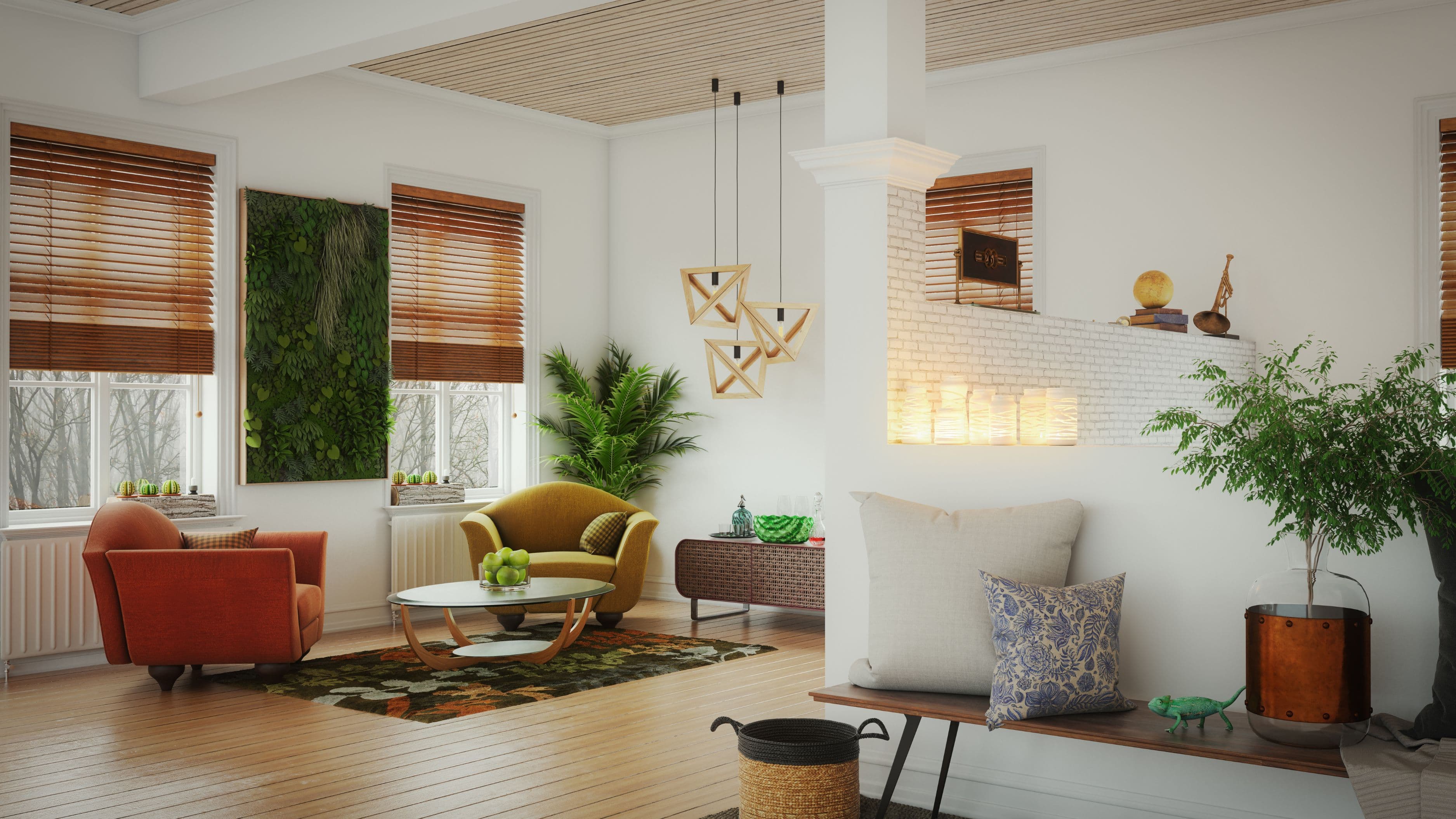
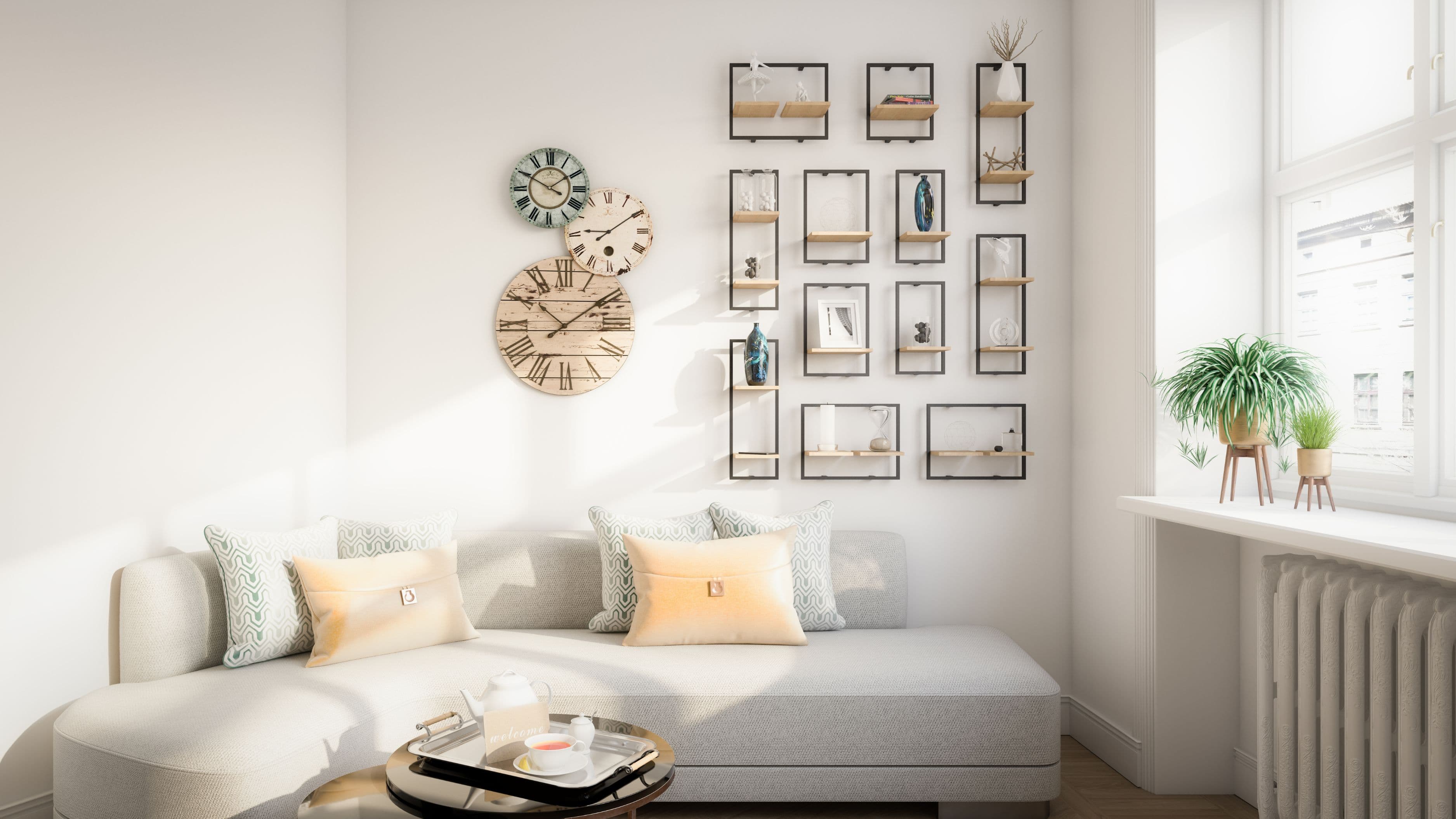
Layering means using multiple light sources at different heights and intensities. A floor lamp in the corner. A table lamp near the sofa. Candles on the coffee table. Small accent lights on shelving. These layers work together to create an environment that feels genuinely cozy and inviting rather than just "lit."
As a general rule: the lower the light source, the more relaxing the effect. Eye-level or below tends to feel warmer and more intimate than overhead light, which is why restaurants that want to feel romantic consistently light from below and the sides.
Step 4: Create a Room-by-Room Plan
Different spaces serve different purposes, so your lighting setup should reflect that.
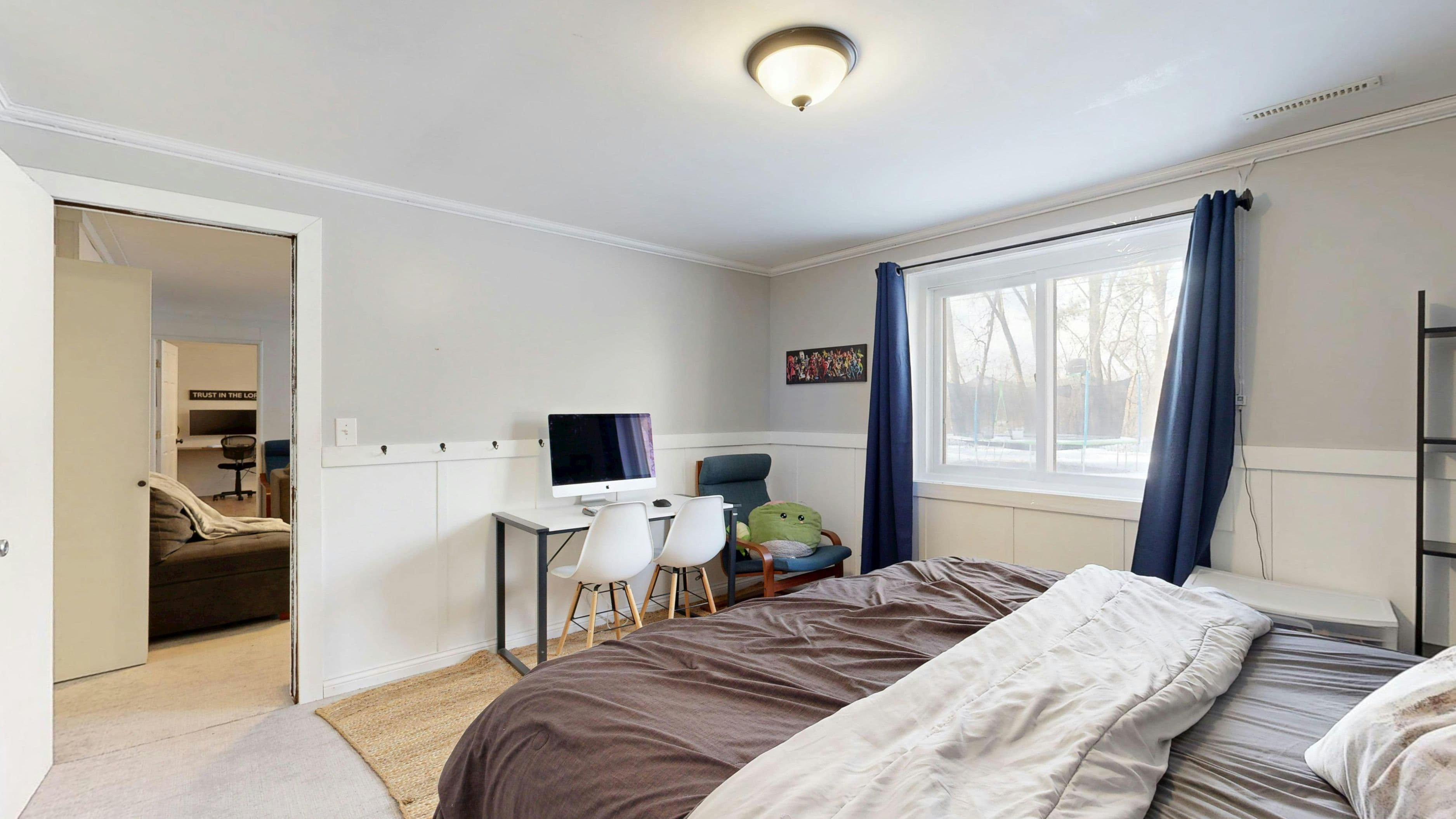
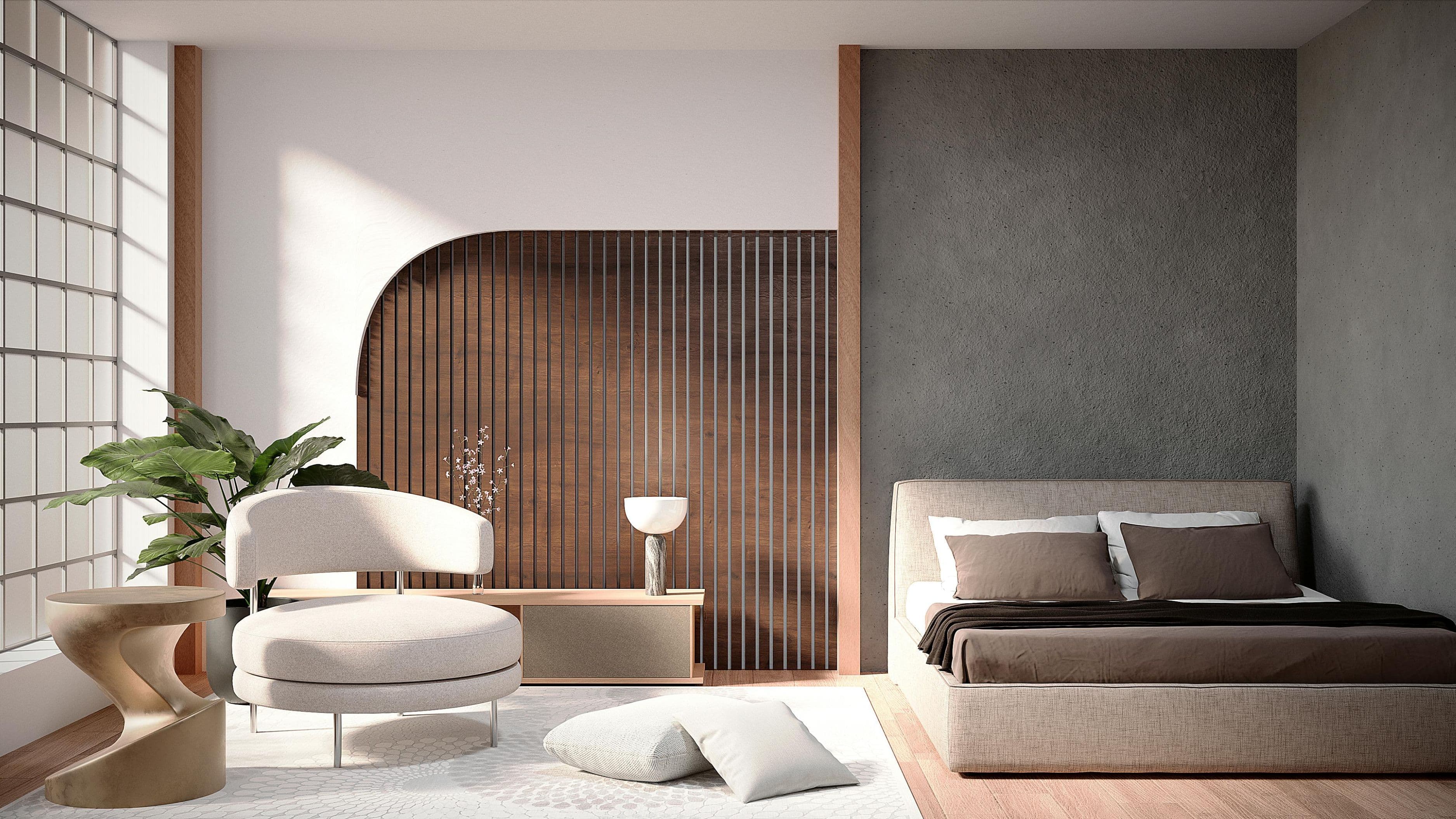
In the bedroom, prioritize warm, low light that you can bring down in the hour or two before sleep. Avoid blue-toned bulbs entirely in this room. A simple bedside lamp with a warm 2700K bulb and a dimmer is genuinely one of the most underrated sleep tools available.
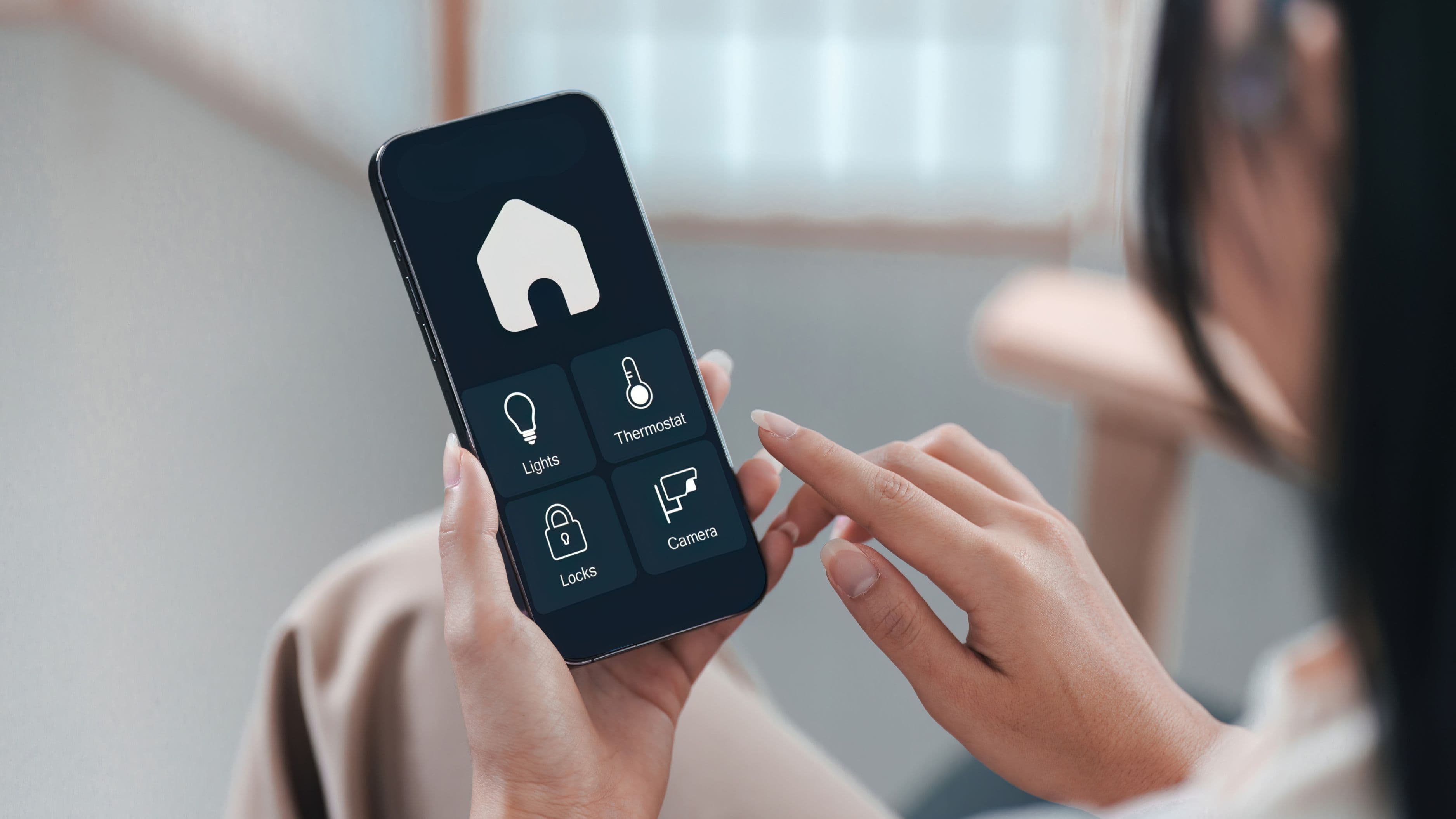
In the living room, build in flexibility. Bright light for daytime activities, much warmer and dimmer for evenings. Smart bulbs with a scheduling feature make this seamless - you set it once and the room adjusts on its own.
In the kitchen, task lighting matters during cooking, but consider adding a warmer secondary source for when you're just in there making tea or having a quiet morning. The difference in how a kitchen feels at 6am with cool versus warm lighting is significant.
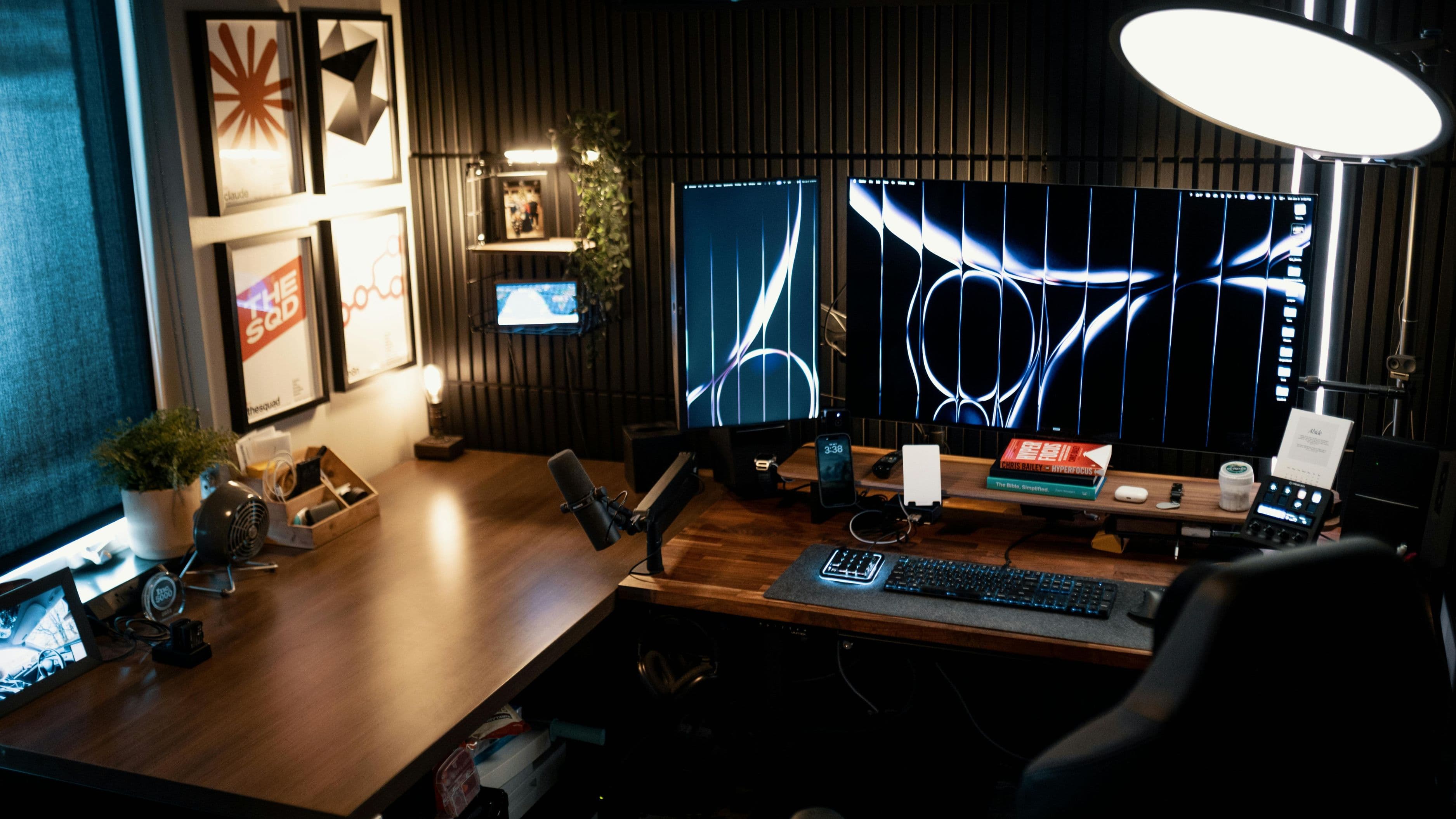
In a home office, cooler, brighter light (4000K-5000K) during working hours supports focus and alertness. Just make sure to shift to warmer light once you finish - otherwise your brain won't know the workday is over.
Step 5: Reduce Screen Light in the Evenings
Your phone, tablet, and TV emit the same blue-spectrum light that bright bulbs do. Even with beautifully warm ambient lighting in your living room, a bright white phone screen can still suppress melatonin if you're using it late.
Enable night mode or blue light filtering on your devices from early evening onward - most phones allow you to schedule this automatically. Some people also find blue-light-filtering glasses helpful in the hour before bed, particularly if they're sensitive to sleep disruption.
This step doesn't require perfection. Even shifting your phone screen to warmer tones most evenings will support the calming environment you're building elsewhere.
Tips for Staying Consistent
The hardest part isn't setting up the lighting - it's remembering to use it intentionally. Smart bulbs with evening schedules remove the friction entirely. If that's not an option, try pairing your evening light shift with an existing habit: dimming the lights when you start cooking dinner, or switching on the warm lamp when you sit down to unwind. Habit stacking makes new routines stick.
Common Mistakes to Avoid
One of the biggest pitfalls is going too dim all at once. If your home suddenly feels murky, you'll switch everything back on and abandon the whole idea. Transition gradually - start by dimming to 70%, then lower over a few weeks as your eyes and nervous system adjust.
Another common mistake is inconsistency between rooms. Spending an hour in a beautifully warm living room and then walking into a blazing bathroom before bed can undo much of what the calming environment built. Think of the transition from evening to sleep as a full-home experience, not just one room.
Finally, don't mistake bright light for better light. More lumens don't mean a better environment. Appropriate light at the right moment is what supports well-being - not intensity.
Realistic Expectations
You likely won't notice a dramatic shift overnight. But after a week or two of consistently using warmer, dimmer evening light, most people do notice they feel calmer at home, fall asleep more easily, and don't feel as wired before bed. Small environmental changes compound quietly. The goal isn't transformation - it's just making your home feel a little more like a place your body can actually rest in.
FAQ
What color temperature is best for relaxing at home? For relaxing spaces and evening use, aim for 2700K-3000K. This warm, amber-toned light supports your body's natural transition toward rest without suppressing melatonin.
Are smart bulbs worth it for home lighting? If you want a setup that adjusts automatically without you having to remember, yes. Being able to schedule temperature and brightness shifts across the day is genuinely useful - especially if you work from home or keep irregular hours.
Can lighting affect anxiety? It can play a supporting role. Harsh, bright overhead lighting activates an alertness response in the nervous system. Warmer, softer lighting can support a more settled state. It's not a cure, but your environment shapes how your body feels, and lighting is one of the most immediate ways to shift that.
Do I need to replace all my bulbs at once? Not at all. Start with the room where you spend the most time in the evenings - usually the bedroom or living room - and go from there.
What about natural light during the day? Natural light during the day is actually ideal for keeping your circadian rhythm on track. Getting bright light exposure in the morning (even opening blinds counts) makes your body's evening wind-down more effective.