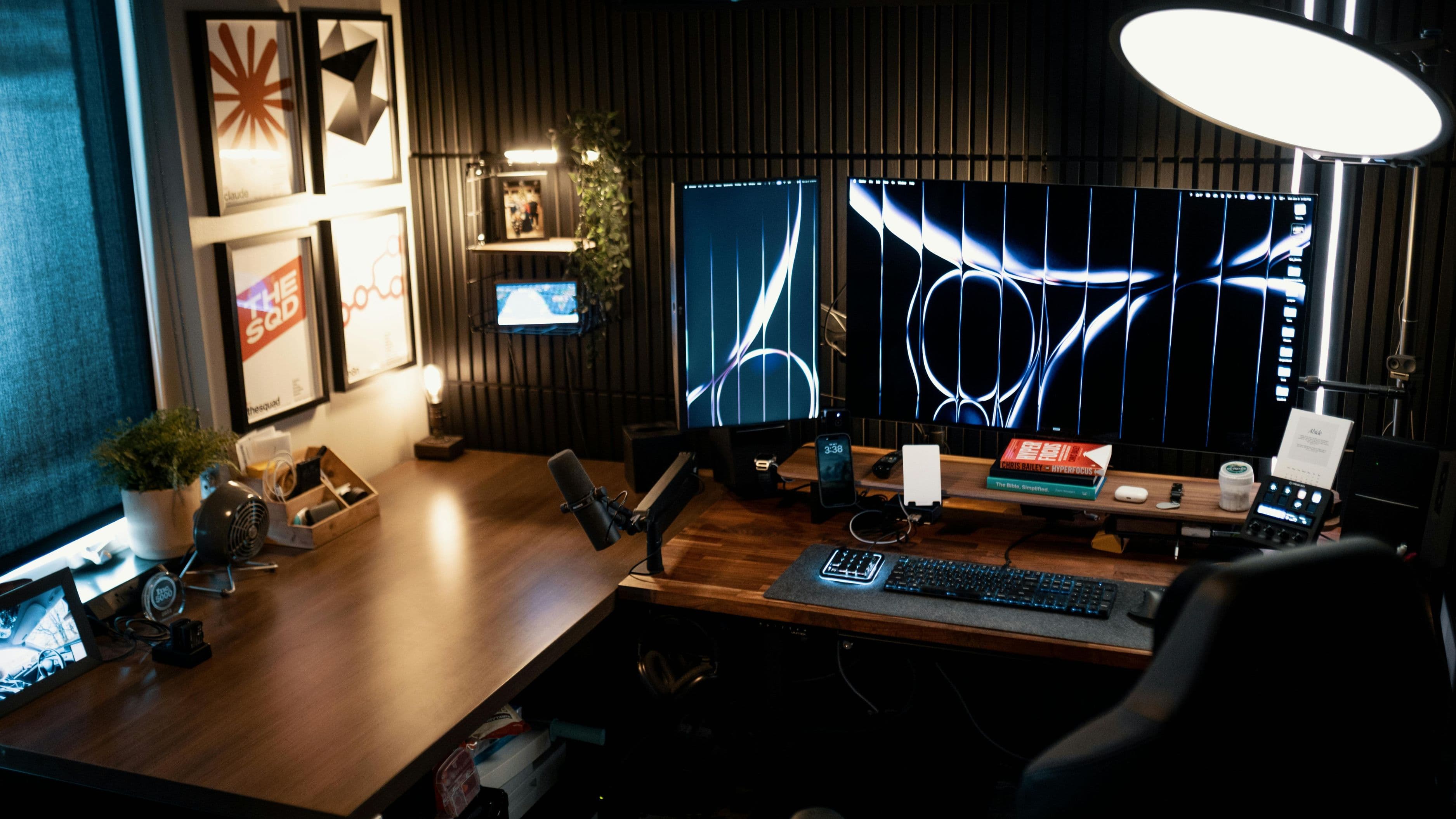
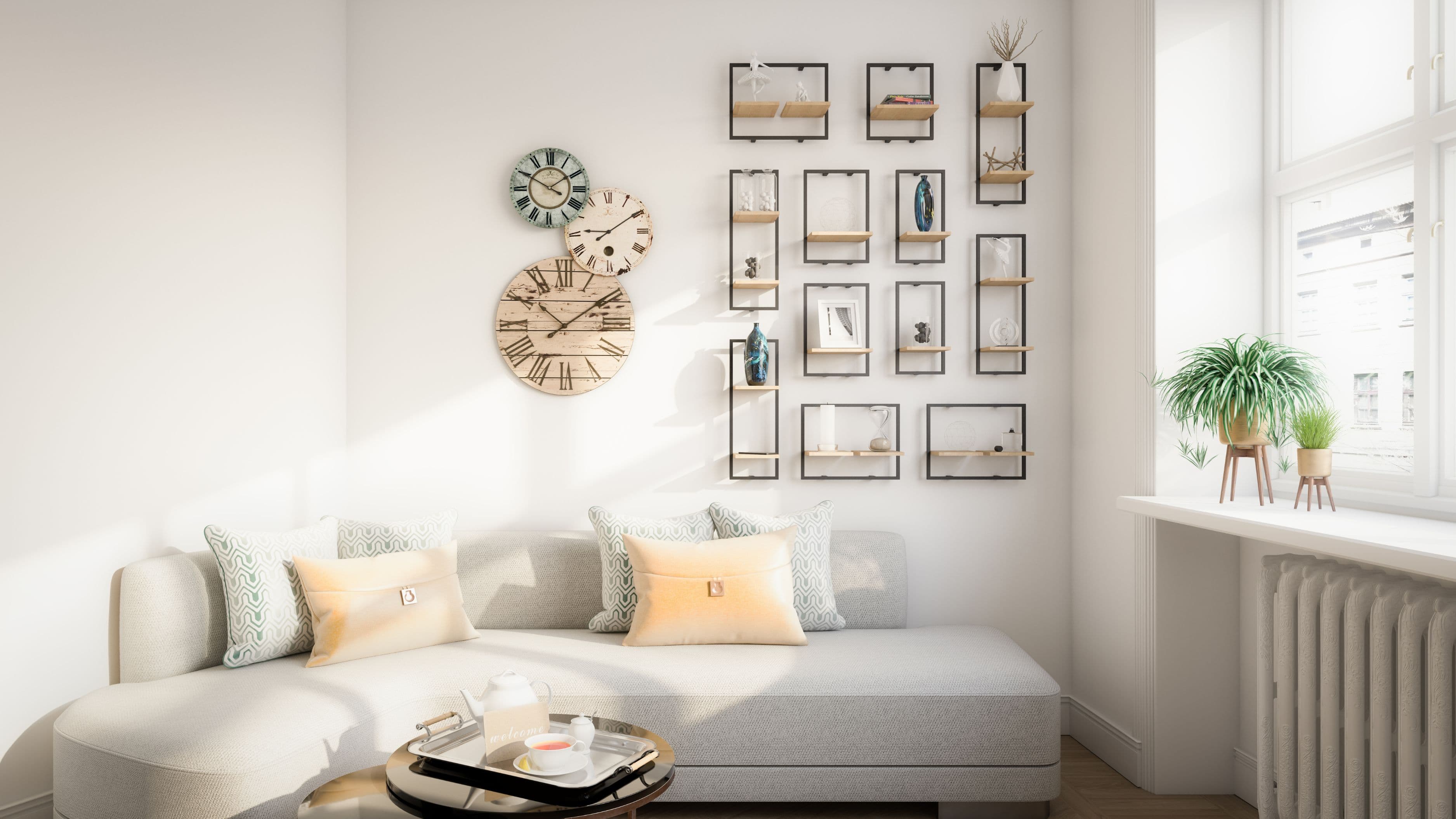
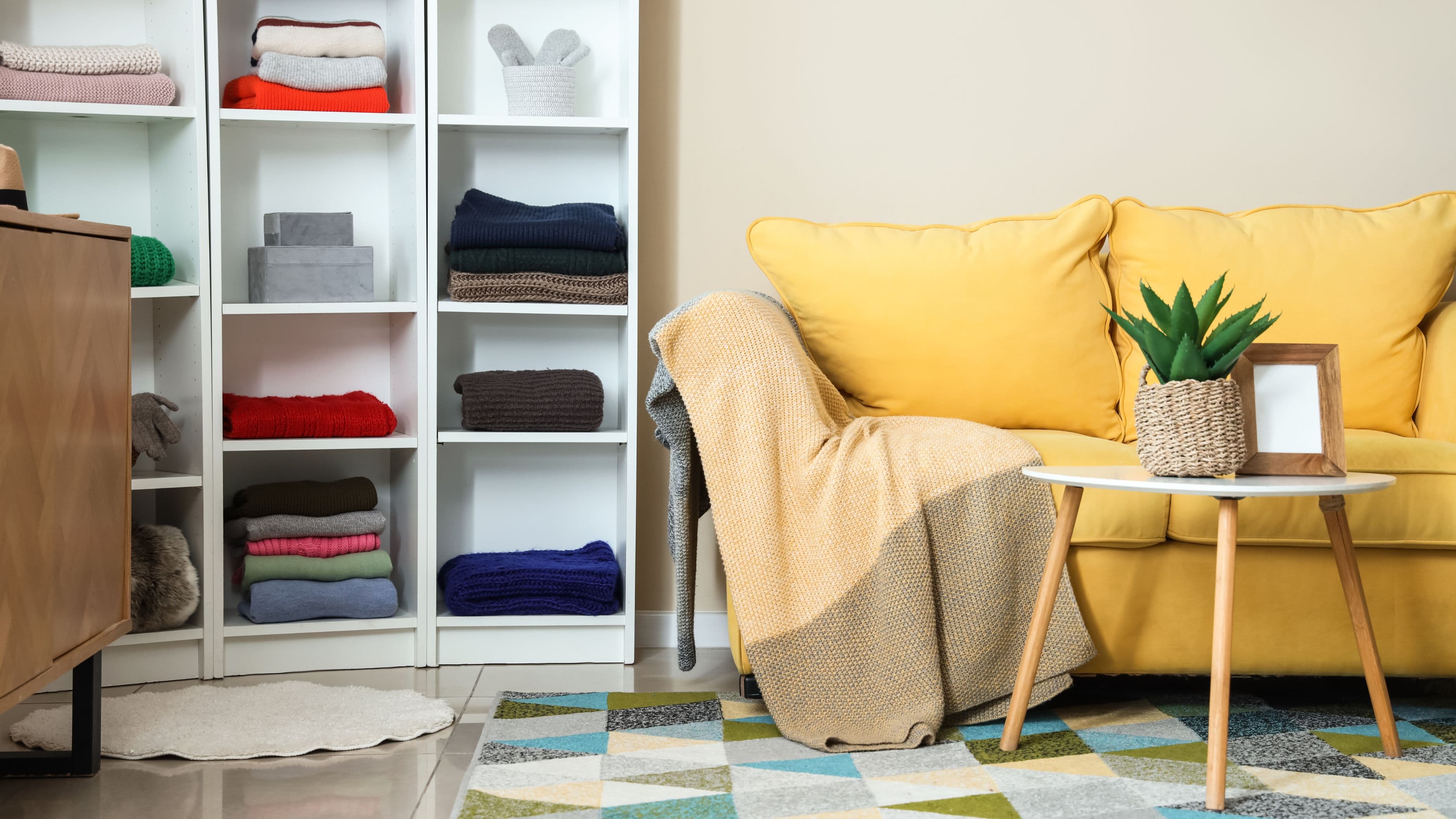
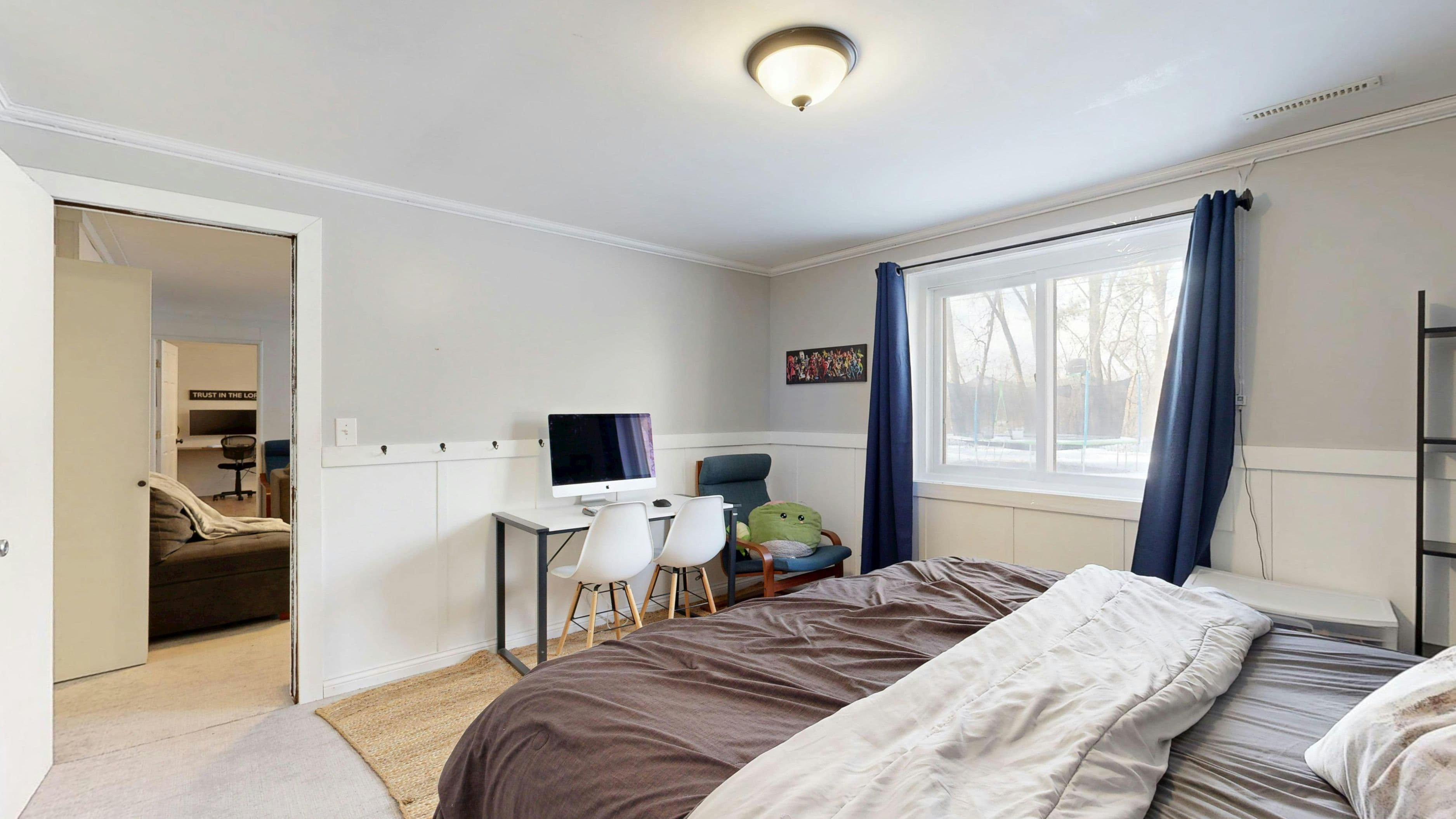
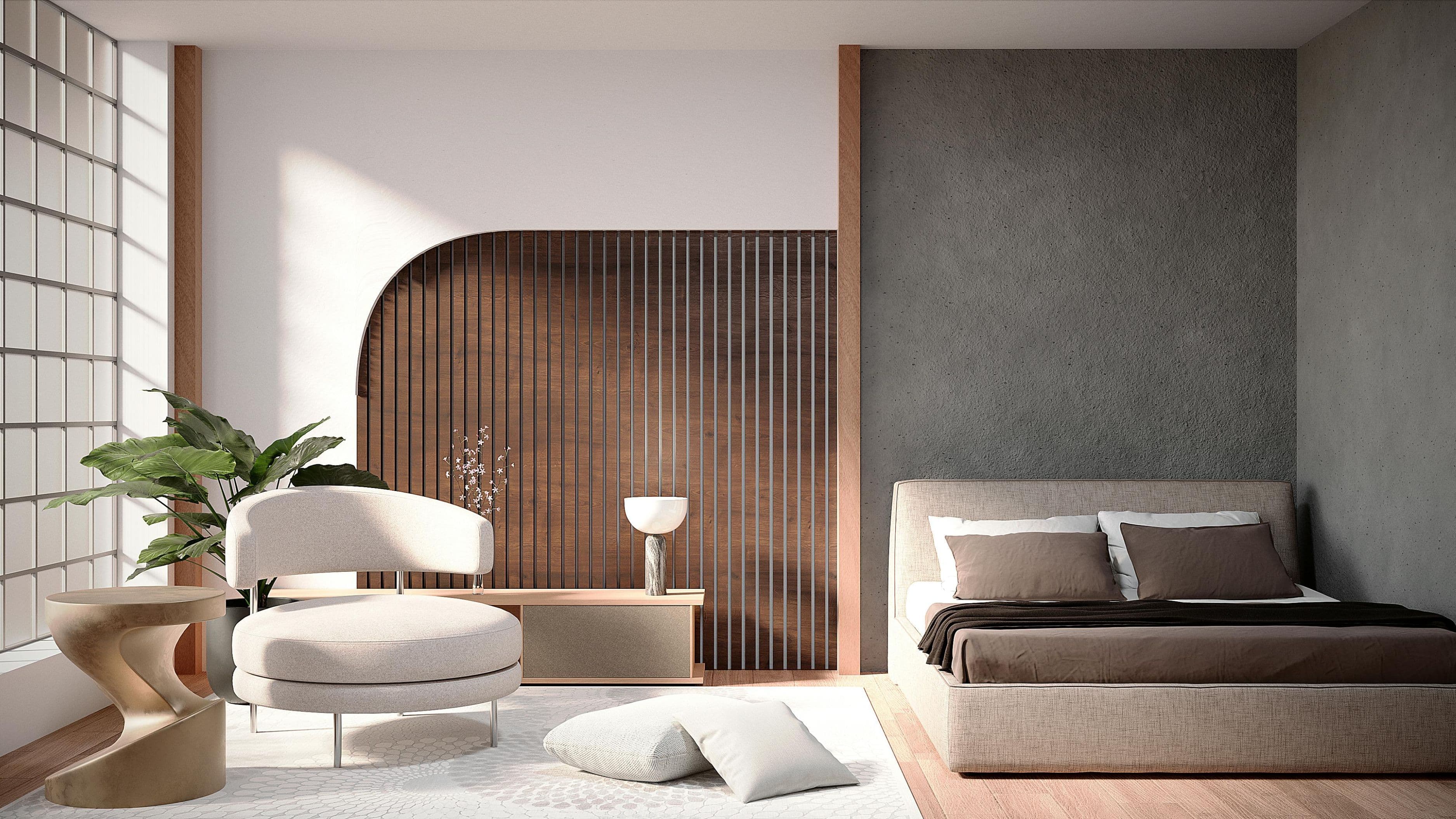
But for a lot of people, it doesn't quite work that way. You walk through the door after a long day and instead of feeling relief, you feel the weight of clutter, noise, harsh lighting, and a space that never quite settles. It's not dramatic. It's just... a low hum of unease that never fully turns off.
The good news is that your environment has more influence over your nervous system than most people realize - and you don't need to renovate, redecorate from scratch, or spend a lot to shift it. Small, intentional changes can genuinely change how your home feels to be in.
Here's how to start.
First, Understand What "Calm" Actually Means for a Space
Before moving a single piece of furniture, it helps to get clear on what calm means to you - because it's not the same for everyone.
For some people, calm looks like an empty countertop and natural light. For others, it's a cozy corner with layered textures and warm lamplight. Neither is wrong. The goal isn't to recreate a spa or a Pinterest board. It's to design a space that helps your nervous system downshift when you need it to.
Research supports this more than you might expect. A 2020 study published in Frontiers in Psychology found that cluttered, visually chaotic environments are linked to higher cortisol levels - the hormone most associated with stress. Meanwhile, exposure to natural light, soft textures, and certain colors has been shown to support mood regulation and relaxation.
Your home is already communicating with your body. The question is whether it's saying rest or react.
Step 1: Start With One Room - and Do It Well
The most common mistake people make when trying to redesign for calm is trying to change everything at once. That usually leads to a half-finished living room, a pile of things you're "figuring out where to put," and more stress than you started with.
Pick one room - ideally the one where you most need to feel at ease. For many people, that's the bedroom. For others, it's the living room or a corner of the kitchen where they have their morning coffee.
Give that space your full attention first. Let it become your proof of concept. Once you feel the difference, the motivation to continue will come naturally.
Step 2: Reduce Visual Noise Before Adding Anything New
Calm design isn't about buying the right things. It starts with removing the wrong ones.
Visual clutter - stacks of mail, items without a home, surfaces covered in "I'll deal with that later" energy - keeps your brain in a low-level state of alert. It's subtle, but it adds up across a day.
You don't need to go full minimalist. You just need every item in your calm space to have a reason for being there. If something stresses you out when you look at it, or simply doesn't belong, it can live somewhere else for now.
A practical way to approach this: stand in the doorway of your chosen room and notice what your eye lands on first. If the first three things you see create tension - a pile, a screen, a reminder of a task - that's where to start.
Step 3: Work With Light, Not Against It
Lighting is one of the most underestimated tools in creating a calming environment - and one of the easiest to adjust.
Overhead fluorescent or cool-white lighting signals wakefulness to your brain. It's useful during the day, but in the evening it actively works against your body's wind-down process. The solution isn't complicated: swap harsh bulbs for warm-toned ones (look for 2700K-3000K on the label), add a lamp or two at eye level, and consider a dimmer switch if you can.
Natural light matters just as much. If your space allows it, keep window areas clear of heavy furniture or thick drapes during daylight hours. Even brief exposure to natural light in the morning is linked to better mood regulation and sleep quality, according to research from the Journal of Clinical Sleep Medicine.
Step 4: Bring In Softness - Texture, Sound, and Scent
Your nervous system responds to more than just what you see. The surfaces you touch, the sounds in your space, and what you smell all contribute to how safe and settled you feel.
Texture - Add softness in simple ways: a throw blanket on the sofa, a rug underfoot, cushions that invite you to sit down and stay a while. Hard, reflective surfaces amplify sound and create a colder emotional atmosphere. Soft materials absorb both.
Sound - If your home carries ambient noise - street sounds, appliances, echoing rooms - consider what you can soften. A white noise machine, a small tabletop fountain, or even a playlist of low, slow music can create an acoustic buffer that helps the room feel contained and calm.
Scent - Smell is directly connected to the brain's limbic system, which governs emotion and memory. Lavender, cedarwood, and sandalwood are among the most studied for their calming effects. A diffuser, a beeswax candle, or even a linen spray can shift the emotional tone of a room in seconds.
Step 5: Create at Least One Space That Has No Other Purpose
In a calm home, not every corner needs to be productive.
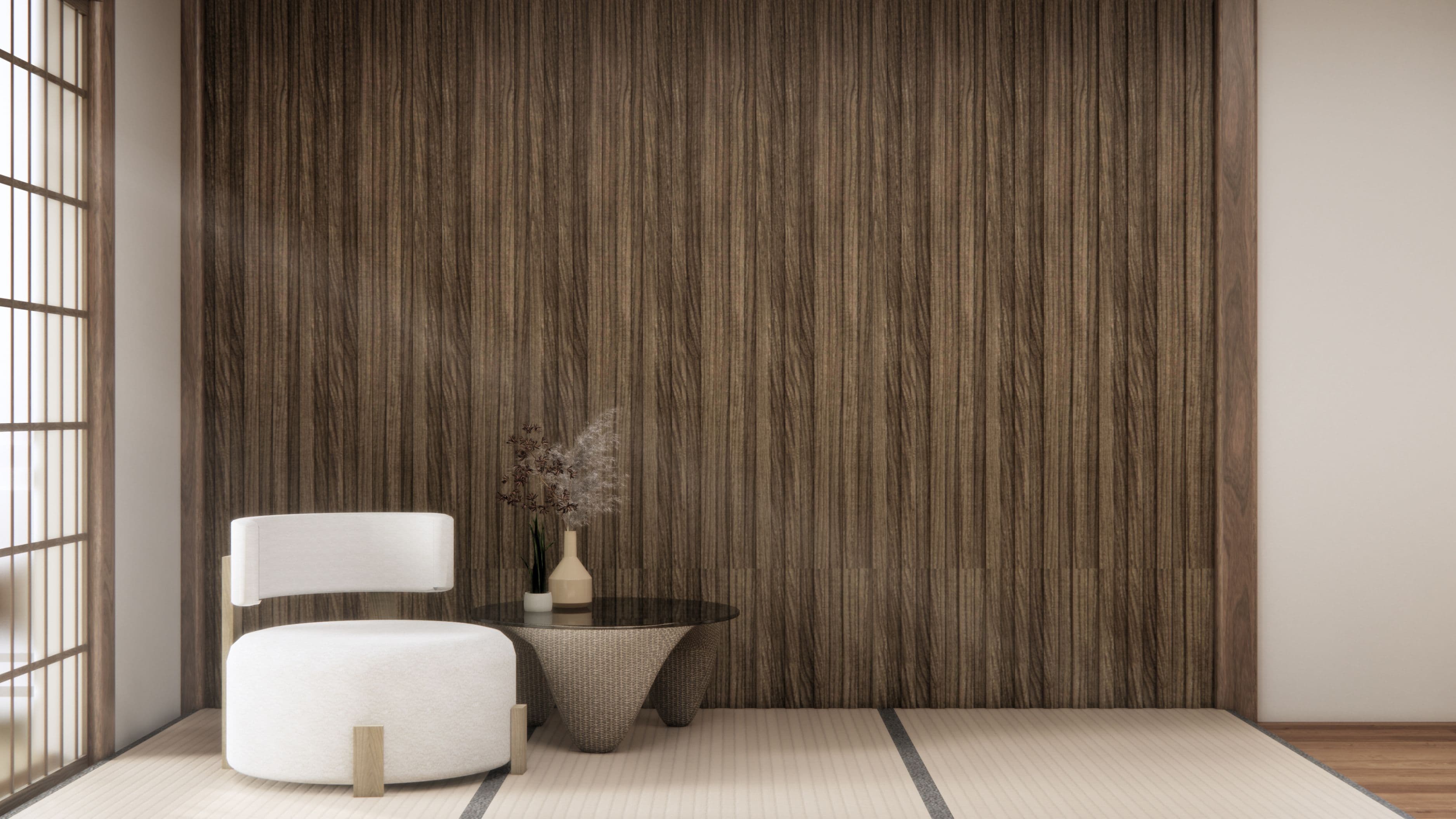
Designate one small area - even just a chair by a window - that exists only for rest. No phone charging on the arm. No reading pile. No task waiting. Just a place your body learns to associate with slowing down.
This might sound indulgent, but it's grounded in how the brain builds habits. When a physical space consistently signals one thing - rest, ease, quiet - your nervous system begins to respond faster and more automatically over time. It's called context-dependent learning, and it works in your favor here.
Tips for Making It Stick
Changes to your environment work best when they're maintained, not just created. A few things that help:
Do a five-minute reset at the end of each day - surfaces clear, lights adjusted, anything out of place returned. It takes almost no time, but it means you wake up to a space that already feels right.
Resist the urge to add before you've edited. More objects, more art, more plants - they can all be wonderful, but only once the underlying noise is cleared.
Let the space evolve slowly. Calm isn't a design destination. It's an ongoing practice of paying attention to how your home feels - and making small adjustments when something stops working for you.
Common Mistakes to Avoid
Trying to make the whole house calm at once - start small, finish fully.
Chasing an aesthetic instead of a feeling - your calm space should work for your life, not look good in a photo.
Ignoring sound - it's often the biggest contributor to a tense environment and the most overlooked.
Buying before decluttering - new items rarely solve the underlying issue.
Expecting a single change to do everything - calm is cumulative. Small shifts layer together over time.
FAQ
How long does it take to feel a difference? Faster than most people expect - sometimes within days of making even small changes. The nervous system responds quickly to environmental shifts. That said, the deeper benefits build over weeks as your body learns to associate the space with rest.
Do I need to spend a lot of money? No. Some of the most effective changes - decluttering, adjusting lighting, adding a soft throw, diffusing calming scent - cost very little. Thoughtful beats expensive, every time.
What if I share my home with others who have different preferences? Start with your own space - a bedroom corner, a chair, your side of the bed. You don't need the whole home to agree. You just need one place that's yours.
Can a calming home environment actually reduce anxiety? Research suggests it can support it. While it's not a replacement for professional support when that's needed, studies consistently show that our physical environments influence mood, cortisol levels, and emotional regulation. A calmer space won't solve everything - but it won't make anything worse either.
Your home doesn't need to be perfect. It just needs to feel like it's on your side.
Start with one room. Edit before you add. Pay attention to light, sound, and texture. And give yourself permission to do this slowly - because calm, as it turns out, is rarely rushed.