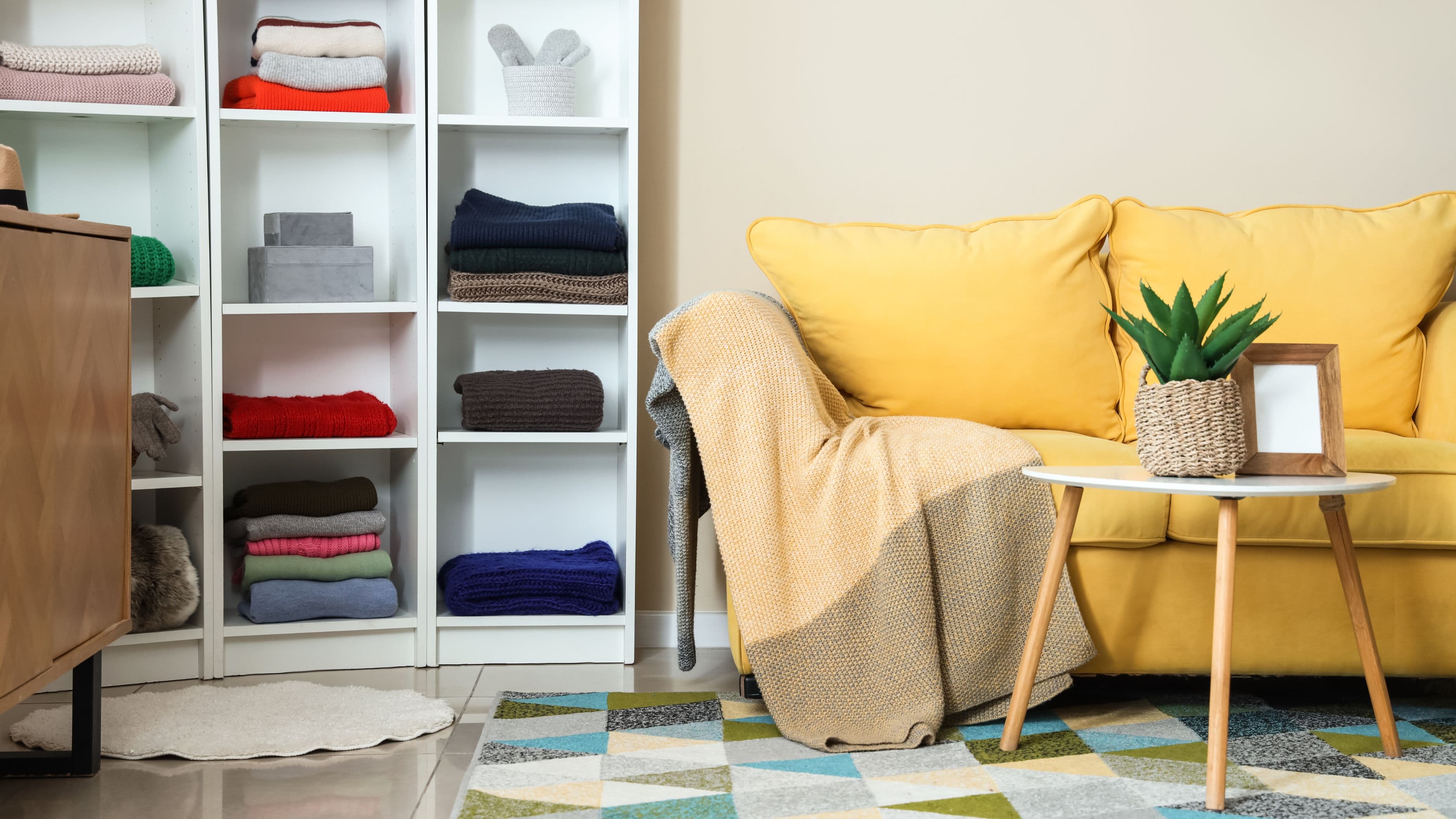
Designing a home that feels genuinely cozy without tipping into clutter isn't about owning less for the sake of it, or achieving some magazine-perfect minimalism that doesn't actually reflect how you live. It's about being deliberate – choosing things that contribute to how a space feels, arranging them thoughtfully, and letting go of the things that are just taking up room without giving anything back. This guide walks through how to do that practically, room by room and layer by layer.
Start With How You Want the Space to Feel
Before you move a single piece of furniture or clear a single shelf, it's worth spending a few minutes with a simple question: how do you actually want this room to feel when you walk into it? Not what it should look like in a photo – how it should feel to be in it.
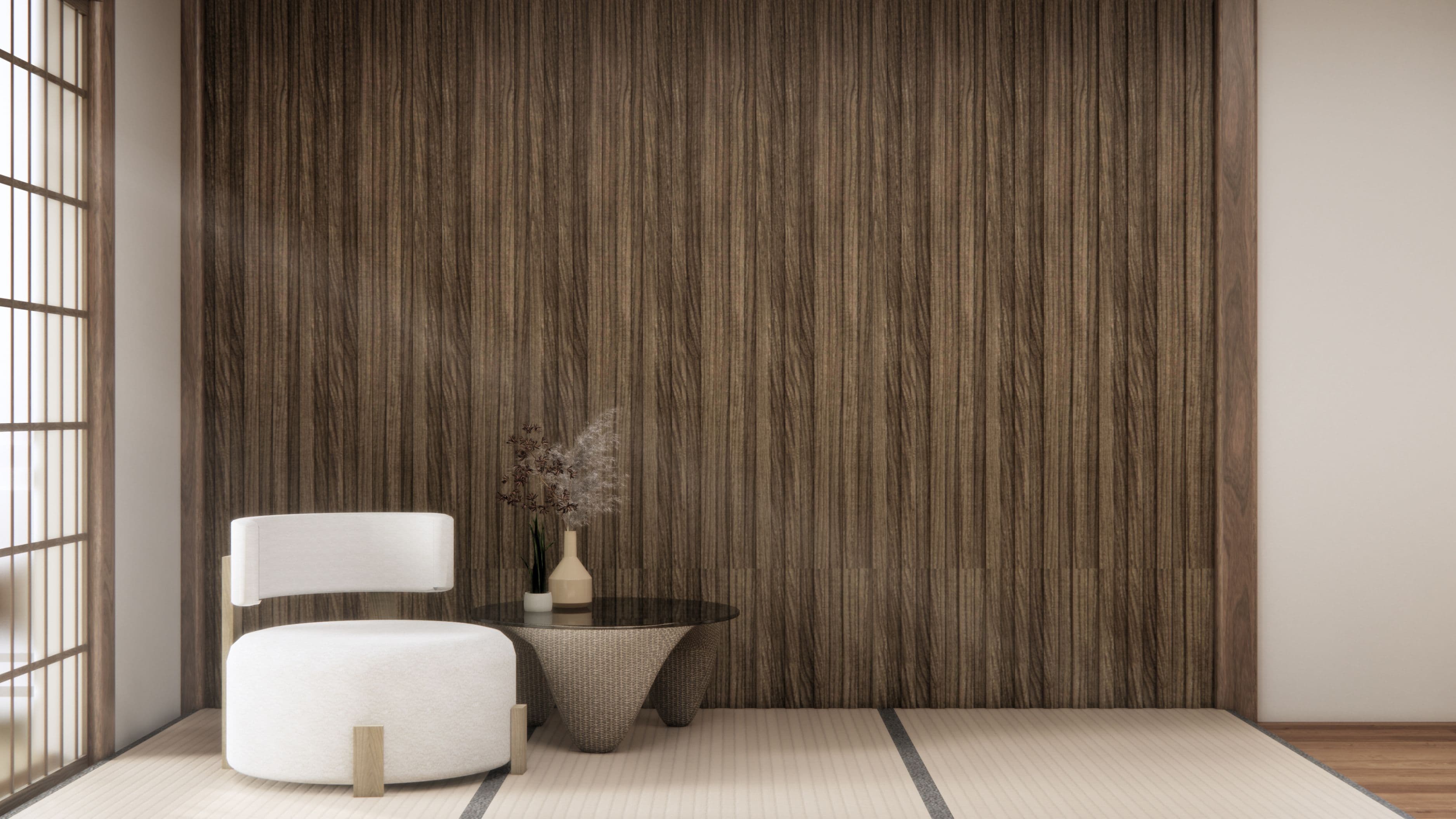
Cozy is a feeling, not a style. It can be achieved with a lot of texture and warm color, or with clean lines and soft lighting – or any combination in between. What creates it, reliably, is a sense of ease. A room where things are in their right place, where the scale feels human, where there's warmth in the lighting and softness somewhere you can sink into. When you know what feeling you're aiming for, the decisions about what to keep, what to move, and what to let go of become much clearer.
Try writing down three or four words that describe how you want a specific room to feel – words like calm, warm, grounded, welcoming, playful. Keep those words in mind as you work through the space. If a decision doesn't support at least one of them, that's useful information.
Declutter With Purpose, Not Pressure
Decluttering gets a bad reputation because it's often framed as a sudden, overwhelming task – empty every drawer, question every object, make a hundred small decisions in a single afternoon. That approach tends to lead to exhaustion and paralysis rather than clarity. A more sustainable approach is to declutter with a specific purpose in mind: creating space for the things you actually want to feel in that room.
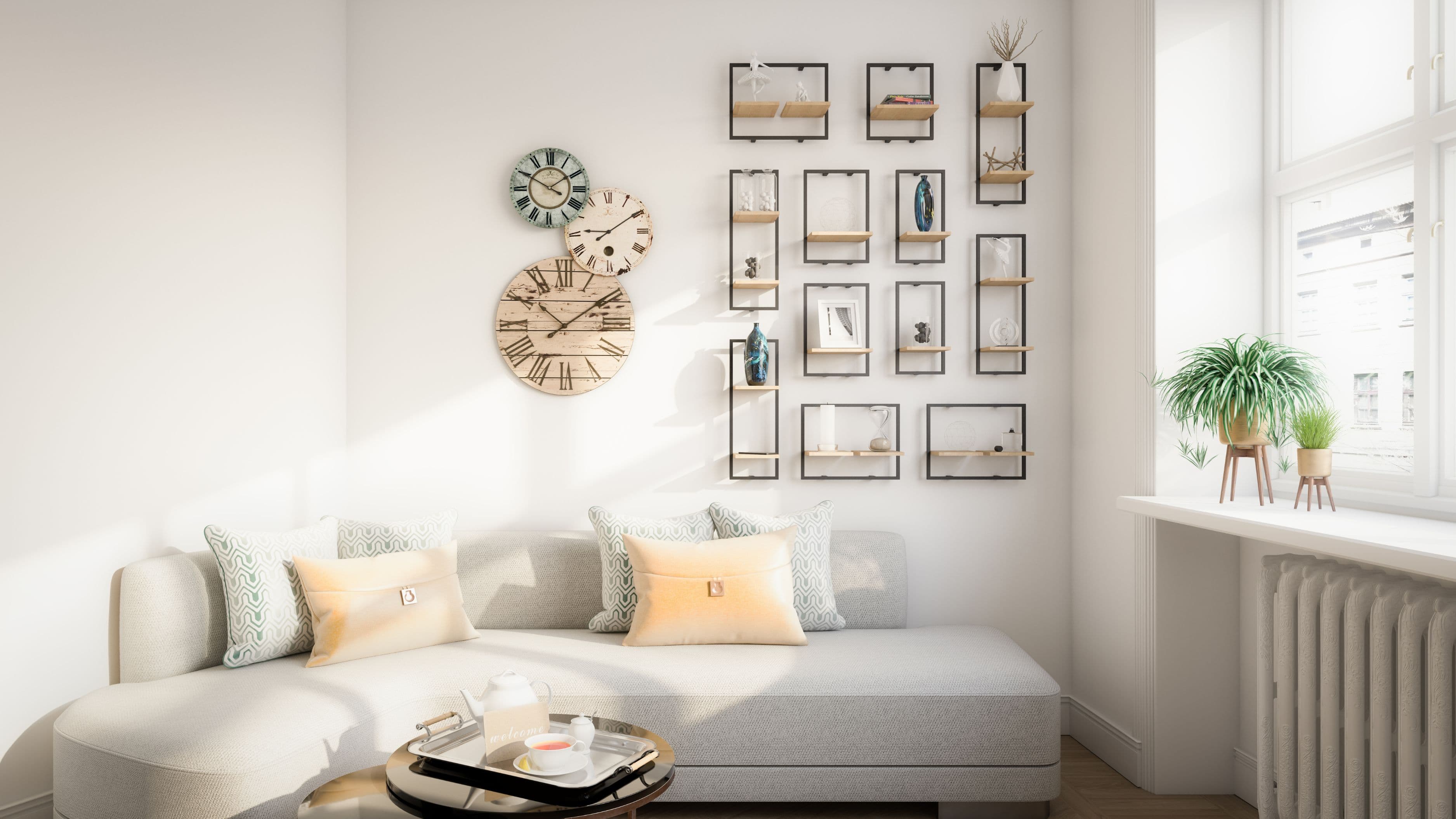
Start with what's visually dominant. Surfaces – countertops, shelves, coffee tables, windowsills – carry most of the visual weight in a room. A surface with one or two thoughtfully placed objects reads as calm. A surface covered in things, even things you like, reads as busy. Before addressing drawers and storage, work on what you can see. Clear one surface at a time, and only return to it the items that genuinely earn their place there.
The question that makes this manageable isn't "do I want to keep this?" – which feels high-stakes – but "does this belong here?" An item can be worth keeping and simply belong somewhere less visible. Moving things into appropriate storage, donating things you've outgrown, and letting go of things that have quietly outstayed their welcome are all part of the same gentle process. You don't have to decide everything at once.
Use Furniture to Define Space, Not Fill It
One of the most common ways a room starts to feel cluttered isn't too many objects – it's too much furniture. A room filled with pieces that are slightly too large, or too many pieces competing for the same zone, makes a space feel smaller and harder to relax in, even if everything in it is technically useful.
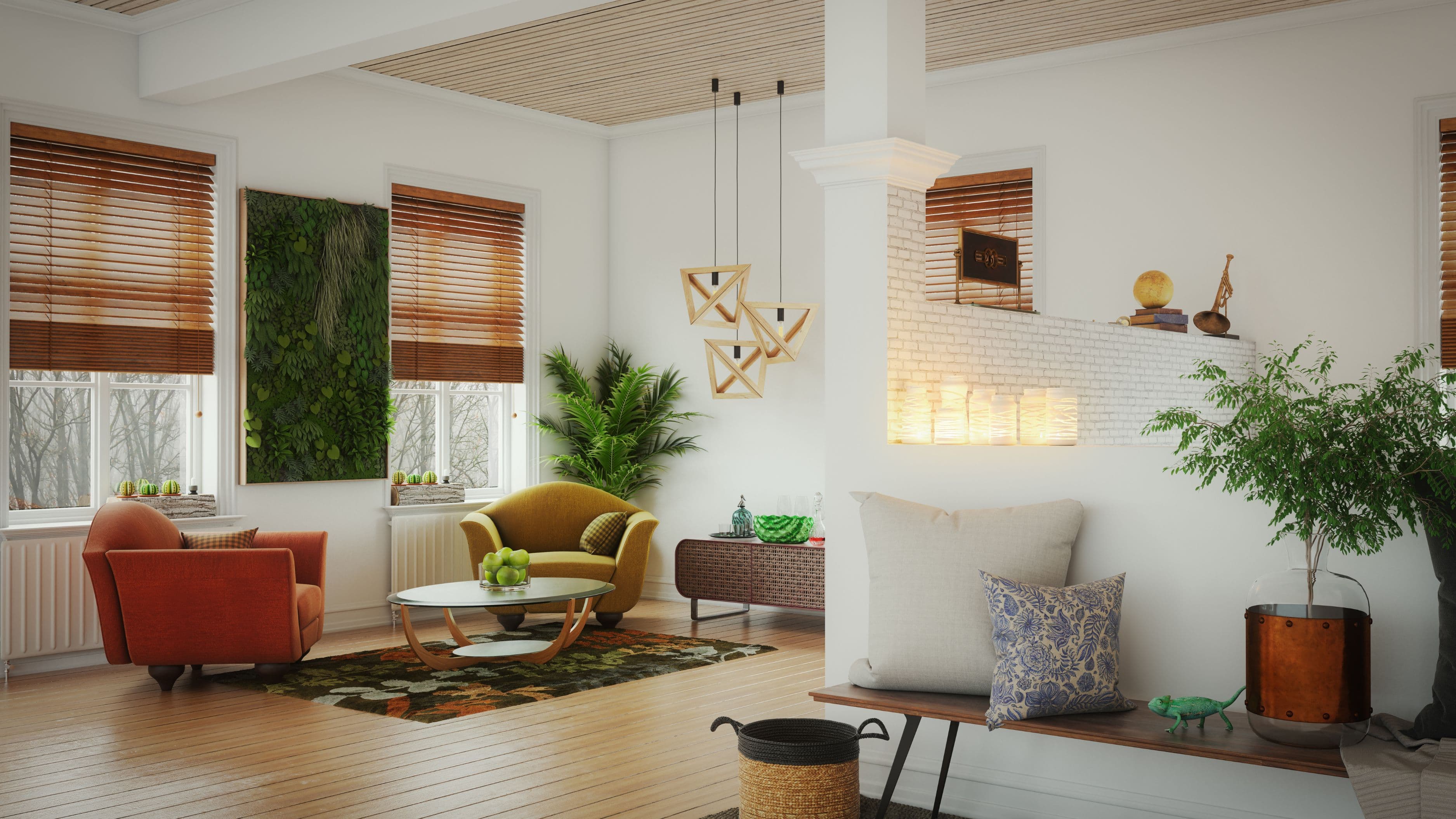
The goal is furniture that defines a room's function clearly while leaving enough breathing room for the space to feel open. In a living room, this usually means one anchor piece – a sofa or sectional – with complementary pieces chosen for scale rather than volume. Resist the impulse to fill every corner. Empty space in a room isn't wasted space; it's what gives the furniture room to read clearly and what makes the room feel like there's room to breathe.
Furniture with legs tends to make a room feel lighter and more spacious than pieces that sit directly on the floor, because the eye can see underneath them. Similarly, a few larger pieces usually feel more composed than many smaller ones. If your room has accumulated extra chairs, side tables, or decorative items that don't quite fit the scale of the space, removing them temporarily and seeing how the room feels without them is often more revealing than any amount of rearranging.
Layer Texture and Warmth Thoughtfully
Coziness has a physical dimension that goes beyond what you see – it's also what you feel when you walk into a room. Texture is the primary carrier of that warmth. Soft rugs, woven throws, linen cushions, a wooden bowl, the grain of a timber shelf – these are the things that make a room feel inhabited and gentle rather than hard and impersonal.
The key with texture is variety and restraint in equal measure. A sofa with four cushions in different fabrics – linen, velvet, knit, cotton – feels rich and layered. A sofa with fourteen cushions feels like a display. Two or three complementary textures repeated across a room create coherence; too many competing textures create visual noise. Think about what you're actually likely to reach for – the throw you use on cool evenings, the cushion you actually lean against – and let those be the ones that stay.
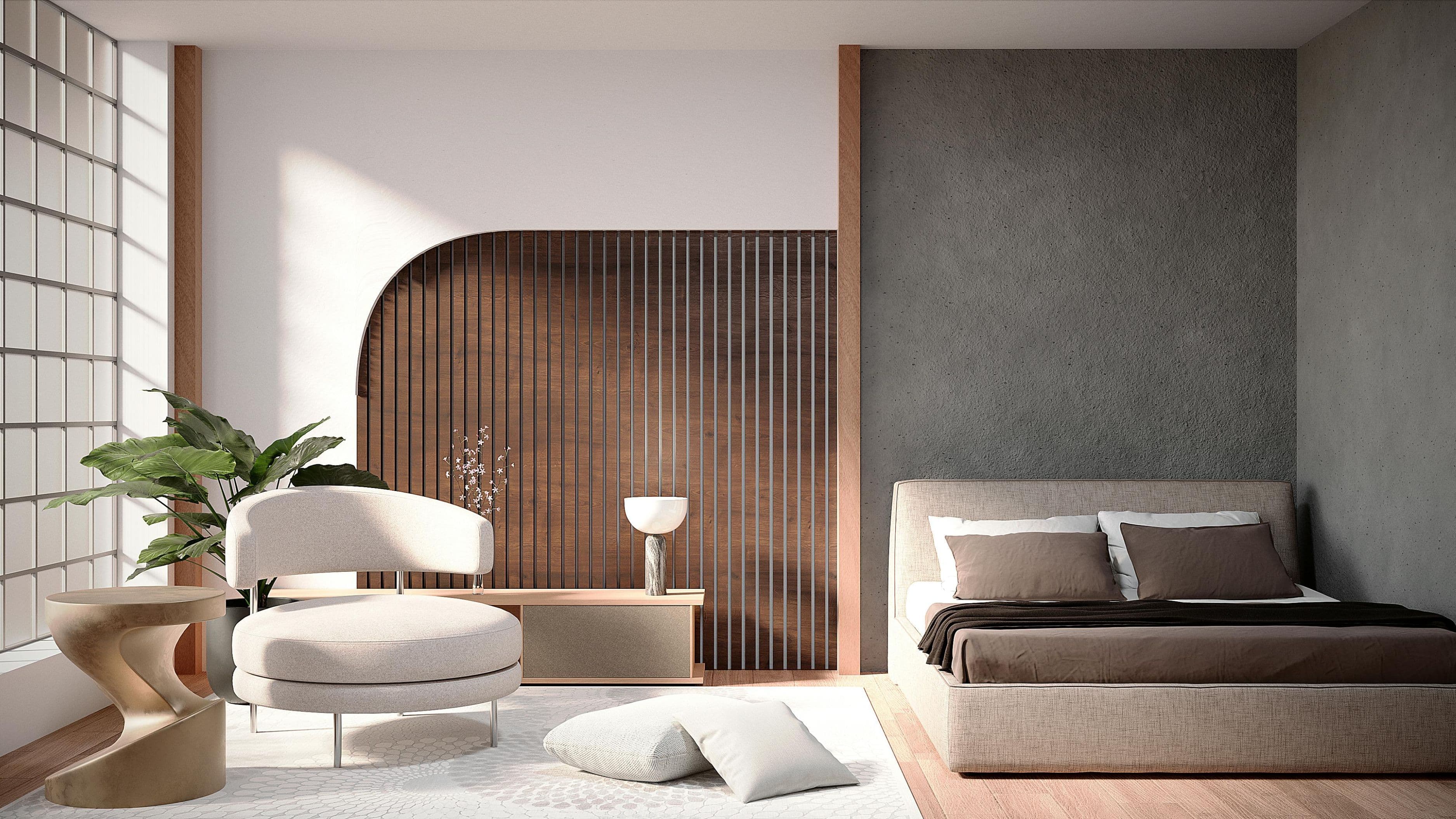
Natural materials add warmth in a way that synthetic materials rarely match. Wood, wool, linen, ceramic, stone, and wicker all carry an organic quality that makes a space feel grounded. This doesn't require replacing everything – even a single wooden tray on a coffee table or a ceramic lamp base can shift the feel of a corner. Small introductions of natural texture, made deliberately, accumulate into a room that feels warm without being heavy.
Get the Lighting Right
Lighting does more work in a room than most people give it credit for. A beautifully furnished room with harsh overhead lighting will never feel cozy. A simply furnished room with warm, layered lighting often will. It's one of the highest-impact adjustments you can make, and it doesn't require any furniture changes at all.
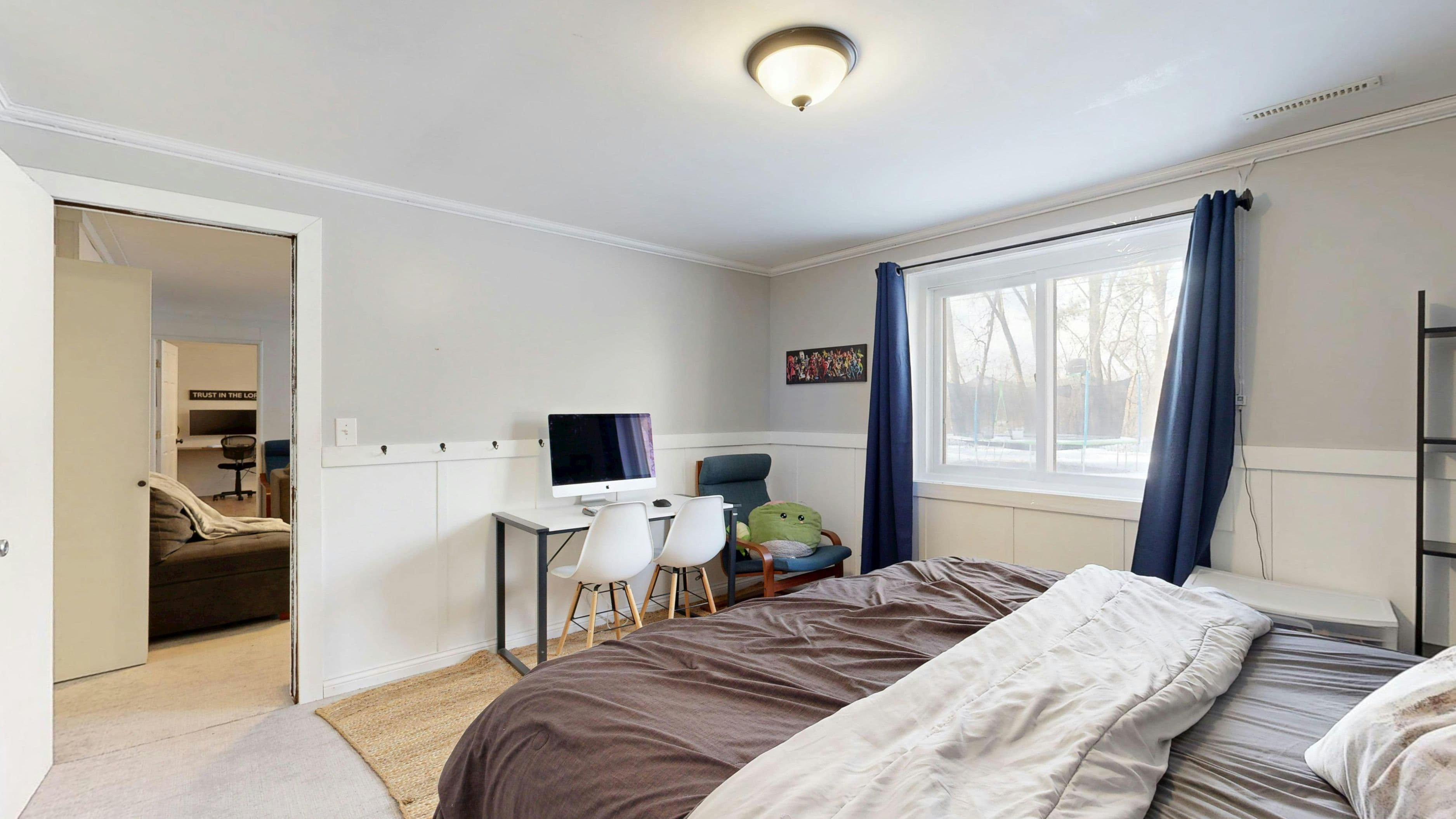
The principles are straightforward. Overhead lighting – especially cool-toned or very bright overhead lighting – creates an institutional feel. Warm, lower-positioned light creates intimacy. A room that relies on a single overhead fixture will almost always feel colder and less welcoming than one that uses a combination of floor lamps, table lamps, and perhaps candles or string lights for the evening hours.
Replacing cool white bulbs with warm white ones (look for a color temperature of 2700K–3000K) is an immediate, inexpensive change that makes a noticeable difference. Adding a floor lamp to a corner that's currently lit only from above gives the room a softer, more layered feel. If you have a dimmer switch, use it – the ability to bring light levels down in the evening is one of the simplest ways to shift a room from functional to genuinely restful.
Create One Calm Corner in Every Room
You don't have to redesign your entire home to start feeling the difference. One of the most effective approaches is to create a single calm, intentional corner in each room – a small area that is deliberately peaceful, visually uncluttered, and inviting.
In a living room, this might be an armchair with good lighting and a small table for a cup of tea. In a bedroom, a reading nook with a comfortable seat and a single lamp. In a kitchen, a cleared stretch of counter with one or two beautiful objects. These corners become anchors – places your eye and your nervous system can settle on when the rest of the room feels a little full. They also tend to expand gradually, because the contrast between the calm corner and the rest of the room makes the surrounding clutter more visible and easier to address.
The act of creating even one such space changes your relationship to the room. You start to notice what serves the feeling you're after, and what doesn't. That noticing is where intentional design really begins.
Be Selective About What Goes on Display
Everything you display in your home is telling a small story about what matters to you. A curated collection of objects you genuinely love, arranged with a little breathing room between them, communicates personality and warmth. Objects that have accumulated without much intention – gifts you felt obliged to keep, things picked up without much thought, multiples of things that don't all need to be visible – create visual noise that the brain registers as disorder, even when you're not consciously looking at it.
A useful rule of thumb is to display things in odd numbers and with deliberate spacing. Three small objects grouped together feel more resolved than five scattered ones. A single framed piece with room on either side reads more clearly than a wall packed edge to edge. This isn't about bare minimalism – it's about giving each thing you love enough space to be seen.
If you have things you love but aren't sure where they fit, a rotating approach can work well. Keep some things in storage and bring them out seasonally or when you want a refresh. This means the things you display feel chosen and current rather than permanent and invisible from familiarity.
Address Clutter's Usual Hiding Spots
Even in a thoughtfully designed home, clutter tends to collect in a few predictable places: the entryway, the kitchen counter, the bedroom surface nearest the door, and the space under and around the sofa. These are high-traffic, low-attention zones where things get set down and forgotten. A small amount of structure in each of these spots makes an outsized difference in how the whole home feels.
For entryways, a designated spot for keys, bags, and shoes – even a simple hook arrangement and a tray for items that come in from outside – removes the daily accumulation that makes a home feel chaotic the moment you walk through the door. For kitchen counters, identifying the two or three appliances that genuinely earn daily counter space and storing the rest clears both visual and physical room.
For bedside surfaces, a small tray or dish gives loose items a home and makes tidying a two-second task rather than an excavation.
The goal isn't perfect order at all times. It's having systems gentle enough that maintaining a calm baseline takes almost no effort – so the cozy, peaceful version of your home is the default, not the result of an hour of cleaning.
Common Pitfalls to Avoid
One of the most common design mistakes people make when trying to create a cozy home is overdecorating – bringing in more elements to try to add warmth until the room tips into feeling crowded. Coziness comes from quality and arrangement, not quantity. If a room still feels cold after adding a rug and cushions, the answer is rarely more cushions – it's usually lighting, furniture scale, or the arrangement of what's already there.
Another pitfall is buying storage to solve a clutter problem without addressing the clutter first. More baskets and boxes are useful when they give existing things a clear home; they become clutter themselves when they're used to hide things you haven't decided what to do with. Storage works best as a system, not a short-term solution.
Finally, try not to design your home for how it looks in a photo rather than how it feels to live in. Rooms that photograph beautifully but are uncomfortable to be in – too spare, too arranged, too untouched – don't serve the people who actually live there. The best version of cozy is the one that makes you want to stay.
FAQ
Can a small home feel genuinely cozy, or does coziness require space?
Small homes can be among the coziest, partly because intimacy and scale are naturally more aligned. The key is avoiding over-furniture-ing a small space and using lighting well. A small room with the right lamp, a good rug, and surfaces that aren't overwhelmed feels warm and enveloping rather than cramped.
How do I balance cozy with practical – I have kids and the house gets messy?
Coziness in a family home is less about perfection and more about baseline systems that make tidying easy. Good storage at kid height, baskets with lids, and a habit of a 10-minute end-of-day reset keeps the cozy version of your home accessible even when the day has been messy. The textures and warmth that create coziness are also quite forgiving of lived-in reality.
What colors make a home feel cozy?
Warm neutrals – creams, taupes, terracottas, warm grays – create a grounded, calm backdrop. Deep tones like forest green, navy, or rust used as accents add richness without overwhelming. Color temperature matters as much as hue, though – a cool white room with warm lighting can feel cozier than a terracotta room with bright fluorescent overhead lights.
I rent and can't change much. What's possible without permanent changes?
Lighting, textiles, and surface editing are the three most impactful things you can change without touching the walls. Swapping out light bulbs for warm-toned ones, adding a large rug to anchor a space, layering cushions and throws, and clearing surfaces of accumulated items will transform how a room feels without requiring a single nail in the wall.
How do I stop clutter from coming back after I've cleared it?
The most reliable approach is a "one in, one out" habit – when something new comes into the home, something else leaves. Beyond that, regular small resets (a weekly 15-minute tidy rather than an occasional large one) prevent accumulation from reaching the point where it feels overwhelming. The aim is gentle maintenance, not perfection.
A home that feels cozy without clutter isn't a design project with a finish line – it's an ongoing, gentle practice of paying attention to how your space feels and making small adjustments in response. You don't have to do it all at once. Start with one corner, one surface, one lamp. Notice how it feels. Then go from there.
📚 Sources
The psychology of clutter and stress – Princeton Neuroscience Institute – https://pni.princeton.edu/news/2011/01/clearing-clutter-may-improve-focus-productivity
How lighting affects mood and wellbeing – Lighting Research Center – https://www.lrc.rpi.edu/programs/nlpip/lightingAnswers/lat8/abstract.asp
The role of natural materials in restorative environments – Journal of Environmental Psychology – https://www.sciencedirect.com/science/article/abs/pii/S0272494401902456
Color temperature and circadian health – Harvard Health – https://www.health.harvard.edu/staying-healthy/blue-light-has-a-dark-side
Clutter and cognitive load – UCLA Center on Everyday Lives of Families – https://www.uclaclfs.com/research