The good news is that most of the features that make a home genuinely restorative don't require a renovation. Some of the most impactful changes cost almost nothing. What they all share is intention – a decision to treat your home as something worth designing around your wellbeing, not just your schedule.
Here are the features that matter most.
1. Light That Shifts With the Time of Day
Most homes are lit for function – bright enough to see, consistent throughout the day, without much thought given to what that light is doing to the people living inside it. But light is one of the most powerful regulators of your circadian rhythm, and getting it wrong has real consequences for sleep quality, mood, and energy.
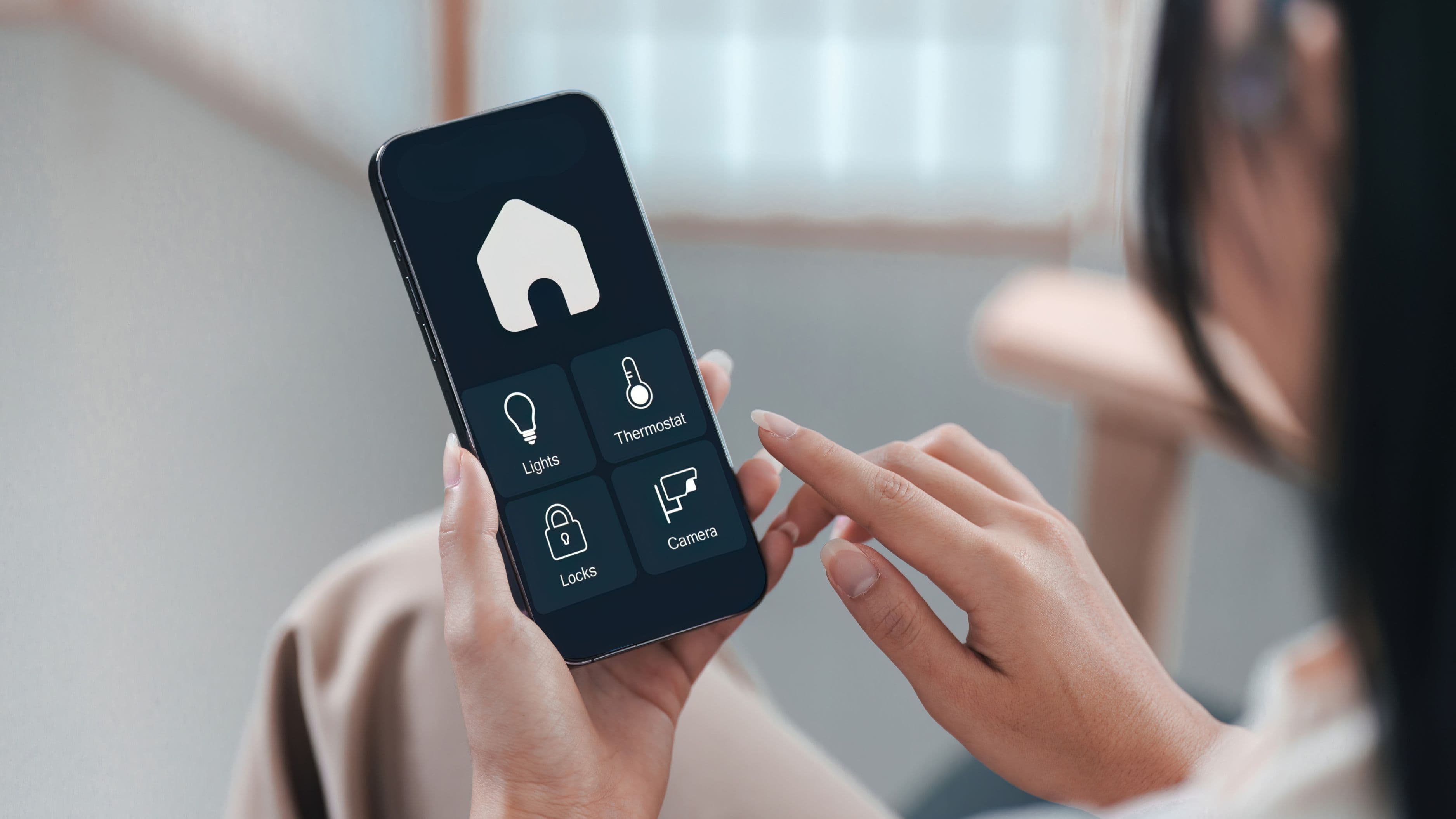
A wellness-focused home has light that changes across the day in a way that mirrors the natural light cycle. Bright, cool-toned light in the morning and early afternoon supports alertness and focus. Warm, dim light in the evening signals to your body that the day is winding down and that sleep preparation can begin. Simple warm-toned bulbs in living areas and bedrooms, combined with dimmable fittings, achieve most of this without any complicated technology. If you want more control, a smart lighting system with tunable colour temperature can automate the shift and remove the habit of remembering to change it.
Blackout curtains or blinds in the bedroom complete the picture – they let you sleep deeply regardless of the season or the street lighting outside, and they make morning light a conscious choice rather than an interruption.
2. Clean, Well-Circulated Air
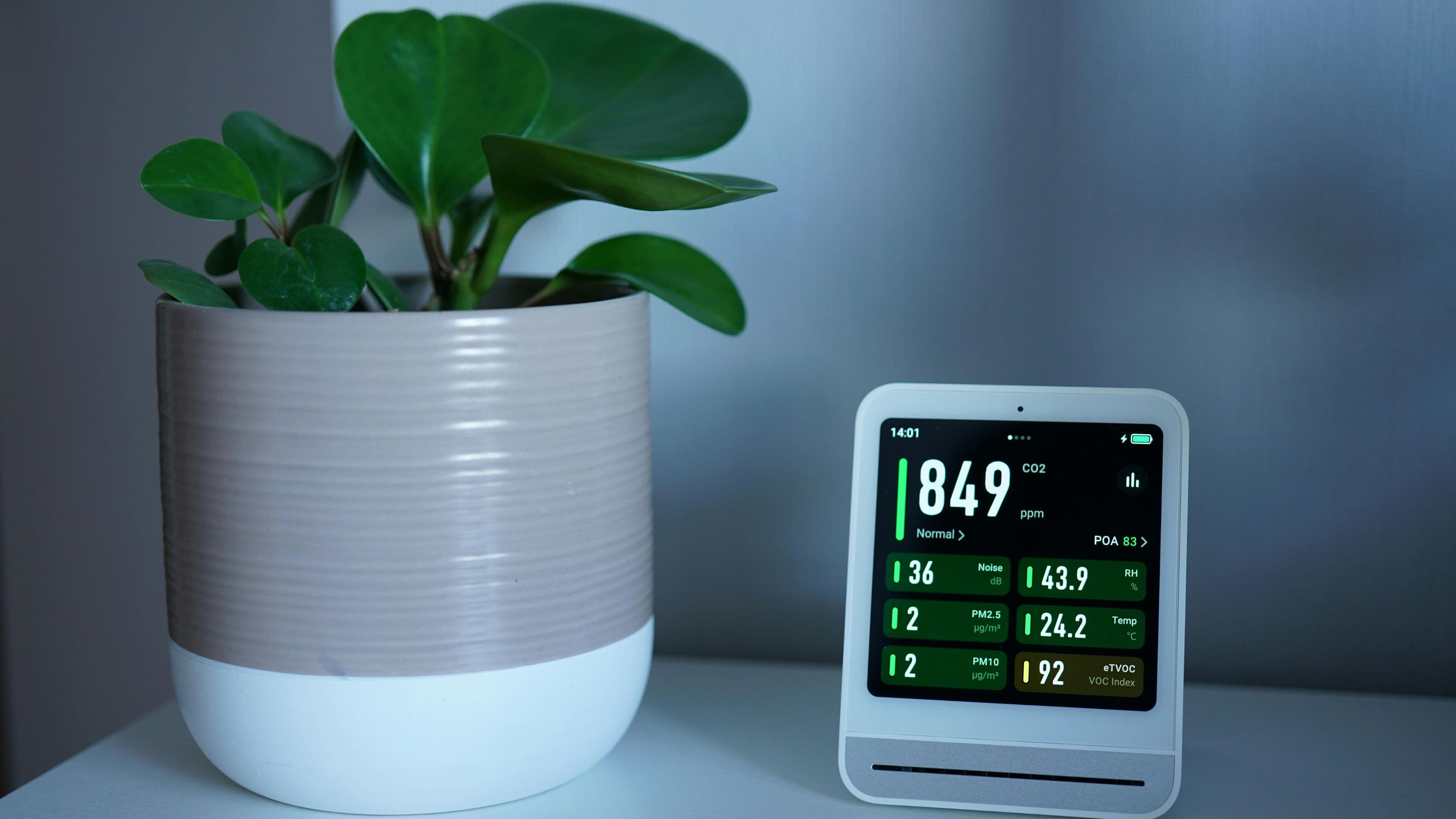
Indoor air quality is one of the most underestimated factors in home wellness. Studies consistently show that indoor air can be significantly more polluted than outdoor air, carrying higher concentrations of volatile organic compounds from furniture and cleaning products, dust mites, mould spores, and other particles that affect respiratory health, sleep, and cognitive function.
The foundation of good indoor air is ventilation – opening windows regularly to flush stale air out, particularly in kitchens, bathrooms, and bedrooms where moisture and cooking byproducts accumulate. Beyond that, a HEPA air purifier in the bedroom makes a meaningful difference, particularly for people with allergies, sensitivities, or anyone who lives in an urban environment where outdoor air quality is variable.
Houseplants contribute in a modest but real way – certain species (spider plants, peace lilies, and pothos among them) absorb some airborne toxins and release oxygen, while also adding a visual softness that has its own calming effect. Avoiding synthetic air fresheners and heavily fragranced cleaning products removes a significant source of indoor chemical load without replacing it with anything harmful.
3. A Space Dedicated to Rest and Restoration
In most homes, rest happens wherever there's a horizontal surface. The sofa, the bed, the floor – rest gets fitted around everything else rather than being given its own dedicated place. A wellness home recognises that restoration needs a physical anchor: a space that exists specifically for unwinding, and that doesn't double as a work zone, entertainment hub, or storage area.
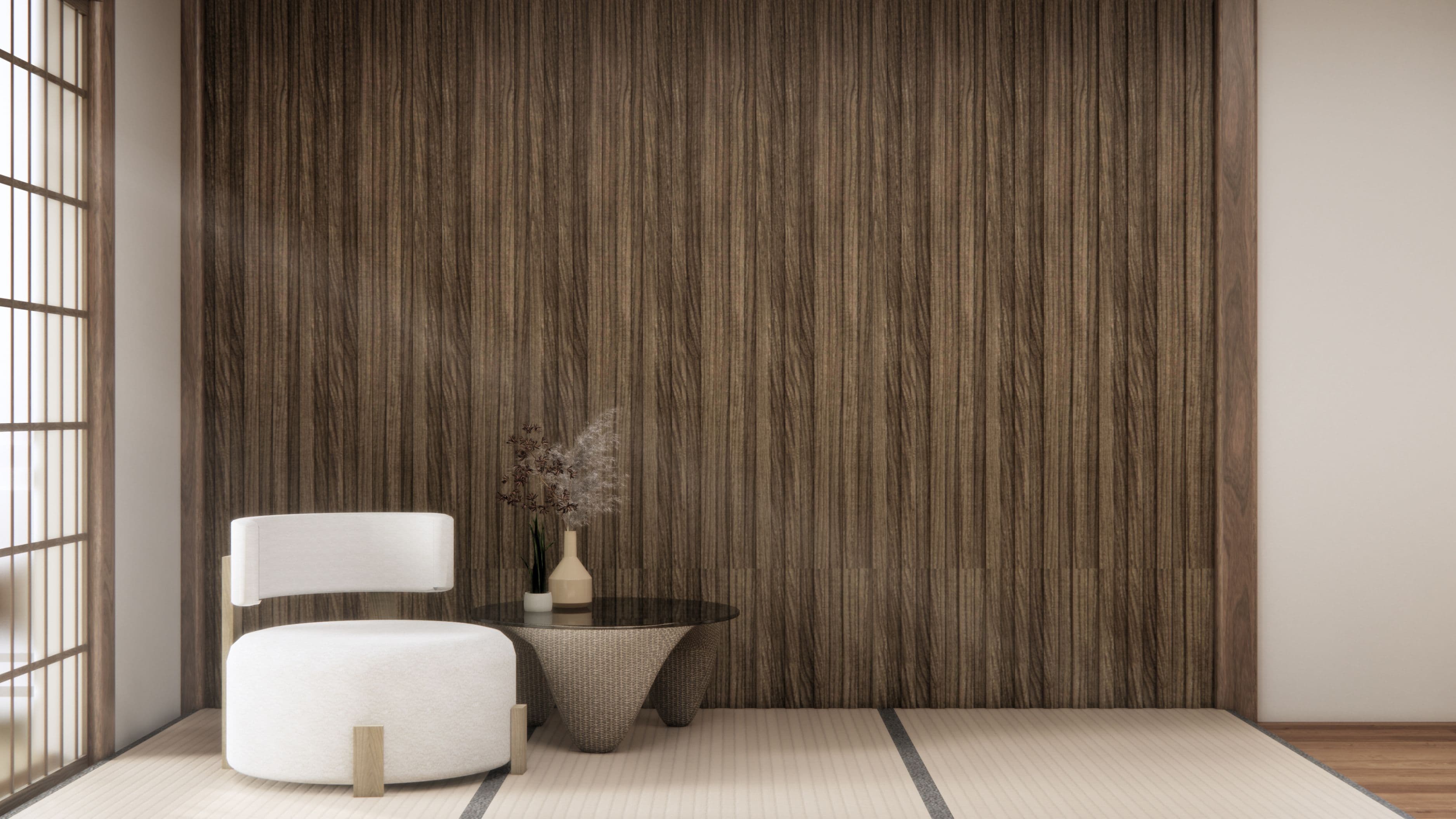
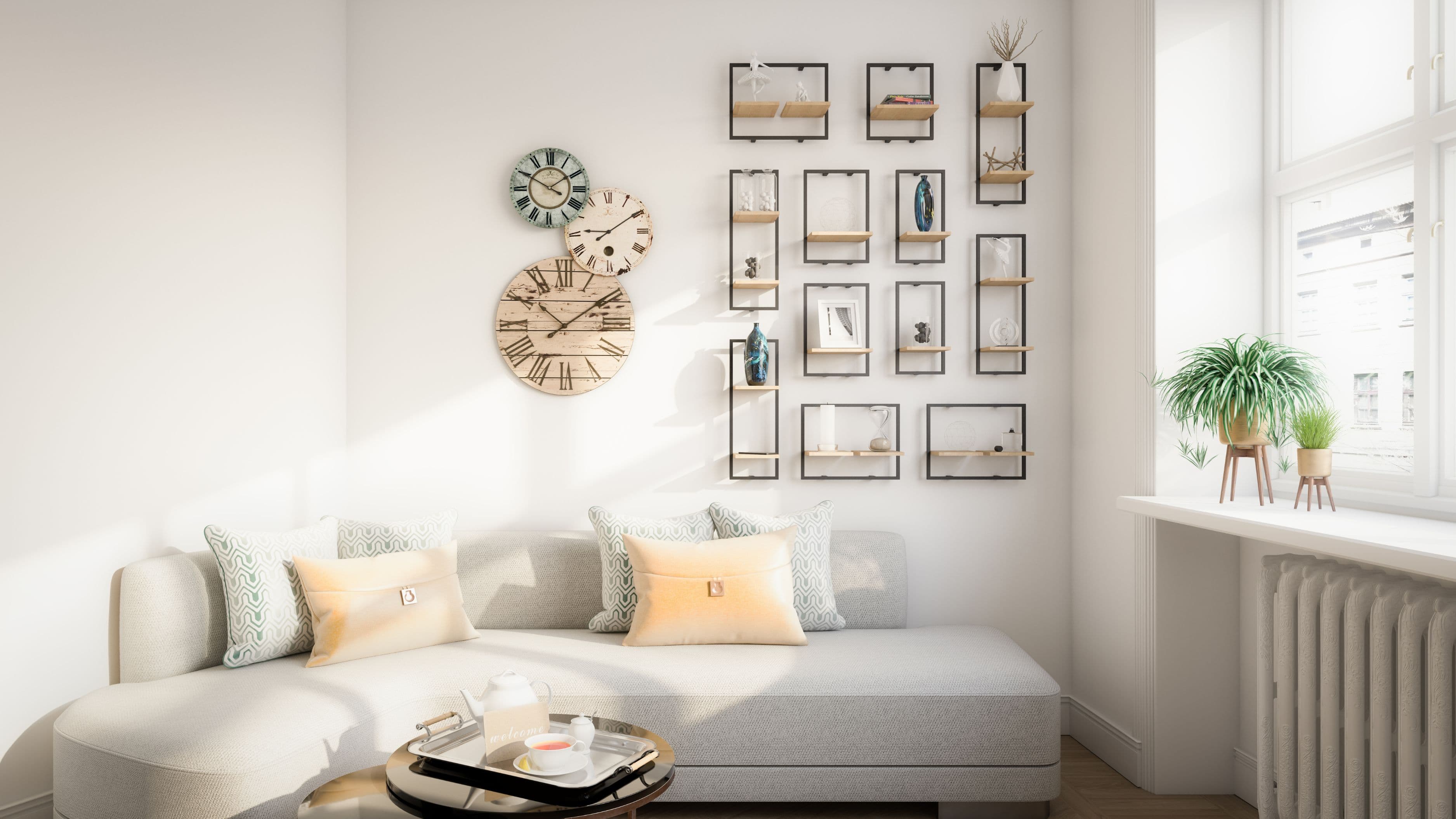
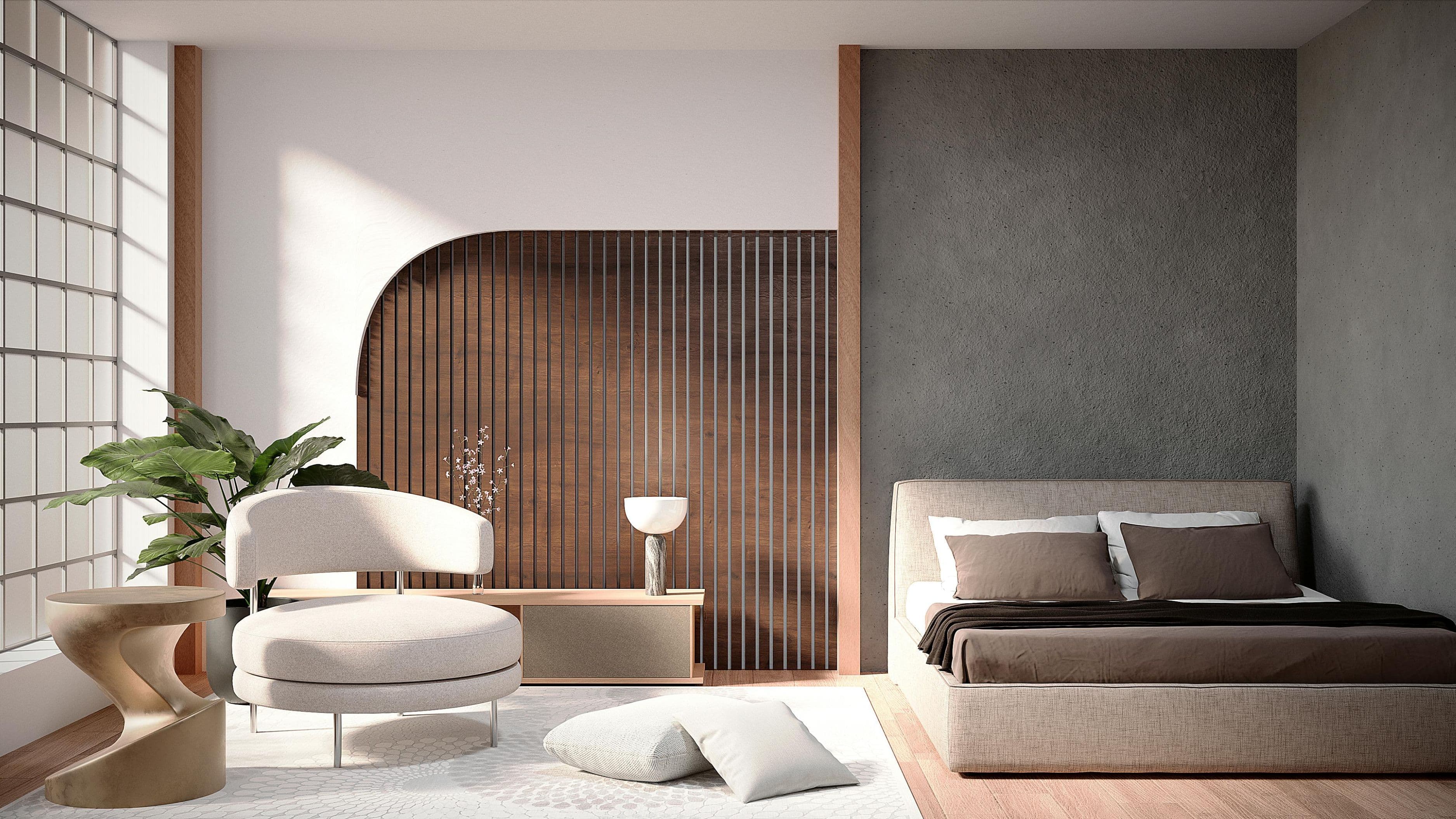
This doesn't require a spare room. A carefully arranged corner – a comfortable chair, a soft lamp, a small table for tea, nothing on the walls that demands attention – can serve this purpose entirely. The key is that the space is consistently available and consistently used for rest, so your nervous system learns to associate it with switching off. The moment you sit down there, the shift begins to happen almost automatically. That association is something you build over weeks of use, not something that exists from the first day.
What matters most is that the space is protected from the creep of ordinary life – no laptops, no piles of things to be dealt with, no phone left face-up on the armrest. The more clearly you draw the line between that space and the rest of the home's activity, the more effective it becomes.
4. Reduced Visual and Digital Clutter
Clutter is a low-level stressor that operates in the background almost continuously. It's not that a pile of paperwork makes you actively anxious – it's that it keeps a small part of your brain perpetually aware that there are unresolved things nearby. Over time, living in a visually busy environment raises your baseline stress level in a way that's hard to pinpoint but very real.
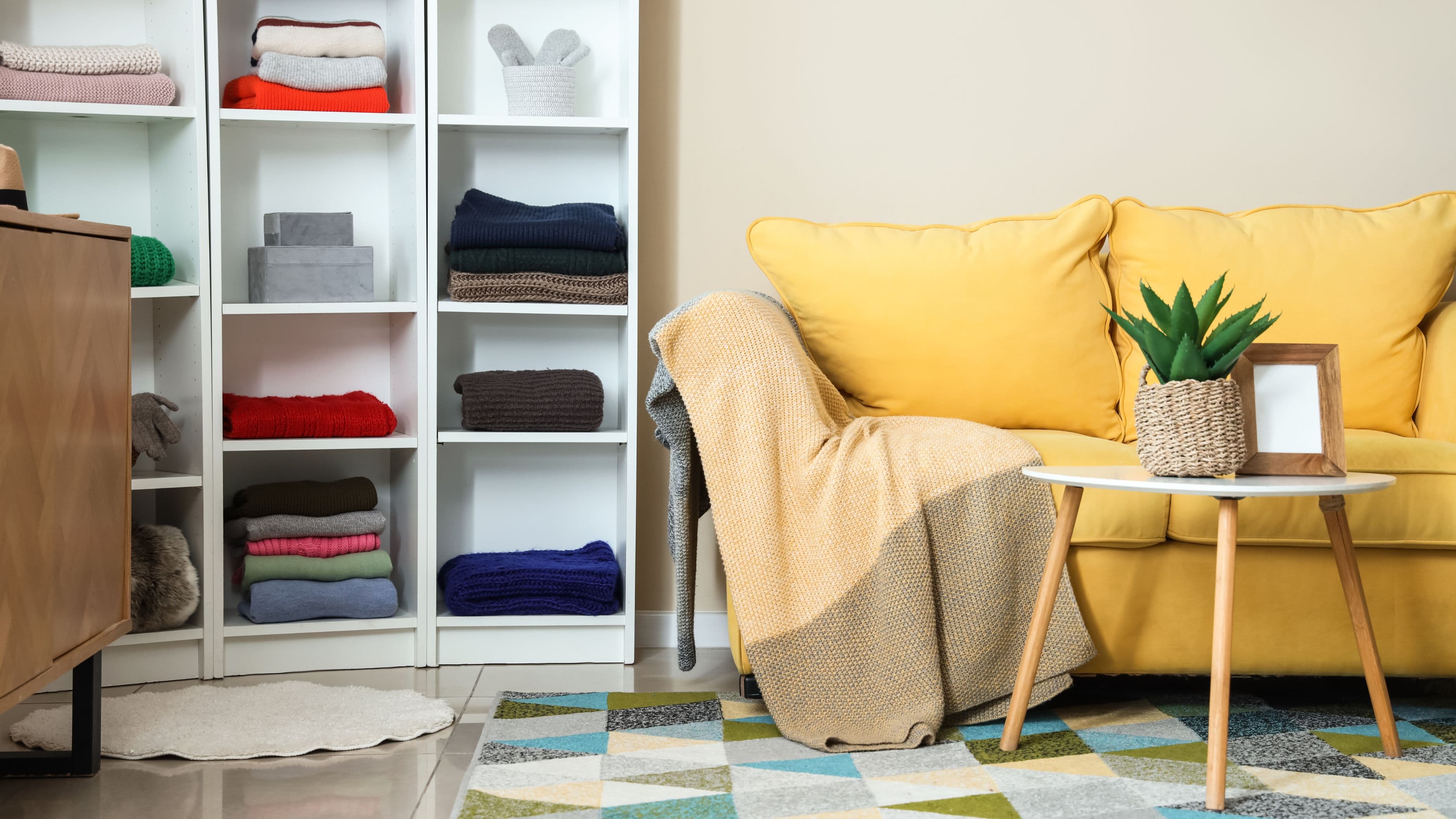
A wellness-focused home isn't necessarily minimalist, but it is intentional about what stays visible. Surfaces are kept clear enough that resting your eyes on them doesn't generate a mental to-do list. Storage is organised well enough that retrieving things doesn't create friction. The objects that are visible are there because they add something – beauty, warmth, meaning – not because they haven't been moved yet.
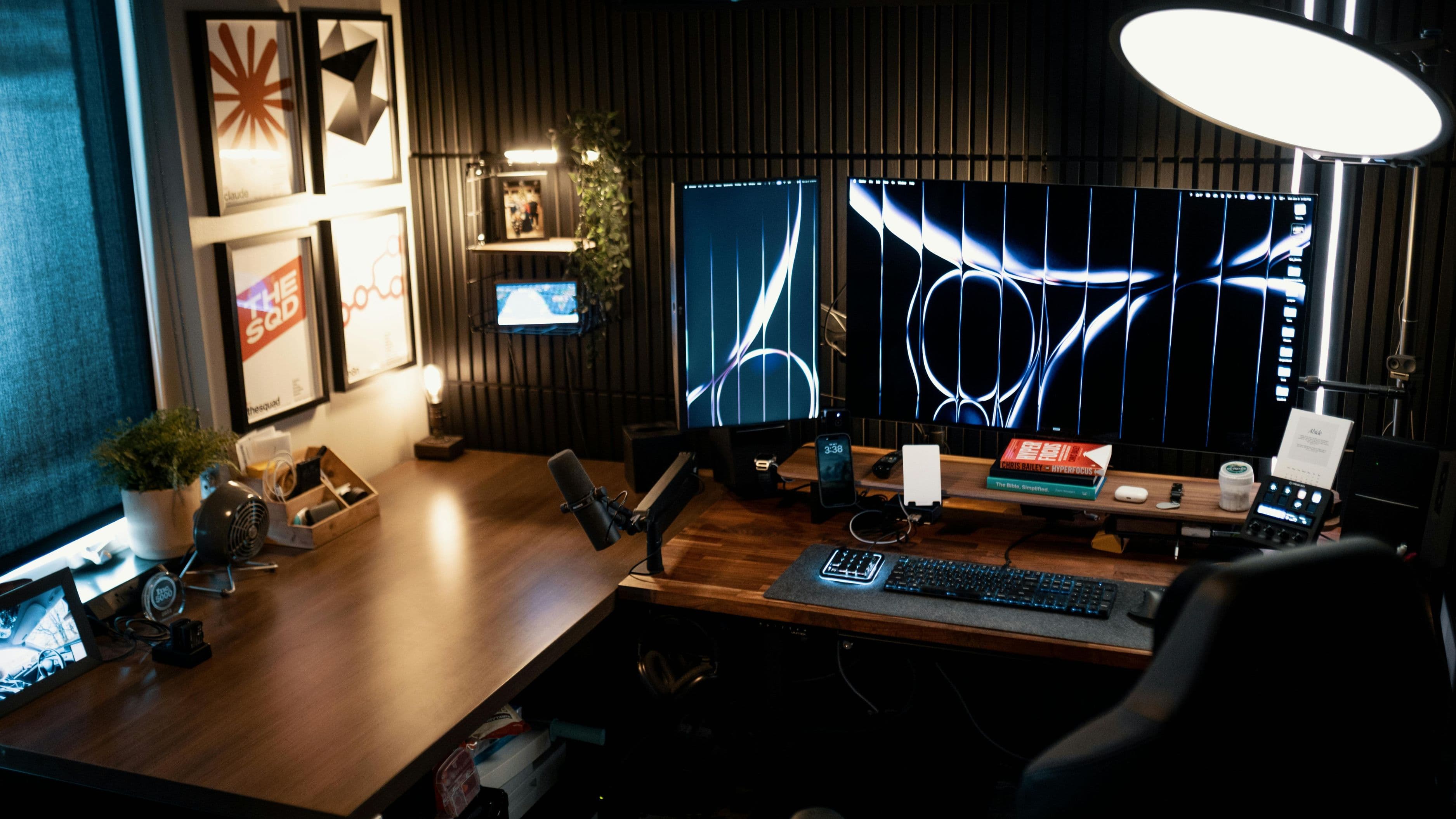
Digital clutter extends this principle into screens. Notifications, device charging stations left in bedrooms, televisions in places of rest, and laptops that follow you from room to room all fragment attention and maintain a low hum of stimulation that prevents genuine downtime. Designating phone-free zones – particularly the bedroom – and creating a consistent off-time for devices in the evening makes the whole home feel quieter, even when nothing has physically changed.
5. A Bedroom Designed for Sleep Above Everything Else
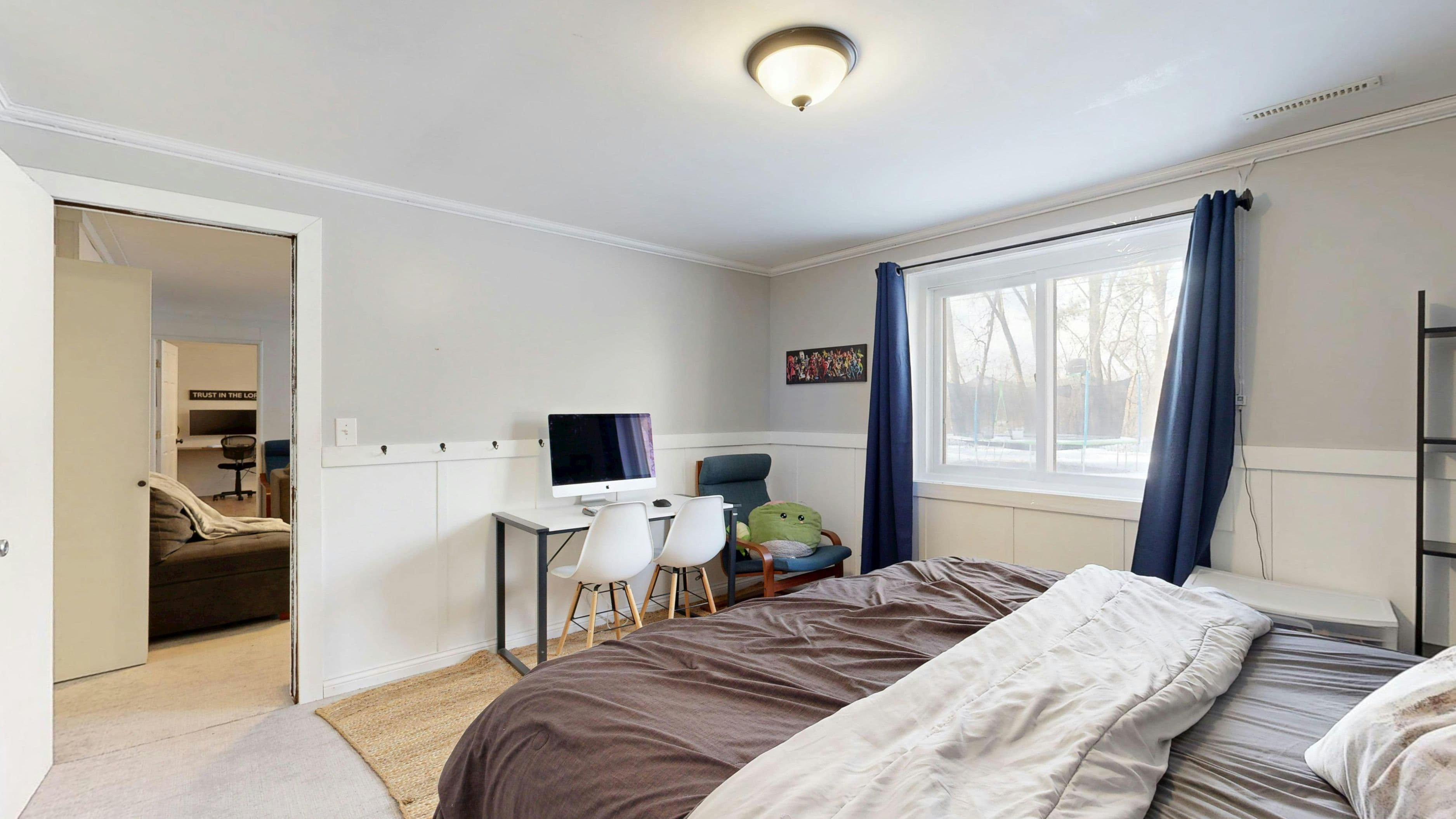
Sleep is the most important recovery process your body runs, and the bedroom environment has a direct impact on how well it happens. A wellness-focused home treats the bedroom as a serious sleep environment, not a multi-purpose room with a bed in it.
The core requirements are well established: a cool temperature (around 16–18°C is optimal for most adults), darkness sufficient to prevent light from interrupting sleep cycles, and quiet – or a consistent background sound like a white noise machine if external noise is unavoidable. A quality mattress and pillow that genuinely suit your sleep position are worth more than almost any other single investment in the room.
Beyond the basics, removing screens from the bedroom is the single most effective low-cost change most people can make to their sleep environment. The association between the bedroom and stimulating content – social media, news, video – is one of the most common reasons people struggle to fall asleep or sleep lightly. When the bedroom is reserved for sleep (and intimacy), your body begins to use the physical act of getting into bed as a cue to begin winding down.
6. Connection to Nature
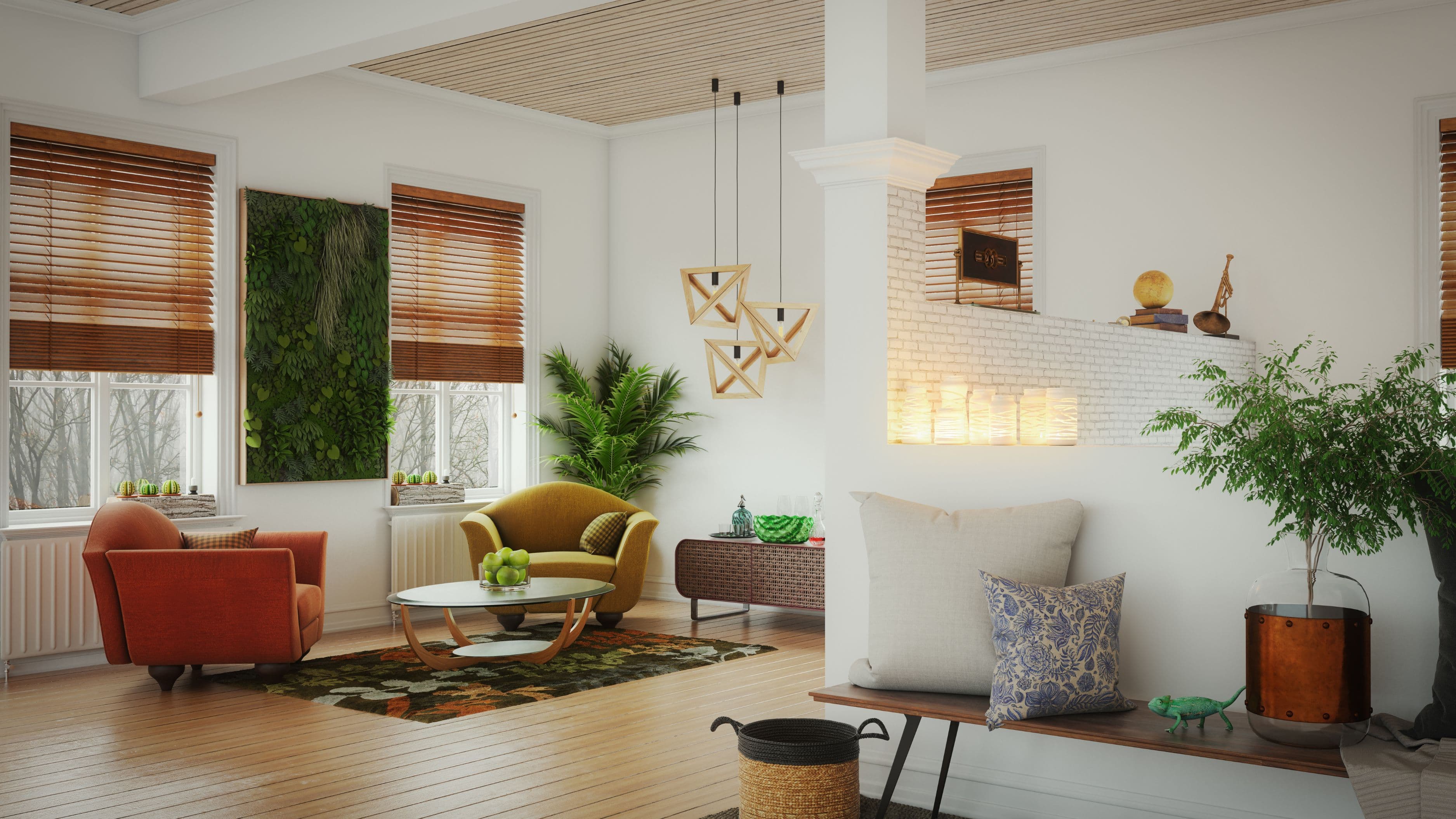
Biophilic design – the practice of incorporating natural elements into built environments – has a well-documented effect on stress, mood, and cognitive restoration. Humans evolved in natural environments, and our nervous systems still respond to natural cues (light, greenery, water, wood, stone) in ways that promote calm and recovery. A wellness home finds ways to bring those cues inside.
Natural materials – wood, cotton, linen, stone, ceramic – create a warmth and texture that synthetic materials don't replicate in the same way. Views of greenery, even through a window, reduce stress measurably. A small indoor garden, a window box, or even a few well-placed plants introduces a living quality into a space that shifts how it feels to spend time there. The sound of moving water – a small indoor fountain or a tabletop water feature – has a similar grounding effect that most people notice almost immediately.
You don't need to redesign your home around these principles to feel their benefit. Starting with one or two natural elements in the rooms where you spend the most time is enough to begin making the shift.
A Gentle Note on Getting Started
The most common mistake people make when approaching wellness at home is trying to change everything at once. It feels motivating to imagine a completely transformed space, but the reality of executing ten changes simultaneously is that most of them don't happen, and the ones that do feel scattered rather than intentional.
A more effective approach is to pick the one room or the one feature that would make the most difference to how you feel day to day, and start there. For most people, that's the bedroom – because improving sleep quality affects everything else. From there, each addition builds on a foundation that's already working.
FAQ
Do I need to spend a lot of money to make my home wellness-focused? Not at all. Many of the highest-impact changes – decluttering, switching to warm-toned bulbs, opening windows daily, removing devices from the bedroom – cost nothing or very little. The more significant investments (a quality air purifier, blackout blinds, a better mattress) are worth considering over time, but they're not where most people need to start.
Can these changes make a real difference if I rent and can't change the structure of my home? Yes. Most of what makes a home wellness-focused is about how a space is used and arranged, not its structure. Lighting, textiles, plant placement, clutter management, and sleep environment are all within a renter's control. The changes that require landlord permission (repainting walls, installing fixed fixtures) are generally the least impactful ones anyway.
What's the single most impactful first step? For most people, the bedroom. Specifically – if you're not already doing it – removing your phone from the bedroom overnight and replacing it with an alarm clock. The improvement in sleep quality that often follows is the clearest illustration that your environment and your wellbeing are more connected than they might seem.
📚 Sources
EPA – Indoor Air Quality Basics: https://www.epa.gov/indoor-air-quality-iaq/introduction-indoor-air-quality
Sleep Foundation – Bedroom Environment and Sleep Quality: https://www.sleepfoundation.org/bedroom-environment
NIH – Biophilic Design and Stress Reduction: https://www.ncbi.nlm.nih.gov/pmc/articles/PMC6334061/
Harvard Health – Blue Light and Sleep: https://www.health.harvard.edu/staying-healthy/blue-light-has-a-dark-side
Princeton Neuroscience Institute – Clutter and Cognitive Function: https://pni.princeton.edu/news/2011/clutter-limits-brain-s-ability-process-information