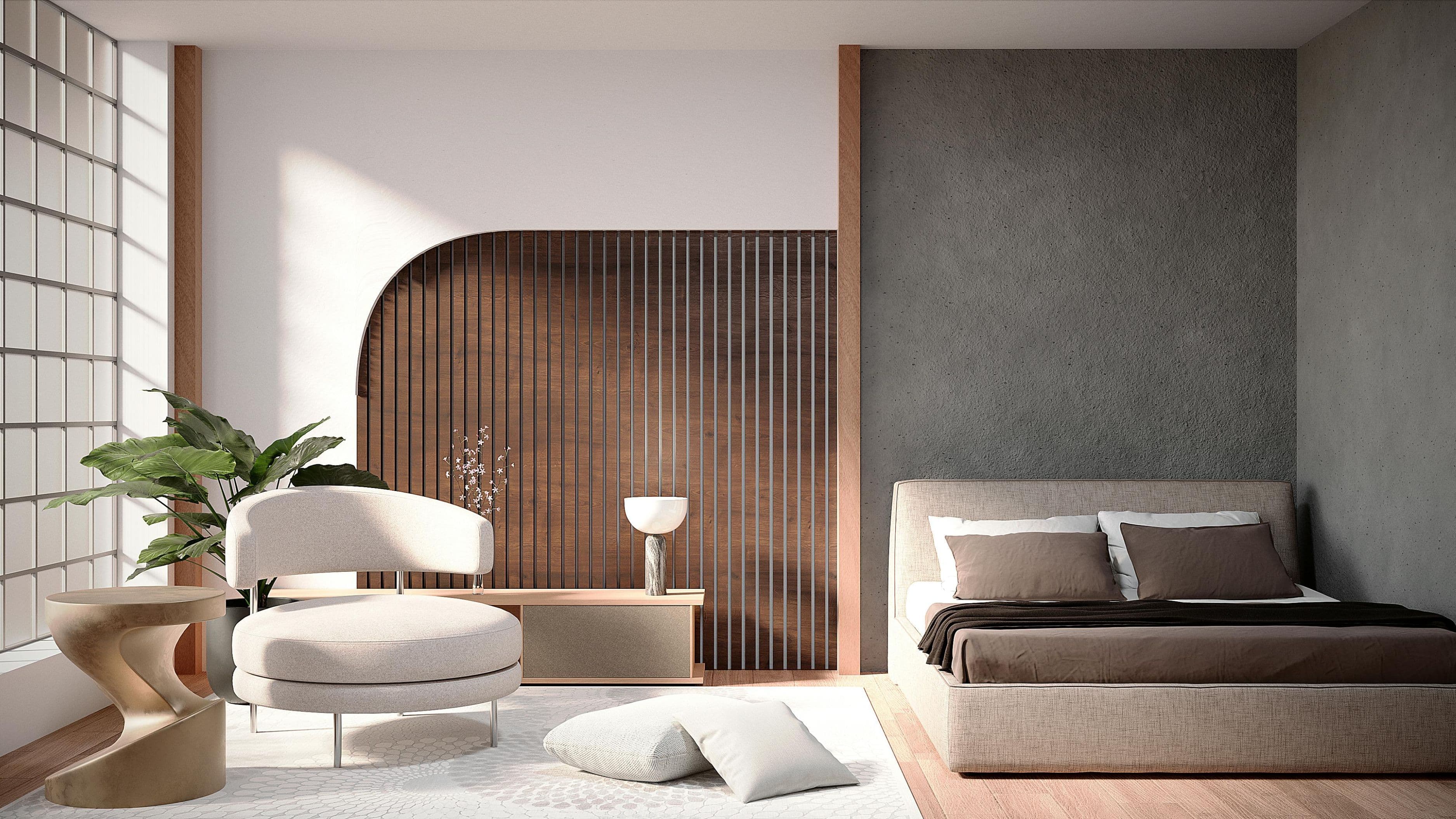
The good news is that your home environment is one of the most controllable parts of your sleep equation. You can't always control stress, or a busy schedule, or the noise outside your building. But you can control what your bedroom does or doesn't do to support deep, restorative rest. This guide walks you through the key areas to address – not as a sweeping renovation project, but as a series of intentional, layered adjustments that add up to a meaningfully better night's sleep.
Start With Light – It's Doing More Than You Think
Light is the primary signal your brain uses to set your internal clock. When your environment sends the wrong light cues at the wrong time, your circadian rhythm shifts out of alignment, making it harder to fall asleep at your natural window and harder to feel genuinely rested when you wake up.
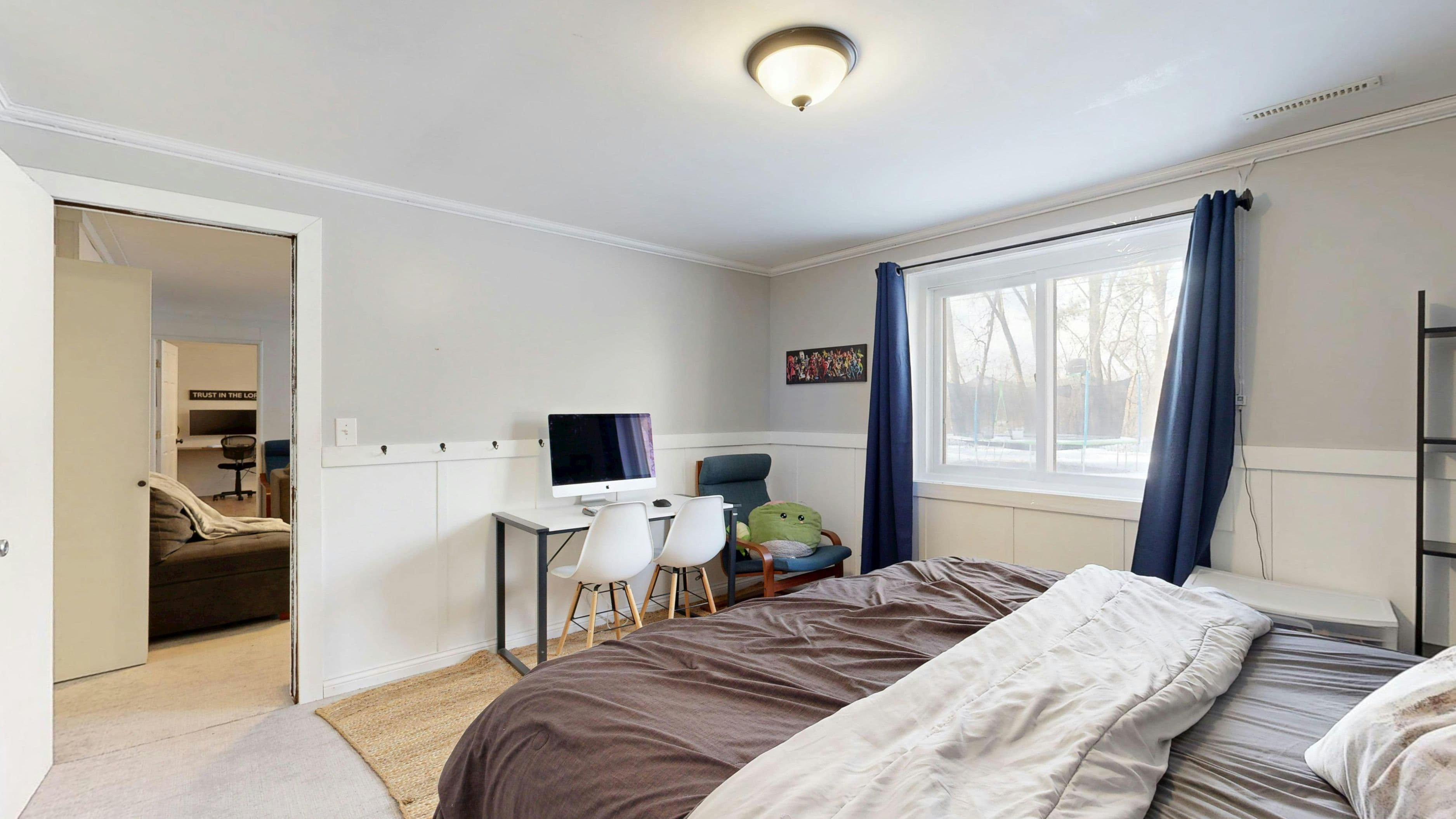
The first priority is blocking external light at night. Even low levels of ambient light – a streetlamp glow, a neighbor's porch light, the blue flicker of a standby TV – can suppress melatonin production and fragment your sleep without you consciously noticing. Blackout curtains or blackout blinds are the single highest-impact change most people can make to their bedroom. They're inexpensive, require no technical knowledge to install, and the difference in sleep quality is often felt within the first night.
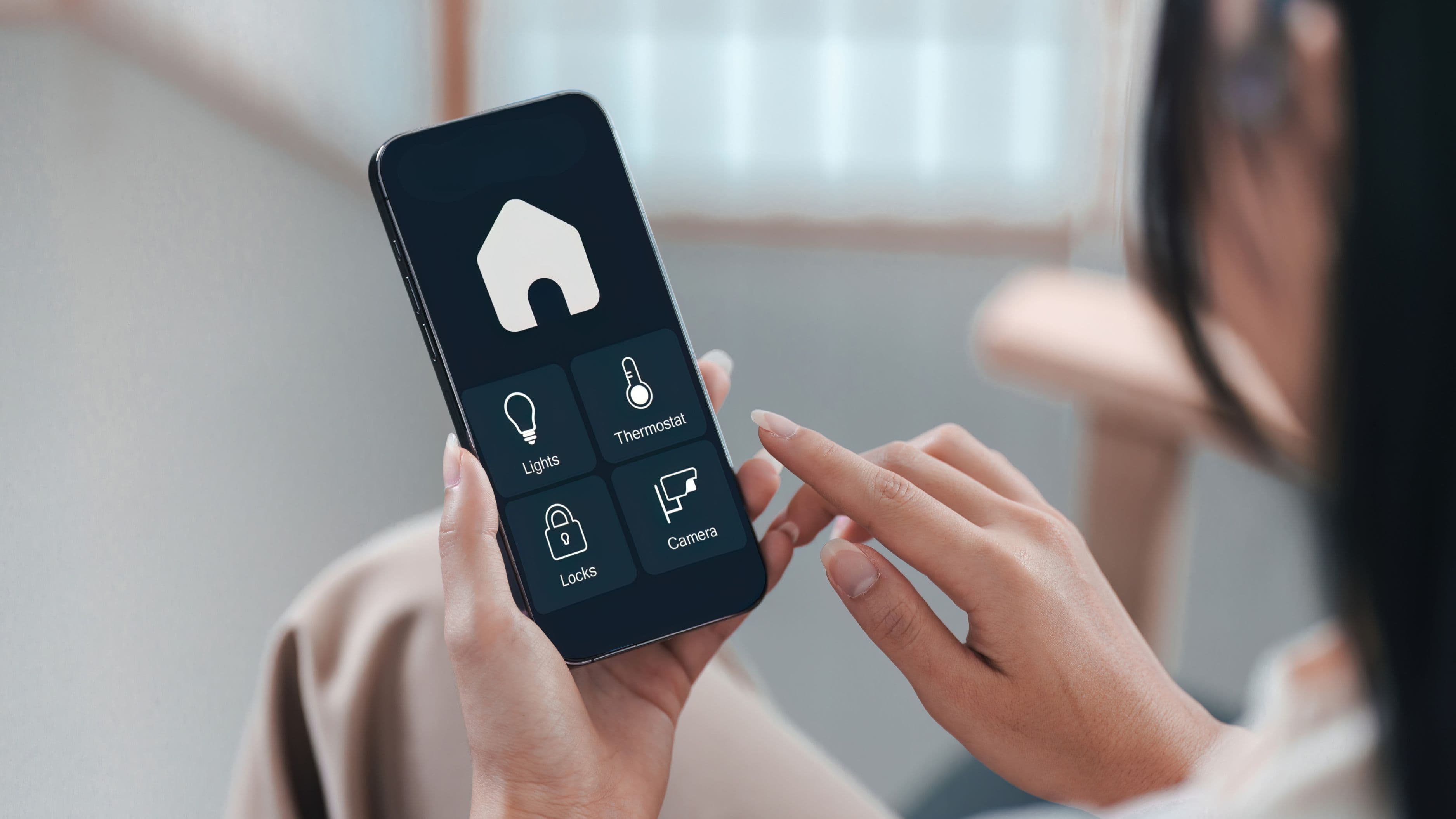
The second priority is how you use artificial light in the hours before bed. Bright overhead lighting and screens emit blue-spectrum light that tells your brain it's still daytime. Switching to warm, dim light in the evening – whether through smart bulbs you can adjust, salt lamps, or simply turning off overhead lights and using low-positioned lamps – gives your nervous system a gradual signal that the day is ending. It's a small shift that costs almost nothing and makes a noticeable difference over time.
Temperature: The One Most People Underestimate
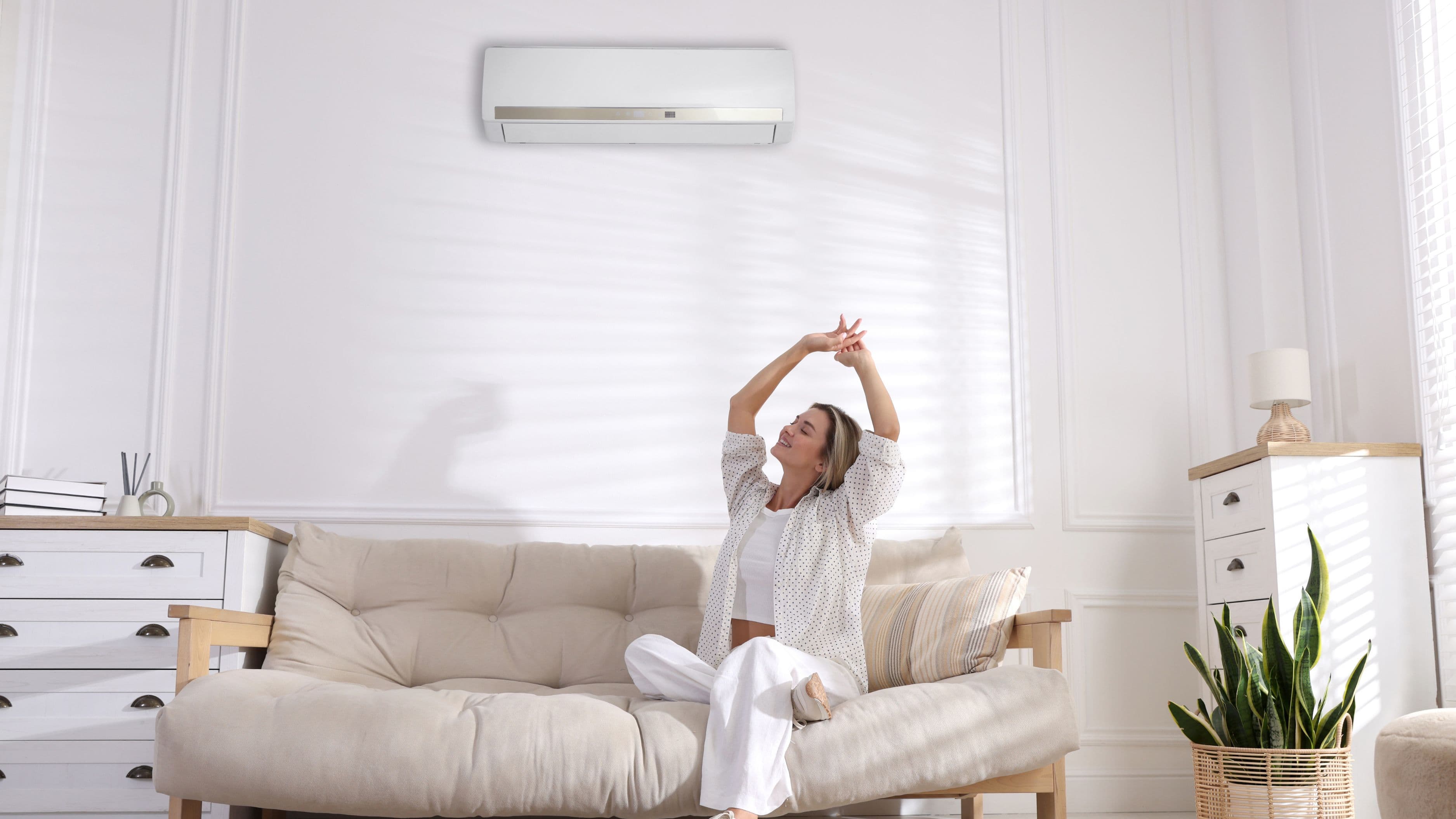
Your body temperature drops naturally as part of the sleep process, and your environment either supports or fights that process. Most sleep researchers point to a bedroom temperature of around 65–68°F (18–20°C) as optimal for most adults – noticeably cooler than what most people keep their rooms at.
If you run warm at night or live somewhere that gets stuffy, a fan creates two benefits at once: it lowers the perceived temperature and adds a layer of white noise that can buffer against disruptive sounds. A cooling mattress topper or breathable bedding made from natural fibers like cotton, linen, or bamboo can also make a significant difference if temperature regulation is a persistent issue for you.
For those who run cold, the solution isn't a warmer room – it's warmer bedding. A heavier duvet and socks worn to bed actually help initiate sleep by drawing warmth to the extremities and encouraging the core temperature drop your body needs. The goal is a cool room and a warm, comfortable bed rather than a uniformly warm environment.
Sound: Managing What You Can't Always Control
Noise is one of the most disruptive sleep factors, and one of the trickiest to solve because so much of it comes from outside your control – traffic, neighbors, partners who sleep differently than you do. The approach here is less about eliminating all sound and more about replacing variable, disruptive noise with consistent background sound your brain can filter out.
White noise machines have solid research backing their effectiveness for both falling asleep and maintaining sleep through noise disturbances. They work by masking sudden sounds – a car alarm, a door closing – rather than eliminating them entirely, which reduces the likelihood of waking. Many people find that pink noise or brown noise (deeper, softer variations on white noise) feel more natural and easier to sleep through than traditional white noise. Free apps and streaming options let you experiment with what works for you before investing in a dedicated device.
If your sleep is regularly disrupted by a partner who moves frequently or wakes at different times, considering separate blankets rather than a shared duvet is a low-conflict, genuinely effective solution. It's widely used in Scandinavian households for this exact reason, and it removes one of the most common sources of nighttime disruption without requiring anyone to sleep separately.
Your Mattress and Pillow: The Foundation Everything Else Rests On
It's easy to optimize everything around a mattress while the mattress itself remains the source of the problem. The average mattress has a useful life of seven to ten years, but many people keep theirs well past that point, often because the decline is gradual enough to miss. If you're waking up with stiffness, if you sleep better in hotels or guest beds, or if you can feel yourself rolling toward the center of the mattress, those are clear signs that the foundation needs to change.
When evaluating a new mattress, sleep position matters most. Side sleepers generally benefit from softer surfaces that relieve pressure on hips and shoulders. Back sleepers tend to need a medium-firm surface that supports spinal alignment without creating pressure points. Stomach sleeping is harder to accommodate well and often contributes to neck and lower back strain regardless of the mattress – if this is your default, it may be worth gradually transitioning to side sleeping with a body pillow for support.
Pillow loft and firmness are equally important and often overlooked. A pillow that's too flat or too thick pushes your neck out of alignment with your spine, creating tension that fragments sleep even when you're not consciously aware of discomfort. Side sleepers need a higher-loft pillow to fill the gap between shoulder and ear. Back sleepers need a medium-loft pillow that supports the natural neck curve. Replacing pillows every one to two years is a simple, low-cost habit that most people neglect far longer than they should.
The Scent Environment: Small, Surprisingly Effective
Scent is often the last thing people think about when optimizing their sleep environment, and it tends to be one of the most pleasant additions to the routine. Lavender has the most robust research supporting its role in sleep quality – multiple studies have shown that lavender aromatherapy reduces anxiety, lowers heart rate, and shortens time to sleep onset. A simple diffuser with lavender essential oil running for 30 minutes before bed is a gentle, non-habit-forming addition to a wind-down routine.
Cedarwood, vetiver, and sandalwood are worth exploring if lavender doesn't appeal to you – all have calming, grounding scent profiles that pair well with a sleep environment. The goal isn't a strongly scented room; a subtle background note is enough. Overpowering fragrance can become its own irritant, particularly for people with sensitivities. Start with a few drops and adjust from there.
The Phone: The Most Honest Conversation in Sleep Optimization
Most people already know that phones in the bedroom disrupt sleep. Most people keep them there anyway. It's worth naming directly: the habit of keeping your phone on your nightstand – where its notifications, light, and psychological pull are all present even when you're trying to sleep – is one of the most consistently damaging things you can do to your sleep quality.
The easiest solution isn't willpower – it's removing the choice from the equation. Charging your phone in another room or in a drawer across the room (out of arm's reach) eliminates the midnight scroll reflex that most people don't even fully register they're doing. A simple alarm clock, which costs less than $15, removes the last remaining reason most people feel they need the phone bedside. If you use your phone for white noise, a dedicated app on an old device or a standalone white noise machine does the same thing without the pull of notifications.
This one change – phone out of reach at night – is cited consistently in sleep research as one of the most impactful behavioral adjustments for both sleep onset and total sleep duration.
What to Avoid When Optimizing Your Sleep Environment
Trying to change everything at once is the most common mistake. Introducing a new pillow, a white noise machine, blackout curtains, and a new evening light routine simultaneously makes it nearly impossible to know what's actually helping. Make one change at a time, give it a week, and notice how you feel before adding the next layer.
Avoid over-engineering your sleep environment to the point where sleep becomes a project rather than a natural process. Some people develop anxiety around sleep optimization itself – checking sleep scores obsessively, lying awake worrying about whether the room is the right temperature, feeling like they've failed if they don't hit a certain number of hours. The goal of all of this is to make your environment more naturally conducive to rest, not to create a new performance metric.
Finally, don't overlook the simple things in favor of expensive solutions. A $15 blackout liner behind your existing curtains often outperforms a $200 smart sleep device. Fresh air, a cooler room, and a phone charging across the room are free. The most impactful sleep environment changes are almost always the simplest ones.
FAQ
How quickly should I notice a difference after making sleep environment changes? Some changes – particularly blackout curtains and temperature adjustment – are often felt within the first few nights. Others, like adjusting your light exposure routine, can take one to two weeks to show a full effect as your circadian rhythm recalibrates.
Is a white noise machine better than a fan for sleep? Both work well. A fan offers the added benefit of temperature regulation. White noise machines give you more control over volume and sound type. If you already have a fan, start there before buying anything new.
Does the color of a bedroom wall actually affect sleep? There's some evidence that cooler, softer colors – muted blues, greens, and warm neutrals – support a calmer mental state in the bedroom, while highly saturated or stimulating colors can have the opposite effect. It's a smaller factor than light, temperature, and sound, but worth considering if you're doing a refresh.
What's the best investment for someone with a limited budget? Blackout curtains or a blackout liner for existing curtains, and moving your phone charger out of the bedroom. Both cost under $20 combined and consistently rank among the highest-impact changes for sleep quality.
Can optimizing the bedroom help with waking up during the night? Yes – particularly sound management (white noise), temperature control, and blackout curtains. Mid-night waking is often triggered by environmental disruptions that people attribute to stress or aging when the actual cause is something addressable in the room.
Sleep isn't something you have to fight for every night. When your environment is set up to support it, rest tends to come more naturally and feel more complete when it does. Start with one change this week – the one that feels most immediately relevant to your situation – and build from there. The goal isn't a perfect sleep environment. It's a bedroom that's genuinely on your side.
📚 Sources
National Sleep Foundation – Bedroom Environment and Sleep Quality: https://www.sleepfoundation.org/bedroom-environment
Harvard Health – Blue Light and Sleep: https://www.health.harvard.edu/staying-healthy/blue-light-has-a-dark-side
Sleep Foundation – Best Temperature for Sleep: https://www.sleepfoundation.org/bedroom-environment/best-temperature-for-sleep
NIH – White Noise and Sleep Improvement Study: https://www.ncbi.nlm.nih.gov/pmc/articles/PMC6179800/
Sleep Foundation – How Long Does a Mattress Last: https://www.sleepfoundation.org/mattress-information/when-to-replace-your-mattress
NIH – Lavender and Sleep Quality Research: https://www.ncbi.nlm.nih.gov/pmc/articles/PMC3612440/
American Academy of Sleep Medicine – Technology in the Bedroom: https://aasm.org/technology-in-the-bedroom/
Cleveland Clinic – Sleep Hygiene Tips: https://health.clevelandclinic.org/sleep-hygiene-tips