Creating a home that supports mental clarity isn't about minimalism for its own sake, or spending money on the perfect setup. It's about making deliberate choices with the spaces you already have. Small, consistent changes to how your home looks, feels, and functions can meaningfully shift your capacity for focus, calm, and clear thinking over time.
Start With What's Stealing Your Attention
Before you add anything to your home, it's worth spending a few minutes noticing what's quietly draining your attention already. Walk through each room you use regularly and pay attention to what your eyes keep landing on. Clutter that represents unfinished tasks – piles of mail, items out of place, projects half-started – creates what psychologists call "open loops": your brain registers them as incomplete and continues devoting background processing to them, even when you're trying to focus on something else.
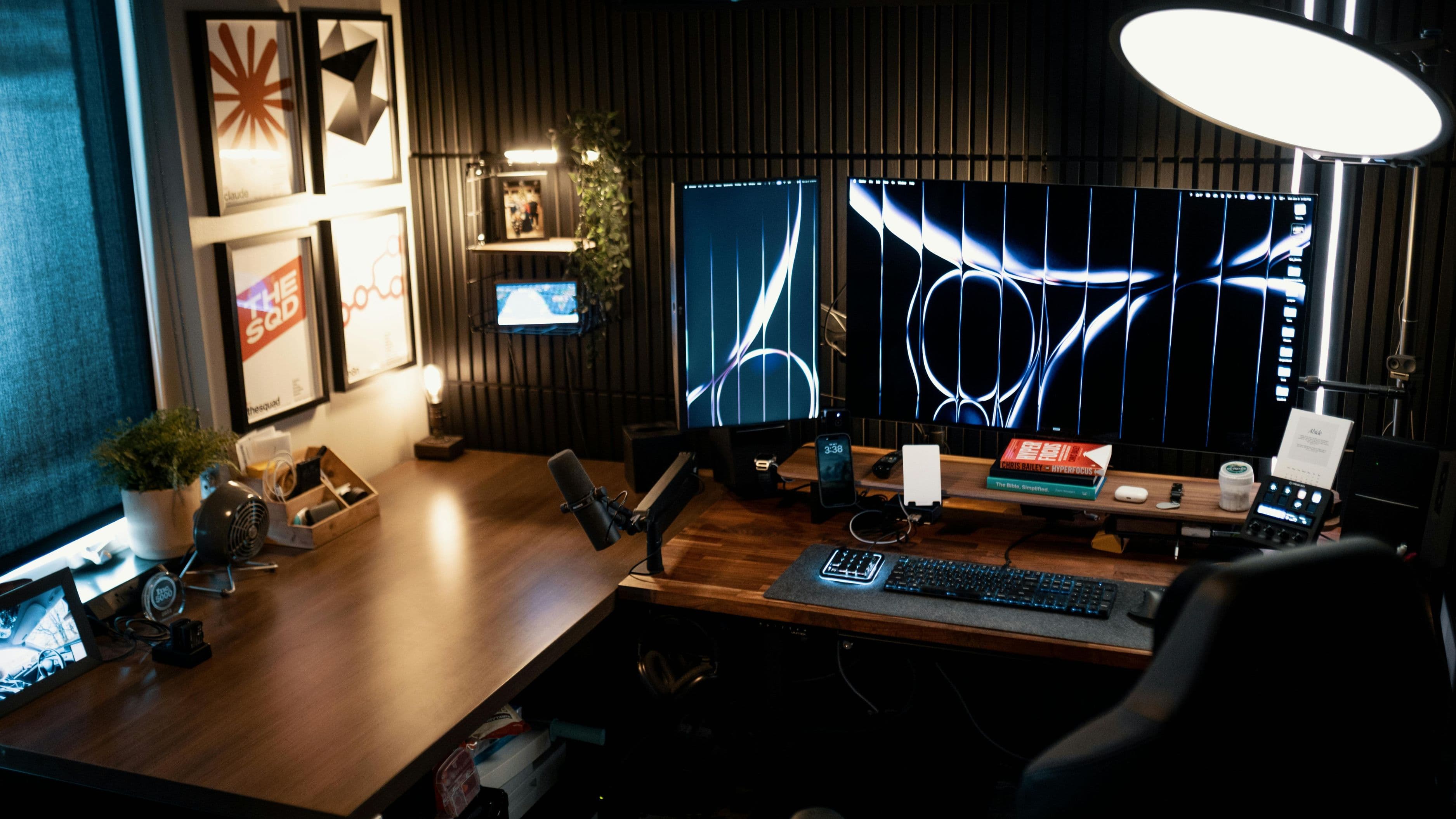
You don't need to overhaul everything at once. Start with your primary work or focus space. Clear the surfaces of anything that doesn't serve the purpose of that space. Put things away, even temporarily, just to see how the space feels without the visual noise. You might find that one of the biggest barriers to focus in your home isn't the room itself – it's the accumulated small decisions you've been deferring and unconsciously carrying around with you.
Light as a Foundation for Clarity
Light is one of the most powerful and most overlooked levers for mental state. Natural light in particular has a direct effect on alertness, mood, and your circadian rhythm – the internal clock that regulates when you feel energised versus winding down. Working in a space with good natural light during the day isn't just more pleasant; it genuinely supports sustained focus and keeps your energy more stable throughout the day.
If your focus space doesn't have strong natural light, the quality of your artificial lighting matters more than you might think. Cooler, blue-toned light (around 5000–6500K colour temperature) supports alertness and is well-suited to work and focus. Warmer light (2700–3000K) is better for evenings, signalling to your body that it's time to transition toward rest. A simple and surprisingly effective change is using different lighting in the morning versus the evening – bright and cool while you're working, warm and lower as the day ends.
Glare and harsh overhead lighting can also be quietly fatiguing. If your main light source is a single harsh overhead fixture, adding a softer desk lamp or floor lamp to work with it (rather than relying on it alone) can reduce the visual stress of long focused sessions.
Sound: What You Hear Shapes How You Think
Most people don't think of sound as a design element in their home, but it might be the factor with the most immediate impact on focus. Intermittent, unpredictable noise – a conversation happening nearby, a TV on in another room, traffic that surges and fades – is significantly more disruptive to concentration than consistent background noise. Your brain can't fully filter out sounds that vary, because variation is a signal it's trained to monitor for.
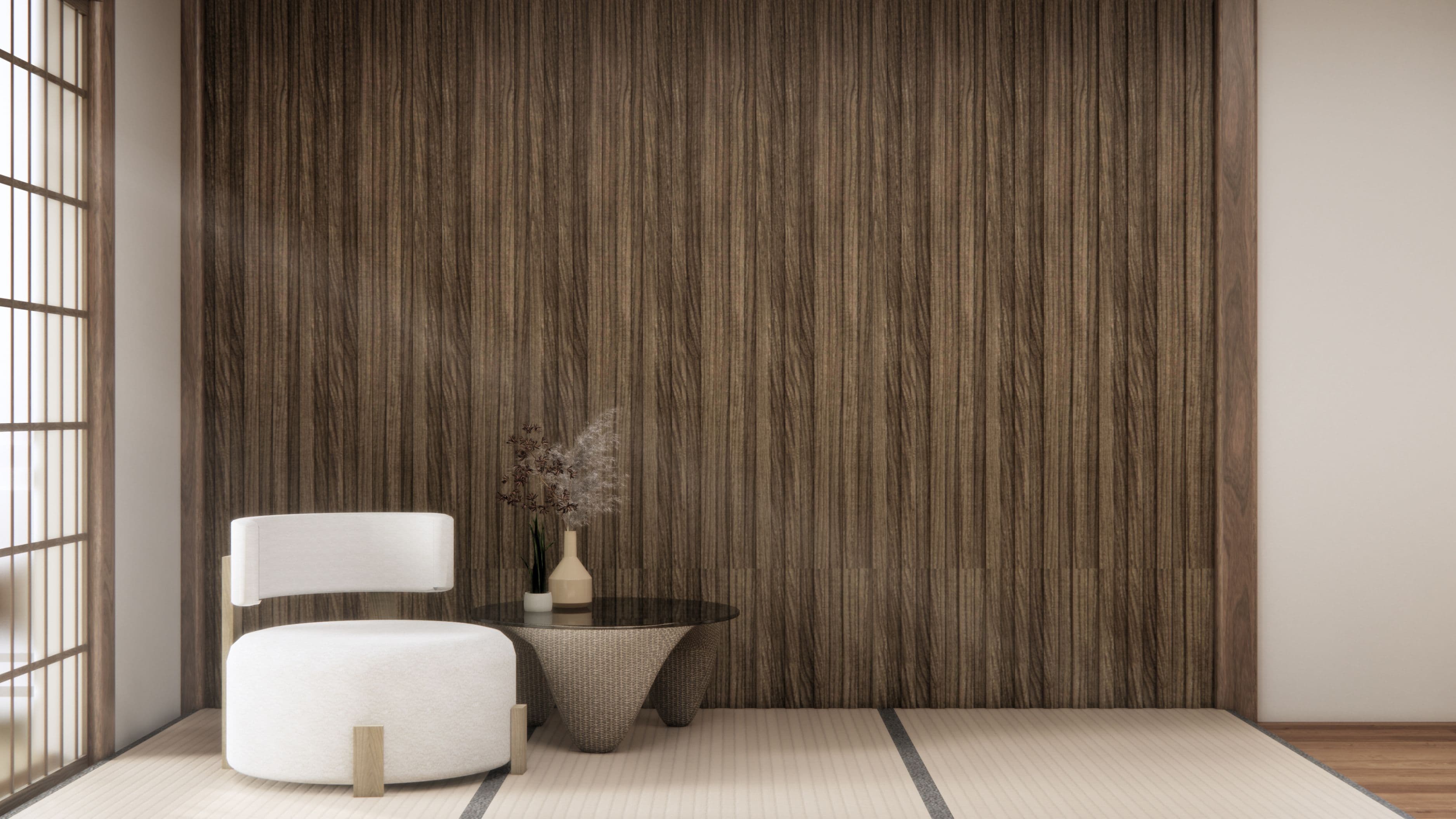
If you live with other people or in a noisy environment, some degree of sound management makes a real difference. Simple acoustic additions like rugs, curtains, cushions, and bookshelves all absorb sound and reduce the echo and transmission in a room. Closing a door, even to a quiet space, creates a physical and psychological boundary that signals to both you and others that focus is happening. For many people, low-level consistent background sound – soft instrumental music, ambient noise, or the kind of gentle environmental sound you can find on any streaming service – works better than complete silence, which can feel stark and leave you more aware of any intrusions.
Dedicate Spaces to Specific Kinds of Thinking
One of the most impactful things you can do for mental clarity is use your home with more intention – and specifically, to stop doing everything everywhere. When you work from your bedroom, sleep in your office, eat at your desk, and scroll on your sofa, every space becomes associated with every mental state, and none of them become reliably associated with any one thing. Your brain doesn't know what mode to be in.
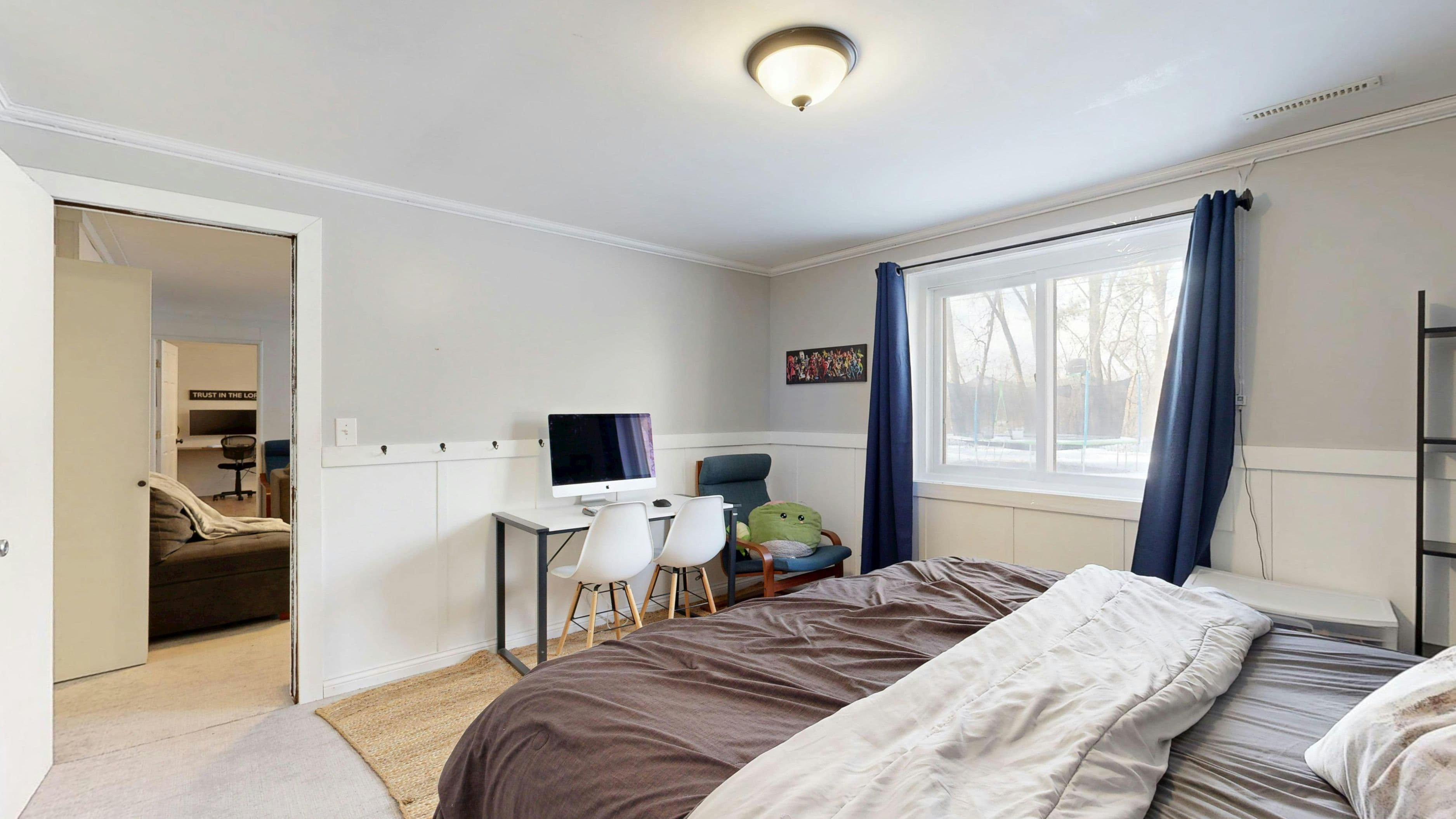
You don't need a large home to create this kind of spatial intentionality. Even in a small space, you can create micro-zones with distinct purposes: a specific chair or corner of the room where you only work, a reading spot where devices don't go, a comfortable place that is genuinely only for rest. The more consistently you use spaces for their designated purpose, the more your nervous system learns to shift into the relevant state when you enter them. It's a form of environmental habit-setting, and it works.
The flip side is equally important: have spaces where focus is explicitly off. A room or a corner of a room where you don't check your phone, don't think about tasks, and don't carry work mentally is not wasted space – it's where your mind actually recovers. Mental clarity isn't just about better concentration; it's also about genuinely stepping away so you have something to bring back.
Reduce Digital Noise at the Environmental Level
Phone notifications are the most persistent attention fragmentation tool most people willingly bring into their home. A notification doesn't just interrupt the moment it arrives – the anticipation of notifications interrupts focus even when nothing is actively coming in. Research on the topic consistently shows that the mere presence of a phone on a desk, even face-down and silent, reduces available cognitive capacity in tasks that require sustained attention.
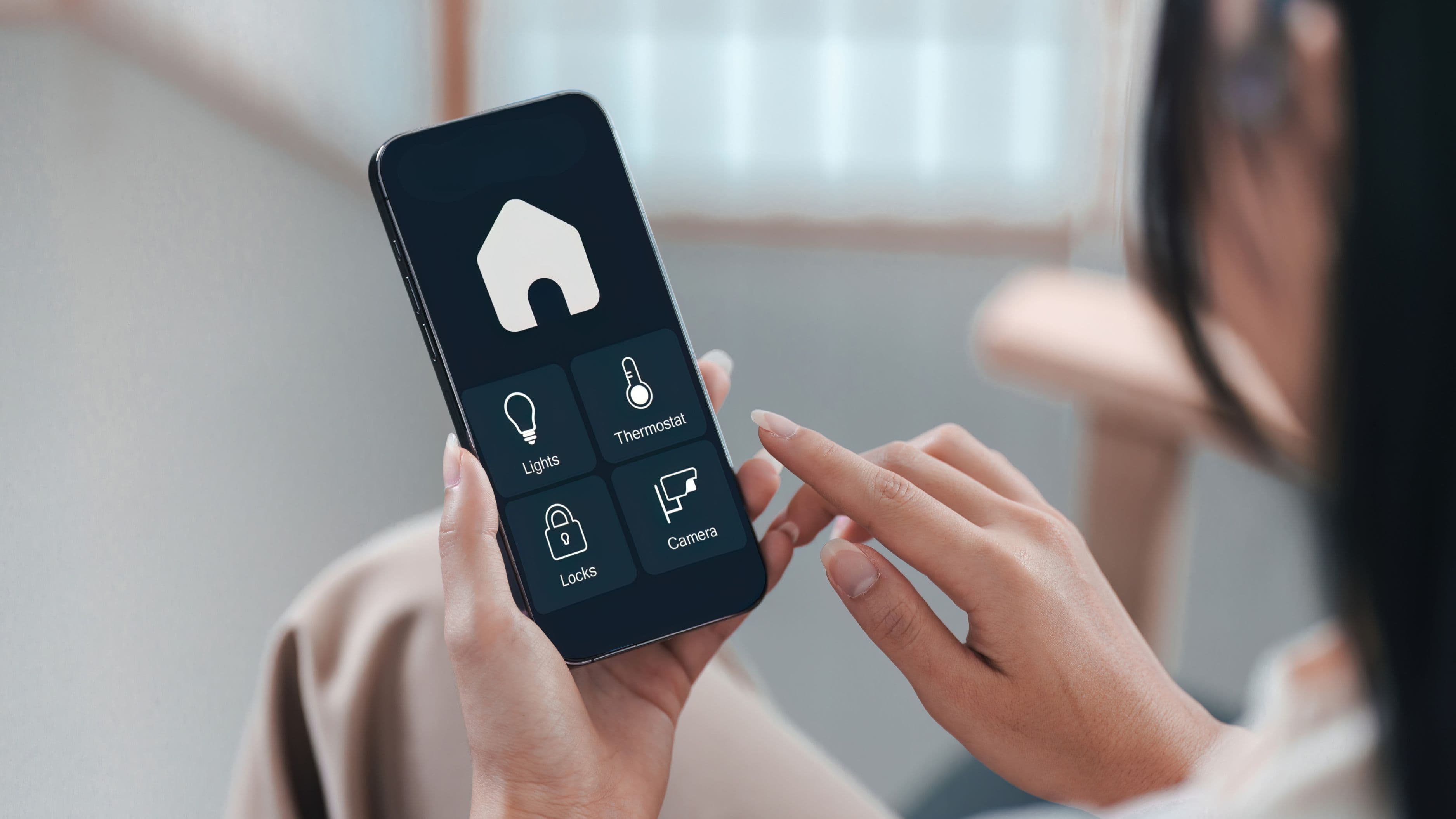
Making small environmental changes to how you relate to devices in your home can be genuinely powerful. Charging your phone outside the bedroom overnight, keeping it in a drawer (not on your desk) during focus sessions, or establishing specific areas of the home as screen-free zones are all changes that seem minor but compound significantly over time. These aren't about discipline or willpower – they're about removing the friction trigger so the default becomes the better choice.
If you work from home and find the boundary between work and rest blurry, a physical ritual that marks the end of the workday can help your home feel more spacious mentally. Closing the laptop and putting it away, changing clothes, or taking a short walk outside are all ways of giving your nervous system a clear signal that the context has shifted – something that used to happen automatically when you left an office.
Air, Temperature, and the Quiet Factors
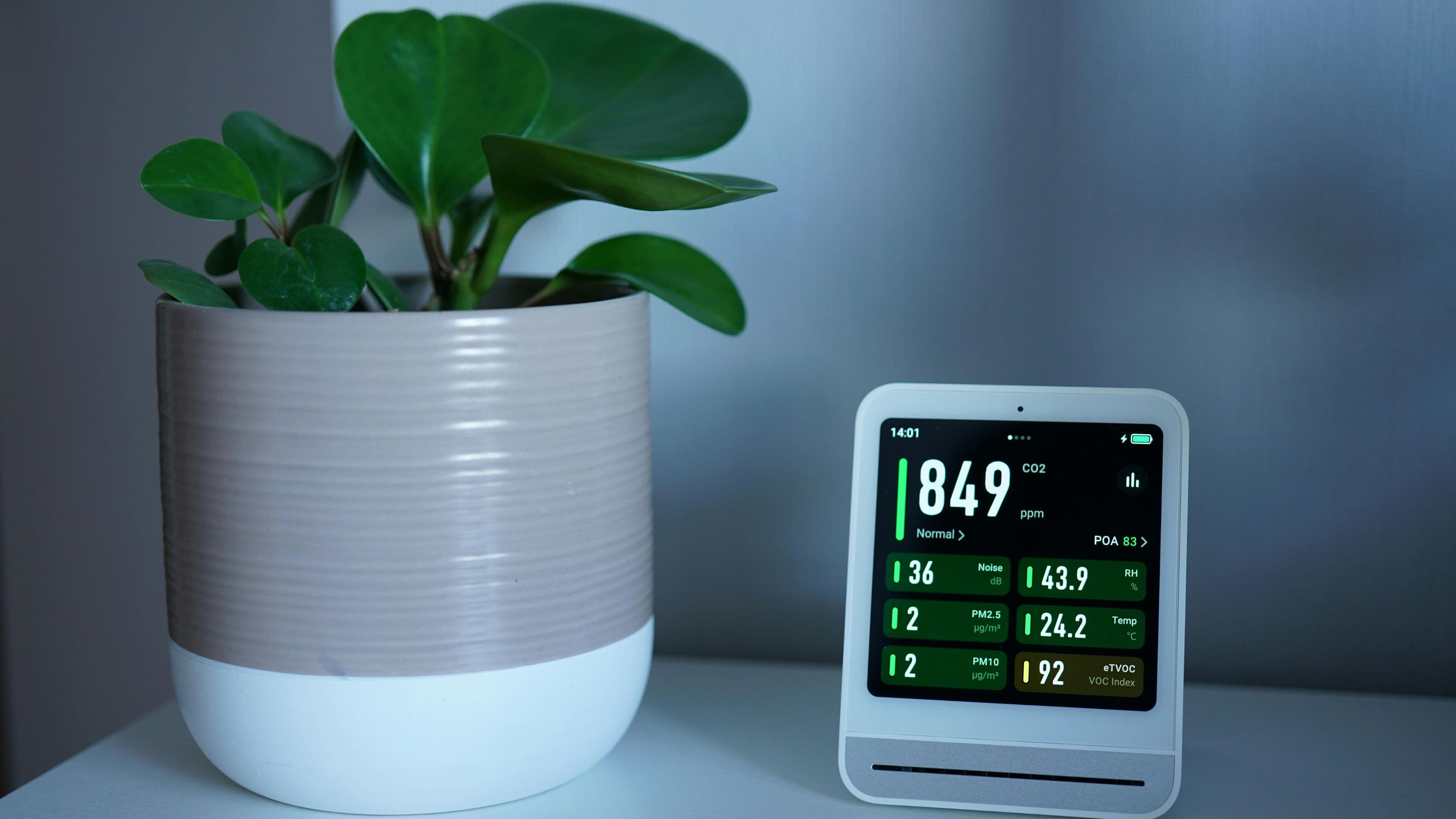
Two environmental variables that are easy to overlook – air quality and temperature – both have real effects on cognitive performance. Elevated carbon dioxide levels in poorly ventilated indoor spaces have been shown in research to impair decision-making, concentration, and cognitive function even at levels well within typical indoor ranges. Opening a window regularly, particularly in spaces where you spend focused time, is one of the simplest and most evidence-backed things you can do for the quality of your thinking.
Temperature matters too. Cooler environments (around 68–72°F / 20–22°C) tend to support focus and alertness better than warmer ones, which can encourage drowsiness. If your workspace tends to run warm, particularly in summer, this is a variable worth paying attention to. It's not dramatic, but over a long workday, thermal comfort significantly affects how much effort focus requires.
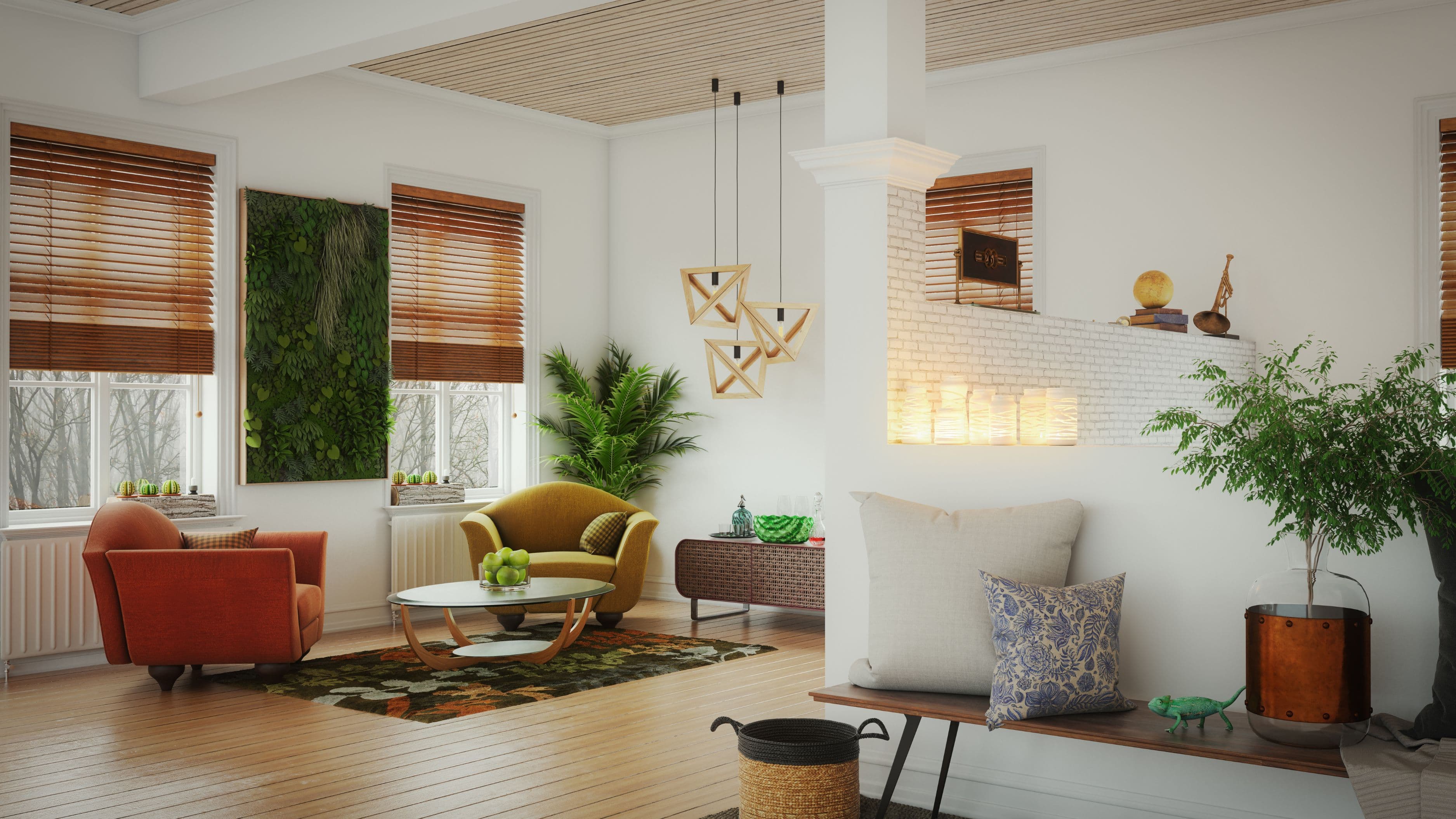
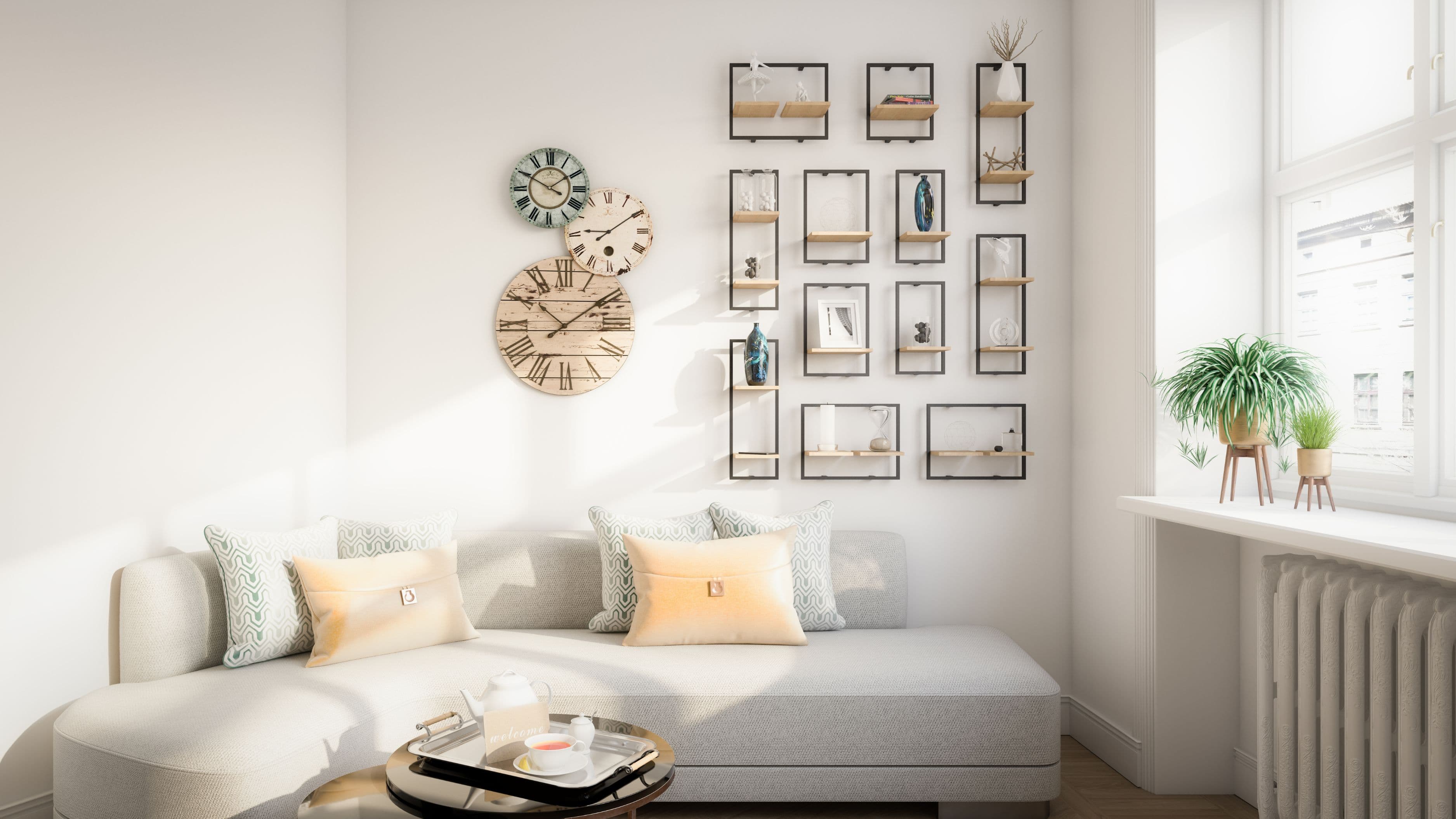
Adding a few plants to your spaces contributes to both air quality and the subjective sense of calm that natural elements tend to create. The evidence on plants meaningfully improving air quality in typical rooms is more modest than often claimed, but the psychological effect of having living things in your space is real and well-documented.
Tips for Staying With the Changes
Making changes to your environment is the easy part. The more common challenge is maintaining them – keeping the focus space clear after a busy week, actually charging your phone outside the bedroom rather than slipping back to old habits, remembering to open a window. A few approaches make consistency more achievable.
Start with one change at a time, not ten. Choose the single shift that feels most relevant to your current experience – whether that's lighting, clutter, sound, or device boundaries – and give it two to three weeks before adding anything else. Habits embedded in a changed environment take time to become the new default, and piling on too many changes at once means none of them get enough traction to stick.
Make the new default easier than the old one. If you want to charge your phone outside the bedroom, put a charging cable in the spot where you want it to live before you try to change the habit. If you want to keep your workspace clear, create a designated home for everything that tends to pile up there – even a tray that collects the clutter is better than surfaces that just accumulate.
Finally, notice what shifts when you do make changes. Mental clarity is subtle – it doesn't announce itself. But over a few weeks in a calmer environment with fewer interruptions, you might notice that the workday feels less depleting, that evenings feel more genuinely restful, or that your thoughts have a little more room to move. That's the point. Not a transformed life – just a space that asks a little less of you, so you can bring a little more to the things that matter.
What to Avoid
Trying to overhaul your entire home at once is the most common way this kind of project stalls. It becomes a project itself, which creates pressure, which creates the opposite of calm. Small, sequential changes embedded in your existing routine are more durable than a weekend reorganisation that doesn't hold.
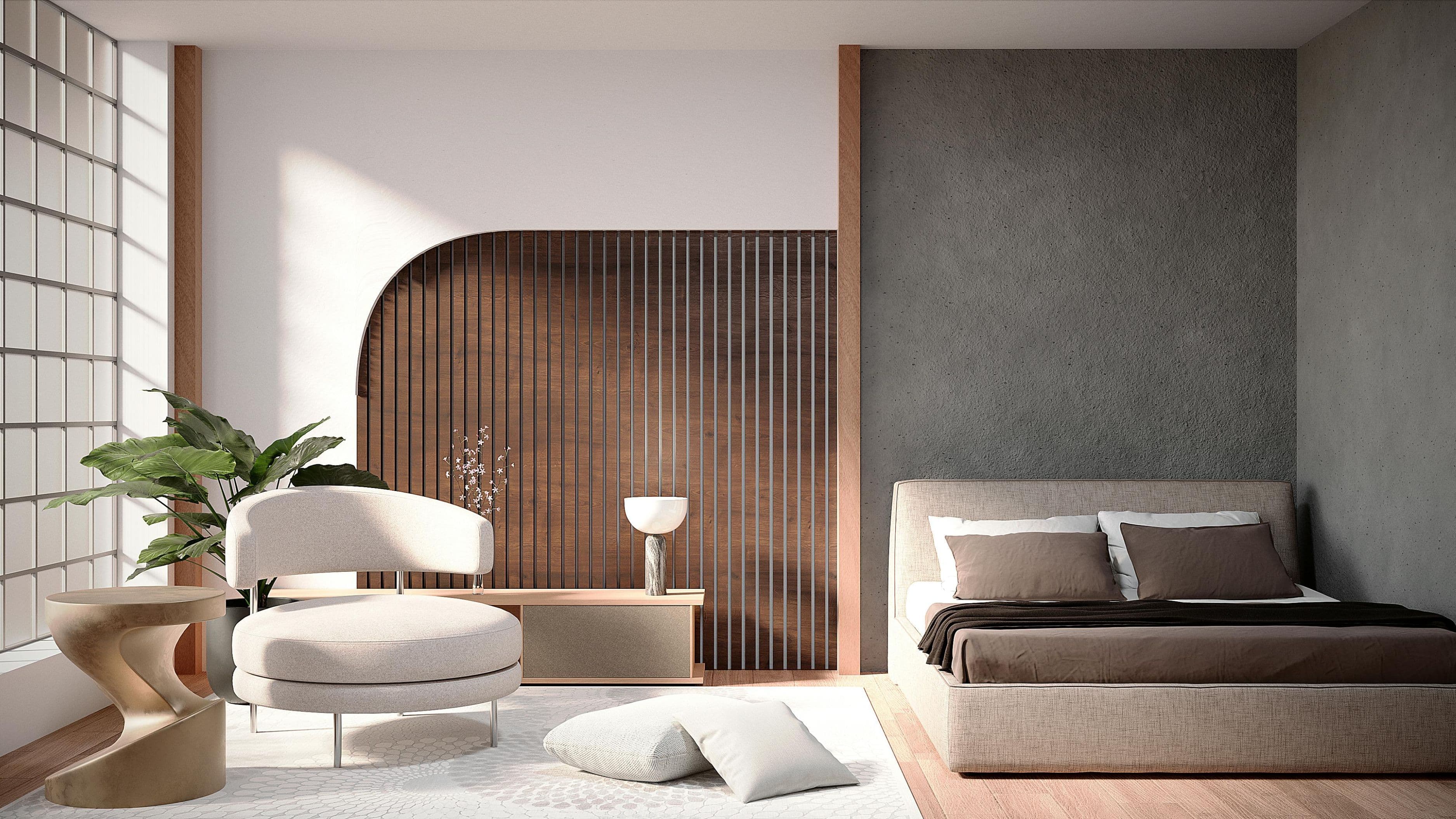
Focusing on aesthetics over function is the other common pitfall. A beautiful but impractical space – all white surfaces that show everything, no storage for the things that actually live in a room, harsh lighting that "looks modern" – doesn't support mental clarity no matter how good it looks in photos. Prioritise how the space feels to spend time in, not how it photographs.
And be patient with yourself when things slip back. A desk that gets cluttered again isn't a failure – it's just a desk that needs clearing again. The intention behind how you relate to your space is something you return to, not a standard you either maintain perfectly or abandon.
Frequently Asked Questions
How much does creating a calmer home environment actually affect focus? More than most people expect. Environmental psychology research consistently shows that physical surroundings influence cognitive performance, stress levels, and mood in meaningful ways. You don't need dramatic changes – reducing visual clutter, improving lighting, and managing sound interruptions have all been shown to affect cognitive performance in measurable ways.
What if I live with other people and can't control the whole environment? Focus on what you can control. Your own desk or workspace, the lighting in your immediate area, the use of headphones or ambient sound to manage what you hear, and the physical presence of your phone are all within your control regardless of what's happening in the rest of the home. Conversations with housemates or family about shared expectations around focus time are also worth having.
Is it worth investing in equipment like noise-cancelling headphones or a daylight lamp? Both can be genuinely useful. Noise-cancelling headphones are one of the most reliable investments for anyone trying to focus in a shared or noisy environment. A daylight or full-spectrum lamp is worth considering if your workspace lacks natural light or if you notice your energy and mood dipping in winter. Neither is essential, but both address real variables that affect how your environment functions.
How do I keep my workspace clear when I'm busy? A daily two-minute reset at the end of the workday – clearing the surface, closing any open tabs, putting things back in their place – prevents the gradual accumulation that makes clearing feel like a major task. It's easier to maintain a tidy space with small daily effort than to restore it after a week of buildup.
Your Home Is a Relationship
How your home feels isn't fixed. It responds to the attention you bring to it – the choices you make about what to keep visible, how light moves through your rooms, what the default setting for your evenings is. Creating a space that supports mental clarity isn't a destination you arrive at; it's an ongoing conversation between you and the place you live.
Start with one small change this week. See how it feels. Let that be enough.
📚 Sources
Kaplan R & Kaplan S – The Experience of Nature: A Psychological Perspective (Cambridge University Press, 1989): https://www.cambridge.org/9780521349918
Allen JG et al. – Associations of cognitive function scores with carbon dioxide, ventilation, and volatile organic compound exposures in office workers (Environ Health Perspect, 2016): https://ehp.niehs.nih.gov/doi/10.1289/ehp.1510037
Steidle A & Werth L – Freedom from constraints: Darkness and dim illumination promote creativity (JPSP, 2013): https://psycnet.apa.org/doiLanding?doi=10.1037/a0031399
Ward AF et al. – Brain drain: The mere presence of one's own smartphone reduces available cognitive capacity (JACR, 2017): https://www.journals.uchicago.edu/doi/10.1086/691462
Küller R et al. – The impact of light and colour on psychological mood: A cross-cultural study of indoor work environments (Ergonomics, 2006): https://pubmed.ncbi.nlm.nih.gov/16484153
Harvard T.H. Chan School of Public Health – The Nine Foundations of a Healthy Building: https://forhealth.org/harvard-healthy-buildings-program/9-foundations