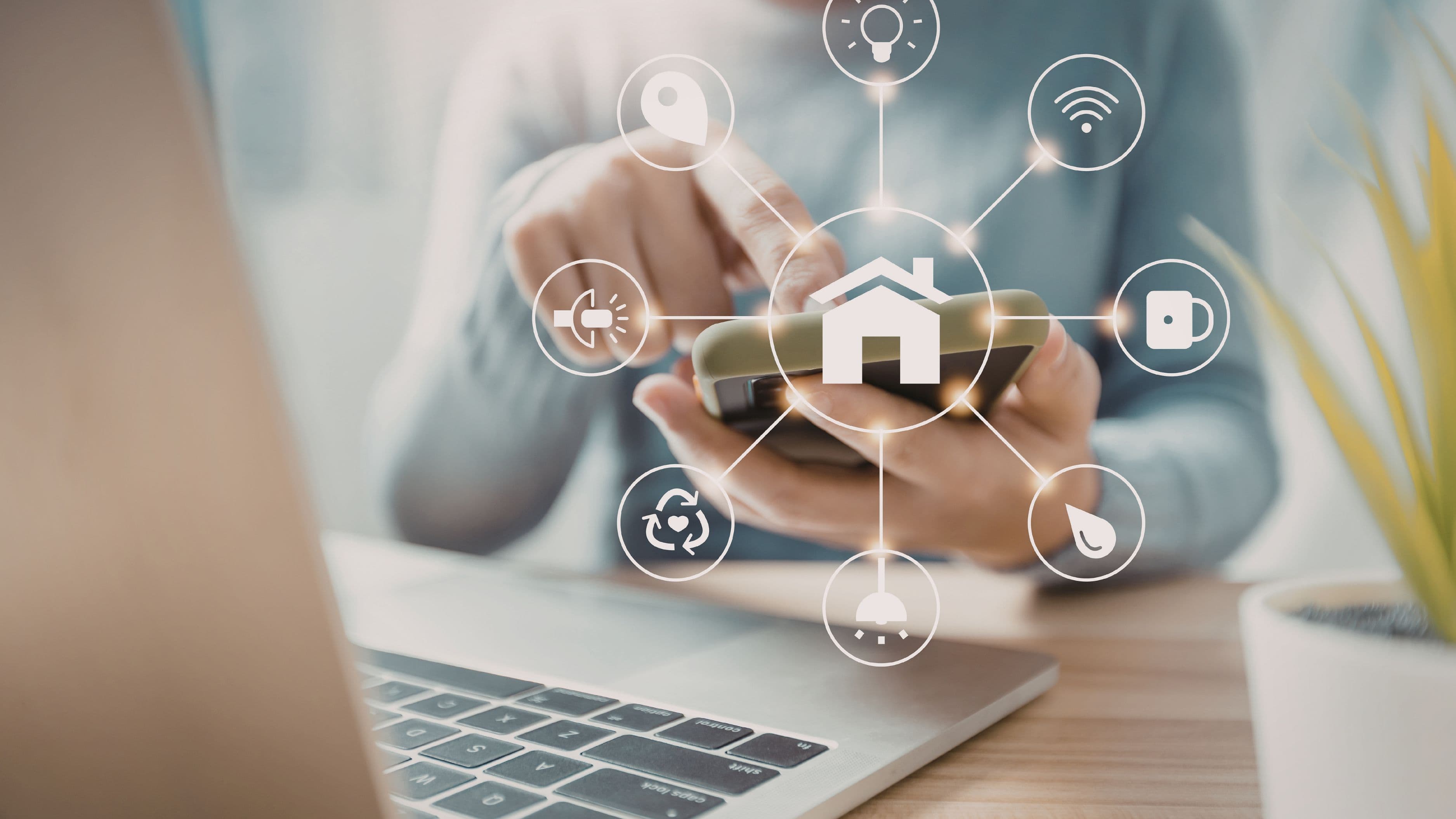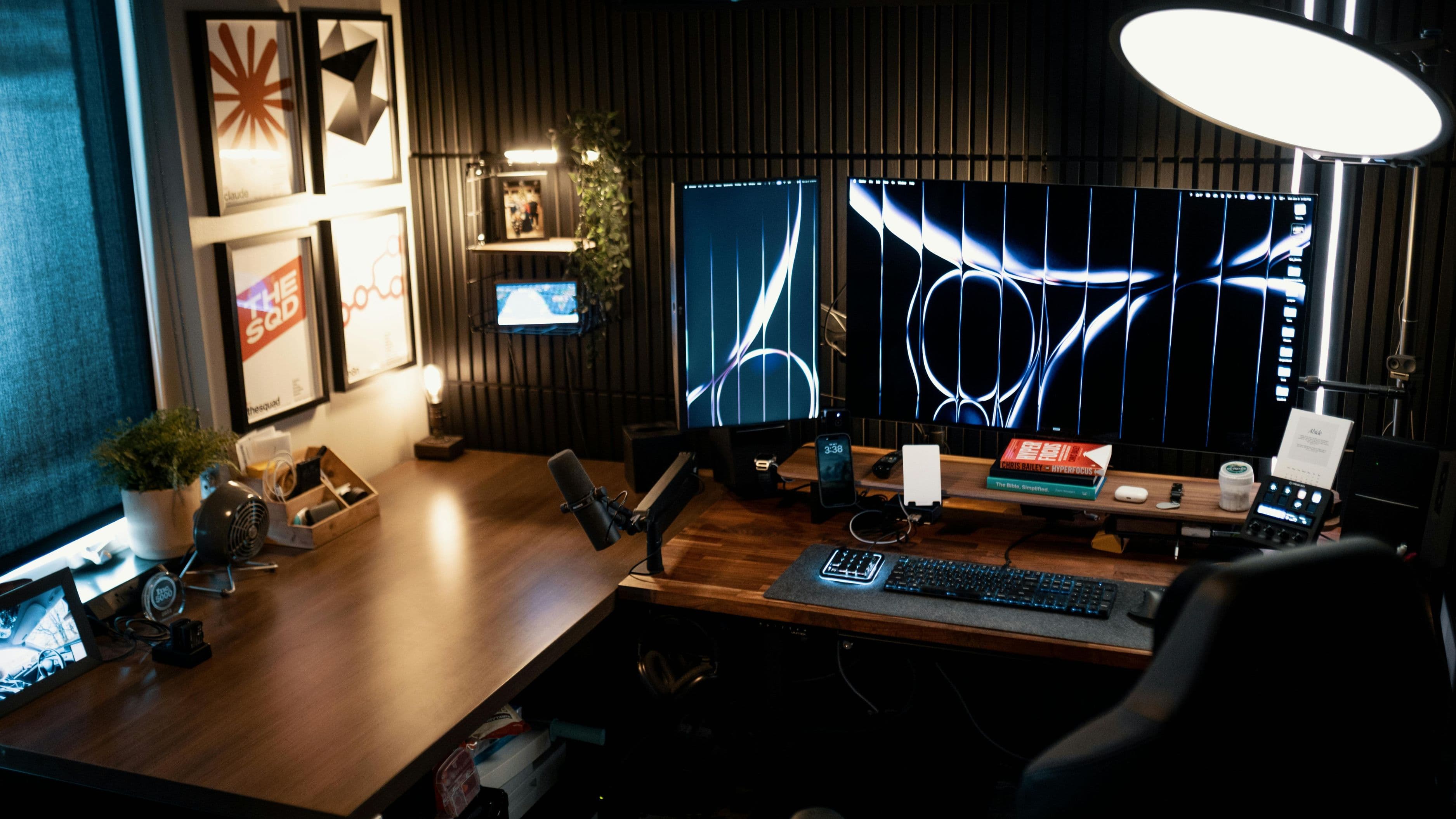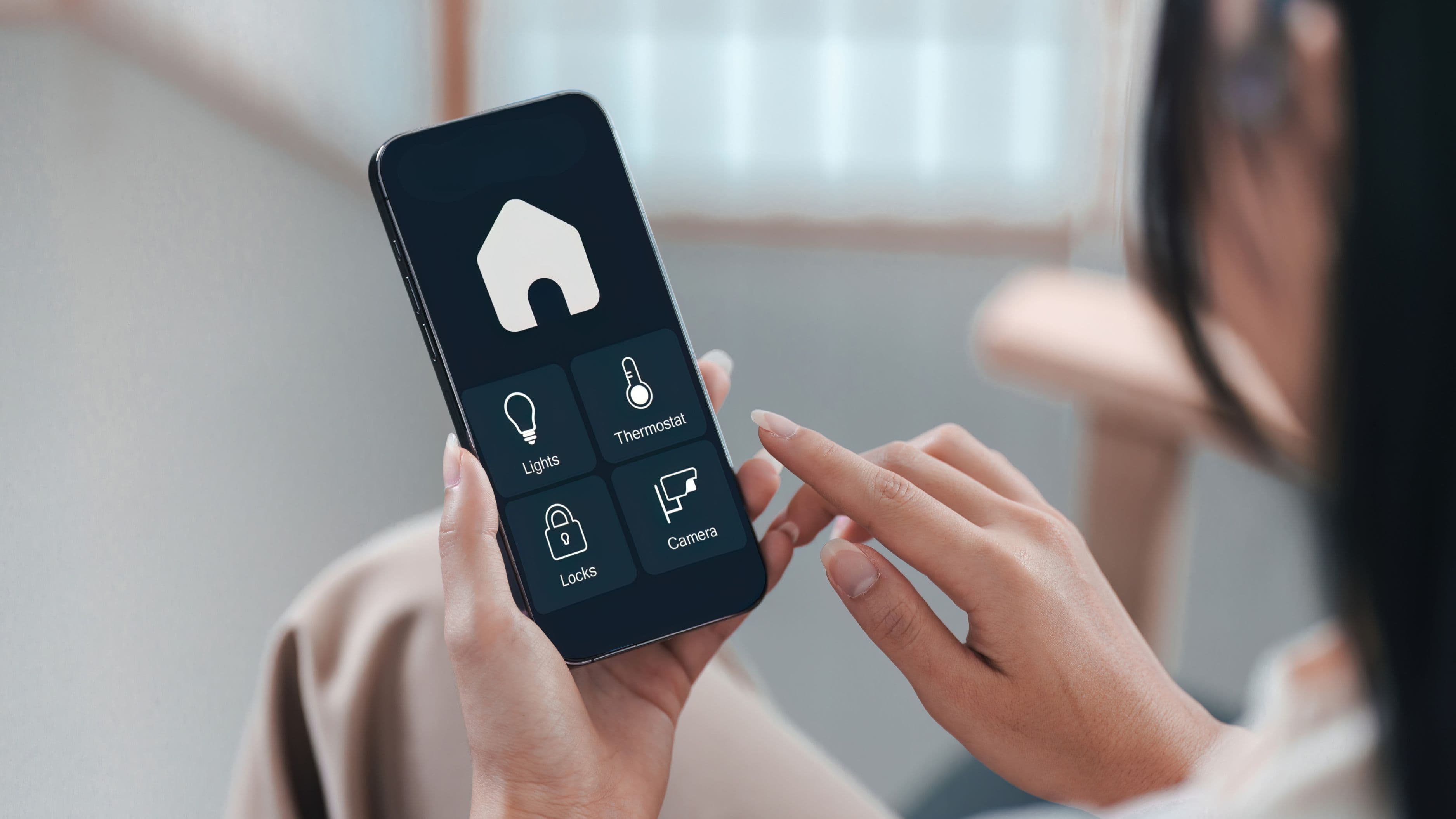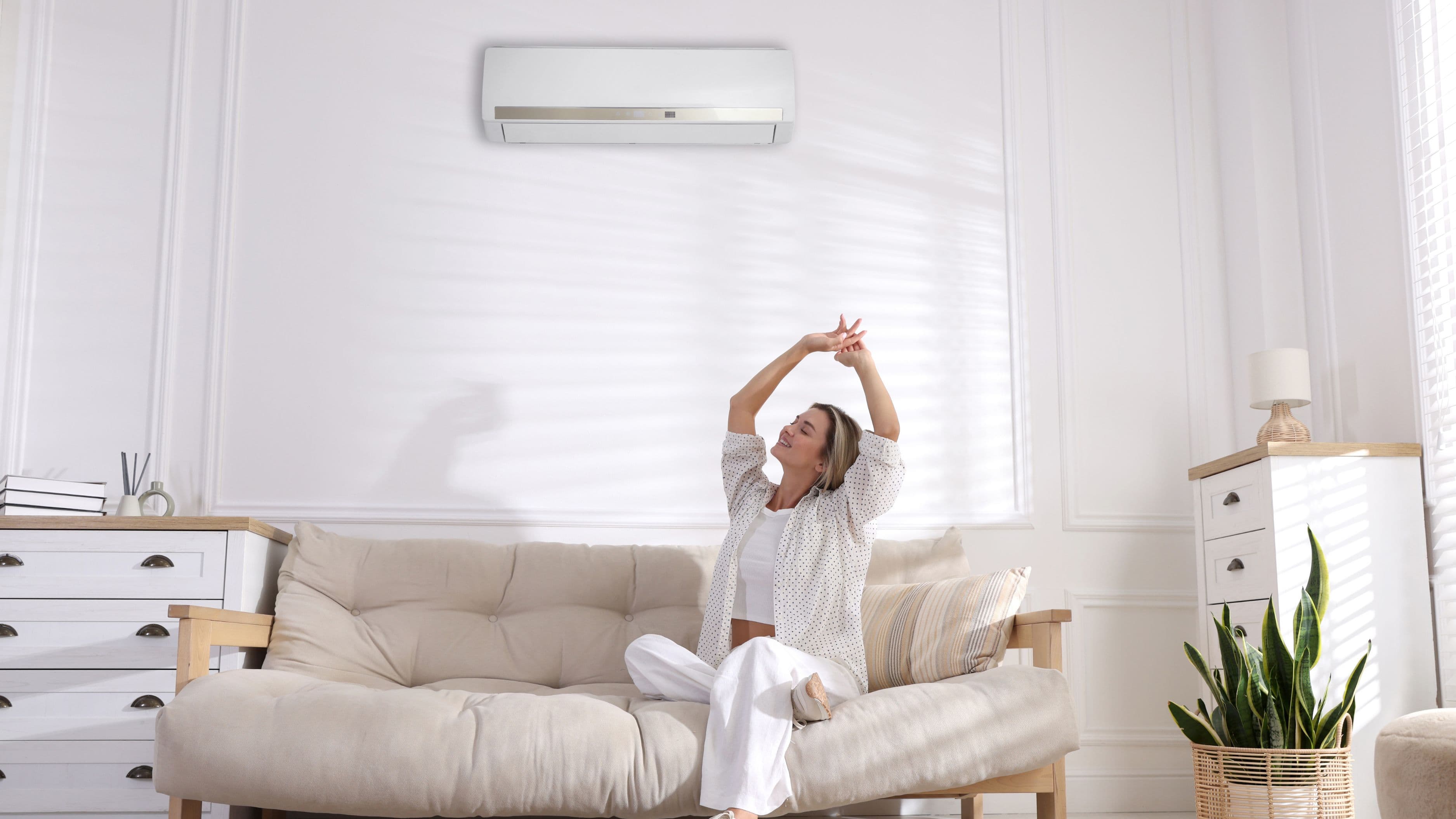
Home automation often gets framed as a tech enthusiast's hobby, full of complex setups and expensive gadgets. But at its heart, automating your home for comfort is simply about reducing the small daily frictions that quietly drain your energy. When your environment responds to your needs without requiring constant attention from you, it creates more space – space to rest, to be present, and to feel genuinely at ease in your own home.
You don't need a fully "smart" house to experience this. Even a few thoughtful automations, chosen with your actual daily life in mind, can meaningfully shift how your home feels to live in.
1 – Automate Your Lighting to Match the Time of Day
Of all the things that shape how a space feels, light has the most immediate and consistent influence. Harsh overhead lighting in the evening keeps your nervous system alert when it's trying to wind down. Dim, warm light in the morning can make it harder to wake up than necessary. Getting your lighting to shift naturally with the time of day is one of the simplest ways to make your home feel more supportive of how you actually want to feel throughout it.
Smart bulbs and smart switches from brands like Philips Hue, LIFX, or even affordable options through platforms like Govee let you set lighting schedules that adjust automatically – bright and cool-toned in the morning to support alertness, softening to warmer tones through the afternoon, and settling into gentle amber tones by evening. This mirrors your body's natural circadian rhythm and makes the transition into rest feel far less effortful. Many systems also let you trigger these changes based on sunrise and sunset times rather than fixed clock schedules, which means the adjustment stays accurate throughout the seasons.
Starting small here is completely fine. A single smart bulb in a bedside lamp set to gradually brighten before your alarm is a genuinely useful automation – and it costs about the same as a few takeout coffees.
2 – Set Up a Smart Thermostat
Temperature is one of those background factors that you only really notice when it's wrong. Too warm and you feel sluggish. Too cold and there's a low-level tension that makes it harder to relax fully. A smart thermostat handles the adjustments for you, learning your preferences over time and keeping your home within the range that feels right – without requiring you to think about it.
The Nest Thermostat and Ecobee are two of the most established options, and both offer scheduling features that let you set different temperatures for different parts of your day. You can have your home warm and welcoming when you arrive after work, cooler while you sleep for better rest, and already comfortable by the time you wake up – all without ever touching a dial. Over time, many smart thermostats also identify energy-saving adjustments that reduce your utility costs without sacrificing comfort, which makes them one of the more financially practical automations available.
If the idea of programming schedules feels like too much effort upfront, most modern smart thermostats can learn from your manual adjustments over the first few weeks and begin automating from there. You don't have to set everything up perfectly on day one.
3 – Create a Morning Routine Automation
The way a morning begins tends to set the tone for everything that follows. A jarring alarm, fumbling for light switches, waiting for the kettle to boil – these small frictions accumulate. A well-designed morning automation removes them gently, so your day starts with a little more ease.
Most smart home platforms – including Amazon Alexa routines, Google Home routines, and Apple HomeKit automations – let you build a sequence of events triggered by a single action or a set time. A simple morning routine might gradually raise the bedroom lights ten minutes before your alarm, start your smart kettle or coffee maker, and bring the thermostat up to a comfortable temperature before you've left the bed. None of these individual changes is extraordinary, but together they create a morning that feels considered rather than chaotic.
The key is designing this around how you actually want to start your day rather than how you think you should. If you're someone who needs quiet and slow awakening, a gradual light increase and nothing else might be plenty. If you like a little ambient sound to ease you in, adding soft music to the sequence might be what makes it feel right.
4 – Automate Air Quality for a Calmer Environment
The air inside your home affects how you feel more than most people realize. Poor ventilation, dust, allergens, and volatile organic compounds from furniture and cleaning products can contribute to fatigue, difficulty concentrating, and disrupted sleep – often without any obvious cause. Bringing some awareness and light automation to your indoor air quality is a genuinely meaningful step toward a more comfortable home environment.
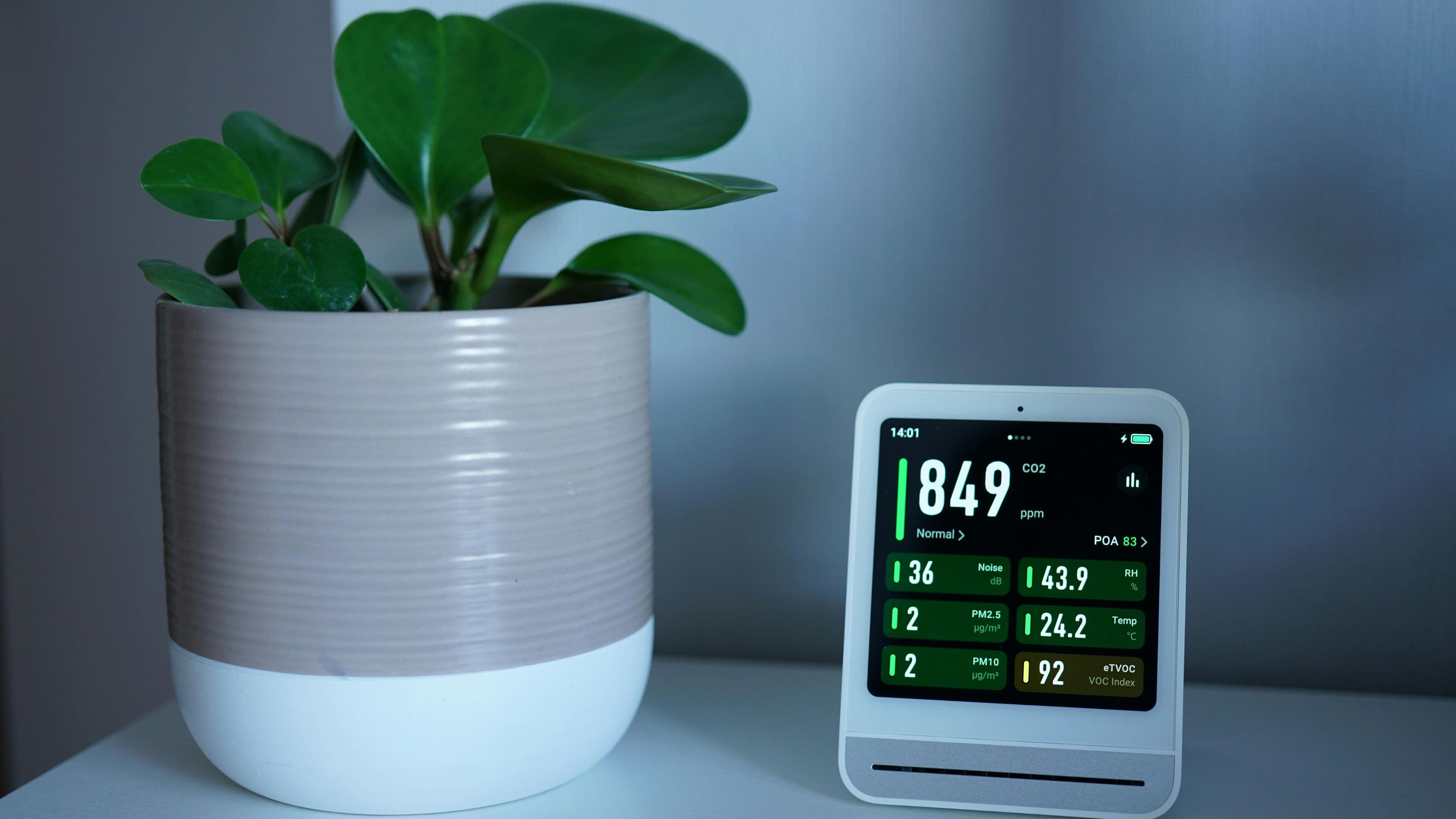
A smart air purifier, like those from Dyson or Levoit, can be set to run automatically on a schedule or trigger when an air quality sensor detects particulates or elevated CO₂ levels. Pairing a purifier with a simple indoor air quality monitor – the Airthings Wave or the Awair Element are well-regarded options – gives you a clear picture of what's actually happening in your space, so you're not guessing. Running a purifier during sleep is particularly valuable; cleaner overnight air is consistently linked to more restorative rest and reduced morning grogginess.
You don't need to overhaul your entire home environment at once. Starting with the room where you spend the most time – usually the bedroom – and adding one air quality improvement there is a low-effort change with a noticeable return.
5 – Use Smart Plugs to Build Effortless Rituals
Smart plugs are one of the most underrated tools in home comfort automation. They're inexpensive, take thirty seconds to set up, and can turn any ordinary appliance into a scheduled or voice-controlled one. A standard lamp becomes a dimmable bedside light on a sleep schedule. A fan becomes part of a wind-down routine. A diffuser with your evening blend starts automatically at the time you've decided you want to begin unwinding.
The real value of smart plugs in the context of comfort is that they help you build rituals without relying on willpower or memory. You decided once – at setup – that 9 p.m. is when you want the bedroom diffuser on and the bright living room lamp off. After that, it happens without your involvement, gently cueing your nervous system toward rest at the same time each evening. Ritual and repetition are powerful tools for creating a sense of calm in a home, and automation makes them much easier to sustain.
TP-Link Kasa and Amazon Smart Plug are reliable and affordable entry points. Many work with Alexa, Google Assistant, and Apple HomeKit, so they can integrate easily into a broader smart home setup if you want to expand later.
6 – Automate Your Window Coverings
Natural light is wonderful – until it isn't. Bright morning sun before you're ready to wake, afternoon glare on a screen, the difficulty of getting a room genuinely dark enough for good sleep – these are all small comfort problems that motorized blinds or shades quietly solve. Automating your window coverings is one of the less commonly discussed home automations, but for people who work from home or are sensitive to light, it can make a meaningful difference.
Smart blinds from brands like Lutron Serena, IKEA Fyrtur, or Hunter Douglas can be set to open and close on a schedule, adjusted by voice, or linked to sunrise and sunset times. Waking up to gradually brightening natural light – rather than complete darkness followed by an alarm – is a gentler way to begin the day that many people find significantly easier on their mood and energy. In the evenings, having blinds close automatically as it gets dark adds a sense of enclosure and privacy that makes a space feel cozier and more conducive to rest.
Installation varies depending on the product and your window type. Many motorized blind systems are designed for DIY installation and don't require wiring, running on rechargeable batteries instead.
7 – Add Voice or Sensor Control to Your Most-Used Spaces
One of the subtler sources of friction in a home is the interruption of movement – getting up to adjust something, crossing a room for a switch, breaking a moment of stillness to attend to something environmental. Voice assistants and motion sensors reduce that friction significantly, and over time their presence makes a home feel more responsive and less demanding.
A well-placed smart speaker in your living room or bedroom means you can adjust lighting, temperature, music, or timers without breaking whatever you're in the middle of. Motion sensors in hallways or bathrooms can trigger gentle night lights automatically, so you're never stumbling around in the dark at 2 a.m. Presence detection – available in more advanced systems – can sense when a room is occupied and adjust conditions accordingly without any input at all.
The goal here isn't to fill your home with devices, but to thoughtfully place one or two in the areas where small adjustments most often interrupt your comfort or concentration. Less friction in your environment often translates directly into less mental friction, even when the connection isn't obvious at first.
8 – Automate Your Sleep Environment
Sleep is the foundation of almost everything else – mood, focus, resilience, physical health. And yet the environment most people sleep in is rarely optimized for it. A few simple automations specifically designed around sleep can be among the highest-return changes you make in your home.
Beyond the smart thermostat schedule and the automated lighting adjustments already mentioned, there are a handful of additional tweaks worth considering. A white noise machine on a timer runs through the lightest phase of sleep and switches off before morning. A smart power strip can cut power to screens and stimulating devices in the bedroom at a set time, removing the temptation to scroll without requiring willpower. A gradual wake-up light – whether from smart bulbs or a dedicated sunrise alarm clock – replaces the abrupt shock of a standard alarm with something the body can respond to more gently.
None of these changes requires a significant investment or technical knowledge. Each one addresses a specific aspect of sleep that research consistently links to better rest. Implementing even two or three of them tends to produce a noticeable shift in how rested you feel and how much you look forward to going to bed.
9 – Build an Evening Wind-Down Routine
Just as a morning routine sets the tone for your day, an evening routine shapes how well you transition out of activity and into genuine rest. Home automation makes it easy to build an evening ritual that begins automatically – without you having to remember to initiate it.
An evening wind-down routine might look like this: at 8:30 p.m., the overhead lights dim and shift warmer, the white noise machine turns on in the bedroom, the diffuser starts with a calming scent blend, and the thermostat drops a degree or two. By the time you're ready for bed, your home has already been gradually signaling to your body that rest is approaching. This kind of environmental cueing is consistent with how sleep researchers think about sleep onset – the body responds to environmental cues, and predictable ones make the transition easier.
Designing this routine takes about fifteen minutes on a platform like Google Home or Apple HomeKit. Once it's set up, it runs every night on its own. The investment is small; the ongoing benefit compounds over time.
10 – Start Small and Build Intentionally
The most important thing to understand about home automation for comfort is that more is not automatically better. A home filled with devices, apps, and systems competing for your attention can create exactly the kind of overwhelm you were trying to reduce. The goal is a home that feels calmer and more supportive – not a home that requires constant management and troubleshooting.
The most effective approach is to start with one specific friction point – the thing in your daily home life that most consistently breaks your sense of ease. Maybe it's the battle with lighting every evening, or waking up to a cold bedroom, or the blue light from screens pulling you away from rest. Solve that one thing thoughtfully, live with it for a few weeks, and notice whether it actually improves how your home feels. Then identify the next thing, if there is one.
This kind of intentional, gradual approach means that every automation you add has a clear purpose and a felt benefit. Your home becomes more comfortable over time without becoming more complicated. And the effort you put into setting things up pays off quietly, every single day, in the small moments of ease that add up to a genuinely different quality of life at home.
What to Be Mindful Of
Home automation works best when it serves your lifestyle rather than dictating it. If a system requires constant troubleshooting, it's adding stress rather than reducing it – and it's okay to simplify or remove something that isn't working for you. Not every home or every person benefits from the same automations, and there's no blueprint worth following that doesn't account for how you actually live.
Privacy is also worth considering honestly. Many smart home devices collect usage data, and connecting your home environment to cloud-based systems involves a degree of data sharing that varies by brand and product. Reading privacy policies for any device you bring home, choosing brands with clear data practices, and keeping smart home devices on a separate network from your personal devices are all reasonable steps worth taking.
FAQ
Do I need a smart hub to get started with home automation? Not necessarily. Many modern smart home devices work directly with your smartphone or with voice assistants like Alexa or Google Assistant without requiring a dedicated hub. A hub becomes more useful when you want different devices from different brands to communicate with each other seamlessly – but it's not the right starting point for most people.
What's the most affordable way to begin? Smart plugs are genuinely the lowest-barrier entry point – they typically cost $10–$20, work with most voice assistants, and can meaningfully automate everyday routines without any technical complexity. A single smart bulb in the room where you spend the most time is another good first step.
Will home automation make my home feel less personal? Only if you let the technology drive the design rather than the other way around. When automation is built around your actual rituals and preferences – the way you like your home to feel at different times of day – it tends to make your environment feel more personal, not less. The home becomes attuned to you rather than requiring you to adjust to it.
Is home automation suitable for renters? Yes. Most of the automations covered here – smart bulbs, smart plugs, smart speakers, air purifiers, and most smart thermostats – require no permanent changes to the property and can be taken with you when you move.
How much should I realistically budget to start? A meaningful starter setup – a couple of smart bulbs, one smart plug, and a voice assistant – can be put together for under $100. A more complete setup covering lighting, thermostat, and air quality across a one-bedroom space might run $300–$500. The most expensive options aren't necessarily the most comfortable ones.
A Gentle Closing Thought
Your home is one of the few spaces in your life that you actually get to shape. Taking small, intentional steps to make it more responsive to your needs isn't indulgent – it's a form of self-care that pays dividends every single day. Each automation you put in place is an investment in your ease, your rest, and your ability to feel genuinely at home in the place you return to most.
Start with one thing. Make it work. Notice how it feels. Then decide what, if anything, comes next.
📚 Sources
Sleep Foundation – "How Light Affects Sleep": https://www.sleepfoundation.org/bedroom-environment/light-and-sleep
Harvard Health – "Blue Light Has a Dark Side": https://www.health.harvard.edu/staying-healthy/blue-light-has-a-dark-side
Environmental Protection Agency – "Indoor Air Quality": https://www.epa.gov/report-environment/indoor-air-quality
National Sleep Foundation – "Temperature and Sleep": https://www.sleepfoundation.org/bedroom-environment/temperature
Airthings – "What Is Indoor Air Quality?": https://www.airthings.com/what-is-indoor-air-quality
Wirecutter – "The Best Smart Home Devices": https://www.nytimes.com/wirecutter/guides/best-smart-home-devices/