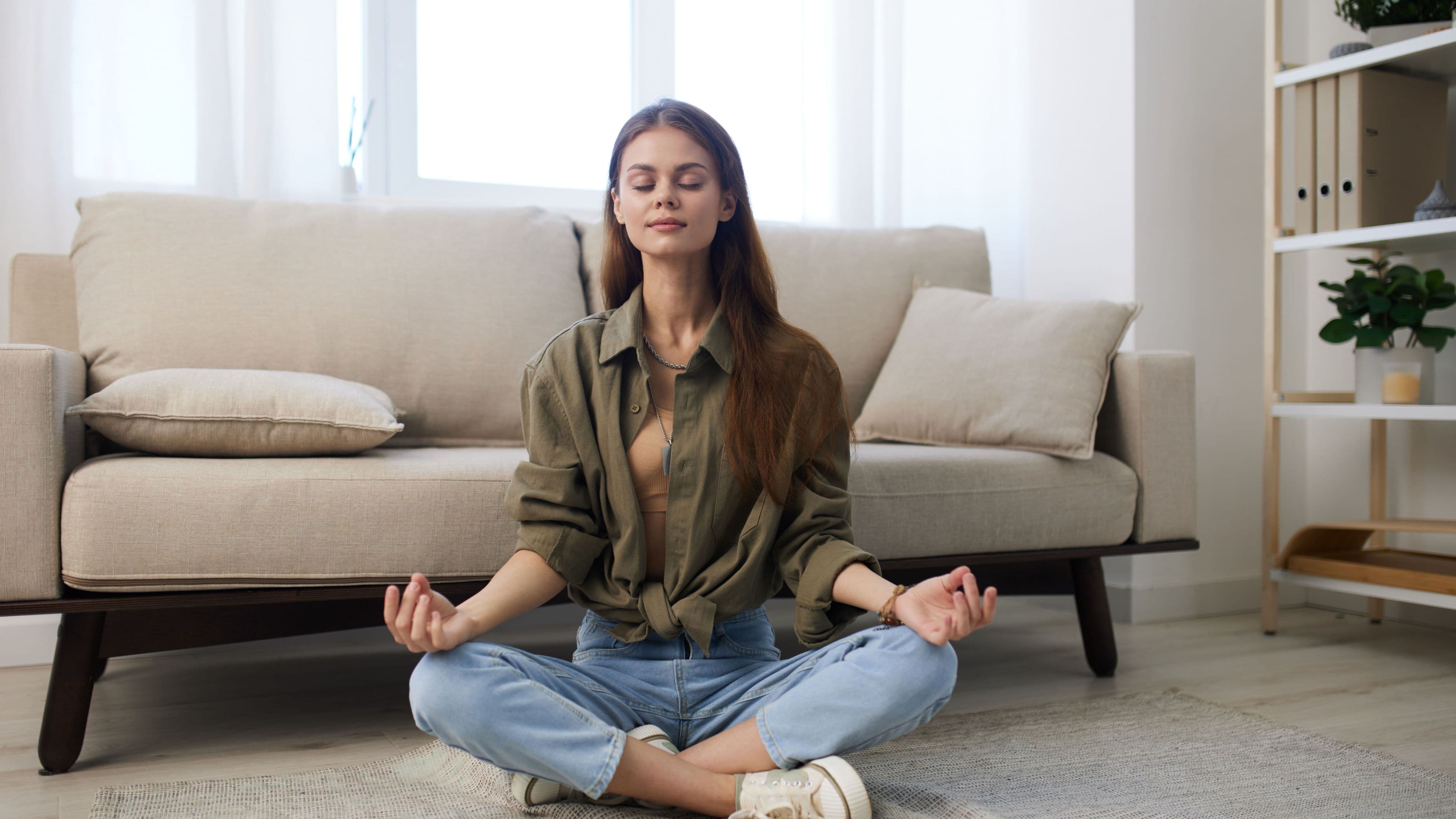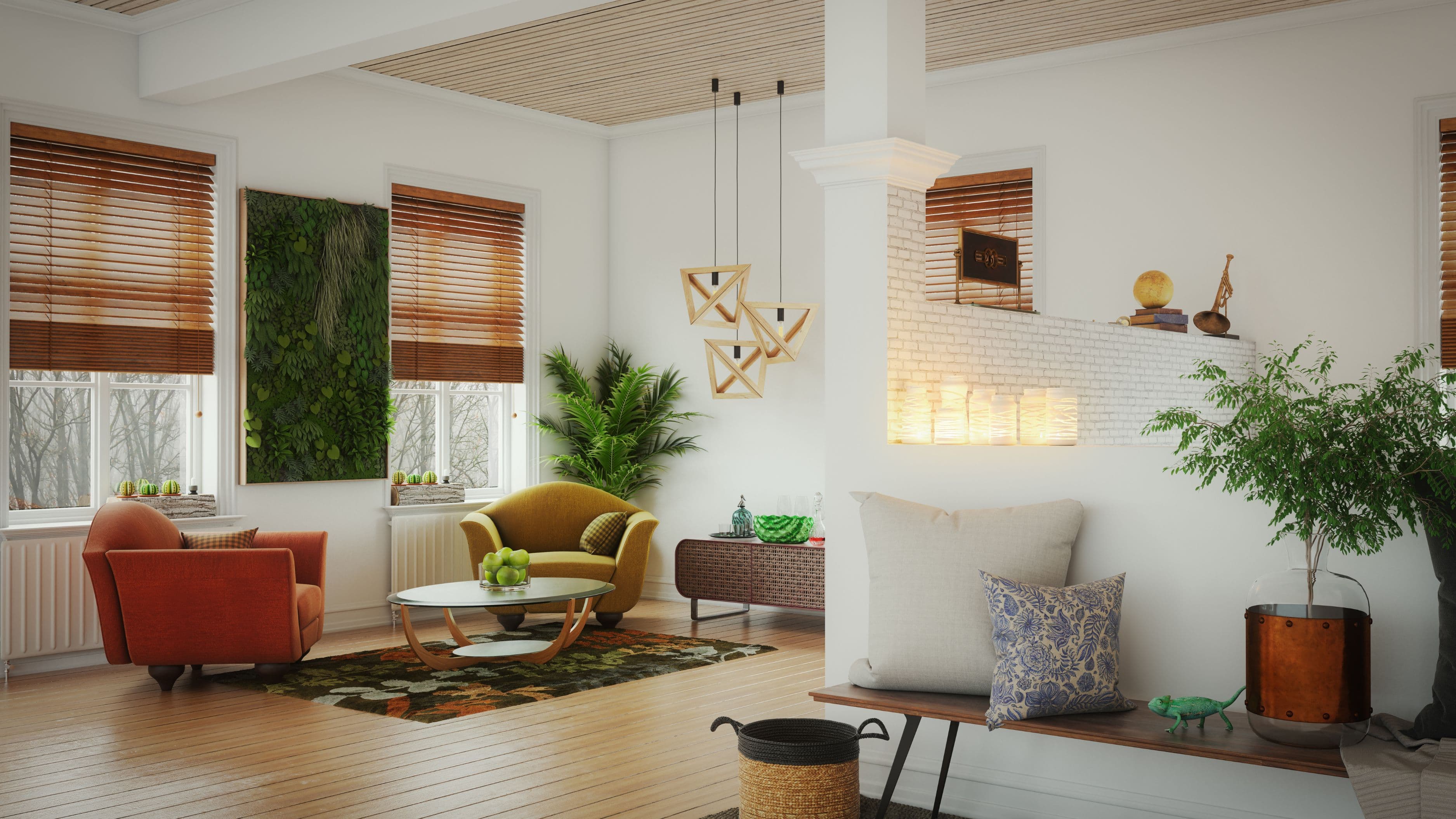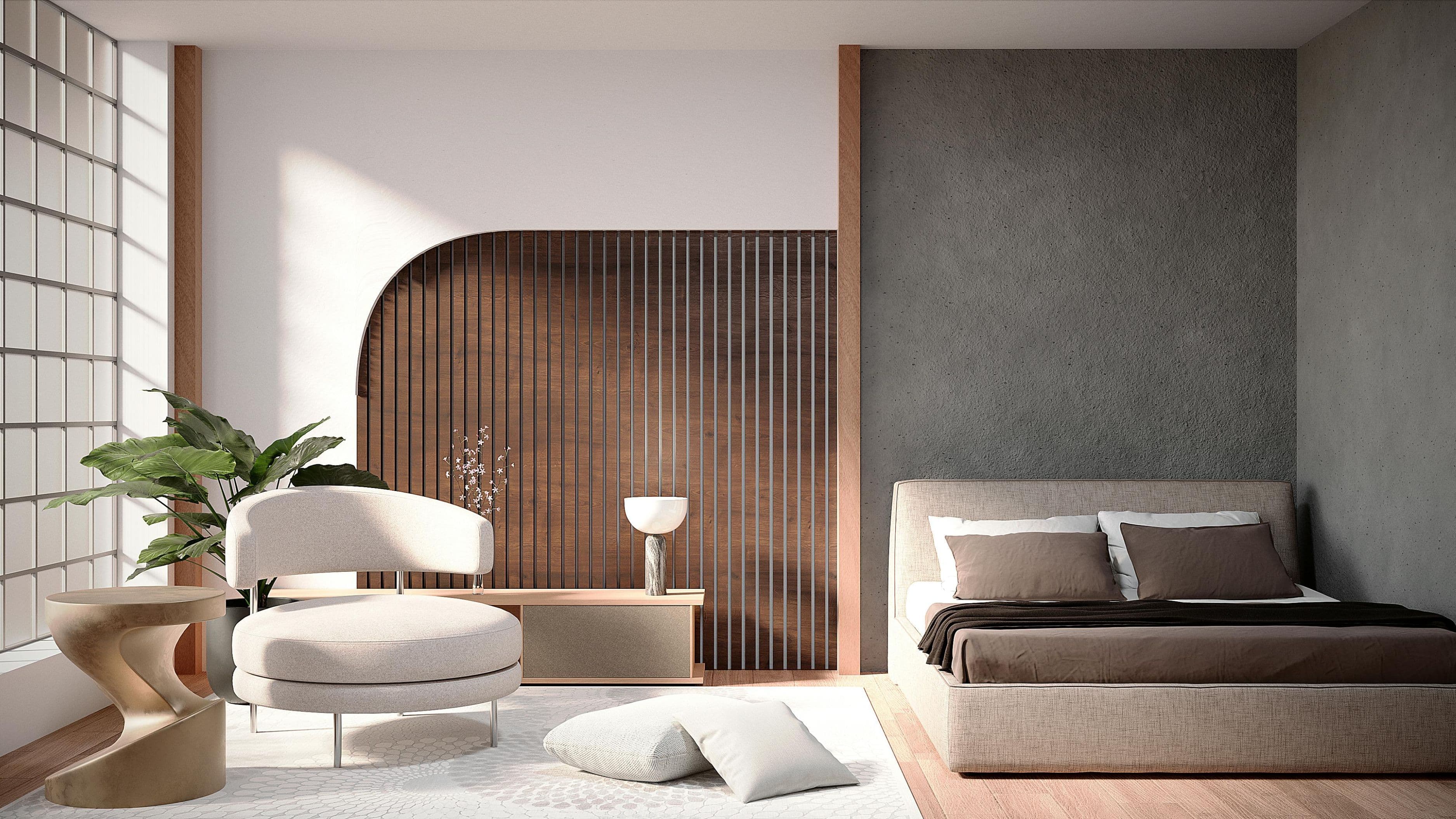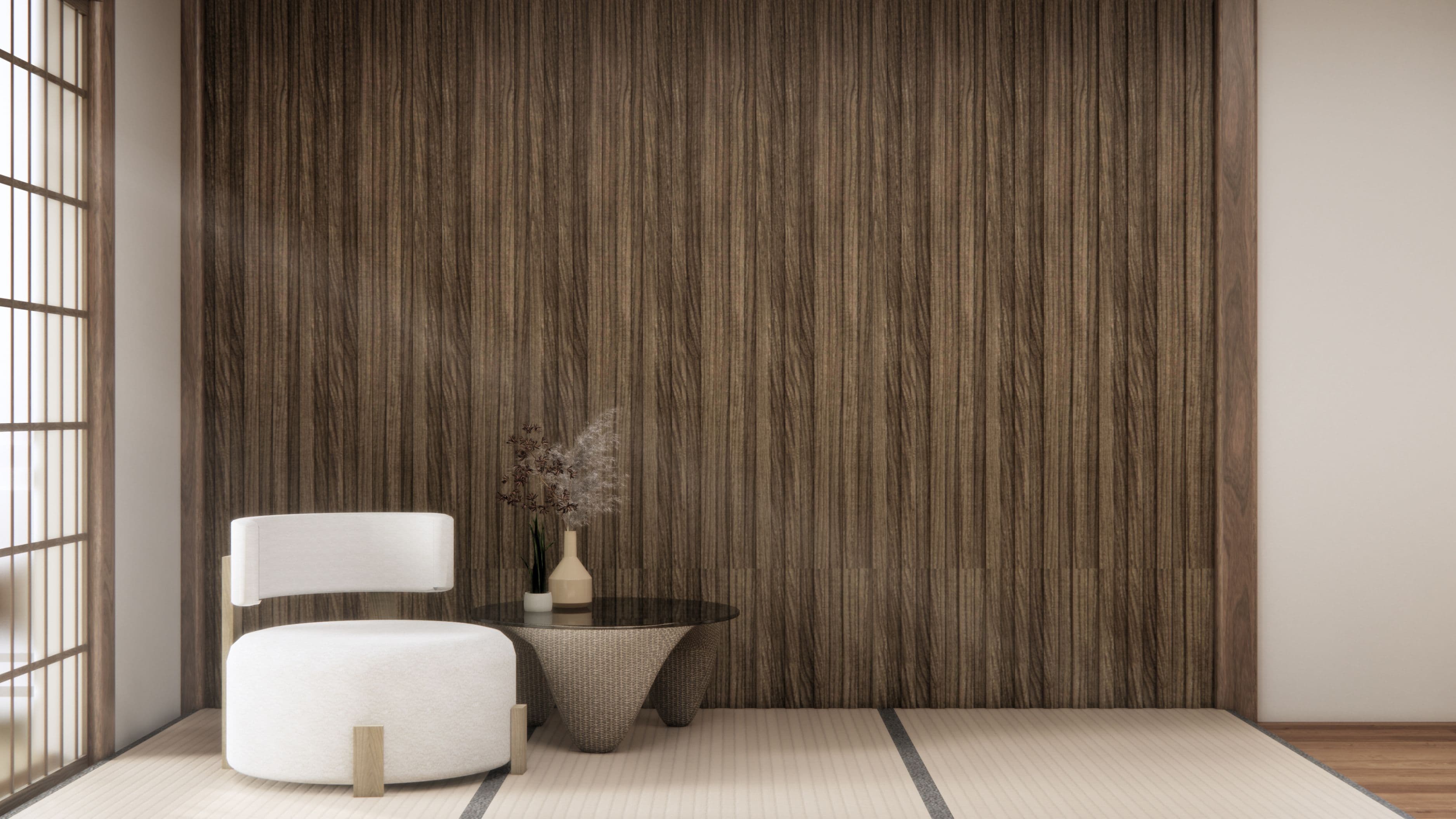
The idea behind a sensory relaxation space is rooted in something genuinely simple: your body responds to its environment. When your surroundings signal safety, softness, and stillness, your stress response winds down and your nervous system shifts into a rest-and-restore state. The more intentionally you design for that response, the more reliable the room becomes as a tool for recovery – not just a place to sit quietly, but a space that actively works on you the moment you enter it.
Here's how to build one, layer by layer.
Start With the Space Itself
Before you introduce a single object, the room itself needs to feel like a container – somewhere that has a clear boundary between the pace of normal life and the pace of rest. This doesn't mean you need a dedicated room, though if you have a spare bedroom or a corner that can be partitioned, that's ideal. A section of a living room, a converted wardrobe space, or even a well-considered alcove can work if the intention is clear and the space feels defined.
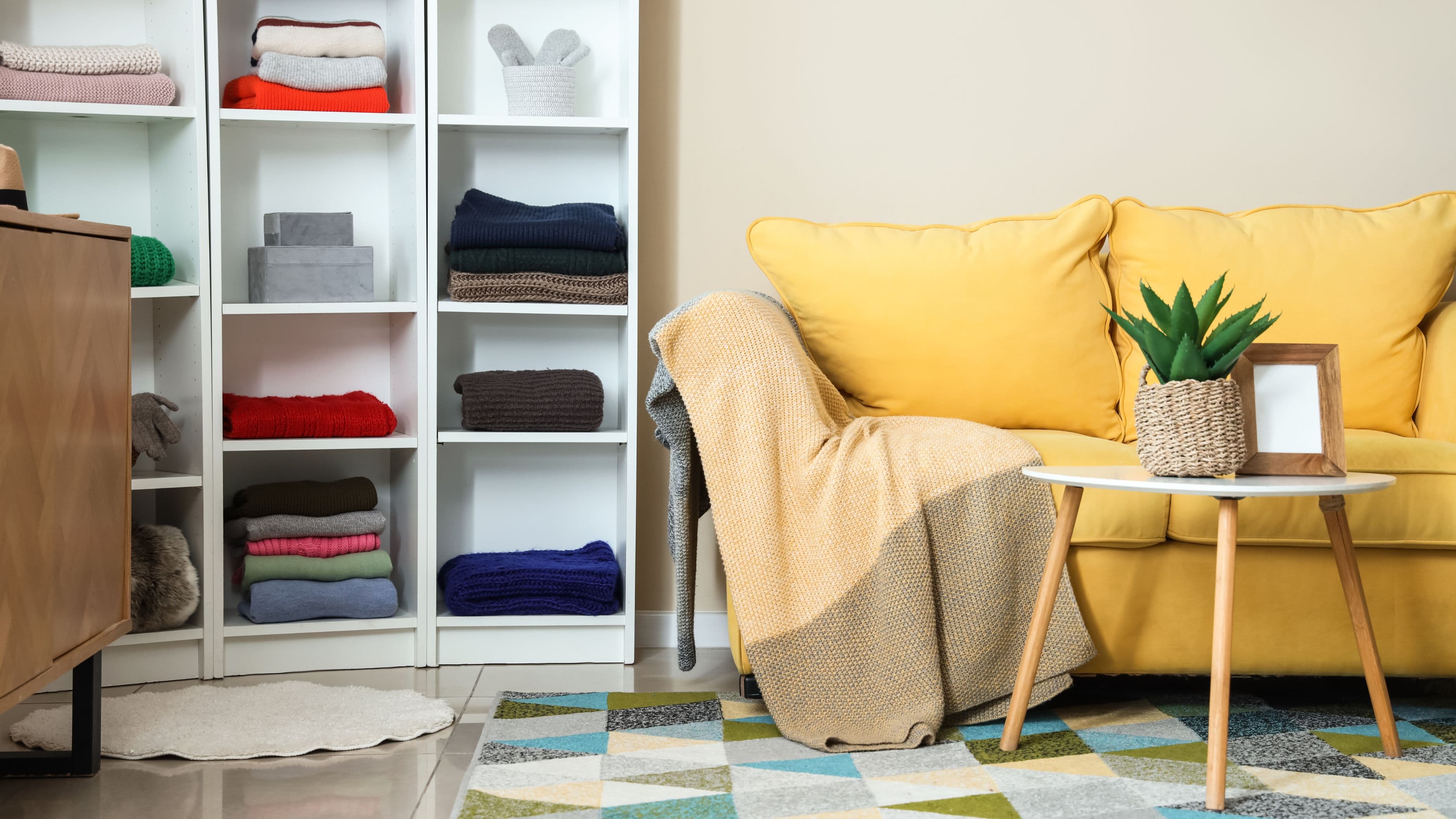
The first practical step is decluttering whatever space you've chosen completely. Sensory relaxation rooms are undermined by visual noise – piles of laundry, a desk covered in papers, or a shelf of objects that remind you of tasks undone all activate the part of your brain that plans and worries. Empty the space, clean the surfaces, and start with nothing. What you bring back in should earn its place.
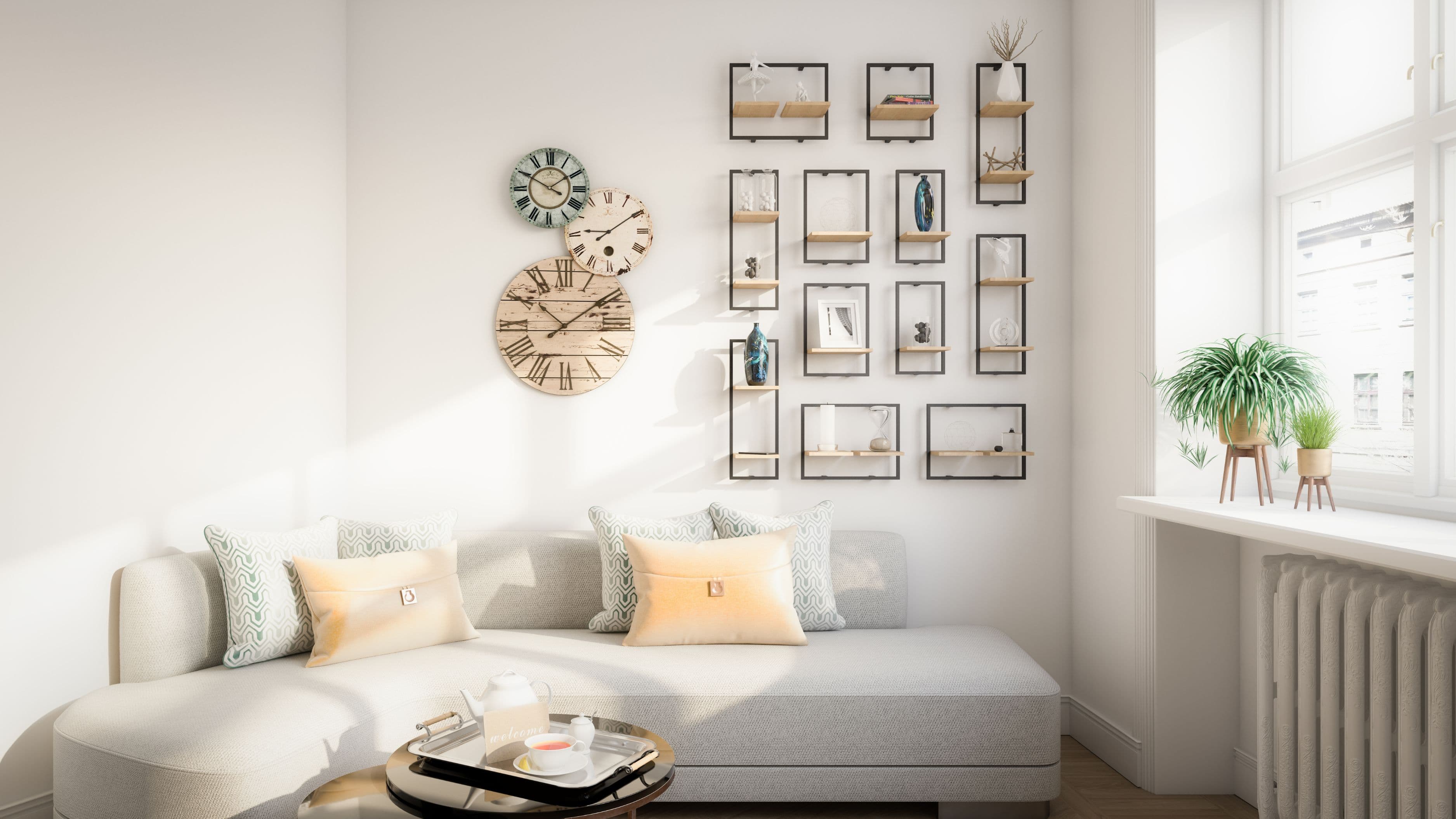
Once it's clear, think about the walls. Soft, muted tones – warm whites, pale greens, dusty blues, or terracotta – signal rest in a way that bright or saturated colours don't. If repainting isn't an option, large fabric hangings, woven wall panels, or even a couple of oversized cushions propped against the wall can shift the feel of a room substantially without a drop of paint.
Layer One – Light
Lighting has a more direct effect on your nervous system than most people realise. Bright, blue-toned overhead lighting suppresses melatonin and keeps your brain in an alert state. Warm, dim, low-level lighting does the opposite – it signals the body that it's time to slow down. For a relaxation room, overhead lights should be dimmable at minimum, and ideally switched off entirely in favour of floor-level or table-level warm light sources.
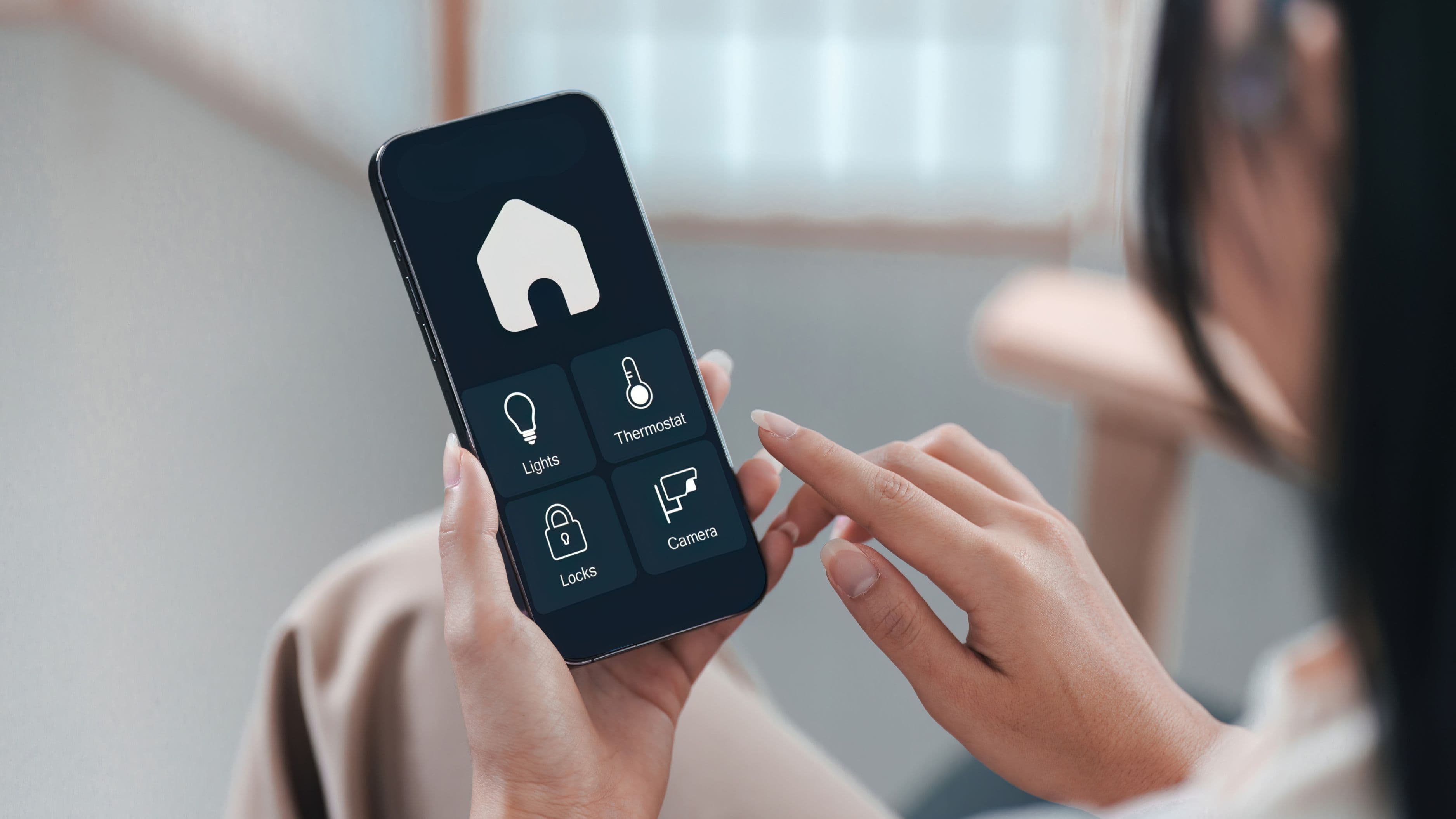
Salt lamps, candlelight (or high-quality flameless candles), and warm LED bulbs positioned below eye level are all effective choices. If you want more control, a smart bulb system with tunable colour temperature lets you shift from a neutral daylight setting to a deep amber glow at the touch of a button. Some people use gentle colour therapy lighting – soft pinks or purples – for meditation or winding-down sessions, and there's growing evidence that certain light frequencies can have a mild physiological calming effect.
The goal isn't ambience for its own sake. It's to give your brain a clear environmental cue that something different is happening here – that this space operates at a different frequency than the rest of your home.
Layer Two – Sound
Sound is often the most immediately impactful layer of a sensory relaxation room, because it's the hardest sense to simply ignore. Unwanted noise – traffic, appliances, other people – keeps your nervous system partly alert even when you're trying to rest. Managing the acoustic environment of the room is therefore as important as anything you put in it.
Start with what you can absorb. Soft furnishings – rugs, thick curtains, upholstered furniture, wall hangings – all reduce echo and dampen ambient noise. A heavy curtain across a door or window can make a surprising difference to how contained the room feels sonically. If outside noise is significant, a white noise machine or a small tabletop water feature serves a dual purpose: it masks intrusive sound and introduces a consistent, gentle background that the brain quickly learns to associate with rest.
For active sound – music, nature recordings, or binaural audio – use speakers rather than headphones where possible, so the sound surrounds you rather than arriving only at your ears. Gentle rainfall, birdsong, Tibetan singing bowls, or slow-tempo instrumental music all support a calm nervous system state. There are no firm rules about what works; the most important thing is that you associate the sound positively with rest, so choose something you genuinely find calming rather than what you think you should like.
Layer Three – Scent
Smell is the only sense that connects directly to the limbic system – the part of the brain that processes emotion and memory – without going through the thalamus first. This is why certain scents trigger an immediate emotional response in a way that other sensory inputs don't always match. For a relaxation room, scent is a fast and reliable lever.
Lavender is the most well-researched calming scent, with multiple studies showing measurable reductions in heart rate and cortisol. Bergamot, chamomile, and ylang-ylang have similar profiles. Frankincense and sandalwood are popular for meditation and contemplative states because they slow the breath naturally and create a grounding, earthy quality in the air. Citrus scents (orange, lemon) are better for gentle energy than for deep relaxation, so they're worth avoiding in this particular space.
An essential oil diffuser is the most consistent delivery method – it disperses scent steadily over time without the combustion risks of candles or incense. Choose a ceramic or ultrasonic diffuser and keep the concentration gentle; the goal is a subtle background note, not an overpowering wave.
Layer Four – Touch
Touch is what grounds the experience in the body. The textures and materials you choose for the room determine whether you feel physically comfortable enough to actually let go – and a body that isn't physically at ease will not fully relax regardless of how good the lighting and scent are.
Prioritise softness and weight. A thick wool or cotton rug underfoot, deep cushions to sink into, a weighted blanket (which uses gentle compression to activate the parasympathetic nervous system), and a chair or floor cushion that fully supports your body without requiring effort to maintain posture – these are the functional anchors of the room. The weighted blanket is worth particular mention: the sensation of gentle, distributed pressure has been shown to reduce anxiety and improve subjective feelings of calm, making it one of the most effective single items you can introduce to a relaxation space.
Temperature also falls under this layer. A room that's slightly cool – around 18–20°C – supports the physiological rest response better than a warm room, which can make you groggy rather than genuinely restored. A light blanket to draw over yourself creates the best of both: a cool room with localised warmth exactly where you want it.
Layer Five – Visual Calm
Visual calm is about what your eyes rest on when they're not actively focused on anything. Natural elements are powerful here: a small plant or two, a bowl of smooth stones, a piece of art that feels open and undemanding. The key is choosing things that don't require interpretation or create mental associations with tasks or obligations.
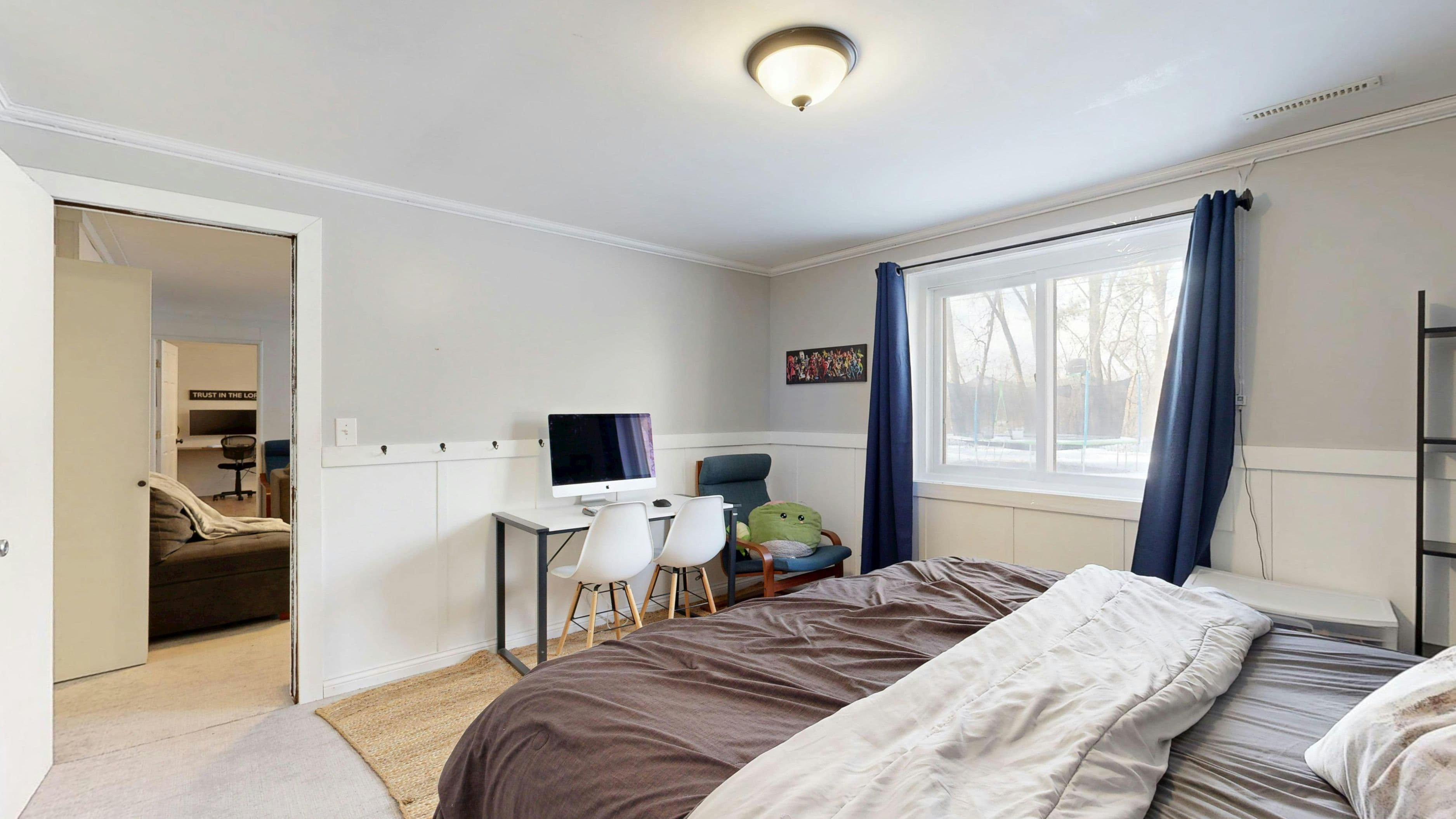
Avoid screens entirely in this room if at all possible. Even with the content turned off, the presence of a screen creates a subtle pull toward stimulation that works against the purpose of the space. If your relaxation room doubles as a bedroom or study and screens can't be removed, a simple cloth cover over the television or monitor when the room is in rest mode is enough to change its presence in the space.
A Few Things to Avoid
The most common mistake is overloading the room with too many things at once. A multi-sensory space doesn't mean every sense needs to be maximally stimulated – it means each sense has something gentle and intentional to engage with. Less is usually more. Start with one element per sensory layer and add from there based on what actually helps you unwind.
The second pitfall is designing the room for how it looks on paper rather than how it feels to be in it. Spend time in the space after each addition. Notice what your body does when you enter. A room that looks perfect but doesn't produce a felt sense of ease isn't serving its purpose – and adjusting based on experience is part of the process, not a failure of planning.
FAQ
Do I need a whole room for this, or can I create a relaxation corner? A corner works completely well. The principles are the same – define the boundary, control the light and sound as much as possible within that area, introduce soft textures, and keep it clear of anything unrelated to rest. A floor cushion, a small diffuser, a warm lamp, and a pair of noise-cancelling headphones in a dedicated corner can create a surprisingly effective sensory shift.
How much does this cost to set up? You can build a meaningful sensory relaxation space for under £100/$100 if you already have basic furnishings. The essentials – a decent essential oil diffuser, a warm bulb or salt lamp, a weighted blanket, and a few soft cushions – are the highest-impact items and none of them need to be expensive. The rest is mostly about decluttering and rearranging what you already own.
How long does it take to feel the benefits? Most people notice an immediate shift in how a well-set-up sensory room feels when they enter it – the combination of dim warm light, gentle scent, and soft surroundings triggers a fairly rapid nervous system response. The deeper benefits (better sleep, reduced baseline anxiety, quicker recovery from stress) typically become apparent after 2–3 weeks of regular use.
📚 Sources
National Institutes of Health – Lavender and the Nervous System: https://www.ncbi.nlm.nih.gov/pmc/articles/PMC3612440/
Sleep Foundation – How Light Affects Sleep: https://www.sleepfoundation.org/bedroom-environment/light-and-sleep
American Journal of Occupational Therapy – Weighted Blankets and Anxiety: https://ajot.aota.org/article.aspx?articleid=1854927
Psychology Today – Why Scent Triggers Strong Memories: https://www.psychologytoday.com/us/blog/brain-babble/201501/smells-ring-bells-how-smell-triggers-memories-and-emotions
Healthline – White Noise and Sleep: https://www.healthline.com/health/white-noise