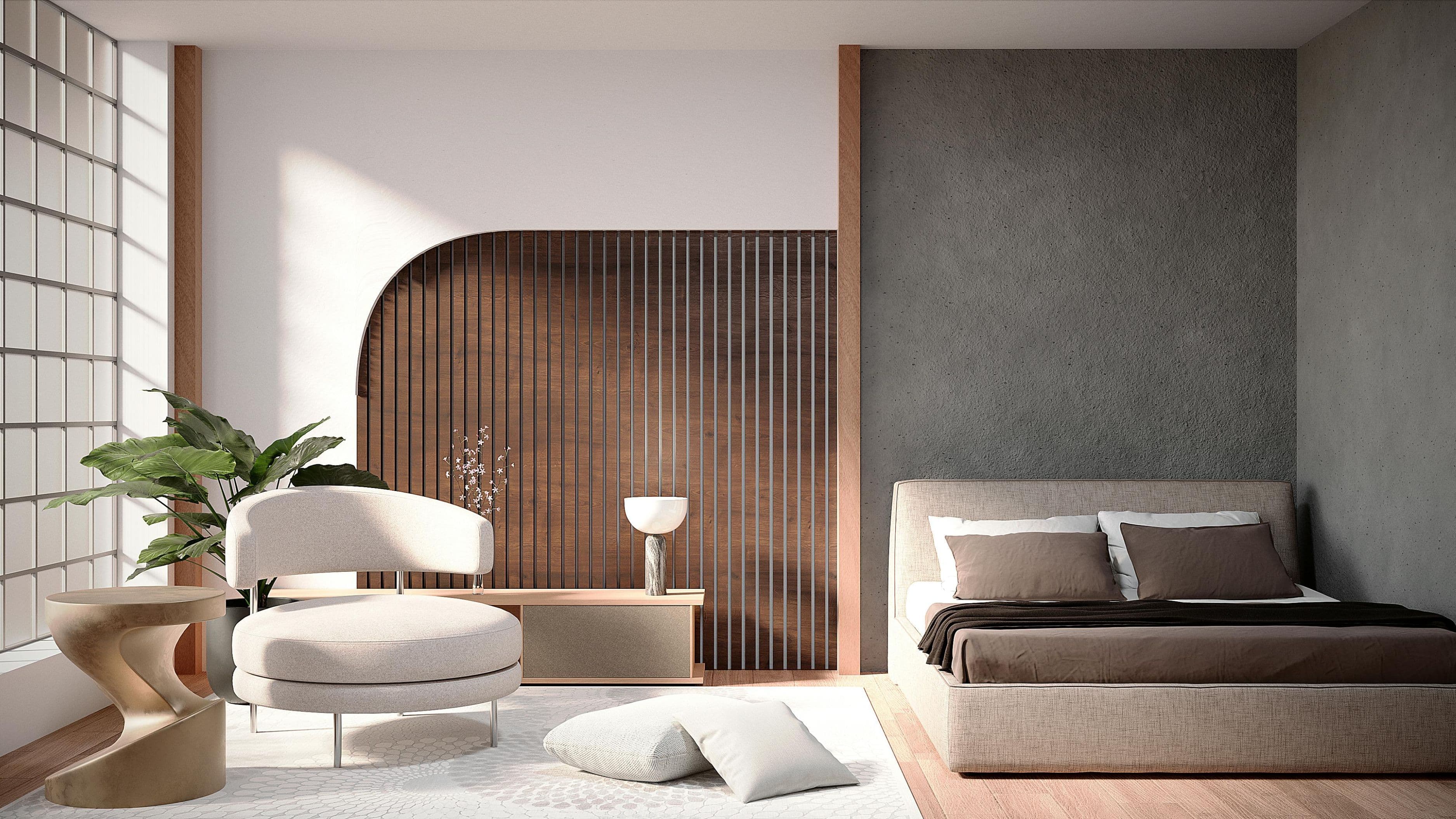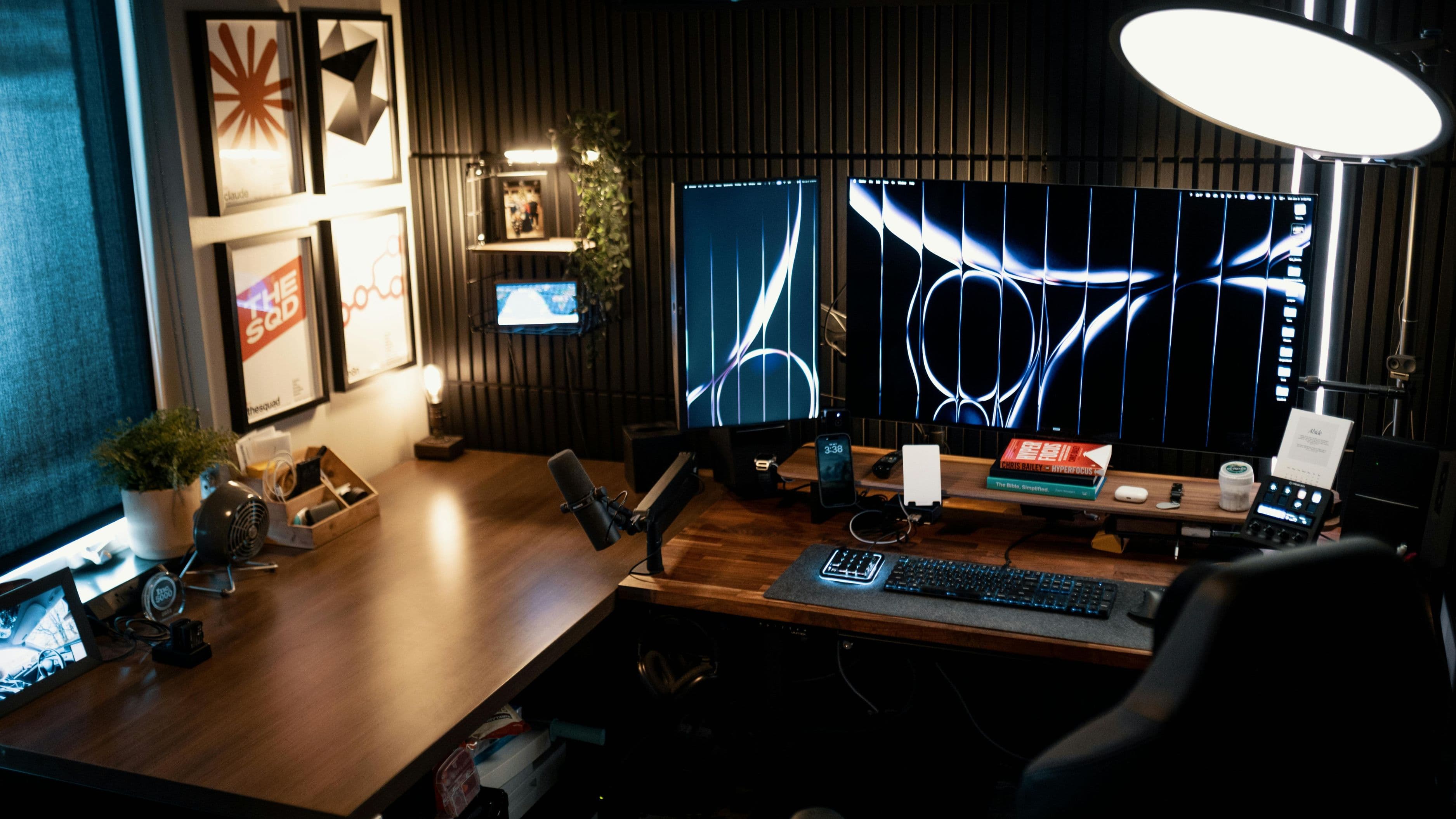
Sound affects your nervous system in ways that go beyond simple annoyance. Chronic noise exposure has been linked to elevated cortisol levels, disrupted sleep, and reduced concentration - none of which support the kind of calm, grounded life most of us are working toward.
The good news is that you don't need to gut your walls or hire a contractor to make a real difference. Many of the most effective soundproofing solutions are surprisingly accessible, affordable, and even visually appealing.
Here are eight practical ways to bring more quiet into your home - starting with the simplest and building toward more committed solutions.
1. Start with Door Gaps and Drafts
If your home feels louder than it should, the first place to look isn't your walls - it's your doors. A standard interior or exterior door with even a small gap at the bottom can let in a surprising amount of sound. Air and sound travel the same pathways, so if you can feel a draft, noise is getting through too.
A simple door sweep or draft stopper applied to the bottom of the door creates an acoustic seal without any permanent changes. For bedroom or home office doors, adding adhesive foam weatherstripping around the door frame takes under an hour and makes an immediate difference. These are low-cost, renter-friendly fixes that require no tools and no commitment - a good starting point before investing in anything larger.
2. Use Heavy Curtains to Absorb Outside Noise
Windows are one of the weakest points in any room when it comes to sound. Standard glass is thin, and the gap between the window frame and wall often allows noise to travel freely. Heavy, floor-to-ceiling curtains - sometimes called blackout or thermal curtains - add a meaningful layer of sound absorption without requiring any structural changes.
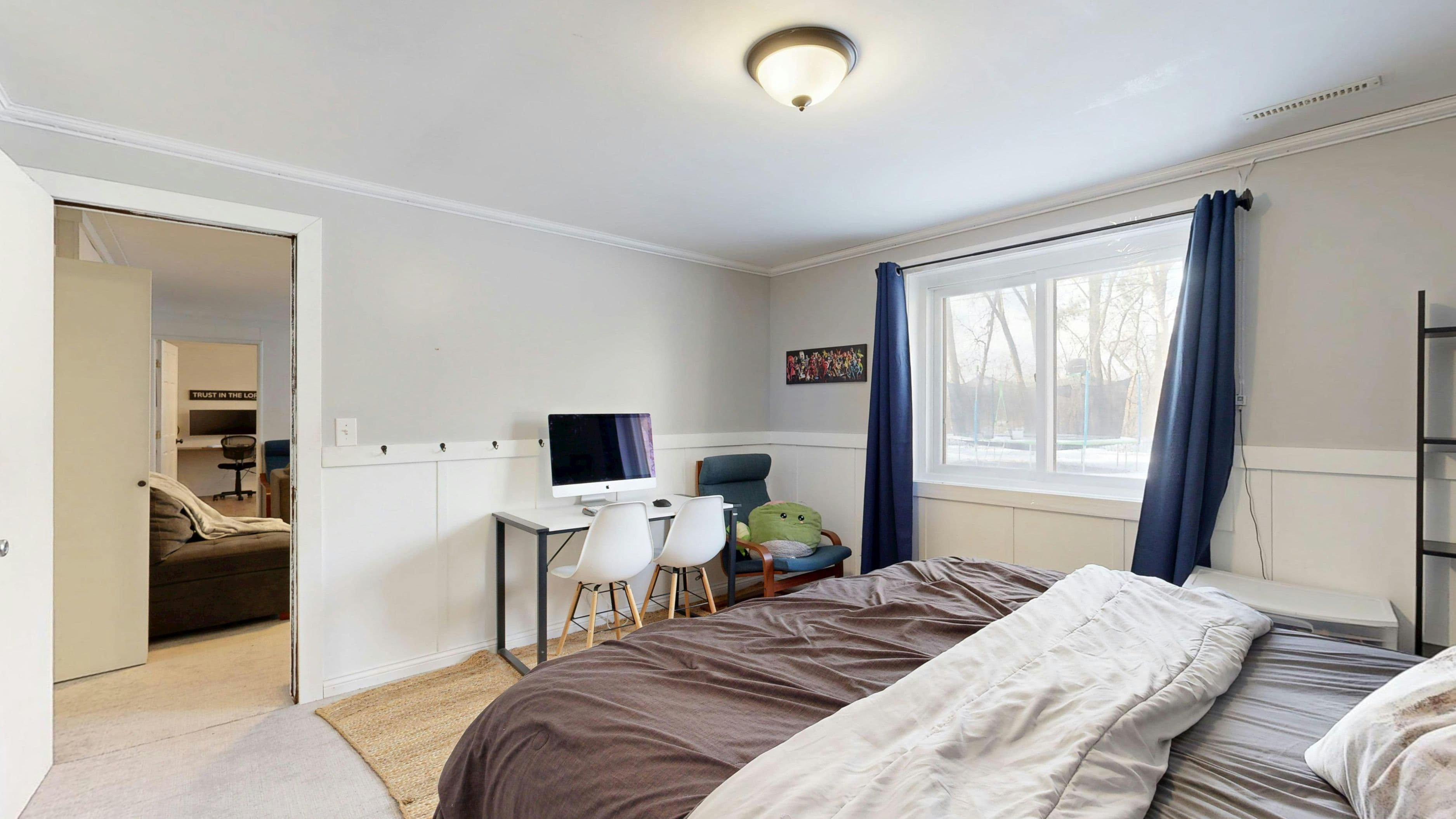
Look for curtains made from dense, tightly woven fabrics like velvet, suede, or layered polyester. The heavier and thicker the curtain, the more sound energy it absorbs before it reaches you. Hanging them as close to the ceiling as possible and letting them pool slightly on the floor maximizes their effectiveness. As a bonus, they also reduce light and help regulate room temperature - making them one of the most multi-functional upgrades you can make to a bedroom or living space.
3. Add Rugs and Soft Furnishings to Reduce Echo
Hard floors - wood, tile, laminate - reflect sound rather than absorbing it, which is why rooms without much furniture tend to feel loud and echo-heavy. Adding a large area rug, ideally with a thick rug pad underneath, is one of the fastest ways to reduce noise transmission between floors and soften the overall acoustic quality of a room.
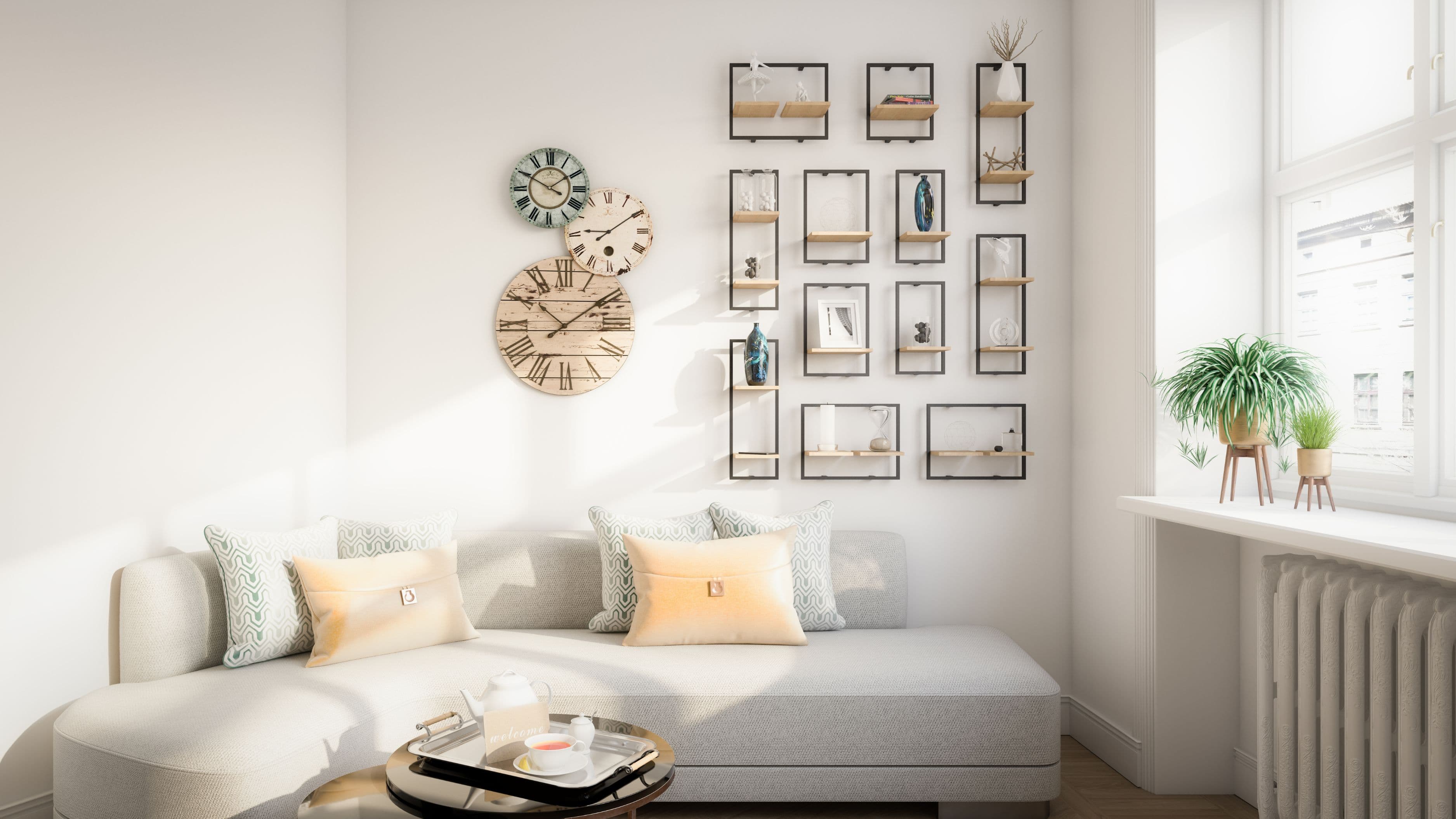
This matters especially if you live in an apartment building where footstep noise from above is a daily frustration. A rug won't eliminate the problem entirely, but it softens it noticeably. The same principle applies to other soft furnishings - upholstered sofas, floor cushions, fabric wall hangings, and bookshelves filled with books all absorb sound waves rather than bouncing them around. Layering soft textures isn't just good design; it's quiet, functional soundproofing that works without you thinking about it.
4. Hang Acoustic Panels or Sound-Absorbing Wall Art
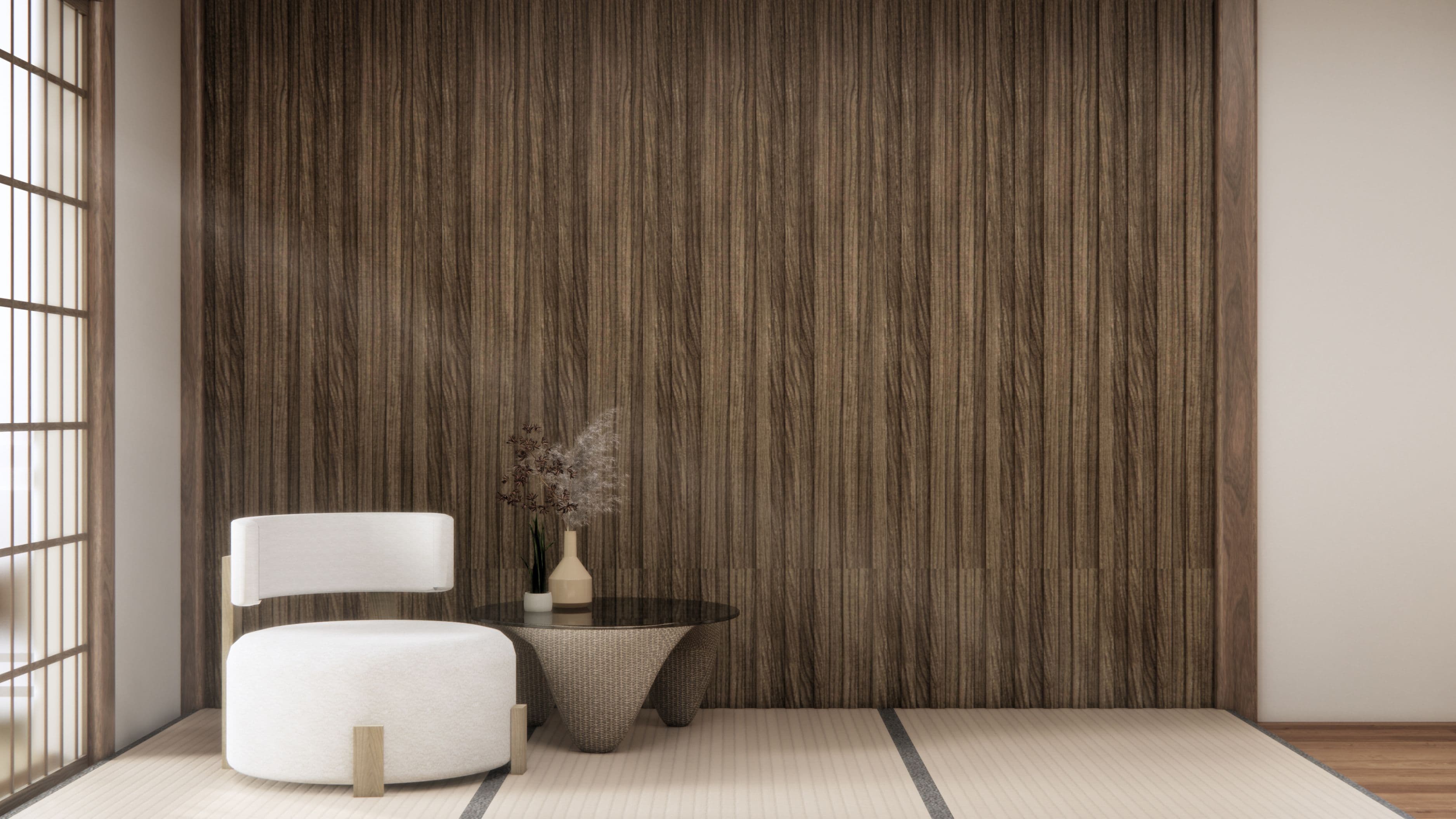
Acoustic panels have come a long way from the foam tiles you might associate with recording studios. Today, they're available in fabric-wrapped designs, decorative geometric shapes, and custom colors that look intentional rather than industrial. For a home office, meditation room, or bedroom, they offer a meaningful reduction in echo and ambient noise without disrupting the visual feel of the space.
You don't need to cover every wall to notice a difference. Placing panels on the wall that faces the source of noise - or on opposite walls to reduce echo - is usually enough to shift the acoustic quality of a room. If you work from home and video calls feel echoey, or if you find it hard to wind down in a room that feels acoustically "live," this is a practical and relatively affordable upgrade worth considering.
5. Rearrange Furniture as a Sound Buffer
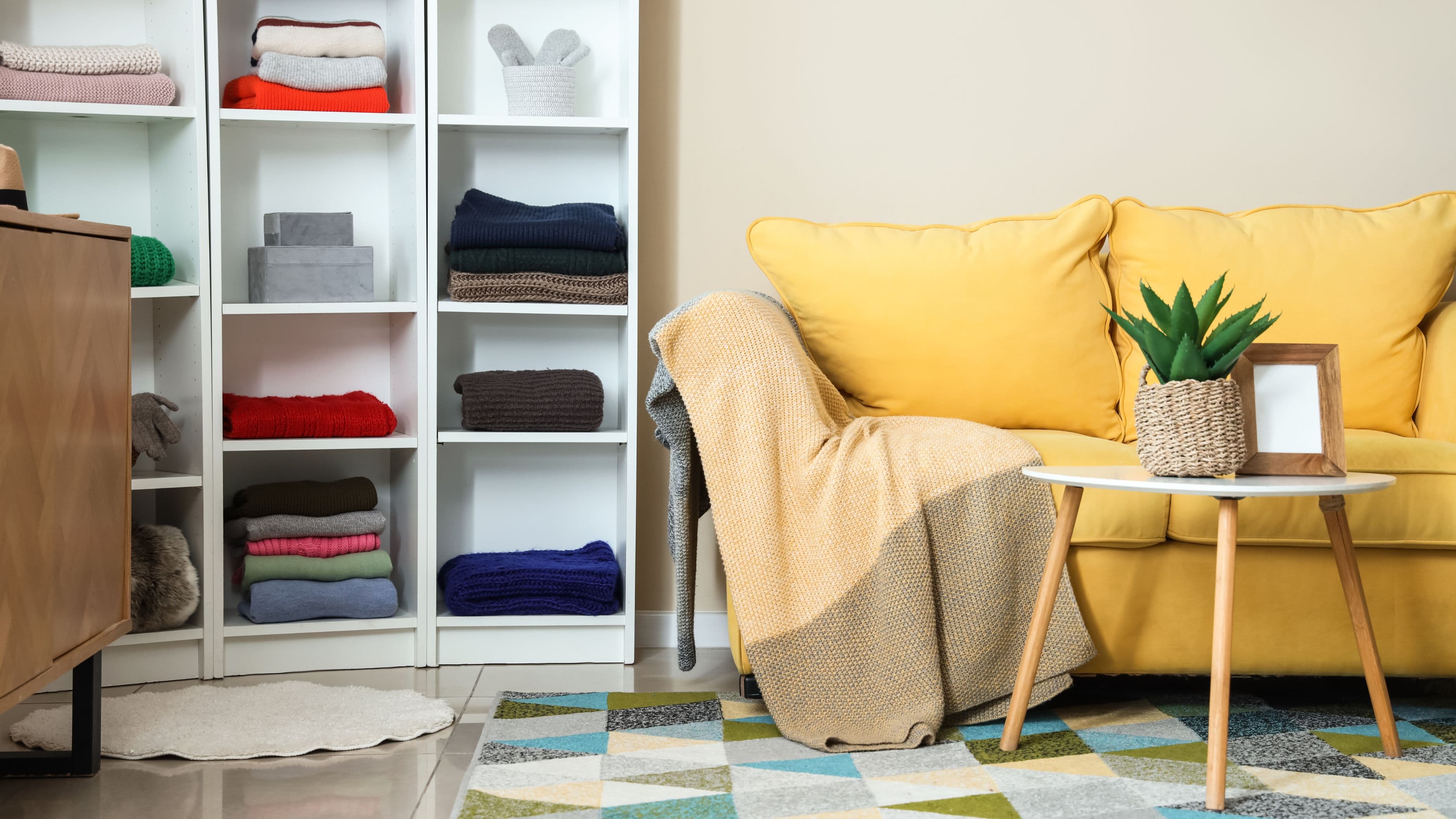
This one costs nothing and often gets overlooked. Large, heavy furniture acts as a natural sound barrier. A floor-to-ceiling bookshelf placed against a shared wall - especially one filled with books rather than hollow decorative objects - can significantly reduce the amount of noise traveling between rooms or apartments.
A large wardrobe or dresser against an exterior wall does the same thing. Even repositioning your sofa so it sits closer to a noisy wall, or adding a storage unit between your bedroom and a loud common area, can shift how much sound reaches you day to day. Before spending anything, spend ten minutes thinking about whether your current layout is working with or against your need for quiet.
6. Seal Gaps Around Electrical Outlets and Baseboards
This is the kind of fix that sounds too small to matter - until you try it. Electrical outlets, especially on exterior or shared walls, often have gaps behind the faceplate where sound (and air) flows freely. Foam outlet gaskets, available at any hardware store for just a few dollars, slip behind the cover plate and create a simple seal.
Similarly, gaps between baseboards and walls, or around pipes and cables entering a room, are common noise pathways that go unaddressed in most homes. Acoustic caulk - a flexible, paintable sealant designed specifically for this purpose - fills these gaps without cracking or shrinking over time the way standard caulk can. Neither of these fixes is glamorous, but together they make a noticeable difference, particularly in older homes where settling has created more gaps than you might expect.
7. Consider Soundproof Window Inserts
If outside noise is your primary challenge - traffic, city sounds, a busy street - and heavy curtains haven't done enough, soundproof window inserts are worth knowing about. These are secondary panels that sit inside your existing window frame, creating an additional air gap that dramatically reduces sound transmission. They're removable, don't require any permanent installation, and are far less expensive than replacing your windows entirely.
Companies like Indow Windows and CitiQuiet specialize in this type of product and offer options for a range of window sizes and budgets. The air gap between the insert and your existing window is the key - sound loses energy as it crosses that gap, meaning significantly less noise reaches the interior of your room. For anyone living in an urban environment where noise is a persistent issue, this is one of the most effective non-structural solutions available.
8. Invest in Mass-Loaded Vinyl for Walls or Floors
For those willing to take a more committed approach, mass-loaded vinyl (MLV) is one of the most effective soundproofing materials available to homeowners and renters. It's a dense, flexible sheeting material that adds mass to walls, floors, or ceilings - and mass is one of the most reliable ways to block sound transmission.
MLV can be installed beneath flooring, behind drywall, or even hung as a decorative element when covered with fabric. It's heavier and more involved than the other solutions on this list, but it produces results that more surface-level fixes simply can't match. If you're dealing with significant noise - a shared wall in an apartment, a home office next to a loud common area, or a bedroom above a garage - MLV is a material worth researching before assuming you need a full renovation.
A Note on Realistic Expectations
No single solution will make your home perfectly silent, and chasing total silence is probably not the goal anyway. What most people are after is enough quiet to think clearly, sleep well, and feel at ease in their own space. That's an achievable target, and most of the solutions here move you meaningfully in that direction without requiring a major project or a large budget.
Start with the simplest fixes and work outward from there. Gaps, curtains, and soft furnishings alone can transform how a room feels. Add panels or furniture rearrangement if you want to go further. And if noise is a serious, chronic problem - especially one that's affecting your sleep or mental health - it's worth investing in the more structural solutions toward the end of this list.
Your home should work for your nervous system, not against it. Quiet is something you're allowed to protect.
FAQ
Do soundproofing solutions work in apartments? Yes - many of the best options on this list are renter-friendly and require no permanent changes. Door sweeps, weatherstripping, curtains, rugs, acoustic panels, and furniture rearrangement are all effective and fully reversible.
What's the difference between soundproofing and sound absorption? Soundproofing blocks sound from entering or leaving a space, while sound absorption reduces echo and reverb within a room. Most home solutions do a bit of both, but if outside noise is the issue, blocking is the priority. If your room just feels loud and echoey, absorption is what you need.
How much does it cost to soundproof a room? It varies widely. Renter-friendly fixes like door sweeps, weatherstripping, and heavy curtains can cost under $100. Mid-range solutions like acoustic panels or window inserts run $150-$500 depending on room size. More permanent options like MLV or additional drywall can run into the thousands for professional installation.
Can soundproofing help with sleep? Significantly. Research consistently shows that noise disrupts sleep quality even when it doesn't fully wake you. Reducing nighttime noise exposure - especially through bedroom-specific fixes - supports deeper, more restorative sleep.
Is mass-loaded vinyl safe to use indoors? Yes. Quality MLV products are non-toxic and safe for indoor use. Look for products that are free from lead and phthalates and check manufacturer specifications before purchasing.
📚 Sources
World Health Organization - Environmental Noise Guidelines for the European Region - https://www.who.int/publications/i/item/9789289053563
National Sleep Foundation - How Noise Affects Sleep - https://www.thensf.org/how-noise-can-affect-your-sleep/
U.S. Department of Energy - Window Treatments and Coverings for Energy Efficiency - https://www.energy.gov/energysaver/window-treatments-and-coverings-energy-efficiency
Acoustical Society of America - Noise Control in the Home - https://acousticalsociety.org
Indow Windows - Soundproofing Window Inserts - https://indowwindows.com/soundproofing/