The question of what "just right" actually means, though, isn't as simple as picking a number on the thermostat. It varies by season, by activity, by the time of day, and by the people living in the space. This guide helps you find your home's temperature sweet spot – one that supports rest, focus, and everyday ease without you having to constantly adjust.
Why Home Temperature Matters More Than You Think
Your body is in a continuous conversation with the environment around it. When indoor temperatures shift outside your comfort range, your nervous system quietly responds – tensing muscles, disrupting sleep, affecting your mood and concentration. Research from the Environmental Protection Agency and sleep science communities consistently shows that temperature is one of the most significant and underappreciated factors in both sleep quality and daytime cognitive performance.
Beyond how you feel in the moment, temperature also affects your energy use, your home's air quality, and the long-term wear on your HVAC system. Getting intentional about it isn't just a comfort decision – it's a small act of stewardship toward your home, your body, and your household budget.
The General Guidelines: What the Research Suggests
For most adults, the broadly recommended indoor temperature range for comfort during waking hours is 68°F to 76°F (20°C to 24°C). This range tends to support alertness, physical ease, and a neutral body state where you're neither fighting the heat nor bracing against the cold.
The US Department of Energy offers a practical baseline for thermostat management: 68°F (20°C) in winter during waking hours, dropping it lower when you're asleep or away, and 78°F (26°C) in summer when you're home, with a higher setting when the house is empty. These aren't rigid targets – they're starting points that balance comfort with energy efficiency.
What matters more than a specific number is understanding how different temperatures serve different moments of your day. A temperature that works well for working at a desk is different from what supports deep sleep, and what feels comfortable during a cold winter morning is different from a humid summer afternoon.
Daytime Comfort: Finding Your Working Temperature
During active, waking hours, most people feel their clearest and most physically comfortable somewhere between 70°F and 75°F (21°C to 24°C). This range keeps you alert without overstimulating your body's cooling response, and it tends to support sustained focus better than warmer environments.
Interestingly, research has found that slightly cooler environments – closer to the 70°F end – can support better concentration and productivity. Warmer indoor air, especially above 77°F or 78°F, tends to increase feelings of fatigue and can slow reaction time. If you work from home and find yourself hitting an afternoon slump, it's worth checking the thermostat before blaming your lunch.
That said, personal preference plays a real role here. If you run cold and feel most settled around 74°F or 75°F, that's worth honoring. Chronic physical discomfort – shivering at a desk, fidgeting with a blanket – is its own distraction and costs you focus too.
Nighttime and Sleep: The Temperature That Changes Everything
Sleep is where temperature has its most dramatic effect, and where the most people are unknowingly creating their own obstacles.
Your body naturally begins to lower its core temperature in the evening as part of the sleep-onset process. This cooling is a physiological signal – your brain's way of preparing you for rest. If your bedroom is too warm, it interferes with that process, making it harder to fall asleep, reducing deep sleep time, and contributing to restless waking throughout the night.
The research on this is consistent: the ideal bedroom temperature for sleep is between 60°F and 67°F (15°C to 19°C) for most adults, with 65°F (18°C) often cited as the most widely comfortable middle ground. This is cooler than most people keep their homes during the day, and many find it surprisingly effective when they first try it. If you've been sleeping at 72°F and wondering why you wake up tired, this adjustment alone can make a noticeable difference within a few nights.
If sleeping with a partner who runs at a different temperature, a few practical options help: layering blankets so each person can adjust their side, using a mattress topper or mattress with dual-zone temperature control, or simply wearing lighter or heavier sleepwear based on personal preference rather than changing the thermostat to one fixed point.
Seasonal Adjustments: Working With the Year, Not Against It
Living comfortably year-round means accepting that your home's temperature needs will shift with the seasons – and that this is a feature, not a problem.
In winter, the instinct is to crank up the heat and seal everything off. A gentler approach is to keep your thermostat at a consistent, moderate level – around 68°F to 70°F during the day – and use layers, warm lighting, and soft textiles to support warmth rather than fighting it purely with HVAC. Lowering the thermostat by 7–10°F at night or when the house is empty can reduce your heating bill by up to 10% annually, according to the Department of Energy, without any meaningful sacrifice in comfort.
In summer, the challenge is often humidity as much as temperature. A home at 76°F with low humidity can feel more comfortable than one at 73°F with high humidity, because humidity interferes with your body's ability to cool itself through sweat evaporation. Running a dehumidifier in humid climates, using ceiling fans to create a wind-chill effect, and keeping blinds closed during peak sun hours can allow you to keep the thermostat a few degrees higher without feeling warmer – saving energy in the process.
In spring and autumn, take advantage of mild outdoor temperatures. Opening windows in the early morning and evening to circulate fresh, cool air and closing them before the afternoon heat rises is a simple rhythm that reduces reliance on mechanical heating and cooling and improves indoor air quality at the same time.
Different Rooms, Different Needs
One thing worth considering is that not every room in your home serves the same purpose, and temperature can be calibrated accordingly rather than set uniformly throughout.
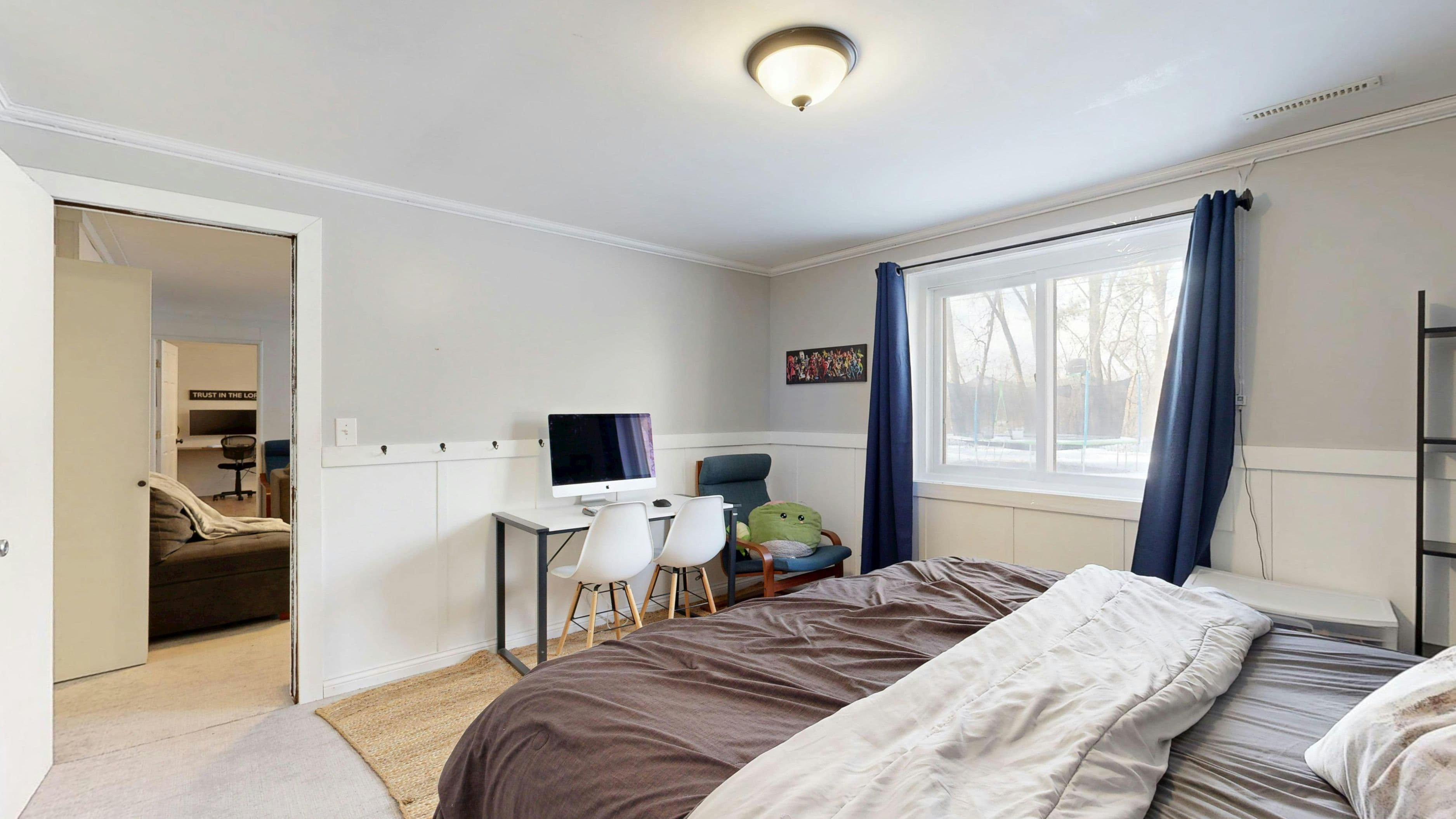
Bedrooms benefit from being kept slightly cooler than the rest of the home, especially at night. A programmable thermostat or smart thermostat can handle this automatically, dropping the temperature in the evening and allowing it to rise gently before your alarm goes off.
Home offices and living spaces where you're alert and active tend to feel best in the 70°F to 74°F range. Spaces where you relax – reading corners, yoga or meditation areas – may feel best slightly warmer, around 72°F to 75°F, since physical stillness means your body generates less of its own heat.
Kitchens naturally run warmer when cooking is happening, so adjusting expectations there rather than compensating with heavy air conditioning is a practical approach. Bathrooms benefit from slightly warmer air during and after bathing, which can be managed with a small portable heater rather than raising the whole home's temperature.
Children, Older Adults, and Varying Sensitivities
Temperature comfort isn't uniform across all ages and health conditions, and a home shared by multiple people means finding balance rather than a single perfect number.
Infants and young children are more sensitive to temperature extremes than adults, and pediatric health guidelines generally recommend keeping nurseries and children's sleeping spaces between 65°F and 70°F (18°C to 21°C) – warm enough for comfort but not so warm that it raises the risk of overheating during sleep.
Older adults, particularly those over 65, often feel cold more readily than younger people due to changes in circulation and metabolism. A home that feels perfectly comfortable at 70°F to a healthy 35-year-old may feel genuinely cold to an older parent or grandparent sharing the same space. Layered clothing, warm seating materials, and personal space heaters are gentler solutions than raising the whole-home temperature to a level that becomes uncomfortably warm for others.
People with certain health conditions – thyroid disorders, Raynaud's disease, multiple sclerosis, and others – may have specific temperature sensitivities that fall outside general guidelines. If that applies to you or someone in your household, those needs take precedence over any general recommendation.
Small Adjustments That Make a Big Difference
You don't need a smart home system to make your temperature more intentional. A few simple habits go a long way.
Using a programmable thermostat to set a lower overnight temperature and a warmer morning temperature means you wake up comfortable without heating an empty house all night. Sealing drafts around windows and doors – a weekend project that costs very little – reduces the temperature inconsistency that forces your HVAC to work harder. Reversing ceiling fan direction seasonally (counterclockwise in summer to push cool air down, clockwise in winter to circulate warm air near the ceiling) is an easy, often-forgotten adjustment that extends the comfort range of any thermostat setting.
Heavy curtains or blackout blinds on south- and west-facing windows make a meaningful difference in summer by reducing solar heat gain during the hottest part of the day. And simply paying attention to how you feel at different thermostat settings – rather than defaulting to the same number year-round – is a surprisingly effective starting point for finding what actually works for you.
What to Avoid
Resist the urge to dramatically overheat in winter or over-cool in summer as a way of compensating for discomfort. Very high indoor temperatures in winter can dry out the air and mucous membranes, increasing susceptibility to respiratory illness. Very cold indoor temperatures in summer can create a jarring contrast with outdoor heat that stresses the body and makes re-entering a warm environment feel worse by comparison.
Avoid setting and forgetting your thermostat without considering seasonal or daily shifts. A temperature that worked in March may feel wrong in July, not because anything has changed with the thermostat but because humidity, sun angle, your activity patterns, and your body's seasonal rhythms have all shifted.
And try not to create a home environment where one person is always uncomfortable in silence. Temperature comfort is a legitimate need, and if someone in your household is chronically too cold or too warm, that low-level physical stress adds up over time. A gentle conversation about layering strategies, personal fans, or thermostat scheduling is worth having.
FAQ
What's the best temperature for sleeping? Most sleep researchers point to between 60°F and 67°F (15°C to 19°C) as the optimal range for adults. The body needs to lower its core temperature to initiate and maintain deep sleep, and a cooler bedroom supports that process. If that range sounds uncomfortably cold, start at 68°F and work down gradually – most people find it easier to adjust to cooler sleep temperatures than they expect.
Is it better to keep the thermostat at a constant temperature or adjust it? Adjusting it – lower at night, lower when the home is empty, slightly warmer during waking hours – is generally more energy-efficient and still comfortable. Modern smart thermostats make this effortless with programmable schedules. The old belief that maintaining a constant temperature is more efficient has been largely debunked by energy research.
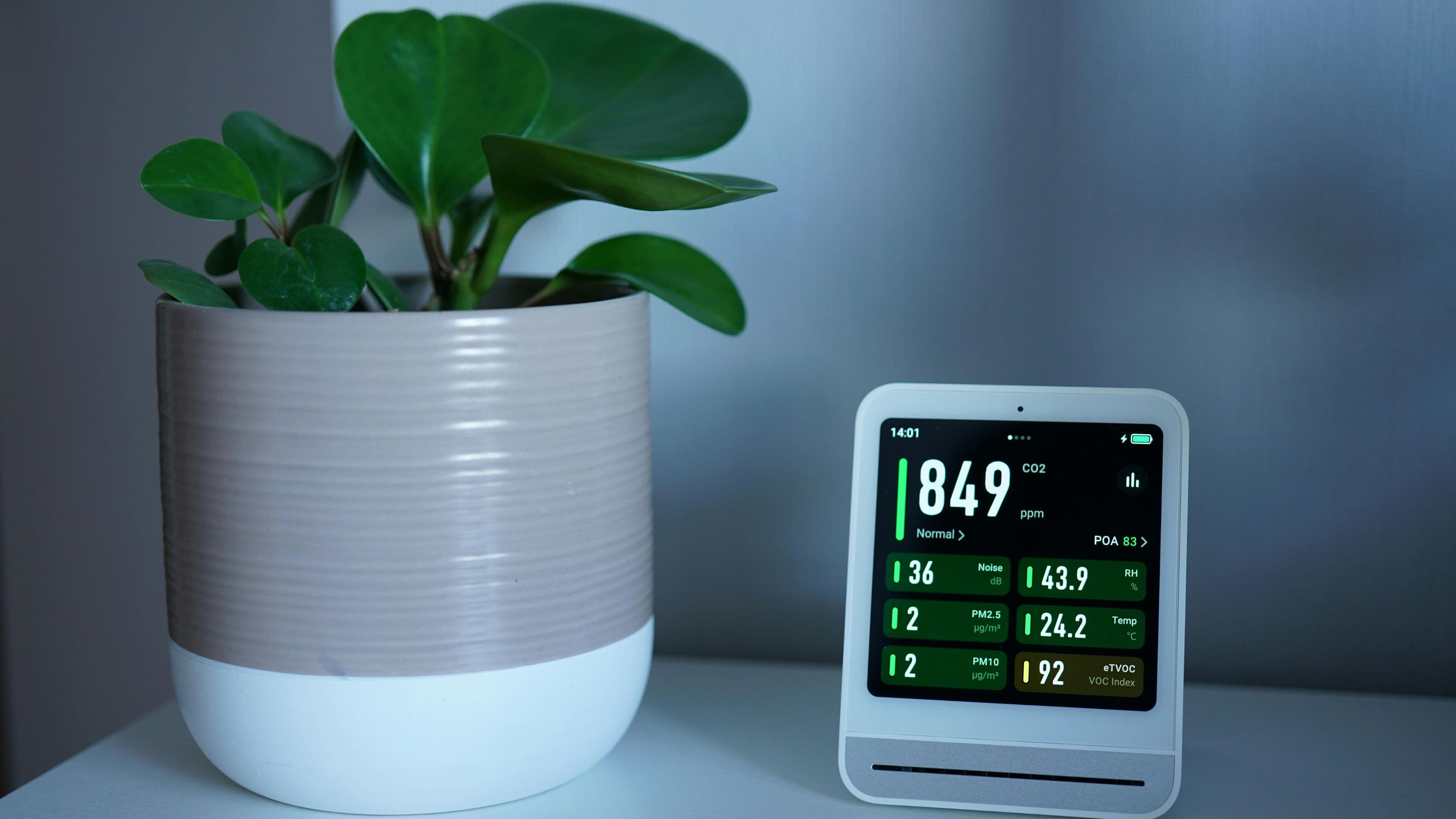
How does humidity affect perceived temperature? Significantly. High humidity makes warm air feel hotter because it slows sweat evaporation, which is your body's primary cooling mechanism. In humid climates, keeping indoor relative humidity between 40% and 60% allows a slightly higher thermostat setting to still feel comfortable. A hygrometer (a small, inexpensive device that measures humidity) can help you understand what's actually happening in your home.
What temperature should I set when no one is home? In winter, around 60°F to 62°F is a reasonable lower limit – low enough to save energy but warm enough to protect pipes and return to a comfortable temperature quickly when you return. In summer, 80°F to 82°F when the home is empty is a typical energy-saving setting without creating an oven-like environment for pets or plants.
Can indoor temperature affect mood? Yes, meaningfully. Research has connected uncomfortably warm indoor temperatures to increased irritability and reduced ability to regulate emotions. Cooler indoor environments tend to support calmer, more focused states. This doesn't mean freezing your home – but it does suggest that if you find yourself inexplicably tense or frustrated at home, temperature is worth considering alongside other factors.
A Final Thought
Your home should feel like it's working with you, not against you. Temperature is one of the quietest and most consistent ways your environment supports or undermines your rest, focus, and sense of ease. Getting intentional about it doesn't require expensive upgrades or a complicated system – it starts with noticing how you feel, adjusting gradually, and paying attention to the difference.
Small, thoughtful changes in how you manage warmth and coolness throughout the year have a way of making home feel more like a haven. And that's what it's there for.
📚 Sources
Recommended thermostat settings for energy savings – US Department of Energy: https://www.energy.gov/energysaver/thermostats
Bedroom temperature and sleep onset – Sleep Foundation: https://www.sleepfoundation.org/bedroom-environment/best-temperature-for-sleep
Indoor air quality and thermal comfort – US EPA: https://www.epa.gov/indoor-air-quality-iaq/introduction-indoor-air-quality
Temperature effects on cognitive performance – NIH research summary: https://www.ncbi.nlm.nih.gov/pmc/articles/PMC6060991/
Safe sleep temperatures for infants – American Academy of Pediatrics: https://www.healthychildren.org/English/ages-stages/baby/sleep/Pages/A-Parents-Guide-to-Safe-Sleep.aspx
Humidity and indoor comfort – ASHRAE standard overview: https://www.ashrae.org/technical-resources/bookstore/standard-55-thermal-environmental-conditions-for-human-occupancy