New this week:The Mirror Technique: Overcoming Self-Doubt in Business Meetings
Harmony Hub logo
Wellness
Growth
Lifestyle
Blog
Family & Relationships
Financial Wellness
Growth
Home & Haven
Lifestyle
Mindful Learning
Mindful Living
Mindful Shopping
Wellness
Women’s Wellness
About
Contact
Run Harmony Check
Loading...
 logo

Science-backed wellness, growth and lifestyle systems for modern professionals. Researched against primary sources, tested in real working weeks, edited by humans.
Copyright © 2026 · Visicom Media.

Library
Wellness library
Growth frameworks
Lifestyle design
Harmony Calculator
Company
About Our Health & Lifestyle Blog – Harmony Hubs
Harmony Hubs Contact us
All guides
Start here
Legal
Harmony Hubs Privacy policy
Harmony Hubs Terms of use
Legal information
© 2026 Harmony Hub. All rights reserved.
HomepageFamily & RelationshipsFinancial WellnessGrowthHome & HavenLifestyleMindful LearningMindful LivingMindful ShoppingWellnessWomen’s Wellness
Home & Haven

Are Smart Home Systems Worth It for Everyday Living?

By Vanessa ClarkePublished: April 26, 2026
Are Smart Home Systems Worth It for Everyday Living?
Share:
Smart home technology has gone from a luxury feature in design magazines to something you can set up on a Sunday afternoon with a few devices and a phone app. But with so many options, price points, and opinions floating around, it's hard to know if any of it actually makes your life better - or if it just adds one more thing to manage. If you've been curious but cautious, that's a reasonable place to be.

This isn't about chasing trends or filling your home with gadgets. It's about understanding whether smart home systems can genuinely support a calmer, more intentional way of living - and where they might fall short.


What "Smart Home" Actually Means

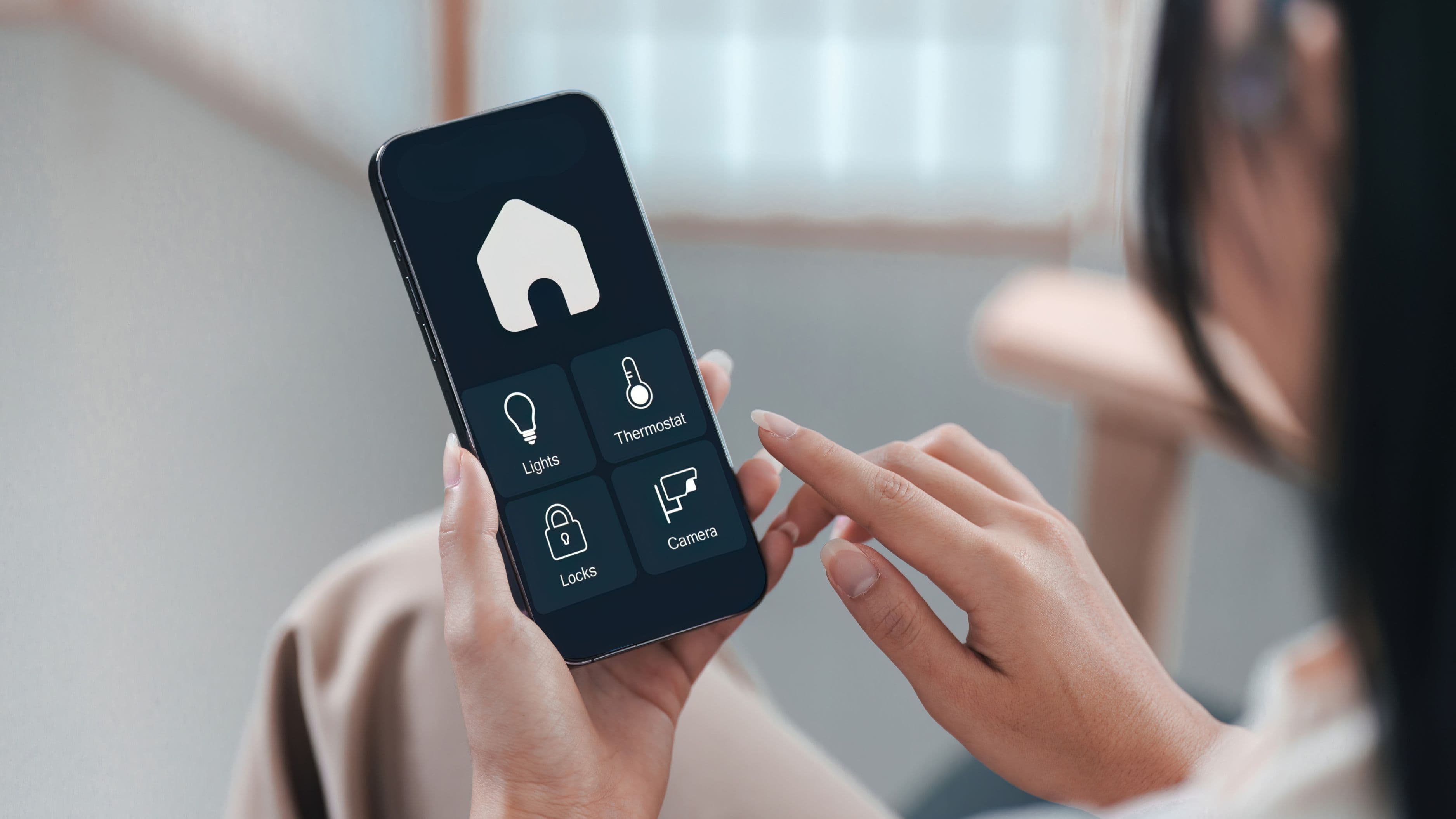
The term gets used loosely, so it helps to be specific. A smart home system is any network of connected devices that can be controlled remotely, automated, or programmed to respond to your habits and environment. That might mean lights that dim when you watch a movie, a thermostat that learns your sleep schedule, or a doorbell camera you check from your phone while you're away.

Some people build out entire ecosystems through platforms like Amazon Alexa, Google Home, or Apple HomeKit. Others start with a single smart speaker or a plug-in device and go from there. There's no one-size-fits-all version of a smart home - which is both freeing and a little overwhelming if you don't know where to begin.


The Case for Smart Home Systems

At their best, smart home tools reduce the number of small decisions you have to make in a day. That might sound minor, but decision fatigue is real. Research from the American Psychological Association has linked chronic stress to the accumulative weight of small, repeated choices - and anything that removes friction from your environment can have a gentle but meaningful effect on how you feel at home.

Automated lighting, for example, isn't just convenient. Lighting that adjusts to the time of day can support your circadian rhythm, helping your body understand when to be alert and when to wind down. A study published in the Journal of Clinical Sleep Medicine found that light exposure in the evening significantly affects sleep quality and melatonin production. Having lights that shift to warmer tones after sunset - without you having to think about it - is a small change with real impact.

Smart thermostats like the Nest or Ecobee also do more than save energy. When your home temperature is consistent and comfortable, it becomes easier to sleep, focus, and relax. The U.S. Department of Energy notes that smart thermostats can save homeowners an average of 10-12% on heating and 15% on cooling costs annually - which matters both for your wallet and your environmental footprint.

Voice-controlled or app-based systems can also be genuinely helpful for people who are managing a lot - whether that's a demanding job, young children, chronic illness, or simply the mental load of a full life. Being able to lock the front door, adjust the heat, or check if you left the stove on without leaving your desk isn't laziness. It's removing unnecessary interruptions from your day.


Where Smart Home Systems Fall Short

Here's the honest side of things. Smart home technology isn't always the seamless, calming experience it's marketed as. Devices from different brands don't always communicate well with each other, setup can be more time-consuming than expected, and troubleshooting connectivity issues is its own kind of stress - especially if you're not particularly tech-savvy.

There's also the cost to consider. While entry-level devices are affordable, building out a full system can add up quickly. A quality smart thermostat runs $150-$250, smart lighting can cost several hundred dollars to outfit a home properly, and premium systems like Control4 or Savant are designed for large budgets and professional installation. For many people, the return on investment depends entirely on how intentionally they use what they have.

Privacy is another layer worth thinking about. Smart devices collect data about your routines, voice patterns, and energy habits. If that feels uncomfortable, it's worth researching the data policies of any brand you're considering. This doesn't mean smart home technology is inherently unsafe - but it does mean being an informed consumer matters here more than in most categories.

And perhaps most importantly: more technology doesn't automatically mean more peace. If you bring smart devices into a chaotic or cluttered home environment without addressing the underlying habits and routines, you'll likely end up with a more complicated version of the same stress. Tools support a calm life - they don't create one.


Comparing Your Starting Points

Rather than recommending one all-in approach, it helps to think about where you are now and what problem you're actually trying to solve.

If you feel overwhelmed by daily decisions, starting with a smart lighting routine or a single voice assistant might genuinely reduce friction in your mornings and evenings. Keep it simple, give it a few weeks, and notice whether it helps.

If sleep is a challenge, a smart thermostat and circadian lighting are probably the highest-value investments. Both have solid research behind them and work quietly in the background without requiring much from you day-to-day.

If you want to reduce energy costs, a smart thermostat combined with smart plugs on high-draw appliances is a practical, low-effort way to see real savings - especially if you're prone to leaving things running when you leave the house.

If you crave more control over your environment, a whole-home platform might be worth exploring - but take it slowly, start with one room, and don't try to automate everything at once.

If you're not sure what you need, wait. There's no urgency here. The best version of a smart home is one built thoughtfully over time, not purchased all at once during a sale.


Realistic Expectations

Smart home systems are tools, not transformations. They work best when they're aligned with habits and intentions you're already building - not as a substitute for them. The people who get the most out of this technology tend to be those who use it quietly in the background, not those who make it the centerpiece of how they live.

Start with one or two changes. Notice what actually helps. Let your experience guide what comes next rather than a wish list or a marketing campaign. That approach - slow, intentional, grounded - is the same one that tends to work in most areas of life.


Common Pitfalls to Avoid

Buying devices without a clear purpose is one of the most common mistakes. Ask yourself what specific friction or problem you want to solve before purchasing anything. Chasing "smart home aesthetics" without thinking about function leads to a drawer full of underused gadgets and a lighter wallet.

Also avoid building a system around a single ecosystem too quickly. If you later want to switch from Amazon Alexa to Apple HomeKit, compatibility issues can make that genuinely frustrating. Researching cross-platform compatibility early - even if you don't act on it yet - saves headaches later.

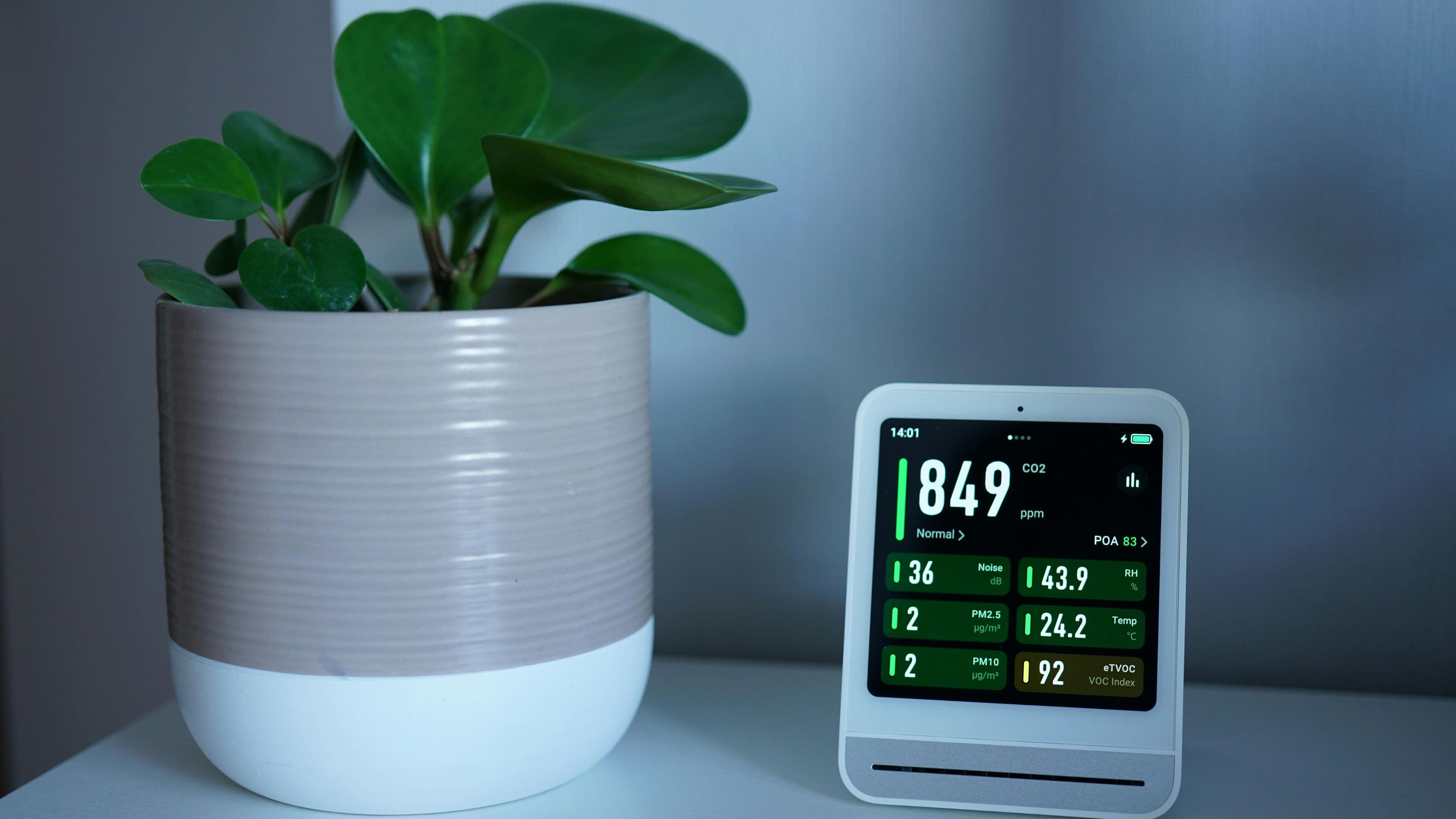
Finally, don't overlook the basics. Air quality, natural light, clutter, and noise are the foundation of a calm home. Smart technology layers on top of that foundation - it doesn't replace it.


FAQ

Do I need a strong Wi-Fi connection for smart home devices to work? Yes, most smart home devices rely on a stable Wi-Fi connection. If your home has dead zones or inconsistent signal, a mesh Wi-Fi system is worth considering before investing in connected devices.

Are smart home systems safe from a privacy standpoint? Most reputable brands have privacy policies and data encryption in place, but no system is completely without risk. Reviewing the privacy settings of any device you use and disabling features you don't need (like always-on microphones) is a reasonable precaution.

Can smart home technology help with sleep? Yes - particularly smart thermostats and circadian lighting systems. Both have research-backed benefits when used consistently, especially for regulating the body's natural sleep-wake cycle.

Is it expensive to get started? Not necessarily. A single smart bulb or plug can cost under $15. Starting small and adding intentionally over time is both budget-friendly and less overwhelming than building a full system at once.


Smart home technology, used thoughtfully, can make your home feel a little more like it's working with you rather than against you. That's worth something - especially on the days when everything else feels like a lot.


📚 Sources

  1. American Psychological Association - Stress in America: Decision Fatigue and Daily Stress - https://www.apa.org/topics/stress

  2. Journal of Clinical Sleep Medicine - Evening Light Exposure and Sleep Quality - https://jcsm.aasm.org

  3. U.S. Department of Energy - Thermostats and Energy Savings - https://www.energy.gov/energysaver/thermostats

  4. National Sleep Foundation - The Role of Light in Sleep - https://www.thensf.org/sleep-facts-and-statistics/

  5. Consumer Reports - Smart Home Devices Buying Guide - https://www.consumerreports.org/smart-home/

🔍 Explore Related Topics

  • Smart lighting for better sleep

  • How to start a smart home on a budget

  • Circadian lighting and daily energy levels

  • Best smart thermostats for small homes

  • Home automation for stress relief

  • Privacy concerns with smart home devices

  • Simple morning routines with smart home tools

  • Air quality monitors for the home

  • Minimalist smart home setups

  • How clutter affects your mental health

Vanessa Clarke
Vanessa Clarke

About the Author

Vanessa Clarke
Vanessa ClarkeRead Full Story

Related Articles

Home & Haven

How to Build a Multi-Sensory Relaxation Room at Home

How to Build a Multi-Sensory Relaxation Room at Home

Updated: March 27, 2026 | Vanessa Clarke
What Are the Must-Have Features of a Wellness-Focused Home?

What Are the Must-Have Features of a Wellness-Focused Home?

Updated: March 27, 2026 | Sophie Davenport
How to Declutter Your Home: Steps to a Simplified Life

How to Declutter Your Home: Steps to a Simplified Life

Updated: April 29, 2025 | Melissa Carter
10 Smart Home Upgrades That Actually Improve Daily Comfort

10 Smart Home Upgrades That Actually Improve Daily Comfort

Updated: April 21, 2026 | Natalie Foster
7 Hidden Home Distractions That Are Affecting Your Focus

7 Hidden Home Distractions That Are Affecting Your Focus

Updated: April 28, 2026 | Anya Sharma
8 Smart Home Features That Save Time Every Day

8 Smart Home Features That Save Time Every Day

Updated: May 11, 2026 | Emily Chen
8 Ways to Improve Air Quality Without Expensive Systems

8 Ways to Improve Air Quality Without Expensive Systems

Updated: April 23, 2026 | Sophie Davenport
9 Small Home Changes That Instantly Improve Your Mood

9 Small Home Changes That Instantly Improve Your Mood

Updated: May 5, 2026 | Vanessa Clarke
Air Purifier Vs Humidifier: Which Do You Really Need at Home?

Air Purifier Vs Humidifier: Which Do You Really Need at Home?

Updated: April 22, 2026 | Rachel Whitman
Are Smart Gardens Worth It for Indoor Living Spaces?

Are Smart Gardens Worth It for Indoor Living Spaces?

Updated: May 7, 2026 | Claire Hewitt
Best Devices to Monitor and Improve Indoor Air Quality

Best Devices to Monitor and Improve Indoor Air Quality

Updated: May 10, 2026 | David Lee
Best Home Fragrance Systems for a Calm and Inviting Space

Best Home Fragrance Systems for a Calm and Inviting Space

Updated: May 3, 2026 | Kara james
Best Soundproofing Solutions for a Quiet and Peaceful Home

Best Soundproofing Solutions for a Quiet and Peaceful Home

Updated: April 26, 2026 | Sofia Martinez
How to Create Invisible Tech Integration in Your Living Space

How to Create Invisible Tech Integration in Your Living Space

Updated: May 4, 2026 | Hannah Sullivan
How to Create a Distraction-Free Workspace at Home

How to Create a Distraction-Free Workspace at Home

Updated: April 22, 2026 | Sofia Martinez
How to Create a Home That Supports Mental Clarity and Focus

How to Create a Home That Supports Mental Clarity and Focus

Updated: May 5, 2026 | Sophie Davenport
How to Design a Calming Home Environment That Reduces Stress

How to Design a Calming Home Environment That Reduces Stress

Updated: April 21, 2026 | Olivia Benson
How to Design a Home That Feels Cozy Without Clutter

How to Design a Home That Feels Cozy Without Clutter

Updated: May 10, 2026 | David Lee
How to Optimize Your Home for Better Sleep Quality

How to Optimize Your Home for Better Sleep Quality

Updated: April 30, 2026 | Charlotte Greene
How to Set Up a Smart Bedroom for Better Rest and Recovery

How to Set Up a Smart Bedroom for Better Rest and Recovery

Updated: May 7, 2026 | Emily Chen
Is a Whole-Home Water Filtration System Worth It?

Is a Whole-Home Water Filtration System Worth It?

Updated: May 3, 2026 | Emily Chen
Smart Lighting Vs Natural Light: What’s Better for Your Wellbeing?

Smart Lighting Vs Natural Light: What’s Better for Your Wellbeing?

Updated: April 28, 2026 | Caroline Miller

Smart Locks Vs Traditional Locks: Which Is Better for Home Security?

Updated: May 6, 2026 | Caroline Miller
What Are the Best Ways to Automate Your Home for Comfort?

What Are the Best Ways to Automate Your Home for Comfort?

Updated: May 11, 2026 | Emily Chen
What Is a Smart Energy Dashboard and Do You Need One?

What Is a Smart Energy Dashboard and Do You Need One?

Updated: April 30, 2026 | Claire Hewitt
What Is the Best Lighting Setup for a Relaxing Home?

What Is the Best Lighting Setup for a Relaxing Home?

Updated: April 22, 2026 | Olivia Marshall
What Is the Ideal Temperature for a Comfortable Home Year-Round?

What Is the Ideal Temperature for a Comfortable Home Year-Round?

Updated: May 6, 2026 | Anya Sharma
What Makes a Home Feel Truly Comfortable and Balanced?

What Makes a Home Feel Truly Comfortable and Balanced?

Updated: May 4, 2026 | Isabella Rossi
How to Build a Multi-Sensory Relaxation Room at Home

How to Build a Multi-Sensory Relaxation Room at Home

Updated: March 27, 2026 | Vanessa Clarke
What Are the Must-Have Features of a Wellness-Focused Home?

What Are the Must-Have Features of a Wellness-Focused Home?

Updated: March 27, 2026 | Sophie Davenport
How to Declutter Your Home: Steps to a Simplified Life

How to Declutter Your Home: Steps to a Simplified Life

Updated: April 29, 2025 | Melissa Carter
10 Smart Home Upgrades That Actually Improve Daily Comfort

10 Smart Home Upgrades That Actually Improve Daily Comfort

Updated: April 21, 2026 | Natalie Foster
7 Hidden Home Distractions That Are Affecting Your Focus

7 Hidden Home Distractions That Are Affecting Your Focus

Updated: April 28, 2026 | Anya Sharma
8 Smart Home Features That Save Time Every Day

8 Smart Home Features That Save Time Every Day

Updated: May 11, 2026 | Emily Chen
8 Ways to Improve Air Quality Without Expensive Systems

8 Ways to Improve Air Quality Without Expensive Systems

Updated: April 23, 2026 | Sophie Davenport
9 Small Home Changes That Instantly Improve Your Mood

9 Small Home Changes That Instantly Improve Your Mood

Updated: May 5, 2026 | Vanessa Clarke
Air Purifier Vs Humidifier: Which Do You Really Need at Home?

Air Purifier Vs Humidifier: Which Do You Really Need at Home?

Updated: April 22, 2026 | Rachel Whitman
Are Smart Gardens Worth It for Indoor Living Spaces?

Are Smart Gardens Worth It for Indoor Living Spaces?

Updated: May 7, 2026 | Claire Hewitt
Best Devices to Monitor and Improve Indoor Air Quality

Best Devices to Monitor and Improve Indoor Air Quality

Updated: May 10, 2026 | David Lee
Best Home Fragrance Systems for a Calm and Inviting Space

Best Home Fragrance Systems for a Calm and Inviting Space

Updated: May 3, 2026 | Kara james
Best Soundproofing Solutions for a Quiet and Peaceful Home

Best Soundproofing Solutions for a Quiet and Peaceful Home

Updated: April 26, 2026 | Sofia Martinez
How to Create Invisible Tech Integration in Your Living Space

How to Create Invisible Tech Integration in Your Living Space

Updated: May 4, 2026 | Hannah Sullivan
How to Create a Distraction-Free Workspace at Home

How to Create a Distraction-Free Workspace at Home

Updated: April 22, 2026 | Sofia Martinez
How to Create a Home That Supports Mental Clarity and Focus

How to Create a Home That Supports Mental Clarity and Focus

Updated: May 5, 2026 | Sophie Davenport
How to Design a Calming Home Environment That Reduces Stress

How to Design a Calming Home Environment That Reduces Stress

Updated: April 21, 2026 | Olivia Benson
How to Design a Home That Feels Cozy Without Clutter

How to Design a Home That Feels Cozy Without Clutter

Updated: May 10, 2026 | David Lee
How to Optimize Your Home for Better Sleep Quality

How to Optimize Your Home for Better Sleep Quality

Updated: April 30, 2026 | Charlotte Greene
How to Set Up a Smart Bedroom for Better Rest and Recovery

How to Set Up a Smart Bedroom for Better Rest and Recovery

Updated: May 7, 2026 | Emily Chen
Is a Whole-Home Water Filtration System Worth It?

Is a Whole-Home Water Filtration System Worth It?

Updated: May 3, 2026 | Emily Chen
Smart Lighting Vs Natural Light: What’s Better for Your Wellbeing?

Smart Lighting Vs Natural Light: What’s Better for Your Wellbeing?

Updated: April 28, 2026 | Caroline Miller

Smart Locks Vs Traditional Locks: Which Is Better for Home Security?

Updated: May 6, 2026 | Caroline Miller
What Are the Best Ways to Automate Your Home for Comfort?

What Are the Best Ways to Automate Your Home for Comfort?

Updated: May 11, 2026 | Emily Chen
What Is a Smart Energy Dashboard and Do You Need One?

What Is a Smart Energy Dashboard and Do You Need One?

Updated: April 30, 2026 | Claire Hewitt
What Is the Best Lighting Setup for a Relaxing Home?

What Is the Best Lighting Setup for a Relaxing Home?

Updated: April 22, 2026 | Olivia Marshall
What Is the Ideal Temperature for a Comfortable Home Year-Round?

What Is the Ideal Temperature for a Comfortable Home Year-Round?

Updated: May 6, 2026 | Anya Sharma
What Makes a Home Feel Truly Comfortable and Balanced?

What Makes a Home Feel Truly Comfortable and Balanced?

Updated: May 4, 2026 | Isabella Rossi