This isn't about turning your home into a tech project or optimizing every watt to within an inch of its life. It's about awareness – one of the foundational tools of intentional living – applied to one area of your home that silently shapes your financial stress more than most people realize.
What a Smart Energy Dashboard Actually Is
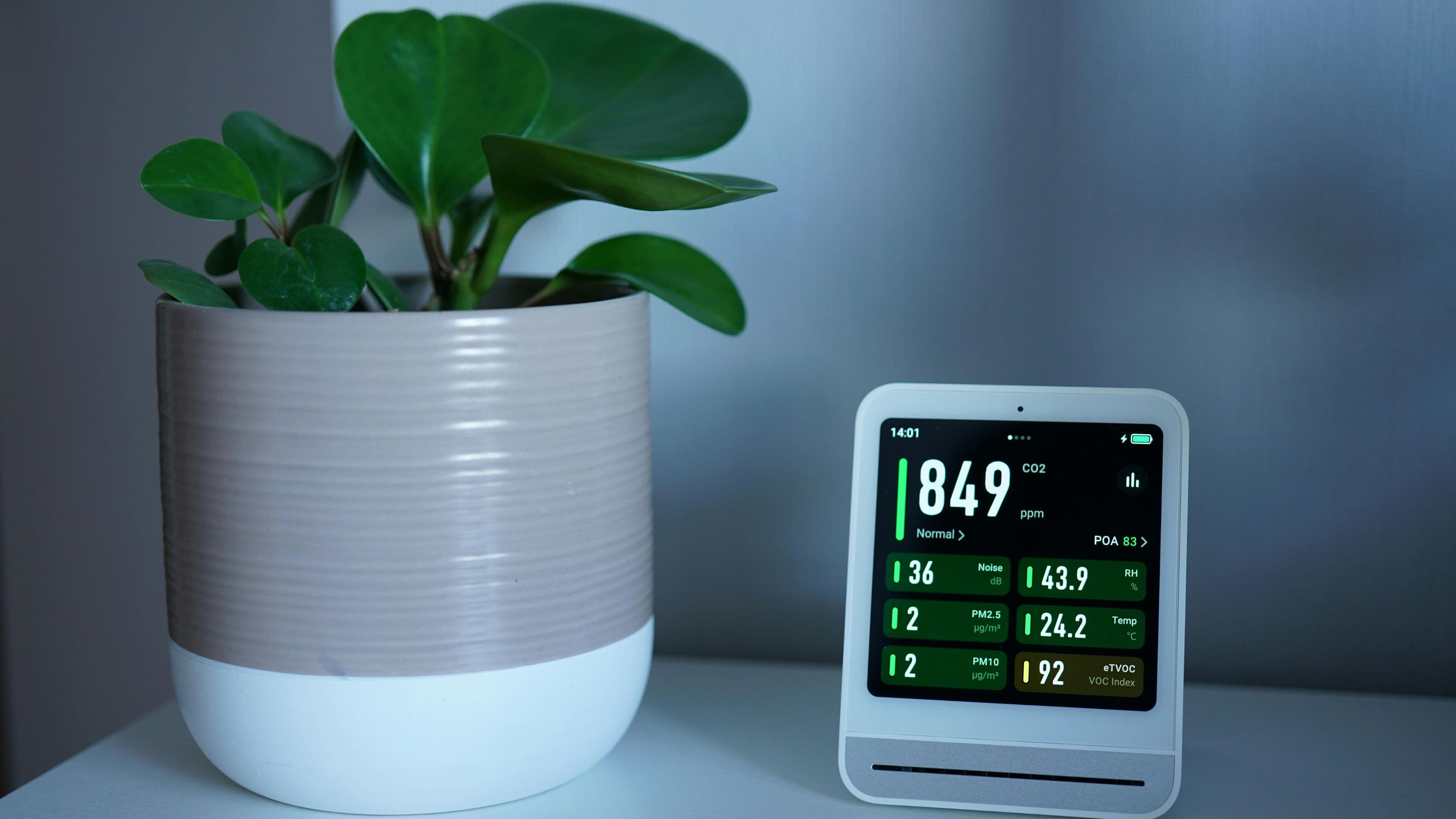
A smart energy dashboard is a tool – either a physical device, an app, or both – that monitors your home's electricity consumption in real time and displays it in a way that's easy to understand. Rather than finding out how much energy you used at the end of the month when the bill arrives, you can see what's happening right now, which appliances are drawing the most power, and how your usage today compares to yesterday, last week, or the same time last year.
Some dashboards work at the whole-home level, giving you a single number for total consumption. More detailed systems can break usage down by individual appliances or circuits, letting you see that your old refrigerator is drawing more power than everything else in the kitchen combined, or that the electric heater in the guest room has been running all day unnoticed. The level of detail depends on the system you choose, but even basic whole-home monitoring tends to shift the way people relate to their energy use in ways that feel meaningful rather than overwhelming.
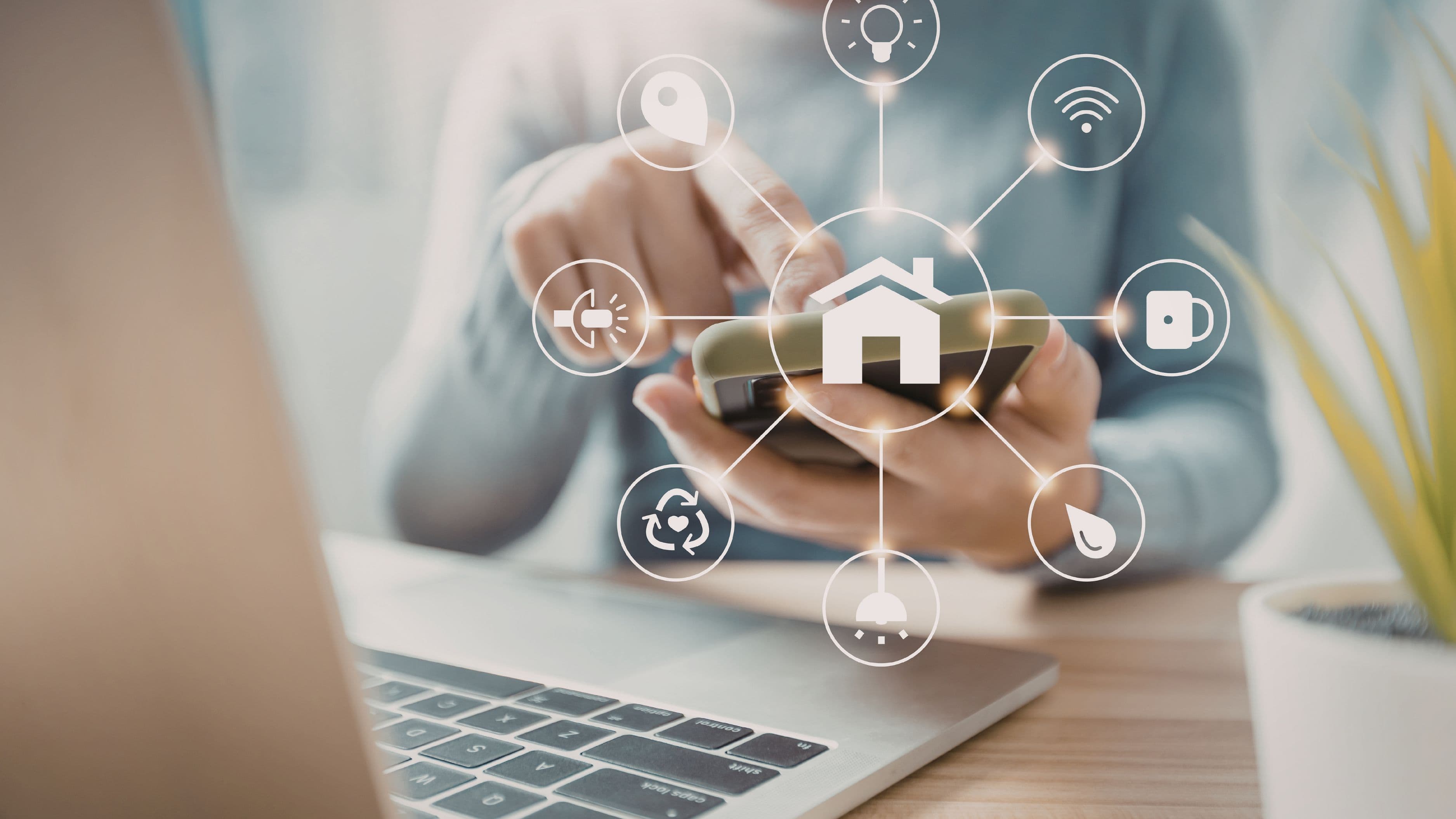
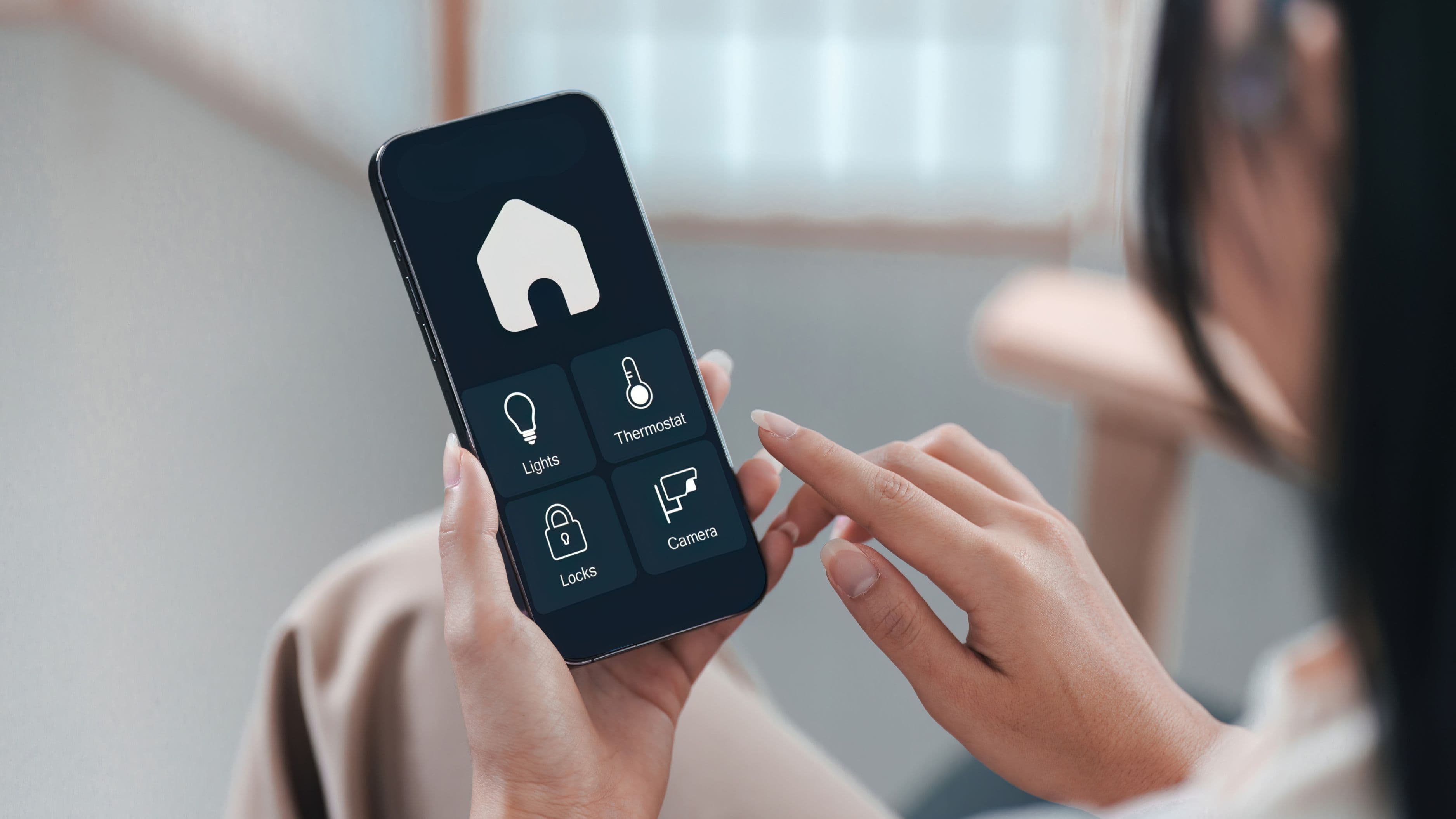
Most modern dashboards connect to your home's Wi-Fi and display data through a smartphone app, though some utility companies now offer web-based dashboards directly through your existing account. A few dedicated devices like the Sense Energy Monitor or Emporia Vue are installed in your electrical panel and provide appliance-level detail without requiring you to install anything on individual outlets. The technology has become much more accessible and user-friendly in recent years – it's no longer something that requires an electrician and a significant investment to get started.
The Connection to Stress, Clarity, and Intentional Living
It might seem like an unusual fit for a wellness conversation, but energy awareness and emotional well-being are more connected than they first appear. Financial stress is one of the most consistent contributors to anxiety and sleep disruption, and utility costs – unpredictable, opaque, and often outside your perceived control – feed directly into that stress.
When you can see your energy use in real time, that perceived lack of control shifts. You know what's running. You know roughly what it costs. You can make small, concrete adjustments and watch them reflected in your data rather than waiting three weeks for a bill to tell you whether they made any difference. That feedback loop – action, then visible result – is one of the most grounding things you can build into any area of your life. It's the same reason tracking sleep or hydration tends to improve both: not because the tracking is magic, but because awareness creates agency.
There's also something quietly satisfying about using less than you need to. For many people, reducing energy consumption connects to a broader sense of living more intentionally – using what's actually necessary, not just what's convenient. That's not a moralistic statement; it's simply an observation that aligning your resource use with your values tends to feel better than the alternative.
What You Can Realistically Expect
A smart energy dashboard won't cut your electricity bill in half overnight. What it tends to do, consistently, is surface a few specific habits or appliances that are costing more than their actual benefit warrants – and once you can see those clearly, the decision to change them becomes easy rather than effortful.
Studies from the Lawrence Berkeley National Laboratory and others have found that real-time energy feedback typically produces consumption reductions of around 5–15%. For the average household, that translates to meaningful savings annually without any significant lifestyle change – just the natural effect of awareness on behavior. You're not suddenly living like a minimalist; you're just noticing that the TV in the spare room runs all day for no reason, or that running the dishwasher at night versus peak hours makes a measurable difference.
The savings compound more significantly for households with older appliances, electric heating or cooling, or a history of high and unexplained bills. If you've never had visibility into what's actually consuming power in your home, the first few weeks of using a dashboard often feel genuinely revelatory – the kind of information that makes you wonder why it wasn't available to you much earlier.
Getting Started: What to Look For
If you're curious about trying a smart energy dashboard, the lowest-friction starting point is checking whether your utility provider already offers one. Many electricity companies now provide free or low-cost usage dashboards through their online accounts, sometimes with near-real-time data, historical comparisons, and tips specific to your usage patterns. This costs nothing and requires no installation – it's simply a layer of information on top of the account you already have.
For more detailed monitoring, a dedicated home energy monitor like the Emporia Vue or Sense offers appliance-level data and connects to a straightforward app. These devices are installed in your electrical panel – a process that takes a professional electrician about an hour – and typically cost between $100 and $200 for the device itself. The apps are designed to be approachable for people with no technical background, and the level of insight they provide is genuinely different from utility-level data alone.
Smart plugs with energy monitoring built in (brands like Kasa and Eve make well-regarded options) are an even simpler starting point if you want to test the concept on a single appliance before committing to a whole-home system. Plugging in your home office equipment or an older appliance to see exactly what it draws can be surprisingly illuminating, and the cost is usually under $20 per plug.
What to Avoid
The most common pitfall with energy dashboards is treating the data as a source of anxiety rather than a source of clarity. If you find yourself checking the app obsessively or feeling stressed every time a number is higher than expected, the tool is working against its purpose. Energy data is meant to inform occasional, calm decisions – not to create a new performance metric you monitor by the hour.
It's also worth avoiding the trap of optimizing energy use at the expense of comfort or well-being. Turning off the heating to lower a number, or feeling guilty about running a bath, is a sign that the relationship with the tool has tipped in the wrong direction. The goal is conscious, intentional use – not deprivation. Awareness should make you feel more in control of your home, not more constrained by it.
Finally, don't over-invest in technology before you know whether it serves you. Starting with your utility provider's existing dashboard, or a single smart plug, gives you a feel for how you actually engage with energy data before you commit to a panel-level installation. For some people, the free utility dashboard is genuinely enough. For others, the appliance-level detail of a dedicated monitor makes the investment clearly worthwhile. There's no single right answer – only what aligns with your situation and how you naturally relate to information.
Do You Actually Need One?
Not everyone does. If your energy bills are stable, your home is reasonably modern, and financial stress around utilities isn't something you think about much, a smart energy dashboard is a nice-to-have rather than a meaningful addition to your life. The people who tend to find them genuinely useful are those whose bills feel unpredictable or persistently higher than they expect, those with older homes or appliances where inefficiency is a known possibility, and those who find that visibility and feedback loops help them maintain the habits they care about.
If you've ever stared at a utility bill wondering what drove the number, or felt that vague, low-level tension around household costs without being able to pinpoint the cause, an energy dashboard is one of the more elegant tools for resolving that specific discomfort. It won't solve everything. But it will replace uncertainty with information – and information, handled gently, is one of the quietest forms of relief available.
FAQ
Do I need an electrician to install a smart energy monitor? For whole-home panel-level monitors like Sense or Emporia Vue, yes – a licensed electrician should handle the installation, which typically takes under an hour. Smart plugs and utility dashboards require no installation at all.
Will a smart energy dashboard work with solar panels? Yes – many dedicated monitors, including Sense and Emporia Vue, are specifically designed to track both consumption and solar generation, giving you a clear picture of what you're producing versus what you're drawing from the grid.
How much do smart energy dashboards cost? Utility-provided dashboards are typically free. Smart plugs with energy monitoring run $15–$25 each. Whole-home monitors range from around $100–$200 for the device, plus the cost of professional installation.
Can a smart energy dashboard help reduce my carbon footprint? Yes, indirectly. Reducing overall energy consumption – particularly from non-renewable sources – lowers your household's environmental impact. Many apps also display carbon equivalent data alongside financial costs, which some users find motivating.
Is my energy data private? Data collected by smart energy monitors is typically stored by the device manufacturer and governed by their privacy policy. If data privacy is a concern, review the policy before purchasing, or stick with your utility provider's built-in dashboard, which is subject to utility regulations.
Living intentionally doesn't mean monitoring everything. It means understanding the parts of your life that affect your peace of mind – and for many people, the quiet uncertainty around household energy costs is one of those parts. A smart energy dashboard is simply a way of shining a light on something that's been operating in the background, and deciding, from a place of knowledge rather than guesswork, what you'd like to do about it.
📚 Sources
Lawrence Berkeley National Laboratory – Home Energy Feedback and Consumption Study: https://eta.lbl.gov/publications/do-energy-efficiency-investments
U.S. Department of Energy – Home Energy Monitoring Overview: https://www.energy.gov/energysaver/home-energy-audits
Sense Energy Monitor – How It Works: https://sense.com/how-it-works
Emporia Energy – Vue Home Energy Monitor: https://www.emporiaenergy.com/vue-home-energy-monitor
Energy.gov – Smart Home Energy Management: https://www.energy.gov/eere/buildings/smart-home-energy-management-systems
American Council for an Energy-Efficient Economy – Real-Time Feedback and Energy Use: https://www.aceee.org/research-report/b1001
Eve Energy Smart Plug Overview: https://www.evehome.com/en/eve-energy
TP-Link Kasa Smart Plug with Energy Monitoring: https://www.kasasmart.com/us/products/smart-plugs