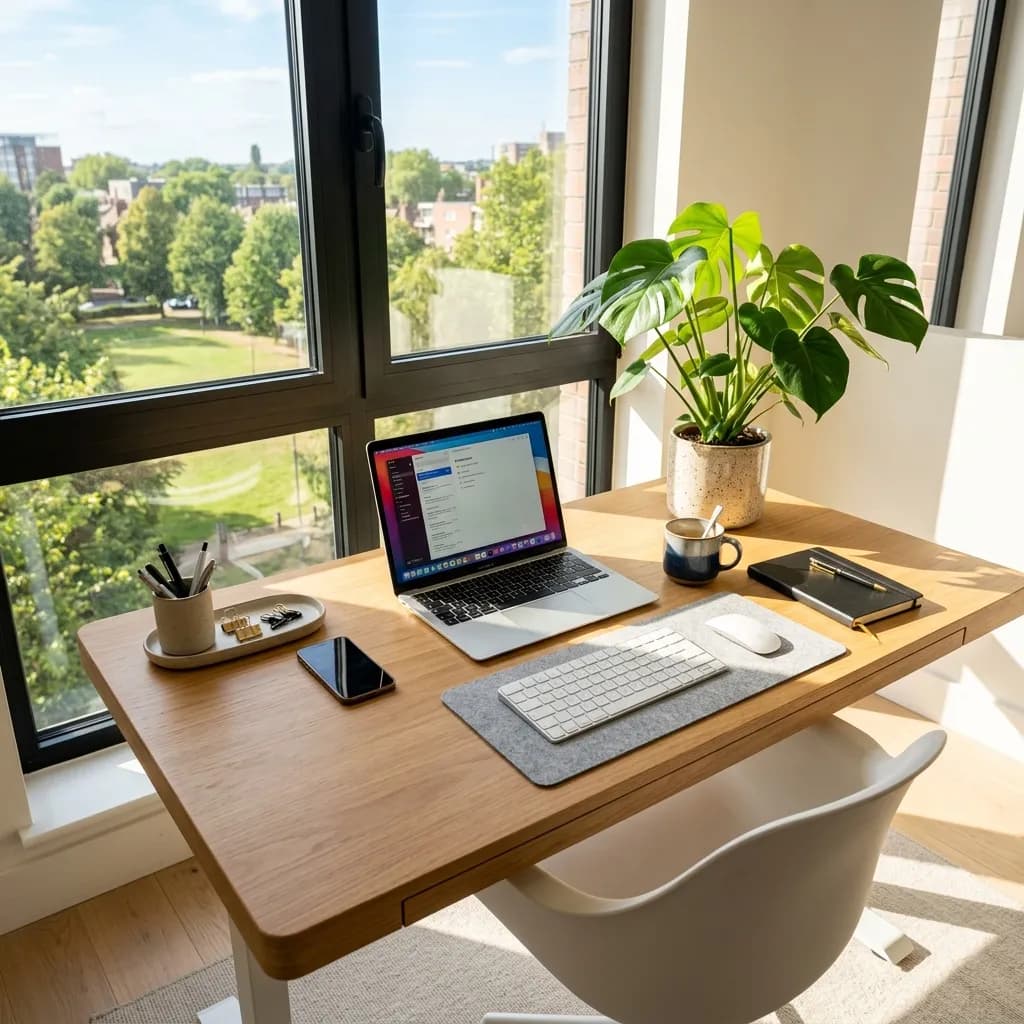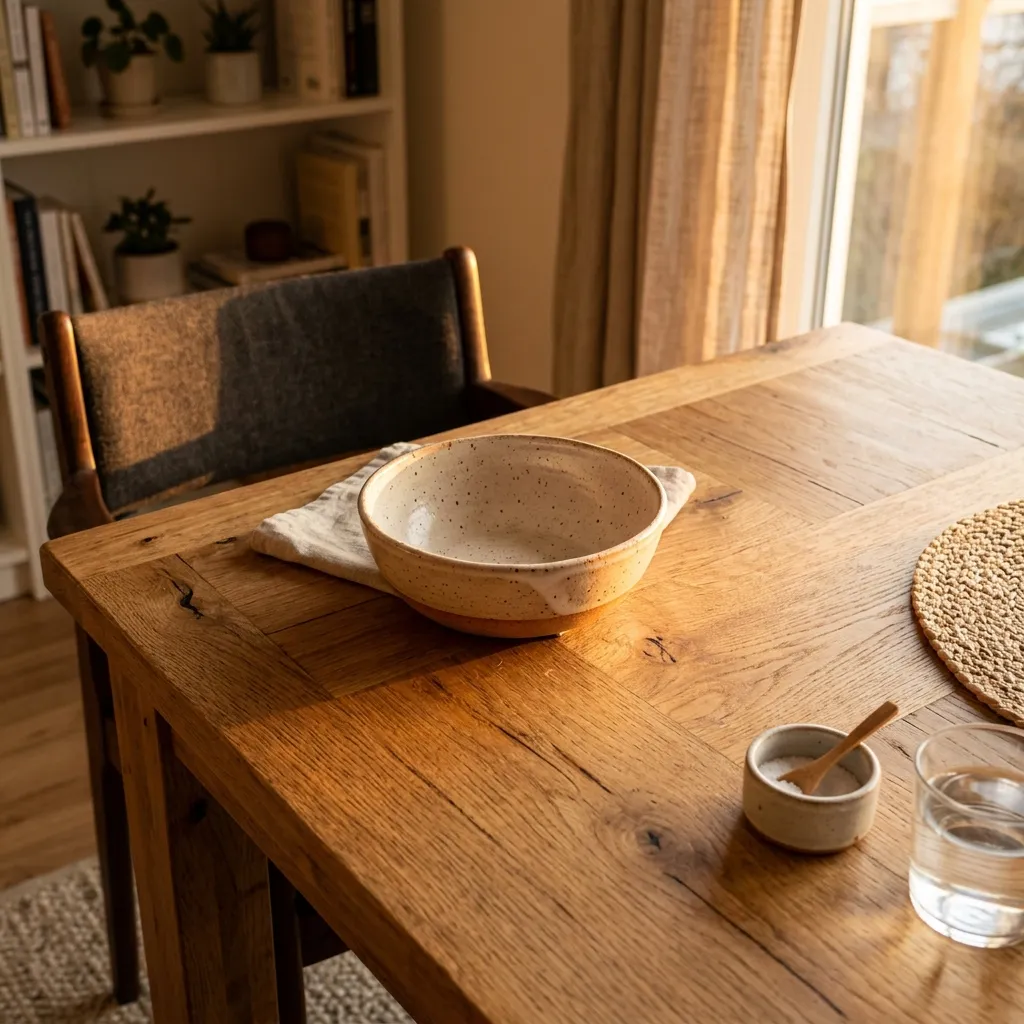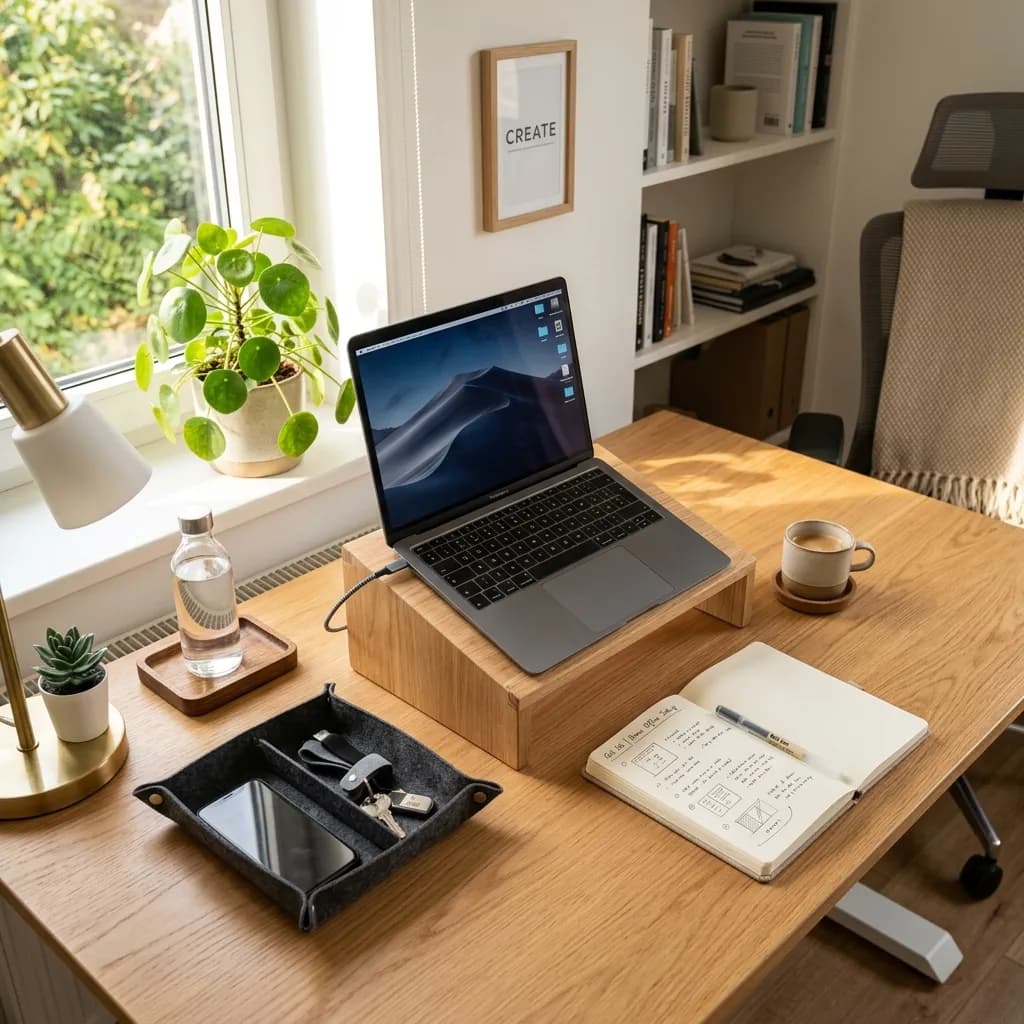
How Indoor Stimulation Impacts the Nervous System
In our hyper-connected professional lives, we treat home design as a matter of aesthetics, comfort, or storage. We select furniture based on styles, display decorations on every surface, and configure electronics for entertainment. However, environmental psychology reveals that this is incorrect: your indoor surroundings directly alter your nervous system stress baseline. To protect your recovery time, you must study the advantages of a low-stimulation home design.
A low-stimulation home design is a spatial strategy focused on reducing sensory inputs—acoustic echoes, visual clutter, and notification triggers.
When your living room contains stacks of papers, exercise gear, or blinking charging blocks, your brain's threat-detection centers remain active. This continuous visual exposure prevents down-regulation, keeping your resting heart rate elevated and contributing to sleep debt. Rebuilding your home around quiet priorities lowers this load, making calm your default state. To evaluate your current home stimulation markers, try our interactive Daily Harmony Calculator.
The Sensory Filtering Limit of the Brain
Cognitive psychology research shows that the human brain can only filter out visual and acoustic noise with constant prefrontal effort. Reducing these ambient inputs at home deactivates this monitoring process, allowing the brain to recover.
The Science of Sensory Overload and Nervous System Fatigue
Sensory overload is not a simple mood shift; it is a vascular challenge. When your home is filled with bright lights, loud noises, and visual clutter, your brainstem registers a continuous alert state.
This state triggers a sustained release of adrenaline and cortisol, keeping your sympathetic nervous system active. Over time, high cortisol levels desensitize HPA-axis feedback loops, leading to waking fatigue and poor sleep.
According to clinical studies published by the National Institutes of Health (NIH), quiet and minimalist environments are directly linked to lower systemic stress markers. To manage morning anxiety, read our guide on managing morning anxiety naturally, and explore somatic resets in our guide on somatic movements for beginners. You can also review stress remodeling pathways in our guide on chronic stress and brain chemistry.
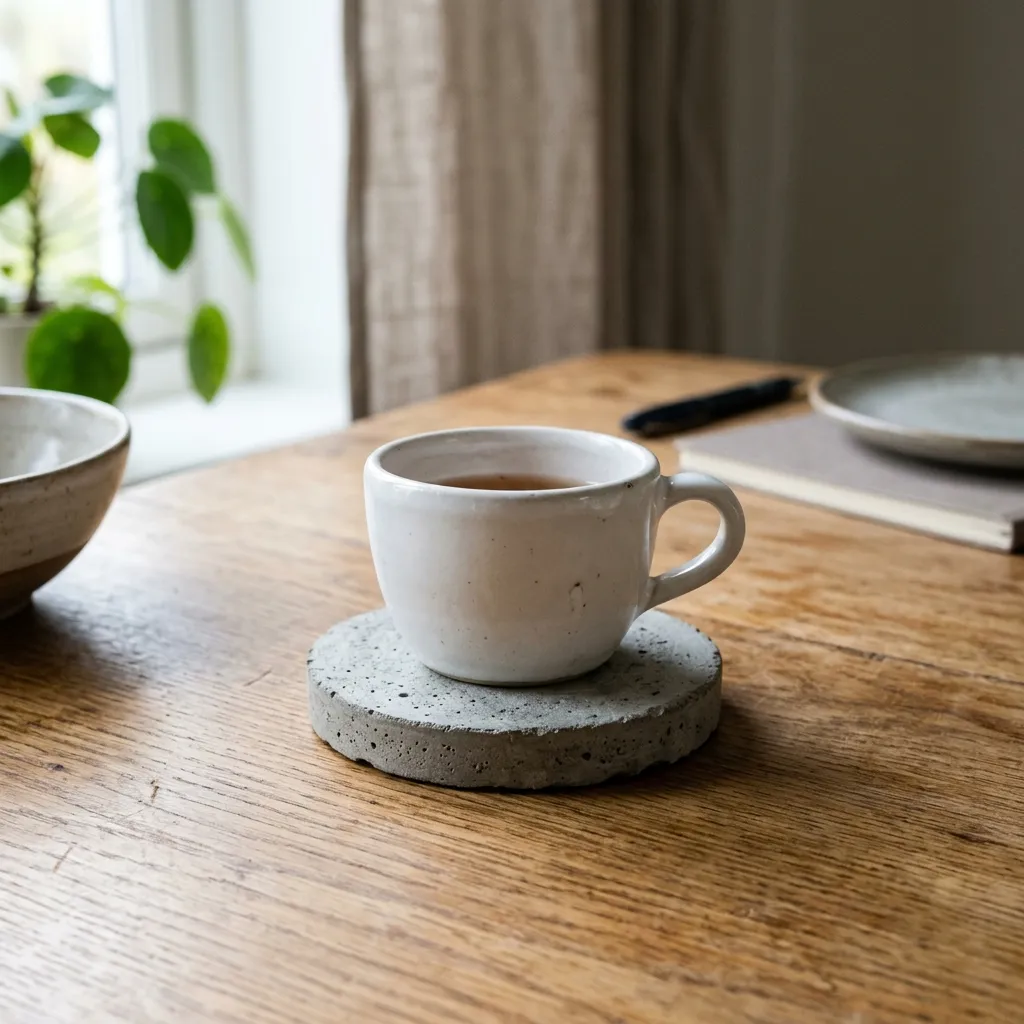
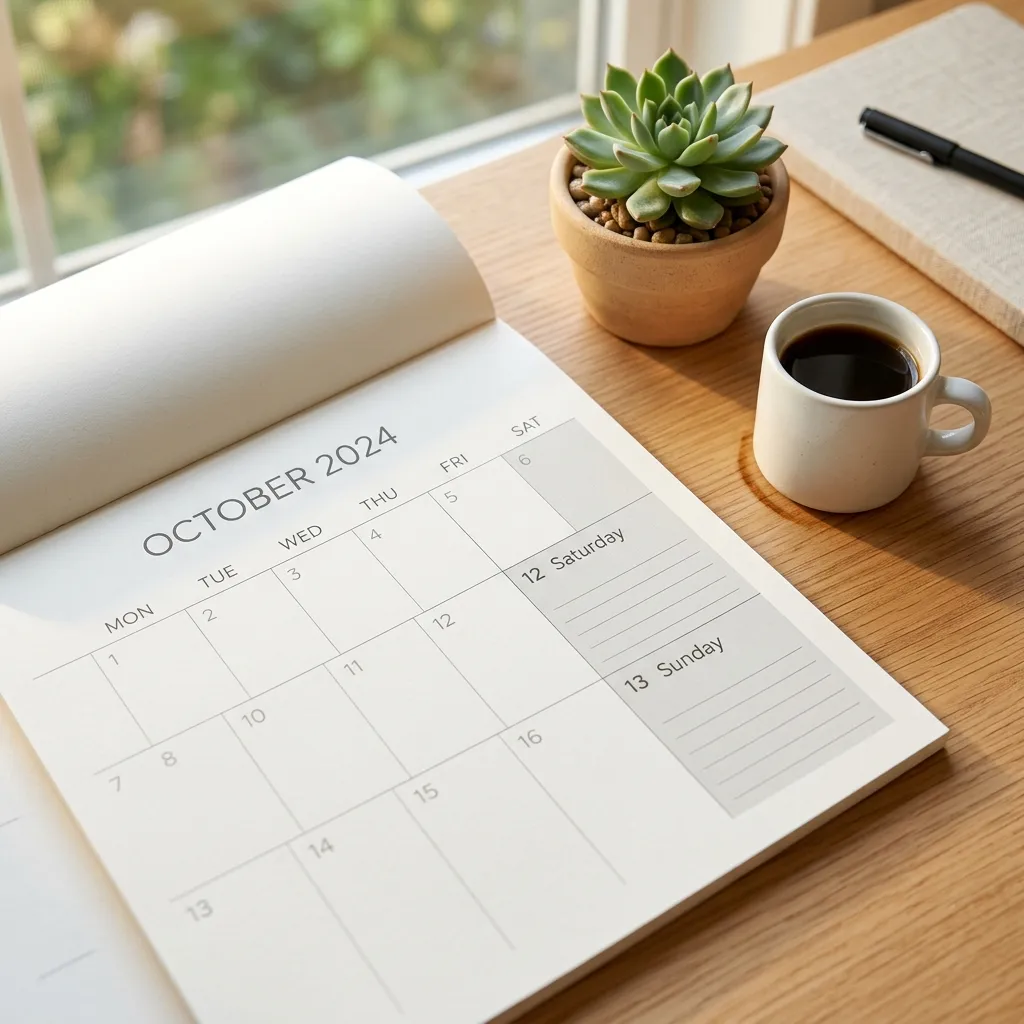
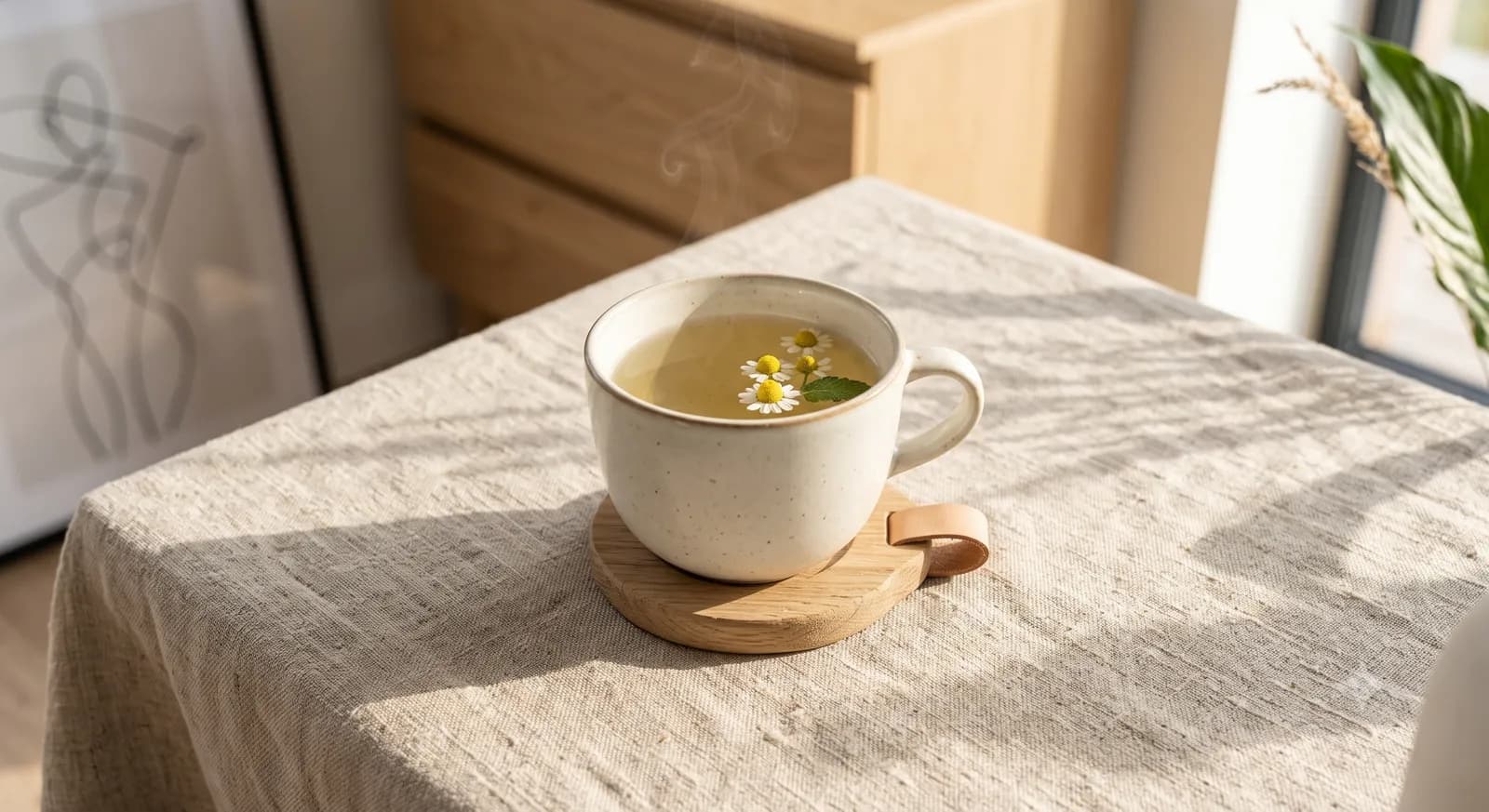
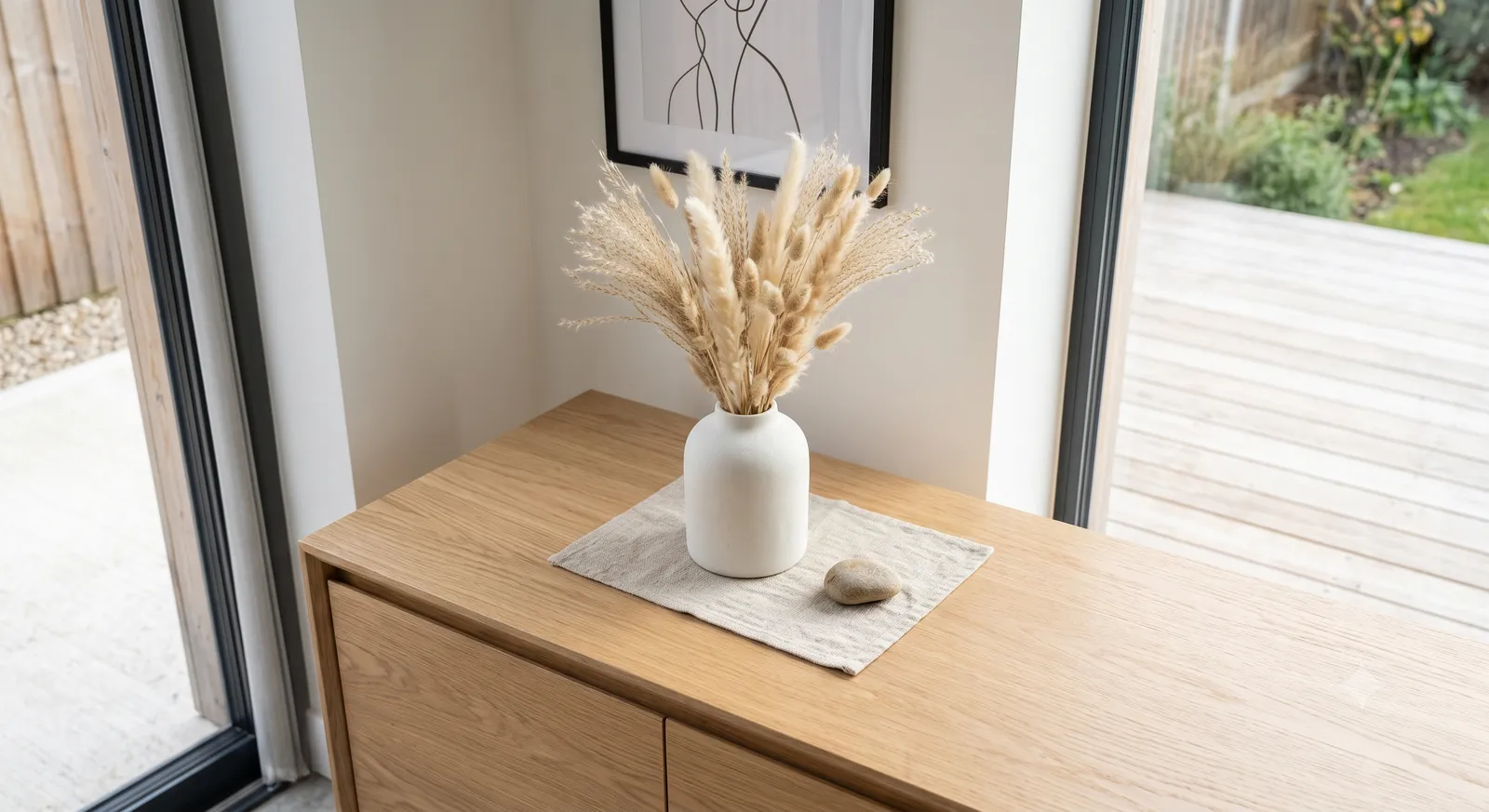
Image 2: Restoring empty surfaces and neutral textures helps down-regulate stress levels and restores cognitive clarity.
The Benefits of Designing a Low-Stimulation Home Environment
Rebuilding your living spaces around a low-stimulation home philosophy yields significant cognitive and physiological benefits:
• Accelerated Nervous System Recovery: Lowering visual noise deactivates the default mode network (DMN), allowing your autonomic nervous system to transition from fight-or-flight to rest-and-digest.
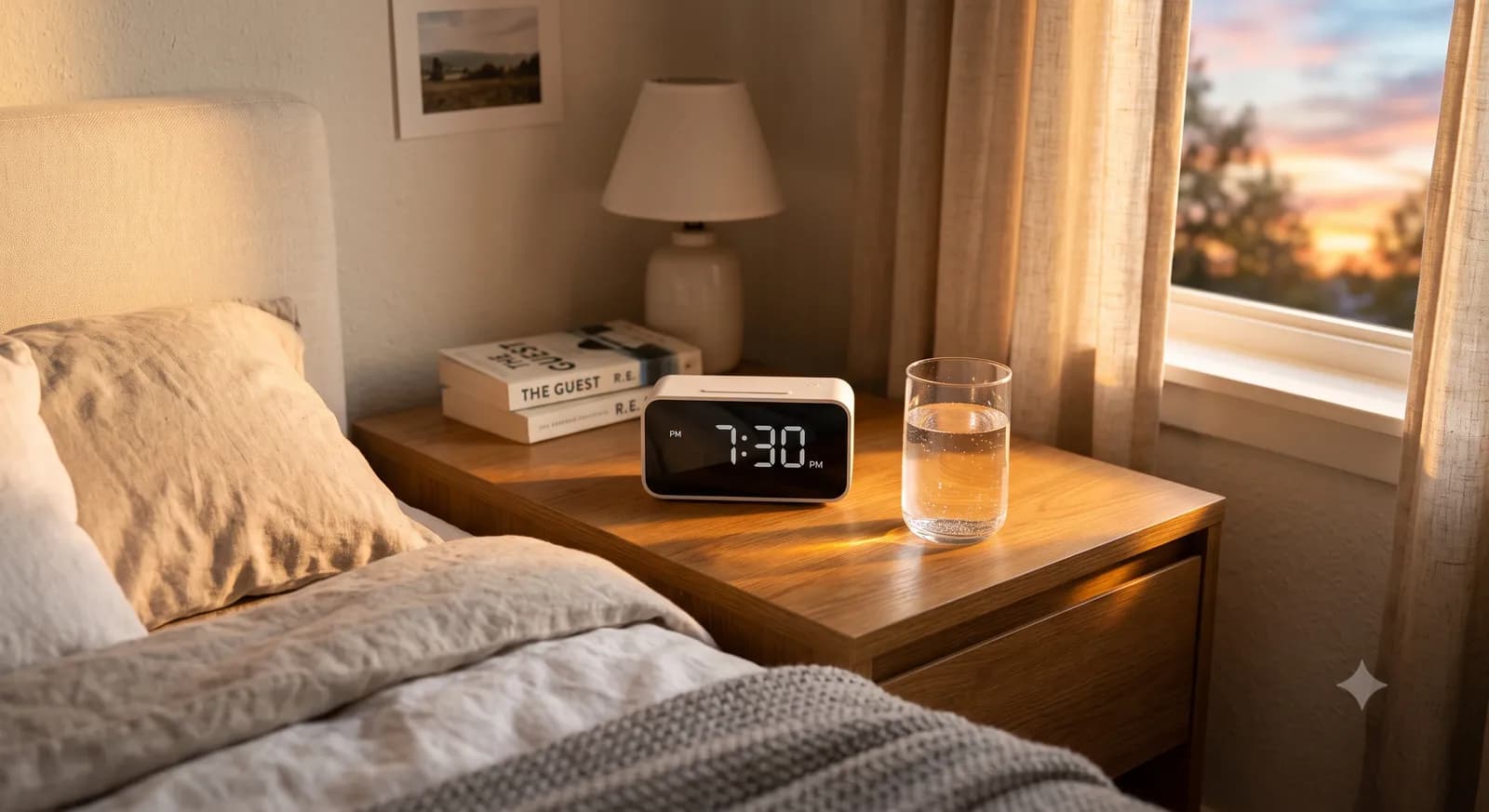
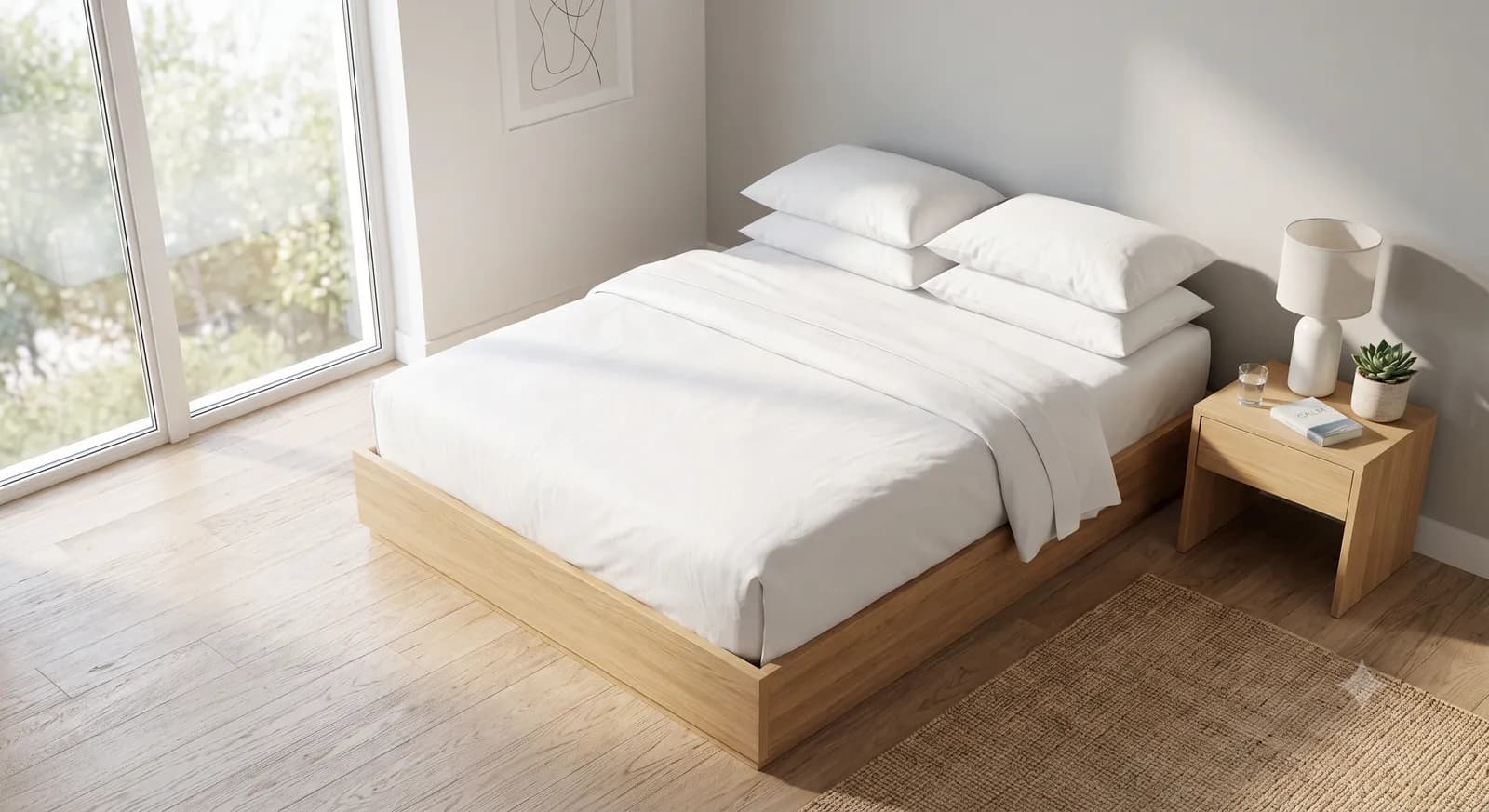
• Improved Sleep Quality: Stripping screens and bright lights from the bedroom protects natural melatonin synthesis, leading to deeper sleep. For sleep environment tips, read our guide on minimalist bedroom design, and review circadian biology in our guide on sleep hygiene and circadian rhythms.
• Lower Baseline Cortisol: Reducing notification and clutter triggers prevents chronic adrenaline release, protecting your heart health and metabolic stability.
• Enhanced Cognitive Focus: A clean visual environment reduces distractions, improving your focus depth when executing high-value tasks at home. For focus rituals, see our guide on deep work focus rules.
9 Room-Level Design Decisions for a Quiet Home
To implement a low-stimulation setup, execute these nine design decisions across your home:
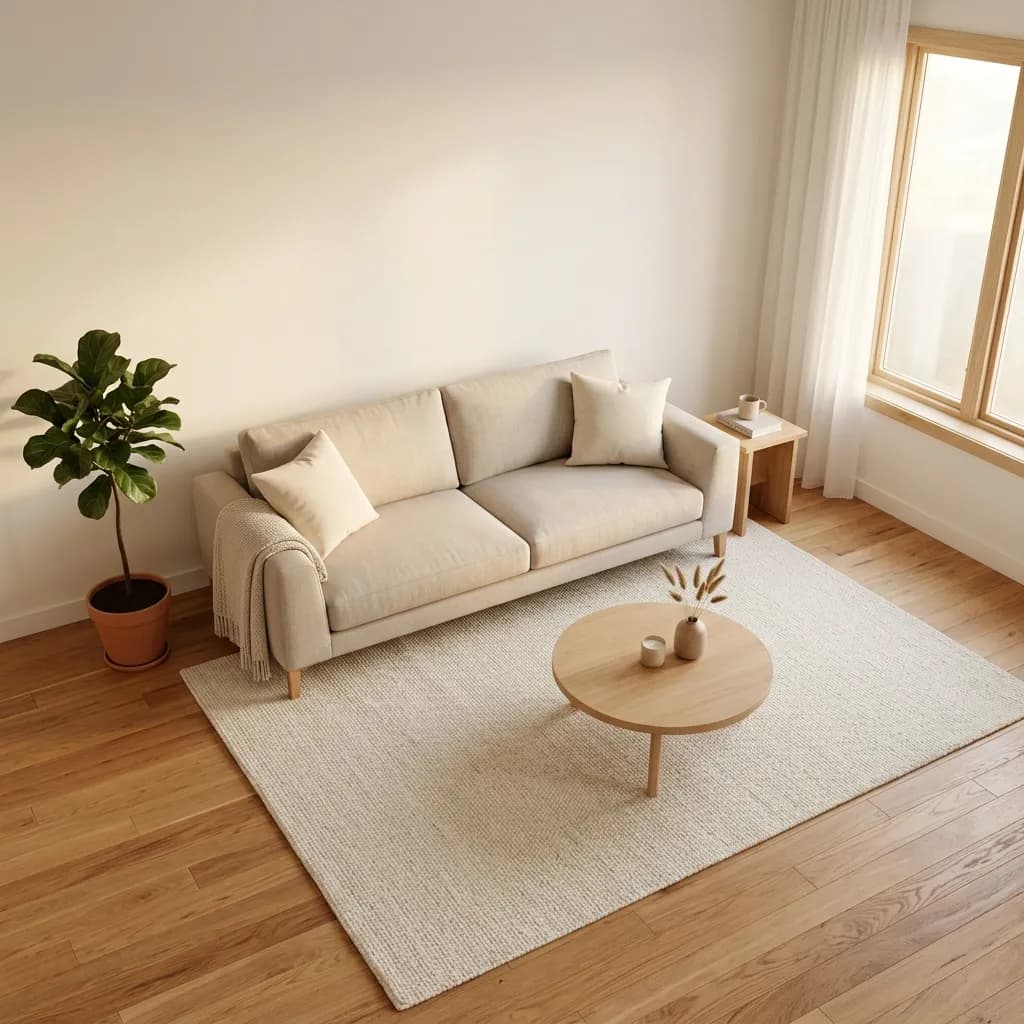
1. Acoustic Dampening: Add thick rugs, linen curtains, and fabric panels to reduce echo.
2. Visual Space: Keep at least 30% of wall and cabinet surfaces completely empty.
3. Dimmable Lights: Install warm, dimmable LED lighting (2700K or lower) for evening hours.
4. Hidden Storage: Place cables, chargers, and documents inside closed drawers. For decluttering advice, read our physical decluttering guide.
5. Zero Electronics in Bedrooms: Move televisions and computers out of your sleeping sanctuary.
6. Natural Textures: Use raw wood, linen, clay, and wool to soften your environment.
7. Biophilic Elements: Introduce 2 to 3 low-maintenance plants for clean air and visual comfort. For plant tips, see our guide on office plants for clean air.
8. Silent Notification Profiles: Configure smart speakers and devices to remain silent by default.
9. Defined Workspace Boundaries: Separate your office area from your rest areas. To protect your downtime, see our guide on remote work boundaries.
Track your consistency using minimalist tools. Read our review of minimalist habit tracking apps. Coordinate transitions using a Sunday planning ritual. Read our guide on Sunday reset routines, and compare scheduling strategies; see our review of timeboxing vs time blocking.
Frequently Asked Questions About Quiet Home Environments
Is a low-stimulation home environment boring for family members?
No. A quiet home environment is designed to be restorative, not sterile. By reducing passive stimulation (noise, clutter), you create space for active, high-value stimulation, such as reading, cooking, or meaningful conversation.
What is the most cost-effective way to reduce acoustic echo?
Adding soft textiles is the easiest way to absorb sound. Place thick wool rugs on hard floors, hang heavy linen drapes over windows, and use canvas wall art to soften hard plaster surfaces. These simple additions absorb sound waves, lowering acoustic stress.
Can somatic exercises help with sensory overload?
Yes. Somatic resets like extended-exhale breathing help down-regulate sympathetic drive, reducing the physical sensation of panic that triggers sensory overload. For somatic resets, see our guide on vagal tone stimulation.
Cited Scientific Sources & Literature
- Evans, G. W. (2003). The built environment and mental health. Journal of Urban Health, 80(4), 536-547.
- Bringslimark, T., et al. (2009). The benefits of nature in office and residential design. Journal of Environmental Psychology, 29(4), 422-433. [PubMed PMC]
- Sapolsky, R. M. (2004). Why Zebras Don't Get Ulcers. Holt Paperbacks.