The Science of Waking Stress and Waking Cortisol
Waking up with a racing heart, a tight chest, or a wave of dread is a highly common experience for modern professionals. This state of acute early tension is commonly referred to as morning anxiety. To address this condition without immediate reliance on pharmacology, we must first understand the biological mechanism that governs waking stress.
The primary driver of early waking stress is the Cortisol Awakening Response (CAR). Approximately 30 to 45 minutes after waking, your body triggers a natural surge in cortisol—your primary stress hormone. This surge is not a design flaw; it is an evolutionary survival mechanism designed to provide the physiological arousal and blood glucose necessary to kickstart your day.
In a healthy, well-regulated nervous system, the CAR rises smoothly and then tapers off, leaving you feeling alert and focused. However, in individuals experiencing chronic workplace pressure, burnout, or poor sleep hygiene, this response becomes exaggerated. The HPA-axis (Hypothalamic-Pituitary-Adrenal) overreacts, causing the cortisol surge to overshoot the normal baseline.
According to clinical studies published by the National Institutes of Health (NIH), an exaggerated CAR is strongly associated with high levels of perceived stress and cognitive anticipation of the day's tasks. This excessive hormone dump triggers the sympathetic nervous system, mimicking a panic response immediately upon opening your eyes.
The Cortisol Awakening Response (CAR) Mechanism
The CAR is modulated by the suprachiasmatic nucleus (SCN) in the hypothalamus. Upon waking, the SCN signals the adrenal gland to release cortisol. If you wake up and immediately check your email, you introduce an acute psychological stressor on top of a peak hormonal spike, leading to a severe feeling of morning anxiety.
Why Morning Anxiety Occurs Naturally
Beyond the hormonal peak of the CAR, morning anxiety is fueled by secondary physical conditions. When you wake up, your body is in a state of natural vulnerability. You have gone 7 to 9 hours without water, leading to mild dehydration, which elevates heart rate and mimics panic symptoms.
Furthermore, during the final hours of sleep, your body depletes its glycogen reserves. Low blood glucose levels signal the brain to release adrenaline to release stored sugars. This adrenaline spike is what causes you to wake up abruptly with cold sweat, racing thoughts, and a general sense of panic.
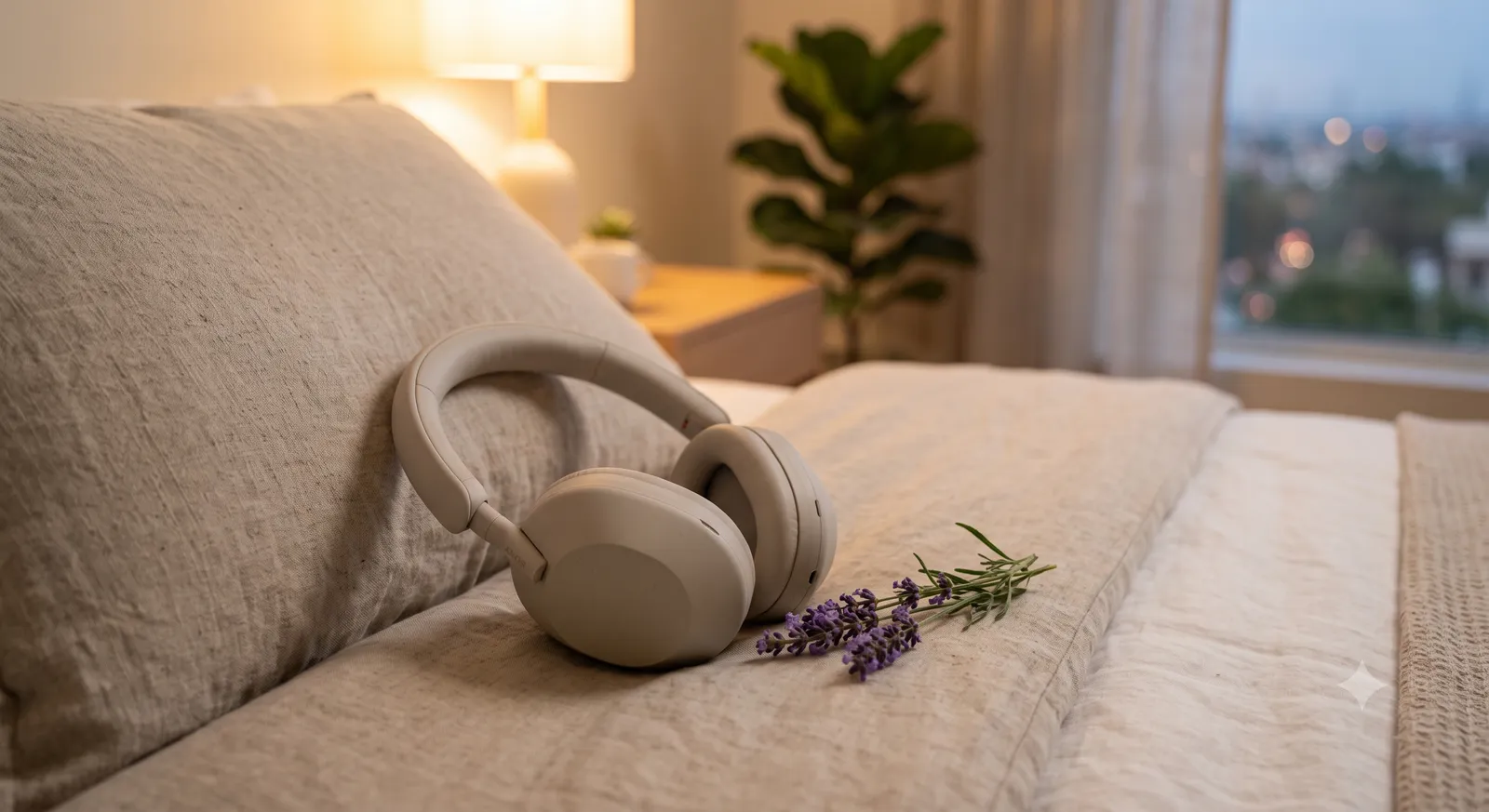
To combat these physical triggers, we must implement behaviors that stabilize our blood sugar, hydrate the vascular system, and soothe the autonomic nervous system. Stacking these changes sequentially helps manage morning anxiety before the cognitive threat-appraisal loops take over. For a deep dive into stress recovery, you can also read our guide on mindfulness practices for burnout.

Image 2: Mineral hydration immediately upon waking helps stabilize blood volume and down-regulate panic responses.
5 Practical Daily Habits to Calm Your Mind
The following five daily habits are structured to work with your circadian biology to calm your mind and systematically reduce morning anxiety:
1. Delay the Morning Cortisol Spike (Wait on Caffeine)
Consuming coffee or tea immediately upon waking is a major contributor to morning anxiety. Caffeine is an adenosine antagonist that stimulates the release of adrenaline and cortisol. When you drink caffeine at the exact time your natural CAR is peaking, you compound the stress response, driving cortisol into the panic zone.
Instead, delay your first sip of caffeine by 90 to 120 minutes after waking. This allows your natural cortisol curve to clear the peak and decline, ensuring you get the focus benefits of caffeine without triggering an anxiety loop.
2. Immediate Mineral Hydration
Before checking your phone, drink a large glass of lukewarm water containing a pinch of high-quality sea salt (such as Celtic or Himalayan salt) and a squeeze of fresh lemon. Chronic stress exhausts the adrenal glands, which regulates sodium and water retention.
By replenishing your body's sodium and electrolyte balance immediately upon waking, you stabilize blood volume, reduce resting heart rate, and downshift the physical sensations of panic.
3. Get Sunrise Light Exposure (Circadian Reset)
Within 60 minutes of waking, step outside and get 10 to 15 minutes of direct sunlight in your eyes. Do not look through a window or wear sunglasses, as glass filters out the critical wavelengths needed to reset your master clock.
This light exposure triggers a healthy, timely cortisol spike that shuts down melatonin production. This anchors your sleep timer for the evening, ensuring a healthy wind-down later. To align your overall sleep routine, explore our complete guide on sleep hygiene and circadian rhythm.
4. NSDR or Somatic Stretching
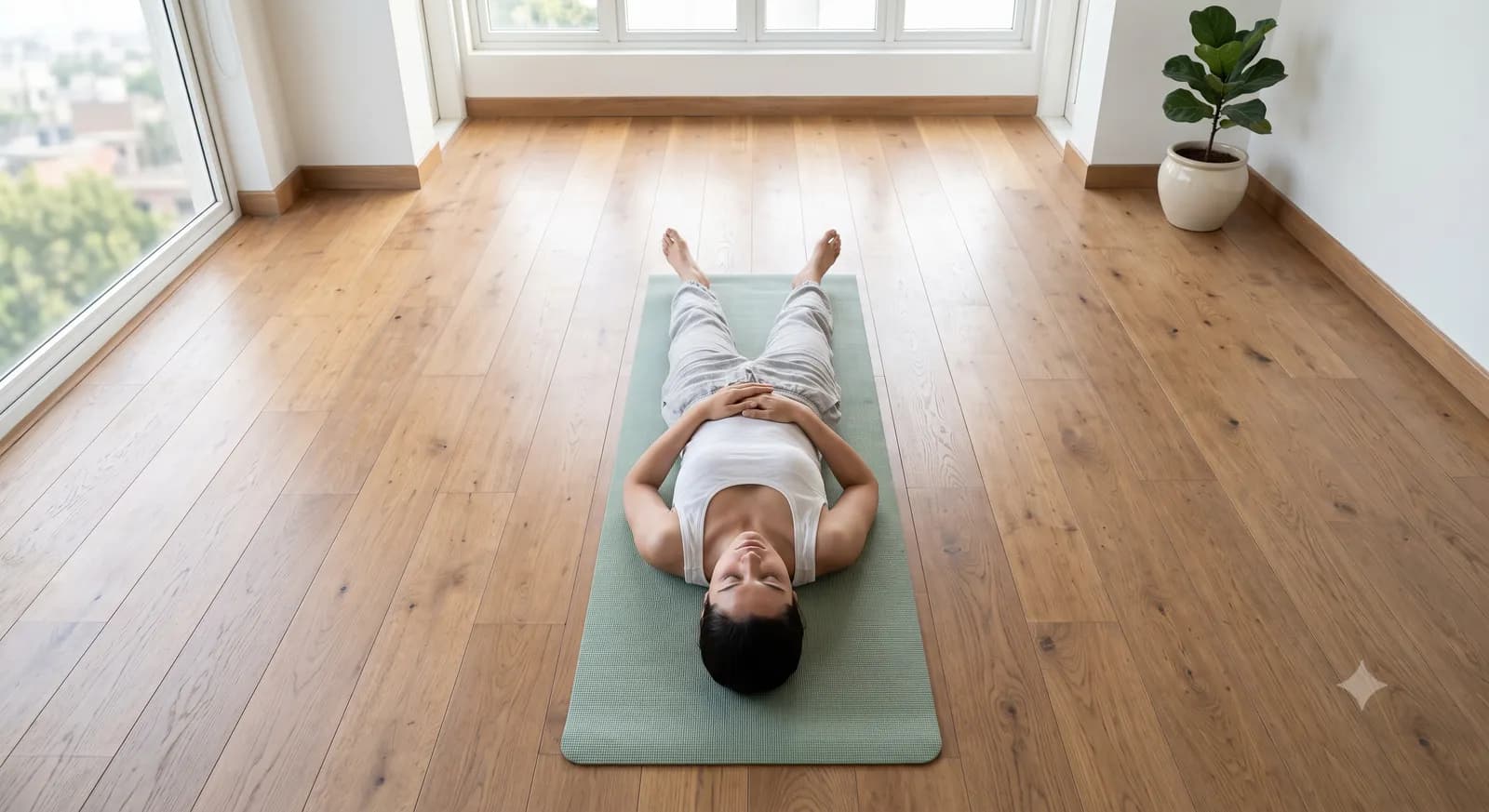
If you wake up with a tight chest, do not force yourself into analytical work. Instead, execute a 10-minute Non-Sleep Deep Rest (NSDR) protocol or a series of light somatic stretches on the floor. Focus on neck rolls, child’s pose, and chest openers.
Somatic stretching sends bottom-up feedback to the brain via the vagus nerve that the physical body is safe. This physical safety cue down-regulates amygdala activity and interrupts racing thoughts before they gain momentum.
5. The "Brain Dump" Scripting Method
When your mind is racing with everything you have to do, write it all down on physical paper. Do not type this on a screen, as digital screens invite attention fragmentation. Spend 3 minutes writing a stream-of-consciousness log of your concerns, followed by one single priority task for the day.
This externalizes the worry, moving it out of the working memory of the prefrontal cortex and placing it on paper, which immediately reduces the psychological burden of anticipation.
Long-term Lifestyle Modifications for Circadian Health
To permanently resolve morning anxiety, you must address your overall lifestyle baseline. The nervous system requires consistent recovery windows. Ensure you are avoiding blue light exposure at least 90 minutes before bed, as late-night light shifts your circadian clock, delaying the morning cortisol curve and causing you to wake up during the peak stress spike.
Keep your sleep schedule consistent within a 30-minute window, even on weekends. Sticking to a consistent sleep-wake anchor stabilizes the nervous system and prevents the weekend "social jetlag" that disrupts adrenal regulation. If you feel aggregate strain from your job, make sure to read our review of vagal tone stimulation techniques to down-regulate your overall stress baseline.
Frequently Asked Questions About Morning Anxiety
Can diet or coffee cause early waking anxiety?
Yes, highly processed carbohydrates eaten late at night cause insulin spikes that lead to nocturnal hypoglycemia. The resulting adrenaline release to correct low blood sugar will wake you up prematurely in a state of panic. Similarly, drinking coffee on an empty stomach immediately triggers adrenal cortisol synthesis, compounding morning anxiety.
How long does it take to reset waking cortisol levels?
If you strictly apply the delay of caffeine, get early sunlight exposure, and maintain a consistent sleep schedule, you will begin to feel a stabilization in morning tension within 7 to 10 days. Full recovery of a dysregulated HPA-axis, however, requires 6 to 8 weeks of consistent behavioral application.
Should I exercise in the morning if I have anxiety?
Light, steady-state zone 2 cardiovascular exercise (like a brisk walk) is highly beneficial. However, high-intensity interval training (HIIT) immediately spikes cortisol levels. If you are already running a cortisol deficit or feeling burned out, avoid intense morning workouts and opt for afternoon weight training or evening yoga instead.
Cited Scientific Sources & Literature
- Clow, A., et al. (2010). The cortisol awakening response: More than just a stress marker. Psychoneuroendocrinology, 35(1), 97-100. [PubMed PMC]
- Huberman, A. D. (2022). Using light to reset your circadian rhythm and manage stress. Stanford Medicine Neurobiology Reviews, 12(4), 204-211.
- Sapolsky, R. M. (2004). Why Zebras Don't Get Ulcers. Holt Paperbacks.