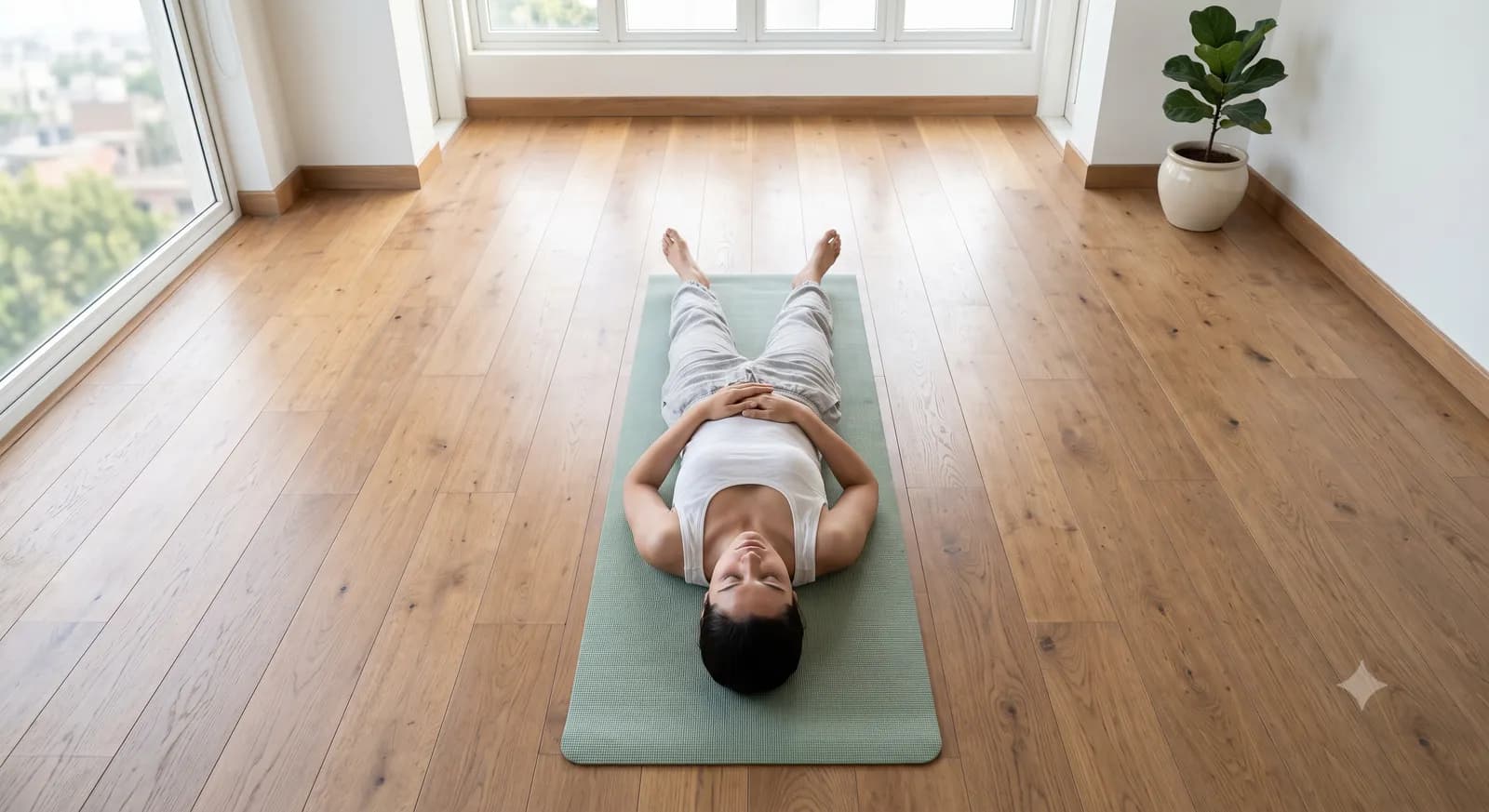
Understanding the Biology of Vagal Tone Stimulation
When your calendar is packed and notifications keep flashing, your brain enters threat-defense mode. Your breathing becomes shallow, your heart rate rises, and cortisol floods your system. To halt this stress cascade, we must utilize the body's natural override mechanism: vagal tone stimulation.
Vagal tone stimulation refers to behavioral or physical practices that trigger the vagus nerve to release calming neurotransmitters, particularly acetylcholine. Vagal tone is a measure of how efficiently your parasympathetic nervous system can down-regulate sympathetic arousal. High vagal tone indicates a highly resilient nervous system that can transition from stress to calm in under two minutes.
By applying vagal tone stimulation techniques, you send bottom-up physiological signals to your brain confirming that the physical body is safe. This immediate feedback halts the hypothalamic-pituitary-adrenal (HPA) axis, lowering your heart rate and stabilizing cortisol production. To calculate your daily stress levels, try our interactive Daily Harmony Calculator.
The Vagus Nerve and Acetylcholine Transmission
The vagus nerve is the tenth cranial nerve, extending from the brainstem down to the heart, lungs, and digestive tract. When stimulated, it releases acetylcholine at its cardiac terminals. Acetylcholine binds to muscarinic receptors, immediately slowing the firing rate of the sinoatrial node and dropping heart rate.
The Science of the Vagus Nerve: The Autonomic Brake
To maintain focus and avoid burnout, professionals must learn to engage the parasympathetic nervous system during the workday. The vagus nerve acts as the master autonomic brake pedal. If you never press the brake, your sympathetic engine eventually overheats.
According to clinical studies published by the National Institutes of Health (NIH), individuals with high vagal tone show superior emotional regulation, executive control, and cardiorespiratory health. Conversely, low vagal tone is associated with chronic inflammation, chronic stress cortisol elevation, and sleep debt.
By consistently triggering the vagus nerve, you build physical resilience. This makes it easier to manage stressors like difficult meetings or early waking anxiety. To explore early morning stress management, read our complete guide on managing morning anxiety naturally. You can also review how cortisol alters brain chemistry in our guide on chronic stress and brain chemistry.

Image 2: Conscious physical pauses and sensory shifts trigger direct nerve pathways that lower cognitive stress levels.
6 Proven Vagus Nerve Techniques for Instant Calm
The following six evidence-based techniques provide immediate vagal tone stimulation, downshifting your stress response in under two minutes:
1. The Physiological Sigh (Pulonomic Stretch Reset)
The quickest way to engage the vagus nerve is through your breathing. Take two quick inhales through your nose, followed by a long, slow exhale through your mouth. The second inhale reinflates the alveoli of the lungs.
This inflation triggers stretch receptors in the lungs, which send signals up the vagus nerve to slow down the sinoatrial node of the heart, instantly lowering your heart rate.
2. Cold Splash (Trigeminal Nerve Shock)
Splash ice-cold water onto your face, particularly around your eyes and forehead, for 15 seconds while holding your breath. This activates the mammalian dive reflex.
The trigeminal nerve (cranial nerve V) relays the thermal drop to the brainstem, which triggers the vagus nerve to slow heart rate, constrict peripheral blood vessels, and down-regulate sympathetic drive.
3. Vocal Cord Vibration (Humming or Chanting)
The vagus nerve passes directly through the larynx and pharynx in the throat, controlling the vocal cords. Humming, chanting, or singing activates these somatic connections.
The mechanical vibration of the throat stimulates the vagus nerve, slowing heart rate and inducing a state of calm. Humming a simple melody during meeting transitions is an excellent office reset strategy.
4. Saliva Production (Parasympathetic Shift)
Under acute stress, your body enters fight-or-flight mode, shutting down digestion and causing dry mouth. You can reverse this signal by consciously generating saliva.
Relax your jaw, rest your tongue on the floor of your mouth, and visualize a juicy lemon. Once saliva starts to pool, take slow, deep breaths. This sensory feedback convinces the brain that you are safe to digest and rest.
5. Carotid Sinus Massage
Locate the carotid artery on the side of your neck, just below your jaw. Gently massage the area in a circular motion for 5 to 10 seconds.
This pressure stimulates baroreceptors (pressure sensors) in the carotid sinus. The brainstem interprets this as a rise in blood pressure and signals the vagus nerve to slow down the heart to compensate. *Warning: Consult a doctor before trying this if you have cardiovascular conditions.*
6. Lateral Eye Movement Reset
Without moving your head, look as far to the right as possible for 30 to 60 seconds until you feel a natural sigh, yawn, or swallow. Repeat the exercise looking to the left.
This lateral eye movement stretches the extraocular muscles, which are directly connected to the brainstem. It down-regulates the sympathetic nervous system, inducing immediate physical relaxation.
How to Build Vagal Tone Stimulation Into Your Daily Routine
To keep your nervous system resilient, build vagal tone stimulation directly into your transition points. Stack these techniques into your existing daily timeline.
For example, splash cold water on your face immediately after your morning shower, or practice lateral eye movements at your desk during your mid-day break. If you are experiencing a high-stress day, allocate 10 minutes to a structured relaxation sequence. For structured short pauses, explore our guide on 10-minute micro-meditations.
To maintain long-term nervous system health, make sure to read our guide on sleep hygiene and circadian rhythm. If you need a complete digital break, see our hour-by-hour digital detox guide. Additionally, somatic movement exercises help discharge physical tension from the body; check out our guide on somatic movement exercises for beginners.
Frequently Asked Questions About Vagal Stimulation
Can I measure my vagal tone at home?
You cannot measure it directly, but you can track it via heart rate variability (HRV). A higher HRV indicates a healthy, responsive vagal brake. Most modern health trackers can monitor your HRV overnight, providing a reliable proxy score of your parasympathetic resilience.
How long do the calm effects of vagal stimulation last?
Acute techniques like cold splashes or physiological sighs provide immediate calm that lasts for 20 to 30 minutes. However, consistently performing these techniques twice daily will permanently lift your baseline vagal tone within 4 to 6 weeks, allowing your body to adapt to daily stressors with less overall physiological damage.
Are there any risks to vagal tone stimulation?
For standard techniques like cold water, physiological sighs, lateral eye movements, and humming, there are zero risks. However, carotid sinus massage should be performed gently, and avoided entirely if you have a history of vascular issues or low blood pressure.
Cited Scientific Sources & Literature
- Porges, S. W. (2011). The Polyvagal Theory: Neurophysiological Foundations of Emotions, Attachment, Communication, and Self-regulation. W. W. Norton & Company.
- Porges, S. W. (1995). Orienting in a defensive world: Mammalian modifications of our evolutionary heritage. Psychophysiology, 32(4), 301-318. [PubMed PMC]
- Sapolsky, R. M. (2004). Why Zebras Don't Get Ulcers. Holt Paperbacks.