Understanding the Science of Sleep Hygiene
In our hyper-productive professional culture, sleep is often treated as a resource we can sacrifice for work. We assume that we can catch up on missed sleep over the weekend, or offset chronic fatigue with caffeine and supplements. However, circadian biology reveals a different reality: your body runs on a precise, non-negotiable rhythm. To build a healthy sleep pattern, you must master the science of sleep hygiene circadian rhythm alignment.
Sleep hygiene circadian rhythm coordination refers to aligning your daily habits with your internal biological clocks. The term "sleep hygiene" is often associated with simple tips (like keeping your room dark).
But true sleep hygiene requires managing the biological triggers that govern melatonin and cortisol production. When you disrupt these triggers, you experience a state of chronic circadian misalignment. This state impairs cognitive performance, weakens your immune system, and elevates baseline stress. To check your current circadian alignment, try our interactive Daily Harmony Calculator.
Melatonin and Light Exposure
Circadian biology shows that melatonin synthesis is highly sensitive to environmental light. Exposure to light in the evening suppresses melatonin release, delaying sleep onset and reducing the quality of deep sleep phases.
The Neurobiology of the Circadian Clock
Your sleep-wake cycle is governed by the suprachiasmatic nucleus (SCN) in your brain. The SCN regulates body temperature, hormone output, and metabolic activity in response to environmental cues.
When you expose your eyes to bright light in the morning, the SCN initiates cortisol release, helping you feel alert. Conversely, the absence of light in the evening signals the SCN to release melatonin, preparing your body for rest.
According to clinical studies published by the National Institutes of Health (NIH), circadian disruption elevates systemic inflammation. To manage morning anxiety, read our guide on managing morning anxiety naturally, and explore somatic resets in our guide on somatic movements for beginners. You can also review stress remodeling pathways in our guide on chronic stress and brain chemistry.
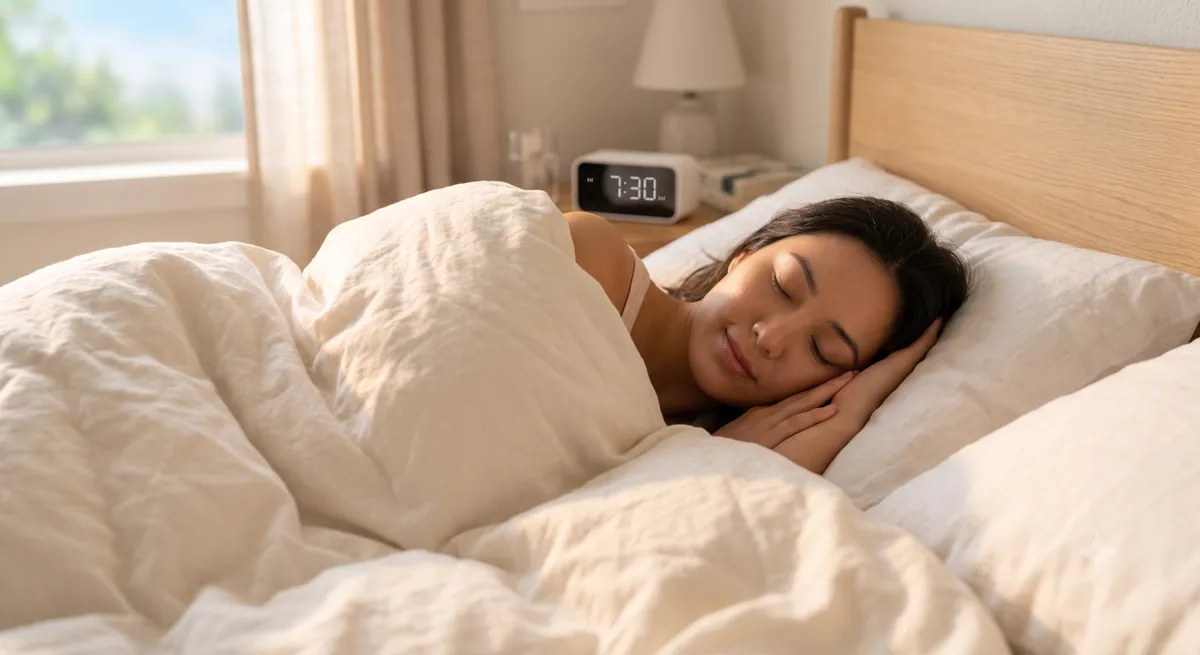
Image 2: Maintaining a consistent sleep environment supports the natural drop in body temperature required for deep rest.
Three Critical Pillars of Circadian Sleep Hygiene
To align your biological clocks, you must manage three primary circadian levers:
Pillar 1: Light Timing
Expose your eyes to outdoor sunlight within 30 minutes of waking. This light exposure sets your circadian clock, starting a timer for evening melatonin release.
In the evening, reduce bright light exposure by dimming overhead bulbs and wearing amber glasses to protect melatonin synthesis.
Pillar 2: Food Timing
Establish a consistent eating window. Avoid eating meals within 3 hours of your target sleep time, as digestion raises body temperature and heart rate.
This boundary allows your digestive tract to rest, improving overall sleep quality.
Pillar 3: Temperature Regulation
Keep your bedroom cool, between 60 and 67 degrees Fahrenheit (15 to 19 degrees Celsius).
Your core temperature must drop to initiate sleep, and a cool room supports this thermoregulation, preventing nighttime awakenings.
Building a Consistent Sleep and Wind-Down Routine
To support your circadian rhythm, establish a structured wind-down routine. Close all work screens 90 minutes before bed.
Practice transition rituals to clear work-related stress. To protect your evenings, see our guide on remote work boundaries.
Integrate breathing cadences to lower your heart rate before sleep. Read our guide on daily breathwork rituals, and review somatic resets in our guide on vagal tone stimulation. Additionally, design a calming sleep environment; see our guide on minimalist bedroom design, and track your consistency using minimalist tools; see our review of minimalist habit tracking apps. For daily schedule organization, read our review of timeboxing vs time blocking.
Frequently Asked Questions About Sleep Hygiene
Can I make up for lost sleep during the weekend?
No. Sleeping in on weekends shifts your circadian clock, a phenomenon known as "social jetlag." This shift makes it difficult to fall asleep on Sunday night, creating a cycle of fatigue during the workweek. Keep your wake-up time consistent.
How does drinking caffeine in the afternoon affect sleep hygiene?
Caffeine is an adenosine receptor antagonist that blocks the chemical signal for sleep pressure. With a half-life of 6 hours, caffeine consumed at 2 p.m. is still active in your brain at 8 p.m., reducing deep sleep quality even if you can fall asleep.
Do blue-blocking glasses work?
Yes, provided they block high-intensity amber wavelengths. However, they are a secondary tool. The most effective strategy is to dim your home's overhead lighting and avoid screen exposure before sleep.
Cited Scientific Sources & Literature
- Czeisler, C. A., et al. (1999). Association of sleep quality with light levels and environment. New England Journal of Medicine, 340(26), 2001-2009.
- Duffy, J. F., & Czeisler, C. A. (2009). Effect of light on human circadian rhythms. Sleep Medicine Clinics, 4(2), 165-177. [PubMed PMC]
- Sapolsky, R. M. (2004). Why Zebras Don't Get Ulcers. Holt Paperbacks.