Why You Need Air Purifying Plants in Your Home Office
In our highly digital work landscape, workspace design is often focused entirely on electronics and ergonomics. We purchase high-end screens, configure orthopedically supportive chairs, and set up cable management trays. However, environmental science shows that a critical variable is frequently ignored: the quality of the air you breathe. To optimize your focus, you must incorporate air purifying plants into your workspace.
Air purifying plants are natural biophilic additions that help scrub synthetic chemicals and particulate matter from indoor spaces. Most modern home offices are closed rooms with limited ventilation.
This lack of airflow causes volatile organic compounds (VOCs)—emitted by paints, carpets, and plastics—to accumulate, leading to low-grade headaches, eye irritation, and attention fatigue. Biophilic design helps clear these pollutants, providing a cleaner, lower-stress environment that supports focused work. To evaluate your current workspace air quality indicators, try our interactive Daily Harmony Calculator.
The NASA Clean Air Study Baseline
NASA's landmark clean air research demonstrated that specific houseplants can remove up to 87% of indoor air toxins (including formaldehyde, benzene, and trichloroethylene) within a 24-hour window. This filtration occurs through root-microbe symbioses and leaf absorption pathways.
The Science of Indoor Air Quality and Cognitive Performance
Cognitive performance is highly sensitive to carbon dioxide and VOC concentrations. When you work in a closed room, breathing raises carbon dioxide levels, which reduces oxygen saturation in your blood.
This oxygen drop impairs prefrontal cortex function, leading to late-afternoon brain fog and decision fatigue. Furthermore, chronic exposure to airborne toxins triggers mild vascular inflammation, elevating baseline stress markers.
According to clinical studies published by the National Institutes of Health (NIH), biophilic office additions improve attention recovery rates and lower cortisol baselines. To manage morning anxiety, read our guide on managing morning anxiety naturally, and explore somatic resets in our guide on somatic movements for beginners. You can also review stress remodeling pathways in our guide on chronic stress and brain chemistry.
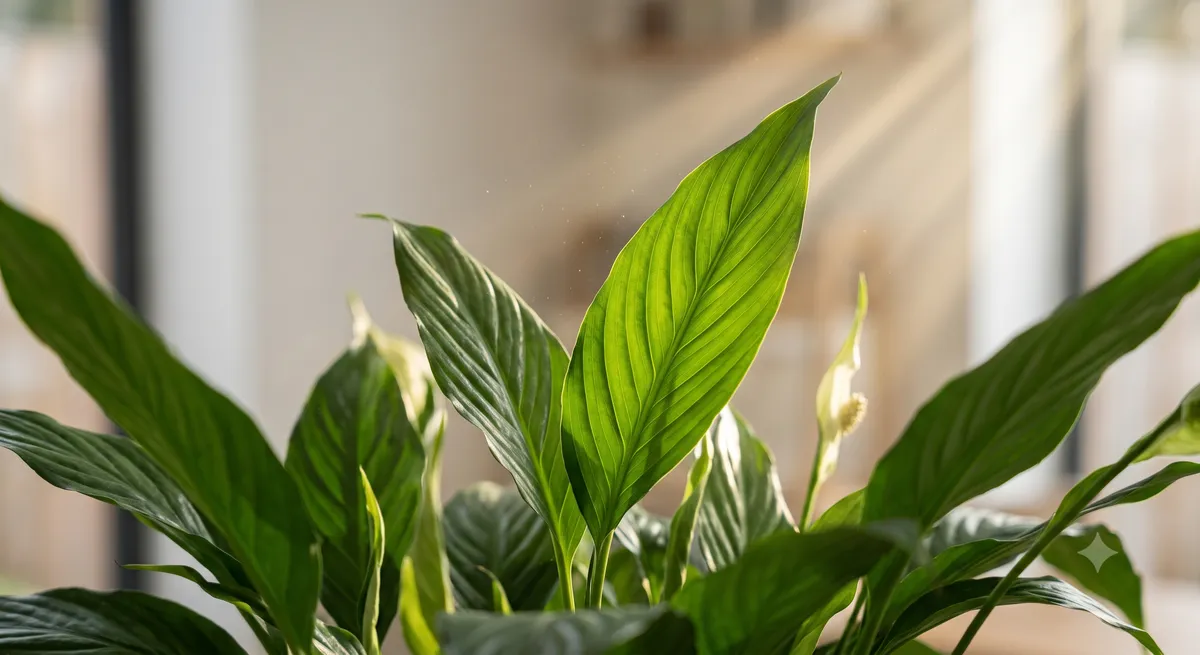
Image 2: Introducing natural textures and foliage helps reduce mental fatigue and restores attention focus.
5 Low-Maintenance Species for Clean Air
The following five air purifying plants are selected for their high filtration efficiency and low-maintenance needs, making them ideal for busy professionals:
1. Snake Plant (Sansevieria trifasciata)
The Snake Plant is an extremely resilient species that tolerates low light and dry soil. Unlike most plants, it releases oxygen at night, making it an excellent addition to bedrooms and offices.
It is highly efficient at filtering formaldehyde and benzene from the air, requiring watering only once every 2 to 3 weeks.
2. Spider Plant (Chlorophytum comosum)
The Spider Plant features long, slender leaves and is highly effective at filtering carbon monoxide and xylene from indoor environments.
It grows quickly and produces small offsets that can be repotted easily, thriving in indirect light with weekly watering.
3. Peace Lily (Spathiphyllum)
The Peace Lily is a beautiful biophilic choice that excels at filtering multiple indoor toxins, including trichloroethylene and ammonia.
It prefers shaded spots and lets you know when it needs water by drooping its leaves, rising quickly within hours of watering.
4. Aloe Vera (Aloe barbadensis)
Aloe Vera is a sun-loving succulent that filters formaldehyde and benzene. The gel inside its leaves can also be used to treat minor burns and skin irritations.
It prefers dry soil and bright, direct sunlight, making it perfect for office windowsills.
5. English Ivy (Hedera helix)
English Ivy is a climbing plant that is highly effective at reducing airborne mold particles, making it ideal for humid offices.
It prefers moist soil and indirect light, and can be grown in hanging baskets to save desk space.
How to Position and Care for Your Office Plants
To maximize the effectiveness of your plants, position them near air intake areas or windows. Avoid overwatering, which is the primary cause of houseplant failure.
Combine biophilic design with daily scheduling tools to maintain steady focus during high-stress weeks. For schedule comparisons, read our guide on timeboxing vs time blocking.
To maintain long-term cognitive health, prioritize circadian light and quality sleep. Review our guides on sleep hygiene and circadian rhythms, and look at our minimalist bedroom design guide. To manage daytime stress, see our guide on micro-meditation routines, and track your consistency using minimalist tools; see our review of minimalist habit tracking apps. Additionally, explore how to build focus habits in our guide on deep work focus rules.
Frequently Asked Questions About Office Greenery
How many air purifying plants do I need in a small office?
For a standard 10x10 foot home office, we recommend placing 2 to 3 medium-sized plants. This density is sufficient to filter toxins and improve visual comfort without cluttering your workspace.
Are these air purifying plants safe for households with pets?
No, some species (like the Peace Lily and Snake Plant) can be toxic to cats and dogs if ingested. If you have pets, place these plants on high shelves or hang them in baskets out of reach, or select pet-safe alternatives like the Spider Plant.
How often should I clean the leaves of my plants?
Wipe the leaves with a damp cloth once a month. Dust accumulation on leaves blocks sunlight, reducing photosynthesis efficiency and the plant's capacity to filter toxins.
Cited Scientific Sources & Literature
- Wolverton, B. C., et al. (1989). A study of interior landscape plants for indoor air pollution abatement. NASA Research Report.
- Bringslimark, T., et al. (2007). The psychological benefits of indoor plants in workplaces. Journal of Environmental Psychology, 27(3), 239-246. [PubMed PMC]
- Sapolsky, R. M. (2004). Why Zebras Don't Get Ulcers. Holt Paperbacks.