How Clutter Impacts Your Mental Well-Being
In our highly demanding professional routines, we treat focus as a simple matter of willpower. We assume that if we just tried harder, we could ignore physical clutter and maintain deep concentration. However, cognitive psychology shows that this is incorrect: your physical surroundings directly impact your cognitive load. To clear your mind, you must apply a structured physical decluttering strategy.
A physical decluttering process is a systematic method of reviewing and organizing your possessions. Most people treat decluttering as a cleaning chore.
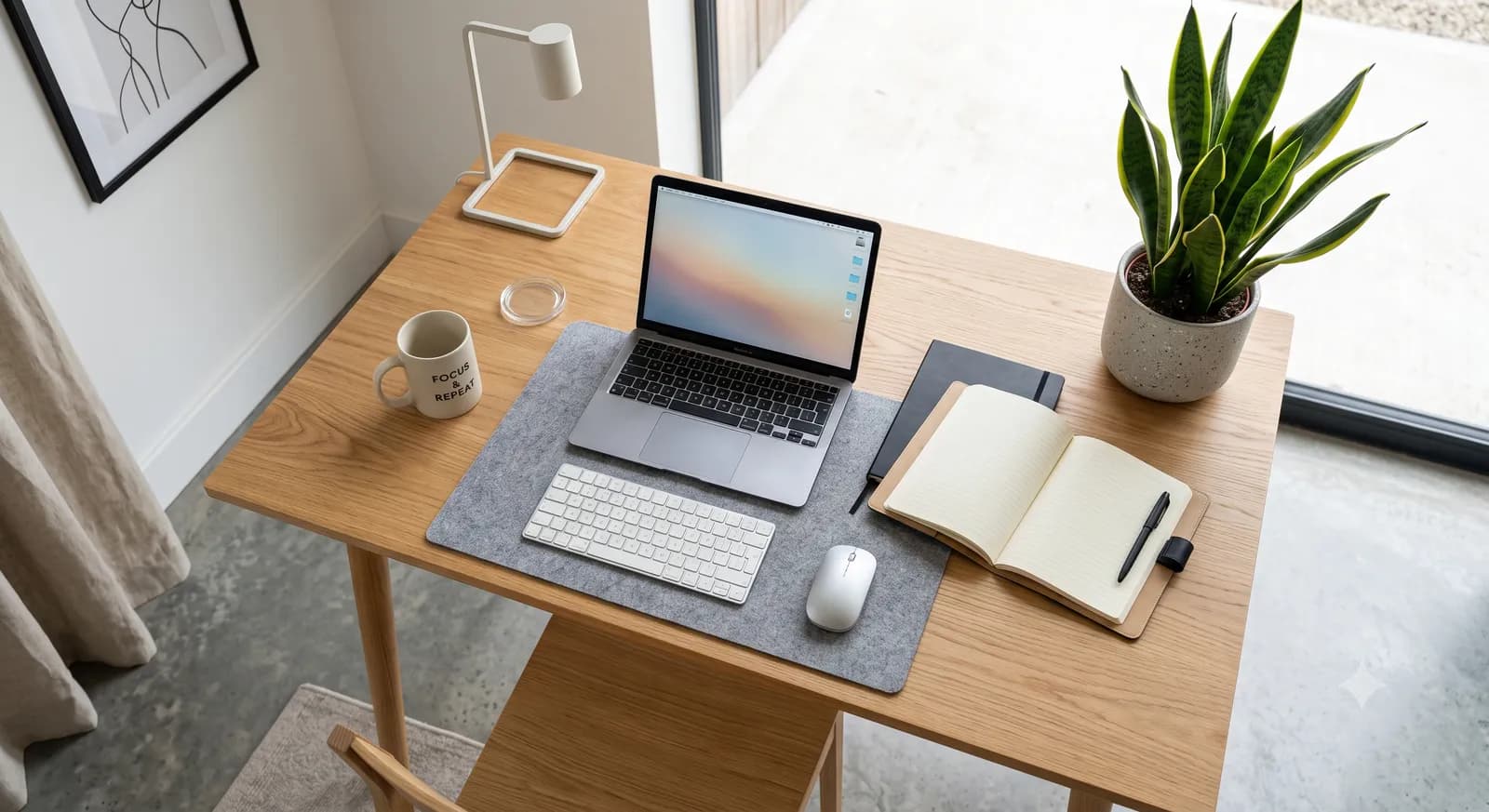
But true decluttering is a cognitive reset. When your desk is covered in random papers, wires, and coffee cups, your visual system must process all of these inputs. This continuous processing drains your brain's attentional capacity, leaving you feeling distracted and overwhelmed. To evaluate your current environmental indicators, try our interactive Daily Harmony Calculator.
Visual Clutter and Prefrontal Cortex Capacity
Neuroscience research shows that multiple stimuli present in the visual field compete for neural representation. Clutter limits your prefrontal cortex's capacity to process information, causing early cognitive fatigue.
The Science of Visual Stress and Attentional Resources
Your brain's visual cortex is designed to monitor the environment for changes. When your workspace is filled with clutter, your brain is constantly processing these details.
This visual competition exhausts your glucose reserves, impairing executive function. It also triggers a low-grade stress response, leading to sustained release of cortisol.
According to clinical studies published by the National Institutes of Health (NIH), organized environments are directly associated with lower levels of subjective stress. To manage morning anxiety, read our guide on managing morning anxiety naturally, and explore somatic resets in our guide on somatic movements for beginners. You can also review stress remodeling pathways in our guide on chronic stress and brain chemistry.
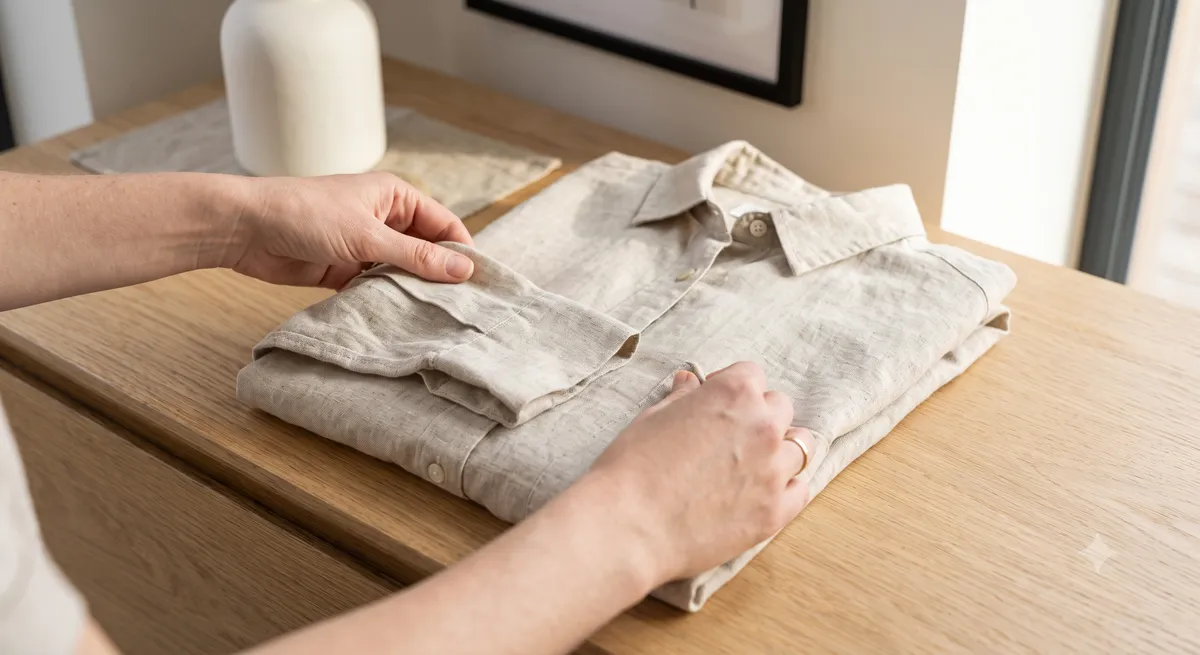
Image 2: Sorting possessions into clear categories helps reduce the anxiety of decision-making.
A Practical System: The 4-Box Method
To execute a successful physical decluttering audit, use the structured 4-Box Method:
1. Keep
Place items here that are highly functional or bring genuine joy. These items must have a designated home in your space.
Do not let items drift without a location, as that is how clutter starts.
2. Donate/Sell
Use this box for high-quality items that you have not used in the past 6 months.
Passing these items to others reduces waste and clears space quickly.
3. Trash
Place damaged, broken, or low-value items here that cannot be donated or repaired.
Dispose of these items responsibly to clean your space.
4. Relocate
Use this box for items that belong in other rooms.
This box helps you avoid getting distracted by moving between rooms during your decluttering session.
How to Implement 15-Minute Decluttering Zones
To maintain your space without feeling overwhelmed, implement 15-minute decluttering zones. Focus on a single drawer, shelf, or desk corner at a time.
Set a timer for 15 minutes, focus entirely on that spot, and stop when the timer goes off. This structure prevents decision fatigue and makes the habit sustainable. For schedule comparisons, read our guide on timeboxing vs time blocking.
Coordinate these resets with daily focus blocks. For focus rituals, see our guide on deep work rules. To protect your downtime, see our guide on remote work boundaries.
To maintain long-term cognitive health, prioritize circadian light and quality sleep. Review our guides on sleep hygiene and circadian rhythms, and look at our minimalist bedroom design guide. To manage daytime stress, see our guide on micro-meditation routines, and track your consistency using minimalist tools; see our review of minimalist habit tracking apps.
Frequently Asked Questions About Decluttering
What is the best way to handle items with sentimental value?
Separate sentimental items from your functional items. Place them in a dedicated box and store them out of sight. Re-evaluate them after a few weeks; if they do not fit your space or lifestyle, consider taking a photo of the item to preserve the memory and donating the physical object.
How do I maintain a decluttered home office long term?
Apply the "one in, one out" rule. Every time you purchase a new book, tool, or document, discard or donate an old one. Additionally, spend the final 2 minutes of your workday clearing your desk to prevent clutter from accumulating.
Can indoor plants help reduce visual clutter stress?
Yes. Biophilic design elements like air-purifying plants soften the lines of a workspace, making it feel calm. However, keep the quantity low to avoid creating new visual clutter. For plant recommendations, see our guide on air-purifying plants for offices.
Cited Scientific Sources & Literature
- McMains, S., & Kastner, S. (2011). Interactions of top-down and bottom-up mechanisms in human visual cortex. Journal of Neuroscience, 31(2), 587-597.
- Ferrari, J. R., et al. (2016). Procrastination and clutter: The role of psychological home. Journal of Environmental Psychology, 48, 124-130. [PubMed PMC]
- Sapolsky, R. M. (2004). Why Zebras Don't Get Ulcers. Holt Paperbacks.