How Screen Overload Impacts Social Well-Being
In our hyper-connected professional routines, we treat device usage as a simple necessity of modern life. We assume that keeping up with emails, answering chats instantly, and browsing social feeds during pauses has no mental cost. However, behavioral psychology shows that this is incorrect: continuous screen exposure directly compromises your social health. To restore balance, you must learn to balance screen time daily.
To balance screen time effectively, you must realize that devices are designed to capture and hold your attention. Most professionals log over 7 hours of daily screen time, which leaves minimal attention for physical interactions.
When you check your phone during dinner or check messages during conversations, you engage in "phubbing" (phone snubbing). This behavior weakens relationships, increases social anxiety, and leads to feelings of isolation. Rebuilding spatial boundaries for your devices helps you recover focused attention and strengthens relationships. To evaluate your current screen metrics, try our interactive Daily Harmony Calculator.
The Phubbing Effect in Social Relationships
Sociological research reveals that the mere presence of a smartphone on a table during a conversation reduces the perceived trust and empathy between participants, even if the device is not used. Keeping devices out of sight is critical for deep social connection.
The Science of Screen Saturation and Neurotransmitters
Every notification check triggers a small release of dopamine in your brain's reward centers. This dopaminergic feedback loop builds a habit, prompting you to check your phone repeatedly.
This constant switching exhausts your prefrontal cortex's executive resources, making you feel distracted and anxious. It also elevates your baseline stress response, keeping cortisol levels high.
According to clinical studies published by the National Institutes of Health (NIH), chronic screen exposure is linked to sleep disturbances and emotional volatility. To manage morning anxiety, read our guide on managing morning anxiety naturally, and explore somatic resets in our guide on somatic movements for beginners. You can also review stress remodeling pathways in our guide on chronic stress and brain chemistry.

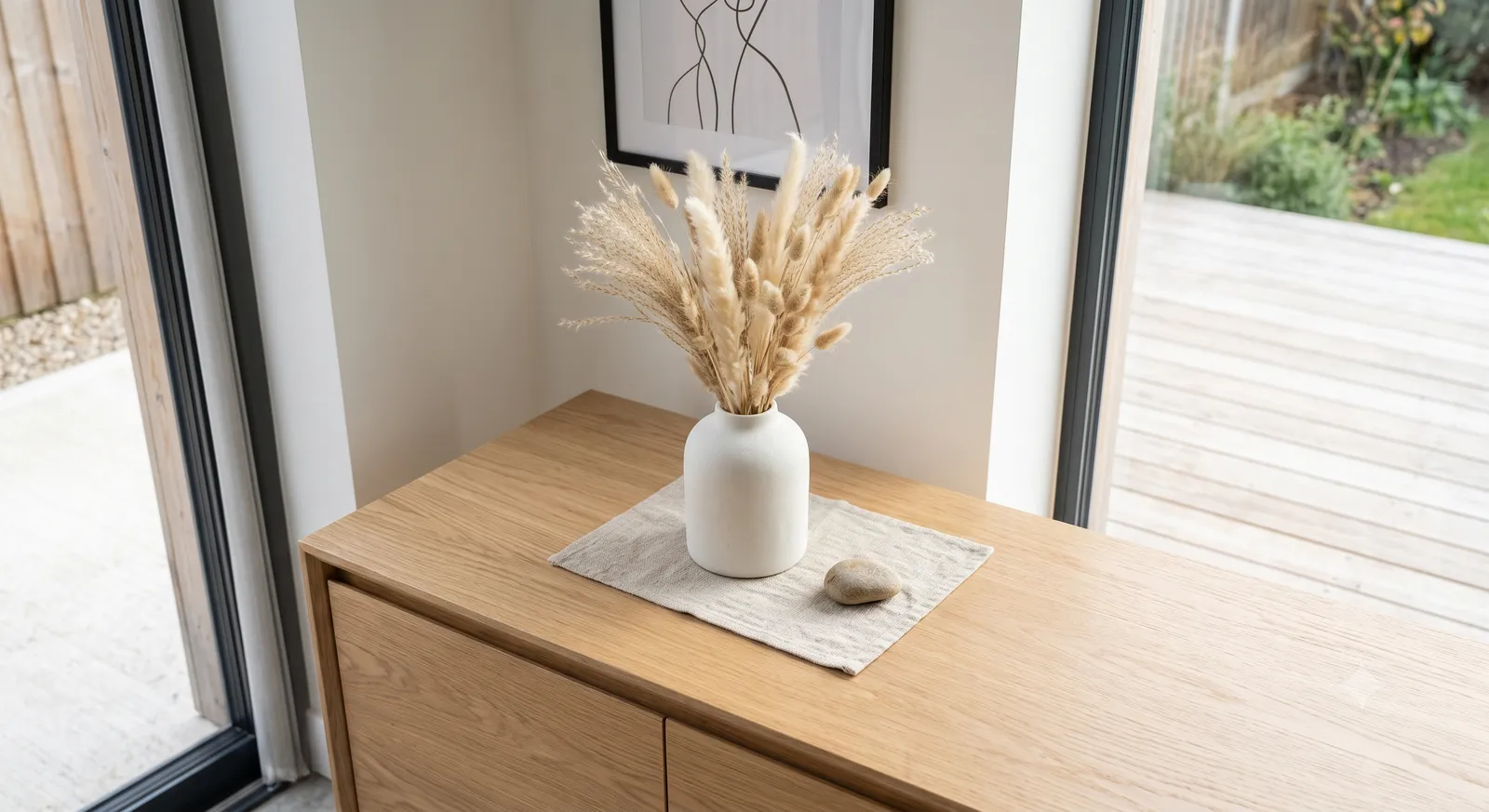
Image 2: Placing devices inside closed boxes during recovery blocks helps prevent passive checking habits.
Tactical Ways to Balance Daily Screen Time
To establish a healthy relationship with your devices, apply these three structured strategies:
1. Set Strict Device Budgets
Use system-level settings on your devices to configure daily limits on social and news applications (e.g., 30 minutes daily).
Once your budget is exhausted, the apps lock, preventing passive scrolling and preserving your focus.
2. Establish Phone-Free Zones
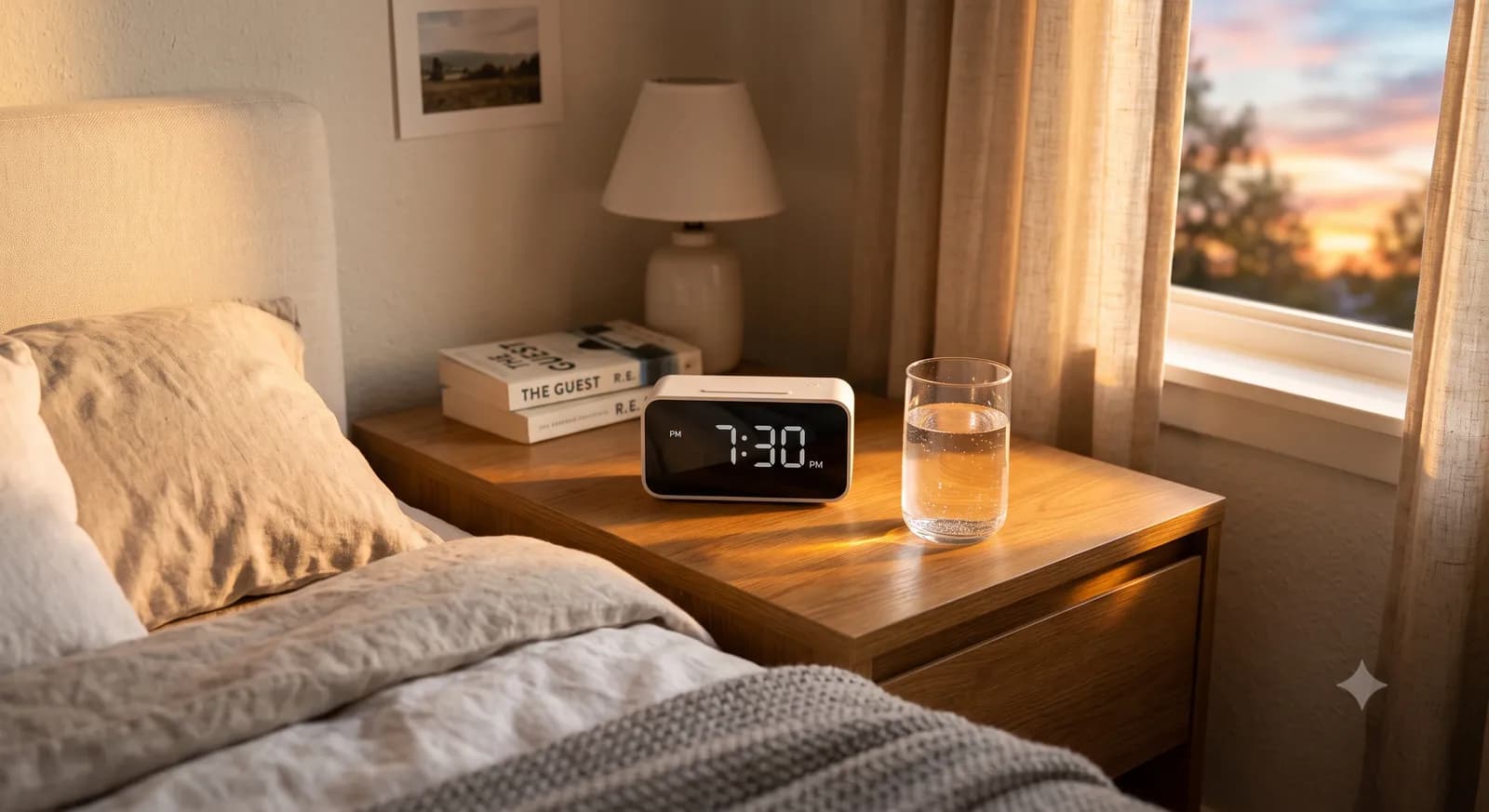
Designate specific spaces in your home—such as the kitchen table and the bedroom—as completely phone-free zones.
This separation protects family dinners and sleep windows from digital distractions. For sleep environment tips, read our guide on minimalist bedroom design, and review circadian biology in our guide on sleep hygiene and circadian rhythms.
3. Schedule Standing Social Anchors
Commit to weekly physical activities that require your full presence, such as team sports, dinner with friends, or local volunteer work.
These activities serve as structural anchors, ensuring you spend time off-grid regularly.
Steps to Rebuild Your Physical Relationship Habits
To maintain screen balance, align your device habits with your schedule. Use a structured Sunday reset routine to plan your upcoming week off-grid. Read our guide on Sunday reset routines.
Practice a clean workday shutdown ritual daily, shutting down all devices at the end of your shift. See our guide on remote work boundaries.
To maintain long-term cognitive health, prioritize circadian light and quality sleep. Review our guides on decluttering for mental clarity, and look at our 48-hour digital detox guide. To manage daytime stress, see our guide on micro-meditation routines, and track your consistency using minimalist tools; see our review of minimalist habit tracking apps. Additionally, explore how to build focus habits in our guide on deep work rules, and look at workspace layout tips; see our guide on ergonomic workspaces on a budget.
Frequently Asked Questions About Digital Overload
How do I balance screen time when my job requires digital work?
Focus on separating your professional screen time from your personal screen time. Once your shift ends, practice a strict digital shutdown, placing your work devices in a closed drawer. This separation allows your brain to transition into recovery mode, protecting your evenings from digital stress.
What is the most effective screen time limit for mental clarity?
While individual needs vary, studies suggest that keeping non-work screen time under 2 hours daily is highly beneficial for mental health. This limit reduces the probability of attention fragmentation and supports sleep quality.
Can somatic exercises help manage screen-induced stress?
Yes. Somatic resets like extended-exhale breathing down-regulate sympathetic drive, reducing the physical sensation of panic that triggers digital checking loops. For somatic resets, see our guide on vagal tone stimulation.
Cited Scientific Sources & Literature
- Przybylski, A. K., & Weinstein, N. (2017). A large-scale test of the Goldilocks Hypothesis: How screen time relates to well-being. Psychological Science, 28(2), 204-215.
- Roberts, J. A., & David, M. E. (2016). My life has become a major distraction: Phubbing and relationship satisfaction. Computers in Human Behavior, 54, 134-141. [PubMed PMC]
- Sapolsky, R. M. (2004). Why Zebras Don't Get Ulcers. Holt Paperbacks.