Re-engineering Routines with Micro-Habits for Productivity
In our highly competitive work culture, we treat personal development as a series of massive upgrades. We download elaborate planners, schedule 3-hour workouts, and configure complex morning routines. However, behavioral science reveals that this approach is counterproductive: major routines collapse under stress. To build a sustainable workflow, you must apply a micro-habits productivity strategy.
A micro-habits productivity strategy focuses on installing tiny behaviors that take under two minutes to perform. Unlike big lifestyle changes, a micro-habit is designed to bypass the brain's resistance to effort.
When a task requires significant willpower, your prefrontal cortex hesitates. By shrinking the behavior to its absolute minimum—such as opening a document or writing a single sentence—you bypass this hesitation loop, initiating action with minimal effort. Over time, these tiny behaviors compound, leading to a massive increase in output. To check your daily alignment markers, try our interactive Daily Harmony Calculator.
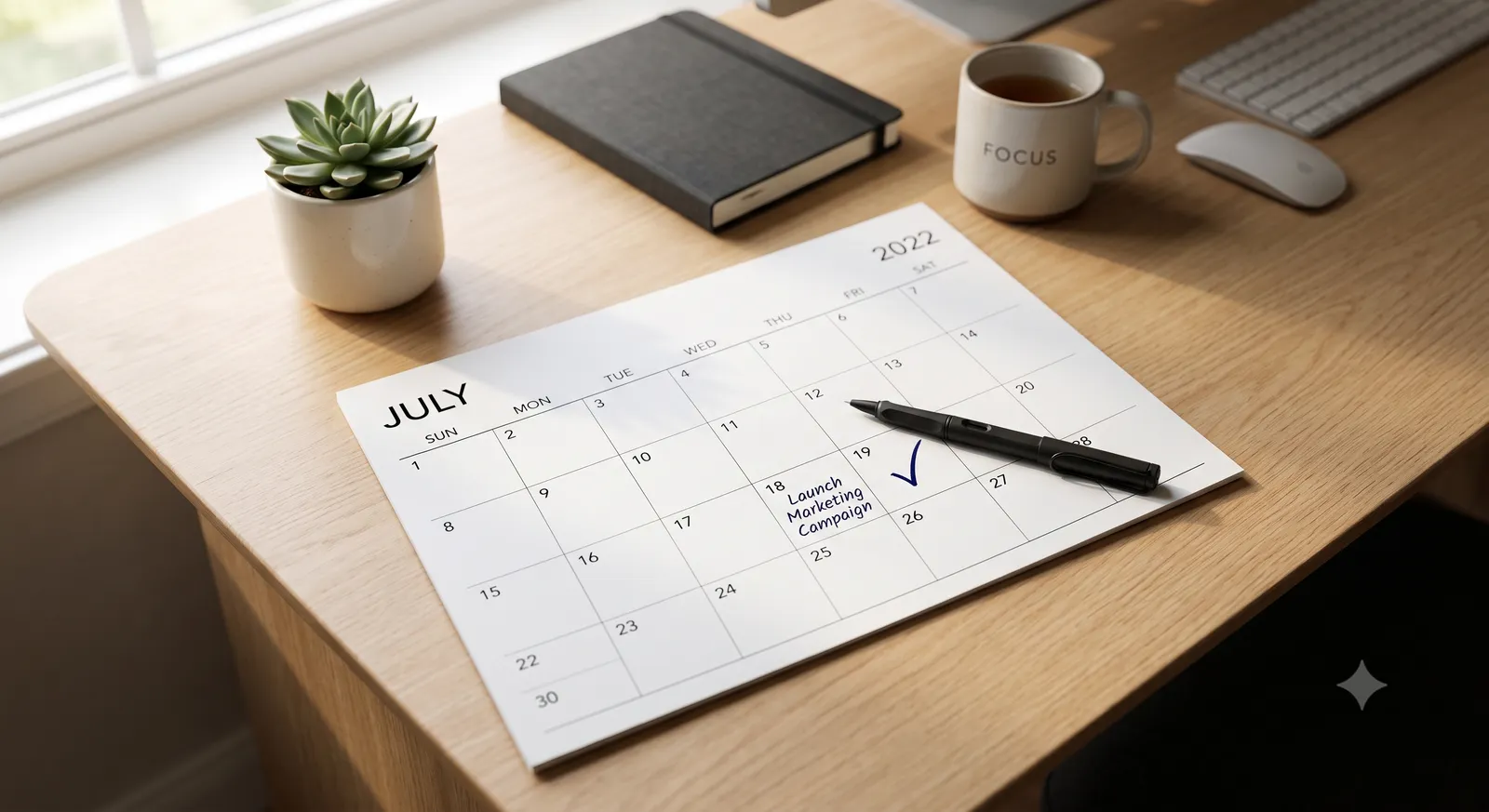
The 2-Minute Threshold in Action
In behavior design, research shows that starting a behavior is the highest friction point. If you make starting take under two minutes, you lower the cognitive barrier to zero, allowing the behavior to gain momentum naturally.
The Neurobiology of Habits and Willpower Preservation
Habit building relies on automating behaviors in the basal ganglia, freeing up the prefrontal cortex's cognitive capacity for complex tasks.
When a routine is complex, it requires conscious prefrontal control, quickly exhausting your cognitive energy reserves. This exhaustion leads to context-switching and procrastination.
According to behavioral studies published by the National Institutes of Health (NIH), preserving willpower reduces daily cortisol baselines. To manage morning anxiety, read our guide on managing morning anxiety naturally, and explore somatic resets in our guide on somatic movements for beginners. You can also review stress remodeling pathways in our guide on chronic stress and brain chemistry.

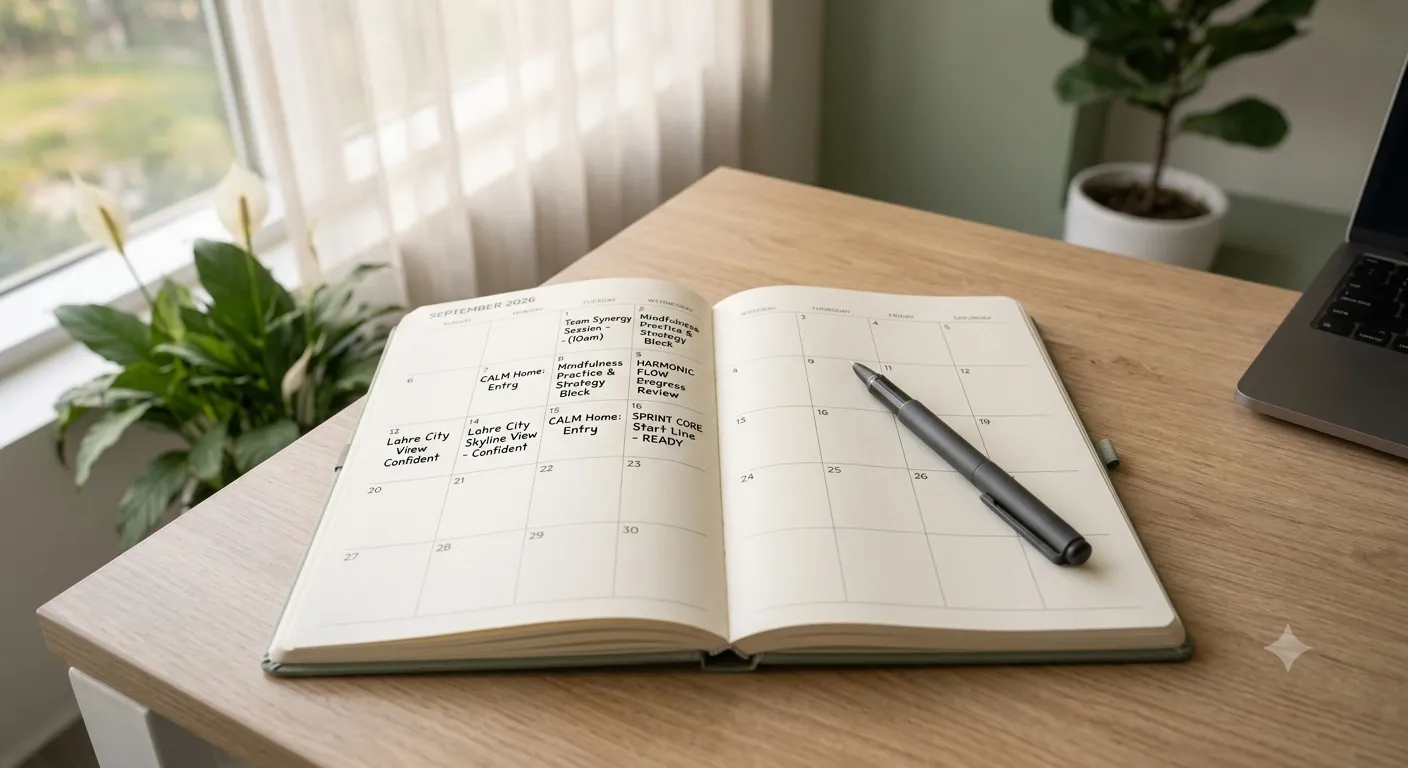
Image 2: Just as small seeds grow into large plants, tiny behaviors compound over time into massive productivity shifts.
7 Compounding Behaviors to Install Today
The following seven micro-habits require under two minutes each, and together they protect your daily workflow:
1. The 1-Minute Desk Sweep
At the end of your shift, spend exactly one minute clearing your physical desk. Put away pens, trash, and files.
Starting your morning with a clean desk lowers cognitive friction, reducing early morning anxiety.
2. The Single-Tab Browser Rule
When starting a deep focus block, close all browser tabs except the single document or tool required for the task.
This rule eliminates visual distractions, protecting your attention. For focus blocks, see our guide on deep work rules.
3. The 30-Second Priority Log
Before opening your inbox, write down your top priority for the day on a physical sticky note.
This focus anchor prevents your attention from being hijacked by other people's requests. For schedule comparisons, read our guide on timeboxing vs time blocking.
4. Pre-Meeting Hydration
Drink a small glass of water before every meeting. Stress and talking cause mild dehydration, raising your heart rate.
Hydrating stabilizes your vascular system, keeping you calm and articulate during calls.
5. The 10-Breath Pause Transition
Take 10 deep diaphragmatic breaths between scheduled meetings to clear attention residue.
This breathing pause acts as a neural firewall, resetting your stress baseline. For breathing protocols, read our guide on daily breathwork rituals.
6. The Daily Progress Check
Spend 1 minute documenting your progress at the end of the day, noting one thing that went well.
This simple log triggers a dopamine release, building long-term confidence. To manage doubt, see our guide on overcoming imposter syndrome.
7. The Evening Device Power-Down
Turn off your work laptop and phone at 6 p.m., placing them inside a drawer out of sight.
This boundary allows your brain to transition into recovery mode. To protect your evenings, see our guide on remote work boundaries.
How to Stack Compounding Habits for Success
To make a micro-habits productivity strategy stick, you must stack these tiny behaviors onto existing cues in your workday.
For example, commit to doing the desk sweep immediately after closing your laptop screen, or practice the 10-breath pause immediately after ending a call.
To maintain long-term cognitive health, prioritize circadian light and quality sleep. Review our guides on sleep hygiene and circadian rhythms, and look at our 48-hour digital detox guide. To manage daytime stress, see our guide on micro-meditation routines, and track your consistency using minimalist tools; see our review of minimalist habit tracking apps.
Frequently Asked Questions About Micro-Habits
Can micro-habits really double your productivity?
Yes. By automating the starting phase of tasks, you eliminate procrastination. Compounding these tiny behaviors leads to a massive shift in output, as starting is the highest friction point in any workflow.
What should I do if I forget to perform a micro-habit?
Do not worry about missing a day. The key is to avoid missing two days in a row, as that begins to build a new habit loop of avoidance. Keep the tracking process simple.
How many micro-habits should I introduce at once?
Start small. Introduce only 1 or 2 micro-habits at a time. Once those behaviors are automated (typically within 3 weeks), you can stack additional habits onto them.
Cited Scientific Sources & Literature
- Clear, J. (2018). Atomic Habits: An Easy & Proven Way to Build Good Habits & Break Bad Ones. Avery.
- Fogg, B. J. (2019). Tiny Habits: The Small Changes That Change Everything. Houghton Mifflin Harcourt.
- Sapolsky, R. M. (2004). Why Zebras Don't Get Ulcers. Holt Paperbacks.