Here's the thing worth saying upfront: a zero-waste kitchen doesn't mean a perfect kitchen. It's not about buying a matching set of glass jars or spending $200 on eco-certified products in one afternoon. It's about shifting, gradually and affordably, toward habits and tools that generate less waste and feel more aligned with the kind of home you actually want to live in. You can start with almost nothing and still make a real difference.
Start With a Waste Audit, Not a Shopping List
The most common mistake people make when moving toward a zero-waste kitchen is going out and buying things before they understand where their actual waste is coming from. Before you purchase a single new item, spend a week paying attention to what you're throwing away. Is it mostly food scraps? Plastic packaging from snacks and produce? Paper towels? Single-use coffee pods? Plastic wrap and zip-lock bags?
Knowing where your waste actually comes from tells you exactly where to focus your energy. A household that throws away a lot of paper towels has a different priority than one that goes through a bag of produce packaging every week. Skipping this step means you might invest in a compost bin while your real problem is buying more food than you can eat – and the compost bin sits unused while the pattern continues unchanged. The audit takes no money and very little time, and it makes everything that follows more effective.
Rethink What You Already Own
Once you see where the waste is coming from, look at what you already have before buying anything new. Most kitchens contain items that can do double duty or be repurposed to reduce waste, if you just start using them differently. A cotton dish towel you've been keeping for "good" can replace paper towels today. Old glass jars from pasta sauce or jam can store bulk-bought grains, nuts, or snacks. A pot you already own can serve as a beeswax-free alternative to covering leftovers if you just put a plate on top.
This reuse-before-replace mindset is actually central to zero-waste philosophy and often gets overshadowed by the more photogenic aspects of sustainable living. The most environmentally sound choice is usually not buying something new – even something labeled sustainable – but using what you already have in a more intentional way. Let that guide your first few weeks before you reach for your wallet.
Swap Disposables for Reusables, One at a Time
This is where the gradual, affordable transition really takes shape. Rather than overhauling your entire kitchen at once, replace disposable items one category at a time as they run out. When the paper towel roll empties, replace it with a set of cloth rags or dish towels – old t-shirts cut into squares work perfectly and cost nothing. When the zip-lock bags run out, replace them with reusable silicone bags or simply start using containers you already own.
A few of the highest-impact swaps for the average kitchen, and roughly what they cost to do on a budget:
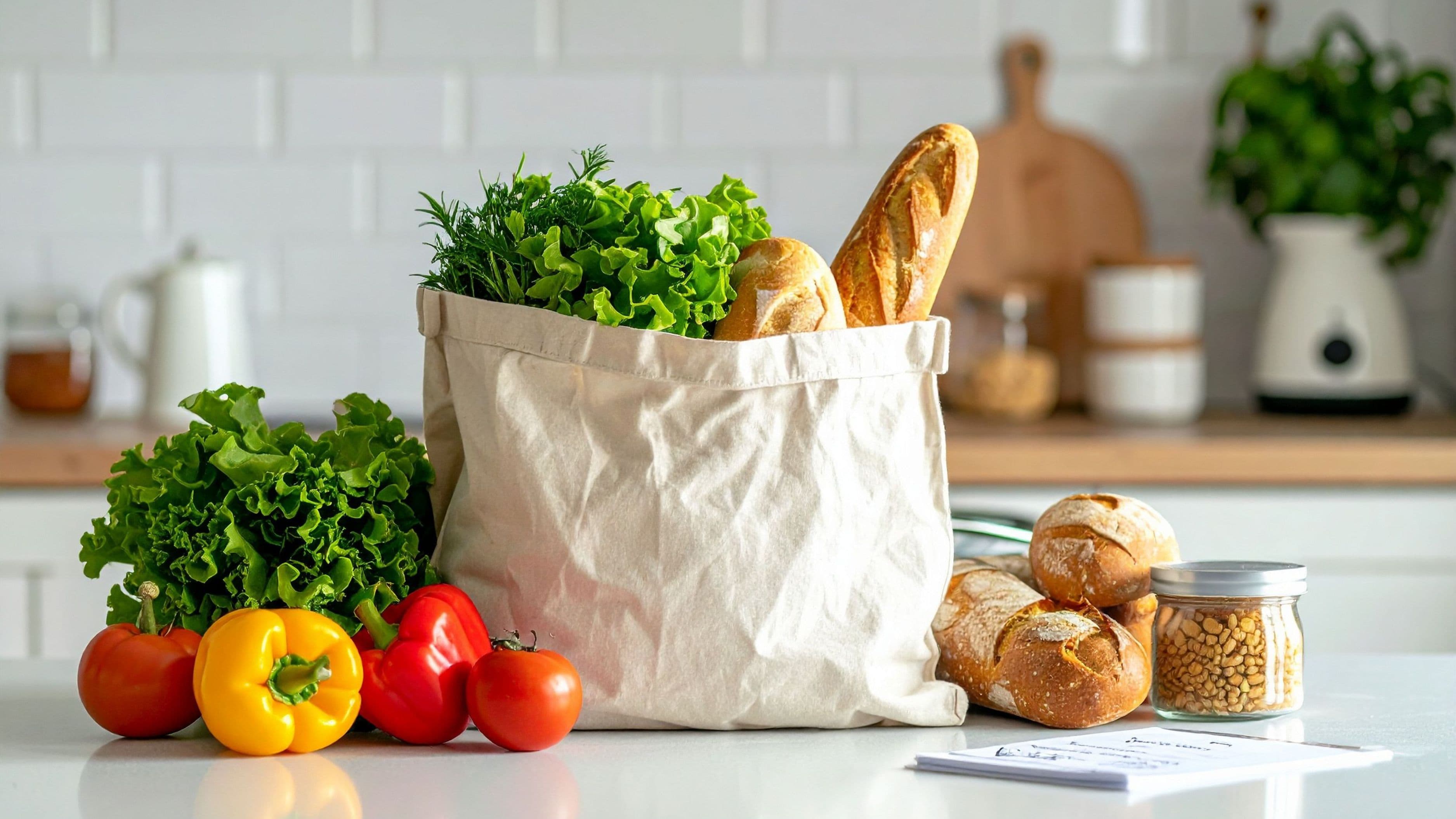
Cloth rags instead of paper towels can be made from old fabric at zero cost, or purchased as a basic set for under $10. A family that goes through two paper towel rolls per week will save meaningfully over the course of a year, both financially and in waste generated. Beeswax wraps or reusable bowl covers in place of plastic cling film run $8–$15 for a set and last one to two years with basic care. A reusable coffee filter or a simple French press eliminates single-use pods and paper filters; a decent French press costs $15–$25 and pays for itself in a matter of weeks. A set of reusable produce bags for shopping replaces the thin plastic bags most stores offer; a basic set costs around $8–$12 and lasts for years.
None of these require a large upfront investment, and each one removes a recurring waste source from your kitchen permanently once it's in place.
Change How You Shop for Food
A significant portion of kitchen waste isn't from packaging or disposables – it's from food itself. The average household throws away a notable amount of food every week, which represents both wasted money and wasted resources. Shopping more intentionally is one of the highest-leverage changes you can make, and it costs less, not more.
Meal planning – even a loose, flexible version of it – dramatically reduces food waste by helping you buy what you'll actually use. You don't need to plan every meal with precision. Simply taking five minutes before a grocery run to think through the week and check what's already in the fridge prevents the duplicate purchases and forgotten vegetables that quietly expire in the back of the crisper drawer. Shopping with a list, even a rough one, keeps you focused and reduces impulse buys that often go unused.
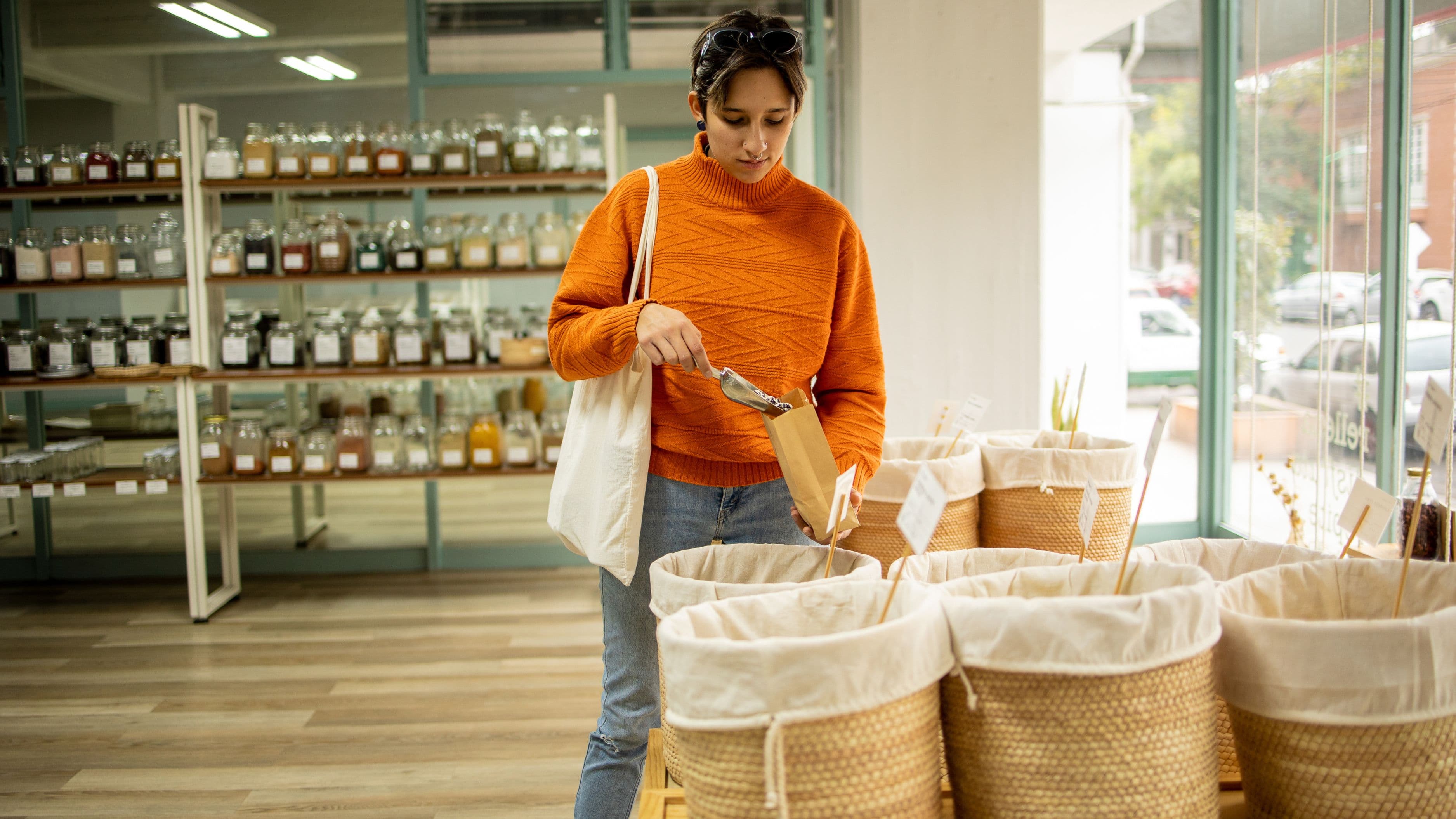
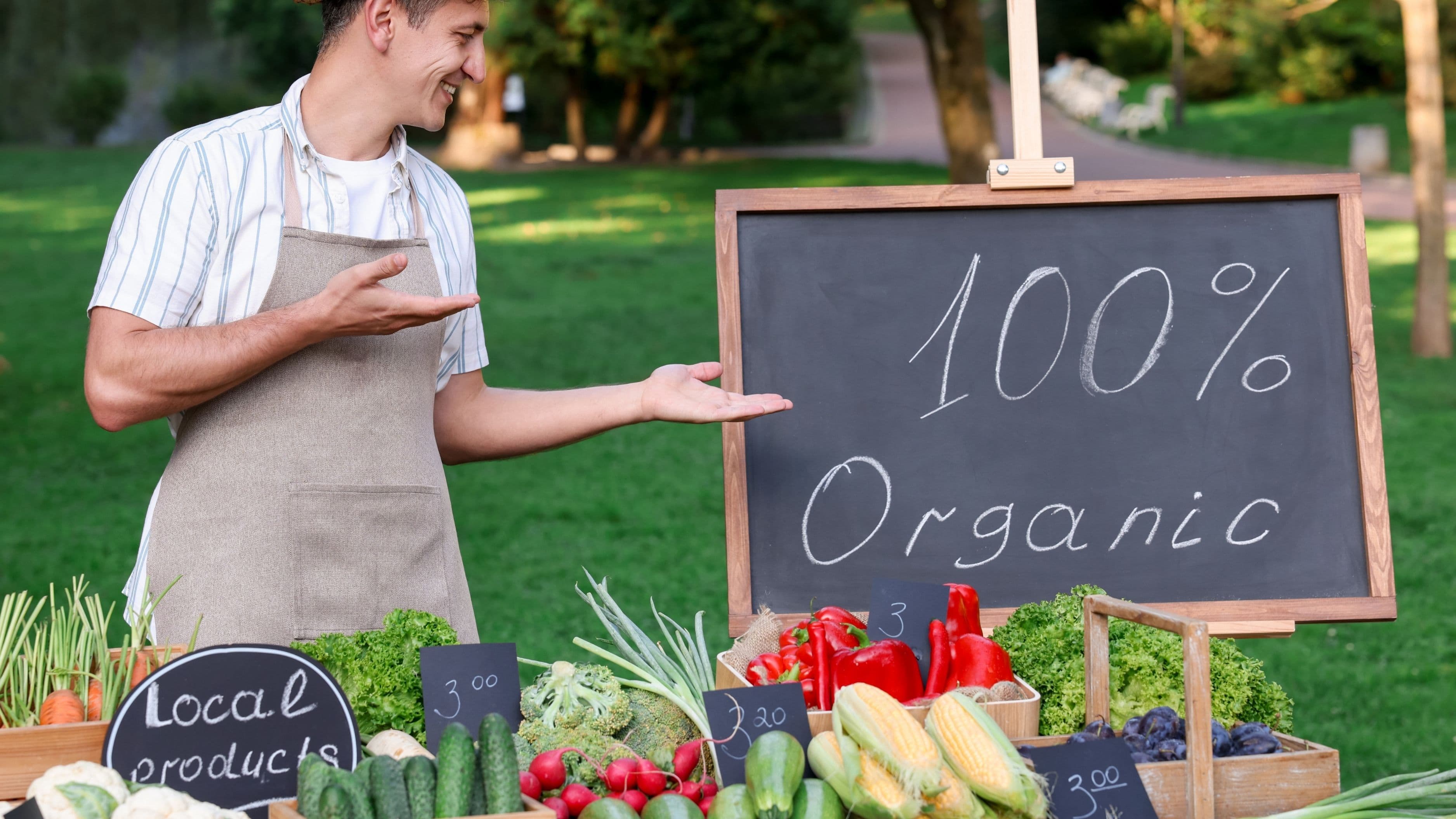
Buying from bulk bins when your store has them is one of the best ways to reduce packaging waste while often saving money at the same time. Bring your own containers or bags, fill what you need, and you eliminate the plastic packaging entirely. For staples like oats, rice, lentils, nuts, and coffee, the bulk section is both more economical and far less wasteful than pre-packaged equivalents.
Learn the Basics of Food Preservation
One of the most meaningful skills you can develop for a zero-waste kitchen is knowing how to make food last longer. This isn't about elaborate canning projects – it's simpler than that, and it directly reduces the amount of food (and money) you throw away each week.
Understanding how to store different produce correctly makes a real difference. Herbs stored in a glass of water in the fridge like flowers can last two to three times longer than when stuffed into a bag. Leafy greens stay fresh significantly longer when stored with a dry cloth or paper towel to absorb moisture. Bread stays fresher longer in a cloth bread bag or a cool cabinet than sealed in plastic. These small adjustments cost nothing and extend the useful life of the food you've already bought.
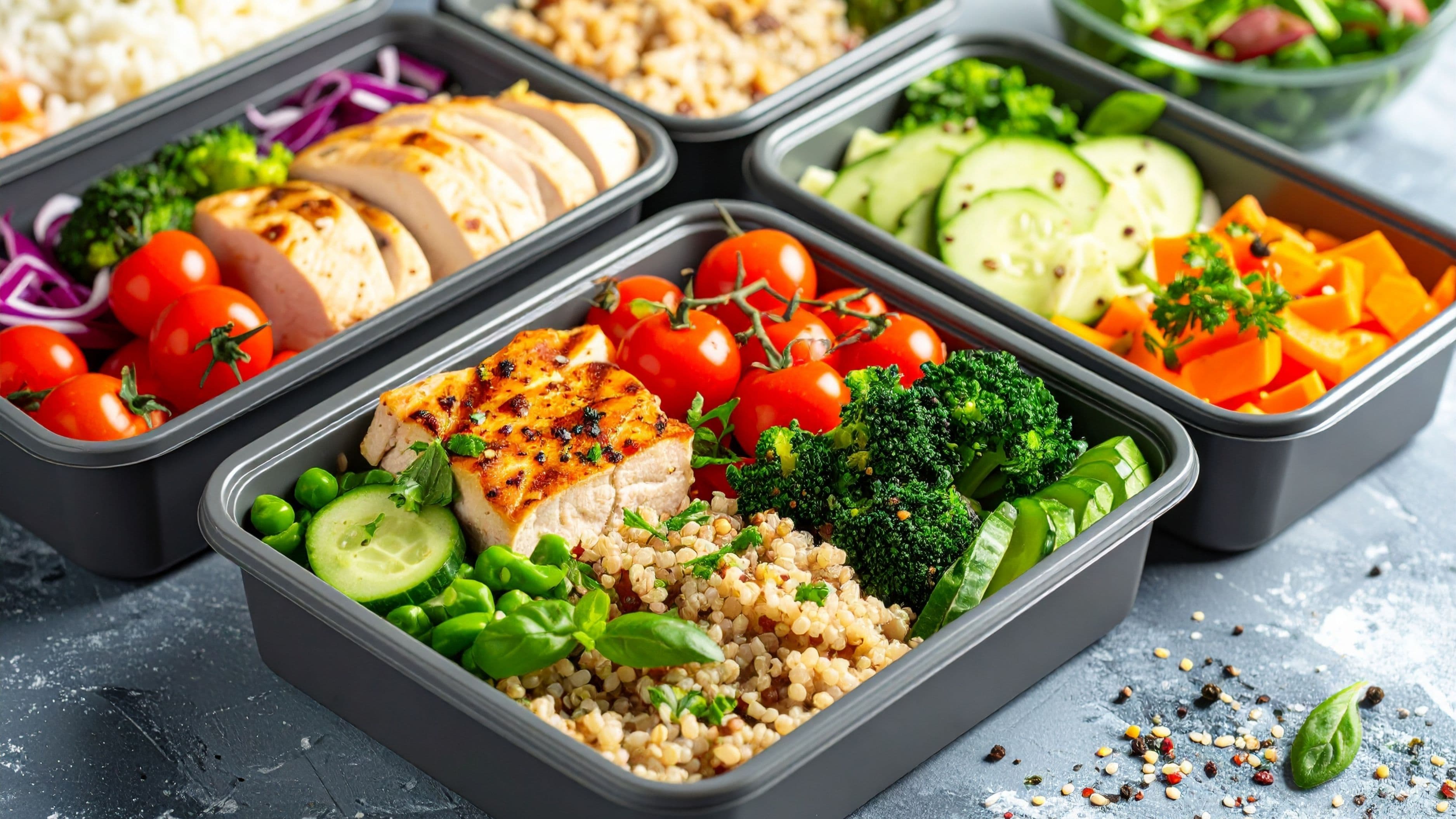
Batch cooking and using leftovers intentionally also reduces waste at the meal level. Cooking a large pot of grains or legumes at the beginning of the week and using them across multiple meals means less food gets abandoned mid-week. "Clean out the fridge" dinners – soups, stir-fries, frittatas – are some of the best meals for using up produce that's about to turn, and they're often more creative and satisfying than anything you planned in advance.
Start Composting, Simply
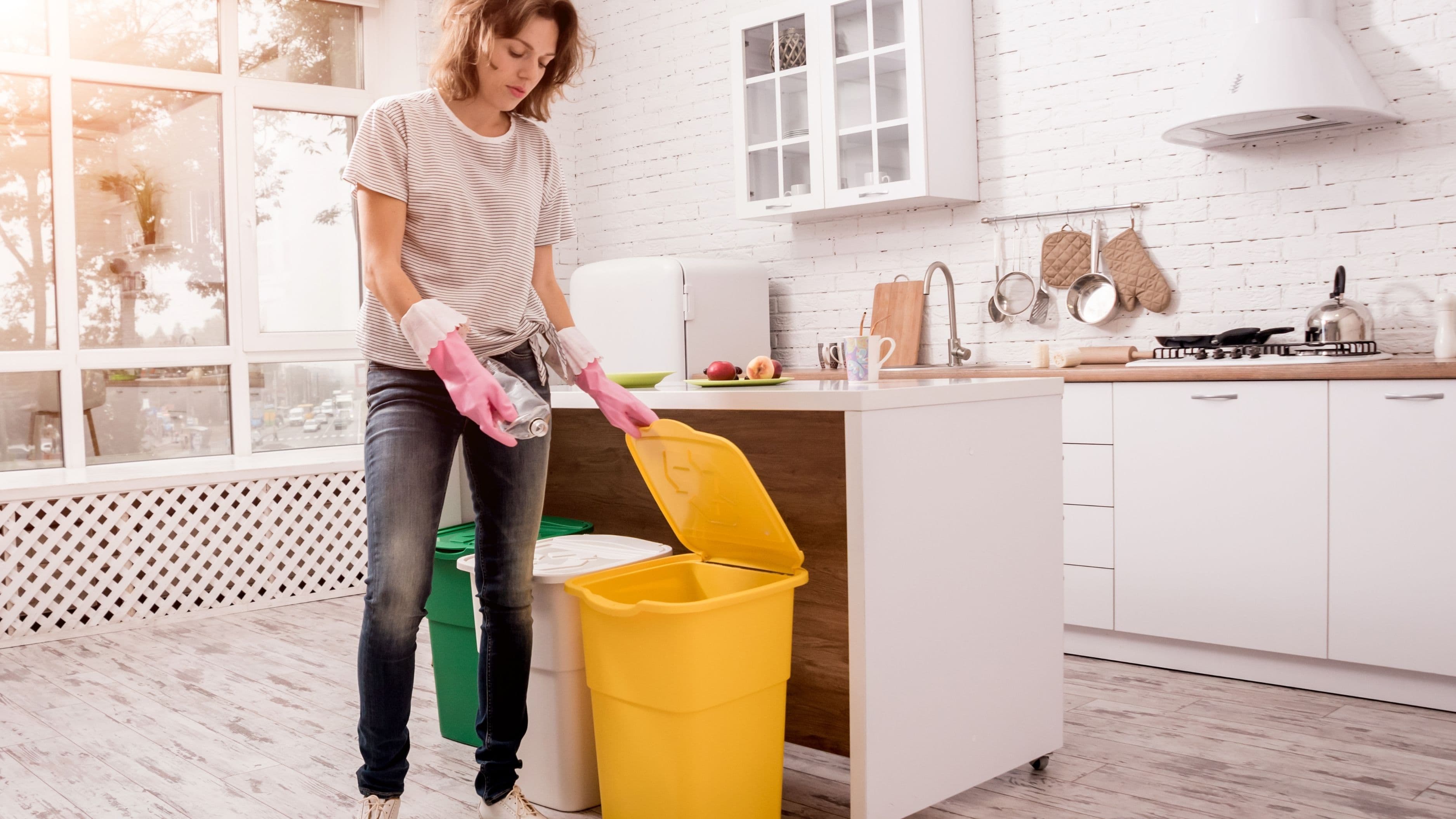
Composting is the part of zero-waste kitchen life that sounds most intimidating and turns out to be one of the easiest to maintain. Food scraps – vegetable peels, coffee grounds, eggshells, fruit cores – that go into compost are transformed into something useful for soil rather than rotting in a landfill where they produce methane. If you have any outdoor space at all, a basic compost bin or pile requires almost no maintenance once established.
For those without outdoor space, a small countertop compost bin with a tight lid collects scraps during the week without odor, and many cities and towns now offer community composting programs or curbside food waste collection. Checking what's available in your area costs nothing and might mean composting is simpler than you imagined. The startup cost of a basic composting system is minimal – a simple bin can be made from a wooden crate or plastic container for free, or purchased for under $30.
Keep It Simple and Resist Eco-Consumerism
Zero-waste living has, somewhat ironically, developed its own consumer culture. There are beautiful, expensive, perfectly curated zero-waste kitchens all over social media, and the implied message is that you need to buy a complete set of matching glass containers, a $60 compost crock, and a full range of specialty products to do this properly. You don't.
The trap of eco-consumerism – buying new things in the name of sustainability – can actually undermine the goal. Every new item produced, even a sustainable one, has an environmental cost. The most genuinely zero-waste path is to use what you have, replace things only when they wear out, buy secondhand when you do need something new, and resist the idea that your kitchen needs to look a particular way to be aligned with your values. Function matters infinitely more than aesthetics here. A mismatched collection of jars and cloth rags that are actually used is far more sustainable than an Instagram-worthy set of unused bamboo accessories.
What to Avoid Along the Way
It's easy to get discouraged when you throw something away that you were trying to replace, or when a reusable item gets forgotten at home and you end up with a plastic bag anyway. These moments are not failures – they're part of a gradual shift that takes time to become habitual. Being hard on yourself about imperfection is the thing most likely to make you abandon the whole effort.
It's also worth avoiding the comparison trap. Your kitchen doesn't need to match anyone else's version of zero-waste. If you've eliminated paper towels and started composting and that's it for now, that's genuinely meaningful progress. Adding one or two sustainable habits at a time, and letting them actually stick before adding more, is far more effective than a dramatic overhaul that lasts two weeks.
A Gentle Takeaway
A zero-waste kitchen isn't a destination you arrive at – it's a direction you move in, at whatever pace works for your life and your budget. The goal isn't elimination of all waste overnight. It's developing a slightly more intentional relationship with the food you buy, the things you use, and the waste you generate, and letting that relationship evolve over time. Start with one swap, one habit, one small change. The kitchen will follow.
FAQ
Do I need to spend a lot of money to start a zero-waste kitchen? Not at all. Many of the most impactful changes cost nothing – using what you already own differently, shopping with a list to reduce food waste, and making cloth rags from old fabric. Paid swaps can be introduced gradually as disposable items run out, which spreads the cost over time.
What's the single most impactful change I can make first? Reducing food waste tends to have the highest combined impact – environmentally and financially. Meal planning, shopping with a list, and storing produce correctly can meaningfully cut what you throw away each week without requiring any new purchases.
Is composting at home difficult to maintain? It's much simpler than most people expect. A basic outdoor compost pile or bin needs only occasional turning and a rough balance of wet scraps and dry materials like leaves or cardboard. For apartment dwellers, countertop collection bins paired with a community composting program are a low-maintenance alternative.
What if my household isn't on board with the changes? Start with the changes that affect only your own habits and the items you control. Small, visible shifts – cloth rags replacing paper towels, a compost bin on the counter – often become normalized quickly, and other household members tend to follow without much persuasion once the new system is in place and easy to use.
Are zero-waste alternatives actually better for the environment if they're shipped to me? This depends on how long you use them. A reusable item that replaces hundreds of single-use equivalents over its lifetime is almost always a net positive, even accounting for shipping. Buying secondhand, choosing items made from natural materials, and keeping things in use for as long as possible amplifies that benefit.
📚 Sources
EPA – Reducing Wasted Food at Home – epa.gov/recycle/reducing-wasted-food-home
NRDC – Wasted: How America Is Losing Up to 40 Percent of Its Food – nrdc.org/resources/wasted-how-america-losing-40-percent-its-food
Zero Waste International Alliance – Zero Waste Definition and Principles – zwia.org/zero-waste-hierarchy
RTS (Recycle Track Systems) – Composting 101 – rts.com/resources/guides/composting-101
UC Davis – How to Store Fresh Fruits and Vegetables – postharvest.ucdavis.edu/produce/storage