
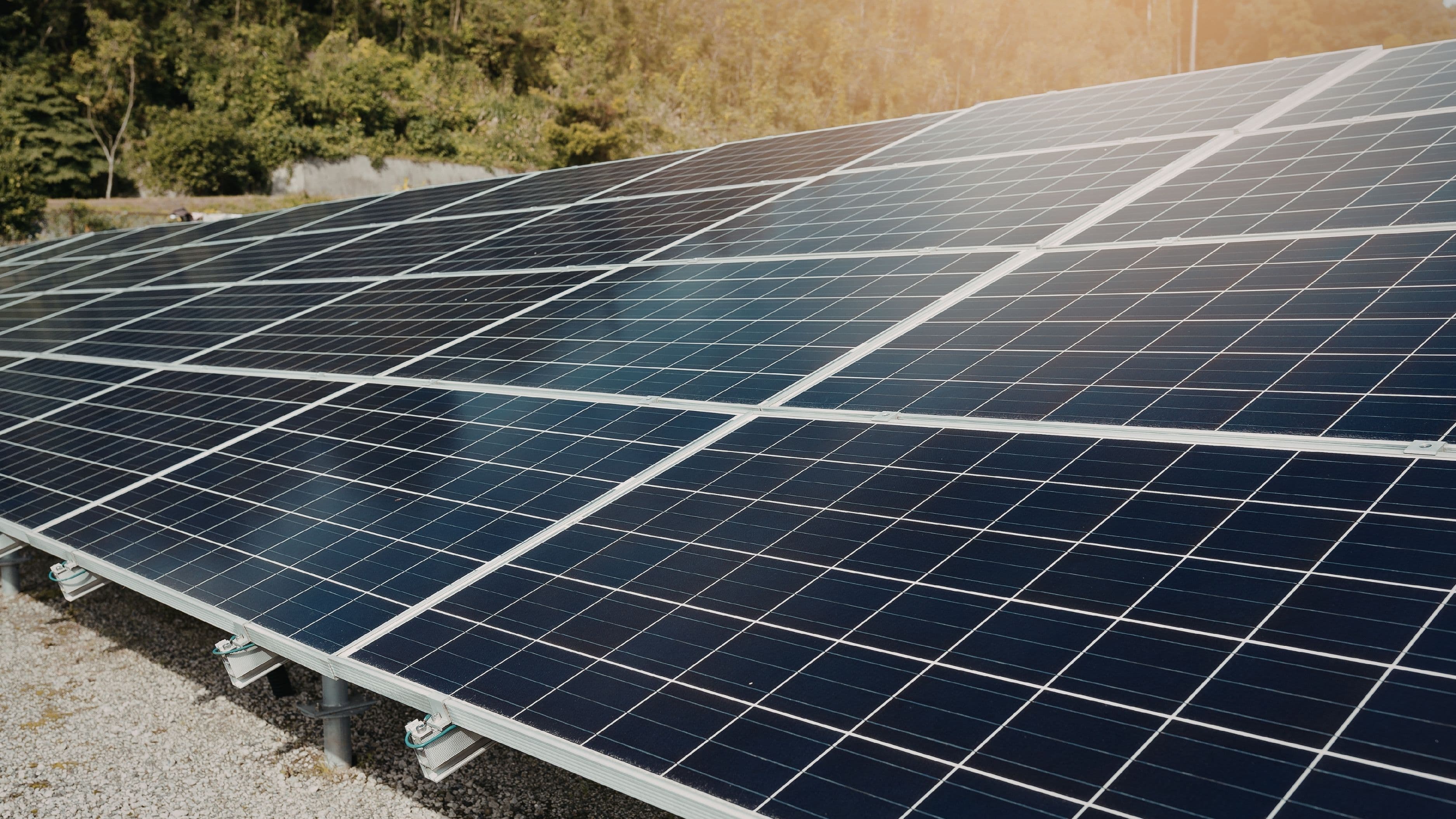
Across neighborhoods and rooftops, sleek panels now quietly harvest sunlight and transform it into electricity that powers kitchens, lights, and devices. The shift isn’t just about environmental awareness — it’s about efficiency, independence, and long-term financial sense.
Below are simple, actionable reasons why solar panels are becoming the smart choice for modern homes — and why more homeowners are making the switch.
1. Cut Your Energy Bills
Solar panels convert sunlight into electricity, allowing homeowners to rely less on utility companies. Over time, the savings from reduced power bills can add up to thousands of dollars.
Once installed, sunlight becomes a free energy source. Many homeowners enjoy the quiet satisfaction of watching their monthly bills shrink while the sun continues to shine.
2. Protect Yourself from Rising Electricity Costs
Energy prices rarely stay the same. Utility rates tend to rise gradually each year, placing a heavier burden on household budgets.
Solar panels act like a financial shield. By generating your own electricity, you reduce dependence on unpredictable rate hikes and gain more control over long-term energy expenses.
3. Increase Your Home’s Value
Homes with solar panels often attract more buyers and sell faster than comparable homes without them. Buyers see solar as a valuable upgrade that reduces future energy costs.
Real estate agents frequently highlight solar installations as premium features. Just like a renovated kitchen or modern appliances, solar panels signal efficiency and forward-thinking design.
4. Reduce Your Carbon Footprint
Traditional electricity generation often relies on fossil fuels such as coal and natural gas. These fuels release greenhouse gases that contribute to climate change.
Solar energy produces electricity without emitting harmful pollutants. Every kilowatt generated from sunlight helps reduce dependence on fossil fuels and lowers a household’s environmental impact.
5. Take Advantage of Tax Incentives
Governments around the world encourage solar adoption through financial incentives. In the United States, federal tax credits allow homeowners to deduct a portion of their solar installation costs.
These incentives can significantly reduce the upfront price of a solar system. For many households, this makes the transition to renewable energy more affordable than expected.
6. Low Maintenance, Long Lifespan
Modern solar panels are designed to be durable and reliable. Most systems require little more than occasional cleaning and periodic inspections.
Many manufacturers provide warranties lasting 20–25 years. That means decades of steady energy production with minimal upkeep.
7. Generate Energy Even on Cloudy Days
A common misconception is that solar panels only work in bright sunshine. In reality, panels can still generate electricity when skies are cloudy.
While output may decrease slightly, modern photovoltaic technology captures diffuse sunlight effectively. That means homes can continue producing energy throughout the year.
8. Energy Independence Feels Empowering
Producing your own electricity brings a unique sense of independence. Instead of relying entirely on external power providers, homeowners generate a portion of their own energy supply.
That independence can feel surprisingly satisfying. Watching sunlight power your home creates a tangible connection between nature and everyday living.
9. Pair Solar with Battery Storage
Solar energy systems can be combined with home batteries that store extra electricity produced during sunny hours. This stored energy can power your home during nighttime or outages.
Battery systems transform solar energy into a reliable, around-the-clock power source. Many homeowners appreciate the extra layer of resilience it brings to their energy setup.
10. Technology Keeps Getting Better
Solar technology has improved dramatically over the past decade. Panels are now more efficient, more durable, and more visually appealing.
Installation techniques have also evolved. Sleeker designs integrate smoothly into rooftops, giving homes a modern, high-tech appearance rather than a bulky retrofit.
11. Quiet Energy Production
Unlike generators or mechanical power systems, solar panels produce electricity silently. There are no moving parts, no engine sounds, and no vibrations.
The system simply absorbs sunlight and converts it into energy. That quiet efficiency makes solar one of the most peaceful forms of power generation available.
12. Solar Works in Many Climates
Solar power isn’t limited to hot desert environments. Many regions with moderate sunlight still generate strong solar energy output.
In fact, cooler temperatures can sometimes improve panel efficiency. Even areas with seasonal weather variations can benefit from solar installations.
13. Smart Homes Love Solar Power
Modern homes increasingly rely on connected devices, electric vehicles, and energy-efficient appliances. Solar systems integrate perfectly with these technologies.
Home energy monitoring systems allow homeowners to track production and usage in real time. It’s like watching your roof quietly run a miniature power plant.
14. Reduce Strain on the Power Grid
When homes produce their own electricity, it reduces demand on centralized power plants. This can help prevent overload during peak usage times.
Distributed solar energy creates a more resilient and balanced energy network. Communities benefit when more households generate renewable electricity locally.
15. Solar Installation Is Faster Than Ever
In the past, installing solar panels could take weeks of planning and construction. Today, the process is faster and more streamlined.
Many residential systems can be installed within a few days. Professional installers handle permits, wiring, and setup, allowing homeowners to start producing energy quickly.
16. Minimal Space Required
Modern solar panels are highly efficient, meaning fewer panels are needed to generate meaningful power. Even smaller rooftops can often support a functional solar system.
With smart layout planning, installers can maximize energy production while preserving the aesthetic look of the home.
17. Boost Long-Term Financial Stability
Solar panels are often compared to a long-term investment. While there may be an upfront cost, the ongoing energy savings accumulate year after year.
Over time, many systems pay for themselves through reduced electricity bills. After that point, the energy they produce becomes essentially free.
18. Support a Cleaner Energy Future
Solar energy represents a shift toward sustainable living. By choosing renewable power, homeowners participate in a global movement toward cleaner energy systems.
Each rooftop installation contributes to a larger transition away from fossil fuels. That collective impact grows stronger as more households adopt solar technology.
19. Solar Can Power Electric Vehicles
Electric vehicles are becoming increasingly popular, and solar panels can help charge them. Instead of relying entirely on grid electricity, drivers can use solar energy generated at home.
Imagine pulling into your driveway and charging your car with sunlight captured during the day. It’s an elegant cycle of renewable energy.
20. The Sun Is an Unlimited Resource
Unlike fossil fuels, sunlight is abundant and renewable. Every day the sun delivers enormous amounts of energy to the Earth.
Solar panels simply capture a small fraction of that energy. It’s a powerful reminder that clean energy can come from one of the most reliable sources in the universe.
Conclusion
Solar panels are no longer a futuristic idea — they’re a practical solution for modern homes. They reduce energy costs, increase property value, and offer a cleaner, more independent way to power daily life.
The technology is reliable, increasingly affordable, and widely accessible. With incentives, improved efficiency, and growing environmental awareness, solar energy continues to gain momentum across the world.
You don’t need to overhaul your entire home to start benefiting from solar power.
📚 Sources
International Energy Agency (IEA). “Renewables 2023: Analysis and Forecast to 2028.”
U.S. Department of Energy – Solar Energy Technologies Office.
National Renewable Energy Laboratory (NREL). “Solar Photovoltaic Technology Basics.”
Pew Research Center. “Public Attitudes Toward Renewable Energy.”