This is a conversation worth having openly. Understanding what's happening in your body – and what you can do about it gently and naturally – is part of taking your wellness seriously.
What Vaginal Dryness Actually Is
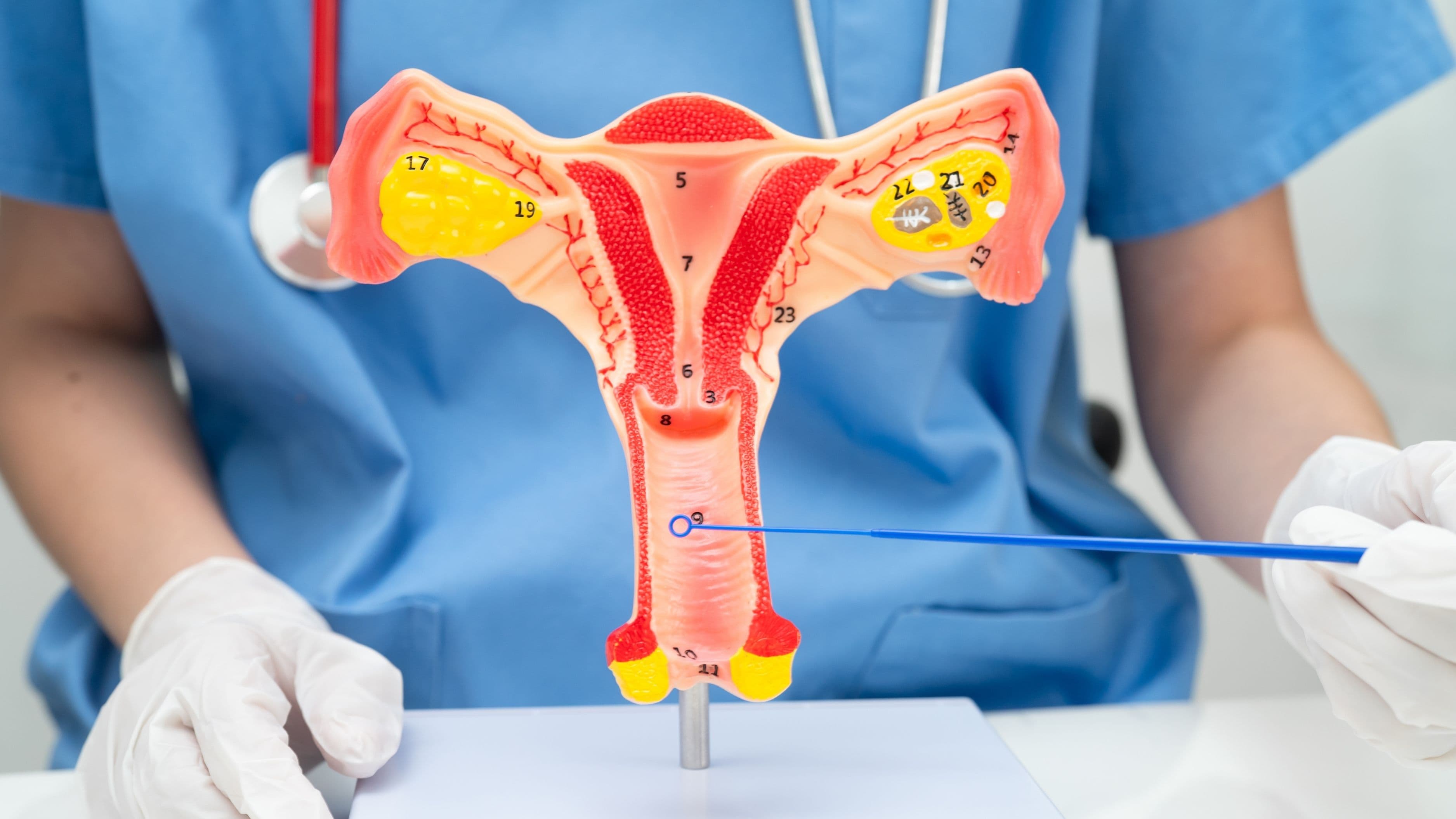
The vaginal tissue is naturally kept moist by secretions produced by glands near the cervix and by fluid that passes through the vaginal walls. This moisture maintains the health and elasticity of the tissue, supports the vaginal microbiome, and keeps the area comfortable. When estrogen levels are adequate, this process works quietly and continuously in the background.
Vaginal dryness occurs when this moisture production decreases, leaving the tissue thinner, less elastic, and more easily irritated. The medical term for the broader condition – which includes dryness, thinning of vaginal tissue, and related discomfort – is Genitourinary Syndrome of Menopause (GSM) when it occurs in the context of hormonal changes, though vaginal dryness itself can affect women at any life stage.
The experience varies. Some women notice mild discomfort during daily activities. Others experience itching, burning, or a general sense of irritation that persists regardless of what they're doing. Some notice that symptoms fluctuate with their cycle, stress levels, or changes in their overall health. All of these variations are normal, and none of them mean something is fundamentally wrong with you.
What Causes It
Estrogen is the primary regulator of vaginal tissue health, so anything that affects estrogen levels can contribute to dryness. The most significant cause is the hormonal shift of perimenopause and menopause, when estrogen production naturally decreases over time. But estrogen fluctuates across a woman's life for many reasons beyond menopause.
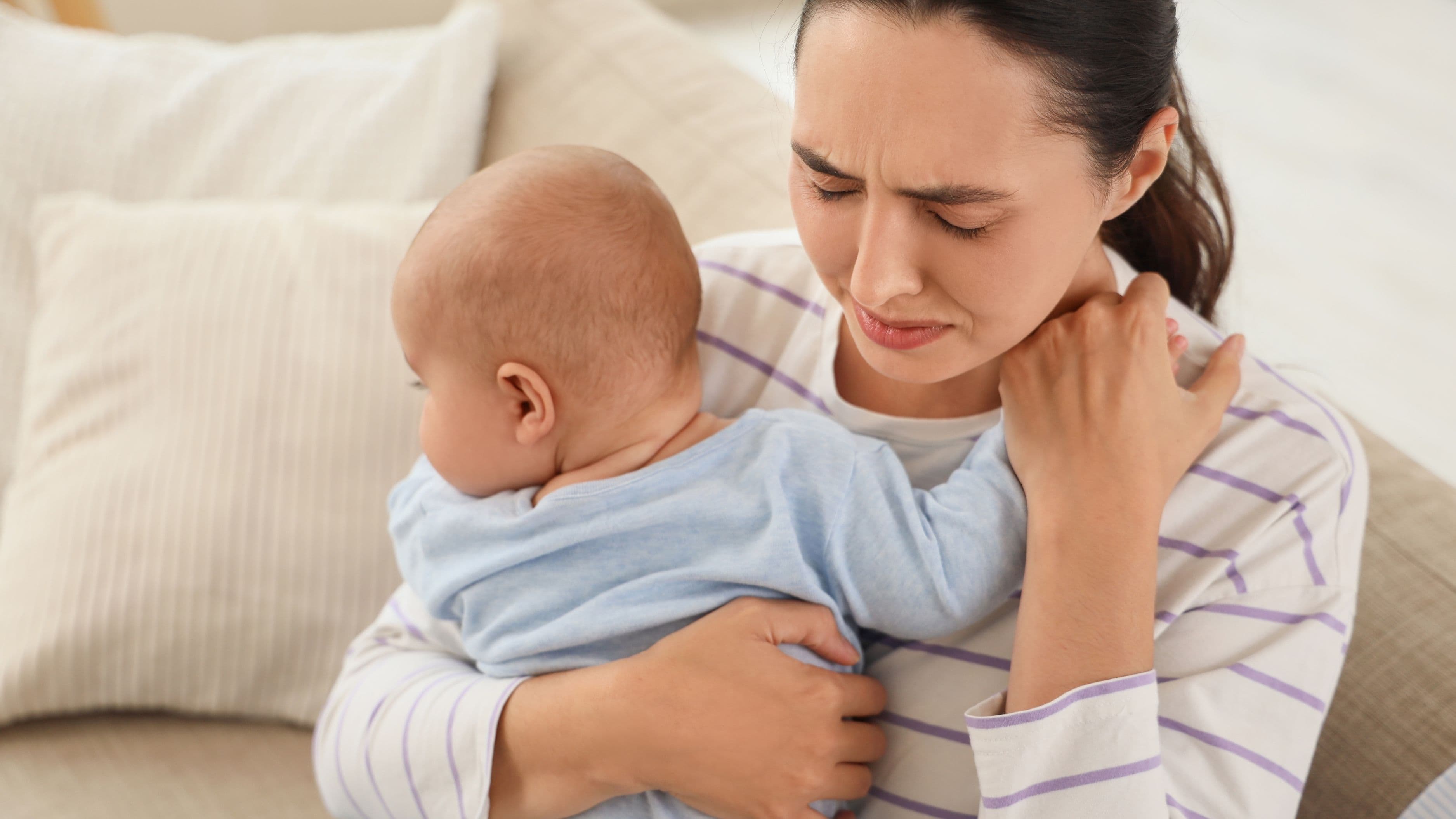
Breastfeeding suppresses estrogen significantly, which is why postpartum women often experience vaginal dryness even while feeling otherwise healthy. Certain hormonal contraceptives – particularly low-dose combined pills and the progestogen-only pill – can reduce estrogen levels enough to cause dryness in some women. Cancer treatments including chemotherapy and radiation, as well as surgical menopause following oophorectomy, can cause abrupt hormonal changes with pronounced effects on vaginal tissue.
Beyond hormones, a few other factors contribute. Certain antihistamines, antidepressants, and blood pressure medications have drying effects on mucous membranes generally. Harsh soaps, fragranced products, and douching disrupt the vaginal microbiome and strip protective moisture. Chronic stress and poor sleep affect hormone balance in ways that can compound dryness over time. Smoking has been associated with earlier onset of vaginal atrophy due to its effects on estrogen metabolism.
Natural Approaches That Can Help
The following approaches are supported by clinical research or established medical guidance and represent practical starting points for many women. They're worth exploring thoughtfully, and none of them replace a conversation with your doctor if symptoms are persistent or severe.
Vaginal Moisturizers
Non-hormonal vaginal moisturizers are applied regularly – typically two to three times per week – and work by hydrating and conditioning vaginal tissue rather than simply lubricating it in the moment. They're designed for ongoing use, not just situational relief, and clinical studies have found them effective for managing dryness symptoms over time.
Products containing hyaluronic acid have attracted particular research attention. A study published in Menopause: The Journal of The Menopause Society found that hyaluronic acid vaginal gel was comparable to low-dose estrogen in reducing vaginal dryness symptoms in menopausal women. Hyaluronic acid is a compound naturally present in the body that binds water and supports tissue hydration. Look for products that are fragrance-free, free of parabens, and pH-balanced to the naturally acidic vaginal environment (pH 3.8–4.5).
Diet and Hydration
What you eat and drink has a more direct effect on vaginal tissue health than is commonly acknowledged. General hydration matters – chronically low water intake affects mucosal membranes throughout the body, including vaginal tissue. Aiming for adequate daily fluid intake (individual needs vary, but the National Academies of Sciences recommends approximately 2.7 litres of total water per day for adult women) is a reasonable baseline.
Phytoestrogens – plant compounds that have mild estrogen-like activity in the body – have been studied for their potential role in supporting vaginal tissue health. Foods rich in phytoestrogens include flaxseeds, soy products (edamame, tofu, tempeh), sesame seeds, and legumes. The research on phytoestrogens and vaginal dryness is mixed and the effects appear modest, but increasing these foods as part of a balanced diet is a low-risk approach. Omega-3 fatty acids, found in oily fish, walnuts, and flaxseed oil, support tissue health and have anti-inflammatory properties that may benefit vaginal tissue alongside other systems.
Reducing Irritants
This step is often overlooked but consistently recommended by gynecologists. Many women are unknowingly using products that actively worsen dryness and irritation. Fragranced soaps, bubble baths, scented wipes, and any product marketed for "intimate hygiene" with added fragrance can disrupt the vaginal microbiome and strip protective moisture. The vagina is self-cleaning; it doesn't require special washes or douching, and these products tend to cause more problems than they solve.
Switching to an unscented, gentle soap for the external vulvar area only, avoiding fabric softeners and dryer sheets on underwear, and choosing breathable cotton underwear over synthetic fabrics all contribute to a less irritating environment for vaginal tissue over time.
Pelvic Floor Health
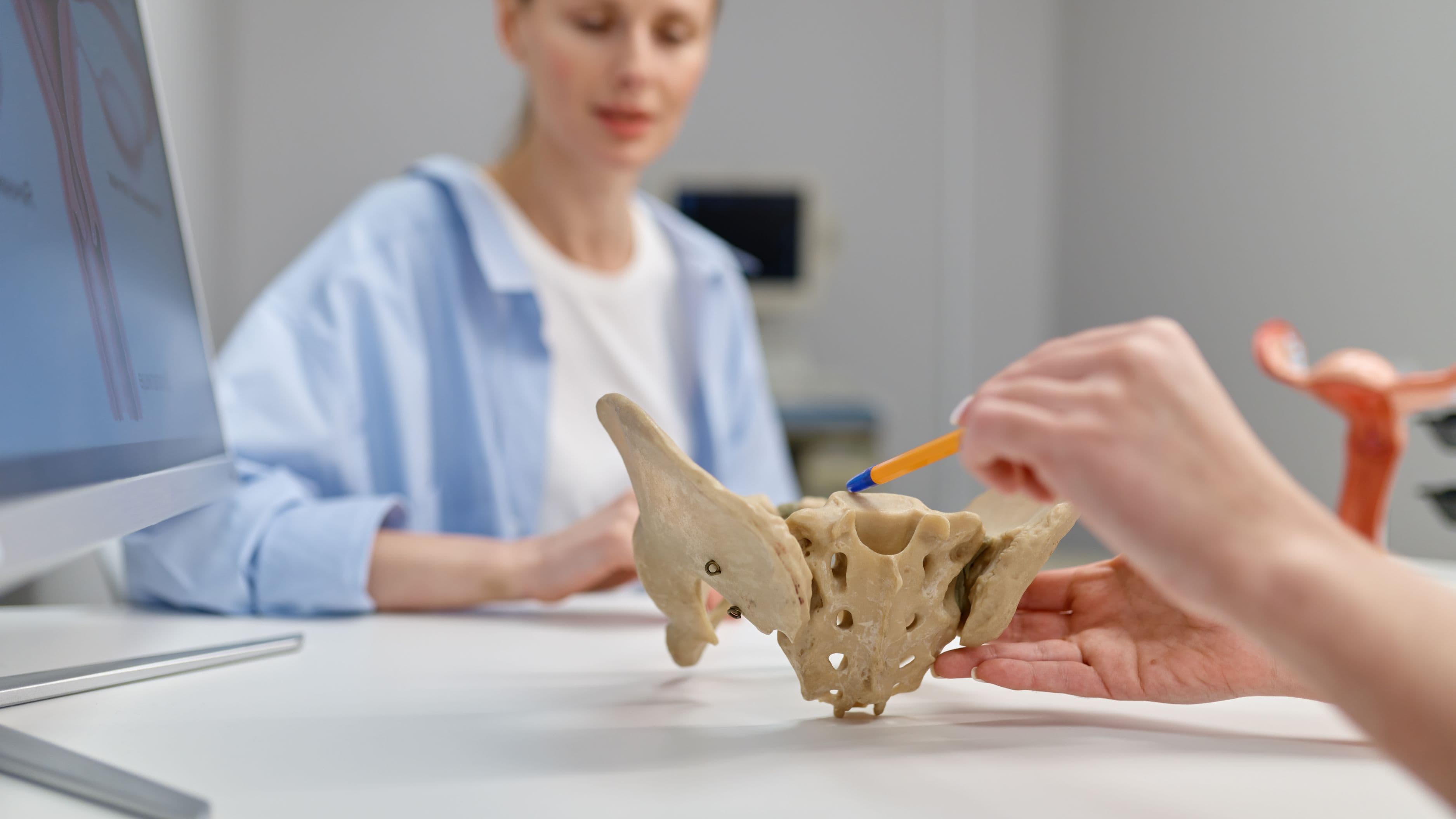
Pelvic floor physiotherapy is increasingly recognized as part of comprehensive vaginal health care. A pelvic floor physiotherapist can assess muscle tension, coordination, and blood flow to the pelvic region – all of which affect vaginal tissue health and comfort. Pelvic floor exercises, when performed correctly, support blood circulation to vaginal tissue, which in turn supports tissue health and moisture production.
It's worth noting that both underactive and overactive pelvic floor muscles can contribute to vaginal discomfort. Many women assume they need to strengthen their pelvic floor, when in fact the issue may be chronic tension that needs to be released rather than tightened further. A qualified pelvic floor physiotherapist can distinguish between these and provide targeted guidance.
Managing Stress and Sleep
Chronic stress elevates cortisol, which suppresses estrogen production and can worsen hormonal imbalances that contribute to vaginal dryness. This connection is often underappreciated. Women who are going through significant stress – whether work-related, relational, or otherwise – sometimes notice that vaginal symptoms worsen during those periods, even if they're otherwise at an age or life stage where they wouldn't expect hormonal changes.
Prioritizing sleep supports hormonal regulation broadly. Estrogen and progesterone fluctuate across the sleep cycle, and poor sleep disrupts these rhythms in ways that compound hormonal symptoms over time. Mindfulness practices, gentle movement, and protecting sleep quality are all worthwhile not just for general wellness but as part of a genuinely supportive approach to vaginal health.
When to See a Doctor
Natural approaches are a meaningful starting point, but they have limits – and knowing when to seek medical support is part of caring for yourself well.
If dryness is causing significant ongoing discomfort, if symptoms have appeared suddenly rather than gradually, or if you're experiencing unusual discharge, bleeding, or pain that extends beyond mild irritation, a visit to your gynecologist or GP is the right next step. These symptoms can indicate conditions unrelated to hormonal dryness that need assessment.
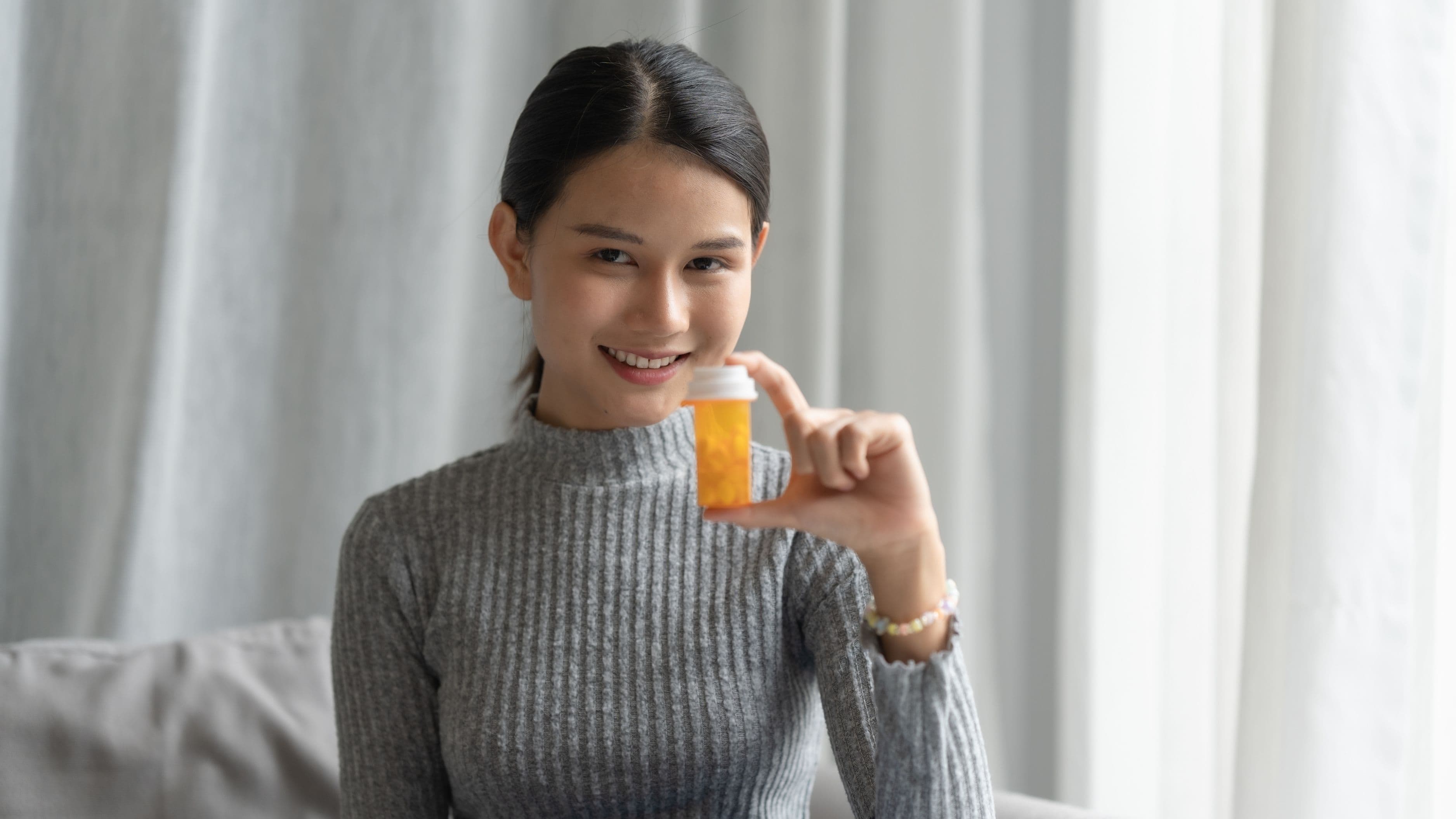
Low-dose vaginal estrogen – applied locally as a cream, ring, or pessary – is a well-established and highly effective treatment for vaginal dryness, and because it's applied locally rather than systemically, it delivers minimal estrogen to the rest of the body. Many women who are hesitant about hormone therapy are good candidates for local vaginal estrogen specifically. Ospemifene, a non-estrogen oral medication approved for vaginal dryness associated with menopause, is another option your doctor may discuss. These aren't things to avoid – they're tools to be informed about so you can make decisions that fit your situation.
A Gentle Reminder
Vaginal dryness is a health issue, not a reflection of anything lacking in you. It's a physical response to hormonal and environmental factors that affect a large proportion of women at various points in their lives. Addressing it is an act of self-care, not something to feel embarrassed about.
Taking time to understand what your body is experiencing and responding to it with intention – whether through dietary changes, more appropriate products, hydration, or medical support – is exactly the kind of quiet, grounded wellness practice that makes a real difference over time.
FAQ
Is vaginal dryness only a menopause symptom?
No. While it's more common and often more pronounced around perimenopause and menopause, vaginal dryness can occur at any age. Breastfeeding, certain medications, hormonal contraceptives, stress, and irritating products are all common causes in younger women.
Are over-the-counter vaginal moisturizers safe for long-term use?
Yes – non-hormonal vaginal moisturizers are generally safe for regular, ongoing use. Look for products that are fragrance-free, pH-balanced, and free of irritating additives. Products containing hyaluronic acid or polycarbophil are well-studied and widely used.
Can dietary changes alone resolve vaginal dryness?
For mild dryness in otherwise healthy women, dietary improvements – increased hydration, phytoestrogen-rich foods, omega-3s – can make a noticeable difference. For moderate to significant dryness, particularly related to hormonal changes, dietary approaches are supportive but usually not sufficient on their own. Combining them with appropriate topical care and, if needed, medical options gives the best results.
Should I be concerned about vaginal dryness affecting my long-term health?
Untreated vaginal dryness over time can lead to tissue thinning (vaginal atrophy) that may increase susceptibility to minor infections and discomfort. Addressing it proactively – even with simple non-hormonal measures – is worthwhile from a long-term tissue health perspective, not just for immediate comfort.
Is it worth seeing a pelvic floor physiotherapist specifically for dryness?
If dryness is accompanied by pelvic discomfort, muscle tension, or general pelvic health concerns, yes – a pelvic floor physio can be very helpful. For straightforward dryness without other pelvic symptoms, it's less essential as a first step, though it's always a reasonable option to explore.
📚 Sources
Stute, P. et al. – "Hyaluronic acid vs. estriol for the treatment of vaginal atrophy" – Menopause: The Journal of The Menopause Society https://journals.lww.com/menopausejournal/abstract/2015/09000/hyaluronic_acid_vs__estriol_for_the_treatment_of.9.aspx
National Institute on Aging – "Vaginal Dryness" – nia.nih.gov https://www.nia.nih.gov/health/menopause/vaginal-dryness-causes-and-treatment-options
The Menopause Society – "Genitourinary Syndrome of Menopause" – menopause.org https://www.menopause.org/for-women/sexual-health-menopause-online/causes-of-sexual-problems/genitourinary-syndrome-of-menopause-gsm
National Academies of Sciences – "Dietary Reference Intakes for Water" – nap.nationalacademies.org https://nap.nationalacademies.org/read/10925/chapter/6
NHS – "Vaginal dryness" – nhs.uk https://www.nhs.uk/conditions/vaginal-dryness/
Mayo Clinic – "Vaginal atrophy" – mayoclinic.org https://www.mayoclinic.org/diseases-conditions/vaginal-atrophy/symptoms-causes/syc-20352288