This guide is for anyone who wants to move beyond counting days and actually use their cycle as a tool for self-awareness and wellbeing. Whether you're tracking on paper, through an app, or using wearable technology, the goal is the same: to notice, learn, and respond to your body with more intention.
Why Cycle Tracking Is About More Than Your Period
Most people think of cycle tracking in terms of two data points: when your period starts and how long it lasts. But the menstrual cycle is actually a dynamic, four-phase system that influences almost every aspect of how you feel throughout the month.
The four phases – menstruation, the follicular phase, ovulation, and the luteal phase – each involve distinct hormonal shifts that affect your brain chemistry, physical energy, emotional bandwidth, and even your immune function. During the follicular phase, rising estrogen tends to bring increased energy and mental clarity. Around ovulation, many people feel more social and confident. The luteal phase, in the second half of the cycle, often brings a natural pull toward rest, introspection, and sometimes heightened emotional sensitivity. When you track your cycle over time, these patterns start to emerge – and that knowledge changes how you relate to your own experience.
Understanding your cycle isn't about pathologizing normal variation. It's about recognizing that your body operates in rhythms, and that working with those rhythms rather than against them is a gentler and more sustainable way to live.
Start With the Basics: What to Track
Before deciding on a method, it helps to know what data is actually worth collecting. You don't need to track everything at once – especially when you're just beginning. Starting with a few consistent data points and adding more over time is far more sustainable than trying to log everything from day one.
Cycle start and end dates are the foundation. Record the first day of your period as Day 1 of your cycle, and note when your period ends.
Over several months, this gives you a reliable picture of your average cycle length – which can vary naturally anywhere from 21 to 35 days.
Bleeding characteristics tell you more than you might expect. Heavy flow, light flow, spotting, color, and the presence of clotting are all worth noting. Significant changes in these patterns over time are worth discussing with a healthcare provider.
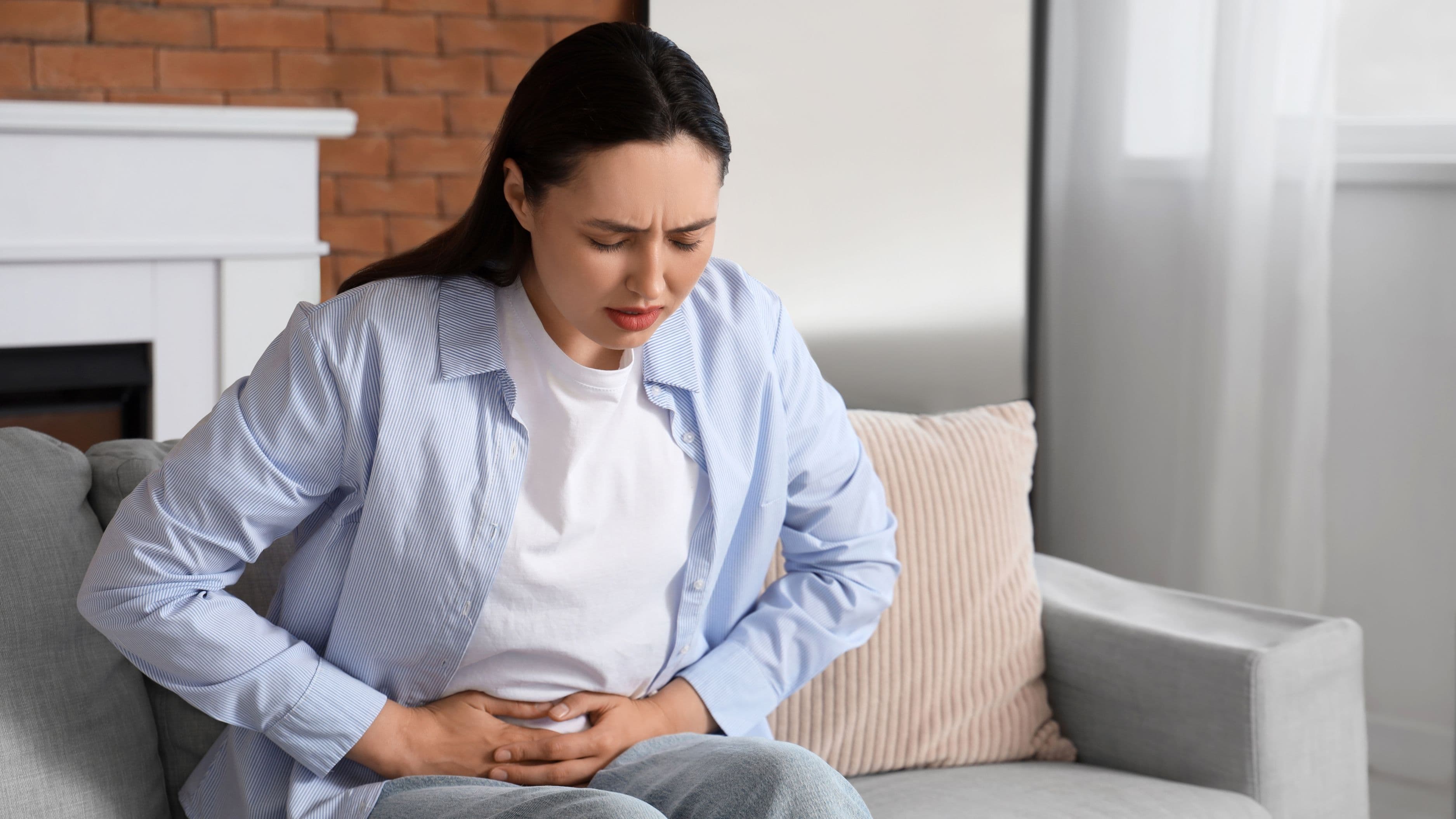
Physical symptoms – cramping, breast tenderness, headaches, bloating, skin changes, and energy levels – often follow predictable patterns once you start tracking. Noticing that your migraines consistently appear in the luteal phase, for example, or that your energy reliably dips in the two days before your period, helps you plan around rather than be surprised by these shifts.
Mood and emotional patterns are some of the most valuable things to track, and also some of the most overlooked. Brief daily mood notes – even just a word or two – over three to four cycles can reveal patterns you'd never notice in the moment. Many people discover that what felt like random anxiety or irritability is actually a reliable premenstrual pattern that responds well to simple lifestyle adjustments.
Sleep quality and appetite both shift with hormonal changes throughout the cycle. Noting these alongside your cycle phase helps you connect the dots between what's happening hormonally and how your body is responding day to day.
Choosing a Tracking Method That Actually Fits Your Life
There's no single best way to track your cycle – the best method is the one you'll actually use consistently over several months. Here's an honest look at the main options.
Paper or Journal Tracking
Tracking by hand in a journal or planner is the most flexible and screen-free option. You're not dependent on an app, your data isn't stored by a third party, and the act of writing by hand encourages a slower, more reflective relationship with what you're noticing. Many people find that journaling symptoms alongside cycle data deepens their self-awareness in a way that tapping boxes in an app doesn't.
The limitation is that you do the pattern recognition yourself, which requires a bit more effort. Keeping a simple monthly grid – one row per day, columns for phase, symptoms, mood, and energy – makes it manageable without becoming a daily writing project.
Cycle Tracking Apps
Apps like Clue, Flo, and Natural Cycles have made cycle tracking significantly more accessible, and for many people they're a genuinely useful starting point. They calculate average cycle length, predict fertile windows and period start dates, and let you log a wide range of symptoms quickly. Some include educational content that helps you understand what's happening hormonally at each phase.
One thing worth considering: menstrual health data is highly personal, and different apps have different privacy policies regarding how your data is stored and whether it's shared with third parties. It's worth reading the privacy policy of any app you use and choosing one with a clear, protective data policy. Clue, for example, has been transparent about its data practices and has made explicit commitments not to sell user data.
If you use an app, the most important thing is logging consistently – even a quick 30-second entry each day is enough to build a meaningful dataset over time.
Basal Body Temperature (BBT) Tracking
Basal body temperature tracking involves taking your temperature first thing in the morning, before getting out of bed, using a sensitive BBT thermometer. After ovulation, progesterone causes a small but consistent rise in resting body temperature – typically 0.2 to 0.5 degrees Celsius – that remains elevated until your next period.
Tracking BBT over several cycles gives you a reliable picture of when you ovulate, confirms whether ovulation is occurring at all, and can reveal patterns like a short luteal phase that might otherwise go unnoticed. It requires consistency – you need to take your temperature at roughly the same time each morning, ideally after at least three hours of uninterrupted sleep – but the data it produces is genuinely informative.
BBT tracking pairs well with app or journal tracking, adding a physiological layer to the symptom and mood data you're already collecting.
Wearable Devices
Wearables like the Oura Ring and certain WHOOP features now incorporate menstrual cycle tracking alongside sleep, heart rate variability, and temperature data. For people already using these devices, cycle data gets layered into a broader health picture automatically. The Oura Ring, in particular, uses temperature sensing to help predict cycle phases with reasonable accuracy.
These are convenient and low-effort once set up, but they come at a price point that makes them inaccessible for many people. They're best thought of as a complement to other tracking methods rather than a replacement for conscious, intentional observation.
Building a Simple, Sustainable Tracking Habit
The most common reason people stop tracking is that they try to do too much at once. Starting with just three things – period start date, one physical symptom, and one mood note – and building from there over several months is a more realistic approach than launching into comprehensive daily logging on day one.
Set a small daily reminder, perhaps at the same time you do another existing habit like brushing your teeth or making your morning coffee. The entry itself should take no more than a minute or two. Consistency over months matters far more than the completeness of any single day's log.
Give yourself at least three full cycles before looking for patterns. One cycle tells you almost nothing meaningful. Three or more cycles start to reveal what's consistent versus what was influenced by stress, illness, travel, or unusual circumstances. Most people find that somewhere between three and six months of tracking is where genuine insight starts to emerge.
What the Patterns Might Tell You
Once you have a few months of data, the patterns you notice can inform practical, gentle adjustments to how you live.
If you consistently feel mentally sharp and motivated in your follicular phase, that's a natural window for ambitious projects, difficult conversations, or tasks that require focused attention. If you notice that your luteal phase brings fatigue and a pull toward quiet, honoring that with lighter commitments and more rest isn't laziness – it's working intelligently with your biology.
Consistent premenstrual mood changes that feel disruptive are worth tracking carefully and discussing with a healthcare provider. Conditions like PMDD (premenstrual dysphoric disorder) are often underdiagnosed, and having several months of detailed tracking data makes those conversations with a provider significantly more productive.
Irregular cycles, consistently painful periods, or sudden changes in your established pattern are all things worth bringing to a doctor. Tracking gives you the specific, dated information that makes these appointments far more useful than trying to recall symptoms from memory.
Common Mistakes to Gently Avoid
Tracking for just one or two cycles and concluding you know your pattern is one of the most common pitfalls. Cycles vary naturally from month to month, influenced by stress, sleep changes, travel, and illness. Three to six months gives you a meaningful baseline; less than that is often too noisy to draw real conclusions from.
Comparing your cycle to what an app describes as "average" can create unnecessary worry. Average cycle length, symptom presentation, and phase timing vary widely between individuals. Your cycle's normal is personal to you – not to a statistical mean.
Using tracking as a primary method of contraception without proper education is another important caution. Fertility awareness methods can be effective, but only when used correctly and consistently, ideally with guidance from a healthcare provider trained in fertility awareness. Apps alone are not reliable contraception.
Finally, don't let tracking become a source of anxiety. If checking in with your body daily starts to feel stressful rather than clarifying, it's okay to step back, simplify, or take a break. The purpose of this practice is greater ease and self-understanding – not another thing to optimize.
A Note on Talking to Your Healthcare Provider
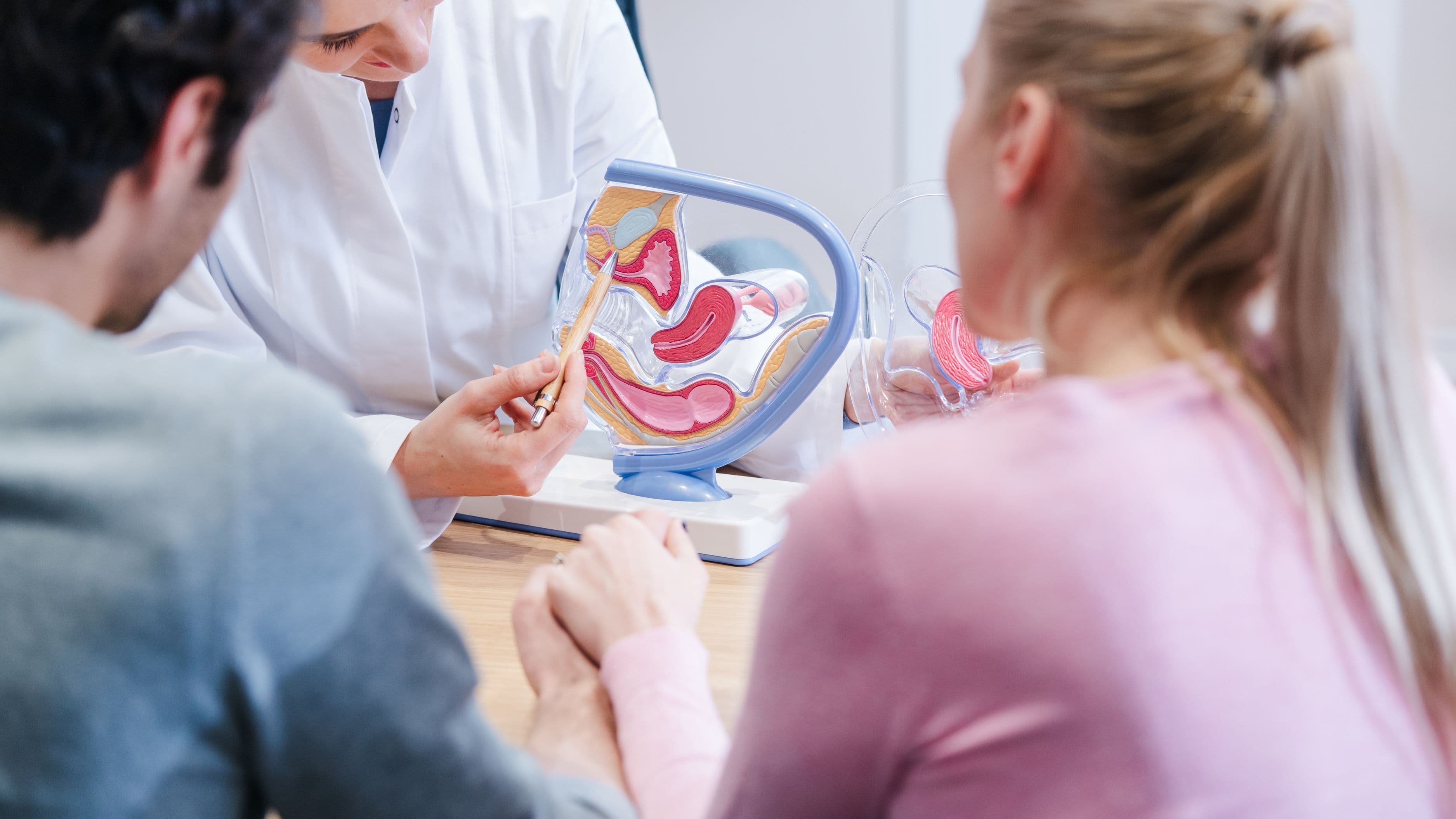
Your tracking data is genuinely useful in medical appointments. A few months of logged cycle dates, symptoms, and patterns gives your doctor or gynecologist concrete information to work with rather than rough recollections. If you're concerned about cycle irregularity, PMS, endometriosis, PCOS, or fertility, bringing your tracking records to an appointment gives your provider a much clearer picture of what's actually happening.
If you don't yet have a gynecologist or women's health provider, finding one you feel comfortable being honest with is one of the most valuable investments you can make in your long-term health.
Realistic Expectations
Cycle tracking is not a fast practice. It's a slow accumulation of self-knowledge that compounds over months and years. In the first few months, you may feel like you're just collecting data without much clarity. By month four or five, most people start to notice real patterns – and those patterns often shift the way they relate to their own moods, energy, and physical experience in ways that feel genuinely meaningful.
Be patient with yourself, stay consistent rather than perfect, and remember that the goal isn't to master your cycle. It's simply to understand it a little better than you did before.
FAQ
How many months does it take to notice patterns? Most people start to see meaningful patterns after three to four complete cycles of consistent tracking. Some patterns – like BBT shifts around ovulation – become visible sooner, while subtler mood and energy patterns often take longer to recognize.
Can I track my cycle if it's irregular? Yes – and tracking is especially useful when cycles are irregular, because it helps you identify what's variable versus what's consistent. Irregular cycles are also something worth discussing with a healthcare provider, and having detailed tracking data makes those conversations more productive.
Are period tracking apps safe to use? Most reputable apps are safe, but data privacy varies between them. Choose an app with a clear, accessible privacy policy and an explicit commitment not to sell your health data. Clue is frequently cited as a strong option for data privacy.
What's the difference between cycle tracking and fertility awareness? Cycle tracking is the broad practice of logging period dates, symptoms, mood, and other data for health insights. Fertility awareness methods (FAM) are specific techniques – including BBT tracking, cervical mucus observation, and calendar methods – used to identify fertile and infertile windows. FAM can be used for family planning but requires thorough education and consistency to be effective.
Do I need an app or special equipment to start? No. A notebook and a pen are enough to begin. Start by logging your period start date, one or two symptoms, and a brief mood note each day. That's a complete and useful practice from day one.
📚 Sources
The American College of Obstetricians and Gynecologists – Menstrual Cycle Overview: https://www.acog.org/womens-health/faqs/your-menstrual-cycle
Clue – The Science Behind Cycle Tracking: https://helloclue.com/articles/cycle-a-z/the-menstrual-cycle-more-than-just-the-period
Office on Women's Health – Menstrual Cycle Facts: https://www.womenshealth.gov/menstrual-cycle/your-menstrual-cycle
Oura Ring – Menstrual Cycle Insights Feature: https://ouraring.com/blog/menstrual-cycle-tracking/
Journal of Women's Health – Menstrual Cycle Tracking and Health Awareness: https://www.liebertpub.com/journal/jwh