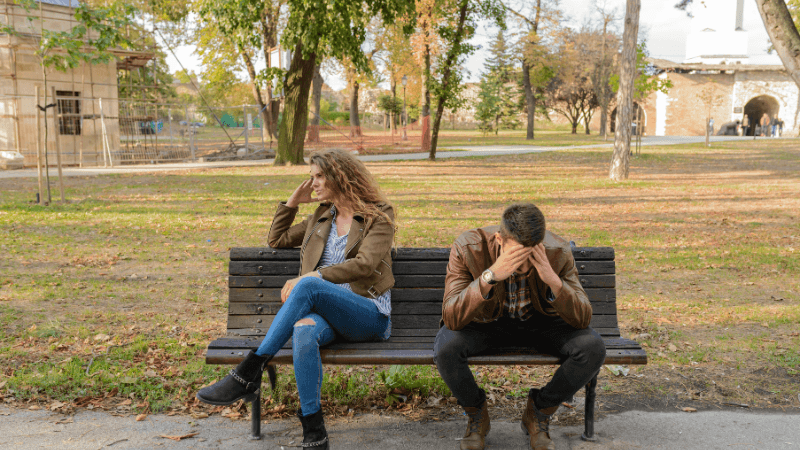
Kids and teens form all kinds of relationships – friendships, early romantic connections, even dynamics with peers or mentors – and the patterns they learn to accept early often shape what they'll tolerate later in life. The earlier they learn to notice these signs in themselves and others, the more equipped they'll be to walk away from something unhealthy instead of staying because it feels familiar.
1. Controlling Behavior Disguised as Care
One of the most important things to teach kids is that control often shows up wearing the mask of concern. A friend or partner who needs to know where they are at all times, who gets upset when they spend time with other people, or who tries to influence what they wear or who they talk to isn't showing love – they're showing a need for control.
In real life, this might sound like "I just worry about you" used repeatedly to justify checking someone's phone or limiting their time with others. Helping your child notice the difference between genuine care and control gives them language for something that can otherwise feel confusing and hard to name.
2. Isolation From Friends and Family
A healthy relationship adds to a child's world; an unhealthy one slowly shrinks it. Teach your child to notice if someone close to them starts pulling away from friends, family gatherings, or activities they used to enjoy, especially if that shift seems to align with a particular relationship or friendship.
This pattern is often gradual and easy to miss from the inside, which is exactly why naming it out loud matters. A simple way to frame it for kids: "Someone who cares about you wants you to have other people in your life too, not just them."
3. Constant Criticism or Put-Downs
Teasing between friends is normal, but there's a clear line between playful and corrosive. Teach kids to pay attention to comments that consistently chip away at their confidence, especially when framed as jokes, followed by "I'm just kidding" whenever they push back.
A helpful marker to share with your child: if a comment leaves them feeling smaller instead of closer to the other person, it's worth paying attention to, even if it was said with a smile.
4. Difficulty Accepting "No"
Whether it's a friend pressuring them to do something they're not comfortable with or a partner who keeps pushing after a clear boundary has been set, an inability to accept "no" is one of the clearest warning signs worth naming early. Respect for a boundary shouldn't require repeating it five times or justifying it at all.
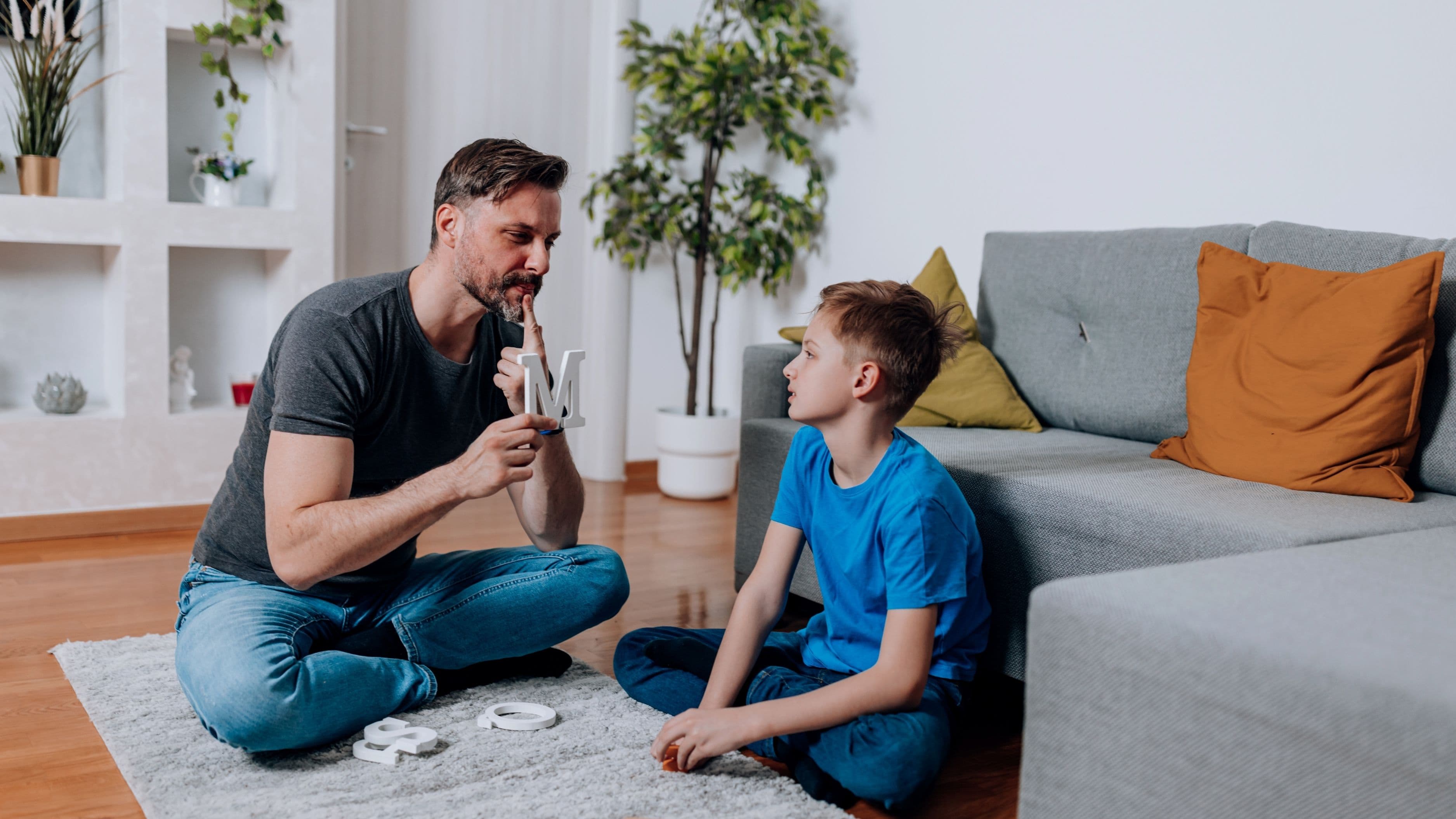
Practicing this at home helps enormously. When your child says no to something reasonable – not wanting a hug, not wanting to share something – honoring that without pushback teaches them, through experience, what respected boundaries actually feel like.
5. Extreme Highs and Lows
Unhealthy relationships often swing between intense affection and intense conflict, and that unpredictability can feel confusing enough that kids mistake it for passion or deep connection. Teach them that stability, not intensity, is what a healthy relationship actually feels like.
A useful way to frame this: relationships that leave someone anxious or unsure of where they stand most of the time aren't "complicated," they're unstable, and unstable isn't the same as exciting.
6. Blame-Shifting and Guilt Trips
Watch for relationships where one person is consistently blamed for the other's feelings or actions – phrases like "you made me act this way" or "if you really cared, you would." Teaching kids to recognize guilt used as a tool, rather than an honest expression of hurt, helps them stay grounded instead of constantly apologizing to keep the peace.
This is a subtle one, and it often takes practice to spot. Encouraging your child to ask themselves "am I actually responsible for this, or am I just being made to feel like I am?" gives them a simple internal check to return to.
7. Secrecy and Pressure to Hide the Relationship
A relationship or friendship that requires hiding from parents, siblings, or trusted friends is a signal worth taking seriously. Healthy connections generally don't need to exist in secrecy, and pressure to keep something hidden – especially from people who care about your child – deserves a closer look.
This doesn't mean every private conversation is cause for alarm; kids are entitled to some privacy as they grow. The distinction worth teaching is between normal privacy and secrecy built specifically to avoid outside perspective or accountability.
Reflection: Why This Conversation Matters More Than It Feels Like It Does
It's easy to assume these conversations can wait until a child is older or already dating, but the patterns kids learn to accept in early friendships often set the tone for what they'll tolerate later. A child who learns early that respect, consistency, and honesty are non-negotiable carries that standard forward, even without consciously thinking about it.
This isn't a single conversation to check off a list – it's an ongoing dialogue that grows more nuanced as your child gets older. Revisit it naturally, through shows you watch together, situations friends go through, or simply checking in on how their relationships feel to them, not just how they look from the outside.
What to Avoid
Avoid framing this conversation around fear or worst-case scenarios, since it can make kids more likely to hide struggles rather than bring them to you. Avoid being overly critical of a specific friend or partner without explaining the underlying pattern, which can make kids defensive rather than reflective. And avoid treating this as a one-time talk instead of an evolving conversation that deepens as they grow.
Realistic Expectations
Kids won't internalize all of this after one conversation, and that's completely normal. What matters more than getting every point across perfectly is creating an environment where they feel comfortable coming to you when something feels off, even if they can't fully articulate why yet.
FAQ
At what age should I start teaching kids about healthy relationship boundaries? Concepts like respect, consent, and boundaries can start as early as elementary school, in age-appropriate ways, long before romantic relationships enter the picture through friendships and family dynamics.
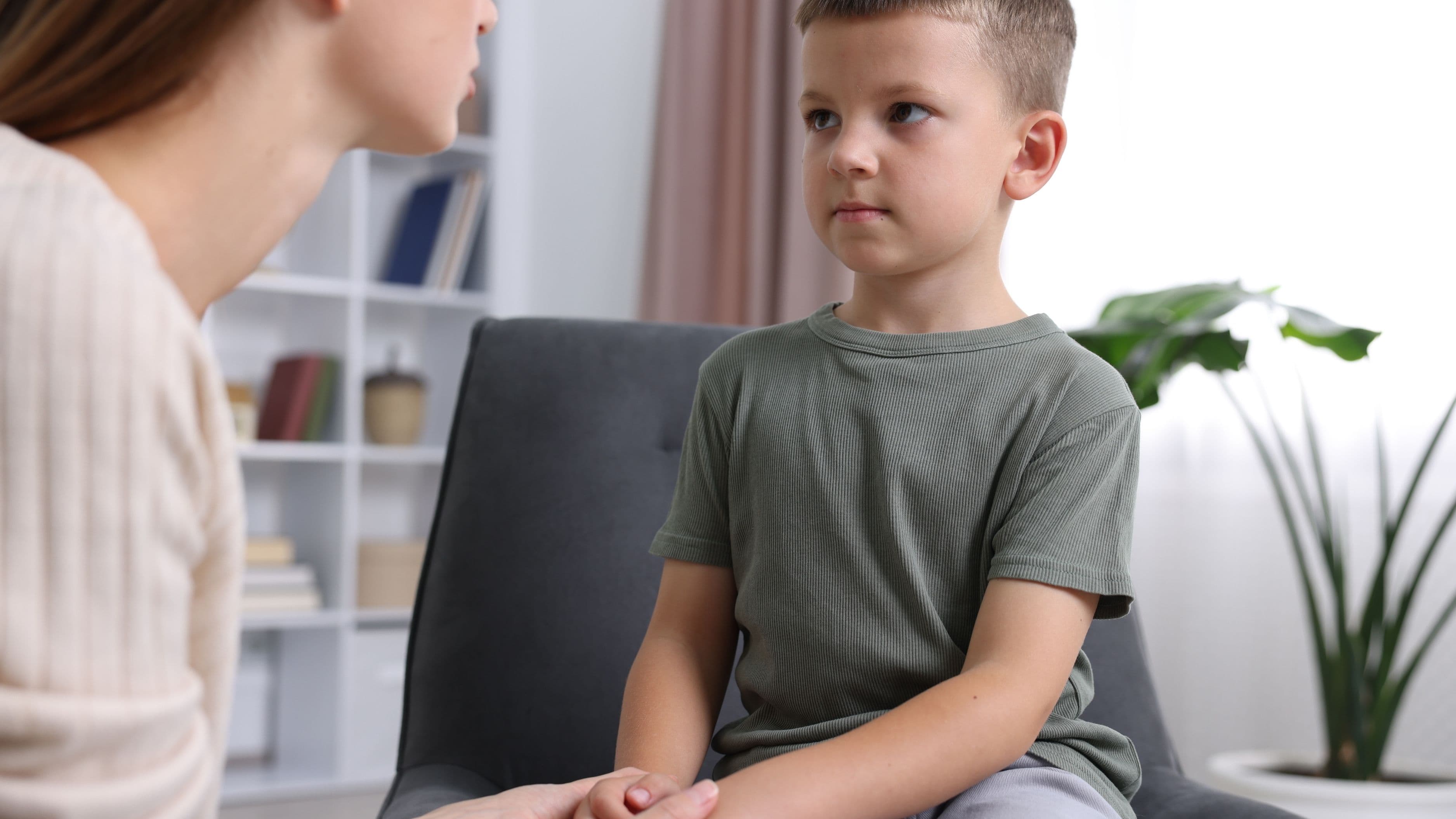
What if my child is already in a relationship that shows some of these signs? Approach it with curiosity rather than judgment. Ask open-ended questions about how the relationship makes them feel rather than immediately criticizing the other person, which tends to close down communication.
How do I bring this up without making my child feel like I don't trust them? Frame it as information you want them to have, not suspicion of their current choices. Using examples from shows, books, or hypothetical situations can make the conversation feel less personal and easier to absorb.
Can these same warning signs apply to friendships, not just romantic relationships? Yes, and teaching them this way is actually more useful. Kids form intense friendships well before romantic ones, and the same patterns of control, isolation, or guilt-tripping can show up there first.
📚 Sources
American Psychological Association – "Teen Dating Violence" – https://www.apa.org/topics/teen-dating-violence
National Domestic Violence Hotline – "Signs of an Unhealthy Relationship" – https://www.thehotline.org/identify-abuse/signs-of-abuse/
If you or your child are affected by relationship abuse, the National Domestic Violence Hotline (1-800-799-7233) offers confidential support around the clock.