Why This Matters More Than It Might Seem
Language shapes so much of how we think, connect, and make sense of our surroundings, and introducing a second one early doesn't split a child's attention, it expands it. Children raised with more than one language in the home aren't just picking up vocabulary, they're absorbing an entirely different rhythm of thought, a different way certain ideas get expressed, and often, a closer connection to family history or culture that a single language couldn't fully carry on its own.
Cognitive Benefits That Go Beyond Vocabulary
Research in cognitive development has consistently pointed to bilingual children showing stronger skills in what's called executive function, the mental ability to shift attention, hold multiple ideas at once, and filter out distractions. This isn't about being "smarter" in some vague sense, it's about the brain getting regular, gentle exercise in flexibility every time a child moves between languages, deciding which one fits the moment, the person, or the feeling they're trying to express.
Some studies have also suggested this early bilingual exposure may support delayed onset of certain age-related cognitive changes later in life, illustrating that the benefits of early language exposure can ripple forward much further than childhood itself. It's worth holding this lightly rather than treating it as a guarantee, since individual development varies widely, but the overall pattern in the research is genuinely encouraging.
Emotional and Social Benefits
A second language often becomes a bridge to people and experiences a child might otherwise feel distant from, a grandparent who speaks it more comfortably than English, an extended family gathering, a whole cultural tradition carried through its stories and songs. Children who grow up navigating two languages tend to develop an early, intuitive sense that different people communicate and see things differently, which can translate into a gentler, more naturally empathetic way of relating to others.
There's also a quieter benefit that's easy to overlook: confidence. A child who can move between two languages, even imperfectly, often carries a genuine sense of accomplishment and identity tied to that ability, one that doesn't need external validation to feel real and meaningful.
How to Actually Bring This Into Daily Life
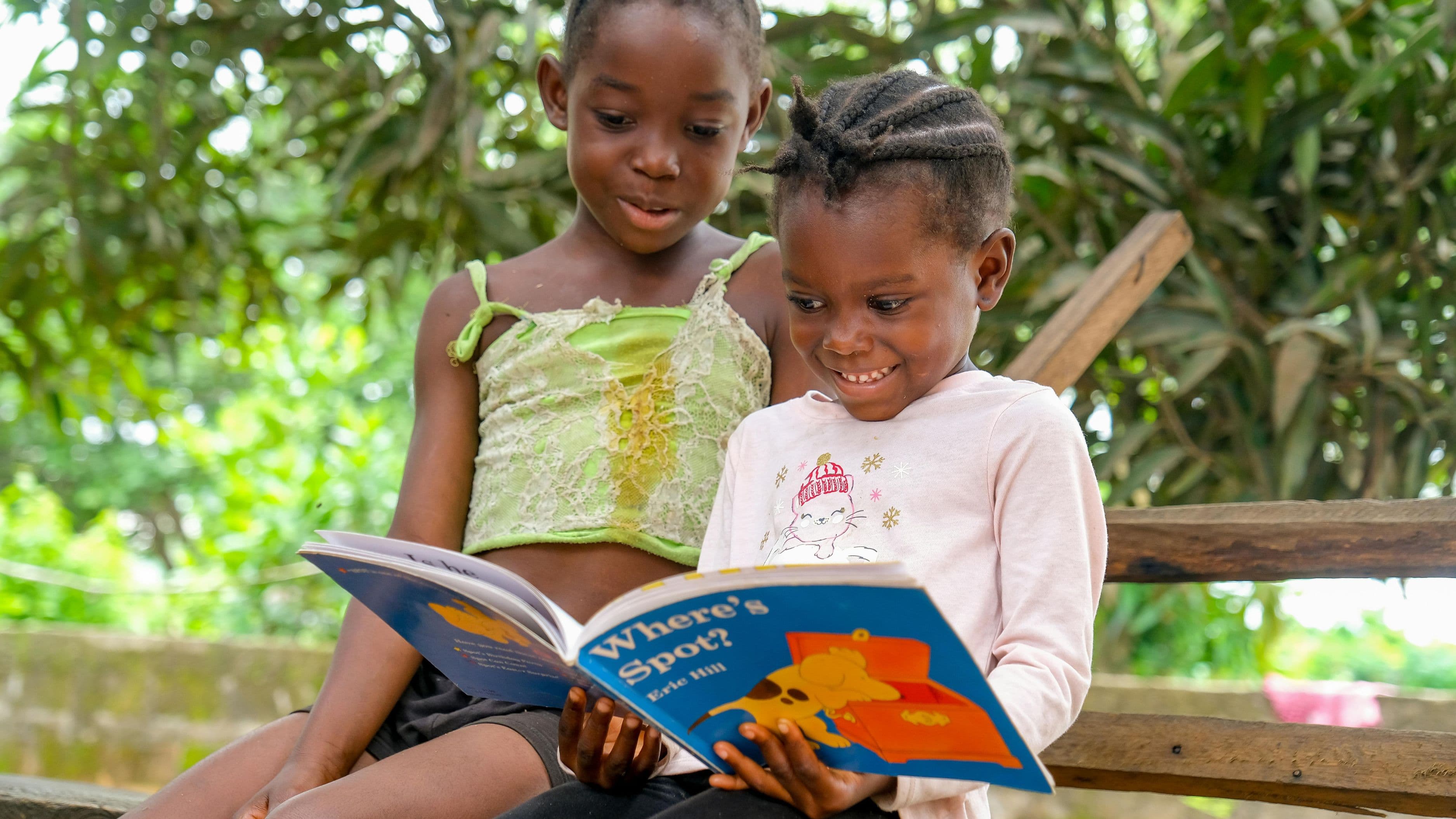
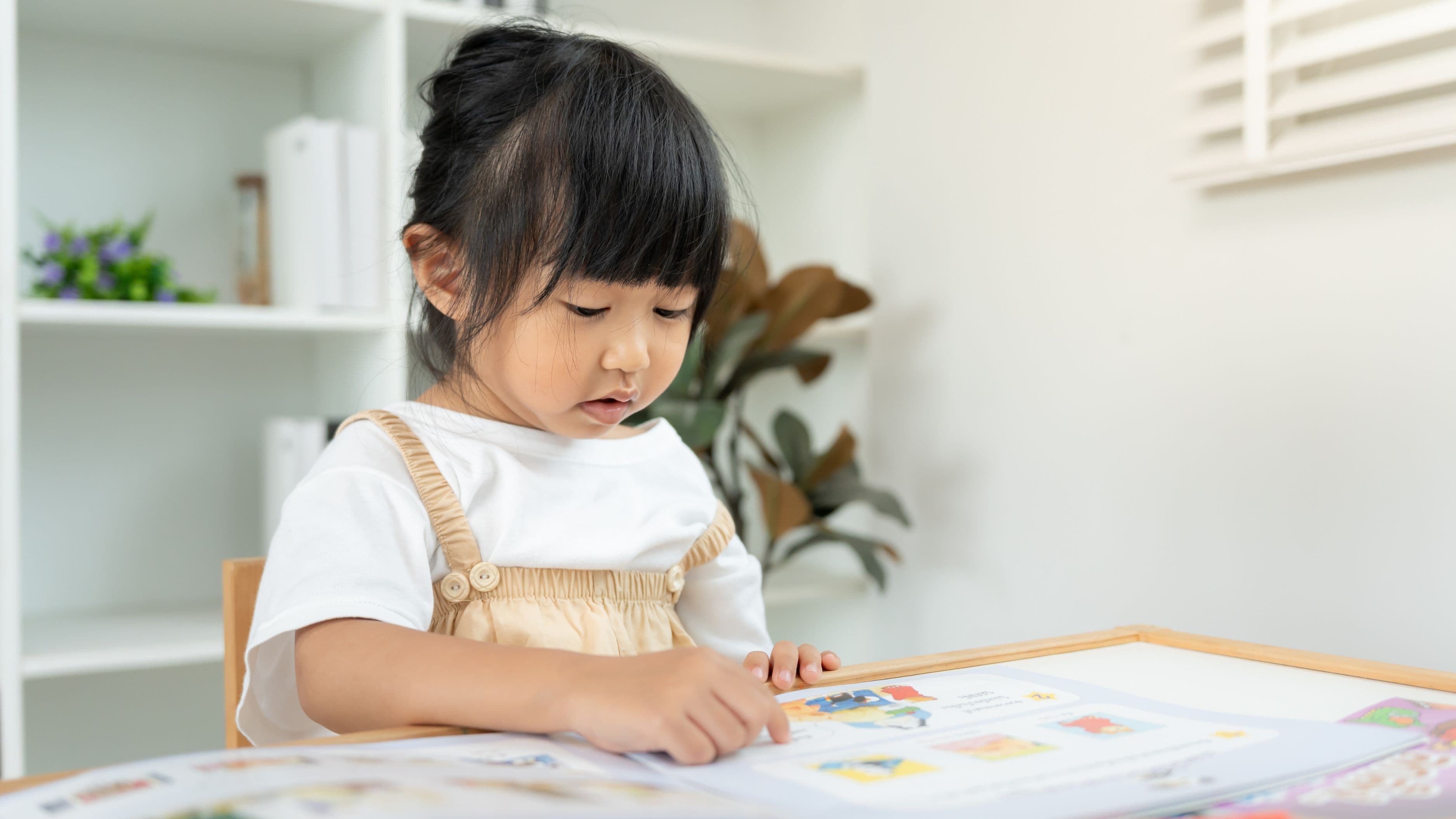
You don't need to be fluent yourself to meaningfully introduce a second language at home, and treating it as an all-or-nothing pursuit tends to create pressure that works against the goal. Simple, consistent exposure through songs, picture books, and everyday phrases woven naturally into daily routines, mealtime, bedtime, car rides, tends to build familiarity far more gently and sustainably than formal lesson-style teaching, especially for very young children.
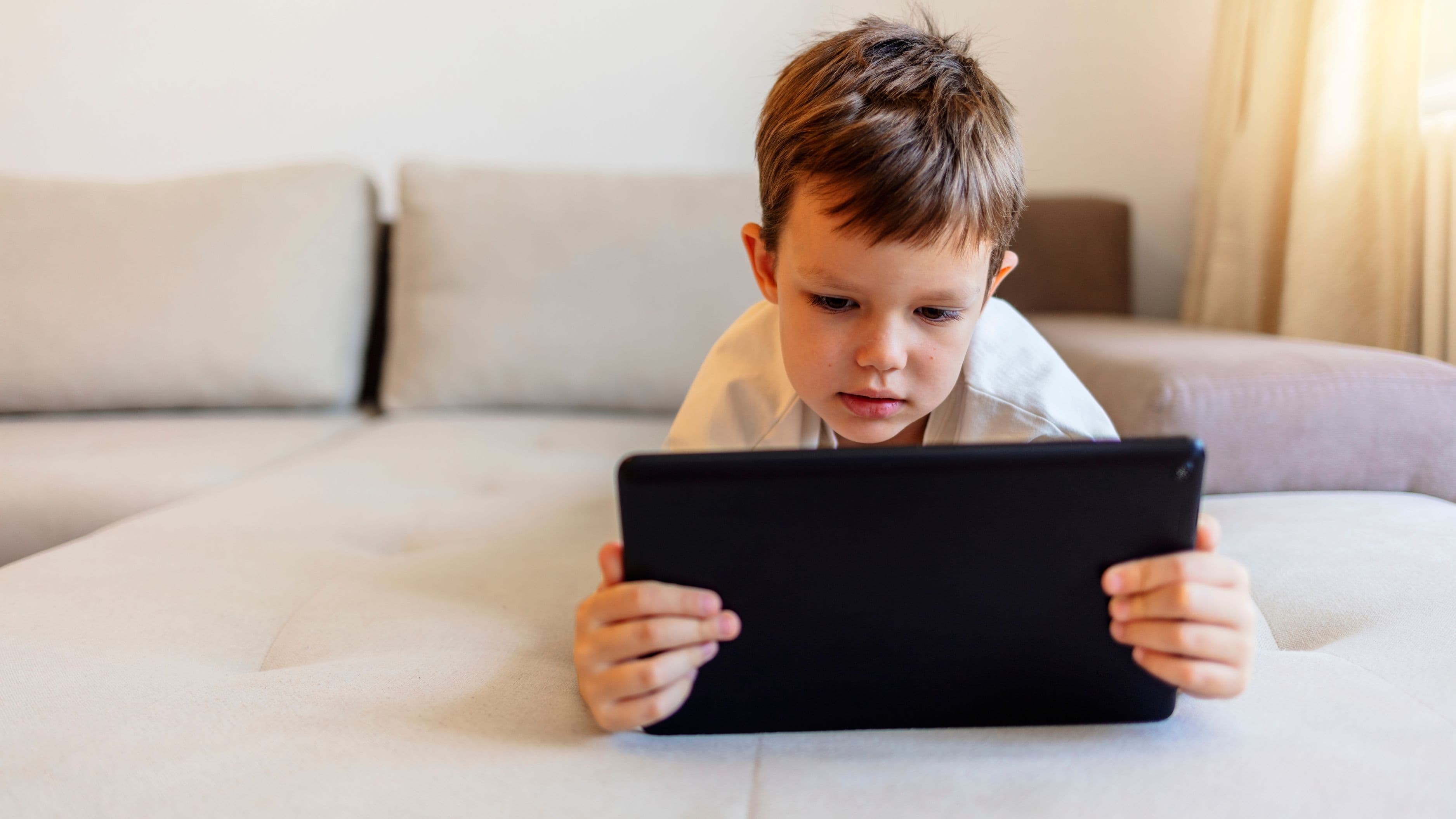
If you speak a second language yourself, even if it's not your dominant one, using it consistently for specific daily rituals creates a natural, low-pressure structure a child can settle into. If you don't speak a second language, bilingual media, children's shows, songs, and simple story apps designed for early language exposure can offer meaningful, gentle exposure without requiring you to become a language teacher overnight.
Realistic Expectations
Progress in a home-taught second language tends to be gradual and uneven, with periods of noticeable growth followed by stretches where it feels like nothing new is happening. This is a normal part of language development, not a sign that your approach isn't working, and comparing your child's pace to another family's experience rarely serves anyone well. Consistency over months and years, not intensity over a few weeks, is what tends to produce genuine, lasting bilingual comfort.
What to Avoid
Try not to treat mistakes or language mixing, where a child blends words from both languages in the same sentence, as a problem to correct sharply. This is a completely normal part of bilingual development and tends to resolve naturally as a child's vocabulary in each language grows. It's also worth avoiding turning language practice into a source of pressure or performance, since children pick up on stress around learning surprisingly quickly, and that stress can create resistance where curiosity would otherwise grow naturally.
FAQ
Is it too late to start teaching a second language if my child is already in elementary school? No, children remain highly capable of acquiring new languages well into adolescence, and starting later simply means the process may look a little different, more structured learning alongside natural exposure, rather than being less effective.
Will teaching two languages at once delay my child's speech development? Current research does not support the idea that bilingual exposure causes meaningful speech delays. Bilingual children may temporarily have a smaller vocabulary in each individual language compared to monolingual peers, but their combined vocabulary across both languages is typically comparable or greater.
How much daily exposure is actually needed to make a difference? There's no single universal number, but consistent, regular exposure woven into daily routines tends to matter more than occasional, longer sessions. Even 15 to 20 minutes of intentional daily exposure, sustained over months, can support meaningful progress.
Outro
Teaching a second language at home is less about producing fluency on a timeline and more about opening a door that stays open, one your child can walk through more fully as they grow, whenever they're ready. The cognitive and emotional benefits are real, but the quieter gift is often the connection itself, to family, to culture, and to a broader way of understanding the people around them.
📚 Sources
American Academy of Pediatrics – The Advantages of Bilingualism. https://www.healthychildren.org/English/ages-stages/baby/pages/bilingual-babies.aspx
National Institutes of Health – Bilingualism and Cognitive Development Research. https://www.nih.gov/news-events