The most effective approach centers on connection over crisis: helping kids feel connected to the natural world first, then introducing change as something people actively respond to together, rather than leading with fear or catastrophic framing. Here's how that plays out in practice, at different ages and in everyday moments.
Start With Wonder, Not Warning
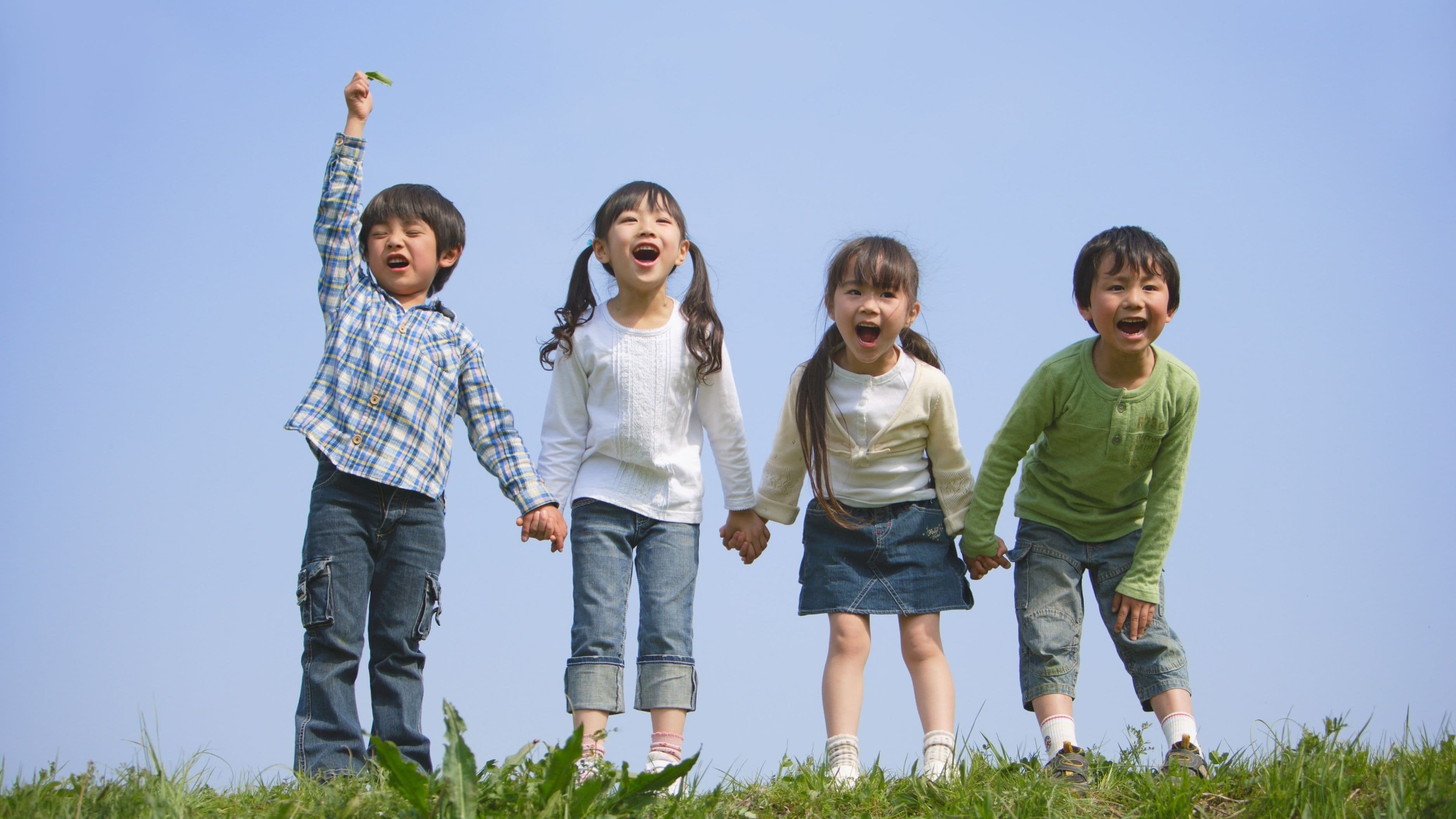
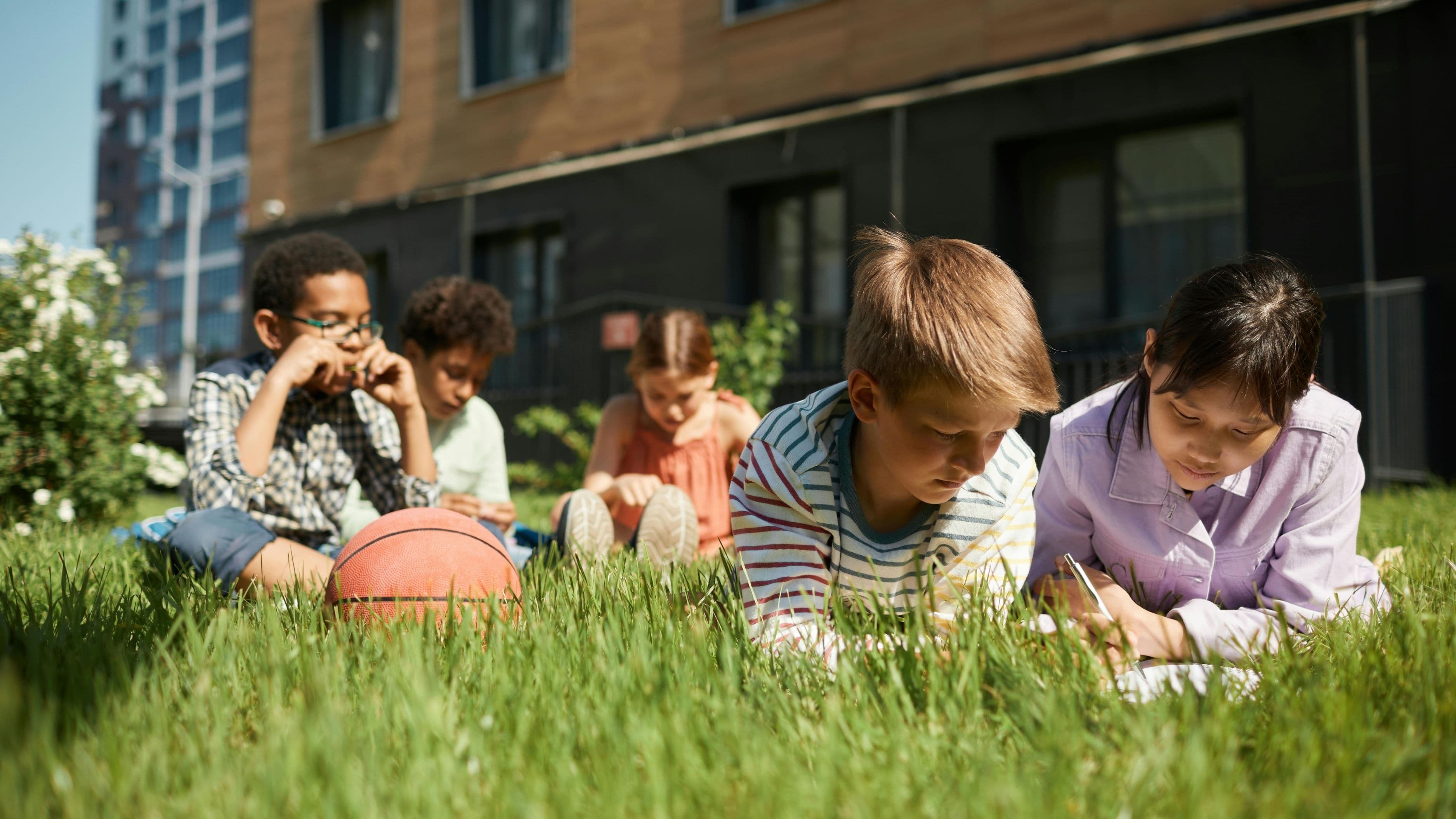
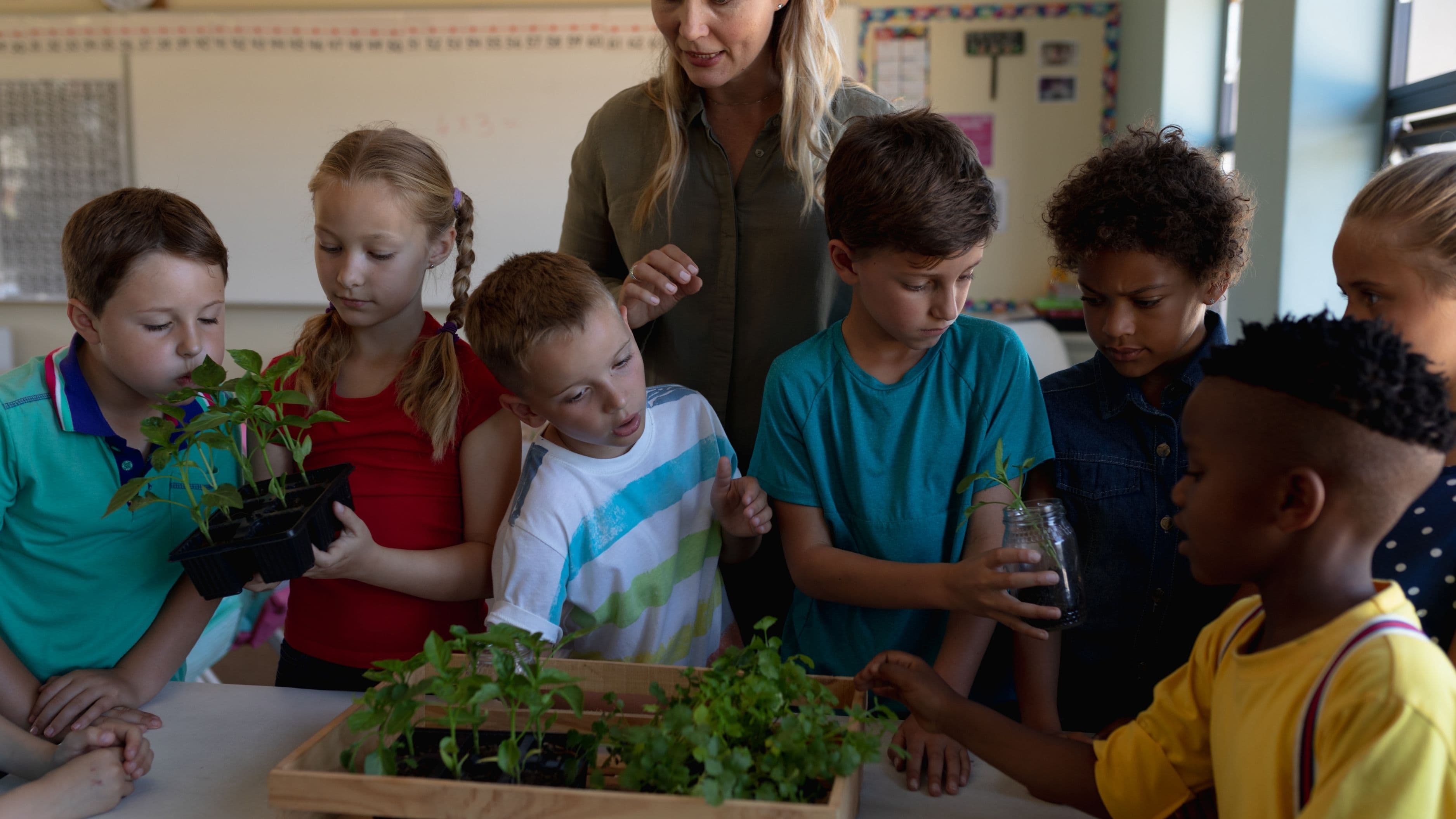
Before a child can care about protecting something, they need to feel connected to it. Time outdoors, noticing seasons change, watching plants grow, and simple conversations about weather patterns build a foundation of curiosity and care that makes later conversations about climate change land differently. A child who already loves the outdoors is far more receptive to conversations about protecting it than one who's introduced to the topic purely through alarming headlines.
This doesn't mean avoiding the topic until some ideal age. It means sequencing the relationship first. A five-year-old who spends time noticing the natural world around them is building the emotional groundwork that makes climate conversations meaningful rather than abstract a few years later.
Match the Conversation to Their Developmental Stage
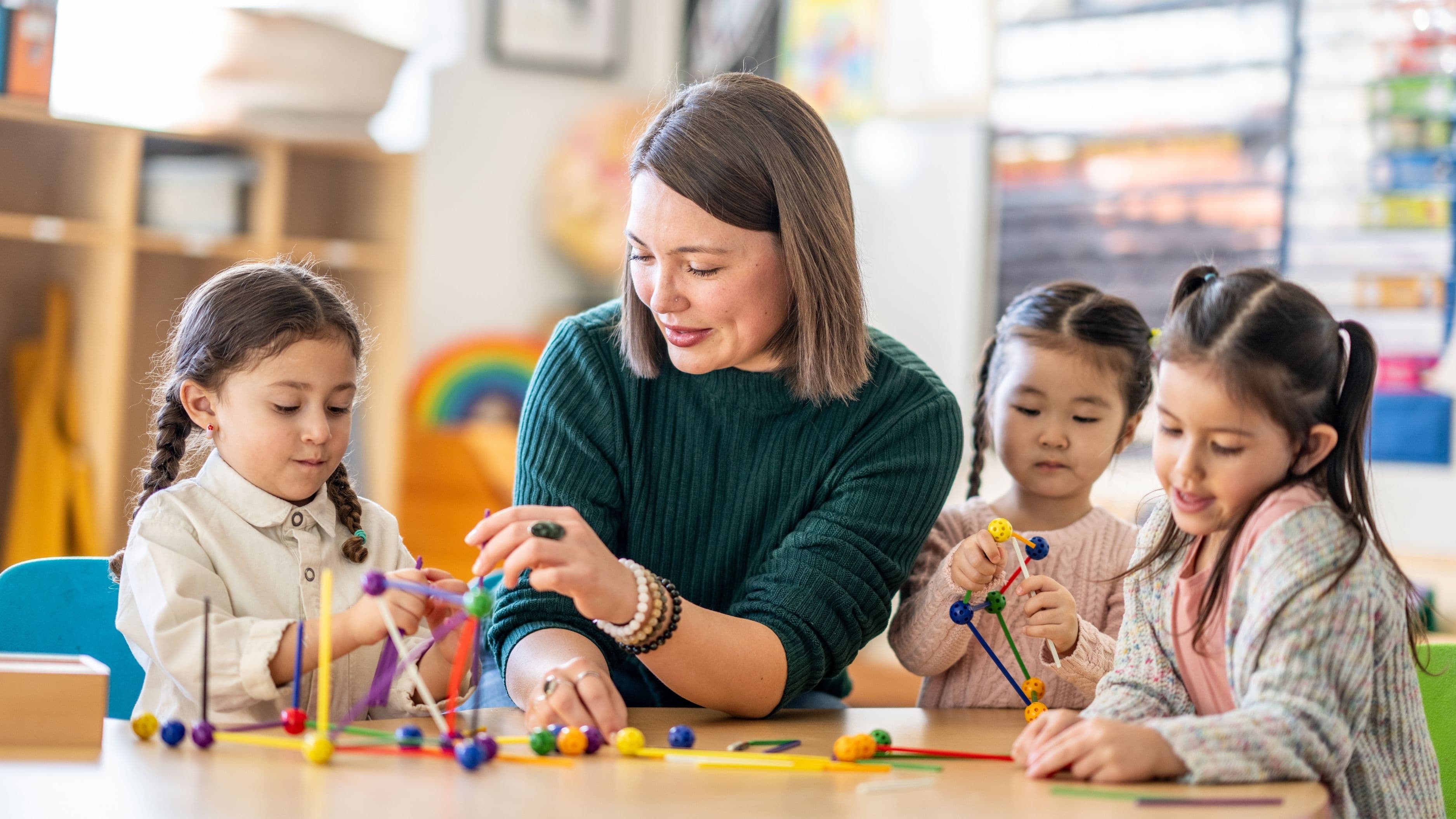
Young children, roughly ages four to seven, do best with concrete, sensory-based explanations tied to their direct experience. Talking about recycling, saving water, or why some days are hotter than others gives them a tangible entry point without requiring them to grasp global systems they're not developmentally ready to process.
Elementary-age children, around eight to eleven, can start engaging with cause and effect at a slightly bigger scale, understanding how human activity relates to changes in weather and ecosystems. This is a good age to introduce simple, accurate explanations of concepts like greenhouse gases without diving into the full scientific complexity or global political dimensions of the issue.
Preteens and teenagers are ready for more complete, nuanced conversations, including the scale of the problem and the reality that solutions involve difficult tradeoffs. At this age, kids are also often exposed to information from social media and school, so an open conversation at home helps them process what they're already encountering rather than leaving them to make sense of it alone.
Focus on Agency, Not Just Awareness
One of the most consistent findings from educators and child psychologists is that kids cope with big, scary topics far better when they're given something concrete they can do, rather than just information about the problem. This doesn't mean putting the responsibility for solving climate change on a child's shoulders, which is neither fair nor accurate. It means giving them a genuine sense that action matters and that people, including adults, are working on solutions.
Practical, age-appropriate actions like a family recycling routine, planting something together, or reducing food waste give children a felt sense of contribution. The goal isn't that these small actions will solve a global problem on their own. The goal is that a child who feels capable of doing something is less likely to feel paralyzed by anxiety about a problem that feels otherwise completely out of their control.
Be Honest, But Calibrate the Emotional Weight
Kids can tell when adults are hiding something or being evasive, and vague or dishonest answers tend to create more anxiety than clear, age-appropriate honesty. At the same time, matching the emotional intensity of the conversation to their age matters. A young child doesn't need to hear worst-case scenario language, while a teenager deserves a more complete and honest picture, including uncertainty and disagreement that exists even among experts on some specifics.
A helpful practice is to answer the question a child actually asks rather than expanding into a bigger lecture than they were looking for. If a seven-year-old asks why it's so hot outside, a short, honest, age-appropriate answer serves them better than an extended explanation of global emissions trends they didn't ask for and aren't ready to process.
Model Calm, Not Catastrophizing
Children take emotional cues from the adults around them. If a parent discusses climate change with visible panic or hopelessness, kids absorb that emotional tone even if they don't fully understand the content. Calm, matter-of-fact framing, paired with honest acknowledgment that it's a real and serious issue, helps kids hold both truths: that something significant is happening, and that panic isn't the only available response.
This doesn't mean minimizing the issue or pretending everything is fine. It means demonstrating that serious problems can be discussed thoughtfully and met with action, rather than only with fear.
Use Books, Nature Documentaries, and School Resources as Support
Well-designed children's books and nature documentaries can introduce concepts gently and visually in ways that support the conversations happening at home. Many are specifically designed with age-appropriate pacing and tone, which takes some of the pressure off finding the exact right words yourself in the moment.
School curricula increasingly cover climate science directly, so it's worth asking what your child is already learning in class. This helps you avoid duplicating information poorly and instead lets you focus conversations at home on the emotional and values-based side of the topic, which schools are less equipped to address directly.
What to Avoid
Avoid leading with worst-case scenario language for young children, since fear-based framing tends to create anxiety without building understanding or motivation to act. Avoid dismissing a child's questions or concerns as "nothing to worry about," since this can come across as dishonest if they've picked up on the seriousness of the topic elsewhere. Avoid putting the emotional or practical burden of solving climate change onto a child, since that's neither accurate nor fair to their developmental stage. And avoid one long, comprehensive conversation as a substitute for smaller, ongoing conversations over time, since climate literacy builds better through repeated, age-appropriate touchpoints than a single sit-down talk.
FAQ
At what age should I start talking to my child about climate change? There's no single correct age, but building a foundation of connection to nature can start as early as preschool, with more direct conversations about climate change typically becoming appropriate around ages seven to nine.
My child seems anxious after hearing about climate change at school. What should I do? Acknowledge their feelings without dismissing them, ask what specifically they're worried about, and pair honest information with concrete examples of people and communities working on solutions.
Should I let my teenager see more difficult information about climate change? Yes, in most cases teenagers benefit from honest, complete information paired with open conversation, since they're likely already encountering this information through school and social media regardless.
Reflection
Teaching kids about climate change isn't really about delivering a perfect script of facts. It's about building a relationship with the natural world first, being honest in a way that matches their developmental stage, and giving them a genuine sense that action and care matter. Progress here looks like ongoing, calm conversations over years, not one perfect talk you have to get exactly right.
📚 Sources
American Psychological Association, "Talking to Children About Climate Change" – https://www.apa.org/topics/climate-change/talking-children
National Oceanic and Atmospheric Administration, "Climate Education Resources" – https://www.climate.gov/teaching