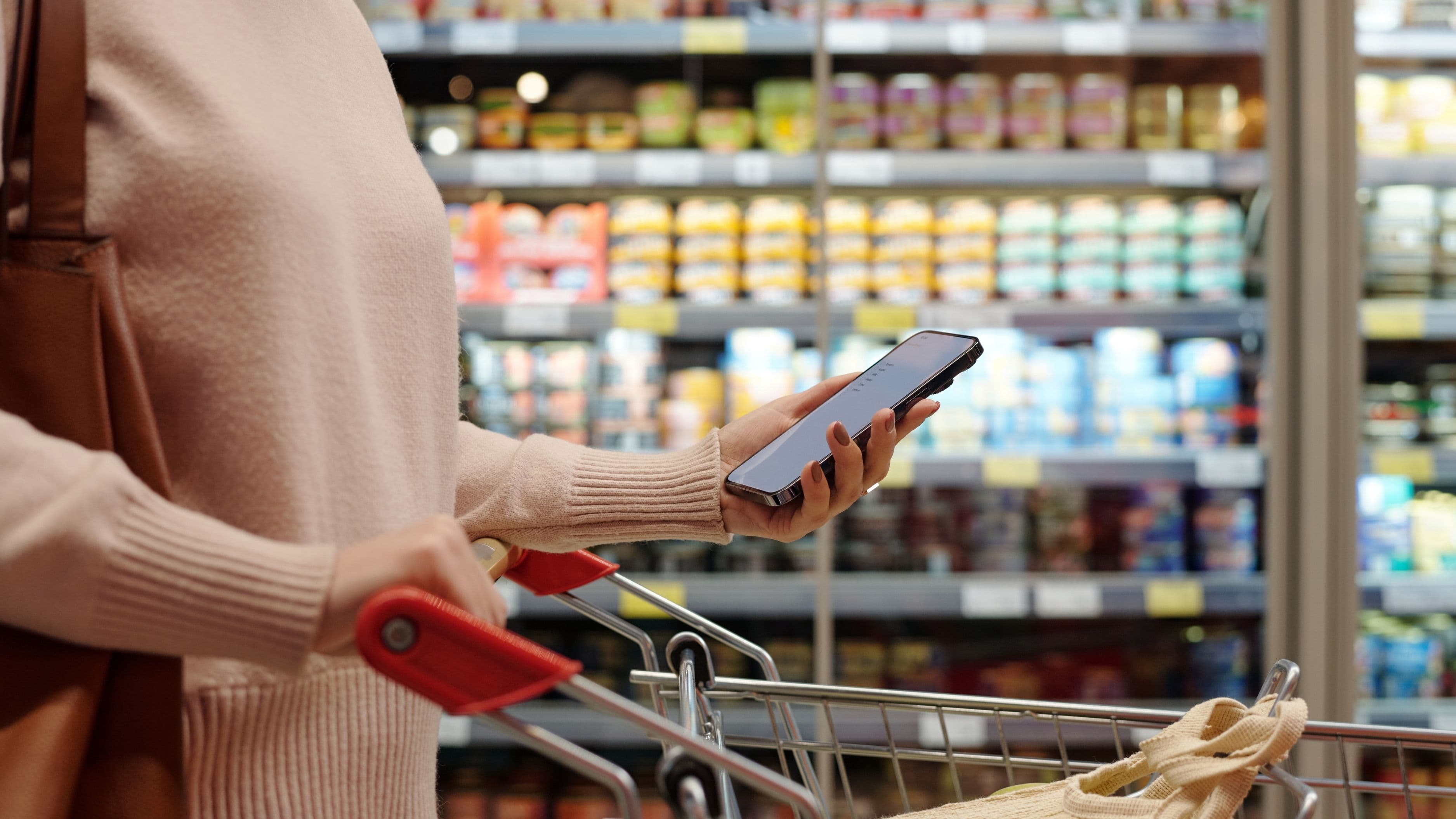
Sustainable shopping isn't about buying the most expensive organic brand or filling your cart with products in recycled packaging. It's a complete reframe of what "value" means — and once that shift clicks, your wallet and your nervous system both exhale. A 2021 report by First Insight and the Baker Retailing Center at the Wharton School found that 62% of Gen Z and Millennial shoppers actually prefer to buy from sustainable brands, yet cost remains the perceived barrier. The key word there is perceived.
Myth 1: Sustainable = Expensive
Myth: Eco-friendly products always cost more than conventional ones. Truth: The most sustainable choice is usually the one you already own.
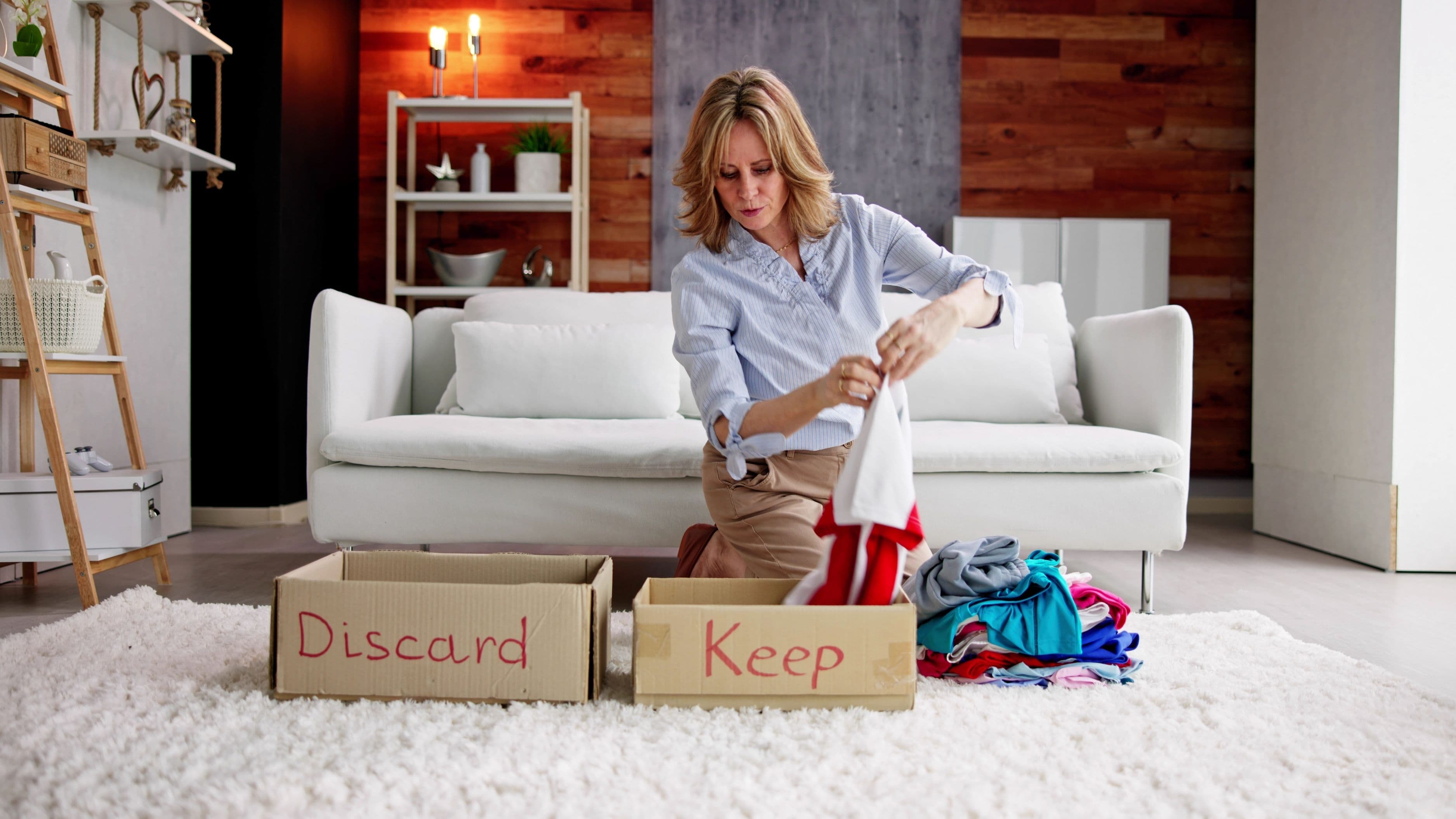
Before reaching for a greener version of anything, ask whether you actually need a replacement at all. Repairing, repurposing, or simply continuing to use what you have is the most radical sustainable act — and it costs nothing. The greenest product in the world is the one that never gets manufactured.
Myth 2: You Need to Buy "Green" Brands
Myth: Shopping sustainably means switching to eco-certified everything. Truth: Buying less from any brand is more impactful than buying "green" versions of more things.
The wellness industry has a word for this trap: greenwashing. Brands slap bamboo imagery and earth-toned packaging on products to signal virtue, while the carbon footprint of shipping and production stays the same. Cutting your total number of purchases — regardless of the brand — is a far more powerful environmental lever than swapping one product for its "conscious" counterpart.
Myth 3: Thrift Shopping Is a Last Resort
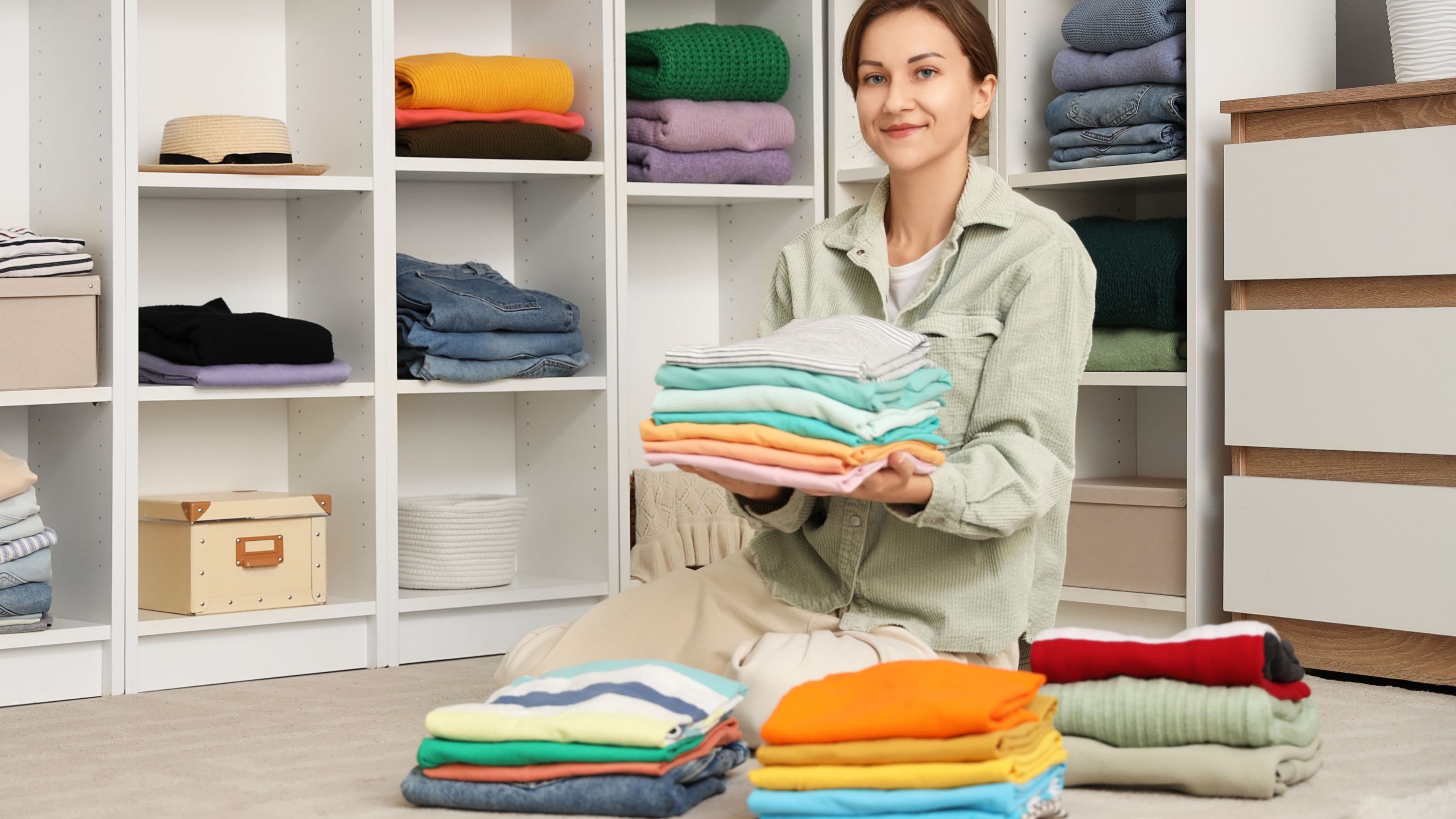
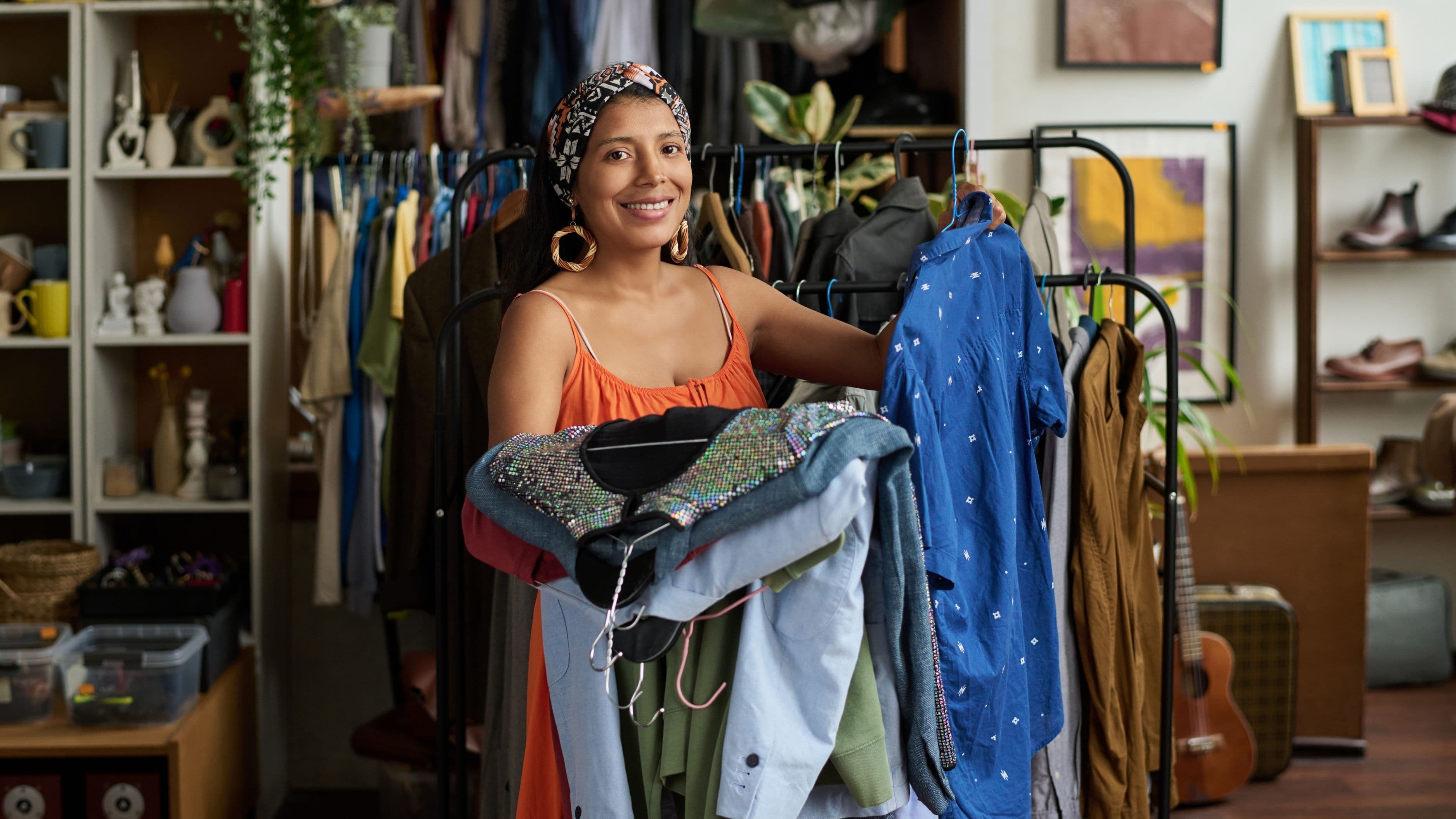
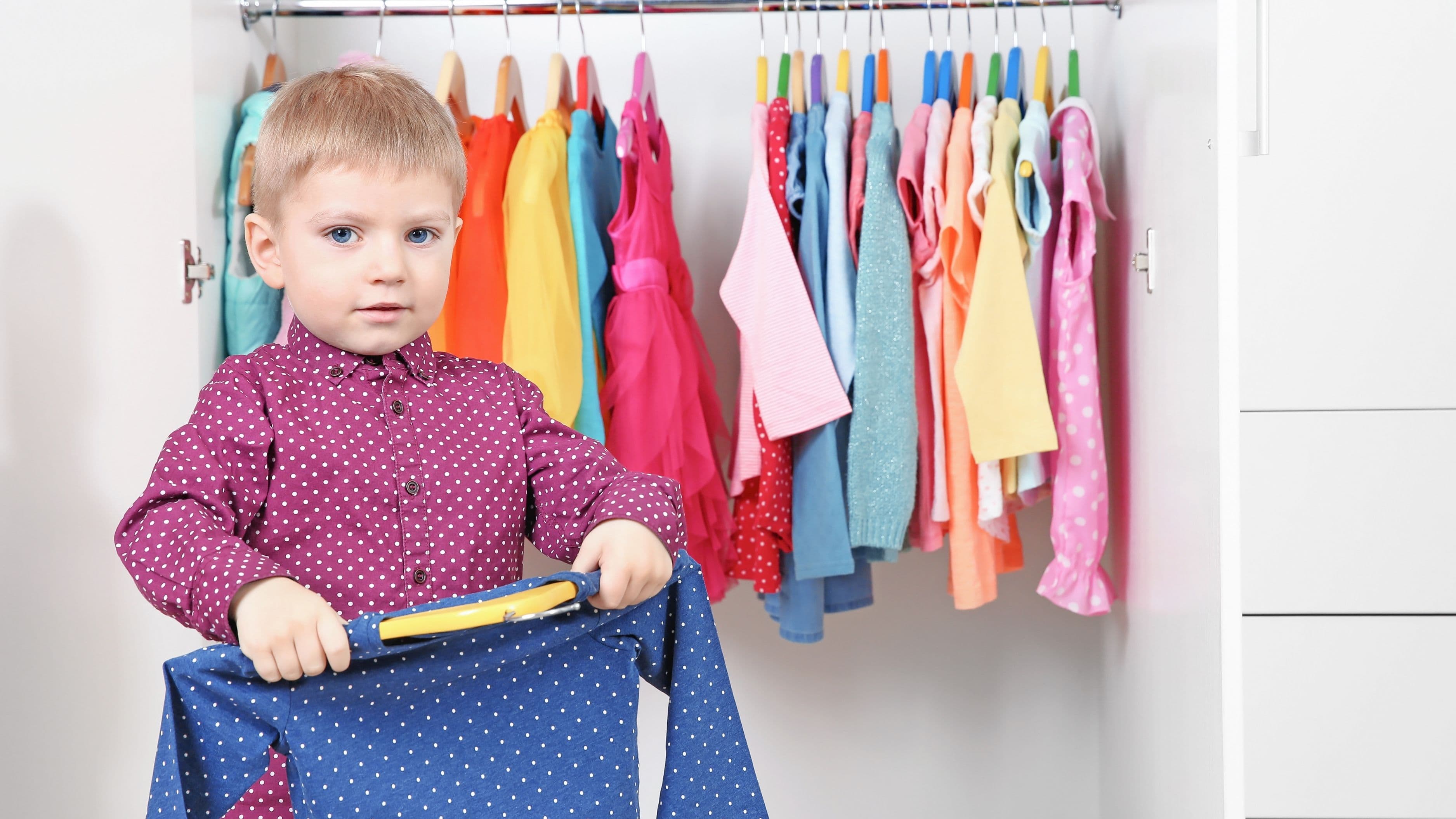
Myth: Secondhand shopping is for people who can't afford new. Truth: Secondhand is one of the most sophisticated, stylish, and financially savvy choices you can make.
The secondhand clothing market is projected to reach $350 billion by 2027, according to ThredUp's 2023 Resale Report — and it's being driven by choice, not necessity. Platforms like ThredUp, Poshmark, Depop, and local Facebook Marketplace groups let you find high-quality items at 60–80% below retail. Choosing pre-loved isn't settling; it's opting out of a system designed to keep you buying more than you need.
Myth 4: Bulk Buying Wastes Money
Myth: Buying in bulk is only smart for large families or extreme couponers. Truth: Strategic bulk buying reduces packaging waste and long-term spending for almost any household size.
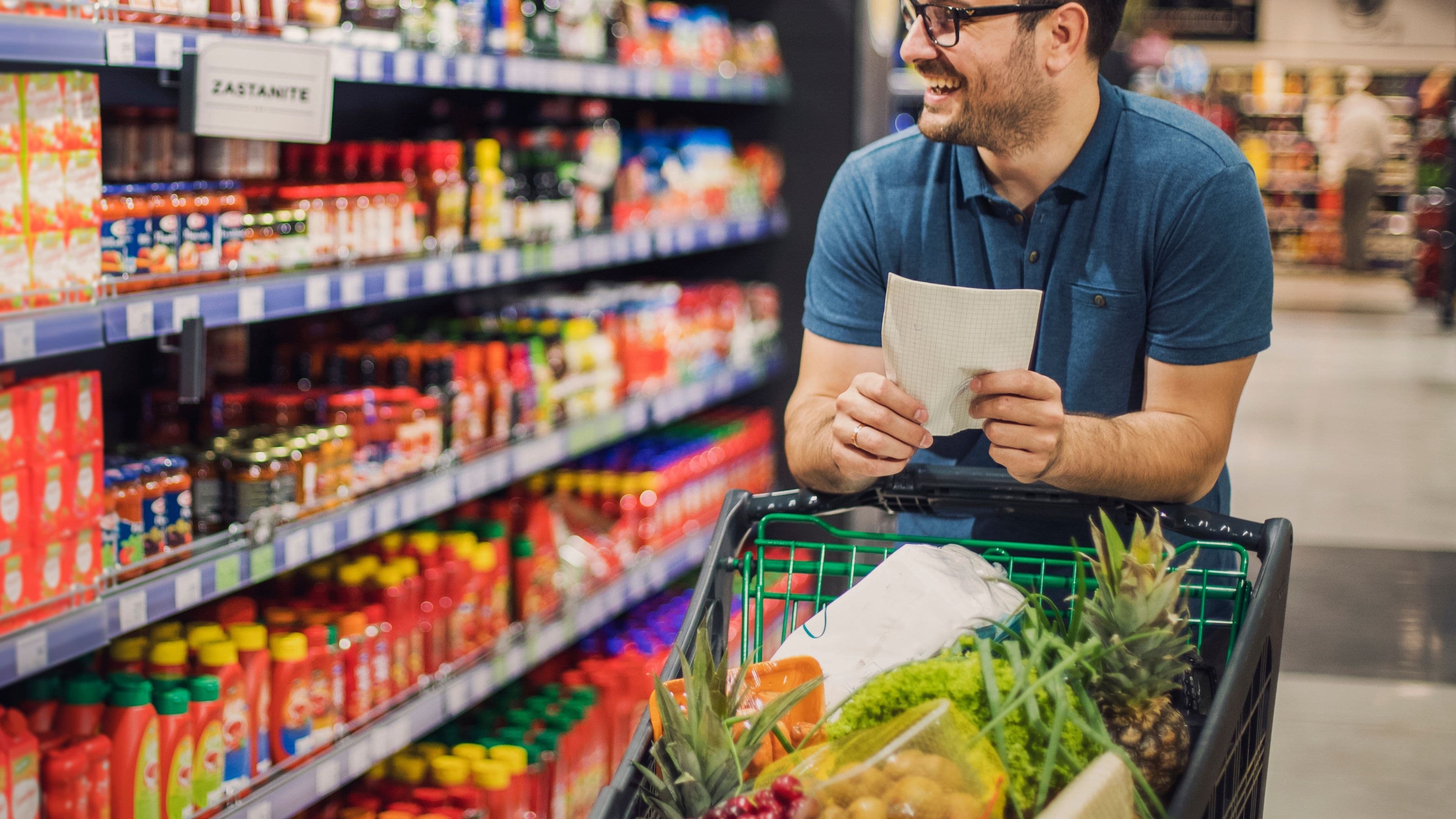
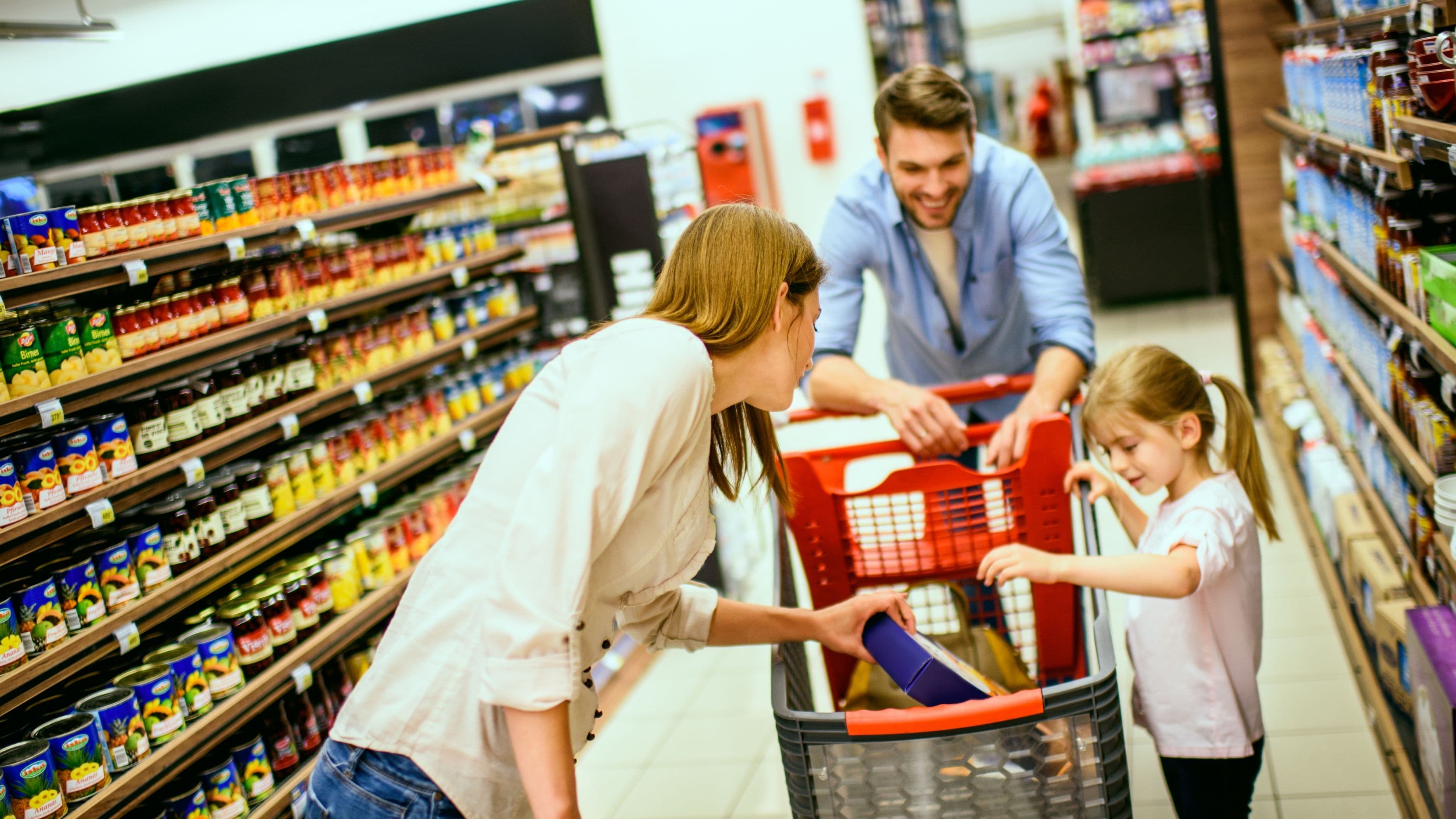
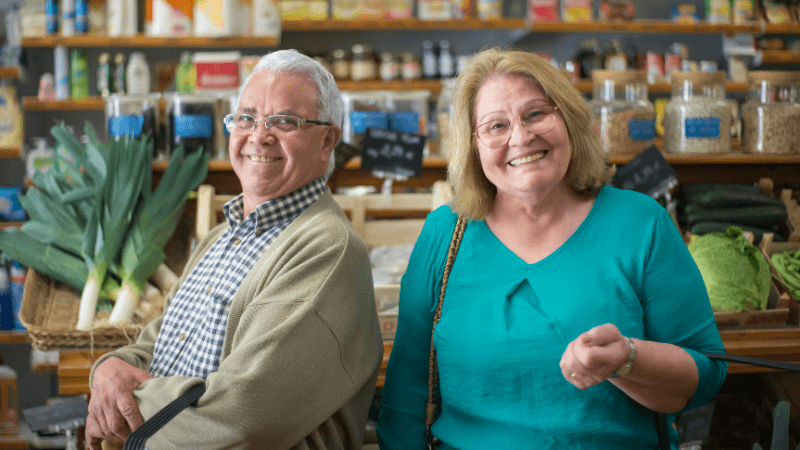
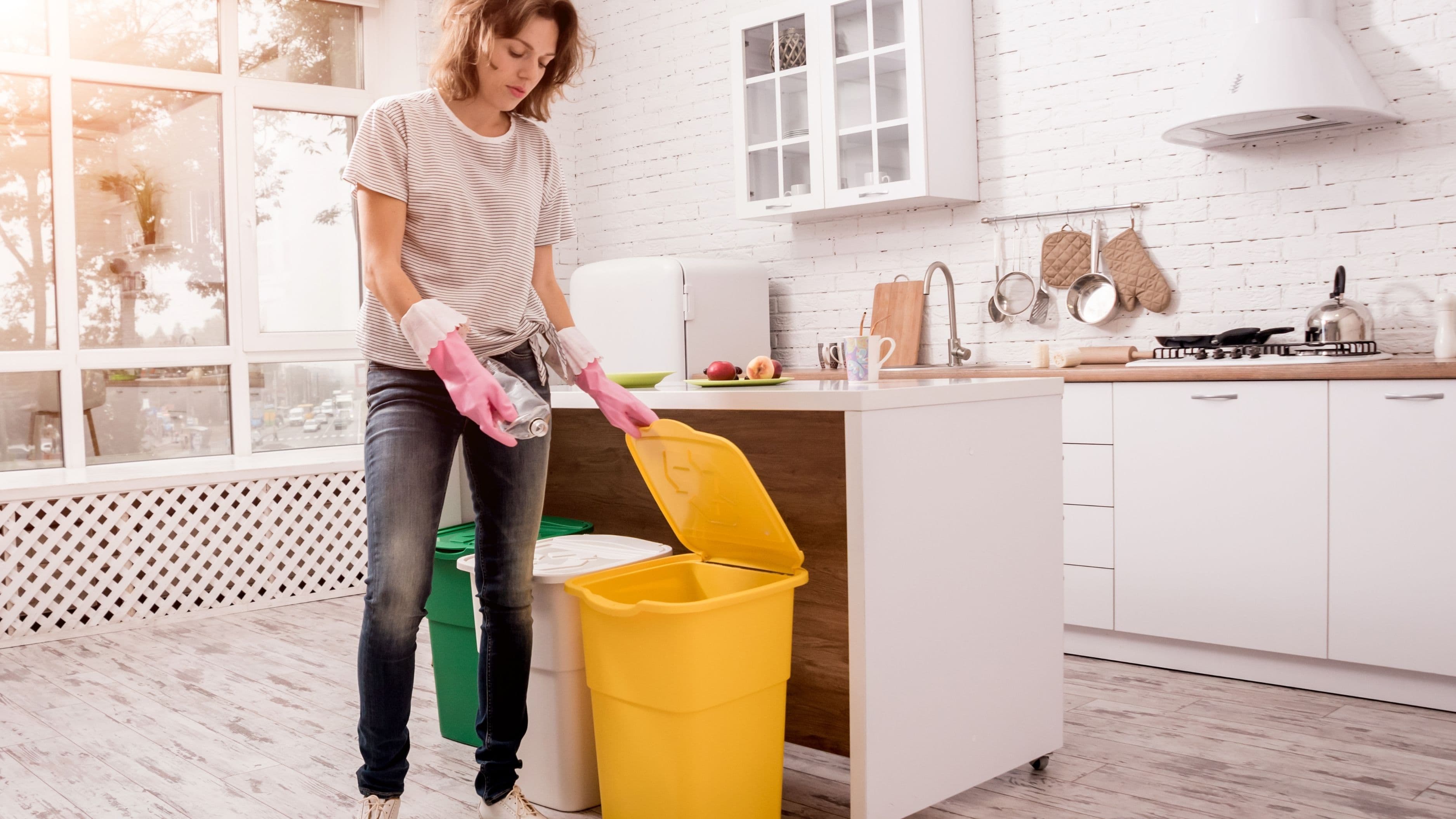
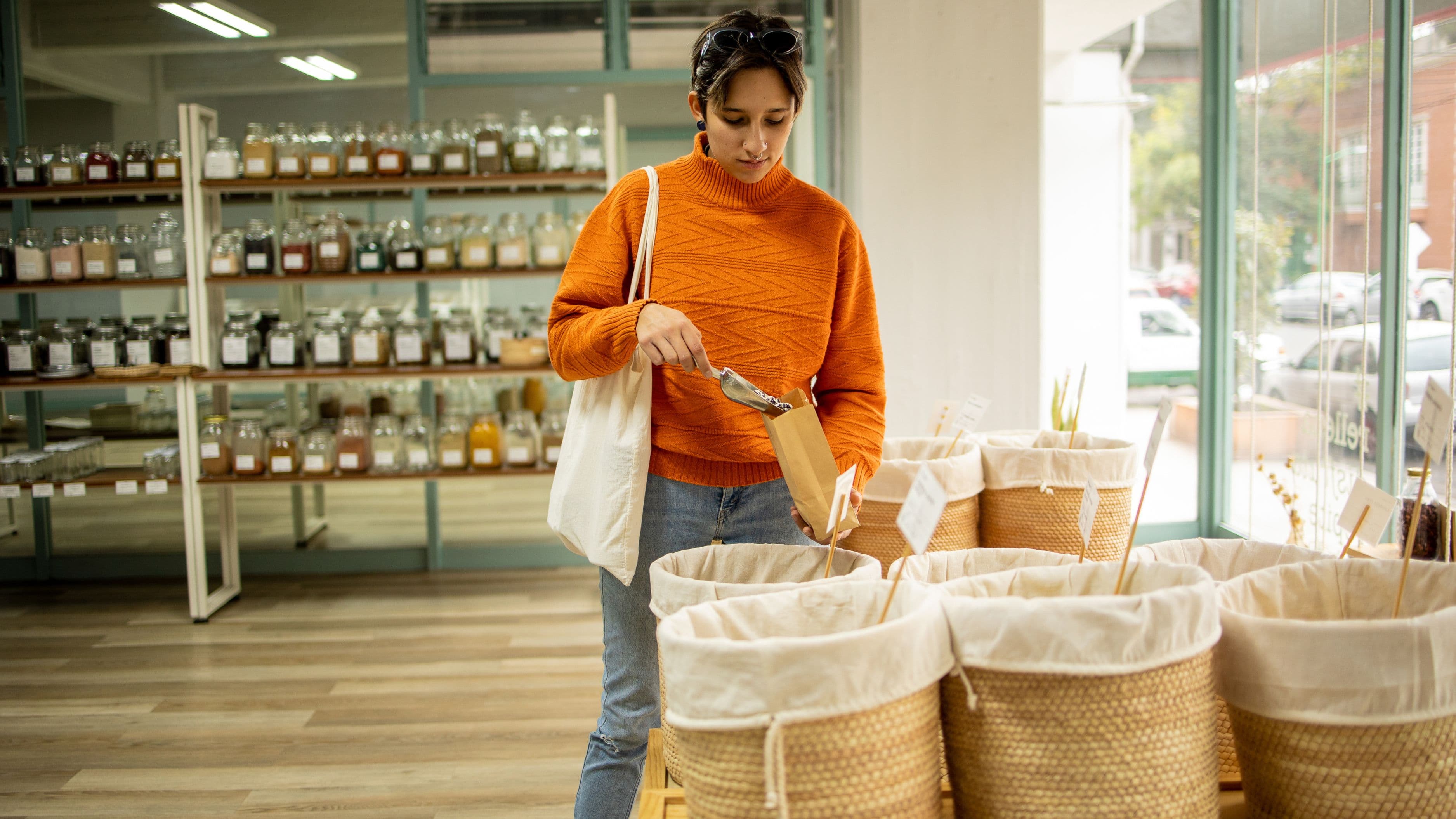
When you buy staples — grains, legumes, cleaning concentrates, personal care refills — in larger quantities, you're paying less per unit and generating far less plastic waste per use. The trick is limiting bulk buying to items you genuinely use regularly, so nothing sits forgotten in a cabinet. This is intentional consumption in its most practical form: less packaging, less frequent shopping, and a quieter pantry that actually functions.
Myth 5: Local Is Always Better
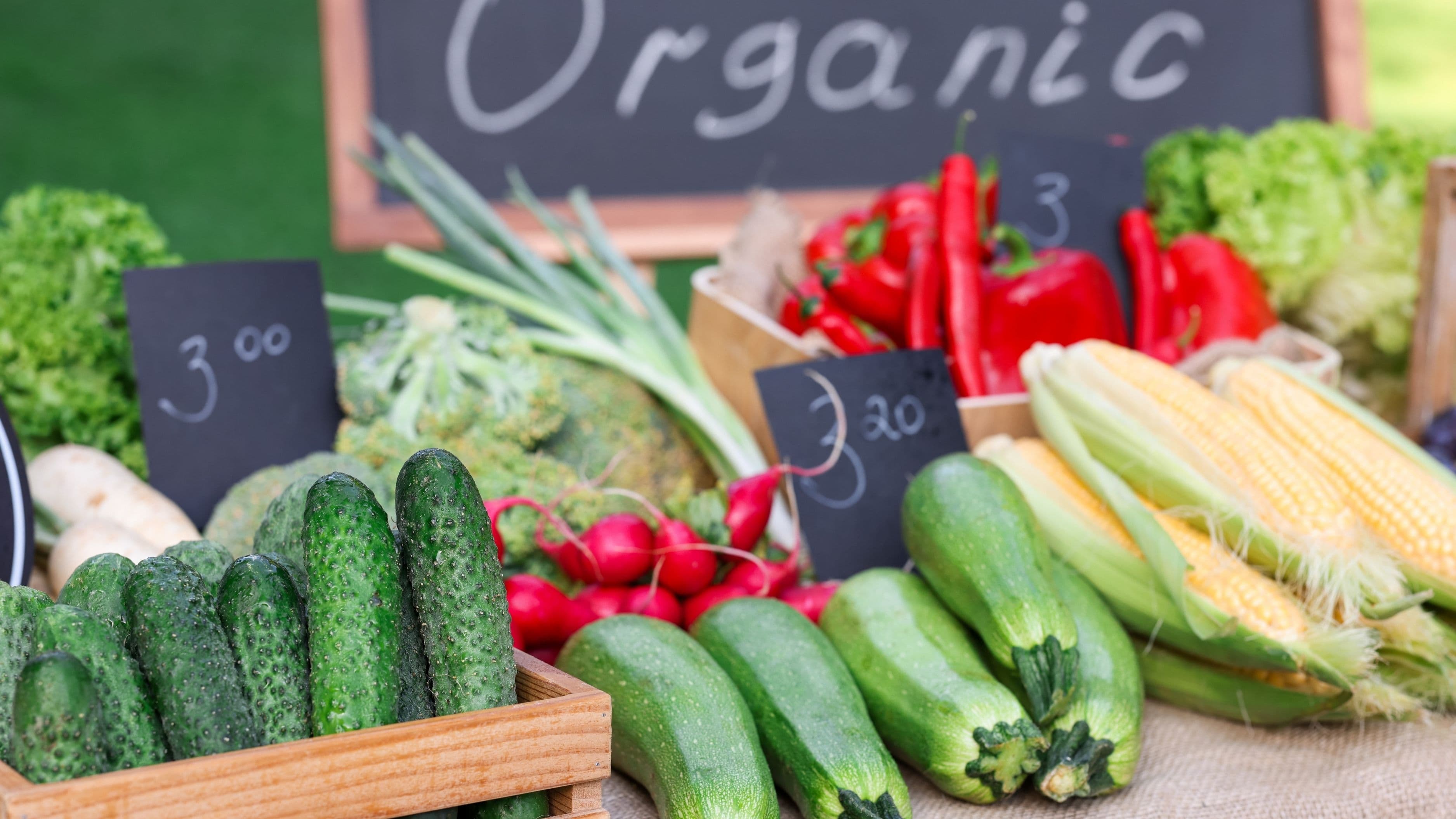
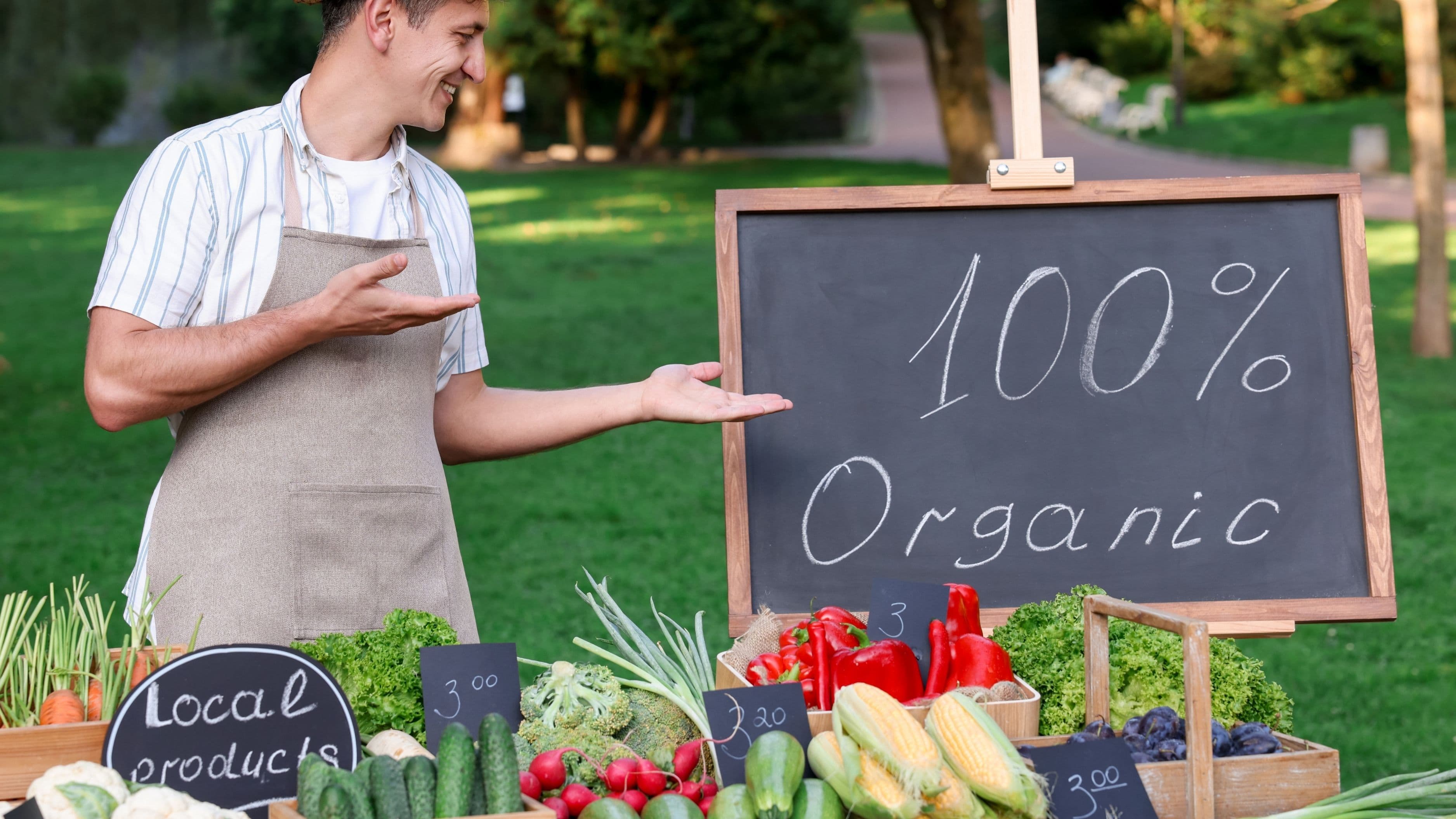
Myth: Buying local is automatically the most sustainable option. Truth: Local is often better, but the "how" matters more than the "where."
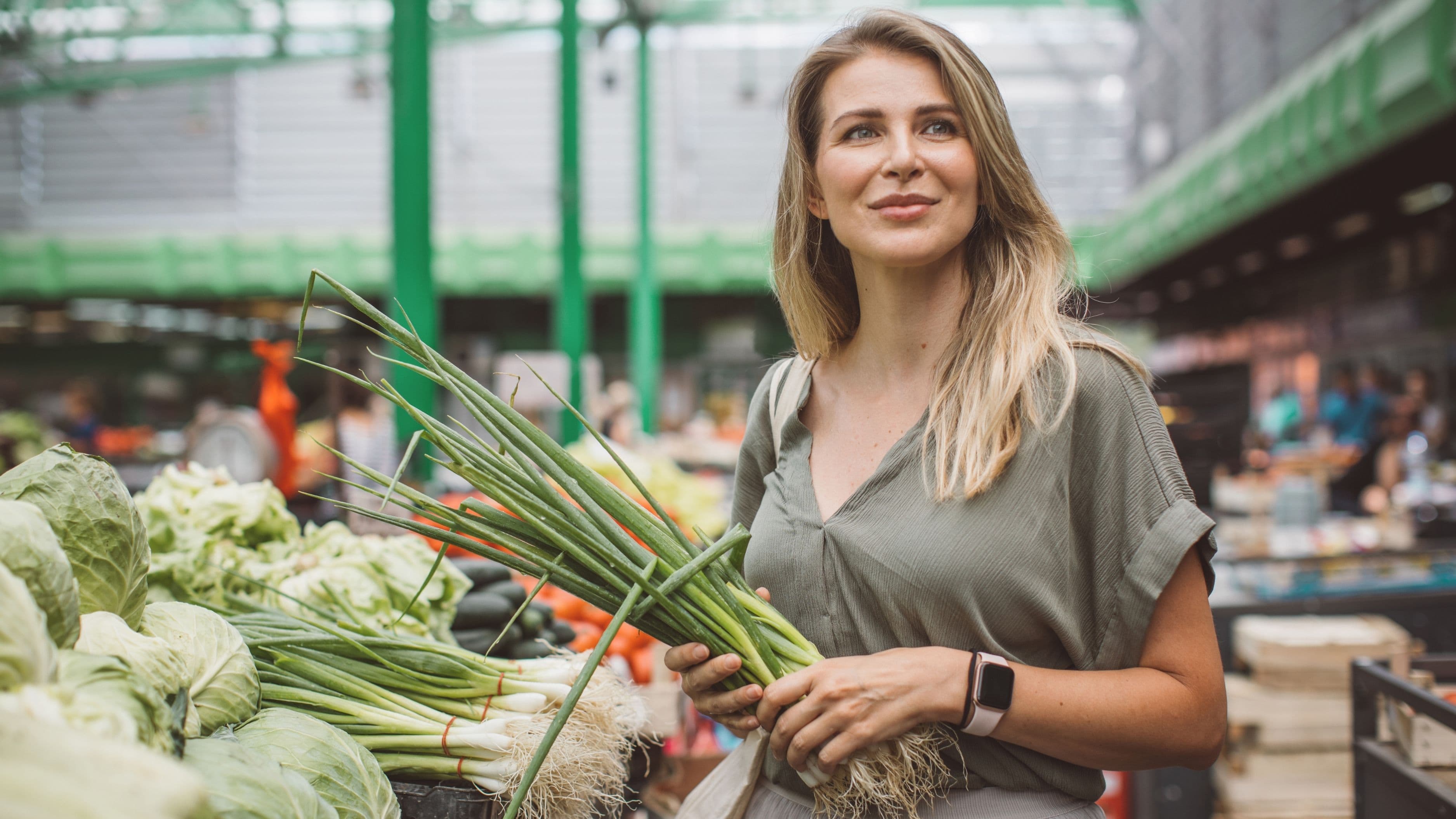
Local produce transported by a single farmer in a pickup truck has a vastly different footprint than the same item shipped across the country. But a locally made product wrapped in layers of single-use plastic, or a farmers market haul you drive 40 minutes to reach twice a week, complicates the math. The most sustainable version of local shopping is pairing it with intentionality — fewer trips, reusable bags, seasonal choices, and a willingness to eat what's actually growing right now rather than what you planned for.
Myth 6: Sustainable Living Requires Perfection
Myth: If you can't do it all, there's no point in trying. Truth: Imperfect, consistent sustainable habits beat perfect unsustainable ones every time.
This myth is perhaps the most quietly destructive one — it's the voice that says "why bother" when you forget your reusable bags or buy the conventionally grown strawberries because the organic ones cost $3 more. Sustainable shopping is a practice, not a personality trait. Research in behavioral psychology consistently shows that small, repeated actions reshape identity over time far more effectively than dramatic one-time gestures.
Myth 7: Convenience Food Is Always the Villain
Myth: Packaged, convenient food is the enemy of sustainable living. Truth: Wasted food has a bigger environmental footprint than most packaging choices.
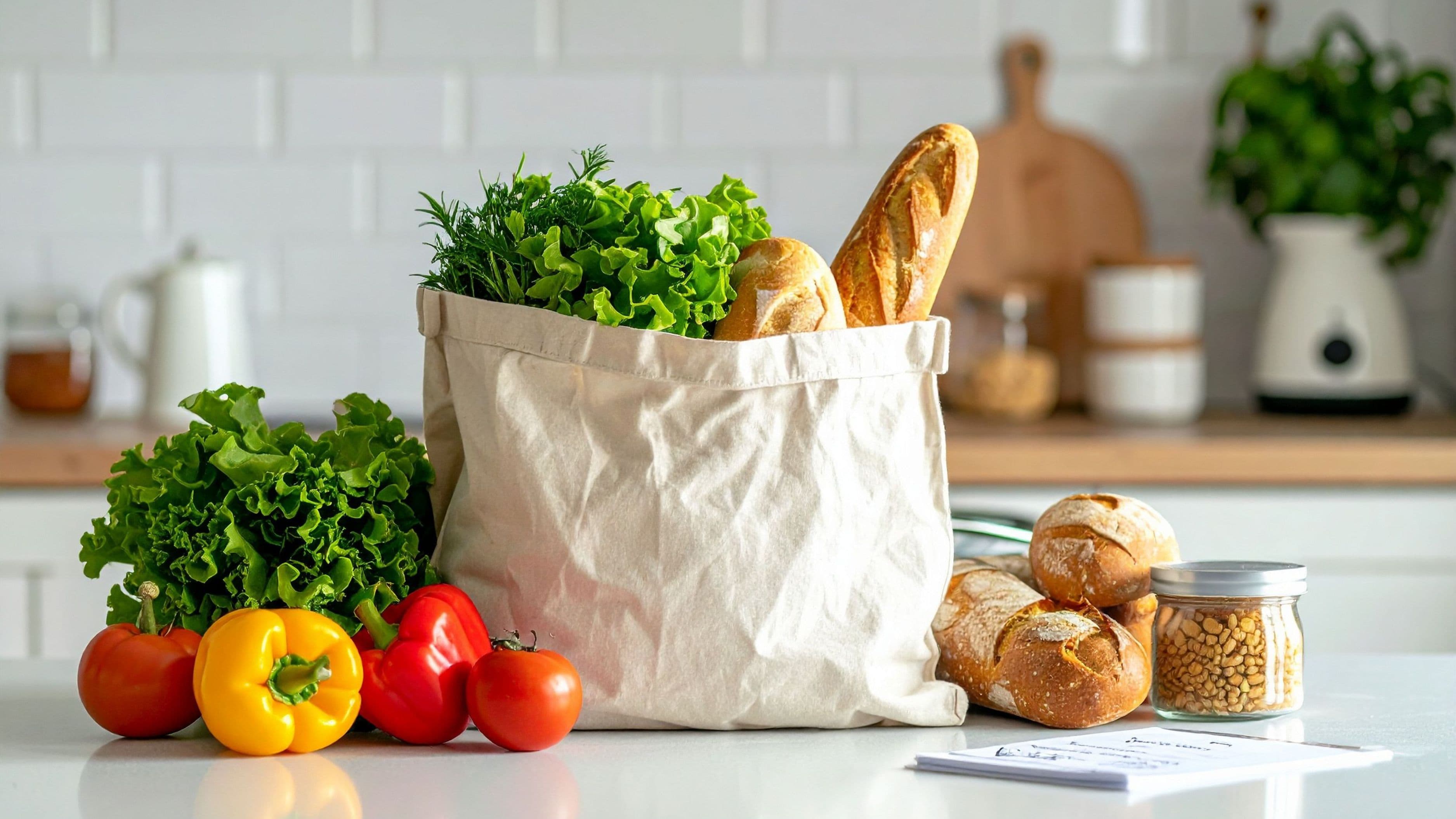
The USDA estimates that between 30–40% of the food supply in the United States is wasted — and most of that waste happens at the household level. Buying a pre-washed bag of salad greens you'll actually eat is meaningfully more sustainable than buying a full head of lettuce that wilts in your crisper drawer by Wednesday. Sustainable eating isn't about the wrapper; it's about finishing what you bring home.
Myth 8: You Have to Switch Everything at Once
Myth: A sustainable lifestyle requires a complete overhaul of how you shop and live. Truth: One deliberate swap per month creates lasting change without burnout.
The pressure to transform overnight is itself a form of consumerism — it sells you on a new identity through new products, new routines, and new purchases. Instead, choose one area of your shopping life to examine this month: your cleaning supplies, your clothing habits, your food packaging. Feel the clarity that comes from doing one thing with full intention, rather than doing everything halfway. That focused attention is where real, sustainable change takes root.
Let Go of the Price Tag Myth
The most liberating thing you can do for your budget and your conscience is to stop equating "sustainable" with "expensive." Real sustainability asks you to buy less, use more, waste nothing, and stay curious about what you actually need versus what you've been convinced to want. That's not a financial burden — that's financial freedom wearing a different label.
Let go of the belief that doing right by the planet is a privilege. It's a practice. And practices don't require a perfect budget, a perfect system, or a perfect week. They just require you to start — today, with the next item you reach for.
📚 Sources
First Insight & Baker Retailing Center, Wharton School. (2021). The State of Consumer Spending: Gen Z Shoppers Demand Sustainable Retail. https://www.firstinsight.com/white-papers-posts/gen-z-shoppers-demand-sustainable-retail
ThredUp. (2023). 2023 Resale Report. https://www.thredup.com/resale/
USDA Economic Research Service. (2022). Food Loss and Waste. https://www.ers.usda.gov/topics/food-nutrition-assistance/food-security-in-the-us/food-loss-and-waste/