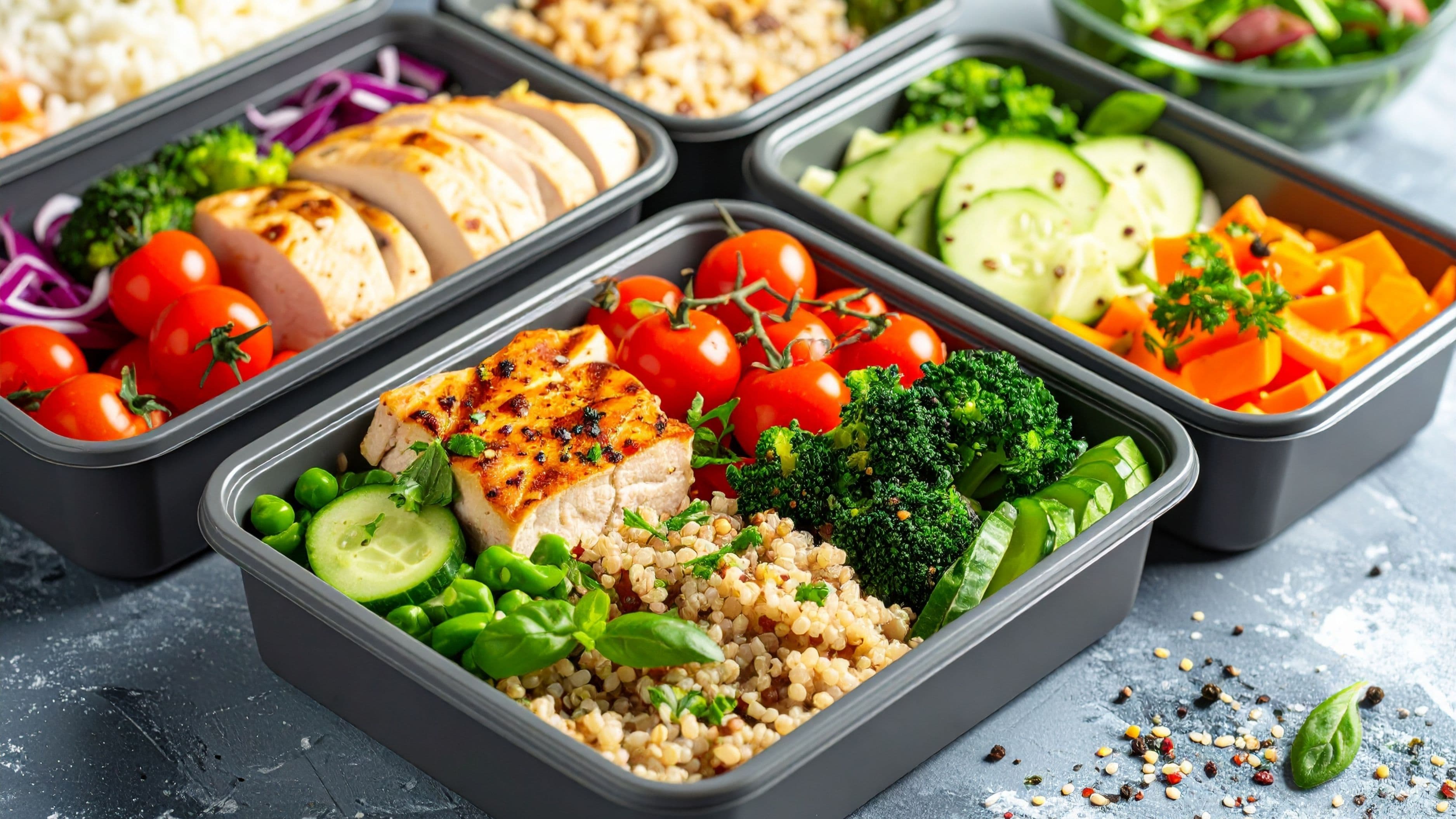
New this week:The Mirror Technique: Overcoming Self-Doubt in Business Meetings
Harmony Hub logo
Wellness
Growth
Lifestyle
Blog
Family & Relationships
Financial Wellness
Growth
Home & Haven
Lifestyle
Mindful Learning
Mindful Living
Mindful Shopping
Wellness
Women’s Wellness
About
Contact
Run Harmony Check
Loading...
 logo

Science-backed wellness, growth and lifestyle systems for modern professionals. Researched against primary sources, tested in real working weeks, edited by humans.
Copyright © 2026 · Visicom Media.

Library
Wellness library
Growth frameworks
Lifestyle design
Harmony Calculator
Company
About Our Health & Lifestyle Blog – Harmony Hubs
Harmony Hubs Contact us
All guides
Start here
Legal
Harmony Hubs Privacy policy
Harmony Hubs Terms of use
Legal information
© 2026 Harmony Hub. All rights reserved.
HomepageFamily & RelationshipsFinancial WellnessGrowthHome & HavenLifestyleMindful LearningMindful LivingMindful ShoppingWellnessWomen’s Wellness
Mindful Shopping

How to Build a Sustainable Kitchen Without Breaking the Bank

By Sofia MartinezPublished: May 19, 2026
How to Build a Sustainable Kitchen Without Breaking the Bank
Share:
The kitchen is where so much of daily life happens. It's where you nourish yourself, slow down from a busy day, and make small decisions that quietly add up to a bigger impact – on your health, your home, and the world outside it.

Building a more sustainable kitchen doesn't require a full renovation or a budget overhaul. Most of the changes that matter most are small, affordable, and surprisingly easy to integrate into the rhythm you already have. The goal isn't a perfect zero-waste kitchen with artisan everything. It's a more intentional one, built gradually and without guilt.

Here's how to get there, step by step.


What a Sustainable Kitchen Actually Means

Sustainability in the kitchen has two dimensions that are worth holding together. The first is environmental – reducing waste, choosing materials that last, and being mindful of what comes in and what gets thrown away. The second is personal sustainability – creating a kitchen that supports your wellbeing without becoming another source of overwhelm or financial stress.

Both matter here. A sustainable kitchen isn't just about the planet; it's about building a space that feels calm, functional, and aligned with how you actually want to live. When those two things come together, the changes tend to stick.


Step 1: Start with What You Already Have

Before buying anything new – even the most eco-friendly product – take stock of what's already in your kitchen. Open every drawer and cupboard and look honestly at what you own, what you use, and what's been sitting untouched for two years.

The most sustainable choice is always to use what you already have. A plastic food container you already own and use regularly has far less environmental impact than a brand-new glass one you buy to replace it. The same goes for pots, pans, utensils, and appliances. Wearing something out before replacing it is itself a sustainable act. This audit also helps you see the gaps clearly – what's genuinely missing, what needs replacing because it's broken or worn through, and what can simply be kept as is.

A simple approach: set aside anything you haven't used in six months. Live without it for another month. If you never missed it, donate it to a local thrift store rather than discarding it. This keeps useful items in circulation and clears space in your kitchen without adding to landfill.


Step 2: Swap Single-Use Items Gradually

Single-use items are where kitchen waste accumulates fastest, and replacing them is one of the most impactful changes you can make – without spending much. The key word is gradually. Trying to eliminate every piece of plastic or disposable item at once leads to frustration and expensive shopping trips. Instead, replace things naturally as they run out or wear out.

Plastic cling wrap can be replaced with beeswax wraps or silicone stretch lids when your current roll runs out. Paper towels can be supplemented – and eventually replaced – by a set of cloth kitchen towels or old cotton t-shirts cut into squares. Disposable coffee pods can give way to a reusable capsule or a simple pour-over. Zip-lock bags can be swapped for reusable silicone bags or glass jars when your current stock depletes.

None of these changes need to happen in a single week. A realistic timeline for transitioning away from most single-use kitchen items is three to six months when you approach it incrementally. That pace is also much gentler on your budget.


Step 3: Rethink How You Store Food

Food waste is one of the largest contributors to household environmental impact, and a significant amount of it happens not because of poor intentions but because of poor storage. When you can't see what's in your fridge, food gets forgotten. When produce isn't stored correctly, it wilts faster than it needs to.

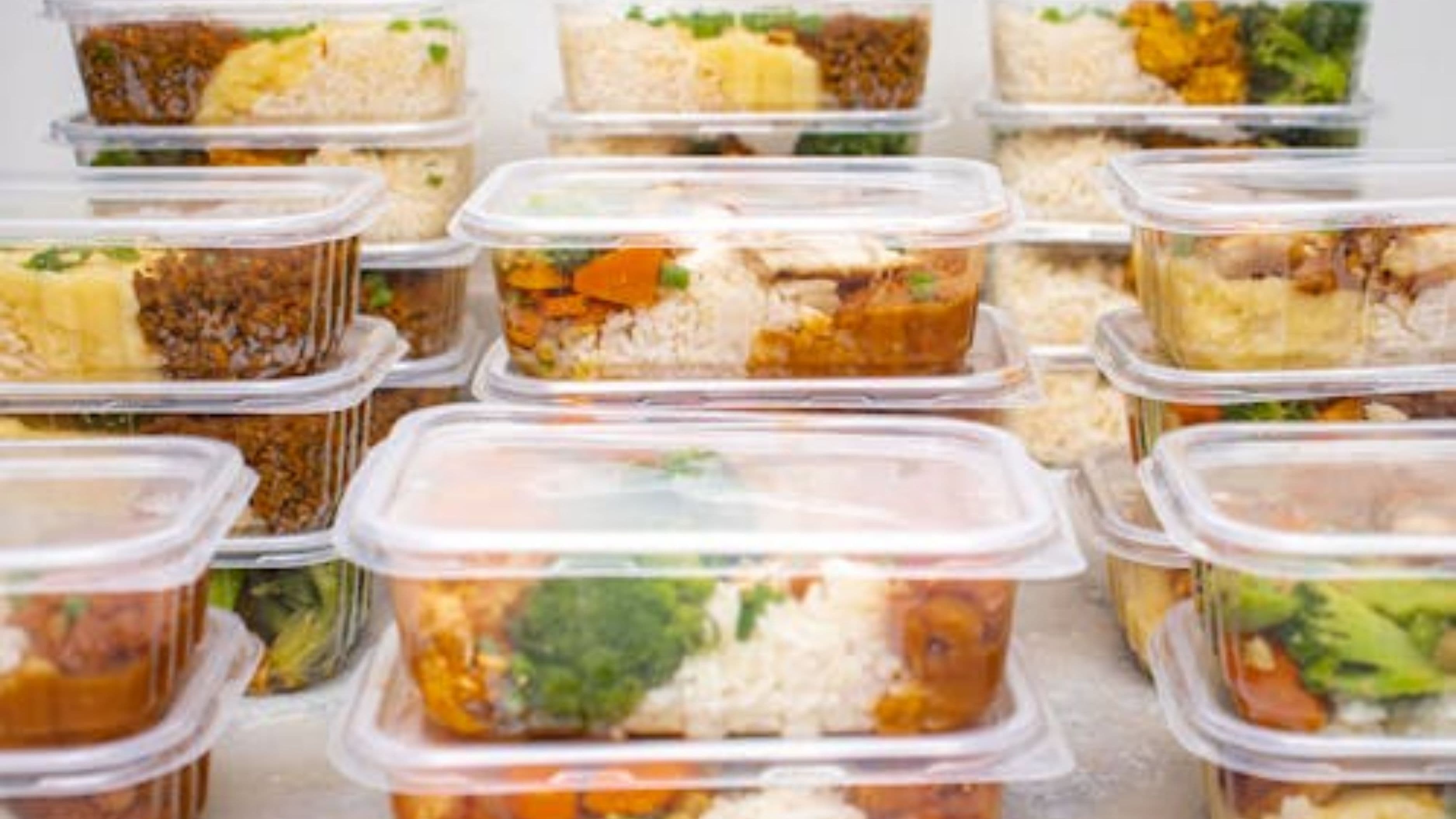
Glass jars are one of the most useful and affordable storage tools you can own, and you likely already have some coming into your home regularly through pasta sauce, jam, and other foods you buy. Cleaned and repurposed, they become airtight storage for dry goods, leftovers, and meal-prepped ingredients. A set of clear containers – glass or otherwise – that let you see what's inside at a glance dramatically reduces the chance of food being forgotten until it's past use.

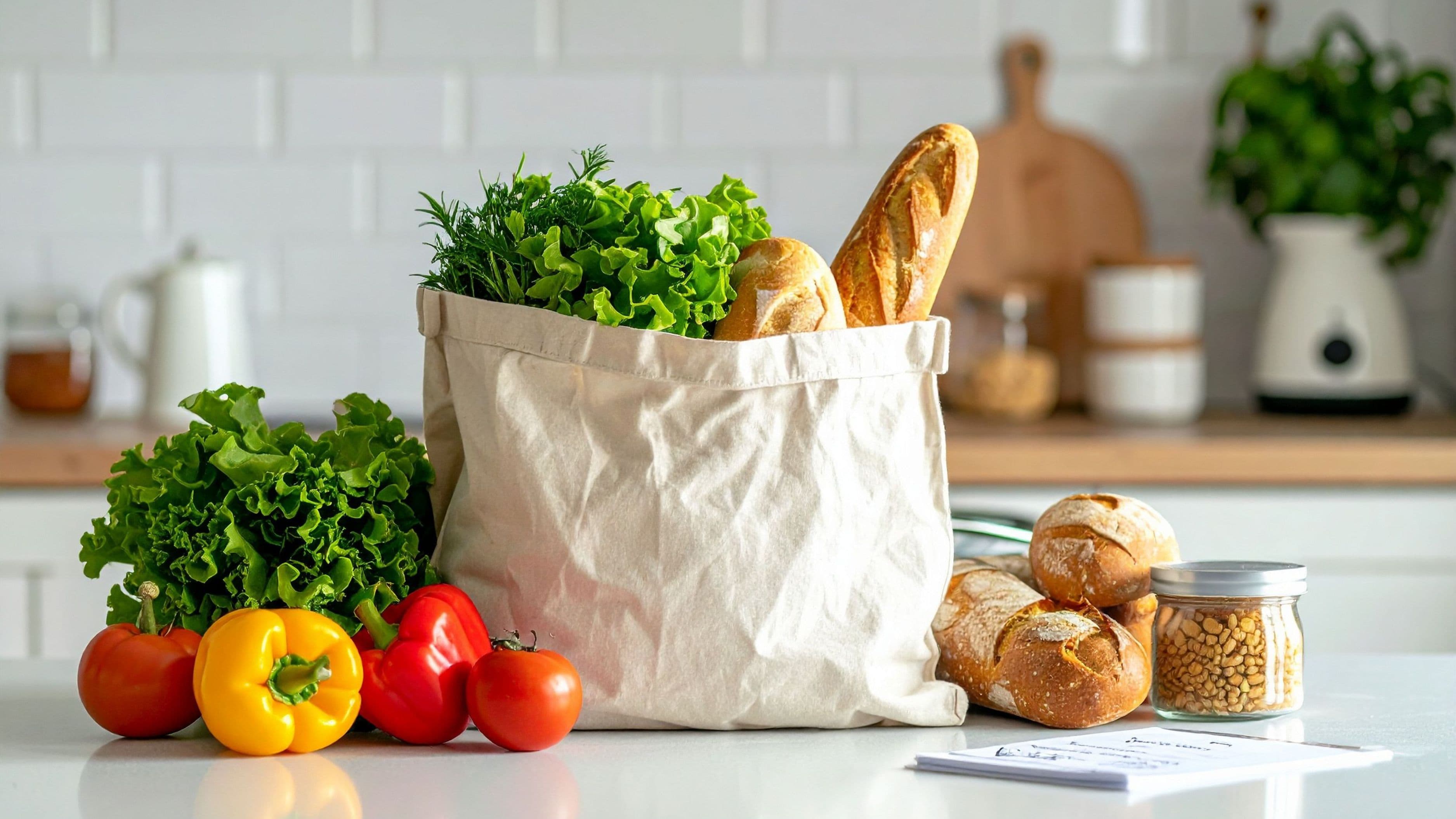
Storing produce correctly also extends its life meaningfully. Herbs last longer when stored upright in a small glass of water like fresh flowers. Most leafy greens stay crisp longer wrapped loosely in a clean cloth and stored in the vegetable drawer. Tomatoes keep better at room temperature than in the fridge. These aren't complicated practices – they're small adjustments that add up to less waste and fewer trips to the grocery store.


Step 4: Choose Cookware and Tools That Last

The most sustainable kitchenware is the kind that doesn't need replacing every few years. Fast fashion has a kitchen equivalent – cheap cookware that scratches, chips, or warps and ends up in landfill long before it should. Investing in fewer, better-quality items is both the more sustainable and more economical choice over time.

Cast iron is the gold standard for durable cookware. A well-seasoned cast iron skillet can last generations, costs between $30 and $50 for a good entry-level option, and performs beautifully on any heat source. It needs no special cleaning products and never needs replacing if cared for properly. Stainless steel pots and pans are another long-lasting option that hold up well under daily use.

You don't need to replace everything at once. When a pan reaches the end of its life, replace it with something built to last rather than something cheap and convenient. Over the course of a few years, your kitchen naturally transitions to better tools without a significant upfront cost.


Step 5: Build a Low-Waste Grocery Routine

What comes into your kitchen determines a lot of what leaves it as waste. A more intentional grocery routine reduces packaging, food spoilage, and impulse buying – and it tends to save money alongside reducing environmental impact.

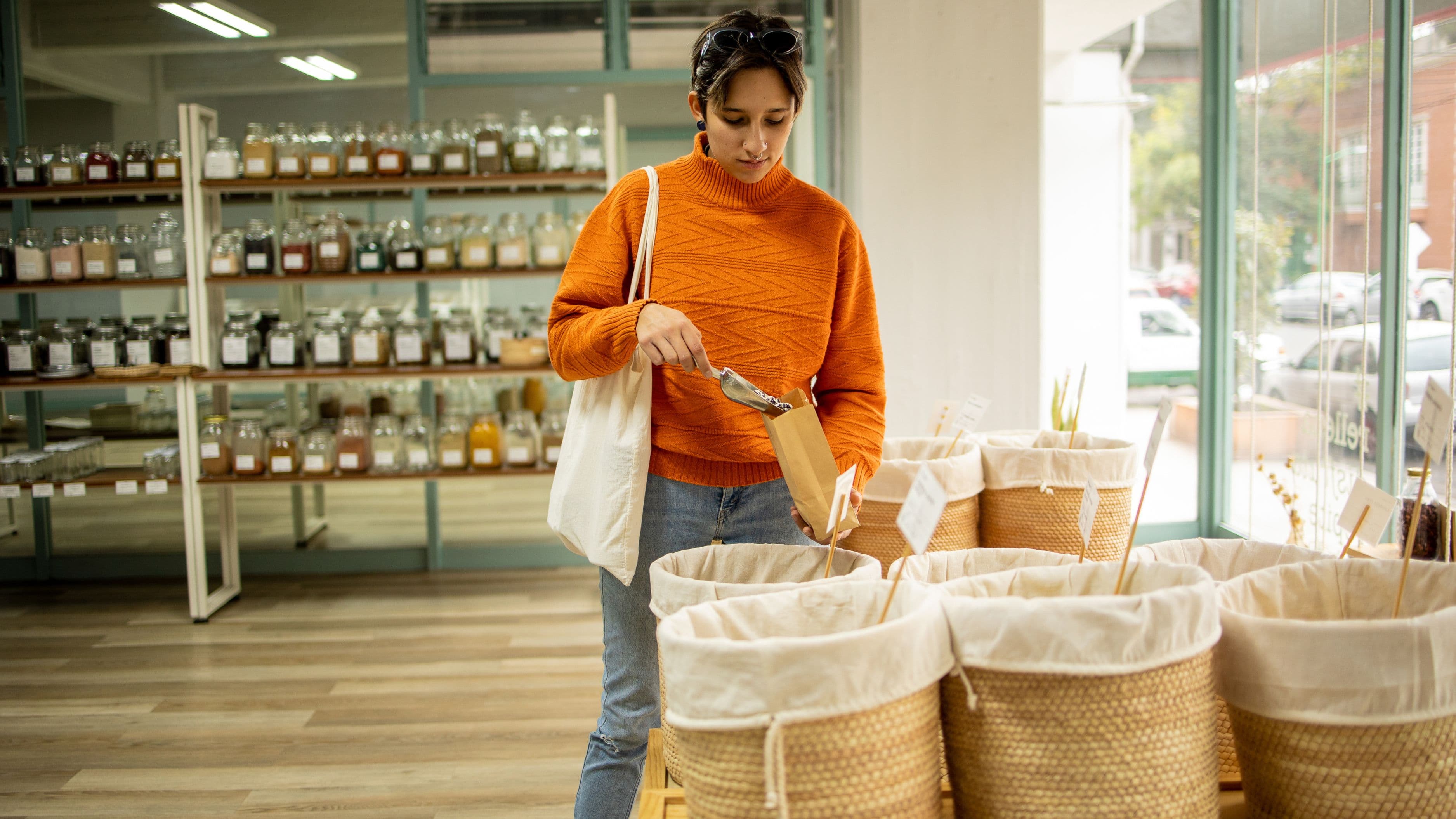
Shopping with a loose meal plan for the week – not a rigid schedule, just a general sense of what you'll cook – helps you buy with purpose rather than filling a cart from habit. Buying in bulk where possible reduces packaging and often costs less per unit; bulk sections at natural grocery stores are worth exploring for grains, legumes, nuts, and spices if you have them nearby. Bringing your own containers or bags is a small habit that compounds meaningfully over time.

Farmers' markets are worth mentioning here not just for the environmental case – shorter supply chains, less packaging, seasonal produce – but for the quality of experience. Shopping at a farmers' market tends to be quieter, more personal, and genuinely more enjoyable than a crowded grocery store. That quality of experience matters too. A sustainable kitchen routine is one you'll actually sustain.


Step 6: Make Cleaning More Natural

Conventional kitchen cleaning products are some of the most chemically dense in any household, and they also tend to be expensive. A surprisingly effective and affordable alternative is a small collection of simple ingredients that handle most kitchen cleaning needs: white vinegar, baking soda, castile soap, and lemon.

A spray bottle filled with diluted white vinegar (one part vinegar to one part water) cleans countertops, appliance surfaces, and the inside of the refrigerator effectively. Baking soda acts as a gentle abrasive for scrubbing sinks and stovetops. Castile soap – an all-purpose plant-based soap available at most grocery stores – works as a dish soap, a surface cleaner, and a produce wash. These ingredients cost a fraction of what commercial cleaning products cost and come in minimal packaging.

Switching to reusable cleaning cloths rather than disposable wipes is the complementary step. A pack of microfibre cloths or repurposed cotton rags handles the same tasks as paper towels and wipes, lasts for years with regular washing, and removes a recurring cost from your grocery list entirely.


Step 7: Reduce Food Waste Intentionally

Even with good storage habits and thoughtful grocery shopping, some food waste is inevitable. The question is what you do with it. Composting is the most well-known answer, and it genuinely is worthwhile – but it doesn't need to be complicated.

An indoor countertop compost bin for fruit and vegetable scraps, coffee grounds, eggshells, and similar organic matter is a simple starting point. If you have access to a garden, the compost becomes a direct input for growing food. If you don't, many communities have compost collection programs, and some farmers' markets accept scraps. Even a small apartment can manage indoor composting with a sealed bin that doesn't take up significant space.

Before anything reaches the compost bin, it's worth asking whether it can be used first. Vegetable scraps – onion skins, carrot tops, celery ends, herb stems – make an excellent broth when simmered for an hour in water. Stale bread becomes breadcrumbs or croutons. Overripe fruit goes into smoothies or baked goods. These small habits shift your relationship to food from transactional to genuinely resourceful, which is a satisfying quality to cultivate in a kitchen.


Tips for Staying Consistent

Sustainable kitchen habits are easiest to maintain when they're genuinely convenient. If the compost bin is in a hard-to-reach spot, you won't use it. If the cloth towels are stored away in a drawer, you'll reach for paper ones instead. Setting up your kitchen so that the sustainable choice is also the easy choice is the most reliable way to make these habits stick.

It also helps to approach this without a perfection mindset. A kitchen that generates a little less waste each month, that uses a few more reusable items than it did last year, and that costs a little less to run over time is a genuinely successful sustainable kitchen. The goal isn't an Instagram-worthy zero-waste setup. It's a home that quietly reflects your values, one small decision at a time.


Common Pitfalls to Avoid

One of the most common mistakes people make when trying to build a sustainable kitchen is buying their way into sustainability. New bamboo utensil sets, premium glass container collections, matching beeswax wrap kits – these things have their place, but purchasing a lot of new "eco-friendly" products all at once creates its own kind of waste and expense. Most of what you need to get started is already in your home.

Another pitfall is taking on too much change at once. Overhauling your grocery shopping, your storage, your cleaning products, and your cooking habits simultaneously is a recipe for burnout. Choosing one area to focus on each month – food storage in January, cleaning products in February, grocery habits in March – lets each change settle before the next one arrives.

Finally, avoid comparing your kitchen to curated images of sustainability online. Real sustainable kitchens are used, imperfect, and genuinely functional. They have mismatched containers and worn-in cast iron and a compost bin that sometimes smells a little. That's not a failure. That's a kitchen that's actually doing something.


FAQ

Do I need to spend a lot to make my kitchen more sustainable? No. Many of the most impactful changes are free – using what you already have, storing food better, shopping with a list, and reducing food waste. The swaps that do cost money, like reusable wraps or glass jars, are one-time purchases that save money over time.

What's the single most impactful change I can make in my kitchen? Reducing food waste has the largest environmental impact of any kitchen change, according to most sustainability researchers. Better food storage, meal planning, and using up what you buy before it spoils addresses the issue at its root.

Is bamboo kitchenware actually more sustainable than plastic? It depends on the product and how it's made. Bamboo grows quickly and is biodegradable, which makes it generally preferable to virgin plastic. But bamboo products often use adhesives that make them difficult to compost, and shipping from overseas has its own footprint. The most sustainable utensils are often the ones you already own.

How do I compost if I live in an apartment? Small countertop bins with tight-fitting lids work well in apartments and don't produce odor when emptied regularly. Some cities have food scrap collection programs; local farmers' markets sometimes accept scraps too. Even without a garden, composting is accessible in most urban environments.

What should I prioritize first if I'm starting from scratch? Start with the kitchen audit and food storage. These two steps alone – knowing what you have and storing it properly – will reduce waste, save money, and create a calmer kitchen environment before you spend a single dollar on anything new.


A sustainable kitchen is less about the products you own and more about the relationship you have with your space and what moves through it. When your kitchen feels intentional – when what's in it serves you well and what leaves it is genuinely minimal – something shifts in how you feel in there. It becomes less of a utility room and more of a place that reflects how you want to live. That's the real reward of this kind of change, and it's available to anyone willing to start small and stay curious.


📚 Sources

  1. Project Drawdown – Food waste reduction as a climate solution: https://drawdown.org/solutions/reduced-food-waste

  2. EPA – Reducing wasted food at home: https://www.epa.gov/recycle/reducing-wasted-food-home

  3. Love Food Hate Waste – Food storage guidance: https://www.lovefoodhatewaste.com/article/make-food-last-longer

  4. Environmental Working Group – Guide to safer cleaning products: https://www.ewg.org/guides/cleaners

  5. RHS (Royal Horticultural Society) – Composting at home: https://www.rhs.org.uk/soil-composts-mulches/composting

  6. Rodale Institute – Benefits of farmers' market and local food systems: https://rodaleinstitute.org/why-organic/organic-food-health/local-food-systems


🔍 Explore Related Topics

  • How to reduce food waste at home every week

  • Best reusable kitchen swaps for beginners

  • How to start composting in a small apartment

  • Natural cleaning products you can make at home

  • How to store produce to make it last longer

  • Cast iron cookware care and seasoning guide

  • Sustainable grocery shopping on a budget

  • Minimalist kitchen essentials worth owning

  • How to build a zero-waste morning routine

  • Intentional living tips for a calmer home

Sofia Martinez
Sofia Martinez

About the Author

Sofia Martinez
Sofia MartinezRead Full Story

Related Articles

Mindful Shopping

How to Avoid Impulse Buying with Mindful Shopping Habits

How to Avoid Impulse Buying with Mindful Shopping Habits

Updated: March 17, 2026 | Isabella Rossi
How to Build a Capsule Wardrobe on a Family Budget

How to Build a Capsule Wardrobe on a Family Budget

Updated: March 1, 2026 | Claire Hewitt
How to Create a Monthly Shopping List That Saves You Time and Money

How to Create a Monthly Shopping List That Saves You Time and Money

Updated: April 2, 2026 | Isabella Rossi
How to Find Quality Products at Discount Prices Online

How to Find Quality Products at Discount Prices Online

Updated: April 12, 2026 | Sofia Martinez
How to Plan Your Holiday Shopping List Without Overspending

How to Plan Your Holiday Shopping List Without Overspending

Updated: March 25, 2026 | Sofia Martinez
How to Shop Sustainably Without Spending More

How to Shop Sustainably Without Spending More

Updated: March 9, 2026 | Claire Hewitt
How to Shop for Healthy Food on a Tight Budget

How to Shop for Healthy Food on a Tight Budget

Updated: March 20, 2026 | Isabella Rossi
What Are the Best Apps for Saving Money on Groceries?

What Are the Best Apps for Saving Money on Groceries?

Updated: March 9, 2026 | Claire Hewitt
What Are the Best Back-To-School Deals to Look Out For?

What Are the Best Back-To-School Deals to Look Out For?

Updated: April 2, 2026 | Hannah Sullivan
What Are the Most Overrated Products Families Spend Money On?

What Are the Most Overrated Products Families Spend Money On?

Updated: March 20, 2026 | Hannah Sullivan
What Is Intentional Shopping and How Can It Save You Money?

What Is Intentional Shopping and How Can It Save You Money?

Updated: March 1, 2026 | Isabella Rossi
What Is Price Anchoring and How Does It Affect Your Shopping Decisions?

What Is Price Anchoring and How Does It Affect Your Shopping Decisions?

Updated: April 12, 2026 | Vanessa Clarke
What Is Secondhand Shopping and Why Is It Worth Trying?

What Is Secondhand Shopping and Why Is It Worth Trying?

Updated: March 25, 2026 | Vanessa Clarke
What Is the Best Way to Compare Prices Before Buying Online?

What Is the Best Way to Compare Prices Before Buying Online?

Updated: March 17, 2026 | Hannah Sullivan
Back-to-school Shopping Checklist: What Every Student Needs

Back-to-school Shopping Checklist: What Every Student Needs

Updated: May 15, 2025 | Alexander Brooks
Eco-friendly Shopping: Sustainable Choices for Families

Eco-friendly Shopping: Sustainable Choices for Families

Updated: May 15, 2025 | Alexander Brooks
Essential Shopping Tips for Parents: Maximizing Your Budget

Essential Shopping Tips for Parents: Maximizing Your Budget

Updated: May 15, 2025 | Ben Carter
How to Build a Stylish Wardrobe Without Breaking the Bank

How to Build a Stylish Wardrobe Without Breaking the Bank

Updated: May 15, 2025 | Alexander Brooks
How to Shop Smart on a Tight Budget: Hacks for Families

How to Shop Smart on a Tight Budget: Hacks for Families

Updated: May 15, 2025 | Ben Carter
Navigating Holiday Shopping: Tips for Stress-free Gift Buying

Navigating Holiday Shopping: Tips for Stress-free Gift Buying

Updated: May 15, 2025 | Harmon Reed
Student Shopping Essentials: Must-have Items for College Life

Student Shopping Essentials: Must-have Items for College Life

Updated: May 15, 2025 | Harmon Reed
Tech Shopping for Students: Gadgets That Enhance Learning

Tech Shopping for Students: Gadgets That Enhance Learning

Updated: May 15, 2025 | Ben Carter
The Benefits Of Subscription Shopping Services: Discovering New Products

The Benefits Of Subscription Shopping Services: Discovering New Products

Updated: May 15, 2025 | Ben Carter
The Ultimate Guide to Online Shopping for Students

The Ultimate Guide to Online Shopping for Students

Updated: May 15, 2025 | Harmon Reed
How to Choose the Right Summer Camp Without Blowing Your Budget

How to Choose the Right Summer Camp Without Blowing Your Budget

Updated: July 23, 2026 | Sofia Martinez
How to Create a Zero-Waste Kitchen on a Budget

How to Create a Zero-Waste Kitchen on a Budget

Updated: June 22, 2026 | Vanessa Clarke
How to Declutter and Sell Items You No Longer Need
How to Declutter and Sell Items You No Longer Need

Updated: May 26, 2026 | Isabella Rossi
How to Find Great Deals on Summer Clothing for Kids

How to Find Great Deals on Summer Clothing for Kids

Updated: July 8, 2026 | Vanessa Clarke
How to Find Quality Secondhand Children's Clothing Online

How to Find Quality Secondhand Children's Clothing Online

Updated: August 10, 2026 | Vanessa Clarke
How to Host a Memorable Summer Party Without Overspending

How to Host a Memorable Summer Party Without Overspending

Updated: July 12, 2026 | Claire Hewitt
How to Plan a Minimalist Birthday Party Your Child Will Love

How to Plan a Minimalist Birthday Party Your Child Will Love

Updated: August 20, 2026 | Olivia Benson
How to Refresh Your Child's Wardrobe Before School Without Overspending

How to Refresh Your Child's Wardrobe Before School Without Overspending

Updated: September 3, 2026 | Isabella Rossi
How to Score the Best Deals During Amazon Prime Day

How to Score the Best Deals During Amazon Prime Day

Updated: July 20, 2026 | Olivia Benson
How to Shop for Back-To-School Supplies Without the Stress

How to Shop for Back-To-School Supplies Without the Stress

Updated: June 30, 2026 | Kara james
How to Shop for Organic Food Without Overspending

How to Shop for Organic Food Without Overspending

Updated: June 3, 2026 | Sofia Martinez
How to Shop for School Uniforms Without Overspending

How to Shop for School Uniforms Without Overspending

Updated: August 31, 2026 | Claire Hewitt
How to Use Buy-Now-Pay-Later Services Without Getting Into Debt

How to Use Buy-Now-Pay-Later Services Without Getting Into Debt

Updated: June 11, 2026 | Isabella Rossi
Is Buying Organic Worth the Extra Cost for Your Family?

Is Buying Organic Worth the Extra Cost for Your Family?

Updated: June 11, 2026 | Hannah Sullivan
Is It Worth Buying a Warehouse Club Membership for Your Family?

Is It Worth Buying a Warehouse Club Membership for Your Family?

Updated: July 23, 2026 | Vanessa Clarke
What Are the Best Apps for Managing Your Grocery Budget?

What Are the Best Apps for Managing Your Grocery Budget?

Updated: July 9, 2026 | Charlotte Greene
What Are the Best Budget-Friendly Outdoor Toys for Kids?

What Are the Best Budget-Friendly Outdoor Toys for Kids?

Updated: August 20, 2026 | Julia Harmon
What Are the Best Ethical Brands for Families to Support?

What Are the Best Ethical Brands for Families to Support?

Updated: May 26, 2026 | Hannah Sullivan
What Are the Best Family-Friendly Meal Prep Tools Worth Buying?

What Are the Best Family-Friendly Meal Prep Tools Worth Buying?

Updated: July 8, 2026 | Sophie Davenport
What Are the Best Meal Kit Services for Busy Families?

What Are the Best Meal Kit Services for Busy Families?

Updated: June 3, 2026 | Vanessa Clarke
What Are the Best Organizational Products to Start the School Year Right?

What Are the Best Organizational Products to Start the School Year Right?

Updated: August 31, 2026 | Charlotte Greene
What Are the Best Subscription Boxes for Kids That Are Actually Worth It?

What Are the Best Subscription Boxes for Kids That Are Actually Worth It?

Updated: June 30, 2026 | Julia Harmon
What Are the Best Tools for Tracking Your Family Spending?

What Are the Best Tools for Tracking Your Family Spending?

Updated: August 10, 2026 | Sophie Davenport
What Are the Best Ways to Save on Back-To-School Clothes?

What Are the Best Ways to Save on Back-To-School Clothes?

Updated: June 22, 2026 | Sophie Davenport
What Are the Most Trusted Brands for Organic Baby Products?

What Are the Most Trusted Brands for Organic Baby Products?

Updated: July 20, 2026 | Natalie Foster
What Are the Most Trusted Brands for Organic Baby Products?

What Are the Most Trusted Brands for Organic Baby Products?

Updated: July 20, 2026 | Natalie Foster
What Are the Most Useful School Supplies Teachers Actually Want?

What Are the Most Useful School Supplies Teachers Actually Want?

Updated: September 3, 2026 | Hannah Sullivan
What Is the Best Time of Year to Buy Big Ticket Items?

What Is the Best Time of Year to Buy Big Ticket Items?

Updated: May 19, 2026 | Vanessa Clarke
How to Avoid Impulse Buying with Mindful Shopping Habits

How to Avoid Impulse Buying with Mindful Shopping Habits

Updated: March 17, 2026 | Isabella Rossi
How to Build a Capsule Wardrobe on a Family Budget

How to Build a Capsule Wardrobe on a Family Budget

Updated: March 1, 2026 | Claire Hewitt
How to Create a Monthly Shopping List That Saves You Time and Money

How to Create a Monthly Shopping List That Saves You Time and Money

Updated: April 2, 2026 | Isabella Rossi
How to Find Quality Products at Discount Prices Online

How to Find Quality Products at Discount Prices Online

Updated: April 12, 2026 | Sofia Martinez
How to Plan Your Holiday Shopping List Without Overspending

How to Plan Your Holiday Shopping List Without Overspending

Updated: March 25, 2026 | Sofia Martinez
How to Shop Sustainably Without Spending More

How to Shop Sustainably Without Spending More

Updated: March 9, 2026 | Claire Hewitt
How to Shop for Healthy Food on a Tight Budget

How to Shop for Healthy Food on a Tight Budget

Updated: March 20, 2026 | Isabella Rossi
What Are the Best Apps for Saving Money on Groceries?

What Are the Best Apps for Saving Money on Groceries?

Updated: March 9, 2026 | Claire Hewitt
What Are the Best Back-To-School Deals to Look Out For?

What Are the Best Back-To-School Deals to Look Out For?

Updated: April 2, 2026 | Hannah Sullivan
What Are the Most Overrated Products Families Spend Money On?

What Are the Most Overrated Products Families Spend Money On?

Updated: March 20, 2026 | Hannah Sullivan
What Is Intentional Shopping and How Can It Save You Money?

What Is Intentional Shopping and How Can It Save You Money?

Updated: March 1, 2026 | Isabella Rossi
What Is Price Anchoring and How Does It Affect Your Shopping Decisions?

What Is Price Anchoring and How Does It Affect Your Shopping Decisions?

Updated: April 12, 2026 | Vanessa Clarke
What Is Secondhand Shopping and Why Is It Worth Trying?

What Is Secondhand Shopping and Why Is It Worth Trying?

Updated: March 25, 2026 | Vanessa Clarke
What Is the Best Way to Compare Prices Before Buying Online?

What Is the Best Way to Compare Prices Before Buying Online?

Updated: March 17, 2026 | Hannah Sullivan
Back-to-school Shopping Checklist: What Every Student Needs

Back-to-school Shopping Checklist: What Every Student Needs

Updated: May 15, 2025 | Alexander Brooks
Eco-friendly Shopping: Sustainable Choices for Families

Eco-friendly Shopping: Sustainable Choices for Families

Updated: May 15, 2025 | Alexander Brooks
Essential Shopping Tips for Parents: Maximizing Your Budget

Essential Shopping Tips for Parents: Maximizing Your Budget

Updated: May 15, 2025 | Ben Carter
How to Build a Stylish Wardrobe Without Breaking the Bank

How to Build a Stylish Wardrobe Without Breaking the Bank

Updated: May 15, 2025 | Alexander Brooks
How to Shop Smart on a Tight Budget: Hacks for Families

How to Shop Smart on a Tight Budget: Hacks for Families

Updated: May 15, 2025 | Ben Carter
Navigating Holiday Shopping: Tips for Stress-free Gift Buying

Navigating Holiday Shopping: Tips for Stress-free Gift Buying

Updated: May 15, 2025 | Harmon Reed
Student Shopping Essentials: Must-have Items for College Life

Student Shopping Essentials: Must-have Items for College Life

Updated: May 15, 2025 | Harmon Reed
Tech Shopping for Students: Gadgets That Enhance Learning

Tech Shopping for Students: Gadgets That Enhance Learning

Updated: May 15, 2025 | Ben Carter
The Benefits Of Subscription Shopping Services: Discovering New Products

The Benefits Of Subscription Shopping Services: Discovering New Products

Updated: May 15, 2025 | Ben Carter
The Ultimate Guide to Online Shopping for Students

The Ultimate Guide to Online Shopping for Students

Updated: May 15, 2025 | Harmon Reed
How to Choose the Right Summer Camp Without Blowing Your Budget

How to Choose the Right Summer Camp Without Blowing Your Budget

Updated: July 23, 2026 | Sofia Martinez
How to Create a Zero-Waste Kitchen on a Budget

How to Create a Zero-Waste Kitchen on a Budget

Updated: June 22, 2026 | Vanessa Clarke
How to Declutter and Sell Items You No Longer Need

How to Declutter and Sell Items You No Longer Need

Updated: May 26, 2026 | Isabella Rossi
How to Find Great Deals on Summer Clothing for Kids

How to Find Great Deals on Summer Clothing for Kids

Updated: July 8, 2026 | Vanessa Clarke
How to Find Quality Secondhand Children's Clothing Online

How to Find Quality Secondhand Children's Clothing Online

Updated: August 10, 2026 | Vanessa Clarke
How to Host a Memorable Summer Party Without Overspending

How to Host a Memorable Summer Party Without Overspending

Updated: July 12, 2026 | Claire Hewitt
How to Plan a Minimalist Birthday Party Your Child Will Love

How to Plan a Minimalist Birthday Party Your Child Will Love

Updated: August 20, 2026 | Olivia Benson
How to Refresh Your Child's Wardrobe Before School Without Overspending

How to Refresh Your Child's Wardrobe Before School Without Overspending

Updated: September 3, 2026 | Isabella Rossi
How to Score the Best Deals During Amazon Prime Day

How to Score the Best Deals During Amazon Prime Day

Updated: July 20, 2026 | Olivia Benson
How to Shop for Back-To-School Supplies Without the Stress

How to Shop for Back-To-School Supplies Without the Stress

Updated: June 30, 2026 | Kara james
How to Shop for Organic Food Without Overspending

How to Shop for Organic Food Without Overspending

Updated: June 3, 2026 | Sofia Martinez
How to Shop for School Uniforms Without Overspending

How to Shop for School Uniforms Without Overspending

Updated: August 31, 2026 | Claire Hewitt
How to Use Buy-Now-Pay-Later Services Without Getting Into Debt

How to Use Buy-Now-Pay-Later Services Without Getting Into Debt

Updated: June 11, 2026 | Isabella Rossi
Is Buying Organic Worth the Extra Cost for Your Family?

Is Buying Organic Worth the Extra Cost for Your Family?

Updated: June 11, 2026 | Hannah Sullivan
Is It Worth Buying a Warehouse Club Membership for Your Family?

Is It Worth Buying a Warehouse Club Membership for Your Family?

Updated: July 23, 2026 | Vanessa Clarke
What Are the Best Apps for Managing Your Grocery Budget?

What Are the Best Apps for Managing Your Grocery Budget?

Updated: July 9, 2026 | Charlotte Greene
What Are the Best Budget-Friendly Outdoor Toys for Kids?

What Are the Best Budget-Friendly Outdoor Toys for Kids?

Updated: August 20, 2026 | Julia Harmon
What Are the Best Ethical Brands for Families to Support?

What Are the Best Ethical Brands for Families to Support?

Updated: May 26, 2026 | Hannah Sullivan
What Are the Best Family-Friendly Meal Prep Tools Worth Buying?

What Are the Best Family-Friendly Meal Prep Tools Worth Buying?

Updated: July 8, 2026 | Sophie Davenport
What Are the Best Meal Kit Services for Busy Families?

What Are the Best Meal Kit Services for Busy Families?

Updated: June 3, 2026 | Vanessa Clarke
What Are the Best Organizational Products to Start the School Year Right?

What Are the Best Organizational Products to Start the School Year Right?

Updated: August 31, 2026 | Charlotte Greene
What Are the Best Subscription Boxes for Kids That Are Actually Worth It?

What Are the Best Subscription Boxes for Kids That Are Actually Worth It?

Updated: June 30, 2026 | Julia Harmon
What Are the Best Tools for Tracking Your Family Spending?

What Are the Best Tools for Tracking Your Family Spending?

Updated: August 10, 2026 | Sophie Davenport
What Are the Best Ways to Save on Back-To-School Clothes?

What Are the Best Ways to Save on Back-To-School Clothes?

Updated: June 22, 2026 | Sophie Davenport
What Are the Most Trusted Brands for Organic Baby Products?

What Are the Most Trusted Brands for Organic Baby Products?

Updated: July 20, 2026 | Natalie Foster
What Are the Most Trusted Brands for Organic Baby Products?

What Are the Most Trusted Brands for Organic Baby Products?

Updated: July 20, 2026 | Natalie Foster
What Are the Most Useful School Supplies Teachers Actually Want?

What Are the Most Useful School Supplies Teachers Actually Want?

Updated: September 3, 2026 | Hannah Sullivan
What Is the Best Time of Year to Buy Big Ticket Items?

What Is the Best Time of Year to Buy Big Ticket Items?

Updated: May 19, 2026 | Vanessa Clarke