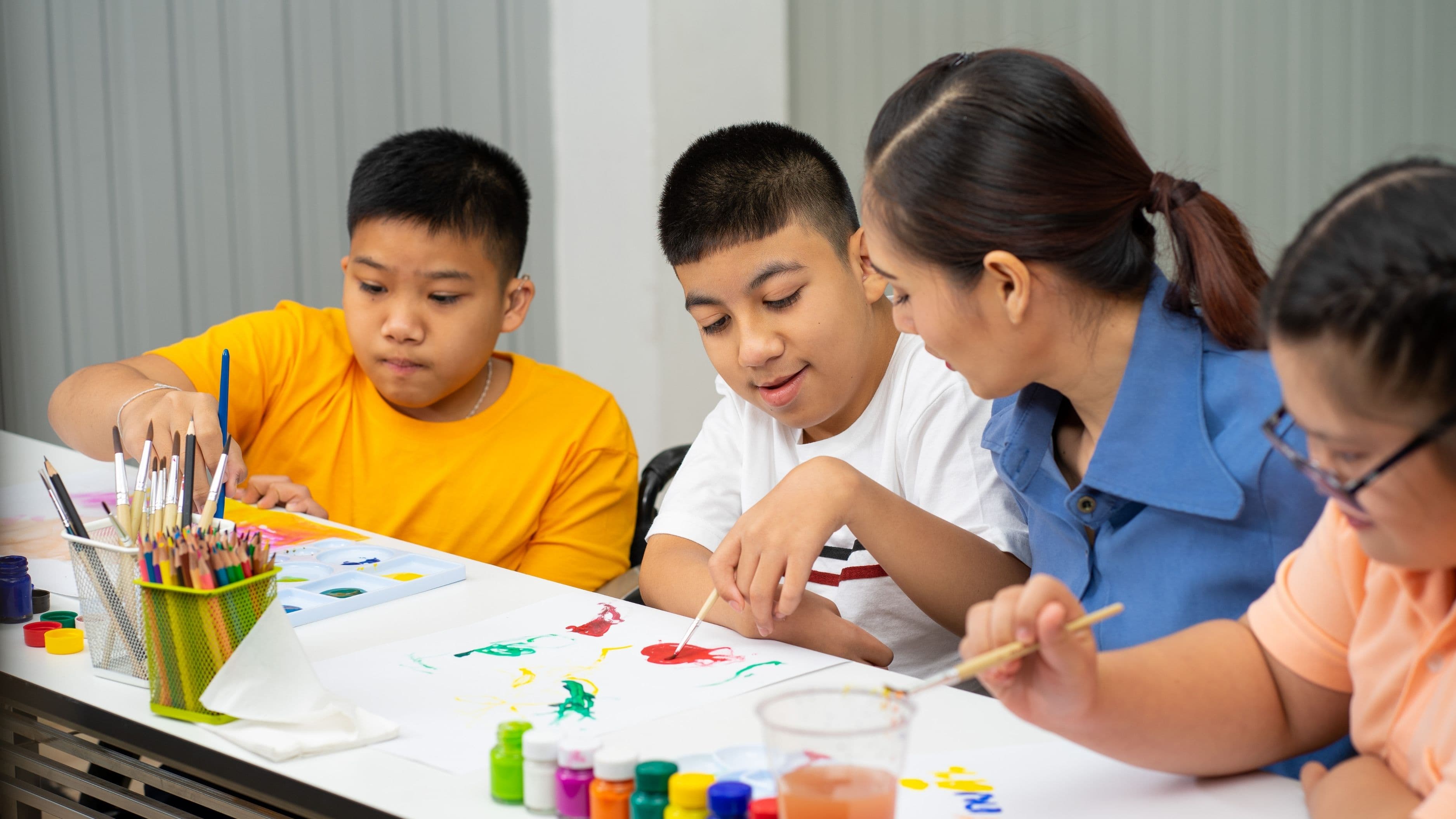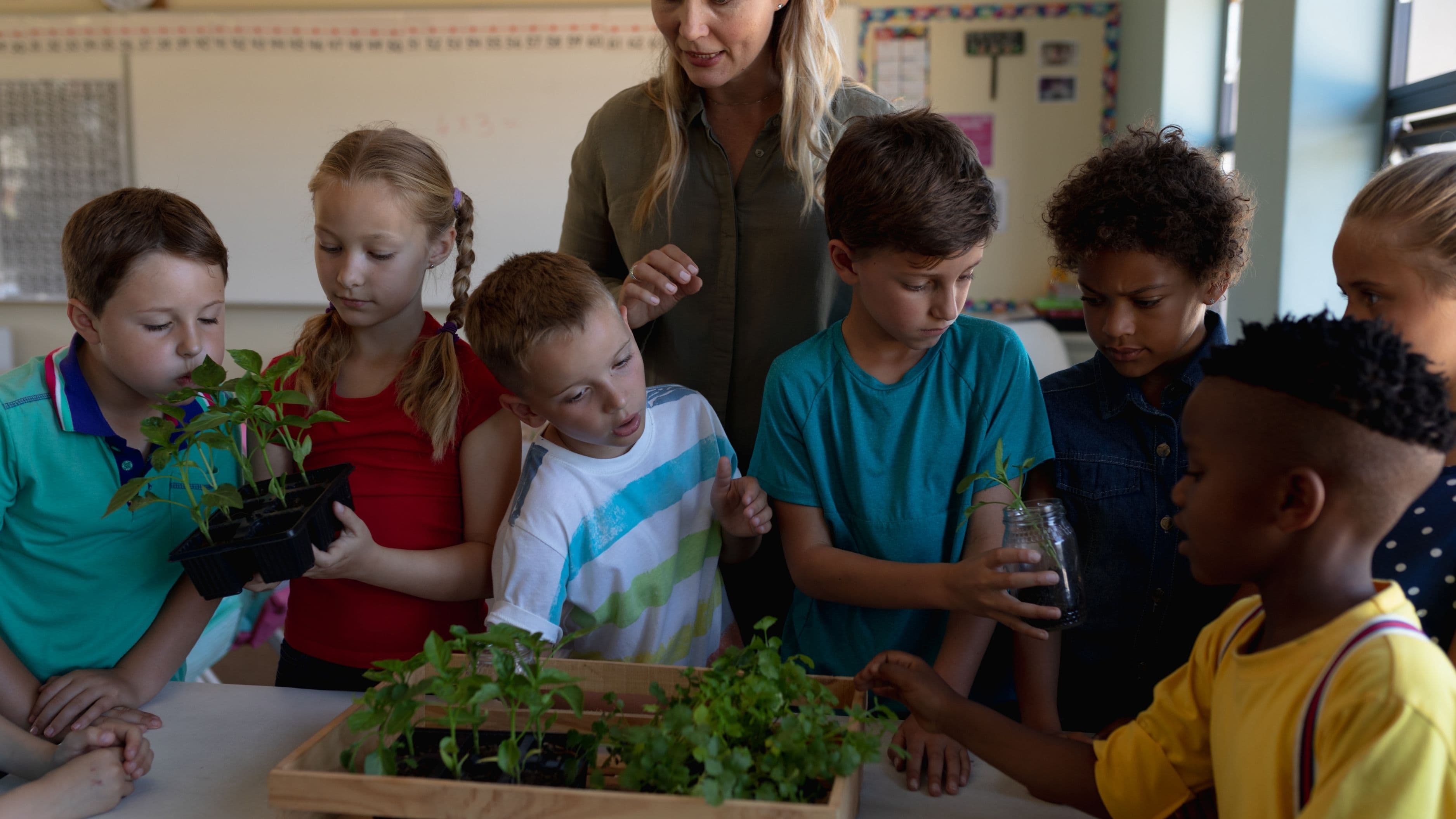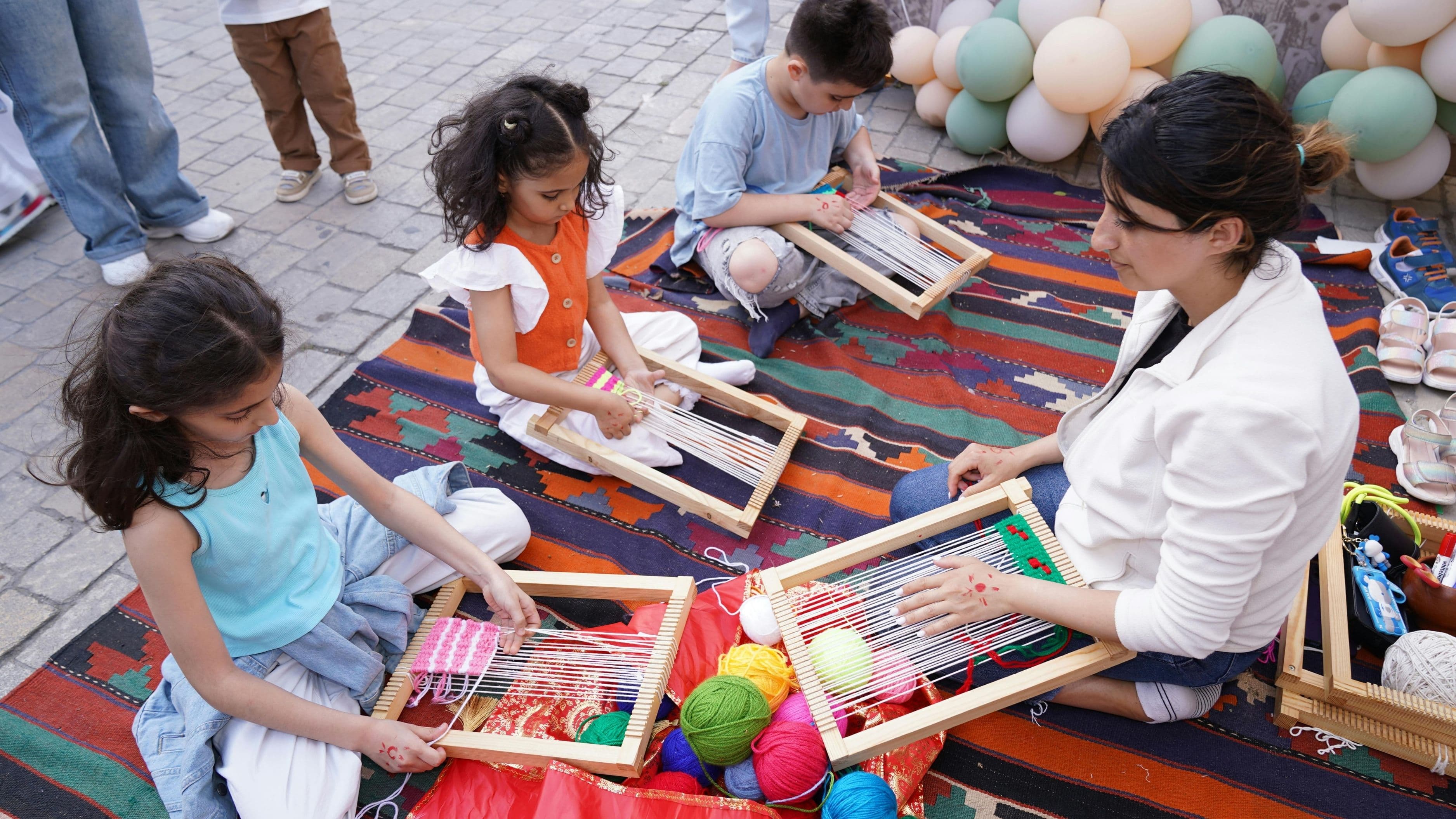
This isn't about turning summer into another structured curriculum. It's about noticing the everyday moments already happening in your household and gently expanding your child's role in them.
Why Summer Is the Right Time for This
During the school year, most families are running on a tight schedule where efficiency matters more than teaching moments – there's rarely time to let a child fumble through making their own lunch when everyone needs to be out the door in ten minutes. Summer removes that time pressure, which means mistakes and slow learning curves become genuinely okay.
This lower-stakes environment is exactly what skill-building requires. Kids need room to try, get it wrong, and try again without the added stress of being late or disrupting a tight family routine.
Start With Household Responsibility
Give your child a real, ongoing responsibility rather than an occasional chore – watering the garden, taking out the trash on a set day, or being in charge of feeding a pet. The consistency matters more than the specific task, since it builds the internal sense that certain things depend on them, not just on a parent's reminder.
Resist the urge to take over when the task gets forgotten or done imperfectly. A missed watering day that results in a slightly droopy plant is a natural consequence that teaches more than a lecture would.
Teach Basic Cooking Skills
Cooking is one of the most practical, confidence-building skills a child can develop over a summer, and it scales easily by age. Younger kids can help wash produce, stir, and measure ingredients, while older kids can take on preparing an entire simple meal – scrambled eggs, a basic pasta dish, a sandwich board for the family – from start to finish, including cleanup.
Let the meal be imperfect. A slightly overcooked pasta or an uneven grilled cheese is part of the learning curve, and pointing that out gently rather than critically keeps kids willing to try again.
Introduce Basic Money Concepts
Summer offers natural opportunities to introduce money management in low-pressure ways – a lemonade stand, a small allowance tied to chores, or simply involving your child in a grocery budget conversation ("we have $40 for groceries this week, what should we prioritize?"). These small exposures build financial intuition long before formal money lessons ever happen in school.
For older kids, consider opening a simple savings account together and letting them decide how to allocate a portion of any money they earn over the summer, even if it's a modest amount. The habit of deciding, saving, and occasionally spending matters more than the dollar amount involved.
Build Basic Home and Safety Skills
Simple, age-appropriate home skills – how to use a broom effectively, basic first aid for small scrapes, how to safely use a can opener, or what to do if the smoke detector goes off – build a sense of competence and safety awareness that serves kids well as they gain more independence.
For older kids and teens, this might extend to basic tool use, changing a lightbulb, or understanding how to shut off water to a sink in an emergency. These aren't skills schools typically teach, which makes summer a natural gap-filler.
Encourage Unstructured Problem-Solving
Boredom during summer often gets treated as a problem to solve immediately with another activity, but a bit of unstructured downtime actually builds a skill kids need: figuring out what to do with themselves. Resisting the urge to immediately fill every quiet moment teaches initiative and creative thinking in a way over-scheduled days don't.
If your child comes to you bored, try responding with a question rather than a solution – "what do you think you could do right now?" – and let them sit with that for a bit before stepping in.
Involve Kids in Planning Family Activities
Letting kids take part in planning a family outing, even something small like choosing the route for a bike ride or picking a recipe for dinner, builds decision-making and planning skills that translate well beyond childhood. It also gives them a sense of ownership over shared family time, which tends to increase engagement and reduce resistance.
Start small – a choice between two options rather than an open-ended "what do you want to do" – and expand the scope of their input as they show they can handle it thoughtfully.
What to Avoid
Don't turn every summer moment into a lesson. Kids need genuine downtime too, and constantly reframing play or rest as a "teaching opportunity" can create pressure and resentment rather than growth. Balance skill-building moments with plenty of unstructured, no-agenda time.
Avoid taking over the moment a task becomes frustrating for your child. Some frustration is a normal part of learning, and stepping in too quickly removes the chance for them to build genuine problem-solving resilience.
Be mindful of comparing your child's pace of learning these skills to siblings or peers. Every child develops independence and competence at a different rate, and pressure to "catch up" tends to undermine confidence rather than build it.
Realistic Expectations
Building any of these skills takes repeated, low-pressure exposure over weeks, not a single summer afternoon. Expect some tasks to be forgotten, done halfway, or abandoned partway through – that's part of the process, not a sign the effort isn't working. Progress here looks like small, gradual increases in independence rather than dramatic overnight change.
FAQ
What age should kids start taking on household responsibilities? Even very young children (around age 3-4) can handle simple tasks like putting toys away or helping set the table. The complexity should scale with age, but the habit of contributing can start early.
How do I keep summer skill-building from feeling like extra school? Keep it embedded in normal family life rather than presented as a lesson. Cooking dinner together, tending a garden, or planning a family outing feels different from a workbook, even though the same skills are being built.
What if my child resists taking on more responsibility? Some resistance is normal, especially at first. Starting with smaller, more appealing tasks and building consistency gradually tends to work better than introducing a long list of new expectations all at once.
Summer break doesn't need a rigid schedule to be meaningful. Weaving small moments of real responsibility, problem-solving, and independence into the slower pace of these months can build skills your kids will carry with them well beyond the school year.
📚 Sources
American Academy of Pediatrics: Building Independence in Children - https://www.healthychildren.org/English/family-life/family-dynamics/communication-discipline/Pages/Raising-a-Confident-Child.aspx
Child Mind Institute: Teaching Kids Life Skills - https://childmind.org/article/teaching-kids-life-skills/