This guide walks through how to create a gathering that feels intentional and warm, without the financial stress that so often creeps into event planning.
Start With the Feeling You Want, Not the Budget Line Items
Before thinking about food, decorations, or guest lists, take a moment to consider what kind of atmosphere you actually want people to walk away remembering. Do you want something relaxed and unstructured, where people drift between conversations at their own pace? Or something with a bit more structure, like a shared meal at one long table? Naming this feeling first gives every other decision a filter to run through, which naturally prevents overspending on things that don't actually serve that atmosphere.
This step matters more than it might seem, because a lot of party overspending happens when people default to what they've seen at other events rather than what actually fits the gathering they're hosting. A quiet backyard evening with six close friends doesn't need the same budget as a large milestone celebration, and getting clear on the feeling you want helps you spend only where it counts.
Choose a Simple, Flexible Menu
Food is often where hosting budgets balloon the fastest, especially when the instinct is to offer a wide variety of dishes to please everyone. A simpler approach – one main dish done well, a couple of easy sides, and something people can help themselves to – tends to feel more relaxed for everyone, including you, while costing meaningfully less than a spread of six or seven separate dishes.
Grilling is a natural fit for summer gatherings specifically, since it lets you prepare one central dish (burgers, kebabs, or grilled vegetables) that scales easily with guest count and doesn't require constant attention in the kitchen. Pairing this with a potluck-style contribution from guests – even just asking a few people to bring a side or dessert – reduces your cost significantly while also making the gathering feel more collaborative and shared, rather than something guests are simply receiving.
Lean on Natural Summer Settings Instead of Store-Bought Decor
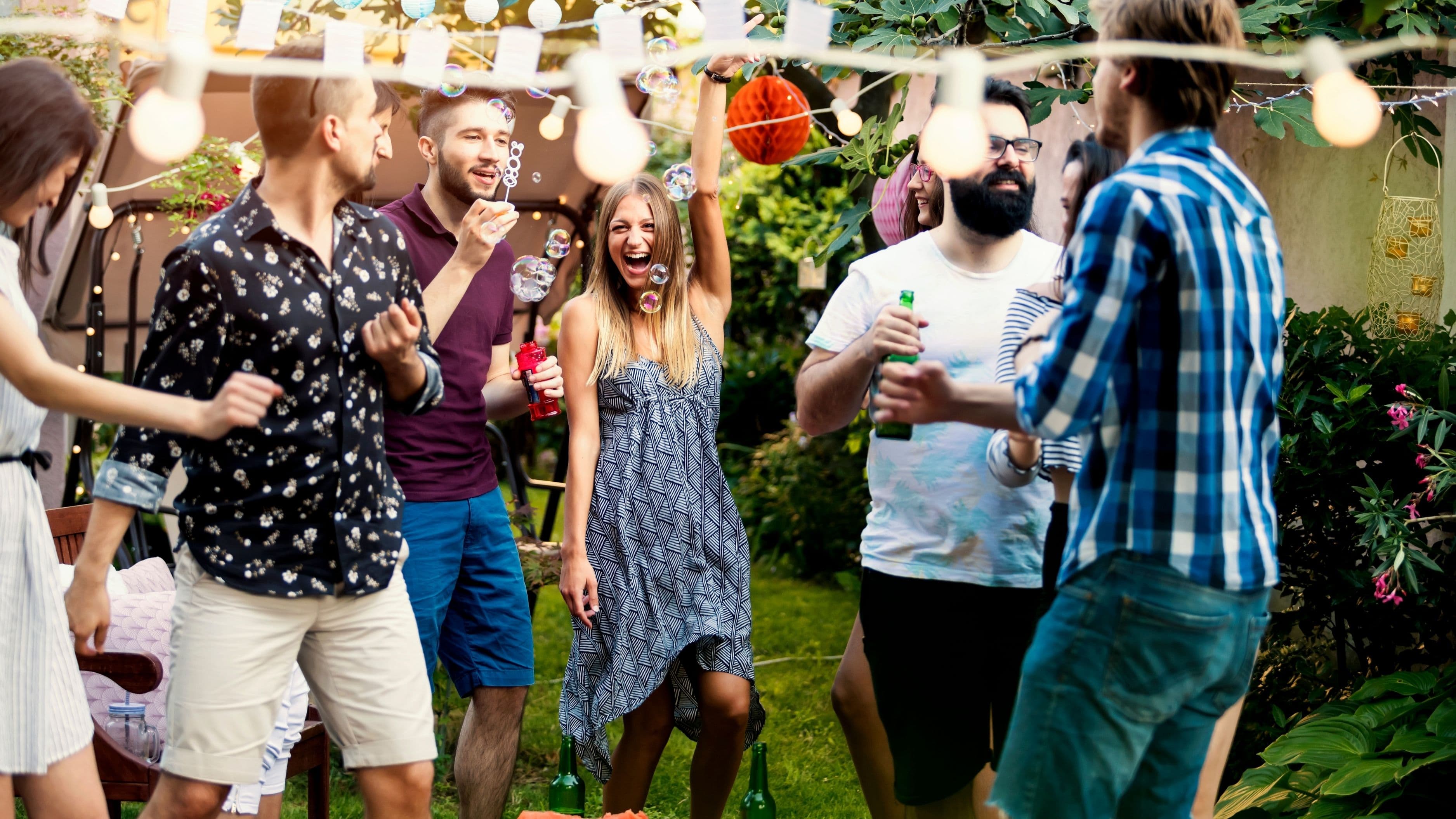
One of the most freeing realizations in party planning is that a beautiful outdoor evening often needs very little added decoration to feel special. String lights, which are relatively inexpensive and reusable across multiple gatherings, do most of the visual work of making a space feel intentional once evening settles in. Beyond that, a few citronella candles or simple mason jar lanterns add warmth without requiring an elaborate decor budget.
If you already have plants, blankets, or outdoor furniture, arranging these thoughtfully around your gathering space often creates more atmosphere than purchased decorations would. The goal isn't to strip the event of any visual charm – it's to notice how much of that charm can come from things you already own or from the natural setting itself, rather than a shopping trip.
Plan Drinks Around One or Two Simple Options
A stocked bar with multiple liquors, mixers, and garnishes adds up quickly, both in cost and in the mental effort of managing it during the event itself. Choosing one signature drink – a pitcher of sangria, a simple spritz, or a large batch cocktail – along with water and one non-alcoholic option covers most preferences without the complexity or expense of a full bar setup.
Batch drinks specifically save time during the party as well, since you're not mixing individual cocktails throughout the evening. This lets you actually be present with your guests instead of playing bartender for several hours, which often matters more to the overall feeling of the event than variety ever does.
Keep the Guest List Intentional Rather Than Expansive
It's tempting to think a bigger guest list automatically means a more memorable party, but the opposite is often true – smaller, more intentional gatherings tend to create deeper conversations and a more relaxed atmosphere, while also keeping food and drink costs proportional and manageable. A guest list built around who you genuinely want to spend an evening with, rather than a sense of obligation to invite broadly, tends to produce both a better experience and a lower cost.
This doesn't mean small gatherings are inherently better than large ones – some occasions genuinely call for a bigger celebration. It simply means the size of the guest list should be a deliberate choice tied to the kind of evening you're hoping to create, not a default assumption that more people means more memorable.
Use Activities That Cost Little but Add a Lot
A few simple, low-cost additions can shape how a gathering is remembered far more than expensive elements would. A shared playlist that guests can add songs to throughout the evening, a simple lawn game like cornhole or bocce, or even just a firepit for later in the evening gives people natural touchpoints for connection without requiring any real investment.
These small additions tend to become the things people mention afterward – not because they were elaborate, but because they created moments of shared, easy enjoyment. It's worth resisting the pull toward more elaborate entertainment ideas and trusting that simple, low-pressure activities often do more for the overall feeling of a party than anything requiring a bigger budget.
Common Mistakes to Avoid
One of the most common overspending patterns is over-catering out of a fear of running out of food, which often results in significant waste and unnecessary cost. Preparing slightly more than needed is reasonable, but doubling recipes "just in case" usually isn't – guests rarely notice abundance the way hosts assume they will, but they do notice a relaxed, present host.
Another common pitfall is trying to replicate an aesthetic seen online without adjusting it to fit your actual space and budget. What looks effortless in a photo often required significant unseen cost and setup, and chasing that exact look can lead to spending well beyond what the gathering actually needed. It helps to treat inspiration as a starting point rather than a blueprint to copy exactly.
Realistic Expectations
A budget-conscious gathering doesn't mean an event that feels lacking – it means being intentional about where the money and effort actually go. Some evenings will still cost more than others depending on guest count and occasion, and that's a reasonable, expected part of hosting. The goal here isn't zero spending; it's spending in proportion to what actually shapes the experience, rather than what simply looks impressive.
FAQ
How much should I realistically budget for a small summer gathering? For a gathering of 8–10 people, a reasonable budget using the approach above often falls between $75–150, depending on whether guests contribute food or drinks as well.
Is it rude to ask guests to bring something? Not at all – potluck-style contributions are common and often appreciated, since they give guests a way to participate rather than simply attend. Framing it as a shared gathering rather than a formal request usually feels natural.
What if I want the party to feel a bit more special without spending much more? Small sensory touches – good lighting, a signature drink, a curated playlist – tend to elevate the feeling of an evening more than adding more items to the menu or decor.
How far in advance should I start planning to keep costs manageable? Two to three weeks gives enough time to shop sales, borrow items from friends if needed, and avoid last-minute costly purchases made under time pressure.