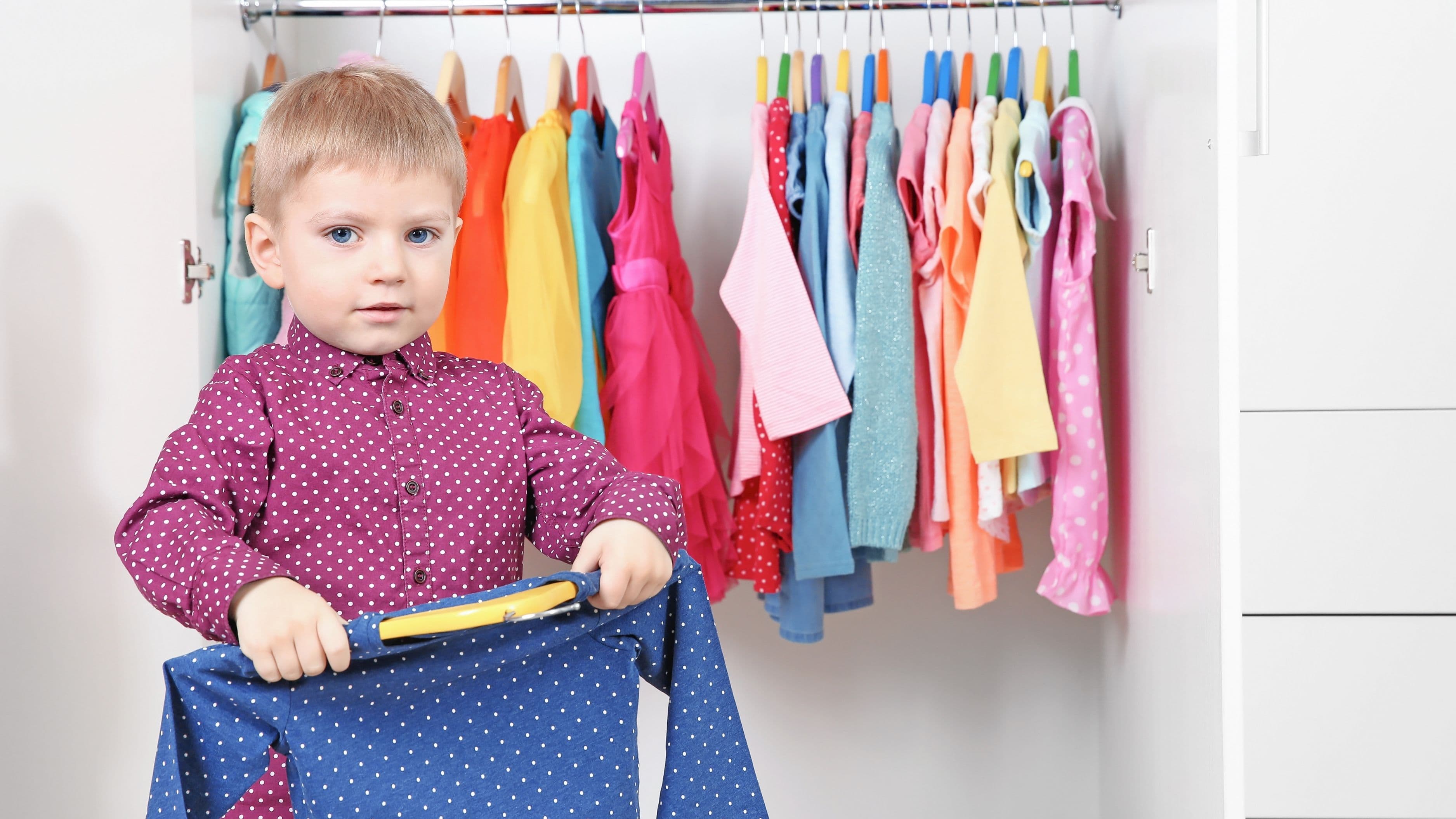
The good news is that summer clothing shopping doesn't have to mean paying full price or scrambling in July when the good sizes are already gone. With a bit of timing and a shift in where you look, it's possible to dress kids for the season without it becoming a financial stress point. Here's a grounded way to approach it.
Start With What You Actually Need, Not What's on Sale
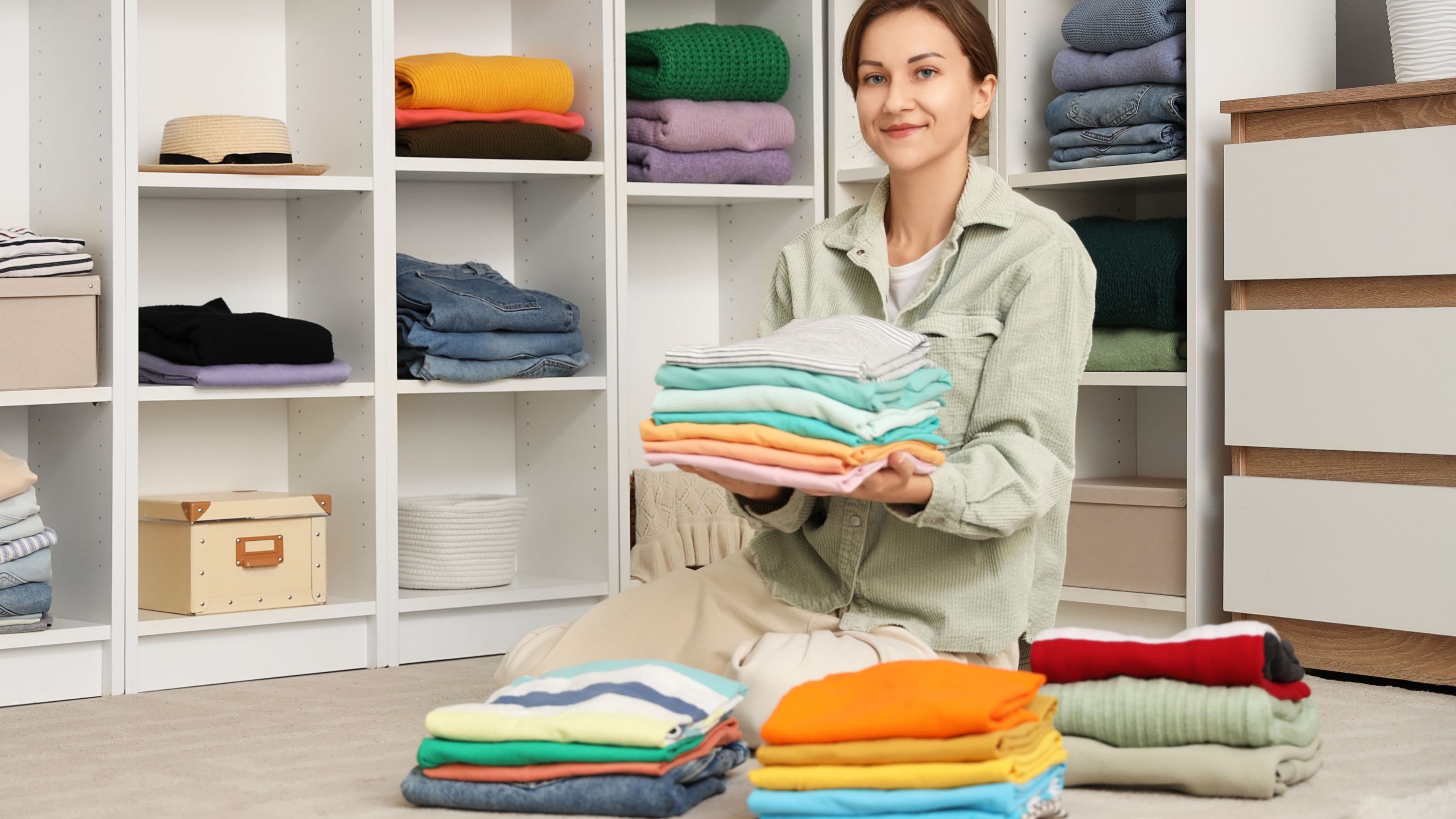
It's easy to walk into a sale and come out with five things that caught your eye but don't solve an actual gap in the closet. Before shopping, take ten minutes to go through what your child already has from last summer – what still fits, what's worn out, and what's missing entirely. This small step changes shopping from reactive to intentional, and it naturally prevents overspending on items you don't need just because they're discounted.
This is also a good moment to think honestly about how much growing room to plan for. Buying slightly ahead of size, especially for shorts and t-shirts, means you're less likely to be caught off guard again in a few months – but buying too far ahead risks clothes that never quite fit right during the season you need them.
Shop the Off-Season, Not Just the Sale Season
One of the most effective habits for saving on kids' summer clothing is buying at the end of summer, not the start of it. Retailers begin clearing out warm-weather inventory in late July and August to make room for fall stock, which is when discounts are steepest – often 50–70% off. The tradeoff is that you're buying a size ahead, which requires a bit of guessing about growth, but for many families this single shift accounts for the biggest savings of the year.
If shopping ahead by a full season feels like too much uncertainty, a middle-ground approach is to buy basics – plain t-shirts, shorts, swimsuits in slightly stretchy fabric – further ahead, since these are more forgiving of small size changes, while waiting closer to the season for items where fit matters more, like shoes.
Let Secondhand Be a Real Option, Not a Last Resort
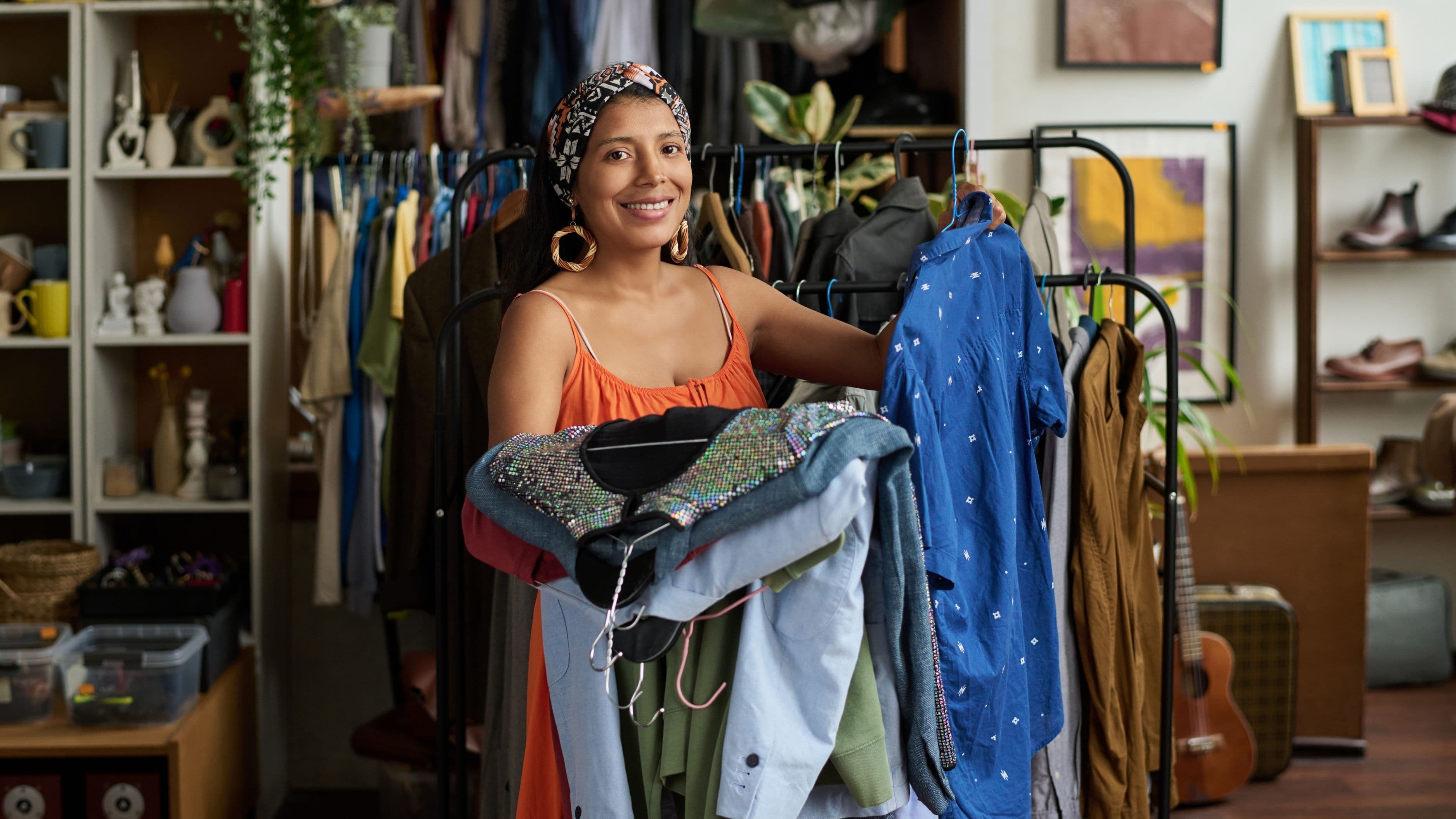
Kids often outgrow summer clothes before they're worn out, which makes secondhand shopping – consignment stores, local buy-sell-trade groups, or thrift stores – a genuinely practical option rather than a compromise. Many secondhand summer items are barely worn, since a child might only fit into a given size for a few months of warm weather before growing out of it.
If the idea of secondhand shopping feels overwhelming, start small: pick one category, like swimwear or sandals, where fit matters less precisely, and see how the experience feels before expanding to more of the wardrobe. Some families also find it easier to sell or trade outgrown clothes in the same space, which offsets the cost of what they're buying and keeps the whole process feeling more like a cycle than a expense.
Use Price Tracking Instead of Checking Constantly
Manually checking prices across multiple stores is exhausting and rarely sustainable for more than a week or two. Browser extensions and apps that track price history can tell you whether a "sale" price is actually lower than what an item has sold for recently, which helps you avoid the common trap of buying something during a sale that isn't really discounted at all.
Setting up price alerts for specific items – rather than browsing sales pages regularly – also reduces the mental load of shopping. It shifts the task from something you have to remember to do into something that comes to you, which fits better into an already full schedule.
Buy Multi-Packs and Basics in Bulk When It Makes Sense
For items kids go through quickly – plain t-shirts, socks, underwear – multi-packs are often priced noticeably lower per item than buying pieces individually, even outside of a sale. This works especially well for basics that don't need to match a specific outfit or trend, since the savings come from volume rather than timing.
This approach works less well for statement pieces or anything tied to a specific style your child has strong feelings about, since buying in bulk only pays off if the items actually get worn. It's worth reserving this strategy for the plain, functional layer of the wardrobe rather than applying it everywhere.
Common Mistakes to Avoid
A few patterns tend to undercut otherwise good intentions around budget-friendly shopping. Buying based on a deal alone, without checking against what's actually needed, often leads to a closet full of items that don't get worn – which isn't really a saving at all once you account for the money spent. Similarly, waiting until the height of summer to shop for basics usually means facing full prices and picked-over sizes, since the best deals and selection show up either before the season starts or well after it winds down.
It also helps to be cautious of oversized "clearance" sections that mix genuinely discounted items with regular-priced stock moved there to create urgency. Comparing a price against its recent history, rather than trusting a sale sign alone, protects against this without requiring much extra effort once it becomes a habit.
A Realistic Way to Think About This
None of this requires becoming an expert bargain hunter or spending hours a week hunting for deals. A short seasonal inventory check, a willingness to buy slightly ahead of size for basics, and treating secondhand shopping as a normal option rather than a fallback will cover most of the savings available without adding stress to your routine. Progress here looks like spending a little less each season, not achieving some perfect system – and that's genuinely enough.
FAQ
When is the actual best time to buy kids' summer clothes? Late summer, typically late July through August, tends to offer the deepest discounts as retailers clear inventory for fall. Buying ahead does mean guessing at next year's size, so it works best for basics rather than items where exact fit matters.
Is secondhand clothing actually worth the time it takes to shop for it? For fast-growing kids, often yes – many secondhand summer items are barely worn since children move through sizes quickly during a single season. Starting with one category, like swimwear, is a manageable way to test whether it fits your routine.
How do I know if a "sale" price is a real discount? Price tracking tools that show recent price history are the most reliable way to check, since some sale pricing reflects a markup that was added shortly before the discount, rather than a genuine reduction.
📚 Sources
"How to Shop Smarter for Kids' Clothing" – Consumer Reports, consumerreports.org
"The True Cost of Fast Fashion for Children's Clothing" – The Guardian, theguardian.com
"Seasonal Retail Pricing Patterns" – Federal Reserve Bank of St. Louis, stlouisfed.org