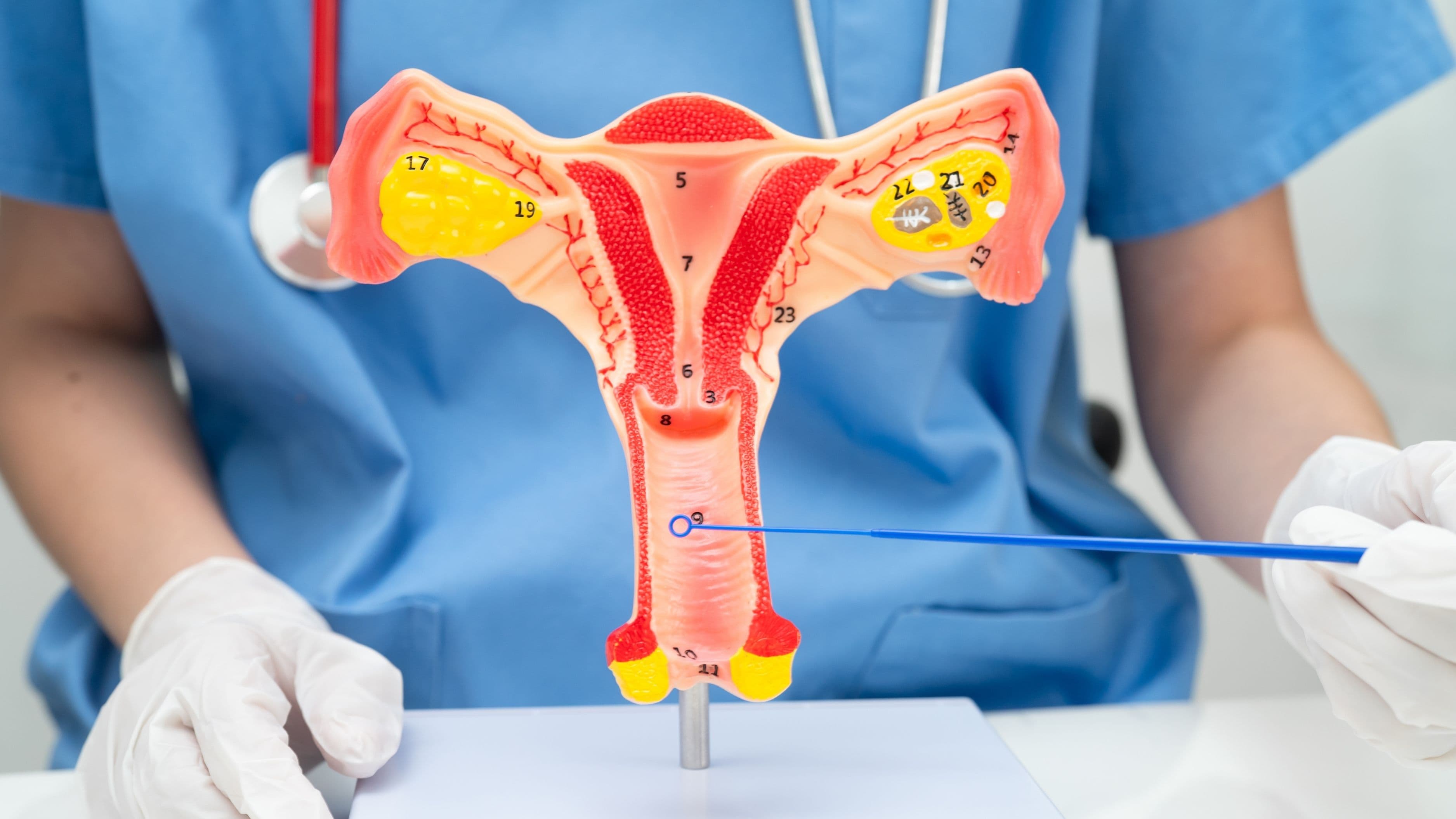
Your Hormones Have a Bedtime, Too
The body runs on a roughly 24-hour internal clock called the circadian rhythm — and hormones are its most loyal timekeepers. Cortisol, the primary stress hormone, is meant to peak in the early morning to wake you up and taper off at night to let you wind down. Melatonin, which signals sleep, rises as darkness falls and retreats with the morning light. Disrupting this cycle — through late nights, artificial light exposure, or fragmented sleep — throws off the entire cascade of hormonal signaling that your body depends on to function well.
For women, this disruption doesn't stop at feeling groggy. It ripples outward into estrogen regulation, progesterone production, and even thyroid function. The body simply cannot perform its hormonal "maintenance work" without adequate, quality rest. Think of sleep as the night shift your endocrine system desperately needs to clock in for.
The Estrogen-Sleep Loop
Estrogen and sleep influence each other in a two-way relationship that becomes especially visible during hormonal transitions like the luteal phase of the menstrual cycle, perimenopause, and postmenopause. Estrogen supports the production of serotonin — a neurotransmitter tied to mood regulation and, indirectly, to melatonin production. When estrogen drops, as it naturally does in the days before a period or during perimenopause, sleep quality tends to decline with it.
Hot flashes and night sweats — common symptoms of perimenopause — are direct consequences of estrogen fluctuation, and they're notorious sleep disruptors. But even younger women who experience a sharp premenstrual dip in estrogen may notice lighter sleep, more frequent waking, or vivid, exhausting dreams in the days before their period. The loop closes when poor sleep further suppresses estrogen, making the hormonal dip feel even steeper.
Cortisol: The Hormone That Never Got the Memo
Here's what no one tells you: poor sleep doesn't just leave you tired — it actively elevates cortisol levels. And elevated cortisol is one of the most disruptive forces in a woman's hormonal health. Chronically high cortisol competes with progesterone (they share the same hormonal precursor, pregnenolone), suppresses thyroid function, and can even interfere with ovulation by signaling to the body that conditions aren't safe for reproduction.
When you're running on five broken hours of sleep night after night, your body interprets that as a form of chronic stress. The adrenal glands respond accordingly — pumping out cortisol to help you cope — and the downstream effects touch nearly every other hormone in your body. It's a quiet, invisible kind of hormonal chaos that often gets dismissed as "just stress" or "just fatigue." But the biology is more serious than that.
Progesterone: The Calming Hormone You Might Be Losing
Progesterone is sometimes called the "calming hormone" — it has a natural sedative effect and actually supports deeper, more restorative sleep. It does this partly by interacting with GABA receptors in the brain, the same pathway targeted by anti-anxiety medications. When progesterone levels are healthy and balanced, many women notice they sleep deeply during the first half of the luteal phase.
But progesterone is sensitive to stress, to cortisol overload, and to sleep deprivation itself. When you don't sleep enough, progesterone production can fall, which in turn makes it harder to sleep — another loop that feeds itself. Women with low progesterone often describe lying awake with a racing mind, unable to switch off, which makes sense given the hormone's role in calming the nervous system. Protecting your sleep is, in a very real way, protecting your progesterone.
Blood Sugar, Insulin, and the 3 AM Wake-Up
Waking between 2 and 4 AM is a pattern many women experience, and it's often brushed off. But this middle-of-the-night waking is frequently tied to blood sugar dysregulation — a dynamic that's closely linked to sleep quality and hormonal health. When blood sugar drops too low overnight, the body releases adrenaline and cortisol to bring it back up, and that hormonal surge is often enough to pull you out of sleep.
Poor sleep, in turn, reduces insulin sensitivity — meaning even the same foods you always eat can spike your blood sugar more dramatically when you're sleep-deprived. According to research published in The Journal of Clinical Endocrinology & Metabolism, even a single night of partial sleep deprivation can significantly impair insulin sensitivity in healthy adults. For women, this has particular implications for conditions like PCOS (polycystic ovary syndrome), where insulin resistance is already a central feature.
What Better Sleep Actually Does for Your Hormones
Prioritizing sleep isn't just a wellness trend — it's a biological intervention. Here's what consistent, quality rest actively supports:
Balanced cortisol rhythms — Allowing cortisol to follow its natural arc, so it peaks at wake-up and fades at night, rather than staying elevated around the clock.
Healthier progesterone levels — Giving the body the recovery time it needs to maintain adequate progesterone, which supports mood, cycle regularity, and calm.
More stable estrogen signaling — Reducing the erratic swings that contribute to PMS, perimenopause symptoms, and mood disruptions.
Improved insulin sensitivity — Helping cells respond to insulin more effectively, which supports energy, weight regulation, and hormonal balance in conditions like PCOS.
Stronger immune and thyroid function — Both of which rely on overnight repair processes that simply can't happen if you're skipping sleep.
Small Shifts, Big Hormonal Returns
You don't need a complete lifestyle overhaul. Even modest improvements in sleep hygiene can shift your hormonal picture meaningfully over time.
Go to bed within the same 30-minute window every night. Consistency trains your circadian rhythm and helps hormones release on schedule.
Cut screens an hour before bed. Blue light suppresses melatonin production — and melatonin suppression cascades into cortisol dysregulation.
Eat a small protein-fat snack before bed if you wake at 3 AM. A few bites of almond butter or cheese can stabilize blood sugar overnight and prevent the cortisol spike that's pulling you awake.
Cool your bedroom to 65–68°F. Core body temperature needs to drop to initiate deep sleep — a cool room makes that easier, and it may reduce the severity of night sweats.
Try magnesium glycinate in the evening. Magnesium supports GABA receptors — the same pathway as progesterone — and is one of the most evidence-backed supplements for sleep quality and hormonal calm.
Rest Is a Hormonal Act
Sleep is the most underutilized tool in women's hormonal health. It doesn't require a prescription, a practitioner visit, or a complicated protocol. It requires intention. In a culture that glorifies busyness and treats rest as laziness, choosing to sleep — deeply, consistently, protectively — is a radical act of self-regulation. Feel the difference that even three nights of early, uninterrupted sleep can make in your mood, your energy, your appetite, and the steadiness beneath your skin.
Pick one shift from this article and try it tonight. Momentum starts small — and so does hormonal healing.
📚 Sources
Leproult, R., & Van Cauter, E. (2010). Role of sleep and sleep loss in hormonal release and metabolism. Endocrine Development, 17, 11–21. https://doi.org/10.1159/000262524
Gottfried, S. (2013). The Hormone Cure. Scribner.
Spiegel, K., Tasali, E., Penev, P., & Van Cauter, E. (2004). Brief communication: Sleep curtailment in healthy young men is associated with decreased leptin levels, elevated ghrelin levels, and increased hunger and appetite. Annals of Internal Medicine, 141(11), 846–850.
Santoro, N., & Sutton-Tyrrell, K. (2011). The SWAN song: Study of Women's Health Across the Nation's recurring themes. Obstetrics and Gynecology Clinics of North America, 38(3), 417–423.
Donga, E., et al. (2010). A single night of partial sleep deprivation induces insulin resistance in multiple metabolic pathways in healthy subjects. The Journal of Clinical Endocrinology & Metabolism, 95(6), 2963–2968.